

Politics
Is White Rice Bad For You?


Rice is a staple food for more than half of the world’s population, thanks to its availability and affordability. Most of the rice produced in the US is of the white, long-grain variety, which has a reputation for being unhealthy. But is white rice actually bad for you? And what if you, like billions of people, eat rice every day?
As it turns out, white rice can be part of a healthy diet, so long as you combine it with nutrient-dense foods. Below, we talked to experts about the nutritional facts of white rice and how this popular and versatile grain can affect your health.
White Rice Is Mainly A Source Of Energy
“Even though we’re told to eat more whole grains, like brown rice, that doesn’t mean white rice is lacking in nutrition,” Amanda Sauceda, a registered dietitian and gut health nutritionist, told HuffPost. One cup of unenriched, long-grain white rice, cooked and unsalted, contains approximately 45 grams of carbohydrates, 4 grams of protein, less than 0.5 grams of fat and less than 1 gram of fibre.
Along with providing a quick source of energy, white rice is easy to digest, which can be helpful if you’re recovering from an illness or engaging in physical activity. And although rice is low in fat, it does have some drawbacks. “Unenriched white rice contains relatively small amounts of vitamins and minerals because the bran and germ, where most micronutrients are located, are removed during processing,” explained Qianzhi Jiang, a pediatric and family dietitian at The Nutrition Changer.
However, most of the rice consumed in the US is enriched with nutrients such as iron, folic acid and B vitamins, including thiamin, riboflavin, niacin and vitamin B6. “Eating rice daily is not inherently harmful, but potential risks depend on portion size, dietary balance and the type of rice consumed,” she said.
Michelle Routhenstein, a preventive cardiology dietitian and certified diabetes educator, added that filling your plate with rice could mean that you’re missing out on other nutrient-dense foods like vegetables, legumes and whole grains, which provide more fibre, magnesium, potassium, antioxidants and heart-protective nutrients. As with any diet, it’s best to aim for balance and variety while considering your health needs.

Eat Rice With Your Health Needs And Goals In Mind
Brain Health
White rice provides glucose, the brain’s main energy source. Enriched rice and brown rice additionally supply some B vitamins that support neurological functioning that regular white rice doesn’t, Jiang said. However, you can just as easily obtain these vitamins from berries, leafy greens and starchy vegetables like sweet potatoes. In addition, “diets high in refined carbohydrates like white rice may contribute to blood sugar fluctuations, which over time can affect metabolic health and cognitive function,” she said.
If you regularly eat large quantities of white rice, you might be missing out on omega-3 fats, antioxidants and B vitamins, which support brain health. “In practice, rice works best as a neutral base for meals that include nutrient-dense foods like vegetables, legumes, nuts and lean proteins,” she said. “Other grains I like to mix with or use instead of white rice in traditional Chinese meals are wild rice, millet and barley.”
Immune Health
Whether you’re concerned about a chronic illness or cold and flu season, eating rice daily has some downsides. “Diets dominated by refined grains may be lower in nutrients like zinc, magnesium and antioxidants, which are important for immune function,” Jiang said. “White rice alone contributes few immune-supportive phytochemicals compared with whole grains or vegetables.” Phytochemicals protect plants against bacteria and viruses and may offer similar benefits to people.
That said, enriched rice contains iron and B vitamins, which support immune cell function and energy metabolism. Plus, if you’re sick, rice is gentle on your stomach. Another way to boost antioxidants is to add leafy greens, broccoli, peppers or mushrooms, Routhenstein said.
Heart Health
If you’re focused on heart health, the lack of fibre is a big downside to loading your plate with white rice. “Fibre plays an important role in helping lower LDL cholesterol and supporting overall cardiovascular health,” Routhenstein said. Another concern is blood sugar spikes. “Over time, repeated spikes in blood glucose and insulin can contribute to inflammation and damage to blood vessels, which may accelerate the process of plaque buildup in the arteries,” she explained.
Still, a heart-healthy diet doesn’t mean ruling out rice. Since it’s naturally low in sodium and fat, rice can serve as a base for heart-supportive foods like vegetables, beans and fish, she said. She recommended choosing brown rice, quinoa or farro. “These whole grains provide more fibre along with nutrients like magnesium and potassium, which play a role in blood pressure regulation and cardiovascular health,” she added.
Digestive Health
Current dietary guidelines recommend that people aged 2 and older consume 14 grams of fibre for every 1,000 calories. For reference, a cup of instant oatmeal contains 4 grams of fibre. “Most people are not meeting these goals, and this can contribute to constipation,” Sauceda said. “If you’re eating a lot of white rice and not many fibre-rich foods, this can affect your gut health.”
For better results, she suggested allowing your rice to cool. “When rice and other starchy foods like potatoes are cooked and cooled, some resistant starch forms, which acts like fibre in that it resists digestion and benefits your blood sugar,” she explained. Violeta Morris, a registered dietitian at The Concierge Dietitian, agreed, adding that brown rice is a good choice for slowing digestion. In addition, “fibre from plant foods helps feed the good bacteria in our intestines,” she said.
Another way to increase your fibre intake is to mix white rice with other grains. Sauceda suggested combining brown and white rice or adding starchy grains such as lentils or quinoa. Jiang suggested cooking rice with mung beans, adzuki beans, sweet potatoes or winter squash for added flavor and nutrients.
Gluten Sensitivities
If you have a gluten sensitivity or celiac disease, you can still enjoy rice since it’s naturally gluten-free. “However, a gluten-free diet that relies heavily on refined grains may lack fibre and nutrients such as magnesium and potassium that are protective against chronic disease,” Routhenstein said. “Instead of eliminating rice, a better strategy is to build a more balanced plate.”
She suggested incorporating gluten-free whole grains such as brown rice, wild rice, quinoa and buckwheat to increase fibre intake and nutrient diversity. If gluten is an issue, you’ll want to avoid farro. “You can also mix rice with lentils or beans to increase protein and fibre,” she said.
Diabetes Management
If you have diabetes or insulin resistance, eating large servings of white rice can make it harder to manage your blood sugar. “White rice has a higher glycemic index, meaning it can raise blood sugar relatively quickly when eaten on its own or in large portions,” Routhenstein said. Following this spike, your blood sugar can drop, leading to tiredness, fatigue and increased hunger after a meal that is already high in calories, Morris said.
In a systematic review, researchers found that people who ate the most white rice had a slightly higher risk of developing type 2 diabetes. “For every additional 150 grams (about 3/4 cup of cooked rice) consumed per day, the risk of type 2 diabetes increased by about 6%, with a slightly higher risk observed in women,” she said.
Fortunately, there are ways to manage your blood sugar while still enjoying rice. For instance, pay attention to the order in which you eat. “Continuous glucose monitor data shows that eating fibre-rich vegetables and proteins, such as chicken or fish, first and saving the rice for last may help reduce the rise in blood sugar after the meal,” Morris said. She also recommended reducing your portion size to half a cup of cooked rice, whether it’s white or brown, or swapping rice for half a cup of beans or lentils.

Annie Japaud via Getty Images
Along with smaller portion sizes, Routhenstein suggested including fiber, lean protein and healthy fats, for example, by eating vegetables, beans, tofu, chicken or fish. “Choosing whole-grain varieties like brown rice also provides more fiber, magnesium and resistant starch, which can help slow digestion and support better blood sugar control,” she said. She also suggested cooling cooked rice to improve your blood sugar response.
Another helpful strategy is walking after a meal. “Even a 10- to 15-minute walk after eating can help your body use glucose for energy, improve digestion and support better blood sugar control,” Morris added.
Cancer Prevention
Compared to whole grains, white rice contains very little fibre and plant compounds. “Some studies link higher refined grain intake with poorer metabolic health, which may indirectly influence cancer risk,” Jiang said. Another concern is that rice can accumulate arsenic. At high levels, arsenic is linked to cardiovascular disease, although researchers did not find higher rates of heart disease, inflammation or blood vessel problems in people who ate one or more servings of rice per day, Morris said.
In addition, inorganic arsenic is a known carcinogen (cancer-causing agent), Jiang said. The levels of inorganic arsenic in US rice are generally not regulated. Although rice itself is not a carcinogen, frequent consumption, especially among children, may modestly increase exposure to arsenic. “Prolonged arsenic exposure has been linked to skin lesions, cardiovascular diseases and gastrointestinal disorders,” she said.
However, you can reduce the arsenic level in rice by rinsing rice before cooking and using and discarding excess water in the cooking process. “While typical dietary exposure from rice in the US is considered low risk, diversifying grains can reduce cumulative exposure,” she said. “When consumed in moderation as part of balanced meals with vegetables, legumes and healthy fats, rice can fit into healthy dietary patterns associated with lower cancer risk.”
Bone Health
To stay strong and rigid, our bones need magnesium. “A 45-gram serving of brown rice has 12% of your daily value of magnesium, while white rice has only 2%,” Sauceda said. In addition, uncooked brown rice contains 303mg of phosphorus compared to 108mg in white rice.
Joint Health
If you have achy or swollen joints, you’ll want to avoid refined grains. “A diet that’s higher in refined grains can encourage more inflammation in the body, which could negatively impact your joint health,” Sauceda said. “When eating for joint health, focus on antioxidants that have anti-inflammatory properties, which you find in brown, black and red rice.”
Vision Health
“Regular white rice usually does not contain vitamin A, which is important for vision health,” Morris said. Scientists have developed Golden Rice, which contains beta-carotene, a nutrient that the body can convert into vitamin A. Golden Rice isn’t commonly available in the US, but grocery stores sell enriched and unenriched varieties. “I recommend enriched rice, since it helps replace some of the nutrients lost during processing,” she said.


Note: I appreciate this won’t be of interesy to everyone, but it’s of great interest to me, which is why I’ve spent the bulk of Bank Holiday Monday writing it.
It’s happened. There’s no point in dwelling on what might have been. We got the third worst points total of any team in the Premier League. Of course we can all look at games where we could have got more, either due to VAR going against us or for plenty of other reasons. But what is the point? Everyone, including the fanbase, needs to get the pain out of our system and look to the future.
The next three months will be dominated by speculation about which players will leave and which players will be incoming. So let’s look at our current squad and analyse who is likely to stay, who we’d actually want to stay, and who will inevitably leave.
One positive point to make before we go into that is that we have plenty of youth players who are ready to step up to the first team, and a lot of them will get their opportunities, given the parlous state of the club’s finances. Mohamedou Kante, Ezra Myers, Olly Scarles and Freddie Potts are all likely to first team starters from August, with George Earthy, Airdas Golambeckis, Preston Fearon, Lewis Orford, Josh Ayala, Josh Landers and Kaelan Casey all knocking on a door that is more than ajar. I’m almost salivating at the prospect of at least two of those making it big.
Three players who will definitely be leaving are Calum Wilson, Adama Traore and Axel Disasi. Disasi will return to Chelsea. I’d love to think we could keep him, and if we were still in the Premier League, there would have been a good prospect of that, but not now we’re in the Championship. Traore and Wilson were on short term contracts and neither is likely to want to play in the second league.
So let’s look at the rest of the first team squad.
GOALKEEPERS
Mads Hermansen has done well since he managed to oust Alfonse Areola, but he is still not a goalkeeper that inspires confidence. He cost a lot of money (£15million), which is unlikely to be recouped if he were sold. Areola won’t want to benchsit in the Championship and will probably be sold to a European club. Lukasz Fabianski will also surely finally retire, after not being fit for most of the season after his return. We have a surfeit of youth team keepers, two of whom will fancy their chances of at least being the number two. Finlay Herrick and Krisztian Heygi are in the driving seat, but Mason Terry is making waves too.
SELL: Hermandsen, Areola, Fabianski
RETAIN: Heygi, Herrick, Terry
FULL BACKS
Despite what the ridiculous Jamie Carragher was saying yesterday, I still think El Hadj Malick Diouf is the best crosser of the ball in British football. Yes, he needs to loo up more and yes, he has had made his fair share of defensive errors, but he will be hot property this summer. He will undoubtedly be sold, and I would hope he would fetch around £30 million. So that leaves the way open for Olly Scarles and Ezra Mayers to fight it out to start the season as first choice Left Back. There’s also Emeke Adiele who seems to score goals for fun in the Under 21s.
On the other side Aaron Wan-Bissaka had a very disappointing season for the man who was Hammer of the Year in the 2024-25 season. No way will he stay and will be sold for a very decent profit on the £15 million we forked out for him two years ago. Kyle Walker-Peters is, without doubt, a decent right back and never lets you down. He’s unflashy, but also lacks pace. He’s also been relegated two seasons running. He joined us on a free a year ago on a three-year deal, but he’s still only 29 years old and I can see him wanting to stay in the Premier League, and joining one of the lesser, or promoted, teams. Junior Robinson, Ryan Battrum and Jethro Medine are all waiting in the youth team wings to stake their claims, but none would appear first team ready.
STICK: Kyle Walker-Peters
TWIST: Aaron Wan-Bissaka
CENTRAL DEFENDERS
I think it is safe to say that we will start next season with a completely new defence, something I don’t think has ever happened before. Disasi will return to Chelsea, Mavropanos has been brilliant in the second half of the season and despite his emotional reaction at the end of the Leeds game, I cannot see him staying. We should be able to get at least £20 million for him, which is not a big profit on what we paid, but a profit, nonetheless.
And then we come to Todibo and Kilman. Both cost a huge amount of money. Kilman signed from Wolves for £40 million and looked a very decent defender at first. But Potter and Nuno destroyed his confidence. He’s still only 29. If we could recoup half what we paid for him, I suspect we’d take it. But would it be a disaster if he stayed? Todibo has said he won’t ever play for Nuno again, but given Nuno is most likely to depart in the next few days, I’m not sure that’s a consideration. However, he sees himself as an international player, having played for France twice. He will want to return there and put the West Ham experience behind him. He’s been totally mishandled and we should let him go, but we’re unlikely to recoup more than half the £35 million we paid for him.
Kaelan Casey has long been seen as the most likely youth team defender to break through, but his loan to Swansea City last season didn’t work out and he only made eight appearances before moving to Orient for the second half of the season. To be honest, he didn’t make the impact Orient fans had hoped for, and failed to appear in the last two matches of the season. I suspect he will get a low-level transfer to a lower league club.
Casey has been overtaken by Airdas Golambeckis, who has impressed all season. It would be no surprise if he was given the chance to start as a first team choice, but even if he doesn’t achieve that from the start, he will certainly be a member of the first team squad.
Ezra Mayers can also play in central defence, and Rayan Oyebade is also a good prospect.
Perhaps we should try to tempt Vladimir Coufal into returning.
STICK: Airdas Golambeckis
TWIST: Max Kilman, Jean-Clair Todibo, Dinos Mavropanos, Kaelan Casey
CENTRAL MIDFIELDERS
The one certainly is that Mateus Fernandes has played his last game for West Ham. He was a consistent bright spark throughout his one season with us, and grew in stature as the season progressed. Bought for £38 million from a relegated Southampton, he is rumoured to be targets for PSG and Manchester United. Hopefully there will be competition for his signature which will drive the price up to more than £50 million.
Tomas Soucek has defied the odds and has shown great stickability. He’s played 270 games for his and scored 44 goals. He may lack the technical flair of Fernandes, but he brings so much to the team and clearly loves the club. In my view, there should be no question of him leaving and any new manager should give him the captaincy, assuming he wants to stay.
James Ward-Prowse is back from his loan spell at Burnley. After the way he has been treated he couldn’t be blamed for wanting to seek pastures new. But perhaps when Nuno departs he may want to see who the new manager is. He’s a class player and if he can recover his motivation, he could well be an asset, playing alongside Soucek and mentoring several of the emerging youth team players.
Soungoutou Magassa never really made a huge impact, and never got a run of games. He never let us down and looked a decent prospect. He did feature in 22 games. He can also play in central defence. There’s no doubt that he would be exactly the kind of player a Championship sides needs, but would he want to stay? I suspect he may be on his way back to France. He cost £15 million, and if we sold him we should look to recoup that. Monaco get a 10 per cent sell-on fee.
The midfield breakthrough player of last season was Mohamedou Kante, who didn’t make a Premier League start, but was used as a substitute on many occasions. He’s 6’5 tall and is a good substitute for Soucek.
Let’s not forget Edson Alvarez, who will now return from a loan spell with Fenerbahce, which due to injury restricted him to 12 appearances. He is likely to be named in the Mexican World Cup squad, having appeared 95 times for them. Let’s hope he has a good tournament, which can lead us to getting some kind of return on his original £35 million transfer fee. Remember, he’s still only 28.
Freddie Potts and George Earthy are proven Championship players with Portsmouth and Bristol City respectively. They won’t be going anywhere. In addition Lewis Orford has done well out on loan and will challenge for a first team place. Daniel Rigge and Preston Fearon are also being talked about in glowing terms.
STICK: Freddie Potts, Mohamadou Kante, George Earthy, Lewis Orford, Tomas Soucek
TWIST: Mateus Fernandes, James Ward-Prowse, Soungoutou Magassa, Edson Alvarez
WINGERS
If there is one player every West Ham fan would like to keep and build a team around, it would be our captain Jarrod Bowen. In the last week he has suffered the double blow of being relegated and also being brutally dumped from the England World Cup squad. By his standards, his goalscoring has been less than prolific, only hitting the net 9 times in the Premier League. Only two of those goals came since Christmas. His post match interview after the Leeds game led me to think he’s minded to stay. He’s now 29 and he could be forgiven for wanting one last big move, and none of us could hold it against him if Manchester United or Liverpool came in for him with a large bid and he was tempted. It would, though, need to be a bid in excess of £30 million. If he’s let go on the cheap, I think everyone would feel cheated. One thing which may motivate him to stay is that he’s only two goals off breaking Michail Antonio’s Premier League goalscoring record.
And then there is Crysencio Summerville. At times he’s the most frustrating player to watch, full of skill but too often without any end product. Too often he fails to make the right choice when deciding whether to shoot, or who to pass to. There’s no doubt, he’s a real talent, which is why we paid Leeds £25 million for his services. He’s still only 24 years old and his best years lie ahead of him. He will not wish to return to Championship football and will without doubt be sold. The question is whether we can make a healthy profit. He shouldn’t be let go for under £45 million. To get that, there will need to be some strong competition, possibly from European sides.
Maxwell Cornet has returned after two season long loans to Genoa, where it is safe to say that he was an utter failure. He only managed 15 games. He joined West Ham in 2021 but only played 21 games, scoring a solitary goal. He did show flashes of absolute brilliance, but partly because of injury, he never got a sustained run in the side. He’s 29, so by no means past it, and if he’s injury free it may be that he could still form part of a new manager’s plans. Unlikely, though. He’s a big expense of the wage bill, but wouldn’t command much of a transfer fee if we let him go.
I don’t see any members of the youth team who are knocking on the first team door on either flank. Keiber Lamadrid has had a couple of outings but didn’t shake any trees. Signed for £1 million from Venezuela, it wouldn’t be surprising if he moved on.
STICK: Jarrod Bowen
TWIST: Crysencio Summerville, Maxwel Cornet, Keiber Lamadrid
STRIKERS
It’s very difficult to predict what will happen with our strikers. We know that Callum Wilson’s contract is up and I doubt he’ll want to stay, even if Nuno departs. So, what of Taty Castellanos and Pablo? Both arrived in January. Taty has scored 6 goals in 18 games, a decent return for a Premier League newbie. Pablo hasn’t managed to find the net once. Neither was expecting to join a team that would be relegated. I suspect there will be efforts to move both on, but quite what the market for them will be is unclear.
Both Callum Marshall and Niklas Fullkrug have returned from their loan spells in Germany and Italy. Neither was a success. Marshall only scored 2 goals in 16 appearances at VFL Bochum, with Fullkrug managing a solitary goal in 19 games for Inter Milan. It’s cost him his place in Germany’s World Cup squad. Fullkrug cost £27 million, which was an absolute scandal. We’ll be lucky to be able to sell him to a minor German club for £5 million. I suspect Callum Marshall will go to a Championship or League One side. It’s sad, but he’s just not made the grade.
We have Josh Landers, Daniel Cummings, Josh Ajala and Majid Balogun are all well thought of in the youth set-up. Ajala and Landers have both been prolific in the Under 21s, but so have many other bright prospects, and then failed to make it in the first team if they have been given the opportunity.
STICK: None
Twist: Fullkrug, Marshall, Pablo, Taty Castellanos.
CONCLUSION
According to many pundits, West Ham need to bring in £150 million this summer if we are not to fall foul of SCR rules. These are the best case fees we could command…
Areola £5 million
Todibo £20 million
Mavropanos £25 million
Aaron Wan-Bissaka £22 million
Ed Hadj Malick Diof £25 million
Fernandes £60 million
Kaelan Casey £1 million
Max Kilman £15 million
Niclas Fullkrug £5 million
Callum Marshall £1 million
Pablo £15 million
Taty £20 million
Jarrod Bowen £30 million
Crysencio Summerville £40 million
Maxwel Cornet £1 million
Keiber Lamadrid £1 million
James Ward-Prowse £7 million
Edson Alvarez £20 million
Soungouto Magassa £15 million
Now all of that comes to an astonishing £328 million. The chances of us getting that are virtually nil. However, even if we bring in £200 million, that will mean there is some over to buy new players, even if they are no necessarily the kind of quality we would like.
If we get rid of most of those outlined, and taking into account the bright crop coming through the Under 21s, I think we will need to sign
1 Goalkeeper
1 Right back
3 Central defenders
2 Central midfielders
2 Wingers
2 Strikers
I suspect we will be looking at quite a few free transfers among those.
Phew. The end.
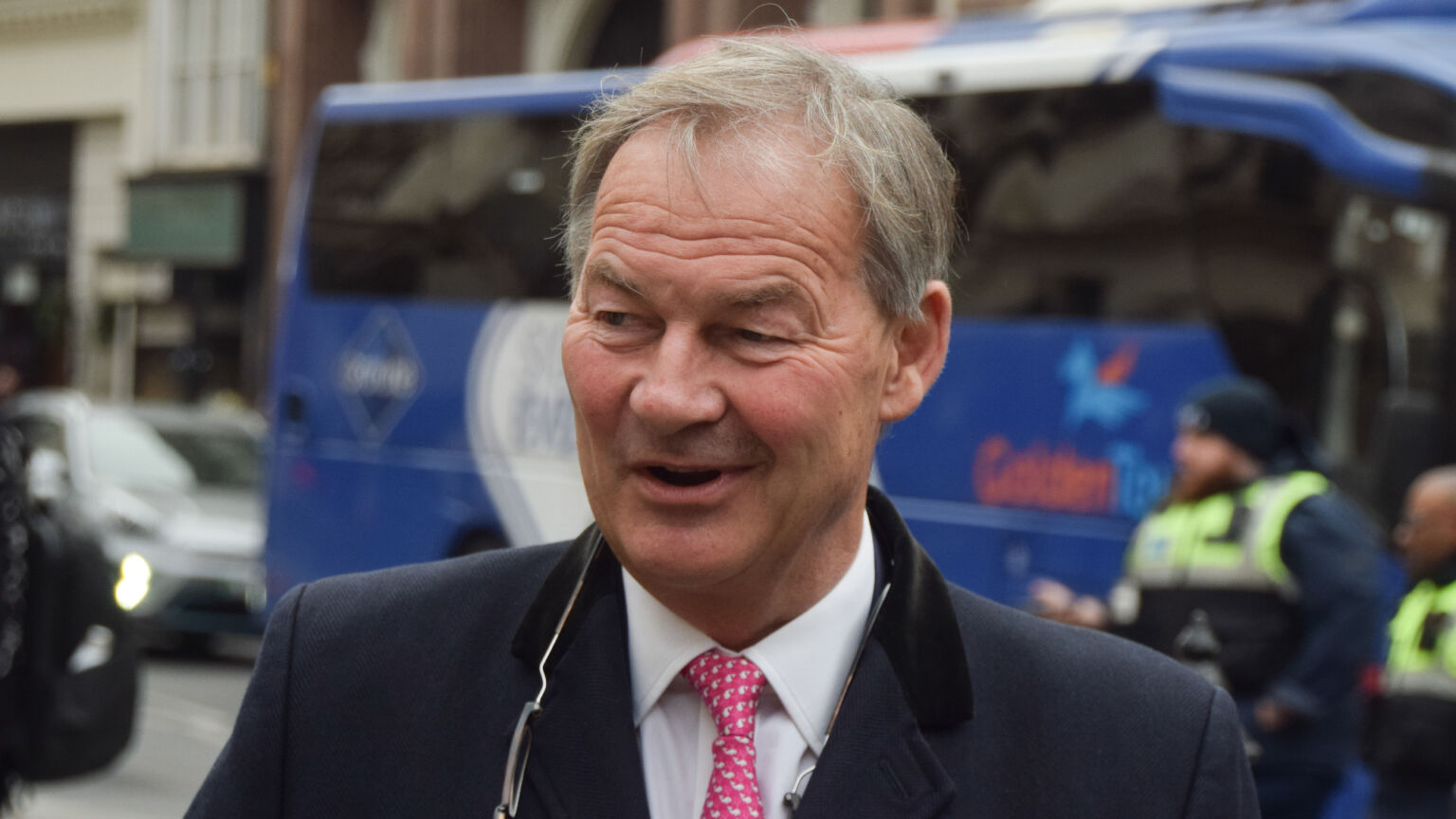
Rupert Lowe clearly hankers after a place in the history books. The leader of Restore Britain seems to fancy himself as a modern-day Crusader – a Soldier of Christ in a Savile Row suit who together with his army of sun-starved digital simps might hold back ‘the swarms’ pouring over our broken borders. I reckon he’s far more likely to end up a footnote in the history of populism. And what’s more, that his bit-part role in the chronicles of our times will be an entirely inglorious one. He looks set to be remembered as the man who put his own colossal vanity ahead of the working-class thirst for change.
Reports from Makerfield in the north-west of England suggest that Restore is polling at seven per cent. Its candidate is local businesswoman Rebecca Shepherd. I’ll admit this is higher than I expected. Makerfield, of course, is the by-election Labour’s Andy Burnham is standing in, as part of his grand plan to clear Sir Keir out of Downing Street. Burnham’s main competition is from Nigel Farage’s Reform UK, whose candidate is local fella Robert Kenyon.
According to a Survation survey, Labour is polling at 43 per cent and Reform at 40 per cent. You don’t need to be John Curtice to see what this means: the seven per cent being hoovered up by Restore’s oddball door-knockers is thwarting a potential Reform win. It’s a two-horse race up there, between voters who believe Burnham can resuscitate the corpse of Labour and voters who’ve had a gutful of the entire uniparty and want to put the wind up it by taking a punt on the populists of Reform. Restore, by shaving support from Reform, is giving the listless, dull-eyed horse of technocracy its best shot of winning.
This doesn’t only mean Labour would win a by-election. The Makerfield contest was magicked up as a coronation for the King of the North, as Burnham’s goggle-eyed fanboys in SW1 love to call the Manchester mayor. Labour MP Josh Simons stood aside so that Burnham could get a seat in the Commons and then the throne in Downing Street – the minute he’s an MP he’ll challenge Sir Keir for the leadership of Labour. And right now, the best thing he has going for him is not his own thin, stilted, distinctly sub-Obama ‘I’m a normal bloke’ bollocks – it’s Restore’s nerds nicking votes from Reform and then gloating about it on X because everything’s a fucking joke to them.
There is something so pathetic about these self-styled crusaders for Christendom giving Burnham a leg-up. These are the kind of people who go all digitally onanistic over Richard the Lionheart’s crusade to recapture Jerusalem from the armies of Islam, yet the only ‘king’ they’re ever going to crown is Andy goddamn Burnham, the man who couldn’t even bring himself to say the word ‘Islamist’ about the barbarian who massacred 22 Manchester youths at the arena there in 2017. Online they cosplay as Knights Templar, in real life they’re the accidental giggling facilitators of a yellow-bellied technocracy that’s too shit-scared to name the threat we face, far less do anything about it.
Apologies if this sounds a little ‘class war’, but there is something sick-making about Lowe, a man born into eye-watering privilege, frustrating one of the best chances the working classes have had in years of sticking it to the political machine. Across Makerfield, people are relishing the opportunity to rip the crown from King Andy’s head and deny the zombie uniparty down south the breath of life it thinks Burnham will bring. And yet in swarm Lowe’s dorkish minions, essentially saying: ‘Nah, not this time, oiks.’ And Lowe gloats online, fancying himself as the ‘pure’ voice of the angry right but looking to the rest of us like a privately educated prick robbing the working class of its means of rebellion.
Restore is the enemy of populism. It’s a cult of personality pretending to be a party. Lowe, who’s MP for Great Yarmouth, famously flounced out of Reform UK and said it had become ‘the cult of Nigel’. That’s rich from a man whose online army of tongue-lolling acolytes would make Kim Jong Un wince. Restore is an almost entirely digital phenomenon, having eschewed the hard work of building real networks in real communities in favour of forging a virtual refuge for the socially inept who yelp ‘DEPORT’ on a loop and jizz when Elon Musk retweets them.
Its virtual fanbase is hands down the gayest political movement in Britain. You can’t peruse social media these days without seeing a homoerotic AI meme of a sexed-up Lowe about to do battle with the Muslims. Get a room, lads. It’s the Your Party of the right: it exists more in the digital sphere than the real world; it attracts cranks and misfits who wouldn’t last five minutes in a pub in a place like Makerfield; and it is so far up the fundament of purity politics that it spends more time hunting ‘traitors’ like Farage than it does building new institutions. Working-class voters hate this crap. They want a politics that works for them, not the vainglorious meme-making and treason-hunting of time-rich arseholes on the internet who prize the preservation of their own puffed-up moral vanity more highly than the desires of working people.
The crank right is the mirror image of the woke left. It has replaced the left’s ethnonarcissism with its own ethnonationalism. From a politics that said whites are scum to a politics that says only whites can be Brits and everyone else can bugger off? No normal person wants this cultural savagery that masquerades as virtue. The crank right even wallows in the same cesspit of Jew wariness as the woke left. Restore’s social-media feeds very often swarm with virginal bigots spouting anti-Jewish invective that the overeducated left has at least learned to disguise as ‘criticism of Israel’. When is Lowe going to distance himself from this filth? Or will he just rattle off his favourite slogan again: ‘I don’t care’?
There are so many problems in Britain. Broken borders, withered sovereignty, the ruling class’s abject cowardice in the face of the Islamist menace, not to mention looming economic doom and a dilapidated public square. We need solutions, urgently, but they won’t come from digital saps who have wet dreams about King Athelstan while doing the bidding of King Andy.
Brendan O’Neill is spiked’s chief political writer and host of the spiked podcast, The Brendan O’Neill Show. Subscribe to the podcast here. His latest book – After the Pogrom: 7 October, Israel and the Crisis of Civilisation – is available to order on Amazon UK and Amazon US now. And find Brendan on Instagram: @burntoakboy.
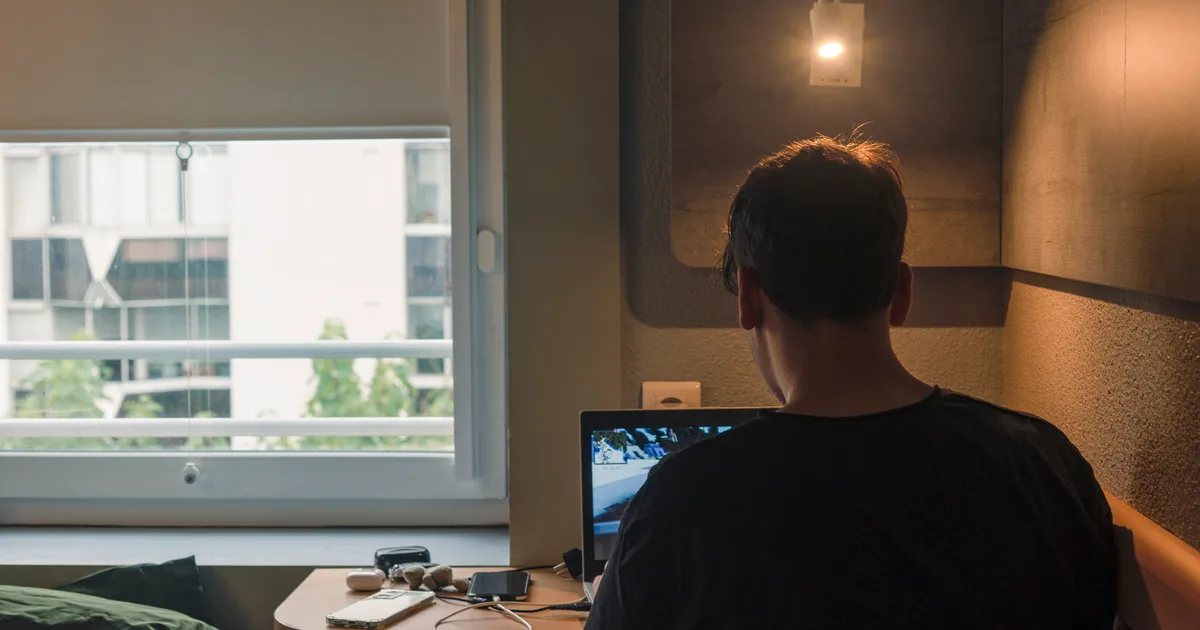
Red pill. Blue pill. Black pill.
As a parent, it can be hard to figure out what kids are talking about at the best of times, without having to decode incel-oriented language. (Incels, or involuntary celibates, believe they’re unable to form sexual relationships with women due to a combination of their looks and societal structures.)
But unfortunately, such are the times we live in.
Speaking to Joeli Brearley and Elliott Rae on their To Be A Boy podcast this week, Meadhbh Park, the author of Blackpilled, suggested the black pill ideology is now “bigger than” the red pill ideology online.
“I think the red pill has lost a lot of its fire … The black pill has morphed into the mainstream,” she claimed.
But what does this actually mean? And why should parents be on top of these terms?
What is the black pill ideology?
If you watched Adolescence back when it debuted on Netflix, you’ll already have some understanding of what red pill means.
Per UN Women, red pill ideology, or to “be red-pilled”, means to wake up to a reality that the world favours women over men. “In reference to the movie The Matrix, it suggests that people who disagree have taken the blue pill,” explained the site.
Red pill was associated with “an anti-feminist world view that women have too much power in society, that men need to reclaim their power back … and that it’s time that we revert back to rigid norms of the 1950s,” said Park on the podcast.
“And then the incels created a more nihilistic version of that saying: well women have too much power, society is going to the dogs, it’s not how it used to be, there’s too much modernity, too much tech, too much social media, but there’s nothing you can do about it,” she added.
And that is what the black pill ideology is all about. Brittanica notes it’s become an “extreme extension” of red pill philosophy.
“In a way, the red pill teaches men tips and tricks about how to scam the system … where you can trick a woman into bed, you can scam your way into making money, you can lie and cheat your way to the top and you can make it,” said Park.
“The black pill is basically the nihilistic version of: everything is wrong but, for some men, there’s nothing you can do. There are no tricks you can use, no tips or scams. If you’re too ugly (in their minds, that’s how they put it) for society, you’re never going to be able to make it as a man, or find a woman, or do anything of note. So, you have only limited options available to you.”
Educate Against Hate suggests those subscribing to the black pill may be more inclined to self-harm, whereas those subscribing to the red pill might take extreme action against others.
Signs kids are being ‘black-pilled’ online
It’s worth noting that kids using these terms isn’t necessarily an indication that your child is engaged in incel subculture – that said, you shouldn’t brush it off if they do talk about it. Instead, explore where they’re heard these terms and what they know about them.
Park noted that “kids use it [black-pilled] all the time” in comments or conversation – and it has almost become like another way to say “hopeless” or “no hope for”.
That said, some kids will be engaging with or, at the very least, seeing black pill content if they spend more time online, Park suggested, so it’s important to keep an eye on their internet use and any behaviour changes.
She suggested when kids become quieter, more insular and spend large amounts of time, that can be a red flag.
Some children are more susceptible to online radicalisation if they have low self-esteem, lack belonging, or they’ve been bullied or discriminated against and it’s left them feeling isolated.
According to ACT (Action Counters Terrorism), some early signs of radicalisation to be mindful of include:
- They are becoming increasingly isolated,
- It feels like they’re talking from a script,
- They are unwilling to engage with you regarding their views,
- They are becoming intolerant of other people’s views,
- They are becoming increasingly angry about issues or events they feel are unfair or unjust
- They are being secretive about their online use and who they speak to.
If you’re concerned, you can call the ACT Early Support Line on 0800 011 3764, or speak to your child’s school who can make a referral to Prevent to get them support.

When I’m on the sixth kilometre of a long run, the last thing I want to do is smile.
But the author of Slow Jogging: Get Fit, Lose Weight, Stay Healthy, and Have Fun With Easy Running, Dr Hiroaki Tanaka, said that’s what I should aim for to achieve a healthier, happier run.
He recommended trying a “smiling” or “niko niko” pace for better blood pressure and increased fitness.
Science says runners can seriously benefit from the practice, which has helped to get me back into running after a long break.
What is “niko niko” pace?
It means a “smiling” pace (“niko” means smiling in Japanese).
In other words, it’s a slow, easy pace.
So much so, Dr Tanaka told the Sydney Morning Herald back in 2016, that you can “talk at ease, or if you are running alone, sing your favourite songs”; it can start as slow as three to five kilometres an hour, though everyone’s different.
More experienced runners might plod along at seven kilometres an hour.
What are the benefits of “niko niko” running?
In his research, Dr Tanaka found that the practice seemed to lower participants’ blood pressure (even those who began “niko niko” running at 75).
Science has since backed his approach.
Per Anglia Ruskin University, “slow running may in some ways be more beneficial than training at higher intensities”.
That’s partly because “zone 2 training,” which sees runners jog working out to about 60-70% of their max effort, has been linked to lower strain, stress, and risk of injury. Like niko niko training, zone 2 training puts runners at a “pace which raises your heart rate, but is still slow enough that you can hold a conversation.”
This can improve your base-level fitness. The slower pace gets your heart near or at its maximum oxygen output without stressing your other muscles as much (zone 2 training keeps your body below the lactate threshold, which is when your body starts producing lactic acid that makes your muscles ache).
That means you can keep your body, including your heart, working harder than usual for longer.
Running more slowly has been shown to improve the pace of already-fast runners, too.
Elite runners typically spend about 80% of their training time in zone 2.

“Niko niko” pace helped me get back on track
I’ve been off the running path for almost a year, with some short-lived returns, thanks to an injury.
But running incredibly slowly on my return has been hugely beneficial (even if, to be honest, jogging at a slower pace than you know you can manage is agonising).
In general, it is good running advice to start the sport so slowly that you find your pace almost embarrassing. Injuries are the number one reason new runners quit, and are commonly caused by doing too much, too fast.
My most recent fastest pace is nigh on six minutes, which is far from my previous peak. Not only have I not had any injuries yet – touch wood – but I’ve also stopped obsessing over my time.
That means I enjoy the scenery and sounds of my local park a lot more. And it’s made my return to the hobby a lot more sustainable, too.
Whether you’re a beginner or a seasoned pro, I reccomend giving “niko niko” training a try, too: it might just make you smile.

To many, the news that Josh Widdicombe is set to take over as the new host of Strictly Come Dancing may have come as a bolt from the blue.
Later this year, the comedian will take over at the helm of Strictly alongside TV personality Emma Willis and professional dancer Johannes Radebe, marking the first time the series has been fronted by a team of three.
At this point, Josh has been a fixture on our screens for almost 15 years – known for his work on comedy panel shows, presenting podcasts and as one of the resident hosts of The Last Leg.
But if you’re not as familiar with Strictly’s new addition’s career as you’d like to be, allow us to bring you up to speed….
Before he got his start in comedy, Josh Widdicombe pursued a career in journalism
After graduating from uni with a degree in linguistics and sociology, Josh got himself a job in the book shop Waterstones’ children’s department, before pursuing a master’s degree in magazine journalism.
“I then moved to London and got a job writing for the children’s magazines Dora the Explorer, Angelina Ballerina and Mr Bean for John Brown Media,” he recalled to The Telegraph in 2021.
Josh claimed he “got the job because, having worked in the children’s department at Waterstones, I knew an unhealthy amount about kids’ publishing for a 21-year-old”.
From there, he briefly worked for The Guardian’s website, and worked as a sub-editor for a sports outlet, but it’s fair to say his heart wasn’t in it.
“[I] had no eye for detail,” he admitted. “Chelsea and Liverpool were both knocked out of the FA Cup by lower league opposition, a huge deal, and I got both scorelines the wrong way round on a double page.”

ITV/Matt Frost/Shutterstock
His big break came when he took part in the Edinburgh Festival’s iconic So You Think You’re Funny? contest
In fact, Josh only got into performing stand-up as a means to pursue his true passion of being a comedy writer.
He told The Telegraph: “I had no desire to perform but I enrolled on a comedy course, which gave me the confidence to book my first gig.”
Josh eventually made it to the final of So You Think You’re Funny? in 2008, before landing his own headlining show in 2011.
The show, titled If This Show Saves One Life…, earned four stars in Chortle, who predicted his brand of “safe” but “well-crafted” observational humour could make him the next Michael McIntyre.
It also earned him nominations at the Foster’s Edinburgh Comedy Awards and Malcolm Hardee’s “most likely to make a million quid” title.
Once he’d made a name for himself in the comedy world, the TV opportunities came rolling in
A year after his headlining show at Edinburgh, Josh became regular on Channel 4’s now-defunct comedy series Stand Up For The Week, as well as debuting on the panel show Mock The Week.
Over the years, he’s since popped up in all the usual places, including Mock The Week, 8 Out Of 10 Cats, QI and Have I Got News For You.
These days, Josh Widdicombe is best known as one of the hosts of The Last Leg
During Channel 4’s coverage of the London Paralympics in 2012, the nightly series The Last Leg aired, featuring Josh alongside Adam Hills and Alex Brooker.
Initially a look back over the day’s events at the Paralympics, it proved so popular that when the tournament was over, The Last Leg remained on the air, instead becoming a weekly series reflecting on current affairs, politics and world news.
Earlier this year, it wrapped up its 34th series, with Channel 4 having already confirmed that Josh will remain with the show for its 35th later in 2026, as it will not clash with his hosting duties on Strictly.

Besides The Last Leg, he’s been a permanent part of panel shows like Dave’s Hypothetical and BBC Two’s Insert Name Here.
Oh, and he’s a two-time Taskmaster champion, too
In fact, Josh appeared on the very first season of Taskmaster in 2015, where his competitors included comedians Romesh Ranganathan, Frank Skinner, Roisin Conaty and Tim Key.
Josh went on to win the series – with his stand-out moment undoubtedly coming when he left host Greg Davies stunned by having the comic’s name tattooed on his foot.
Two years later, he joined Bob Mortimer, Noel Fielding, Katherine Ryan and Rob Beckett on Taskmaster’s first ever ‘champion of champions’ series – which he also won.
He’s also a Mastermind champion, winning a celebrity special of the popular quiz show thanks to his knowledge of his specialist subject, Blur.
You may also be a fan of Josh Widdicombe’s podcasting work
A football devotee (despite his past foray into sports journalism not exactly going swimmingly), he previously hosted the Radio 5 Live series Fighting Talk with sports presenter Georgie Thompson, before launching his own nostalgic podcast about the game called Quickly Kevin, Will He Score?.
The show ran for seven years, before coming to an end in 2024 with a live show at London’s Palladium theatre.
He now co-hosts the podcast Parenting Hell with fellow comic, and dad, Rob Beckett.
They initially launched the series as Lockdown Parenting Hell during the pandemic, and kept it going after it proved to be a hit with listeners.
He previously had his own self-titled sitcom on BBC Three
Josh – which he created and co-wrote – ran for three seasons, featuring the comedian as a fictionalised version of himself, living in a flatshare with characters played by Elis James and Beattie Edmondson.
Jack Dee played the trio’s landlord, with Beattie’s mum Jennifer Saunders also putting in regular appearances.
Josh Widdicombe’s wife is also in the TV industry
Josh is married to TV producer Rose Hanson, whose credits include numerous comedy shows including Alan Carr’s Chatty Man, Would I Lie To You?, Live At The Apollo and 8 Out Of 10 Cats Does Countdown.
The couple married in 2019 and share two children, eight-year-old Pearl and five-year-old Cassius.

Richard Young/Shutterstock
Anything else we should know?
Well, another of Josh’s most memorable TV appearance was in 2021, when he took part in the genealogy series Who Do You Think You Are?.
Through his time on the show, Josh learned that he is descended from Tudor nobility, and is even a distant relative of Queen Elizabeth I through her aunt, Mary Boleyn.
He also has a book, Watching Neighbours Twice A Day, which tells his life story through the lens of the 90s TV he enjoyed in his youth.
In addition to his on-screen work, Josh has previously lent his voice to the hit animated shows Big Lizard and Bluey.
Oh – and this isn’t Josh Widdicombe’s first time in the Strictly Come Dancing ballroom, either
No, in 2024, he competed in Strictly’s annual Christmas special, performing with Karen Hauer, who left the show in the lead-up to the announcement that Josh would become its new host.
Josh and Karen scored 36 out of 40 points for their Charleston to Let It Snow – for which they, naturally, were dressed up as penguins – with Drag Race UK finalist Tayce lifting the Silver Star trophy that year.
Strictly Come Dancing will return to our screens later this year.

If you’re missing Stranger Things, The Boroughs could well be about to become your new Netflix obsession.
Produced by Stranger Things creators The Duffer Brothers, the eight-part series follows a misfit group of pensioners who embark on an adventure after becoming suspicious that supernatural goings-on have taken over their idyllic retirement complex.
The Boroughs has already received a wave of positive reviews, with critics particularly praising the show’s stellar line-up of well-known faces you’re bound to recognise from their combined decades in the industry.
Indeed, the cast is a who’s who of recognisable stars that includes Oscar nominees, rom-com heroes and A-list TV stars.
Here’s where you’ve seen the cast of The Boroughs before…
Alfred Molina

Alfred Molina first found fame in the late 1970s, appearing alongside Leonard Rossiter in the ITV comedy The Losers. He then went on to star in Law & Order: LA as Detective Ricardo Morales, the comedy Roger & Val Have Just Got In alongside Dawn French and Feud: Bette And Joan, in which he played the real-life film director Robert Aldrich.
Perhaps better known for his work on the big screen, Alfred made his film debut as Satipo in the Indiana Jones film Raiders Of The Lost Ark, and went on to appear in hits like Boogie Nights, Chocolat and The Da Vinci Code.
He also earned widespread acclaim and nominations at the Baftas for playing Diego Rivera in Frida, and for his role in An Education with Carey Mulligan – although to some viewers, he is probably best known for his role as Doctor Octopus in Sam Raimi’s Spider-Man 2 and Spider-Man: No Way Home.
Alfred is also a prolific voice actor, lending his vocal talents to the likes of Rango, Monsters University, Ralph Breaks The Internet and Frozen 2. His most recent voice role was in the Netflix movie Remarkably Bright Creatures, in which he helped bring Marcellus the octopus to life.
Bill Pullman

Claudette Barius/20th Century Fox/Kobal/Shutterstock
Audiences have been swooning over Bill Pullman since the 1980s, when he made his film debut in Ruthless People.
The US actor then became one of the biggest names in Hollywood in the 1990s, appearing in classic films like A League Of Their Own, Casper and Wyatt Earp, as well as romantic roles opposite Meg Ryan in Sleepless In Seattle and Sandra Bullock in While You Were Sleeping.
He cemented his status as an acting icon when he played the president in 1996’s Independence Day, which he followed with performances in David Lynch’s Lost Highway, family favourite Spy Games and comedy horror Lake Placid.
While less known for his TV work, Bill did play Oswald Danes in Torchwood, Detective Harry Ambrose in the crime anthology The Sinner and David J. Mahoney in Halston.
Acting clearly runs in the family, as his son Lewis Pullman has been making a name for himself in the last few years, with appearances in films like Top Gun: Maverick and Thunderbolts*.
Geena Davis

Geena Davis is an Oscar and Golden Globe-winning actor who is probably best known for playing the Thelma to Susan Sarandon’s Louise in the 1991 classic.
She made her big-screen debut in Tootsie with Dustin Hoffman, before winning an Academy Award for her performance in The Accidental Tourist, in which she co-starred with her future The Boroughs co-star Bill Pullman.
Her other film credits include playing the recently-deceased Barbara in Beetlejuice, Dorothy “Dottie” Hinson in A League Of Their Own (yet another Bill Pullman project!) and Samantha in the crime drama The Long Kiss Goodnight.
Geena’s TV credits, meanwhile, include appearances in the self-titled 2000s sitcom The Geena Davis Show, a role on Grey’s Anatomy as Dr Nicole Herman and a supporting performance in Netflix wrestling drama Glow.
Alfre Woodard

Ron Tom Disney General Entertainment Con
Alfre was ranked by The New York Times as one of the 25 Greatest Actors Of The 21st Century – a testament to her five decades of work in the industry.
Since starting her career in the late 1970s, she has found success on both the stage and screen, and is probably still best known for her role as Dr Roxanne Turner in the NBC medical drama St. Elsewhere.
Her accolades include an Oscar nomination in 1983 for her role in Cross Creek, a Golden Globe nod for 1987’s Passion Fish and four Emmy wins, including for her work in the 1980s police drama Hill Street Blues.
Over the years, Alfre has appeared in TV shows like LA Law, Desperate Housewives, Luke Cage and Apple TV+’s The Last Frontier, while her recent film roles include a “tour de force” performance in prison drama Clemency, as well as roles in the Ryan Gosling action flick The Gray Man and the 2024 adaptation of Stephen King’s Salem’s Lot.
Clarke Peters

David Lee/Hbo/Blown Deadline/Kobal/Shutterstock
You’ll likely recognise Clarke Peters for his role as Lester Freamon in The Wire, but he has had a long and illustrious career outside of that, too.
His filmography includes performances as a police officer in Three Billboards Outside Ebbing, Missouri, as Ben Ross in the Cynthia Erivo-led biopic Harriet and as Whitney Houston’s father in the biopic I Wanna Dance With Somebody.
Arguably Clarke’s most successful film role came in 2020, when he starred in Spike Lee’s Da Five Bloods, earning him recognition at the Baftas and NAACP Awards.
Clarke has also been nominated for three Olivier Awards for his roles in 1996’s Unforgettable, 1997’s Chicago and 2007’s Porgy And Bess.
Denis O’Hare

Viewers will likely know Denis O’Hare for his portrayal of vampire king Russell Edgington on the fantasy series True Blood, or for his appearances in Ryan Murphy’s various iterations of American Horror Story.
In American Horror Story, he’s played Larry in Murder House, Spalding in Coven, con-artist Stanley in Freak Show, transgender bartender Liz Taylor in Hotel, Doctor William Van Henderson in Roanoke, businessman Holden Vaughn in Double Feature, bar regular Henry Grant in NYC and, most recently, Dr Andrew Hill in Delicate.
Denis’ other recent TV credits include playing Jessie in This Is Us, lawyer Ira in season two of Big Little Lies and Father Giovanni De Vita in supernatural drama Evil.
On film, he was part of the ensemble casts of the critically-acclaimed Milk, Changeling, Dallas Buyers Club and The Normal Heart, which reunited him with Ryan Murphy.
Jena Malone

Lionsgate/Kobal/Shutterstock
Jena Malone, who plays Sam’s daughter in The Boroughs, has been a well-known face in film and TV since she was a child.
At just 13, she appeared in 1997’s historical drama Hope with Goldie Hawn, before sharing the screen with Jodie Foster in Contact and both Susan Sarandon and Julia Roberts in Stepmom.
She then went on to star in the 2004 dark comedy Saved, the 2005 big-screen adaptation of Pride & Prejudice and the biopic Into The Wild.
Jena’s highest-profile role came in 2013, when she played Johanna Mason in The Hunger Games film series.
More recently, she has appeared in Zack Snyder’s Rebel Moon, as well as Love Lies Bleeding and Horizon: An American Saga.
Jane Kaczmarek

Jane Kaczmarek stars in The Boroughs as Sam’s late wife, who appears to him through visions and flashbacks.
She is best known for her role as frustrated matriarch Lois in Malcolm In The Middle, a role which earned her three Golden Globe nominations and seven Emmy nods, and which she reprised in the show’s recent reboot.
Outside of this, she has also had recurring roles in Fraser, Cybil and Felicity, and voices the recurring character Judge Constance Harm in The Simpsons.
Most recently, she appeared in the Apple TV+ show The Changeling as the mythical Callisto.
Karan Soni

Twentieth Century Fox/Kobal/Shutterstock
Karan is a recognisable face to superhero fans thanks to his role as Dopinder in Deadpool and its two sequels.
Among his film credits are Office Christmas Party, Detective Pikachu, the 2016 reboot of Ghostbusters and, more recently, A Nice Indian Boy, in which he played Jonathan Groff’s love interest.
Meanwhile, Karan’s TV work includes acting and directing on Abbott Elementary, appearing in the Netflix romance Nobody Wants This and a brief performance in the Apple TV+ smash Pluribus.
Carlos Miranda

Carlos is most recognisable for his roles as fire inspector Theo Ruiz on Grey’s Anatomy and its spin-off Station 19, and playing Johnny Sanchez in Melissa Barrera’s comedy-drama Vida.
His other credits include minor roles in How To Get Away With Murder, Empire and Law & Order: Special Victims Unit, as well as a supporting role as a detective in crime drama Bosch.
Alice Kremelberg

Alice is best known for her role as the antagonistic Nicole Eckelcamp in Orange Is The New Black, but she also starred in season four of The Sinner, and, more recently, played the villainous Sofia Wilmot in Renegade Nell.
On film, Alice starred in the Oscar-nominated The Trial Of The Chicago 7, in which she played real-life social justice activist Bernardine Dohrn.
Rafael Casal

Rafael plays Sam’s son-in-law Neil in The Boroughs, but you’ll likely recognise the actor for playing Hunter X-5 in Loki or Johnny in The Lowdown.
Notably, he also co-created, wrote, directed, and starred in the film Blindspotting and its TV spin-off alongside Daveed Diggs, which follows a family in a gentrified Oakland whose lives are upended when Rafael’s character is suddenly imprisoned.
Ed Begley Jr

Ed Begley Jr. became a household name for his role as Dr Victor Ehrlich on the TV series St. Elsewhere.
His other television credits include playing Dr Hank Hastings in the family drama 7th Heaven, starring in eight episodes of Six Feet Under as hairdresser Hiram Gunderson and portraying the real estate tycoon Stan Sitwell in Arrested Development.
In recent years, he has played Clifford Main in Better Call Saul, had a recurring role in The Young Sheldon as physics professor Dr Grant Linkletter and appeared in the 2022 reboot of Queer As Folk.
On film, Ed has frequently collaborated with Christopher Guest on mockumentaries like This Is Spinal Tap, Best In Show, A Mighty Wind and For Your Consideration, in addition to roles in An Officer And A Gentleman, Batman Forever and the cult horror Strange Darling.
Dee Wallace

Universal/Kobal/Shutterstock
Dee Wallace first became known for her role as the matriarch Mary Taylor in the 1982 blockbuster E.T.: The Extra-Terrestrial.
She is also recognised for her work in the horror genre, and is often cited as a screen queen thanks to her roles in 1977’s The Hills Have Eyes, 1981’s The Howling, 1983’s Cujo,1986’s Critters and 2007’s Halloween, among others.
Some of her recent notable TV appearances include playing Colleen in the comedy Sons & Daughters, Buck’s critical mother in six episodes of 9-1-1 and a supporting character in the 2023 TV adaptation of Fatal Attraction.
Mousa Kraish

M Aronowitz/Starz!/Amazon/Kobal/Shutterstock
Mousa is most recognisable to TV fans for his role in American Gods, in which he played The Jinn.
On the big screen, he is best known for playing one of the Black September members in Steven Spielberg’s Oscar-nominated Munich. He has also had supporting roles in Don’t Mess With The Zohan, The Day The Earth Stood Still and Chris Morris’ dark comedy The Day Shall Come.
All eight episodes of The Boroughs are now streaming on Netflix.

I have something to confess: I’m a ridiculously heavy over-packer, even though I know there are better ways.
I once brought a car-hoggingly huge suitcase to a two-day wedding. When my partner and I lived apart, I’d regularly bring two big sports bags over for a weekend.
But for a recent trip, I figured: no more. Now, I think, is the time to save some suitcase space (not least because some airlines could soon become stricter about carry-on measurements).
My biggest problem is clothes. So, I gave “ranger rolling” a try, and was seriously impressed by the results.
What is ranger rolling?
It’s basically rolling up your clothes, but with an added “lip” made from the bottom of the garment that secures it to prevent unrolling.
Yes, “regular” rolling works too. But, Travel + Leisure pointed out, they risk far more wrinkling and a much greater chance of becoming loose than the military-approved method.
How do you “ranger roll” clothes?
I have to be honest with you: this is a lot easier with thin, “square”-ish objects, like T-shirts. However, I did manage it with a hoodie and even some thick joggers.
Lie your item of clothing flat on a surface (I went for the floor) and then fold the bottom five centimetres or so up. I find that for bulkier and/or longer garments, this fold needs to be longer; this will be the “lip” that encases your rolled-up item.
Then, try to “square off” the other end of the clothes as much as you can. For a hoodie, I folded the hood into the square body of the item and crossed the sleeves across its centre.

Fold this “squared” item in half, then roll the non-folded end towards the folded end all the way down. Don’t stop when you reach the hem that’s been folded in: if you stop here, the item will unravel.

This should leave you with a folded “lip” on the outside of the rolled garment. Turn this inside out to cover the rolled-up piece of clothing, a bit like securing a pillowcase shut.

My images pale in comparison to expert videos, however, like this very useful one from Sophie Liard (known online as The Folding Lady).
Did it work?
I had some serious hiccups. Firstly, I wasn’t rolling tight enough: that meant it was harder to wrap the lip around the outside of the clothes.
Secondly, all my clothes were thick and irregular, which made the job harder. I don’t really own many T-shirts and hadn’t packed any; these seem the best candidates for the job.
But after a couple of tries (and learning to really squeeze that roll), I saw success. The before-and-afters of my suitcase speak for themselves.
So, if you’re a fellow chronic over-packer, I recommend giving it a go.


Pedro Pascal, the man of the moment, returns to our screens this week in The Mandalorian and Grogu.
To many, it might seem like Pedro’s recent wave of success came somewhat out of nowhere – but it actually took years of bit parts and supporting roles before the star started booking huge, game-changing projects like Game Of Thrones, The Last Of Us and last year’s Marvel offering The Fantastic Four: First Steps.
In fact, the Chilean-American star began his career way back in 1996 and spent more than a decade in minor film and TV roles until his big breakthrough.
Here are just some of the lesser-known roles he played early on in his career, before he cemented his status as the internet’s favourite father figure…
Buffy The Vampire Slayer (1999)
One of Pedro’s earliest television roles came at the end of the 1990s, when he landed a small part in Buffy The Vampire Slayer.
He appeared briefly as a UC Sunnydale student in the season four episode The Freshman, colliding with Sarah Michelle Gellar’s Buffy on campus before being caught by vampires and, sadly, slayed.
Pedro revealed back in 2024 that this small role helped him out massively when he was still a young, struggling actor.
“My entry-level lasted about 15 years,” he shared after his win at the SAG Awards. “And we’re talking about not being able to see a doctor, getting sick, getting surgery, being able to pay my rent,”.
He continued: “I had less than $7 in my account and a residual from Buffy The Vampire Slayer showed up and saved the day, and literally is the reason I was able to stay in it and not give up.”
Sarah also posted a throwback photo of Pedro’s time on the show in 2024, captioned: “When Mother met Father.”
The Good Wife (2009)
Pedro has appeared in numerous American crime dramas over the years, including Law & Order and NYPD Blue, but his first multi-episode arc came in 2009, when he appeared in the first two seasons of The Good Wife.
He starred in six episodes as Nathan Landry, an arrogant assistant to the state’s attorney, which marked a rare antagonistic role for the usually-lovable actor.
The Adjustment Bureau (2011)

After starring in numerous short films, Pedro’s first high-profile feature-length role came in 2011 when he was cast in The Adjustment Bureau.
He makes a blink-and-you’ll-miss-it appearance in the Matt Damon and Emily Blunt sci-fi thriller, playing a maître d’, and despite his limited screen time (his one line even ended up on the cutting room floor), the film’s Oscar-winning lead still had good memories of being on set with Pedro more than a decade later.
“I remember Emily and I went and sat down and this maître’d walked away, and they cut, and we both looked at each other, and Em goes, ‘That guy’s really fucking good’,” Matt told Howard Stern in January this year. “And I said, ‘Yeah, what the fuck? That guy was really good’.
“There was something just incredibly interesting, but real and natural about him. And years later, I found out it was Pedro Pascal.”
Graceland (2013)
The year before he joined the cast of Game Of Thrones, Pedro Pascal appeared in the first series of the law enforcement drama Graceland, playing an undercover cop who is assigned to investigate a senior agent in the FBI.
Unfortunately, like many of Pedro’s characters over the years, this one also met a violent end, and didn’t make it into the second season of the show, which only ran for three years before it was cancelled.
The Mentalist (2014)

Pedro followed up his role in season one of Graceland with a recurring part in seasons six and seven of The Mentalist.
He joined the procedural drama as Marcus Pike, an FBI agent who had a short-lived romance with Robin Tunney’s Teresa Lisbon before being written out of the series.
This appearance in The Mentalist aired just one week before Pedro made his debut in Game Of Thrones, a role which would change the course of his life and career.
The Great Wall (2016)

Jasin Boland/Legendary East/Kobal/Shutterstock
Pedro is now a regular face in movie blockbusters, which all started with 2016’s The Great Wall, in which he reunited with his former Adjustment Bureau co-star, Matt Damon.
The future Emmy nominee played a Spanish man who travels to 11th-century China with Matt’s character to steal gunpowder, before getting caught up in a war against mythical monsters.
Upon its release, The Great Wall was met with controversy for centring its white leads at the expense of its talented cast of Chinese actors, after which it massively underperformed at the box office.
Kingsman: The Golden Circle (2017)

You may have (thankfully!) completely forgotten that the Taron Egerton-led James Bond pastiche Kingsman ever had a sequel, but it did.
Follow-up movie The Golden Circle brought back original cast members Colin Firth and Mark Strong, as well as introducing new additions played by Channing Tatum, Julianne Moore and, of course, Pedro Pascal.
In the sequel, Pedro played Jack Daniels, a lasso-whipping cowboy FBI agent who worked for the Kingman’s American counterpart, Statesman.
Despite unimpressed reviews from critics, Pedro has spoken fondly of his time making the film, especially when using his character’s weapon of choice.
“I’m telling you, I had a Catwoman moment.” Pedro told ComicBook.com while promoting the film in 2017. “It’s a different Catwoman [than co-star Halle Berry‘s portrayal]. But there was a Catwoman moment on set.”
He explained: “In one take, I had to crack the whip and hit a bag of dust. If I hit the bag of dust, it would help the shot, because it would have just [exploded], as if the floor was sort of like exploding with the sound of the crack.”
The Equalizer 2 (2018)

Glen Wilson Columbia/Sony/Kobal/Shutterstock
In The Equalizer 2, Pedro shared the screen with one of Hollywood’s most celebrated actors, Denzel Washington.
He played Dave York, ex-agency partner of Denzel’s character, who he thought was dead until he showed up out of the blue with news from their past.
Pedro spoke fondly of the “surreal” experience of working with a screen legend like Denzel, telling Den Of Geek: “Here I am working with one of the greats, and I was more nervous than I’ve ever been. And, consequently, [I was] more prepared than I had ever been.”
“And yet, once we started rolling, it felt like I was with a classmate,” he added.
If Beale Street Could Talk (2018)

Pedro appeared in one small but memorable scene in Barry Jenkins’ Oscar-nominated 2018 film, If Beale Street Could Talk.
Adapted from the 1974 James Baldwin novel of the same name, If Beale Street Could Talk tells the story of a pregnant woman in Harlem who fights to clear the name of the father of her unborn child, after he is falsely accused of rape.
Pedro was only on screen for three minutes, but his role was pivotal to the plot, as he portrayed a man who had information that helped free the lead, played by Stephen James, from jail.
His scene saw him sharing the screen with Regina King, whose powerful performance as a mother trying to find justice for her son earned her an Oscar the year after the film’s release.
Triple Frontier (2019)

Melinda Sue Gordon/Netflix/Kobal/Shutterstock
Triple Frontier featured an all-star cast that saw Pedro acting alongside Ben Affleck, Oscar Isaac, Charlie Hunnam and Garrett Hedlund as U.S. Army Delta Force operators.
Despite positive reviews and the film’s star power, the Netflix original has been curiously forgotten, after seemingly winding up lost in the platform’s algorithm.
The hidden gem of a thriller follows the team of special force operatives as they unite to plan a heist in a sparsely populated, multi-border area of South America.
Pedro’s performance as the pilot Catfish was praised by reviewers, many of whom named him as the stand-out of the film’s stacked cast.
The Bubble (2022)

Released in the wake of the Covid pandemic, The Bubble was a poorly-received and generally-ignored comedy from Judd Apatow, that even an all-star cast including Karen Gillan, John Lithgow and John Cena couldn’t save.
The Netflix satire followed the cast of a fictional Hollywood blockbuster who are forced to quarantine in an upmarket hotel in 2020.
Pedro played Dieter Bravo, a veteran actor with sex and drug addiction, allowing him to play against type and prove his comedy chops.
Despite the criticism for the movie itself, Pedro was still hailed as the best part of it by many critics.
The Mandalorian and Grogu is in cinemas now.

Former Rep. Marjorie Taylor Greene (R-Ga.) said Thursday she is “concerned” that President Donald Trump could use war in Iran or elsewhere to stay in power after his second term. (Watch the video below.)
Greene referred to an exchange between Trump and Volodymyr Zelenskyy last summer. The Ukrainian president told Trump that elections were suspended while his country was at war against Russia. That aroused Trump’s interest.
Host Alex Jones cued up the clip.
“So you say, during the war, you can’t have elections,” Trump said. “So let me just see. Three and a half years from now, so you mean if we happen to be in a war with somebody, no more elections? Oh, that’s good.”
Jones went off on a tangent about Trump’s musing this week about running for prime minister of Israel, but Greene kept to her point.
“So that type of behaviour is someone planting an idea over and over and over again,” Greene said. “He constantly says it so that he can normalise the idea and test the support and test people’s reactions. But saying it over and over and over again normaliaes the idea. And I think it’s incredibly dangerous, and no one should ever accept it. Absolutely, absolutely not. There cannot be a third term, no. That’s against our laws. That’s against the Constitution. There is no third term. And if this country is at war, no, our election should not be canceled, absolutely not.”
Trump’s contemplations of an illegal third term are old hat. But a somewhat novel theory emerged this week of how he might try to pull off staying in the White House by literally staying at 1600 Pennsylvania Ave.
MS NOW host Chris Hayes joked that he was starting to believe speculation that Trump would barricade himself in the bunker purportedly being built under his ballroom project.
Greene and Jones, former Trump disciples who swore him off, both love a conspiracy theory. So there’s some entertainment value in listening to the two extreme figures chat.
Jones’ Infowars has been shut down, but he’s now broadcasting “The Alex Jones Show” on the so-called Alex Jones Network.
Subscribe to Commons People, the podcast that makes politics easy. Every week, Kevin Schofield and Kate Nicholson unpack the week’s biggest stories to keep you informed. Join us for straightforward analysis of what’s going on at Westminster.

We’re in a war of choice with Iran, gas prices are 43% higher than they were a year ago and inflation is the highest its been since May 2023.
Meanwhile, here’s what’s going on inside President Donald Trump’s brain:
Ballroom ballroom ballroom ballroom ballroom ballroom ballroom ballroom ballroom ballroom ballroom ballroom ballroom ballroom ballroom.
Ballroom?
Ballroom!
Ballroom ballroom — ballroom ballroom. Ball. Room.
Trump’s obsessing over a lavish $200,000,000 — nope, sorry, $400,000,000 — ope, wrong again, $1,000,000,000-plus ballroom that he destroyed the entire East Wing of the White House for, without permission, having initially claimed it would be “substantially separated from the main building of the White House.”
But don’t worry, folks: It’s six stories deep, 90,000 square feet in size, and has “a drone port” on its roof.
For even more ballroom, see the video above.

Healthcare workers in Congo face risk from rare Ebola and from community attacks
Earnings call transcript: Fisher & Paykel Healthcare posts strong H2 2026 results

Chris Larsen XRP wallets go active near midterms

US brings back mandatory military draft registration

Steven Gerrard disagrees with Gary Neville over ‘shock’ Chelsea and Arsenal claim | Football

Register Renaming | Hackaday

BITCOIN: They’re Setting a Nasty TRAP! (red alert) – BTC Price Prediction Today

Clarity Act Wins Senate Committee Vote, Crypto Wrench Attacks Surge | Bloomberg Crypto 5/19/2026

THIS IS WHERE BITCOIN EITHER PROVES ME WRONG… OR MAKES MILLIONS
-

 Crypto World4 days ago
Blockchain.com files with SEC for U.S. IPO
-

 Fashion3 days ago
Holiday Weekend Open Thread – Corporette.com
-

 Business3 days ago
Dell Technologies DELL Stock Surges 15% on AI Server Momentum and Analyst Upgrades in 2026
-
 Crypto World4 days ago
Bitcoin Accumulation Weakens as BTC Realized Losses Hit $600M
-

 Crypto World3 days ago
Space X IPO Is ‘Bad News’ for Tech Stocks: But What About Bitcoin?
-

 Politics3 days ago
Makerfield: a tale of two social-media histories
-

 Crypto World3 days ago
Robinhood crypto COO Tanya Denisova exits
-

 Crypto World4 days ago
MicroStrategy’s Saylor Says Miners No Longer Set Bitcoin Price, Another Force Has Taken Over
-

 Business1 day ago
NYT Strands Answers May 24 2026 Revealed for Puzzle No. 812 Theme Summer Essentials
-

 Crypto World3 days ago
AI infrastructure race heats up as IREN pitches full-stack strategy, WhiteFiber lands $160M deal
-
 Tech3 days ago
A 0.12% parameter add-on gives AI agents the working memory RAG can’t
-

 Tech4 days ago
WhatsApp ads could make Irish debut after discussions with DPC
-

 Tech4 days ago
You Can Now Add ChatGPT To PowerPoint
-

 Business4 days ago
Trump Invests $1M-$5M in Kura Sushi USA Chain With 27 California Locations
-
 Sports4 days ago
2026 CJ Cup Byron Nelson leaderboard: Brooks Koepka finds putting stroke in Round 1
-
 NewsBeat4 days ago
Charity run by Reform leader Malcolm Offord accused of ‘law breaking’ over Scottish registration
-

 Crypto World5 days ago
Exa Labs raises $250 million in funding led by a16z
-
Business4 days ago
Goldman Sachs reinstates Ageas stock coverage with neutral rating
-

 Crypto World4 days ago
Trump Media’s Bitcoin Stash Shrinks Again as 2,650 BTC Lands on Crypto.com
-
 Business3 days ago
Marine engineering firm Avantis eyeing expansion on equity boost
You must be logged in to post a comment Login