

Politics
Lord Ashcroft: My survey of Reform members – Will they win? How will the Civil Service react? Who should follow Farage?

Lord Ashcroft KCMG PC is an international businessman, philanthropist, author and pollster. For more information on his work, visit lordashcroft.com
Last month I surveyed 850 members of Reform UK, asking about their priorities for government, their attitudes to Britain, Conservative defectors, how they see prominent figures inside and outside the party, whether they trust elections, and how they think the civil service and the political establishment would react to a Reform victory. A separate survey of the general population allows us to compare their views with those of the general public.
Policies and priorities
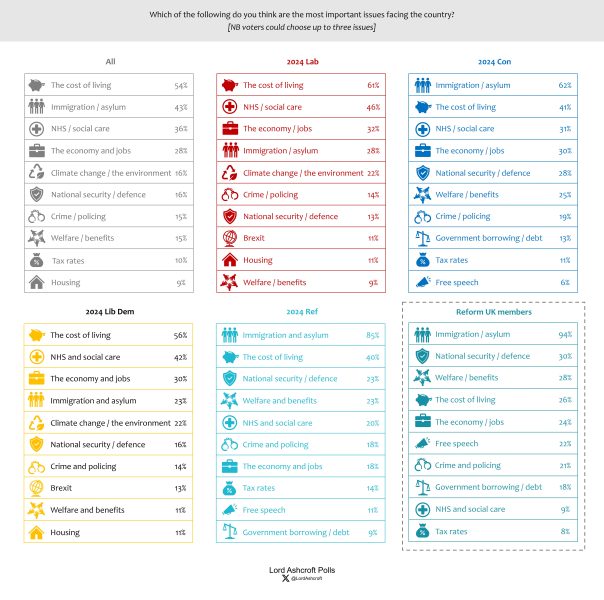
Ninety-four per cent of Reform members named immigration and asylum among the three most important issues facing the country. Second was national security and defence, chosen by 30 per cent, followed by welfare and benefits. The cost of living was in fourth place chosen by just over a quarter. The general public were more than twice as likely as Reform UK members to choose the cost of living, less than half as likely to choose immigration and asylum, and four times as likely to choose the NHS and social care. Reform members were more than four times as likely to mention free speech as the general public.
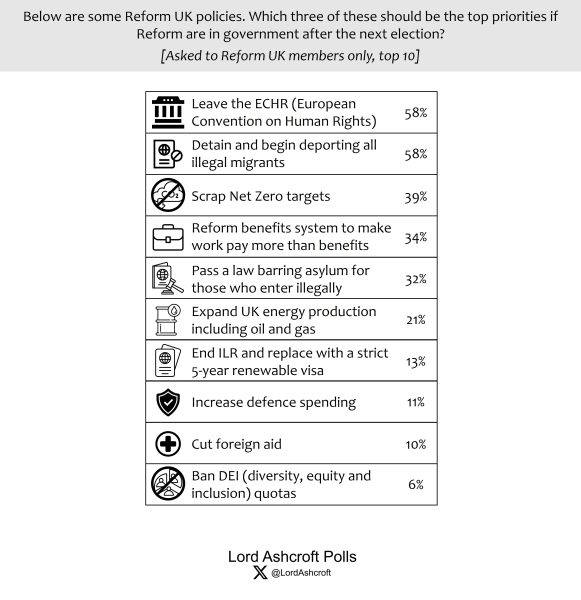
Asked which Reform policies they see as the most important priorities for government, party members were most likely to choose leaving the ECHR and detaining and deporting illegal migrants. These were followed by scrapping net zero targets, reforming welfare and ensuring that anyone entering Britain illegally is ineligible for asylum.

Presented with a selection of policy ideas (not currently Reform UK policies), Reform UK members were most supportive of a law stating that women-only spaces should be defined by biological sex (98 per cent, compared to 68 per cent of the general public), banning the burqa and other religious coverings (also 98 per cent, compared to 51 per cent of the general public), deporting illegal migrants even if they have since been granted asylum (96 per cent, compared to 54 per cent of the general public), and requiring civil servants to sign a contract promising to implement the wishes of the elected government (also 96 per cent, compared to 40 per cent of the general public).
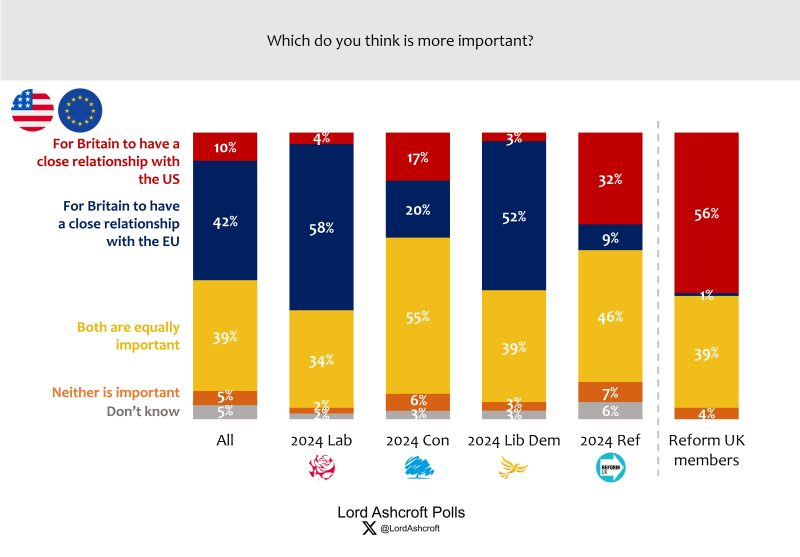
A majority of Reform UK members said it was more important for Britain to have a close relationship with the US than with the EU. A further 39 per cent thought the two were equally important. Only one in a hundred thought it was more important to have a close relationship with the EU than with the US. The general public were as likely as Reform UK members to say the two were equally important, but were much more likely to prioritise the EU relationship than the US one.
Nigel Farage, Reform leadership and other political figures
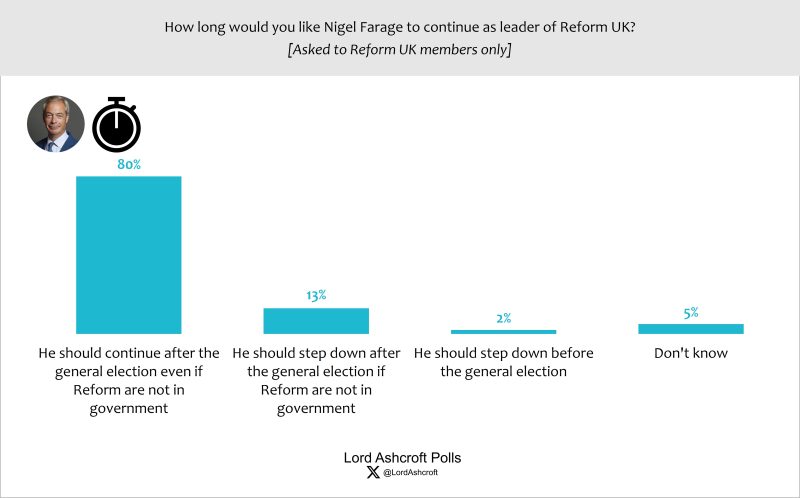
Four out of five Reform UK members said they would want Nigel Farage to continue as leader even if the party is not in government after the general election. Thirteen per cent said he should step down if Reform UK are not in government.

Just under two thirds of Reform UK members said they think Farage attracts more people to the party than he puts off. Just under three in ten think he attracts and repels people in equal numbers. Only 3 per cent think he puts more people off than he attracts. Voters as a whole were slightly more likely to think Farage puts off more people than he attracts than the reverse.
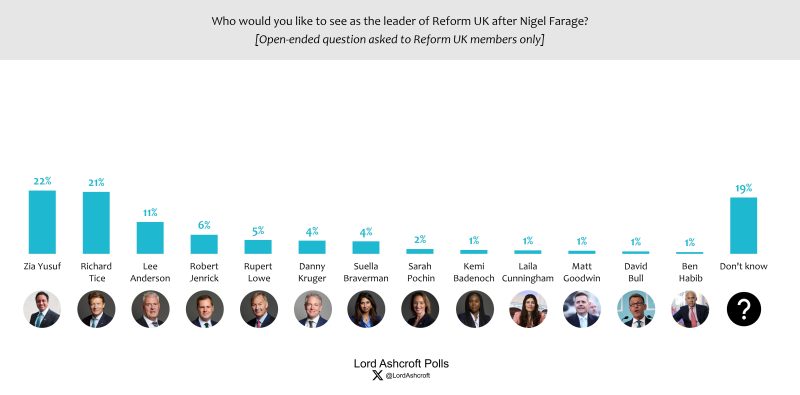
Asked unprompted to say who they would like to see as the next Reform UK leader, party members were most likely to name Zia Yusuf, closely followed by Richard Tice. Just over one in ten named Lee Anderson, with 6 per cent suggesting Robert Jenrick.

The most popular political figures among Reform UK members were Nigel Farage, Richard Tice, Lee Anderson and Zia Yusuf. More members gave a positive score to Kemi Badenoch than to Danny Kruger, Rupert Lowe or Nadhim Zahawi.
Conservative defectors
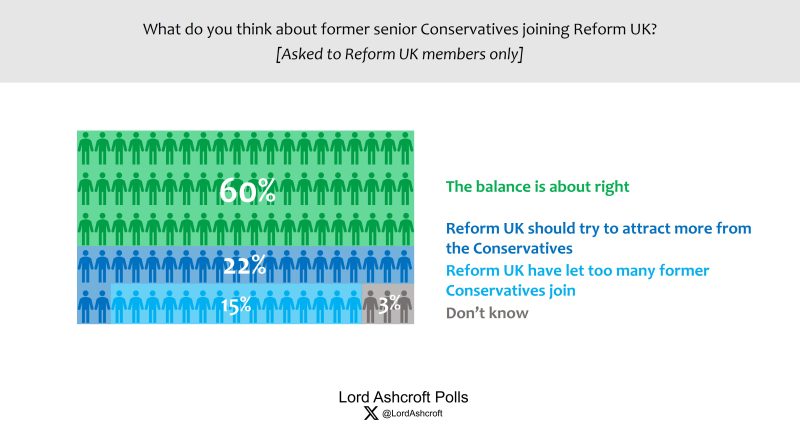
Three quarters of Reform UK members thought either that the party had let too many former Conservatives join or that the balance was about right. Only just over one in five said Reform should try to attract more from the Conservatives.
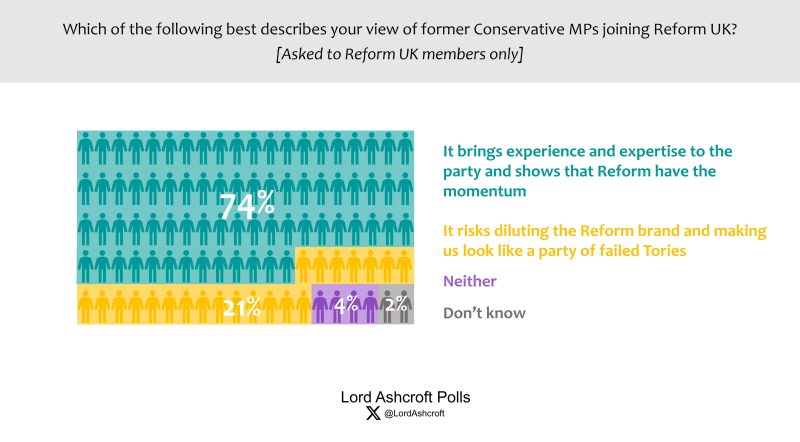
Nearly three quarters of Reform UK members said Conservative MPs joining Reform UK brought expertise and experience to the party and showed that Reform had the momentum. Just over one in five said it diluted Reform’s brand and made it look like a party of failed Tories.
The next general election
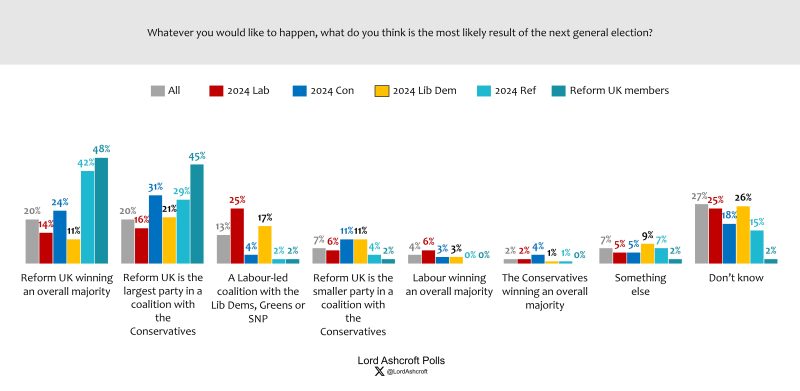
Just under half of Reform UK members expected the party to win the next general election with an overall majority. A further 45 per cent said the most likely result was Reform UK being the largest party in coalition with the Conservatives. Overall, 95 per cent of members expected the party to be in government after the election. The public as a whole were equally likely to expect a Reform UK majority or a Reform-Conservative coalition (20 per cent each), with 13 per cent expecting a Labour-led coalition with other parties of the left.
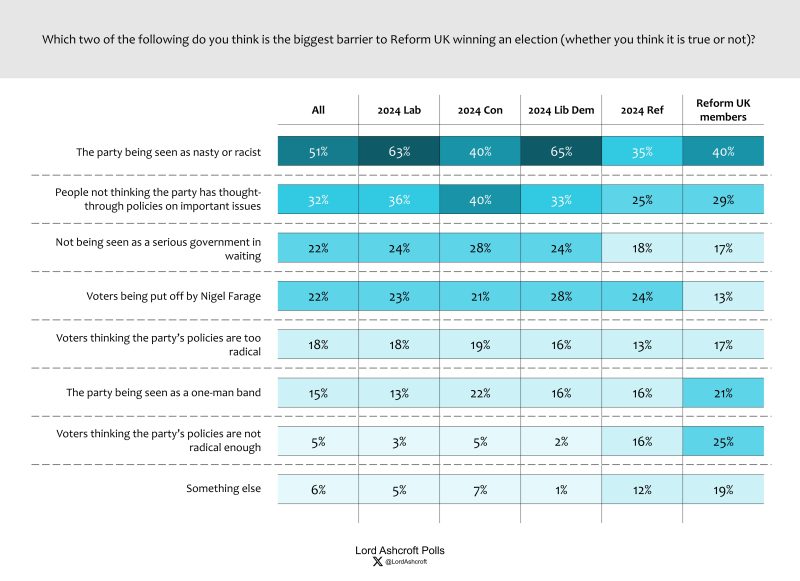
Reform UK members were most likely to see “the party being seen as nasty or racist” as one of the biggest barriers to winning the next election, followed by “people not thinking the party has thought-through policies on important issues”. They were more likely to think the party’s policies not being radical enough was a potential obstacle than being seen as too radical. Only 13 per cent thought voters being put off by Farage himself was one of the biggest barriers.
Voters as a whole agreed with Reform UK members on the two biggest barriers (the party being seen as nasty or racist, and not having thought-through policies). However, they thought the next biggest obstacles were not being seen as a serious government in waiting, and voters being put off by Nigel Farage.
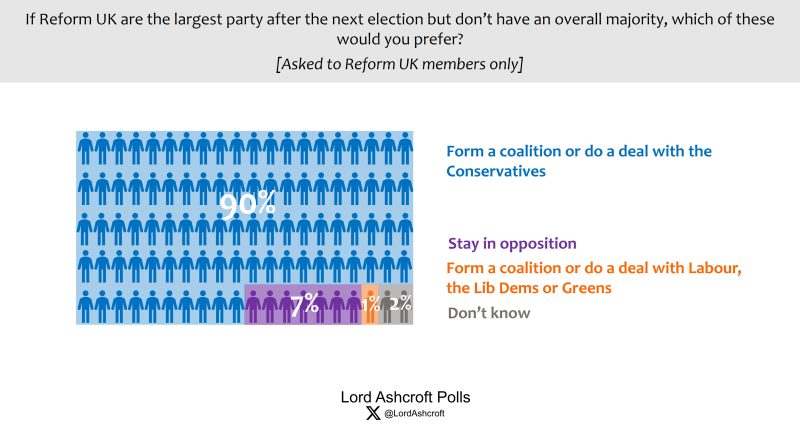
Nine out of ten Reform UK members said they would want a coalition or a deal with the Conservatives if Reform were the largest party after the election but don’t have an overall majority. Seven per cent said they would rather stay in opposition.
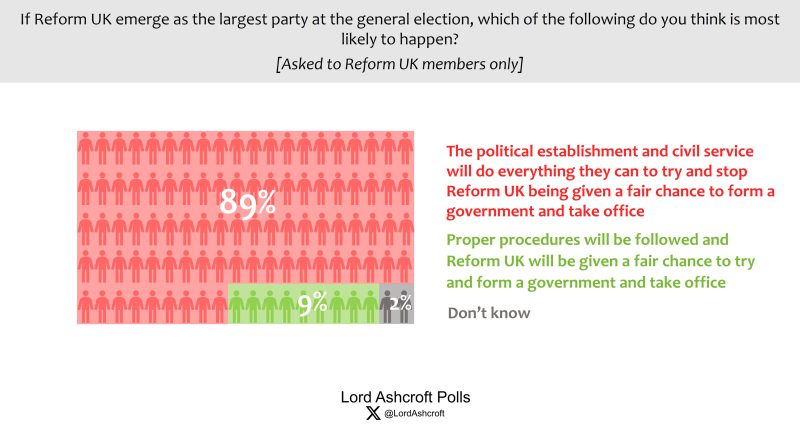
Fewer than one in ten party members think Reform UK would be given a fair chance to form a government and take office if they emerge as the largest party after the general election. Nearly nine out of ten think the political establishment and the civil service will do everything they can to stop this happening.

A majority of Reform UK members said they were not confident that elections in Britain are conducted fairly. This included 17 per cent who said they were not at all confident. Among the public as a whole, two thirds said they were somewhat or completely confident that British elections are conducted fairly.
A Reform UK government and the civil service
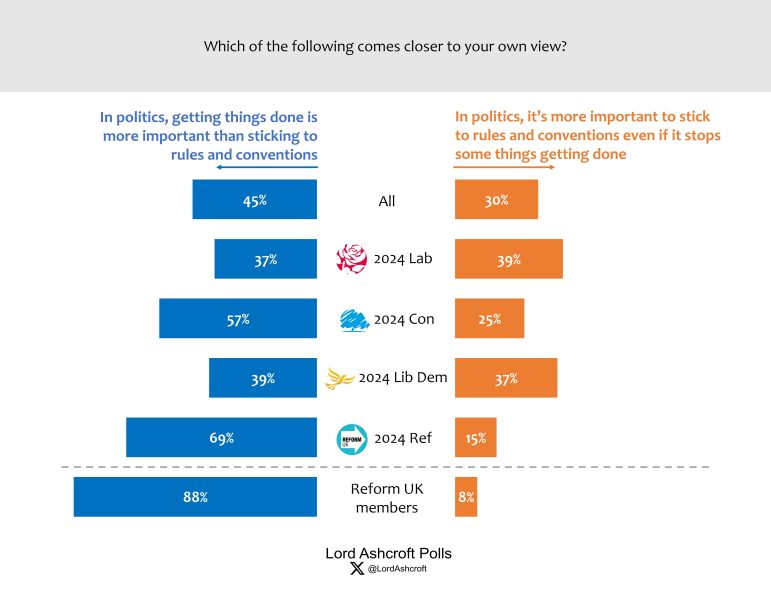 Nearly nine out of ten Reform UK members said that in politics, getting things done is more important than sticking to rules and conventions. They were nearly twice as likely to think this as the general public, who were nearly four times as likely as Reform UK members to think it was more important to stick to rules and conventions even if it stops some things getting done.
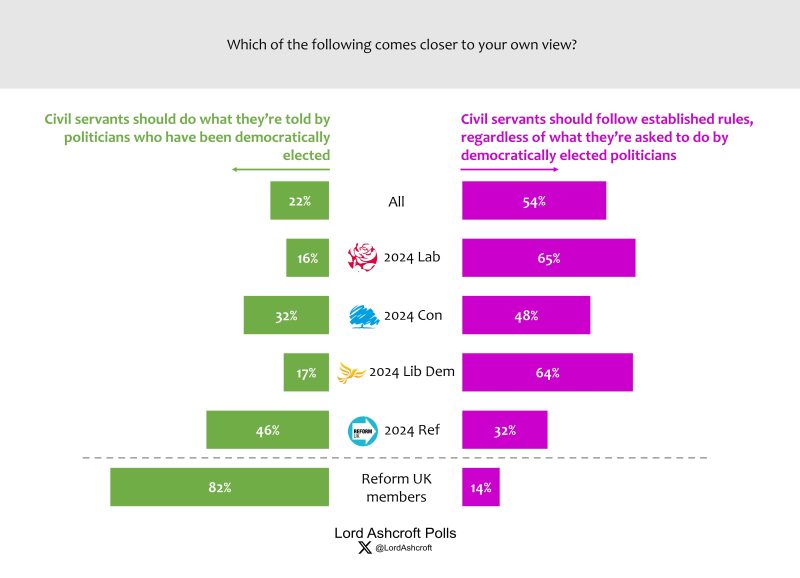
More than eight out of ten Reform UK members said civil servants should do what they’re told by politicians who have been democratically elected. Fourteen per cent said they should follow established rules regardless of what elected politicians ask them to do. By contrast, a majority of the general public said civil servants should follow established rules regardless of what they’re asked to do by elected politicians.
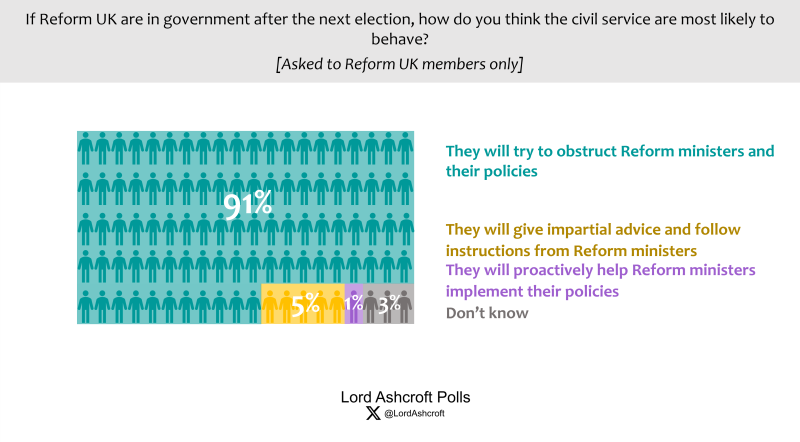
More than nine out of ten Reform UK members think the civil service will try to obstruct Reform ministers and their policies if the party is in government after the election. Only 0ne in twenty think civil servants would give impartial advice and follow instructions, and only 1 per cent think they would proactively help Reform ministers implement their policies.
Attitudes to Britain
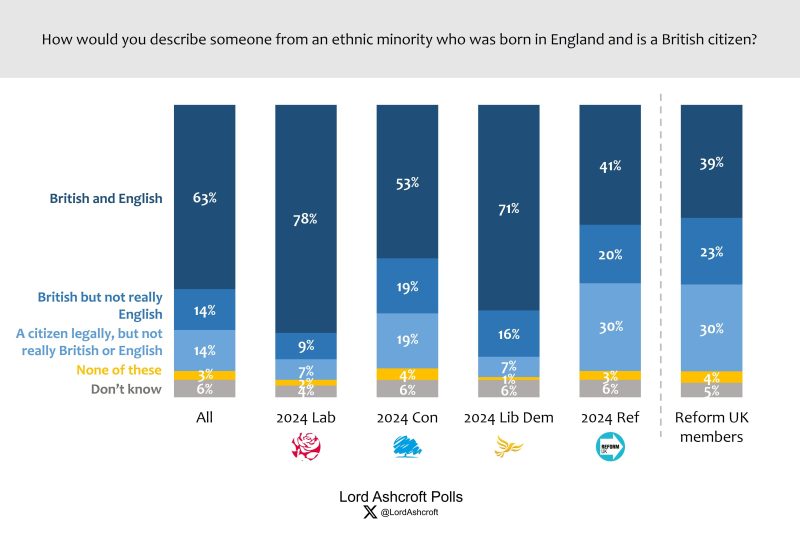
Just under four in ten Reform UK members said they would describe someone who was from an ethnic minority, was born in England and was a British citizen as both British and English. Just under a quarter said the person would be British but not really English. Three in ten said the person would be a citizen legally, but not really British or English. Among the public as a whole, a clear majority said the person would be both British and English.
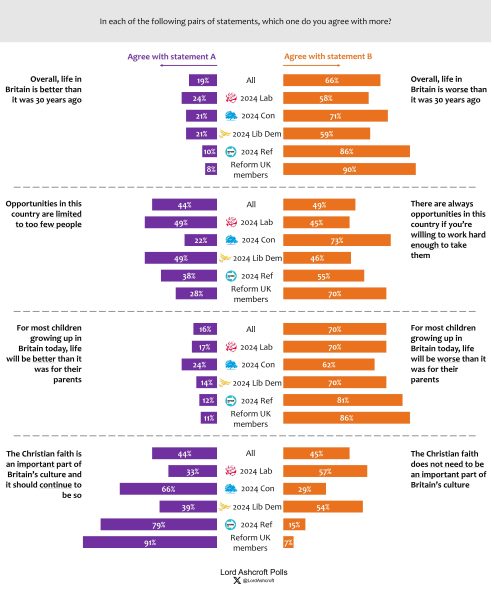
Nine in ten Reform UK members say life in Britain is worse than it was 30 years ago, compared to two thirds of the public as a whole. Seven in ten Reform UK members say there are always opportunities in this country for people willing to work hard enough to take them, compared to 49 per cent of the general public. Nearly nine in ten Reform UK members think that for most children growing up in Britain today, life will be worse than it was for their parents, compared to 70 per cent of the public as a whole. More than nine in ten Reform UK members say the Christian faith is an important part of Britain’s culture and should continue to be so, compared to 44 per cent of the general public.
Previous support and alternative parties

Nearly three quarters of Reform members said they had supported the Conservatives before Reform UK. 8% named the Brexit Party, with 6 per cent each naming Labour and UKIP. A further 6 per cent said Reform was the first party they had supported.

Asked who they would vote for if no Reform candidate was available in their constituency, 42 per cent of Reform UK members named Restore Britain. One in three named the Conservatives. A further 13 per cent said they would not vote.
Full data tables at LordAshcroftPolls.com

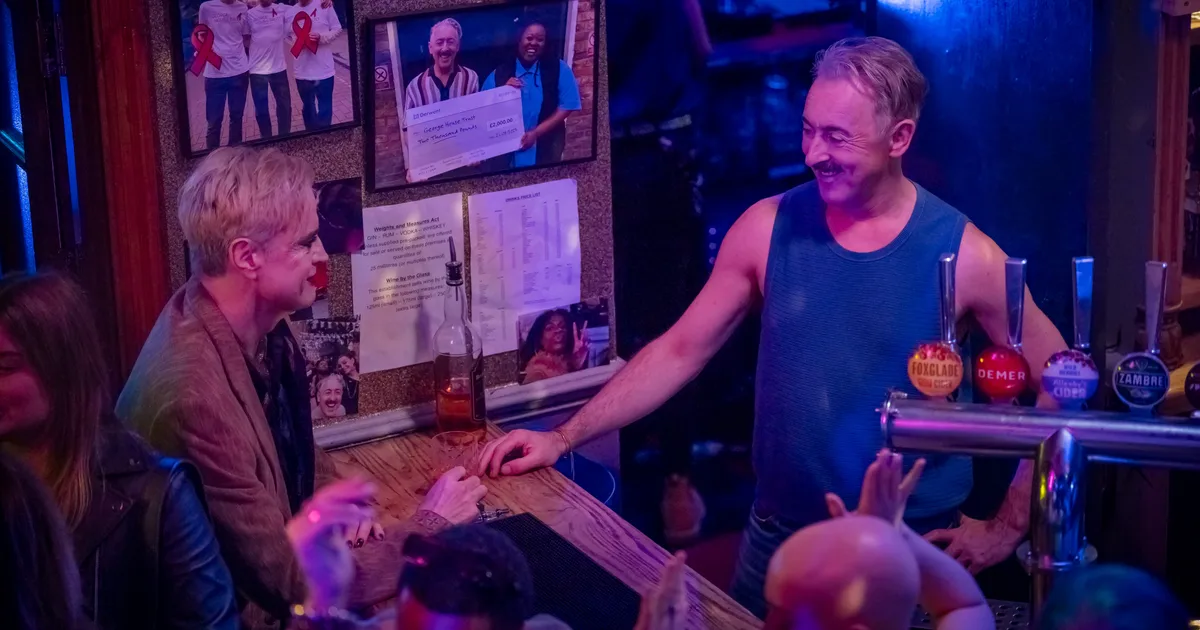
Alan Cumming has thrown his support behind a new charity campaign inspired by his character in the Russell T Davies drama Tip Toe.
In the Channel 4 series, the Emmy winner plays Leo Struthers, who runs the fictitious queer venue Spit & Polish on Manchester’s iconic Canal Street.
Since the show began airing, the HIV charity The Terrence Higgins Trust has begun selling a t-shirt inspired by Spit & Polish, which Alan was seen wearing in a video posted on Instagram over the weekend.
“If you’ve watched Tip Toe, you’ll know that I play Leo Struthers, who has been living with HIV since 1994,” Alan told his followers.
“As he says in the show, back when Leo was diagnosed, it was a death sentence, but since then, thankfully, successful treatments have been found. Now, people like Leo just take one pill a day, which keeps their HIV in check and means they cannot pass HIV onto anyone else.”
He explained that, in Tip Toe, Spit & Polish is “a sanctuary where everyone feels safe, celebrated and free”.
“Now, you can buy your own Spit & Polish t-shirt to support people like Leo, living with HIV,” he continued. “Because, while treatments have improved beyond our wildest dreams, the stigma around HIV still remains, with too many people still met with judgement, ignorance and isolation. And we see that, of course, in Tip Toe.
“So please, please do something positive today, and order your Spit & Polish t-shirt from the Terrence Higgins Trust website. All the money raised is being split between HIV charities The Terrence Higgins Trust and the George House Trust.”
He added: “By wearing your t-shirt, you’re helping to build a lasting legacy for Tip Toe and making sure that no one faces HIV alone. Thank you and wear your Spit & Polish t-shirt with pride.”
Earlier this month, Russell explained that the depiction of Leo’s HIV status is a part of Tip Toe which he feels especially proud of, as it’s the “one thing” he “could never show” in his hit 2021 Channel 4 drama, It’s A Sin.
He explained: “[The story of It’s A Sin] ended in 1991, which is before the medications, before there was any treatment, before people started surviving properly.
“So [in Tip Toe], I’ve got the chance to show off a man living for 30+ years with HIV. He takes one pill a day, he’s completely fine, it’s undetectable, it’s untransmittable in him. And that’s a nice pay-off – that I never got to do [in It’s A Sin].”
He added separately that this “feels like the natural legacy of It’s A Sin”, claiming (via Scene magazine): “There wasn’t the time in that show to tell the long‑term story – that medications were found which saved so many lives – so this feels like a right and proper continuation.”
A similar t-shirt inspired by It’s A Sin previously raised £20,000 for the Terrence Higgins Trust in just 24 hours.

PM Keir Starmer has announced a social media ban for under-16s which will prevent access to apps like Snapchat, TikTok, YouTube, Instagram, Facebook, and X.
Taking inspiration from Australia, the UK will introduce a similar ban to take effect from Spring 2027. However, the government will go further by restricting livestream and ‘stranger communication’ for children including on gaming sites.
In his address, Starmer stated:
All I’ve ever wanted for my own children, hand on heart, is for them to be happy and for them to be safe, I think that’s what any parent wants.
BREAKING: Prime Minister Sir Keir Starmer has announced a social media ban for under-16s.
Live updates: https://t.co/Jxi67uC5Qk pic.twitter.com/VnIFMyjAhs
— Sky News (@SkyNews) June 15, 2026
However, this follows a pretty clear refusal from tech giants to make platforms safe and age appropriate. Instead, Starmer is simply kicking a dangerous can up the hill that will then hit young people further down the line.
After all, the problem is unregulated, unyielding tech companies and unfettered capitalism – and the government appears to have chosen to go after an easier target in young people instead of holding billionaires accountable.
Starmer: ‘social media is making children unhappy’
Starmer has insisted the ban is essential as the use of social media is making children miserable. As the PM says, it has increased access for bullies and intimidating behaviour, whilst also making it easier for strangers to contact young people through gaming platforms and other social media.
Therefore, some parents have welcomed the ban, with the bereaved mother of Esther Ghey stating:
I’m so glad now that this announcement has been made.
Adding:
Another thing that I’m really happy about it the government is investing in after-school clubs, because we can’t just take things away from children.
At a time when many children have too few opportunities to build friendships and develop social skills, increased funding for after-school clubs is a welcome development. Giving young people more places to connect, learn and belong can only be a good thing.
Nonetheless, this policy wouldn’t be necessary if we didn’t have capitalistic, self-interested tech bros profiting from the misery which social media fosters and breeds.
Isaac, a young boy from Wythenshaw who will be affected by the ban, seems to get it far more than the corrupted politicians in Westminster, telling the BBC:
Annoyed and disappointed in this decision, because they’re not trying to make it better or safer – instead they are gonna wipe it out completely.
I think there should be more restriction and parental guidance on the accounts, but not a ban.
Risky strategy
Meanwhile, Jim Gamble, founding chief exec of the Child Exploitation and Online Protection Center, believes the policy won’t even work and will just push children to “darker corners” of the internet:
Many (Australians) bypassed restrictions using virtual private networks. They circumvented them by submitting fake IDs or altering their appearance to trick AI (artificial intelligence) age estimation.
.. If you actually look at the statistics, it’s a double-edged sword because the internet does as much good.
For isolated, alienated children, for children with neurodiversity, with children exploring different aspects of their young lives, it’s a space and place where they can build positive networks.
But this ban is merely addressing a symptom of a far greater threat facing our society and going further, it may even provide a backdoor for pushing through digital IDs on the general public.
So, what appears to be a protection measure for young people could in practice increase the access to private data for tech companies through age verification checks which are reported to include bank checks and email surveillance.
Fourth, other age checks cited like bank checks and email surveillance are literally insane Far from “reining in Big Tech”, this is a gift to them – a huge transfer of power and data from the public to the tech companies, wrapped in child safety branding.
— Silkie Carlo (@silkiecarlo) June 14, 2026

Labour chooses to ban the children, not the business model
Don’t get me wrong: stronger restrictions on social media use by young people have become increasingly necessary given how toxic, abusive, and harmful many platforms have proven to be. But the repeated failure of tech companies to address these problems meaningfully means the dangers will not simply disappear because a ban is introduced.
Harmful content, disinformation, and online radicalisation will continue to exist, and young people will often find ways around restrictions. It is important to note, this policy has not been successful in Australia – a whopping 70% of parents in Australia have reported that their children are still on banned platforms – which hardly suggests this will have any impact on children’s safety.
More importantly, we have already seen how algorithms amplify division, anger, and extremism across the UK, influencing adults as well as children. The challenge is therefore not just who uses social media, but how these platforms are designed, regulated, and incentivised. If we fail to address the business models that reward outrage and hate, we risk treating the symptoms while leaving the underlying causes untouched.
After all, we’ve seen these platforms profit from some of the most harmful and abusive content imaginable, and when every click is a source of revenue, even material that exploits children can become part of the business model.
That isn’t just a moderation failure. It’s the predictable and futile result of putting obscene profit ahead of public safety.
Even more concerning is the fact that this ban will drive users ‘underground’ which will work to reduce transparency for adults. If children respond to social media bans with VPN workarounds, the result may be the worst of both worlds: the risks remain, while parental oversight and awareness vanish.
Rather than treating children as the problem, we should be forcing tech giants to make their platforms safer. If we change the business model, introduce real safeguards, the internet becomes safer for everyone – not just young people.
What are they really after?
There is every chance this amounts to little more than virtue-signalling: a tokenistic gesture to “protect children” while changing sweet naff all about the very systems causing great harm in the first place.
After all, this crisis should really be a watershed moment to finally confront the cynical, corrosive influence that social media platforms and their billionaire owners exert over society. Tackling the business models, algorithms, and incentives that drive abuse would create a safer environment not just for children, but for adults too.
Nevertheless, that is not what the government is pursuing. Instead, critics have argued that this is a manipulative way of pushing through digital ID across the country, ramping up digital surveillance of British citizens and reducing our right to privacy.
In practice, horrifyingly, this could actually wind up handing the already immensely powerful tech giants more access and control over our data, creating an even more oppressive environment for adults – whilst leaving young people unprepared for the fallout when they ‘regain access’.
Featured image via Getty/Carlos Jasso

Germany’s opening match at the 2026 World Cup was not merely a resounding 7-1 victory over Curaçao; it turned into a historic night that rewrote a number of major records in World Cup history.
Thanks to the seven goals the ‘Mannschaft’ rained down on their opponents, Germany has taken the top spot as the highest-scoring team in World Cup history. It overtakes Brazil, who had held that record for many years.
According to FIFA’s latest statistics, before the start of the current tournament, Brazil topped the all-time list with 237 goals, compared to Germany’s 232.
However, Brazil’s 1-1 draw with Morocco added just one more goal to the Samba team’s tally, bringing their total to 238. However, Germany jumped from 232 to 239 goals following their win against Curaçao.
Germany is now the highest-scoring team in World Cup history.
Germany’s Bayern Munich scoop the lead
Germany’s successes did not stop at the national team.
According to Opta, Bayern Munich took sole possession of the top spot among clubs with the most goals scored at the World Cup by their players, taking its tally to 80 goals.
Real Madrid came second with 79 goals, after the two clubs had been trading the top spot in recent years.
Bayern’s goals in the first World Cup round gave the Bavarian giants a one-goal lead.
Not the biggest but the most symbolic
Aside from the goal tally, the 7-1 result brought to the fore, Germany’s 7-1 victory over Brazil at the 2014 World Cup.
Despite the hype of its 2026 match, that was not Germany’s biggest World Cup win.
That record is still held by its the 8-0 thrashing of Saudi Arabia at the 2002 World Cup, which remains Germany’s biggest win in the tournament’s history.
However, what makes the victory against Curaçao so special is that it achieved more than one historic feat in a single night.
- It became the highest-scoring national team in World Cup history
- Saw Bayern Munich overtake Real Madrid in the club rankings
- Re-enacted the 7-1 scoreline associated with one of the most famous World Cup matches
Germany looks set to add to its historic record, whilst Brazil will aim to reclaim the title it lost by a single goal. I hope this showdown continues until the final stages of the tournament.
Featured image via Alexander Hassenstein/Getty Images
By Alaa Shamali
Politics
The House | The new Single Patient Record will be a game-changer for clinicians and patients


4 min read
If we get these reforms right, the impact could be transformational.
The NHS is at its best when you don’t notice the gaps. When you have no sense of delay, no concerns you’ve been misunderstood, misdirected or forgotten.
When a clinician already knows your history, when you don’t have to repeat the same story over and over again, and when test results, medications and treatment plans are available, whenever and wherever you receive care, that’s when you know the health system is working.
Yet for too many patients, that still isn’t the reality.
Despite huge advances in technology over recent decades, records sit in different systems, medical teams do not always have access to the information they need, and patients are left carrying the unreasonable burden of joining the dots themselves.
I know personally how important joined-up care can be.
Eighteen years ago, the NHS came to my rescue when I was diagnosed with a serious and rare neurological condition that threatened my ability to run, write and speak. Thanks to the extraordinary care I received from my consultant and his team at the National Hospital for Neurology and Neurosurgery in Queen Square, I am now symptom-free.
My experiences of multi-disciplinary care and support left me with immense gratitude for our health service. It also reinforced a simple truth: the best care depends on clinicians having the fullest possible understanding of the person in front of them.
That is why the Health Bill, recently introduced to Parliament, provides for a Single Patient Record. All your medical records in one place.
At its heart, the Single Patient Record is not about technology. It is about patients and the power of clinicians to collaborate and deliver seamless care.
It will facilitate health and care information being brought together so that authorised professionals involved in a person’s care have access to all the information they need, when they need it. Rather than replacing existing GP or hospital records, it will connect them, helping create a clearer and more complete picture of a patient’s needs.
The benefits for patients are enormous.
For a pregnant woman attending appointments across different services, it could mean midwives and clinicians having immediate access to relevant medical history, reducing duplication, and supporting safer decisions.
For a frail older person living with long-term conditions, it could mean GPs, hospitals, community teams and social care services working from the same information, spotting problems earlier and intervening before a crisis develops.
The benefits for clinicians are just as significant.
Today, doctors, nurses and other healthcare professionals often have to waste considerable, precious time locating information that already exists elsewhere.
By bringing this information together, the Single Patient Record is expected to save around 500,000 hours of doctors’ time each year. Estimates suggest the programme could also help prevent up to 20,000 A&E attendances and 6,000 hospital admissions annually by supporting earlier intervention and better coordinated care.
Of course, none of this can happen without public confidence. People are right to expect their medical information to be protected.
That is why strong safeguards, rigorous cybersecurity and strict controls over access to patient information are fundamental to the design of the Single Patient Record.
The Single Patient Record will be delivered through contracts with multiple suppliers, with no single supplier dominating. Joining up data across the system. Patients will also have greater visibility of their own information through the NHS App, helping them play a more active role in managing their health.
If we get this right, patients will spend less time repeating their stories, clinicians will spend less time chasing information, and the NHS will be better equipped to provide the joined-up care people deserve.
This is not simply a technological upgrade; this is patient care reform for the generations.
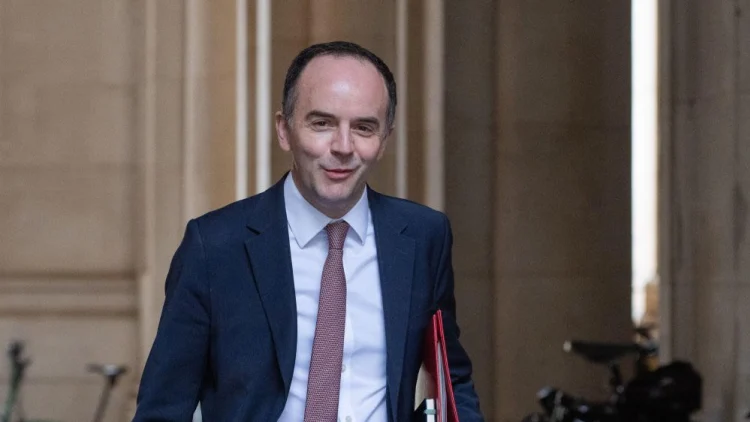
James Murray is the Secretary of State for Health and Social Care
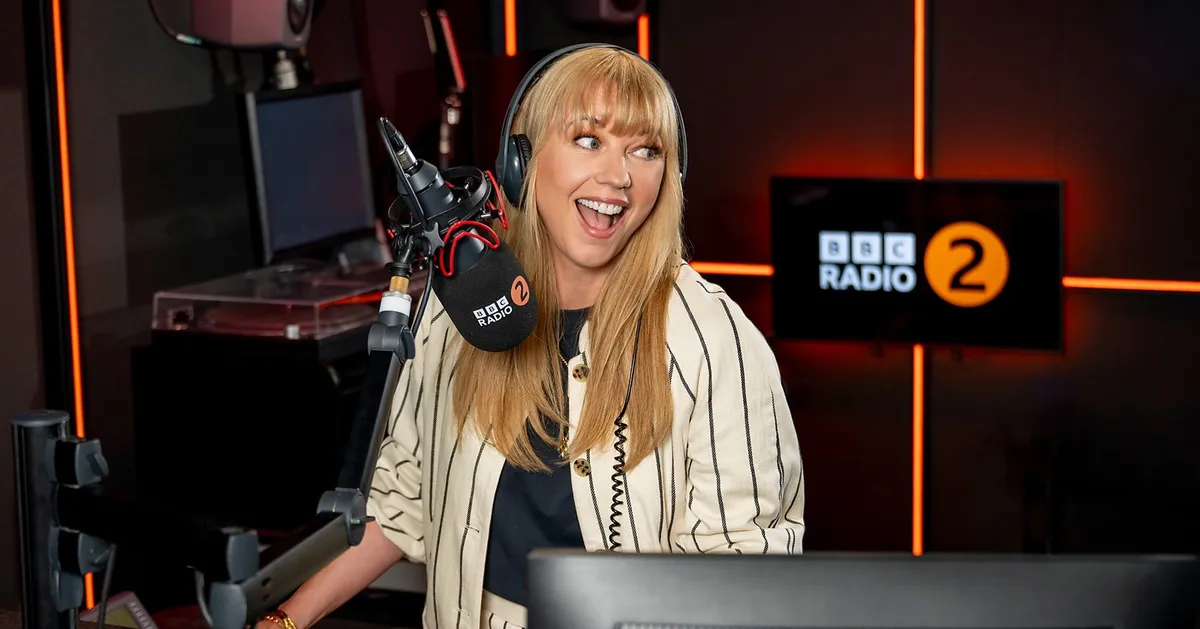
On Monday morning, Sara announced that her first Radio 2 breakfast show broadcast would be airing on Monday 6 July – as well as unveiling the A-lister of all A-listers as her inaugural guest.
For her first show, the presenter will be joined in the studio by two-time Oscar winner Tom Hanks, where he’ll be discussing the latest addition in the Toy Story franchise.
“Roll on the 6 July!” she enthused. “For generations to come people will (probably) say ‘where were YOU when the Sara Cox Breakfast Show was launched on Radio 2 featuring the legendary Tom Hanks?’ (and hopefully they’ll reply ‘listening and laughing along with a nice brew’).”
Back in April, it was announced that Sara would be taking over at the helm of the Radio 2 breakfast show, following the abrupt firing of its previous host Scott Mills.
At the time, Sara said she was “ecstatic, honoured and incredibly chuffed” to be taking on the role, which she said had been her “dream” since joining Radio 2.
“It feels like a bit of a full circle for me,” she admitted.
Sara previously hosted the Radio 1 breakfast show between 2000 and 2003, and had been Radio 2′s teatime host since 2019 before her latest appointment.
“I’ve had the most glorious seven years of my career on teatime so thank you to my brilliant teatime listeners who hopefully will join me at breakfast for excellent music and all my usual nonsense plus some superstar guests,” she added, noting that she “can’t wait to wake the nation up with the biggest most fun breakfast show ever”.
Since Scott Mills’ sudden exit, Gary Davies has been filling in on the Radio 2 breakfast show.

Harry Styles took a moment to share a powerful tribute to the late artist David Hockney on the first night of his 12-show Wembley residency.
Before Harry performed his single Aperture to a packed Wembley Stadium on Friday night, a quote from Hockney appeared on the screens.
“What an artist is trying to do for people is bring them closer to something, because of course art is about sharing,” read the quote, which was met with rapturous applause from the audience.
“You wouldn’t be an artist unless you wanted to share an experience, a thought.”
The pioneering British painter and photographer David Hockney died last week, at the age of 88.
Over the course of his career, he had become known as one of the most prolific and beloved artists of his generation.
In May 2022, the former One Direction star sat for Hockney, travelling to his Normandy studio to be painted by the legendary artist.
The resulting artwork was one of more than 30 new portraits displayed for the first time in the National Portrait Gallery’s exhibit David Hockney: Drawing From Life in 2023.

In the portrait, the Watermelon Sugar singer is depicted wearing an orange and red cardigan, with a pearl necklace and blue jeans.
Harry was a big fan of the Yorkshire-born artist, telling Vogue in 2023: “David Hockney has been reinventing the way we look at the world for decades. It was a complete privilege to be painted by him.”
David was less of a fan of Harry – in fact he had no idea who the Grammy winner was before he arrived for his portrait session.
“I wasn’t really aware of his celebrity then,” Hockney admitted. “He was just another person who came to the studio.”

ANDY RAIN/EPA-EFE/Shutterstock
Friday saw Harry open the first night of his record-breaking residency at Wembley Stadium.
The chart-topper will play the London stadium for 12 nights – breaking records previously held by Coldplay and Taylor Swift.
During the show, he also paid tribute to his X Factor days, recalling how his sister took him to Wembley Arena for his first audition.
“My sister is here tonight,” he said to the adoring crowd. “I want to thank her. I love you and I appreciate you.”

The animals of Ealing’s Paradise Fields have some unexpected new neighbours.
For the last couple of years, beavers have been making an enclosed 10-hectare site their watery home – and since more or less their 2023 arrival, a London Underground ticket office that used to be plagued by flooding has remained dry.
The city’s mayor, Sadiq Khan, has praised Ealing’s beavers for putting an end to soggy conditions in parts of nearby Greenford Tube station on Instagram.
“Beavers are nature’s engineers – we just didn’t realise how efficient they could be,” Khan said in his post, adding, “These incredible creatures have already stepped up to stop flooding at a Tube station and restore local habitats”.
We spoke to Elliot Newton, the director of rewilding at Citizen Zoo, which worked with the Ealing Beaver Project to reintroduce the animals, about why they were brought back to the West London site and how they might help us humans.
Where have beavers been reintroduced to the UK?
It’s not just London. In recent years, beavers have been released across the UK, including other parts of England like Somerset and Cornwall. Scotland has kept the wild beavers spotted as early as the 2000s, the Natural History Museum said, with planned releases in the Glen Affric Nature Reserve and River Beauty set for 2026.
Wales seems keen on bringing beavers back, too. Northern Ireland hasn’t expressed interest yet, but the animals were probably never native there, unlike the rest of the UK.
“The Eurasian beaver is a native British species that was hunted to extinction around 400 years ago (and likely disappeared from London much earlier),” Newton told us.
“Over the past two decades, there has been a growing movement to restore beavers across Great Britain.”
And while the expert argued there’s a strong case for bringing all kinds of native species back to boost our ecosystem – including those we might not love the idea of, like the rat-sized, fish-eating fen raft spider – “beavers also deliver significant practical benefits”.
He continued, “As ecosystem engineers, they create and maintain wetlands that can reduce flood risk, improve water quality, increase drought resilience, and support a huge range of wildlife”.
Why might beavers help to prevent flooding in the UK?
Newton said that flood mitigation was one of the main reasons they secured funding for this project.
That’s because beavers (famously) build dams which stop the rapid flow of water down rivers during, e.g., periods of extreme rainfall. They also form ponds and mini “canals” that can create absorbent wetlands.
“Through building dams and creating wetland habitat, the beavers have increased the site’s capacity to store water and slow flows during heavy rainfall events, helping reduce downstream flood pressure. Interestingly, since the beavers arrived, the local train station ticket hall, which had previously experienced flooding, has not flooded,” Newton said.
“While more research is needed, this is an encouraging example of the potential for nature-based solutions to support climate resilience in urban areas.”
Other benefits people involved in the Ealing Beaver Project have noted include increased biodiversity, better community engagement (leading to a reduction in antisocial behaviour), and a more climate-change-resistant environment.
When I was 41, my therapist handed me photos of every boy in my fourth grade class and instructed me to condemn each one to the paper shredder. It was my first experience of truly being in the driver’s seat, and I felt giddy with control.
From an early age, I’ve carried an acute fear of rejection and abandonment. This has made dating challenging, to say the least. My typical dating pattern used to be the following: I’d meet someone I liked, become enamoured, only to find myself spiralling into persistent anxiety, worried about when and how the relationship would end.
That sense of unease began in middle school.
The night my friend revealed she had a boyfriend, we were bundled in sleeping bags on chalet bunks, up past curfew during our eighth grade ski trip. She was the first in our group to date.
As the girls clamoured for details (“What does he look like? What school does he go to?”), I should have known something was off when the only question I thought to ask was, “Aren’t you terrified that he’s going to break up with you?”
Although it would be years before I experienced romantic heartbreak firsthand, I now realise that even then, I was already bracing for the worst.
By the time I was older, like anyone who frequents pop psychology circles, I was aware of attachment styles and how early childhood experiences can shape adult relationships. Yet, I grew up in a safe, stable home with parents who didn’t always get along but loved and supported me unconditionally, so I never really understood where this anxiety came from.
This confusion persisted until 2021, when a session with my therapist changed everything.
At that time, I’d booked an appointment because I had just started seeing someone new. It was the first person I’d liked since the beginning of the Covid-19 pandemic, and I’d noticed my usual pattern taking hold again. I was overcome with anxiety over whether things would work out, and it was keeping me up at night and distracting me at work. This time, though, I felt exhausted. I was ready for a change.
“I don’t want to feel this way anymore,” I told my therapist.
Her first question was to think back to my childhood and pinpoint when this fear of rejection might have started. One incident immediately stood out.
In fourth grade, we had our first sex education class. Not long after, the boys in my class lined all the girls up against the exterior wall of our school and took turns rating each of our bodies – hot, not or disgusting. Some of the boys took it a step further and pointed out who was “flat as a board.” It was most of us; we were barely 10 years old.
It was such a humiliating and disorienting experience. I don’t remember how each of the boys rated me – not that it mattered – but I felt disgusting.
At that age, I was still very much a kid and hadn’t even started liking boys. My favourite book was Harriet the Spy, and I loved taking ballet classes, reading books and playing with Barbies with my three best friends. I also thought I was pretty cool, being the proud owner of sparkly jelly shoes and an impressive sticker collection.
Suddenly, it was like none of that mattered, and I was now hyperaware of my body and how it was perceived by boys.
Part of my childhood died that day. The message was clear: it doesn’t matter how you feel about yourself; what matters is being chosen and that boys choose you, not the other way around.
For years, I dismissed this firing squad of tween-age rejection as just another weird story from adolescence. But when my therapist prompted me to recall the memory, I finally understood how deeply it fuelled both my fear of rejection and the perfectionism I carried into my romantic relationships.
When I started dating in my late teens and early 20s, I was focused on making myself as likeable as possible, and I became really good at it. I shape-shifted myself into the ultimate “cool girl”. I never asked for too much from my partners out of fear they’d reject me. Instead, I swallowed my feelings and discomfort, shrugging off subpar treatment from the people I dated.
You don’t want to commit, but still want me to act like your girlfriend? That’s OK. I’m the cool girl! I’ll bring you homemade soup when you’re feeling sick, even though I’m not sure you even know my last name.
I felt like I was always proving myself, and being chosen was the reward. It’s only now that I can see I spent years so focused on being what my partners wanted that I rarely stopped to ask whether they were enough for me.
Even in the relationships where I felt safe to show up authentically, I struggled to express my needs. There was always a little voice warning that if I revealed too much of myself, I would be deemed “disgusting” all over again.
Sharing this with my therapist, she helped me realise that my fear of rejection was only part of it. What I struggled with was people-pleasing. In pursuit of being liked by other people, I abandoned myself.
It was time to stop the cycle. My therapist decided on an unconventional approach: reject the boys once and for all.

Photo Courtesy Of Simone Paget
As homework, she had me print photos of each of the boys who’d participated in the “lineup” in middle school – an easy task since I grew up in a close-knit community, and I’m still in touch with many of the people I went to school with on Facebook.
When I arrived at her office the following week, photos in hand, we spread them on the floor.
Seeing all of the boys’ photos – now middle-aged men with grey hair and receding hairlines – and rejecting them, out loud, was unexpectedly powerful.
I was finally able to see my tormentors for who they are: a bunch of guys I wouldn’t want to date anyway. In fact, most of them are married, and I’m queer and currently much more interested in dating women.
My therapist had me face each man and reject them one by one.
“Are you ready for the fun part?” my therapist asked.
She led me over to her desk, and together we eviscerated the photos in the paper shredder.
My therapist’s exercise might seem out of the box, maybe even a little mean to some, but it did exactly what she had hoped: it set me free.
It made me realise that I no longer have to play by a middle school rulebook that never served me. I don’t have to wait to be chosen; I can practice discernment and actively choose myself instead.
Unlearning a lifetime of people-pleasing is an ongoing, tricky process. At our core, I think most of us want to be liked and loved by others. It’s why rejection stings.
While I still fear rejection sometimes – I get anxious when I see those three blinking dots after I’ve sent a text to someone I like – I’ve stopped basing my self-worth on what other people think of me.

Photo Courtesy Of Simone Paget
Instead, I’ve made it a habit to boldly show up as myself in my friendships and the communities I frequent. I’m learning that by sharing and being honest about the parts of me that I used to worry were “disgusting” (for example, that I am not cool and detached, but rather sensitive and have very big feelings), the right people are actually drawn to me rather than repelled.
I’ve also gained clarity about what I actually need from a relationship, such as steadiness, consistency and emotional safety, which has made it easier for me to spot when a connection isn’t aligned. As a result, it takes me much longer to get into relationships than it did in the past – and I’m OK with that.
Rejecting people who aren’t a good fit still feels uncomfortable sometimes, but I see it as a form of self-care, like I’m sticking up for that little girl version of me who felt so disempowered.
Now, when I meet someone new, I don’t wonder if they’ll choose me. I ask a different question: Do I even like them? And I let the answer guide me.
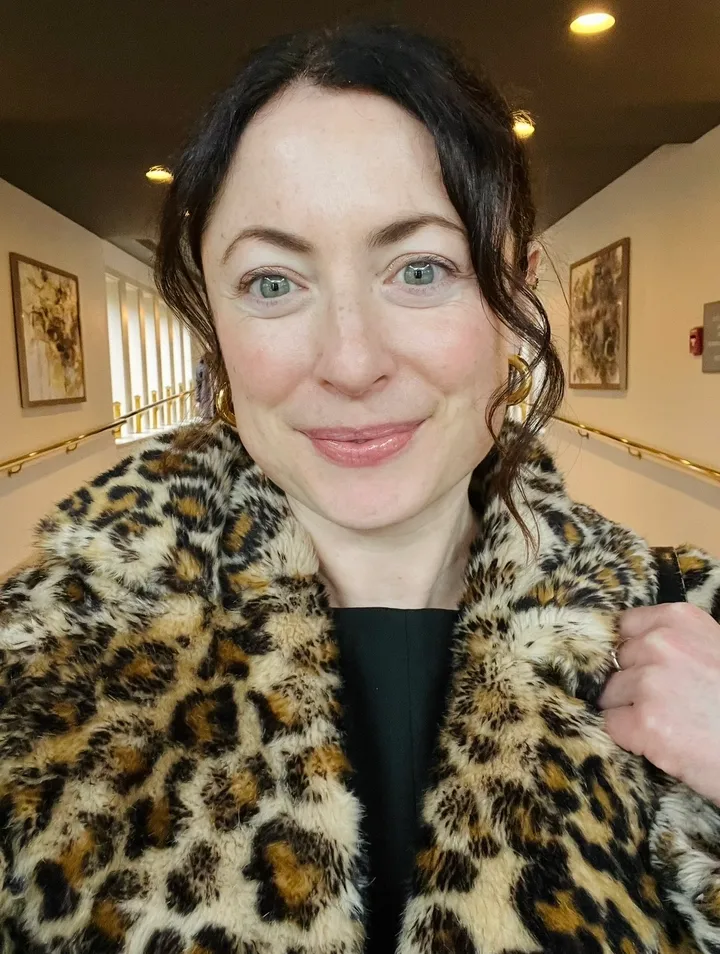
Simone is a writer and host of the podcast “We’re Never Doing This Again.” She is a nationally syndicated relationship columnist for the Toronto Sun, and her words and photographs have appeared in Apartment Therapy, Business Insider, The New York Times, The Washington Post and more. You can follow her on X and Instagram at @simone_paget.
Do you have a compelling personal story you’d like to see published on HuffPost? Find out what we’re looking for here and send us a pitch at pitch@huffpost.com.

JD Vance has been hit with an epic community note on X after claiming World War 2 ended with a negotiated peace agreement.
The US president made the bizarre claim as he defended his administration’s attempts to end the Iran war.
Vance said: “This is how wars ultimately get settled. If you go back to World War 2, if you go back to World War 1, if you go back to every major conflict in human history, they all end with some kind of negotiation.”
But a community note on X pointed out that World War 2 ended “with unconditional surrenders by Germany on May 8, 1945, and Japan on September 2, 1945, rather than negotiation.”
Social media users were just as unforgiving about the vice-president’s historical gaffe.
Subscribe to Commons People, the podcast that makes politics easy. Every week, Kevin Schofield and Kate Nicholson unpack the week’s biggest stories to keep you informed. Join us for straightforward analysis of what’s going on at Westminster.
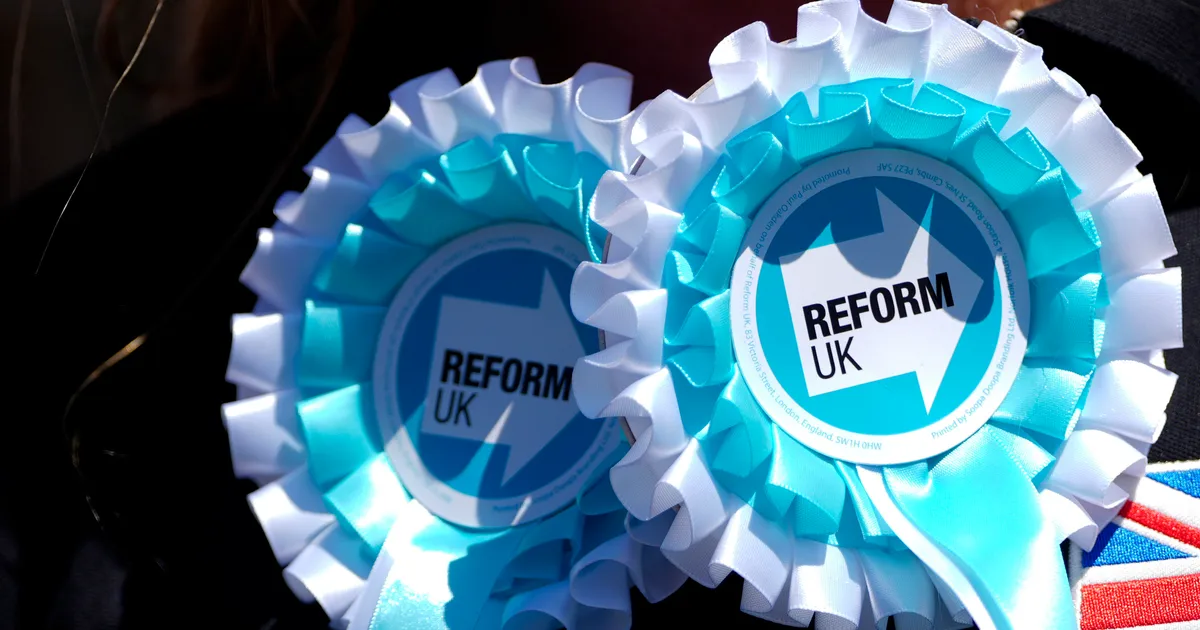
A councillor who left the Conservatives to join Reform UK has called his own defection “the biggest mistake of my life”.
Robbie Lammas, elected as a Medway councillor in 2021, joined Reform in October 2025 – and is already planning to quit Nigel Farage’s party.
“I’m going to leave Reform, I’ve had enough, it’s not what I signed up to, and I feel I’ve been misled,” he told the BBC. “Yeah, I am embarrassed about it. It was a huge mistake.
“Lots of others from Reform have told me they too feel it was a mistake to defect but they’re not in a position to publicly admit it, but for me I’m happy to admit I’ve made a big mistake.”
He said the move was the “biggest mistake of his life”, adding: “I think at the time I was used for a news story.”
Reform announced 20 Conservative councillors had joined its ranks last autumn on the penultimate day of the Tory party conference.
Lammas, who now sits as an independent councillor, said: “I find with Reform they’re good at spin, but struggle with good governance.”
A Reform UK source said: “We rejected him for a job multiple times – a failed Tory is no loss to the party.”
The right-wing party only has eight MPs, but it has frequently pointed to its victories in local elections as proof of its growing popularity.
Reform won the largest number of seats in England in May 2025, securing 41% of all local authority seats (677 in total) being contested at the time.
The party also picked up more than 1,450 council seats this year.
But 21 councillors have been kicked out of Reform since winning their seats, while 33 others have defected, seven have been suspended and one disqualified.
A further 47 have resigned and five have lost their seats.
Subscribe to Commons People, the podcast that makes politics easy. Every week, Kevin Schofield and Kate Nicholson unpack the week’s biggest stories to keep you informed. Join us for straightforward analysis of what’s going on at Westminster.

North Yorkshire councillors’ home addresses to be secret

Missed Vedanta’s buy 1 get 4 offer? Which spun-off stock to buy after listing today

SpaceX (SPCX) IPO Sparks Immediate Tesla (TSLA) Merger Speculation


-

 Business20 hours ago
No Jackpot Winner as $257 Million Prize Rolls Over to $269 Million Monday Draw
-

 Crypto World4 days ago
Oppenheimer backs SpaceX as $70 billion retail frenzy builds
-

 Crypto World4 days ago
Markets Rally as SpaceX IPO Looms Amid Iran Tensions and Inflation Surge
-

 Fashion3 days ago
Weekend Open Thread: Tuckernuck – Corporette.com
-

 Sports7 days ago
FIFA WC 2026 Group C: Morocco, Scotland challenge Brazil’s hunt for glory | FIFA World Cup 2022
-
 Crypto World7 days ago
Eli Lilly (LLY) Stock Surges 4% Following Breakthrough Sleep Apnea Trial Results
-
 Crypto World12 hours ago
Zimbabwe Requires Crypto Businesses to Register Annually Under New FIU Regulations
-
 Entertainment6 days ago
The Ryan Gosling True Crime Thriller On Netflix That Gets Even Stranger, Stream It Now
-
 Sports6 days ago
Bangladesh beat Australia after 20 years in ODIs, register only their second win over six-time world champions | Cricket News
-

 Tech3 days ago
This Week In Security: Microsoft On Microsoft, Register Your Domains, Linux On ARM, And FreeBSD Joins The File Cache Club
-

 Tech2 days ago
NanoClaw integrates JFrog registries to secure AI agent downloads
-

 Crypto World2 days ago
Bitget enters Argentina’s regulated crypto market through PSAV registration
-

 Politics4 days ago
Politics Home | Healey Resignation Is “Colossal Failure Of Government”, Says Former Labour Defence Secretary
-

 Tech5 days ago
‘This is Seattle’s position on AI’: City Council votes unanimously to pause big new data centers
-
 Tech4 days ago
Dutton Ranch star claims they ‘didn’t see any disruption’ on set following Chad Feehan’s exit from Yellowstone spinoff fueled by Taylor Sheridan clash rumors
-

 NewsBeat4 days ago
El Nino has formed in the Pacific and could set records, forecasters say
-
 Entertainment4 days ago
Donnie Wahlberg & More Heat Up Las Vegas at Circa’s Barry’s Downtown Prime
-

 Sports4 days ago
First Time Since 1971: Australia Register Historic Low In ODI Cricket
-
 Tech4 days ago
Opendoor Ends India Operations, Fueling a Bigger Conversation About AI and Outsourcing
-

 Tech7 days ago
Nvidia and Hyundai deepen their robotics push around Atlas
You must be logged in to post a comment Login