
Politics
The Best Way To Clean Windows And Glass Without Streaks

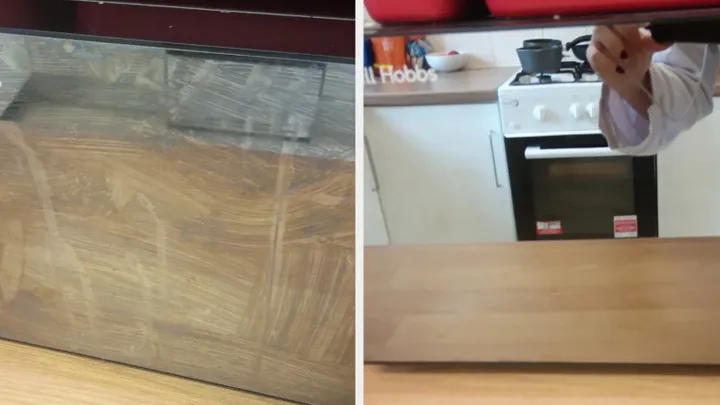
During my time as a cleaner, I learned a lot about which products were worth saving and splurging on. A good mop? Splash the cash! Glass and metal cleaners? Not so much.
That’s because in my experience, specially-designed glass sprays leave streaks and a thin film behind. As window cleaning services Window Hero write, “Many store-bought cleaners leave behind… soap or chemicals.
“If this residue isn’t thoroughly rinsed, it dries on the glass and causes streaks.”
Instead, I use what I’ve since seen other cleaners swear by: good ol’ washing up liquid, and/or white vinegar.
How can I make a DIY glass cleaner?
In an Instagram Reel, cleaning influencer Jessica May showed a video of her using a Dishmatic full of washing-up liquid and white vinegar on her windows.
“Mix equal part[s] dish soap and white vinegar… lightly scrub this over your windows, use a squeegee and voila. I also used a microfibre cloth to remove any excess water from the bottom of the window,” she wrote.
Personally, I’d ditch the Dishmatic: I’d worry that it’d leave far too much product on the surface itself, which could put you at the same streak risk as using a window spray. “If too much cleaning agent is used in the solution, a greasy film can form on the window,” said cleaning product company Karcher.
But as for the ingredients themselves, cleaning company Wecasa said that around a half-teaspoon of washing-up liquid per 500ml of water is ideal for greasy marks.
Meanwhile, a 1:1 ratio of white vinegar to water sprayed on a glass surface is great for everyday dirt.
Karcher agreed with both approaches, though they warned you’ll want to cover any marble sills or nearby surfaces if you’re using vinegar, as it can damage the surface.
And Tradesman Saver wrote that “While there are many commercial glass cleaners available, professional cleaners often prefer simple, homemade solutions,” including one made with one part water, one part white vinegar, and a few “optional” drops of washing-up liquid.

How else can I clean my glass surfaces?
Other ways to achieve a streak-free clean include thoroughly rinsing windows with clean water after applying soaps and wiping them clean with a lint-free microfibre cloth.
Whether you’re using a spray, vinegar, or washing-up liquid, don’t use too much: this is what can leave a film behind.
And try to avoid cleaning windows on sunny days. That can make liquids dry far too fast, leaving residue behind.

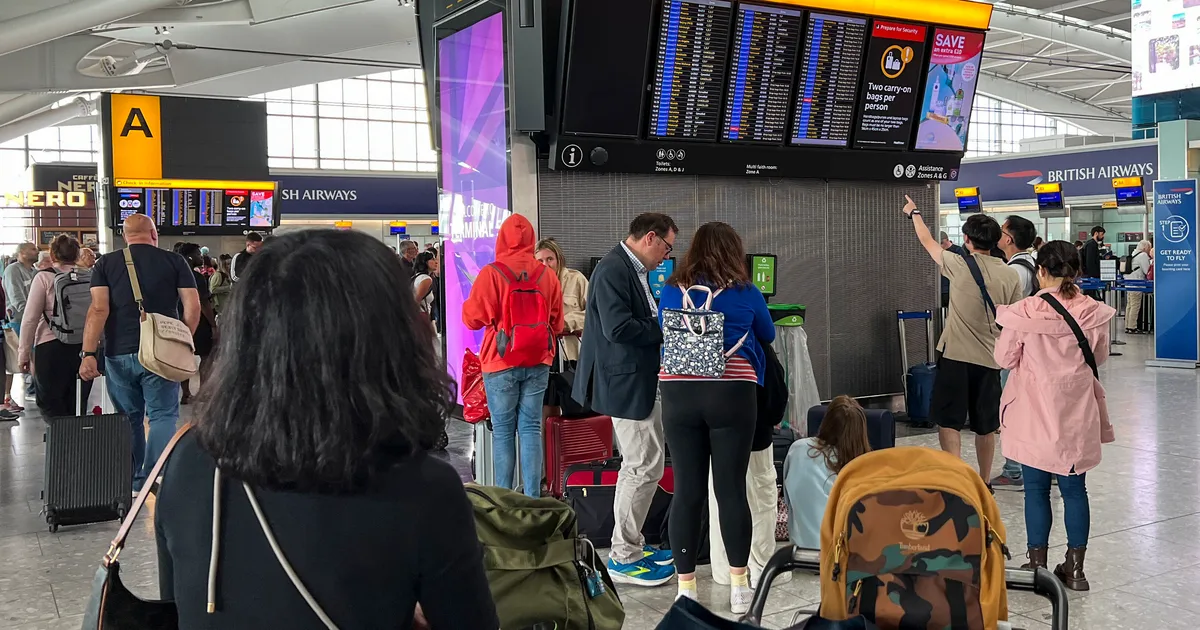
The EU’s new Entry/Exit System (EES) has fully kicked into place for UK passengers after its October rollout.
It’s a biometric system (including a photo and/or fingerprints) that registers non-EU nationals every time they make a short stay in Schengen countries.
The EU’s site says it’s designed to eventually replace passport stamps and offer a more “efficient” version of EU check-ins. But so far, there have been early hiccups: EES has been blamed for border delays that left passengers behind and “hours-long queues”.
In response, airlines like TUI, Jet2, and easyJet have shared advice.
Which countries are affected by the EES system?
The Schengen countries involved are:
- Austria,
- Belgium,
- Bulgaria,
- Croatia,
- Czechia,
- Denmark,
- Estonia,
- Finland,
- France,
- Germany,
- Greece,
- Hungary,
- Iceland,
- Italy,
- Latvia,
- Liechtenstein,
- Lithuania,
- Luxembourg,
- Malta,
- Netherlands,
- Norway,
- Poland,
- Portugal,
- Romania,
- Slovakia,
- Slovenia,
- Spain,
- Sweden, and
- Switzerland.
The Republic of Ireland and Cyprus are excluded from EES systems as they’re not Schengen countries.
What advice have airlines given to UK travellers for EES checkins?
The advice so far includes:
British Airways
Their site reads, “You should allow extra time to register your biometric details, such as fingerprints and a photo, the first time you enter the EU. There is no cost for EES registration, and your digital record will last three years before you need to register again.”
And responding to an X post by a passenger, the company added: “We ask customers travelling on our European short-haul flights to be there two hours prior to departure. It would be three hours if you’re travelling on a long-haul flight and one if you’re travelling on a domestic flight within the UK.”
TUI
In a travel alert, they said: “At some airports, you might still find longer queues, particularly at busy travel periods.”
They added, “To help your journey run as smoothly as possible, please allow a little extra time when passing through border control. Keep any essential medication in your hand luggage in case of delays, and when departing the EU, head straight to passport control after dropping your bags to avoid hold‑ups. Bringing some extra water for comfort is also a good idea.”
Jet 2
The company shared, “There may be longer wait times at Border Control at some EU Airports, especially at busy times. Once you start your EES registration, it should take around 1-2 minutes per person to complete.
“There may be longer wait times than usual when you arrive in destination and before your flight back to the UK. Unfortunately, this is outside of our control. But remember, there’s nothing you can prep before you travel.”
The airline added, “You’ll also need to pass through EES when leaving the EU in the same way you do on arrival. Depending on how busy the airport is, this may result in longer wait times at passport control before boarding your flight to the UK. After checking in for your flight, please head straight to security and passport control in order to arrive at your gate in plenty of time.”
easyJet
The airline pointed out that while kids under 12 are exempt from fingerprinting, passengers “may experience longer waiting times on arrival, so allow extra time and factor this in when planning onward travel, including trains, taxis, or flight transfers”.
Plan your journey, arrive early, use Bag Drop as soon as possible if you’re availing of the service, get through security as fast as possible, and “be aware that there may be further checks at passport control after security and before reaching your gate,” they said.
Ryanair
They warned that queues might be longer as airports adjust to the system.
“Have your passport ready and follow EES signs,” they wrote.
“We recommend arriving at the airport with extra time to allow for these additional checks, especially during busy travel periods.”
We’ve written before at HuffPost UK about when dementia experts think we should consider giving up booze for good to keep our brains healthy.
Speaking to HuffPost UK, Dr Arun Narayanan, a clinical electrophysiologist and an assistant professor of medicine in the division of cardiology at the University of Texas Medical Branch, said that another beverage – energy drinks – might carry risks for our hearts, too.
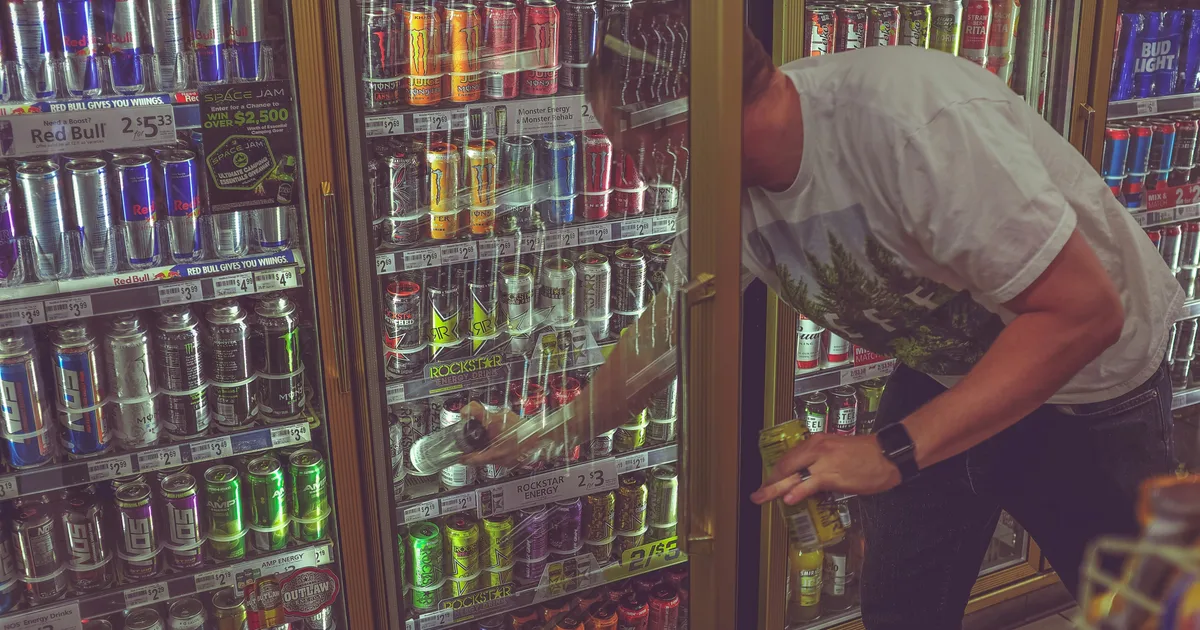
“Energy drinks may affect the heart differently [than other caffeinated drinks] because they often deliver caffeine in larger doses, more quickly, and in combination with additional stimulants or additives,” he shared.
“This can increase the risk of palpitations, elevated blood pressure, abnormal heart rhythms, and, in susceptible individuals, more serious cardiac events. Tea and coffee are generally better studied, more predictable in composition, and less likely to contain multiple stimulant compounds in a single serving,” he said.
We asked the expert what he thinks the upper limit of energy drink consumption should be in a single day, as well as at what age (if any) we should quit it cold turkey.
What’s the upper limit of energy drink consumption a day?
Dr Narayanan said, “In general, I would recommend limiting energy drinks to no more than one standard-sized can per day, and for many individuals, avoiding them altogether may be the safer choice”.
The expert said 400mg of caffeine a day is often considered the safe limit.
“Unlike coffee or tea, many energy drinks contain high caffeine concentrations consumed rapidly, along with sugar, taurine, guarana, and other stimulants that may amplify cardiovascular effects,” he said.
Too much caffeine may “increase heart rate, blood pressure, palpitations, anxiety, and sleep disruption.”
At what age should you stop drinking energy drinks?
Dr Narayanan told us it’s not so much about a person’s age as it is their health.
“Rather than age alone, the more important issue is underlying health status. Older adults are more likely to have hypertension, coronary artery disease, atrial fibrillation, or other rhythm disorders that can be worsened by stimulant beverages,” he said.
“I would advise individuals with cardiovascular disease, arrhythmias, uncontrolled blood pressure, or frailty to avoid energy drinks regardless of age. For healthy older adults, caution and moderation are still appropriate.”

I have insomnia, but not the kind that means I struggle to fall asleep (in fact, the speed and ease with which I nod off at night put me off seeking help for years).
Instead, the problem happens in the early hours of the morning. It reaches roughly 3am, and my body wakes me up – a common enough process, but one which I, for some reason, don’t recover from.
After the disruption, I stay up for hours, only feeling able to sleep when it’s time to get up and go to work. This persists no matter how much shut-eye I do (or don’t) get, how much exercise I do, or how early I go to bed.
If that sounds familiar, you – like me – may have something called sleep maintenance insomnia.
What is sleep maintenance insomnia?

According to Harvard Health, the term refers to a lack of sleep that happens not because someone can’t nod off, but because they wake up and can’t fall back asleep.
In America, it’s believed to affect as many as one in five people (and while there doesn’t seem to be much data on the phenomenon in the UK, one in three adults here are thought to experience acute insomnia at some point).
Harvard Health added that the condition might be especially common in women during midlife.
Health problems, family stresses, depression, and even hot flashes might play a role.
As, they say, can age: “as we grow older, the normal sleep cycle becomes shorter, and we spend less time in deep sleep”.
How can I manage sleep maintenance insomnia?
Dr Karen Carlson, a doctor who runs classes focusing on women’s sleep quality at Boston’s Massachusetts General Hospital, told Harvard Health that going to bed really early to “make up” for missed sleep might not help.
“What sometimes happens is that women are going to bed early trying to sleep and then they wake up at 3 or 4am – and they’re not really meant to sleep more than six or seven hours, but they’re in bed early trying, and they awaken early.”
What may help, however, is “clock blocking”, or ignoring any screen which tells you the time, Johns Hopkins shared.
So, too, can getting up out of bed to do something screen-free and relatively mindless, like folding laundry after about 20 minutes of being awake ― or, as Johns Hopkins sleep expert Dr Luis F. Buenaver said, try to “Read a book, with just enough lights on so that you can see the print comfortably”.
Try as much as you can to stick to your regular routine the day after a bad night’s sleep, he continued.
Speak to your doctor if sleep issues persist for weeks and/or affect your day-to-day life.
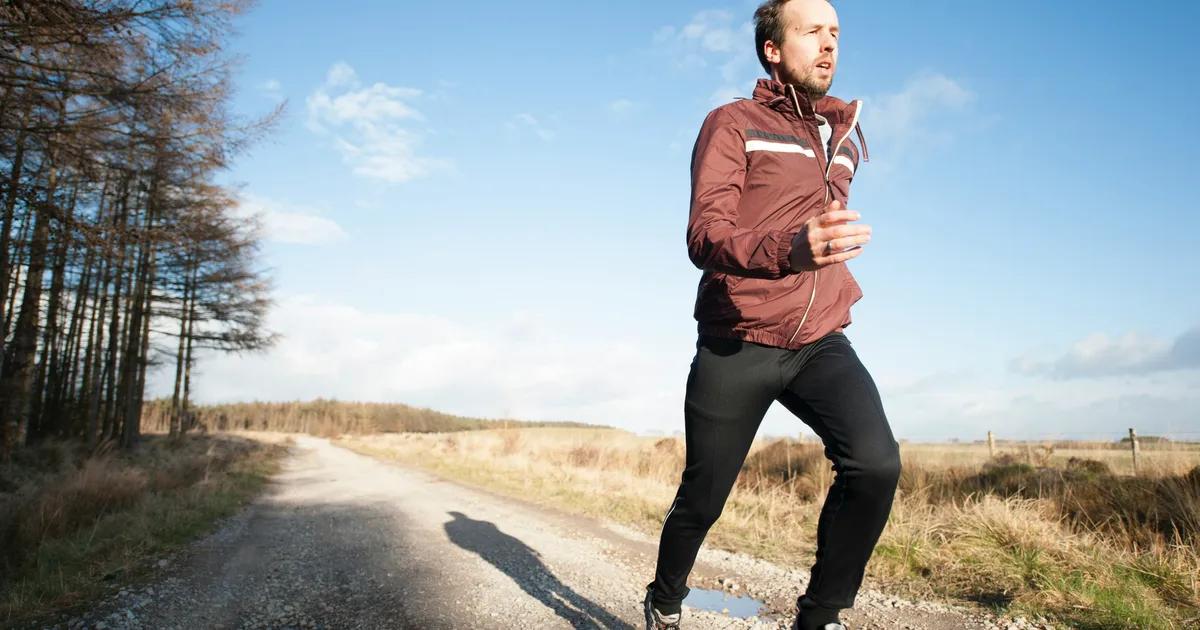
GP Dr Dominic Greyer previously shared that strength training, good sleep, reducing inflammation, maintaining your “metabolic flexibility,” and enjoying life (in moderation) separates those who age well from those who don’t.
And a new paper, which focused on the short-lived African turqioise killifish, aimed to work out how different behaviours appeared to affect their ageing trajectories.
The fish, which were partly chosen because they shared “key biological features with longer-lived species like humans, including a complex brain”, shared the same genes and were raised in similar environments.
Researchers found that by midlife (for the fish, 70-100 days), fish that lived longer were already behaving differently from those that died sooner.
Study leader Claire Bedbrook said, “Behavioural changes pretty early on in life are telling us about future health and future lifespan”.
What were the differences?
In this study, one of the biggest factors was sleep. Fish that had longer lives mostly slept at night, while those with shorter lifespans slept both at night and during the day.
Incidentally, longer naps, more disorganised nap times, and a higher percentage of naps taken at noon and in the early afternoon have been linked to increased mortality risk among humans.
But activity mattered too.
Fish who swam harder and faster were likelier to live longer, “a measure of spontaneous movement that has been linked to longevity in other species as well”.
And fish that lived longer were more active in the daylight as well. A separate human study found that those who did the majority of their physical activity between 11am and 5pm, or mixed throughout the day, had a lower cardiovascular and all-cause mortality risk than those who moved mostly in the early morning or at night.
Ageing seemed to happen in stages
The researchers noticed that ageing seemed to occur in two to six stages rather than gradually.
“We expected ageing to be a slow, gradual process,” Bedbrook said.
“Instead, animals stay stable for long periods and then transition very quickly into a new stage. Seeing this staged architecture appear from continuous behaviour alone was one of the most exciting discoveries.”
Similar patterns have recently been noted in humans.
Researchers hope this will benefit humans
In an editor’s summary, senior editor at the journal Science, Mattia Maroso, said: “These results might lead to better understanding of the ageing process in other vertebrates, including humans”.
And speaking to Stanford Reports, study leader Ravi Nath said, “Behaviour turns out to be an incredibly sensitive readout of ageing… You can look at two animals of the same chronological age and see from their behaviour alone that they’re ageing very differently”.
The other study leader, Claire Bedbrook, shared, “We now have the tools to map ageing continuously in a vertebrate… With the rise of wearables and long-term tracking in humans, I’m excited to see whether the same principles – early predictors, staged ageing, divergent trajectories – hold true in people”.
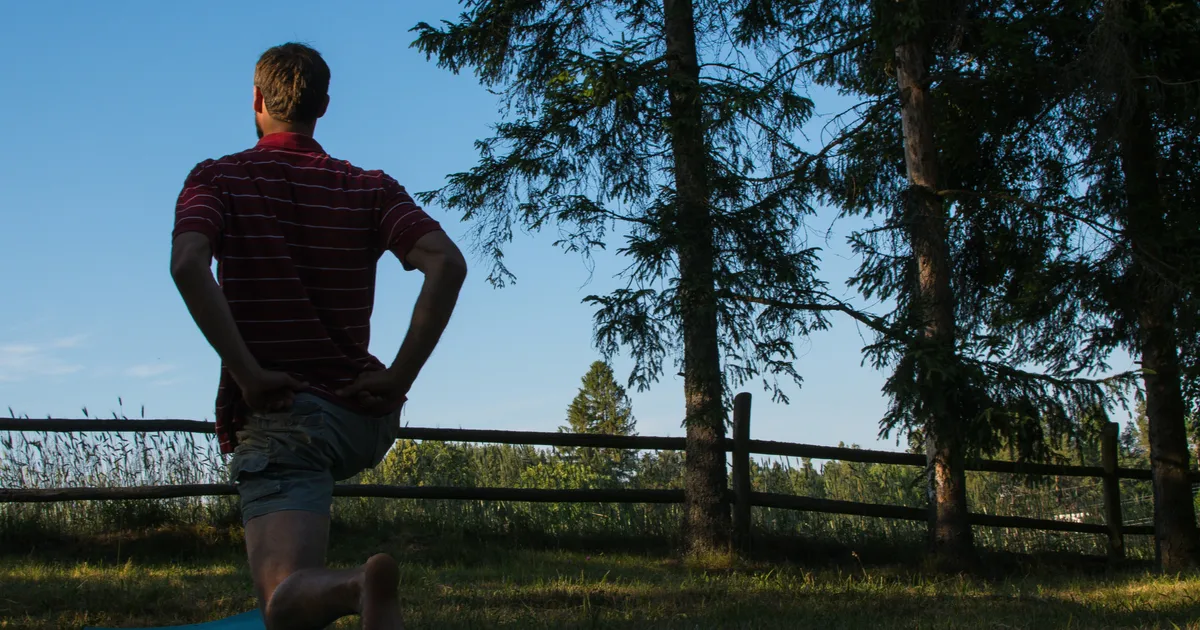
I’ll rant to anyone I know about the importance of maintaining muscle mass as we age to prevent conditions like sacropeonia and even osteoporosis.
Cardiovascular health has also been linked to longevity.
But what about flexibility? Though it might be less talked about than the other two, this, too, has been linked to a longer life, especially among men.
You may know the importance of lifting weights for strength and understand that everything from tennis to cycling and running can improve your heart health.
What, though, does a person to increase their flexibility – and does it change over time?
We asked personal trainers to share their thoughts:
In your 20s and 30s
James Bickerstaff, a personal trainer at Origym, told us: “In your 20s and 30s, your body still has natural elasticity, so muscles and joints move easily and recover quickly”.
Nonetheless, he adds, sitting for long periods of time (as you may do for work) can hold your flexibility back.
“To maintain mobility, focus on stretching major muscle groups by performing dynamic stretches such as leg swings for the hips and static chest openers for the upper body,” he advised.
“Short daily sessions, along with activities like yoga, Pilates, or tai chi, can help prevent stiffness.”
In your 40s and 50s
Trainer and owner of Made Possible Personal Training, a gym which works mainly with those aged 50 and up, Heather Lachance, said: “One of the biggest things I try to help people understand is that losing flexibility isn’t a given”.
But in our 40s and 50s, she said, more of us notice we’re not as flexible as we used to be.
“At this stage, adding 10 minutes of mobility work a few times a week, especially dynamic movements before workouts and static stretches afterwards, can go a long way,” she advised.
“Leg swings, hip openers, thoracic rotations, that sort of thing. It doesn’t need to be complicated; it just needs to be done consistently.”
For his part, Bickerstaff recommends swimming and dancing alongside stretches.
In your 60s
“In your 60s and later years, joints become less mobile, cartilage thins, and muscles tighten more easily,” Bickerstaff explained.
“This can make everyday tasks feel restricted and raise the risk of falls. At this stage, flexibility work is about protecting independence and helping you move safely.”
Lachance stated that yoga and pilates can be great in this decade as they provide a “low-impact” form of exercise.
In your 70s and beyond
At this age, Lachance said, “The conversation becomes more about maintaining independence, things like being able to get up off the floor, move confidently through space, and reduce the falling risk.
“Here, I pair flexibility with balance and strength work. Chair-based stretching, simple guided routines, and daily movement all play a role.”
Sated hamstring and tricep stretches can help, Bickerstaff agreed, as can resistance bands and plain ol’ walking ― gentle, daily movement is key.
“No matter the age, the message is the same: you don’t need to be able to do the splits, but you do need to move well enough to live your life without restriction,” Lachance ended.
“Flexibility is really about freedom! Freedom to keep doing the things you enjoy without pain or hesitation.”
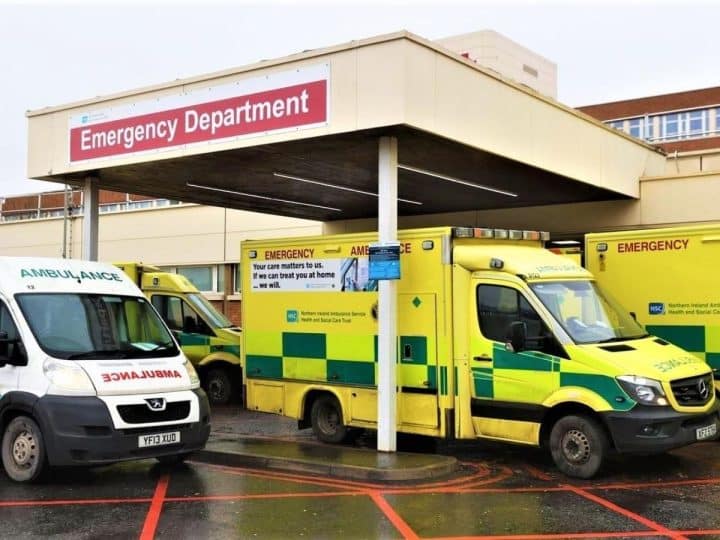

The Royal College of Emergency Medicine (RCEM) has decried the dire state of the north of Ireland’s emergency departments (ED). The RCEM said the new figures released by the Department of Health (DoH) about A&E units show:
…the worst four and 12-hour performance for Northern Irish EDs for any quarter on record.
In a statement, they continued:
The stats, which cover January–March 2026, showed that almost a quarter (23.5%, or an average of 12,309 patients per month) of all major ED attendances waited more than 12 hours before being discharged, admitted or transferred. A decade ago, only 1% of patients waited this long.
Meanwhile, less than a third (30.5%) were in and out of the department within the target of four hours.
The Department of Health’s targets stipulate that:
95% of patients [be] either treated and discharged home, or admitted, within four hours of their arrival in the department; and no patient… should wait longer than 12 hours.
Horror of patients left to wait for days in A&E
Perhaps the most shocking statistic is the RCEM’s citing of:
…a truly staggering 1,280 patients [who] waited more than two and a half days.
That means often very ill and exhausted people sitting or lying in corridors for sometimes 72 hours and more before they are admitted to a ward. In fact:
More than 400 (449) admitted patients waited more than 3 days in the ED in January alone.
6.7% of people simply leave the ED before they’re treated, due to the appalling wait times.
The RCEM’s north of Ireland’s vice chair Dr Sara McGurk said:
The state of our emergency care system is utterly horrifying.
She continued:
These patients [waiting for days] are being put at risk of deterioration, or even death, by this overcrowding of departments. Meanwhile, the patients who can pass through, or be discharged from, our departments within four hours are now firmly in the minority.
It is becoming difficult to even perform the basics of emergency care with overcrowding as bad as it is. Things are dire and, as the data shows, the worst they have ever been.
The RCEM’s Dr Michael Perry urged Stormont to act. He said when speaking to the BBC’s Good Morning Ulster programme (segment starts at 1:36:50 mark):
Problems in A&E [Accident & Emergency] are symptoms manifesting themselves because of [issues in] the wider network.
He continued:
I’m not here saying A&E needs all the money to fix things. It has to be distributed across the system because if we improve community care, waiting lists, timely access to specialists in hospital, social care and discharge, a lot of the problems we’re seeing manifested in our departments will be actually eased a bit.
Doctor calls for Stormont to intervene as Westminster withholds funds
Perry called on Stormont to pass a three year budget which he said would:
…improve things, it would allow a plan to be put in place to tackle this rather than stumbling on through the same permacrisis year after year.
Finance minister John O’Dowd put forward a draft budget in January 2026, but Stormont is yet to reach agreement on passing it. Ministers within the Northern Ireland Assembly have been pushing Westminster for additional funding. Thus far the Labour government has granted a £400 million loan. They will also provide an extra £380m over three years. Obviously, the second sum will largely go towards simply paying back the first.
The Treasury’s response to recent pleas for more money has been an unashamedly neoliberal review that suggested hammering average earners with regressive measures. These included water charges, raising rates (the equivalent of England’s council tax) and cutting public sector pay.
Perry also lamented the effect the A&E disaster has on staff, saying:
The nursing staff turnover that we have in our departments is vast and is largely to do with the environment they work in.
This creates a vicious downward spiral in which insufficient staffing leads to worsening conditions, and those worsening conditions lead to even more staff being driven away. Perry spoke of the moral injury endured by heroic healthcare workers:
We talk about moral injury and I’ve had staff with me who have tried to deliver the best care they can and because of the environment something adverse has happened. All we’re asking for is the capacity to do our jobs.
The concept of moral injury entered wider public consciousness during the COVID pandemic. It refers to the psychological distress endured when someone is forced to violate their own moral code. It was routine during the pandemic for healthcare staff to be forced into saving just one of two desperately ill patients.
Proper pandemic management and healthcare resourcing by the Tory government would have prevented them being put in this cruel position. Six Counties healthcare workers are now having to make those same choices again.
Patients dying in A&E are the human sacrifice capitalism demands
Anyone familiar with A&E in the north of Ireland will know that at times it isn’t far from the apocalyptic scenes shown in the sci-fi film Elysium. That film is set in 2154 and is meant to show the United States as essentially a failed state with a tiny oligarch class and crushing poverty for everyone else.
The north of Ireland isn’t even a proper state — it’s a strangled, dysfunctional appendage of de-developing Britain. A region that should rightly be part of a united Ireland instead suffers instead under partial autonomy, and endures the ritual humiliation of going to Westminster with a begging bowl.
Even then, Stormont is up against a Labour government captured by oligarchs, in a society where 50 families hold more wealth than half the population. An intelligent alien coming across this ‘civilisation’ would be puzzled by what it saw. It might consider it strange that the people living on this group of islands seemingly see it as correct to murder hundreds of thousands of people so a billionaire can have another yacht, or a 3,000th house.
Of course, most of us don’t actually believe that, we’re just subject to an economic system that ensures psychopaths rise to the top and make these decisions. The north of Ireland is simply an acute case of the intersection between empire’s legacy and late-stage capitalist reality. Those being left to die in A&E are the human sacrifice these beasts demand as they continue limping on.
Featured image via the Canary

We hope you love the products we recommend! All of them were independently selected by our editors. Just so you know, HuffPost UK may collect a share of sales or other compensation from the links on this page if you decide to shop from them. Oh, and FYI — prices are accurate and items in stock as of time of publication.
There’s nothing worse than a bad night of sleep. You wake up feeling tired; you can’t focus; and even worse, you know it will be the same the next night.
If you’re one of the 10 million people in the UK with sleep apnoea, you’ll know this all too well.
Then there’s the having to deal with the impact on your relationship and worrying about the affect it has on your overall health. Not to mention having to be strapped up to a CPAP machine every night – which is boring, bulky, and uncomfortable.
But now, there might be a solution to more restful sleep. As most cases of sleep apnoea are caused by throat obstruction during the night, Derila has created a pillow specifically designed to keep your airway open as you snore.

Shaped like a butterfly, the pillow is not only made of cooling, hypoallergenic material, but its ergonomic shape contours your head and neck to keep them in a neutral position.
For those with mild to moderate sleep apnoea, this could stop the airway from narrowing during sleep – whether you sleep on your back, side, or stomach.
The Derila pillow can also be used at the same time as a CPAP machine, which can help with aligning your head to the mask and reducing leaks.
The result? Less snoring, not waking up so much during the night, and (the cherry on top) feeling less groggy and more energised in the morning.
So much so that 87% of testers reported better sleep within their first week of using the Derila pillow.
But you don’t have to take their word for it. Here’s what Derila customers said about the pillow:
One reviewer said: “Yesterday I received my pillow and last night I had the best nights sleep in a very long time. My husband also commented that I didn’t snore last night , so hopefully I will continue to sleep peacefully and in the same way as last night.”
Meanwhile, another buyer said the pillow has improved sleep for them and their partner: “The pillow fits our neck very well, even when we turn. I wear a CPAP every night, and my wife wears an oxygen thing in her nose. We can turn and our breathing is not affected.”
“Since getting the pillow, I’ve had no more neck pain,” another reviewer claimed. “My sleep apnoea has improved significantly.”
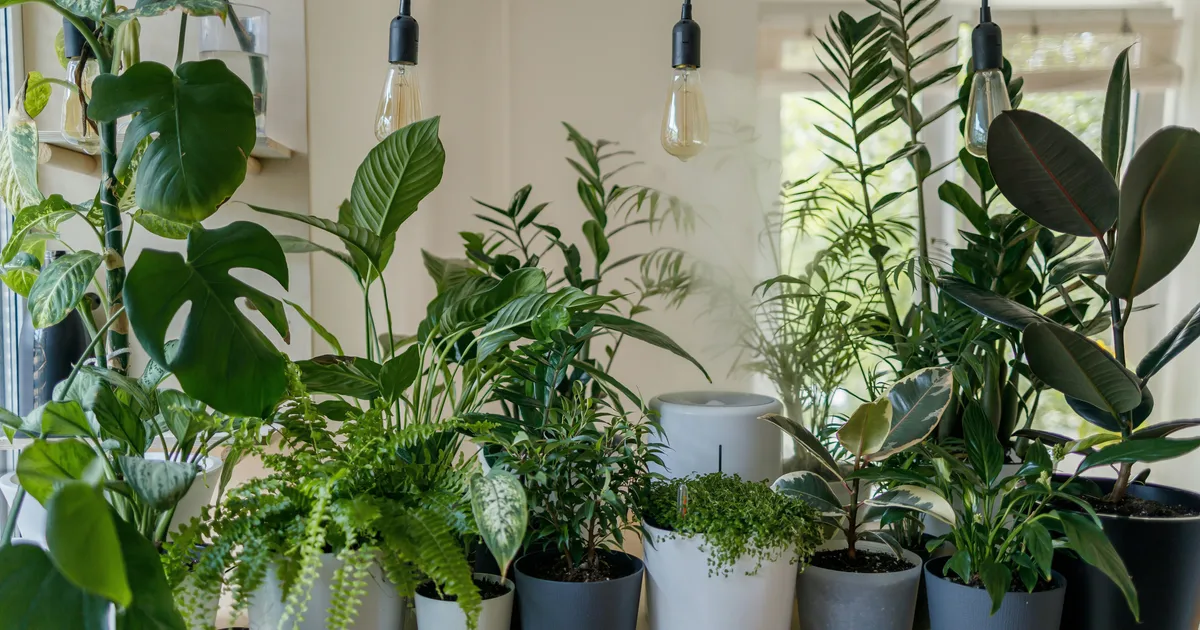
I don’t know whether I notice it more in the sunshine or if flies really do come out en masse in spring, but I feel like I’ve noticed a lot more of the unwelcome visitors on my houseplants recently.
And while I’ve found vinegar and washing-up liquid traps are a really effective way to manage a fruit fly bonanza, I can’t help but wish there was an easier, less deadly way to de-fly my ferns.
Luckily, plant educator Peyton, known online as Plant Caregiver, is one of a few voices to suggest a chemical-free method: in a TikTok video, the creator said, “a lot of your plant problems could be fixed by having a fan”.
Why might a fan help to get rid of pests?
Speaking to Homes & Gardens, Julia Omelchenko, an expert in plants for the Plantum app, explained that proper ventilation and air flow keep soil drier, preventing a buildup of, e.g., fungus gnats.
That can involve opening a window. But it can also include running a “fan on low speeds where your plants are situated,” so long as you “avoid cold drafts and don’t point the fan at the plants,” she added.
Aside from preventing wet soil, which fungus gnats love, using a fan also helps to create an environment in which fruit flies struggle to fly (they have quite weak wings).
An Ideal Homes writer put it to the test and was impressed with the result. And, more recently, a Guardian writer and houseplant expert tried it on a mildewy plant; she wrote, “It’s one of those hacks that sounds unnecessary until you try it”.
How else can I get rid of flies from my houseplants?
As we’ve mentioned before, soil that stays wet for too long can attract fungus gnats. Try watering your soil less often if that’s the case.
Adding a gravel mulch, using sticky traps, and even using predatory nematodes can all help, too, per BBC Gardener’s World.
You can also change the potting soil to that which has been specially formulated for houseplants.

Attracting wildlife to your garden is one of the best ways you can help out the planet, control pests, and support struggling species.
Speaking to HuffPost UK previously, Helen Bostock, a senior wildlife specialist at the Royal Horticultural Society, said: “Environments are more resilient and function better when there is both species and genetic diversity, helping combat challenges such as climate change, carbon capture and pollution.”
There are many ways to do this, from making a little pond out of an old washing-up bowl to putting out water for hedgehogs. But wildflowers can help too, says Elise Harlock, a floral expert at Prestige Flowers.
“Small changes can really help to create a thriving natural environment… By adding the right flowers to your garden, you can support biodiversity and make it look extra beautiful,” she said.
Here are the best ones to get in the ground for a more buzzing backyard this summer:
1) Lavender
Beloved by bees, butterflies, and hoverflies, those “single-layered, long petal flowers are easiest for insects to feed and pollinate from,” Harlock said.
And because it’s such a favourite of so many insects, “you’ll see the flowers full of creatures all summer long”.
Safety: Mildly toxic to dogs if ingested and can be toxic to cats.
2) Foxglove
Lavender loves sunny spots, but if your garden is a little short on those, try foxglove instead.
“Foxgloves thrive in shade, so you can grow them in almost any garden type,” Harlock told us. “Their colourful flowers and height are great for adding depth to a garden, but also act as safe, tubular and nectar-rich environments for insects.”
Flowers in: June to September
Safety: Very toxic to adults, children, and pets if ingested. Don’t plant in places where either kids or pets play.
3) Echinacea
“These daisy-like flowers are excellent for butterflies and bees. The open and flat structure of the flower head makes them perfect pollen-heavy landing spots, whilst adding loads of bright colour to your flower beds,” the expert said.
Even better: their seedheads make amazing food for birds once the flowers have died out.
Flowers in: July to late August
Safety: Generally considered safe for pets and children, though some adults and children may have an extreme allergic reaction to the plant.
4) Sunflowers
“Everyone knows sunflowers are great for bees, but few know why,” Harlock told us.
“Their centres are bursting with nectar, which makes them a rich source for pollinators, so planting even one or two in your garden is guaranteed to attract plenty of bees.”
However, they need a lot of sun (shocker), so make sure your garden has enough light before planting them.
Flowers in: July to September
Safety: Non-toxic to cats, dogs, horses, and children.
5) Peonies
“Bees and butterflies love the sweet scent of peonies, and they’re a really beautiful addition to any summer garden,” the flower expert said.
Flowers in: April to July
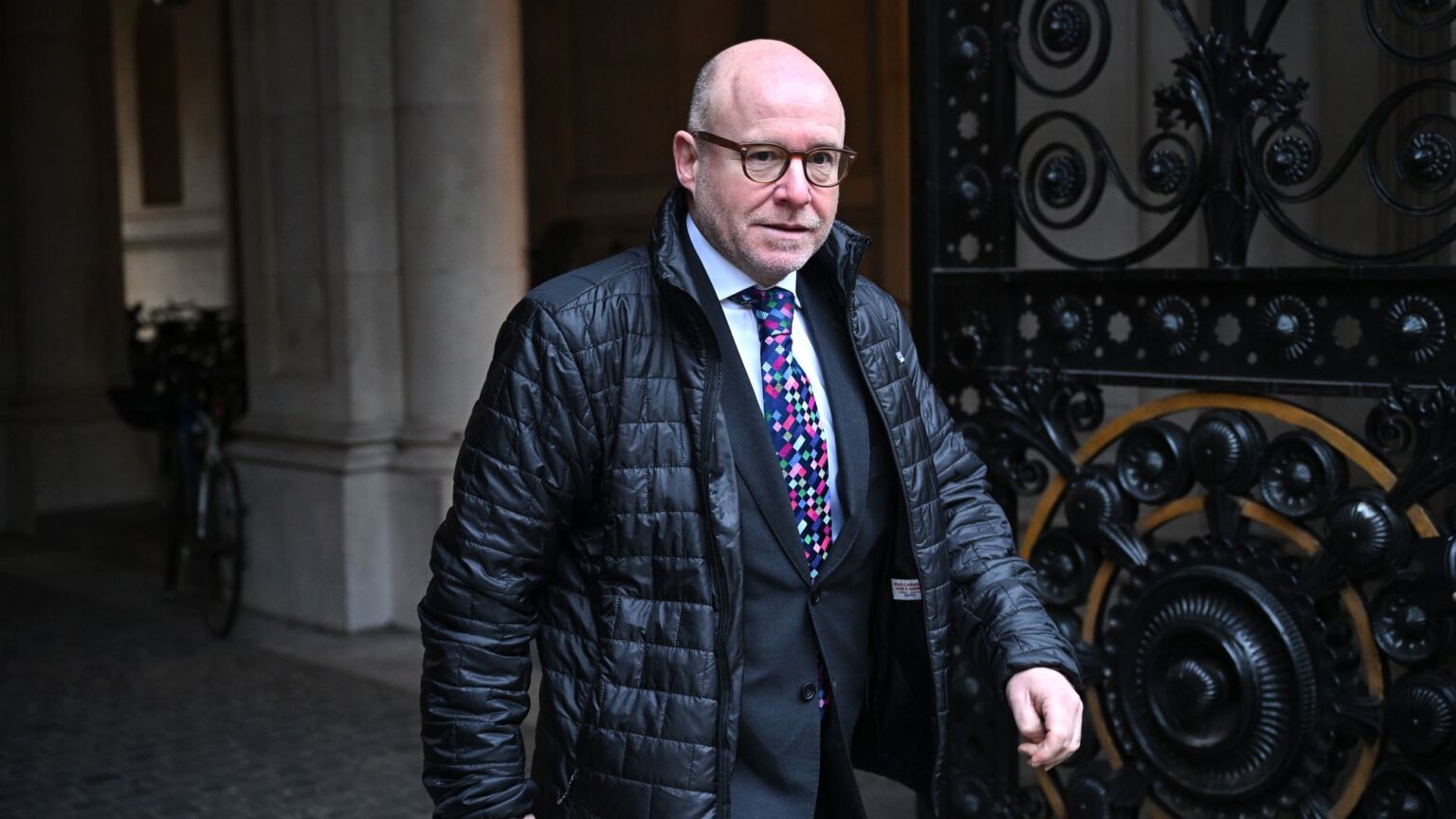
A Telegraph investigation has revealed the role Richard Hermer KC, the UK attorney general, played in the Al-Sweady scandal, which led to British servicemen facing false accusations of murder and torture for over a decade. As a result, senior MPs have reported Hermer to the Bar Standards Board for misconduct.
The Al-Sweady scandal centred on claims brought by Iraqis who alleged that British soldiers had tortured and executed civilians after the Battle of Danny Boy in southern Iraq in 2004. These claims originated with the now disgraced solicitor Phil Shiner, who broadcast them to the world in a widely publicised press conference in 2008.
The subsequent Al-Sweady Inquiry (2009-2014) into these allegations concluded that they were ‘wholly without foundation and entirely the product of deliberate lies, reckless speculation and ingrained hostility’. It turned out that Shiner’s clients were not innocent farmers and labourers murdered by malevolent British soldiers. They were in fact members of the Mahdi Army – an Islamist militia backed by Iran’s Islamic Revolutionary Guard Corps.
It later emerged that Shiner had advanced the claims using dubious intermediaries to gather witness evidence. He used cold-calling to invite people to give testimony, with the promise of remuneration. He also made fraudulent claims to the Legal Aid service, receiving money from the public purse to fund his discredited litigation. He was struck off. Shiner later pleaded guilty to three counts of fraud and was sentenced on 10 December 2024 to two years’ imprisonment, suspended for two years.
Hermer played a significant role in the litigation. In the words of the Telegraph, he ‘acted as lead counsel in civil claims against the Ministry of Defence and pressed for lucrative compensation despite mounting evidence that his eight Iraqi clients were “on the make”’.
These are very damaging claims for Hermer. Barristers often say they have a professional obligation to act in cases irrespective of their personal views. They cite the ‘cab-rank rule’, which requires them to accept instructions in cases they may not personally support.
But the cab-rank rule did not apply in this case. Hermer worked instead under a conditional-fee agreement at double his normal fees. This is what most people would call a ‘no win, no fee’ agreement. That meant he would not be paid unless the claims succeeded. It also meant he could have withdrawn from the case without breaching the cab-rank rule. Indeed, if he had doubts about the credibility of the claims, he would have been under a professional obligation to withdraw.
That is why Hermer has now been reported to the Bar Standards Board. It appears that he had concerns about the claims but remained involved. In one internal email advising Shiner on how to ‘get the big story out there’, Hermer admitted that there needed to be ‘wriggle room if the killings did not in fact happen’. Other emails also appear to show that Hermer was enthusiastic about litigating against British soldiers, saying in one message, that ‘these Iraqi cases are a good reminder of why I wanted to be a lawyer’.
Hermer denies any wrongdoing. He has distanced himself from Shiner and maintains that his work on the case was entirely proper. This may all be true. But Hermer cannot expect to be politically immune from the professional decisions he took as a lawyer. He could have withdrawn from the case if and when he had concerns about the credibility of the allegations. Yet he failed to do so. He was plainly committed to what he was doing. He will now need to explain that to the Bar Standards Board.
Regardless of what the regulator decides, this ought to be politically catastrophic for Hermer. He was involved in one of the most shameful scandals to hit the legal profession in living memory. One can only imagine what those young men went through. They survived a firefight with Islamist insurgents, only to return home and face false allegations of the gravest crimes imaginable.
Hermer must be held to account for his role in all this. His position as the most senior law officer of the Crown is no longer tenable. He should either step down, or be forced out. Either way, Hermer must go.
Luke Gittos is a spiked columnist and author. His most recent book is Human Rights – Illusory Freedom: Why We Should Repeal the Human Rights Act, which is published by Zero Books. Order it here.

LeBron James’ historic playoff performance lifts Lakers to 3-0 lead over Rockets

Rescuing The Data On A 1960s LGP-21 Computer’s Disk Memory

BITCOIN HISTORY IS REPEATING…

Manchester United reach agreement with Casemiro over contract clause amid transfer speculation

US brings back mandatory military draft registration

Steven Gerrard disagrees with Gary Neville over ‘shock’ Chelsea and Arsenal claim | Football


-

 Business6 days ago
Powerball Result April 18, 2026: No Jackpot Winner in Powerball Draw: $75 Million Rolls Over
-

 Politics6 days ago
Zack Polanski demands ‘council homes not luxury flats for foreign investors’
-

 Fashion17 hours ago
Weekend Open Thread – Corporette.com
-
Entertainment6 days ago
NBA Analyst Charles Barkley Chimes in on Ice Spice McDonald’s Fiasco
-

 Tech6 days ago
Auto Enthusiast Scores Running Tesla Model 3 for Two Grand and Turns It Into Bare-Bones Go-Kart
-

 Politics5 days ago
Gary Stevenson delivers timely reminder to register to vote as deadline TODAY
-

 Politics3 days ago
Making troops accountable for war crimes threatens US alliance, ex-SAS colonel warns
-

 Business3 days ago
Rolls-Royce Voted UK’s Most Iconic Trade Mark as IPO Register Hits 150
-

 Politics3 days ago
Disabled people challenge government SEND proposals over segregation concerns
-
 Crypto World5 days ago
Bank of Hawai’i (BOH) Q1 2026: Net Income Drops to $57.4M as Net Interest Margin Expands
-

 Politics3 days ago
Zack Polanski responds to home secretary’s taser threat
-
Politics3 days ago
Wings Over Scotland | How To Get Away With Crimes
-

 Politics3 days ago
Starmer handler McSweeney to be dragged from shadows by Foreign Affairs Committee
-
Crypto World6 days ago
Kelp DAO rsETH Bridge Hack Drains $292M as DeFi Losses Top $600M in Two Weeks
-

 Politics3 days ago
‘Iran is still a nuclear threat’
-
 Crypto World4 days ago
Five Value Stocks with Recovery Potential in 2026: PayPal (PYPL), Nike (NKE), and More
-

 Crypto World4 days ago
New York sues Coinbase, Gemini over prediction market offerings
-

 Business3 days ago
The Job Benefits Most Men Don’t Know to Negotiate
-

 Crypto World1 day ago
Michael Saylor says BTC winter is over. Market analyst disagrees, says bitcoin was in a pullback
-

 Politics6 days ago
Reform investigating candidate who ‘hates’ the NHS
You must be logged in to post a comment Login