

Politics
The House | The Hunt To Uncover The History Of A Mysterious Old Parliamentary Board Game



5 min read
After chancing upon an old parliamentary board game, Daniel Brittain persuaded two hereditary peers to join battle
There was something about it that wasn’t quite like the other chess boards piled in a corner as if hiding. It was the day after Boxing Day and I was idling in a favourite shop in the town of Corbridge, between Newcastle and Hexham. With little else to do, I investigated and so stumbled on an artefact at once trivial and timely. For instead of the regulation black and white squares, this board carried slogans such as One Man One Vote, Home Rule and Abolition of the Lords.
What was this? The front of the board proclaimed it to be House of Commons – The New Parliamentary Game. New it might once have been: the packaging suggested that it had not been new for at least a century.
Delight at unearthing this piece of parliamentary ephemera was tempered by the fact that were no playing pieces – and no rules. Further investigation was needed. I handed over my £3 and embarked on the quest.
The first point of inquiry after the Christmas recess was Patrick Vollmer, chief librarian of the Lords. Did this game exist in the parliamentary archives, a virgin copy kept in one of its vaults?
No, but he did pass on some leads to chase. A website for board game geeks gave the rules (extraordinarily complicated), and more surprisingly a link to the Bodleian Library, surely the repository of historic and valuable manuscripts? True, but also it turns out the home of 1,600 games and pastimes gifted this century. And there it was, on the Bodleian website, a photo of five of the eight required playing pieces, featuring pictures of prominent Liberal and Conservative MPs and peers from the game’s 1896 creation.
Jo Maddocks, the Bodleian’s curator of ephemera invited us (my wife Clare had by now joined the quest) up to Oxford to take a look, where we discovered that although the library has some of the playing pieces it doesn’t possess the rules or the board. We reunited them all for photos. Asquith, Campbell-Bannerman, Rosebery, Devonshire and Chamberlain re-emerged into the limelight. Turned out we were the first people to have requested a view.

Back in Parliament, a plan was hatched to play the game, possibly for the first time in 100 years. Given that ‘Abolition of the Lords’ (in its all hereditary form) is one of the squares on the board, two hereditaries were my obvious target.
While Clare brilliantly copied the Bodleian pieces and made the required additional three, I went on the trail of game hereditary peers. Fortuitously, the Earl of Clancarty was enthusiastic, and he was about to meet up with the Earl of Lytton. A brace of earls, result!
A week later we gathered in one of the splendid rooms formerly part of the Lord Chancellor’s flat. For Lord Lytton, Parliament’s foremost expert on Planning and Building law, it was a special day (his last in the Lords), having decided a year ago to retire at 75. The minister, Baroness Taylor of Stevenage, had paid tribute to him. Opposite: Lord Clancarty a prominent champion of the arts and the creative industries. He’s just discovered that he is to be one of the few outgoing hereditaries to receive a life peerage. Both crossbenchers, Lord Clancarty gamely took the governing Tories’ side, Lord Lytton the opposition Liberals. Shaking hands, the game commenced.
Poor old backbench pawns move just one square at a time
Of course, the object of the game is for the government to pass acts on the subjects depicted on the board by landing a player on each of the two similarly named squares. The opposition’s job is to prevent that. According to the rules, the PM and what the board refers to as the Chief Opposition Spokesman can move in all directions across the board, while his cabinet and their shadows (a term formalised in the 1920s) rather fewer. Poor old backbench pawns move just one square at a time.
Let battle commence. First bill? Abolition of the Lords of course. Lord Lytton scored an early victory in saving the House; on the rematch Lord Clancarty got it abolished. Soon a whole radical manifesto was laid before them: licensing laws, payment of MPs, Home Rule, disestablishment and voting rights. It’s a fun game, perhaps the parliamentary shops should bring out a new edition?
Having reached an honourable draw, the two earls went their way. Lord Clancarty to a meeting, Lord Lytton heading off for a last stint in the Chamber, say his goodbyes and clear his desk after some 30 years. As the politician playing pieces were packed away, I noticed that all the measures on the board have been tackled since the game’s creation. All except one: Disestablishment of the Church of England. That thorny question has even managed to outlive the hereditaries in the House of Lords.


We recently asked coffee experts how they’d perfect barista-level cuppas at home, without any fancy equipment.
After all, the endless gadgets and machinery pros use can hog space and drain your bank account ― the same can be said for gym equipment.
Most of us can’t pack a treadmill, an elliptical, a stair master, a full rack of weights, and a Smith machine into our homes, after all.
So, we thought we’d ask Sam Quinn, a personal training lead at Nuffield Health Devonshire, which one piece of gym kit he can’t go without.
If Sam had to pick, he’d go with an Olympic barbell
The fitness expert told HuffPost UK: “The Olympic barbell is the single most valuable piece of equipment for achieving athletic performance, fitness goals, and changing body composition.”
It’s suitable for beginners and pros alike, the personal trainer added, explaining that its versatility makes it a must-have.
“The 20KG 7ft long Olympic barbell is used for resistance and strength training, building muscle, powerlifting and Olympic weightlifting,” Sam advised.
“This enables the individual to have the ability to train whichever muscle group of the body they are looking to develop or improve all physical characteristics from strength, power or speed using only one piece of equipment.”
We’ve written before at HuffPost UK about how important resistance and strength training is, especially as we age.
Of course, everyone’s at different points in their strength training, and progressive overload is key for muscle growth.
So it’s a good thing “the bar is loaded with plates varying in weight for resistance training,” allowing each user to change the intensity according to their ability.
Though some machines dedicate themselves to one part of our anatomy, though, Sam told us that the barbell can be “used to develop all the various movement patterns of the body.”
What exercises can I do with an Olympic barbell?
“The Olympic bar is a versatile, robust and easy-to-use piece of equipment,” Sam told HuffPost UK.
“The exercises that can be performed with the Olympic barbell include clean and jerk, snatch, bench press, squat, deadlift, bent over row, overhead press, hip thrust, landmine presses, bicep curls and skull-crushers.”
That’s a lot of bulk for your buck…

!function(n){if(!window.cnx){window.cnx={},window.cnx.cmd=[];var t=n.createElement(‘iframe’);t.display=’none’,t.onload=function(){var n=t.contentWindow.document,c=n.createElement(‘script’);c.src=”//cd.connatix.com/connatix.player.js”,c.setAttribute(‘async’,’1′),c.setAttribute(‘type’,’text/javascript’),n.body.appendChild(c)},n.head.appendChild(t)}}(document);(new Image()).src=”https://capi.connatix.com/tr/si?token=8b034f64-513c-4987-b16f-42d6008f7feb”;cnx.cmd.push(function(){cnx({“playerId”:”8b034f64-513c-4987-b16f-42d6008f7feb”,”mediaId”:”4c2615b8-caae-4d5a-bab7-30953fac6785″}).render(“6a0efe1be4b0bb04cec3bc5b”);});
As summer approaches, conscientious gardeners might be thinking about how to protect their gardens from yet another drought.
In the past few years, brutal heatwaves and hosepipe bans have become staples of the British summer.
And yes, that means yellowed, crispy-looking grass is becoming an increasingly familiar sight, too.
The Royal Horticultural Society (RHS) said that suntanned blades don’t always signal a crisis, though. “In hot summers with little or no rain, lawns can turn brown and stop growing. Although this looks serious, the grass will green up once rain returns,” the society explained.
However, if you have a less-established lawn and/or think your patch’s suntan is a little more serious, you can always try the “tug test”.
What is a “tug test”?
It’s simple: you grab a clump of grass and tug.
Mowing company Hayter explained on its site that the way in which your grass responds to being yanked can reveal whether it’s dead or just temporarily a little worse for wear.
“The most important thing to remember is that brown grass does not equal dead grass. It could instead be a sign of dormancy – the process of grass hibernating to conserve energy during stressful periods,” including dry spells, the mowing experts said.
The test is the “easiest way” to tell if grass is dead, they added.
How do you do a “tug test”?
Gardening experts at Green Meadow Lawncare said “dead grass will have a dead root system and therefore pull up out of the ground very easily”, while dormant grass “might appear brown and dead, but its root system will still be intact”.
So, when you gently tug at a clump of grass:
- Dead grass will pull up incredibly easily, with practically no resistance.
- Dormant grass will remain rooted after being gently tugged.
You can also try a “footprint test”
Though it might not tell you whether or not your grass is officially dead, a “footprint test” is a great way to spot drought in your backyard.
If the imprint of your shoe stays for long after you’ve stepped over your grass, that could be a sign it’s experiencing “drought stress” and is in need of thorough watering.
Related…




TV personality Judith Chalmers has died at the age of 90.
Judith is best known for fronting the ITV travel series Wish You Were Here…?, which she did for almost 30 years between 1974 and 2003, as well as the Strictly Come Dancing predecessor Come Dancing.
On Friday morning, her family issued a statement disclosing that the presenter had died the previous day, surrounded by her loved ones, having been privately living with Alzheimer’s disease for a number of years.
They told ITV News: “After living an extraordinary life that involved over 60 years in broadcasting and countless adventures all over the globe, Judy sadly passed away last night, surrounded by the family she loved so much after suffering with Alzheimer’s for some years.
“We will miss her greatly but she leaves behind a giant suitcase of the happiest of memories.”
Judith began broadcasting when she was still just 13 years old, after being chosen to present BBC North’s Children’s Hour segment.
As her presenting career continued, she went on to front Family Favourites and Woman’s Hour for the BBC in the 1960s, as well as appearing on Ken Dodd’s radio show, the comedy series The Clitheroe Kid, and Come Dancing, which she hosted for around four years.

In the following decade, she began presenting Wish You Were Here…? and the ITV daytime series Good Afternoon. Her later TV and radio appearances included coverage of Miss World and various other beauty pageants, Radio 2’s daily mid-morning show and, more recently, the Channel 5 travel show Celebrity Taste Of Italy.
Judith was awarded an OBE by the late Queen Elizabeth II in 1994 for her services to broadcasting.
She is survived by her husband of more than 60 years, the former sports commentator Neil Durden-Smith, as well as their two children and six grandchildren.

There isn’t an exact formula for a longer life yet, though researchers think they have some pretty good ideas.
Great genes, enough sleep, and a decent diet can go a long way if you want to reach 100, for instance. But some factors are less physical.
For instance, one paper found that people who had a positive view of ageing may be less likely to experience age-related decline.
And having a sense of purpose “appears to widely buffer against mortality risk across the adult years,” a 2015 paper found.
Yet another paper, this time looking at data from 22,000 participants, found that “personality nuances were associated with mortality risk ”.
Which personality traits might help you live longer?
1) Being active
This self-descriptor was most linked to a longer life in the 2025 paper (27% lower mortality risk).
Study author and psychologist Professor René Mõttus told The Guardian: “The word ‘active’ was the most striking.
“Participants who described themselves this way were significantly less likely to die during the study period – with a 21% lower risk, even when age, gender and medical conditions were taken into account.”
2) Being lively
The trait, tied in this study to outgoingness, seemed to be another helpful self-description (12% lower risk) for those hoping to live longer.
“The extraversion items active and lively were related to a lower mortality risk,” the paper reads.
Separate 2017 research linked higher levels of extraversion to a 14% reduction in mortality.
3) Being organised
The study also found that higher levels of conscientiousness, including describing yourself as organised, were linked to a longer life (14% lower mortality risk).
“Being ‘organised’ might help people stick to routines that improve health, but it may also reflect underlying psychological resilience or social habits that contribute to a longer life,” study author Professor Páraic O’Súilleabháin told The Guardian.
It’s not the only paper to link greater conscientiousness to a longer life, either.
4) Being responsible
Linked to a 12% lower risk of death in this paper, the term also falls in the “conscientiousness” bracket.
5) Being hardworking
Those who saw themselves as industrious had a 15% lower risk of mortality, as did those who described themselves as “thorough”.
One 2016 paper found that those who worked even a year later than retirement age saw an up-to-11% lower risk of death in an 18-year follow-up period.
6) Being helpful
This personality trait, which fell into the broader category of “agreeableness”, has also been linked to a longer lifespan.
Another paper found that people who volunteered tended to live longer.
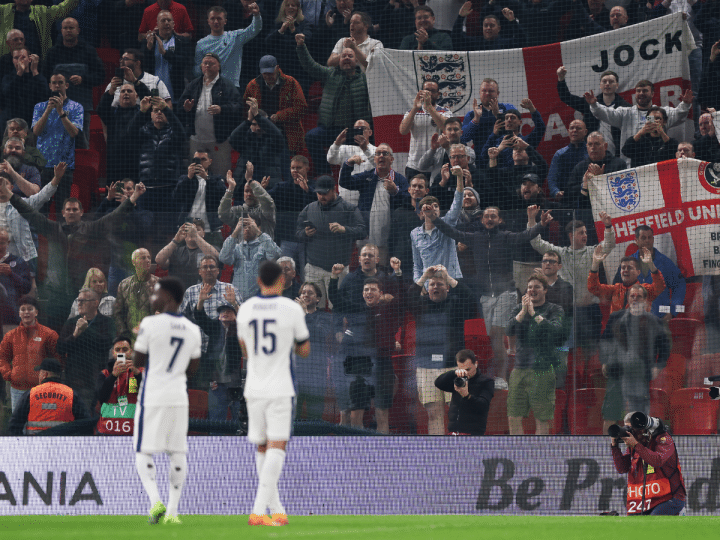

Two years can feel like a lifetime in football, and none more so than for Cole Palmer and Phil Foden who were firmly at the top of the England pecking order after Euro 2024. They were winners of major individual awards, fixtures in Gareth Southgate’s big-game plans, and widely tipped to be central to England’s future. Fast forward to the present and both are conspicuously absent from Thomas Tuchel’s World Cup squad. The shift is stark, and it’s driven by one brutal truth: form matters more than pedigree under Tuchel.
Palmer and Foden’s trajectories were once parallel. Both came through Manchester City’s academy, both collected domestic and individual honours, and both looked like automatic selections for tournament football. But football’s calendar is unforgiving. A dip in output, a few underwhelming displays and one coach’s clear preference for current performance over past glories have reshaped the selection map.
England squad selection: decline in output
Palmer’s first seasons at Chelsea were explosive, 37 Premier League goals across his opening two campaigns set expectations sky-high. This season, though, the edge has dulled. Nine goals in 25 league appearances is respectable, but it lacks the consistent flash that once made him look like the next elite player. The moments that once defined him, sudden, decisive interventions, have been fewer and far between.
Foden’s slide has been longer and more jagged. After a purple patch before Christmas that produced six goals in five games, he has not scored since. That’s a sharp fall from the 2023–24 campaign when he hit 19 league goals and 27 in all competitions. Sporadic moments, a clever backheel assist here, a bright touch there, have not been enough to convince Tuchel that he offers the kind of reliable, match‑shaping influence the manager demands.
The Uruguay test that mattered
If there is a single turning point for Phil Foden, it was the friendly against Uruguay in March. With Harry Kane absent, Tuchel tried Foden in the central number 10 role. The experiment failed. Foden drifted, struggled to impose himself and was substituted early in the second half, replaced by Palmer. That substitution, and the lack of impact that preceded it, felt decisive. Tuchel’s selection philosophy is clear: give players a chance, but don’t let reputation override what you see on the pitch. Foden’s performance in that match looked to have closed the door.
Palmer, meanwhile, had his own opportunities but could not force a reappraisal. Moments of brilliance that once made him a must‑pick were not frequent enough to dislodge Tuchel’s growing conviction that other options offered more immediate value.
Tuchel’s ruthless pragmatism
Tuchel has shown little patience for reputational inertia. He has repeatedly picked players on the basis of current form and tactical fit rather than name recognition. Jude Bellingham’s place was never in doubt; Tuchel has picked Morgan Rogers from Aston Villa and rewarded consistent club performances. That approach leaves little room for players whose recent output is patchy.
Tuchel’s selections have also highlighted a preference for variety and unpredictability in the attacking midfield slots. He wants players who can change the tempo, add pace and create different angles of attack, attributes that have become decisive in his thinking.
The replacements
Eberechi Eze is the clearest beneficiary. His season at Arsenal, seven league goals and two assists in a title-winning campaign may not leap off the stat sheet, but his performances for Tuchel in qualifying have been persuasive. Three goals in six qualifiers and a style that offers pace, unpredictability and directness have made him a compelling alternative to the more familiar names.
Morgan Rogers has also earned trust through consistent displays, while other contenders have shown enough to convince Tuchel that they can slot into the system and deliver. Even Morgan Gibbs‑White, despite a late scoring surge at club level, has not done enough in Tuchel’s eyes to force selection, underlining how selective the coach has been.
Reality check for Palmer and Foden
Once predicted as guaranteed starters, Palmer and Foden now face the humbling reality of being judged on present form. That is a hard lesson for two players who have already achieved so much so young. But it is also a reminder of the merciless nature of elite international selection: past awards and promise count for little when a manager is building a squad for a specific tournament and a specific tactical plan.
For both players the path back is straightforward in theory: rediscover the consistency and cutting edge that made them indispensable. In practice it will require sustained excellence at club level, adaptability to Tuchel’s tactical demands, and the kind of decisive performances that force a manager to rethink his plans.
Tuchel’s message to England players is unambiguous, the plane to the World Cup is for those who are delivering now. For Palmer and Foden, the challenge is to make sure the next selection window tells a different story.
Featured image via Getty/Alex Pantling
By Faz Ali

The government has released its first tranche of documents charting Andrew Mountbatten-Windsor’s previous appointment as a trade envoy.
It comes after the Liberal Democrats applied pressure in the Commons via a binding parliamentary procedure called a humble address.
They called for the government to publish sensitive documents around any vetting of the former prince and his appointment to the role.
The former prince was appointed as the UK’s trade envoy in 2001, and held the job until the UK’s special representative until 2011.
The significant title meant he had access to senior government and business contacts globally.
Andrew stepped down amid backlash over his ongoing friendship with convicted sex offender Jeffrey Epstein after they were pictured together.
The former prince then had to give up his royal status and titles in more recent years amid growing scrutiny and the US Department of Justice’s release of the Epstein files.
Andrew has categorically denied any wrongdoing linked to Epstein’s crimes.
Here’s a look at the main takeaways in the first batch of documents around the ex-royal’s historic appointment.
1. Late Queen Pushed For Andrew To Get The Job
Elizabeth II asked for her second son to receive the UK trade envoy role, according to letter from the chief executive of British Trade International.
Writing in 2000 to the UKs foreign and trade secretaries, David Wright said: “The Queen’s wish is that the Duke of Kent should be succeeded in this role by the Duke of York.
“The Duke of Kent is to relinquish his responsibilities around April next year. That would fit well with the end of the Duke of York’s active naval career.
“The Queen is very keen that the Duke of York should take on a prominent role in the promotion of national interests.
“No other member of The Royal Family would be available to succeed the Duke of Kent. The Duke of York’s adoption of his role would seem a natural fit.”
The Duke of Kent, the Queen’s cousin, had often represented British trade interests overseas before Andrew.
2. Andrew Preferred ‘Sophisticated Countries’
The former royal’s private secretaries allegedly told diplomat Kathryn Colvin in January 2000 that he preferred some visits over others.
“I asked what were The Duke’s preferences for activity during his visits,” her letter said.
“Captain Blair [principal private secretary] said that The Duke of York was particularly good on high-tech matters, trade, youth (including primary schools and outward bound projects), cultural events, with a preference for ballet rather than theatre, the Commonwealth and military and foreign affairs.
“He tended to prefer the more sophisticated countries, particularly those in the lead on technology.”
3. Andrew Did Not Want To Play Golf
Mountbatten-Windsor tried to avoid playing the sport when in other countries.
“The Duke of York should not be offered golfing functions abroad. This was a private activity and if he took his clubs with him he would not play in any public sense,” Colvin’s letter read.
4. No One Else Was Approached For Envoy Role
A briefing note for the media announcement of Mountbatten-Windsor’s appointment showed that no one else was approached for the job, even though he was not experienced.
One question asked: “Did we approach anyone else?”
The note says: “No – the importance of the Duke’s involvement lies in the high profile and commitment he is able to give this work as a Member of the Royal family. It is a continuation of the Royal Family’s involvement in the promotion of British trade and investment following HRH the Duke of Kent’s decision to relinquish his duties in April.”
The briefing confirms the ex-royal was unpaid.
5. Shadowing Suggestion
A memo from David Wright, written in February 2000, suggested the royal might need more training before he took on the high-level lobbying job.
He wrote: “If the arrangement went ahead on this basis, we would want to do some induction work with The Duke of York from Spring 2001 onwards.
“He might even do some ‘shadowing’ of work in our offices and our activities both in the regions and overseas. It would be important for him to be aware of our general strategy and approach.”
What Happens Next?
Another batch of files on Mountbatten-Windsor’s job will come soon.
A No.10 spokeswoman told reporters: “We are complying with the humble address and we’re publishing those documents as quickly as possible.
“We’re also supporting the police investigation as you would expect.
“And we’ll provide the House with any other substantive documents we find in the course of that work.”
Asked if it was acceptable that no vetting was taken into Andrew prior to his appointment, she said: “We have found no evidence that a formal due diligence or vetting process was undertaken, and there’s no evidence that this was considered.
“And this is due to the fact that the role was a continuation of the royal family’s involvement in trade and investment promotion work following the Duke of Kent’s decision to relinquish his duties as vice chairman of British Trade International.”
Subscribe to Commons People, the podcast that makes politics easy. Every week, Kevin Schofield and Kate Nicholson unpack the week’s biggest stories to keep you informed. Join us for straightforward analysis of what’s going on at Westminster.
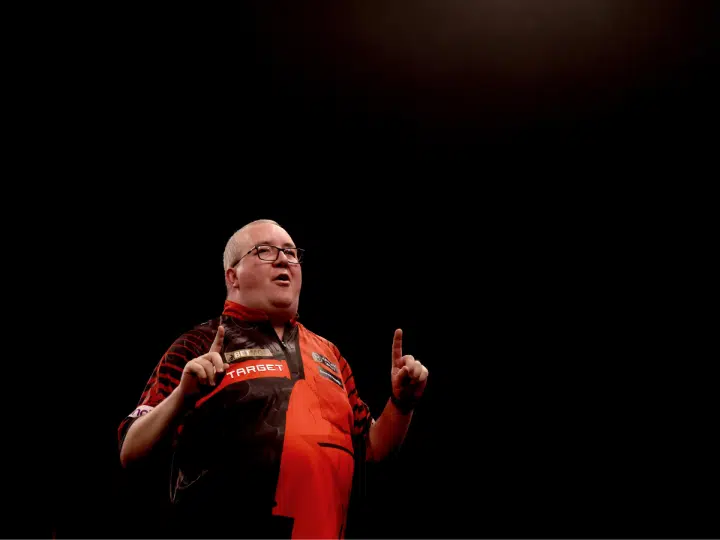

Stephen Bunting closed the Premier League darts stage in style in Sheffield, beating Luke Humphries 6-3. Meanwhile, Humphries’ run to the final means he will avoid a semi-final against Luke Littler at Finals Night in London.
Bunting’s night was more than a single result. He averaged north of 106 and landed seven 180s across his matches, producing a high-quality display that lifted him to fifth in the final table. A finish that secures his place among the season’s top performers and underlines his consistency. His Sheffield run included a 161 checkout and a string of 100-plus finishes that swung momentum in his favour.
Darts: key results
- Quarter-finals: Bunting beat Jonny Clayton; Gerwyn Price beat Gian van Veen; Luke Littler edged Josh Rock; Luke Humphries beat Michael van Gerwen.
- Semi-finals: Humphries dismantled Littler 6-1; Bunting overcame Price 6-3.
- Final: Bunting 6–3 Humphries.
Humphries’ semi-final win over Littler was decisive: a 6-1 scoreline that not only booked his place in the Sheffield final but also rearranged the Finals Night draw. Instead of facing world No 1 Luke Littler in a semi, Humphries will meet Jonny Clayton at The O2; Littler will play Gerwyn Price. That switch matters because it changes matchups and tactical approaches for the four qualifiers.
Humphries: form and positioning
Humphries leaves Sheffield with mixed takeaways. He reached his fourth consecutive nightly final and moved up the standings to third overall, confirming his spot at Finals Night. His route there featured strong scoring and a 100-plus average in key matches, but the final exposed vulnerabilities that Bunting exploited. Humphries’ ability to peak at the right moments keeps him a live threat in London.
Meanwhile, Littler scraped past Josh Rock in the quarters but was well short of his best in Sheffield. The 19-year-old’s form dipped enough that he missed the chance to extend his nightly-win tally, leaving him to regroup before Finals Night. The four qualifiers for The O2 are now set: Littler, Humphries, Jonny Clayton and Gerwyn Price, a compact, high-stakes field where small margins will decide the title.
Sheffield closed the league phase with a clean result: Bunting’s best night of the season, Humphries’ tactical success in avoiding Littler in the semis, and a Finals Night draw that sets up tight, high-quality semis at The O2 next week.
Featured image via Getty/Carl Recine
By Faz Ali
We hope you love the products we recommend! All of them were independently selected by our editors. Just so you know, HuffPost UK may collect a share of sales or other compensation from the links on this page if you decide to shop from them. Oh, and FYI — prices are accurate and items in stock as of time of publication.
We’ll hold our hands up and admit we’ve been complaining about the lack of heat a little too aggressively over the past few months. So, of course, our karma is that the heat is coming at us full force this weekend.
In case you hadn’t heard, we’re heading for a heat wave. That’s right, 30 degree heat, out of pretty much nowhere.
And while we wouldn’t dare complain, things are about to get sweaty – with not much warning, might we add.
In that case, we’ll forgive you for feeling somewhat unprepared for the sweatiness that is to come.
It looks like there’s a long and hawt summer ahead of us, so to help you gird your loins, we’ve rounded up nine of the best fans to stay cool this summer.
There’s something for everyone, from air purifier combos, to budget options, and even a portable pill.

Best bladeless fan
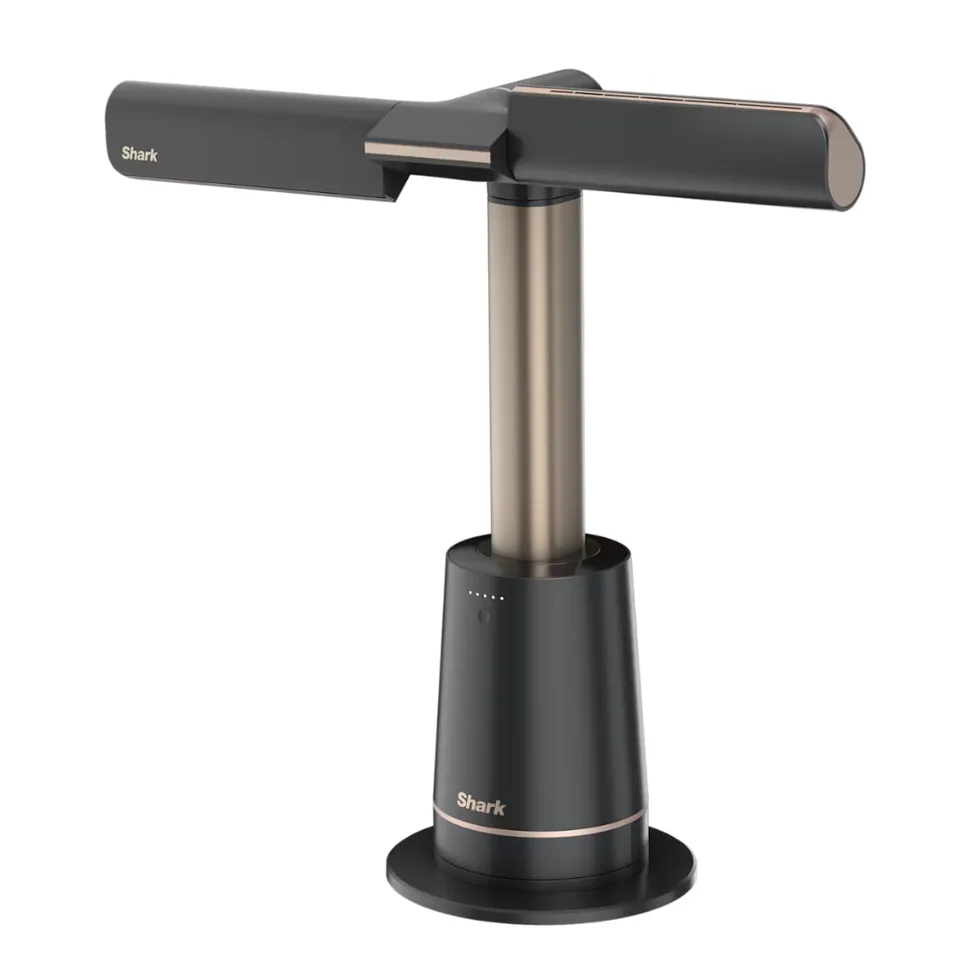
If you’re not already struggling to sleep in the heat, there’s nothing like the sound of a whirring blade to keep you up at night. Should you be particularly sensitive to sound, this fan from Shark is bladeless, at its lowest setting, is as quiet as a whisper. It even has an ‘Air Blanket’ setting for sleep that can be controlled by its remote control that’s magnetic to stop you from losing it!
Completely customisable, you can adjust the height and rotate it any which way, so it can be vertical for more direct cooling, or vertical to cool a whole room. Plus, those blades on both sides rotate a full 180 degrees if full coverage gets a bit much. And – here’s the kicker – it comes in black and brass, white, or… pink. Yup, pretty special.
“Best Turbo Fan we have ever bought,” says one five-star reviewer. “It’s silent and has a range of speeds, a remote control that has a magnetic attachment to connect to the fan when not in use. The blades can be set in different positions and height for the best distribution of cool air. Awesome!”

Best fan and purifier overall
When the weather ramps up, often so does the pollen count. Add something that blows pollen-filled air around your house, and you have yourself a recipe for allergy disaster. So trust Dyson to come up with the solution in the shape of this dual fan and air purifier. It might be spenny, but remember: you’re getting two products in one.
Dyson has formulated technology specifically to filter air (using HEPA technology to filter out small particles of dust and pollen) before projecting it, and it can be controlled by an app on your phone. For a more hands-off approach, pop it on auto mode, and it’ll turn on the second it detects pollutants to keep you home clean, with minimal energy.

Best window fan (and purifier)
This serious-looking piece of gear “cools the room down a treat” according to our parenting editor. It’s fairly heavy, but you can easily move it around the room thanks to it coming on wheels. Like the Dyson, you can set a timer for when you want it to turn on and off, and it’s on the quieter side, at 52dB. While it’s designed for rooms between 16 and 26 square metres, it comes with two types of window kits, so you can also stop warm air from outside coming into the room at all. Should anything go wrong, it comes with a two year warranty.
“Excellent, works very well at cooling the bedroom,” says one five-star reviewer. “Easy to operate, the app control is brilliant.”

Best for year-round use
Admittedly, it can feel a little redundant buying a fan in the UK. You get about two weeks of use out of it (or at least it feels that way) before you have to put it back into hiding. If you’re after something a little more versatile, Dyson’s latest release both cools and heats, meaning it’s the perfect companion to leave out year-round. So it doesn’t get in your way too much, it’s smaller than its original tower fans, and is the brand’s quietest design yet, meaning you’ll barely notice it’s there. Like the Purifier Cool, it has a magnetic remote that sticks to the top so you’ll always know where it is.
“We got our new Dyson hot and cool for our bedroom,” one reviewer explains. “It’s a large space but the Dyson heated it up to the required temperature in a few minutes. It is very quiet to run and economical (we have a smart meter and were impressed by the amount of energy it took to keep the room at a comfortable temperature). The design is sleek and attractive and went well with our decor.”

Best for noise control
Huge props to the engineers doing the most to make sure fans are quieter than they used to be. This tower fan is praised for being almost silent, using TurboWind and HyperSilent technology to make sure it projects cold air up to 40 feet without that annoying whirring sound. If you want to come home to a cool house while you’re out and about, you can control the fan via its connecting app. And it might be a tiresome job, but when it comes time to clean it you can do so by simply twisting a simple screw to take the blades.
As for the power? That won’t be a problem, according to one reviewer: “The power of the fan is superb, especially because you have 12 levels which means you can go from an extremely quiet and low breeze at level 1 to a strong gust at level 12.”

Best desk fan
Not bothered by a fancy high-tech fan? With over 2,600 five-star reviews, this classic desktop fan comes highly rated. At just £100, it’s excellent value for money, especially considering it’s as quiet as a whisper. It might be on the smaller size, but it’s loaded with vertical and horizontal oscillation, so it’s able to cool from 360 degrees to cool the entire room down.
“Whisper quiet and has cooled down the room just using the lowest setting,” says one reviewer. Impressive, huh?

Best portable fan
This pill from Shark is ideal for hot days on the move. Despite being the perfect size to chuck in your every day bag, it packs plenty of power and versatility. Choose between a high-speed fan, cooling system, or switch to an ultra-fine mist for some light refreshment of a summer’s day. But don’t worry, this isn’t the kind of thing that you’ll spend all night charging, only for it to run out after five minutes. Whether you’re on holiday, sweating through the daily commute, or at the gym, it’ll hold its power, and it even comes with a handy travel case for added protection.
A happy reviewer says: “The battery life was really good and it held its charge well throughout the day. It also didn’t take too long to charge back up, which was handy while we were away It feels really well made and sturdy, and the carry case is great quality too, so it was easy to pack and take around with us without worrying about it getting damaged.”

Best on a budget
You shouldn’t have to fork out a ridiculous chunk of your money to stay cool this summer. If you’re not in a place to invest in one of the pricier options on this list, this £32 option from igenix gets the job done. It’s not only easy to assemble, but is fairly unobtrusive, has a 7.5 hour timer, and comes with a remote. Most importantly, it cools you down.
“Very neat looking and doesn’t take up a lot of space,” says one reviewer. “Easy to assemble, easy to use and the remote control is handy. Not at all noisy and does the job!”

Best easy to use fan
If the near-8,000 five-star reviews on this fan don’t tell you everything you need to know, then I don’t know what I’m here for. While many of the fans on this list are pretty high tech, this small fan has just three speeds, and that’s all it needs, according to reviewers. This is another of those deceptively small but powerful blowers, as it’s able to cool the whole room via its 34cm height. It might not give you the feeling of being in a wind tunnel that other fans do to cool you down but, if you couldn’t tell by its price, it does so just as successfully.
Just ask this one reviewer: “You can have this Vornado aimed directly at you on high speed and although your hair will gently blow back, it won’t whip around your face in a tangled mess,” she says. “Within 10 minutes, I could sit just about anywhere in my living room and feel comfortable. There were some dead spots, but for the most part the entire room felt fresh.”
Politics
How To Sleep In A Heatwave 2026: Expert Tips To Lower Your Core Temperature And Stay Cool At Night
We hope you love the products we recommend! All of them were independently selected by our editors. Just so you know, HuffPost UK may collect a share of sales or other compensation from the links on this page if you decide to shop from them. Oh, and FYI — prices are accurate and items in stock as of time of publication.
If you’re anything like me, you’ll agree that having to change your sheets is probably the most arduous house task there is.
So, even though I hate not sleeping with the duvet on (that’s just a personal thing) I’ll do anything to make sure I don’t have to change my sheets every night as I sweat through the summer.
We all know the value of a good night’s sleep at this point, and while you might be spending more hours out of the comfort of your bed during summer than you do in winter, you still want to know your sleep setup won’t let you down at the end of the day.
To help you keep cool and collected during the warmer months, Sammy Margo, physiotherapist and in-house sleep expert at Dreams has shared her tips for upgrading your sleep setup.
1. Mattress matters
All these years, I falsely assumed what goes on top of you matters more than what you’re on top of at night.
“Your mattress has a huge impact on how well you sleep in warmer weather,” advises Margo. Who knew? A mattress with a cooling layer will do a lot of heavy lifting to stop you feeling suffocated by your bed.

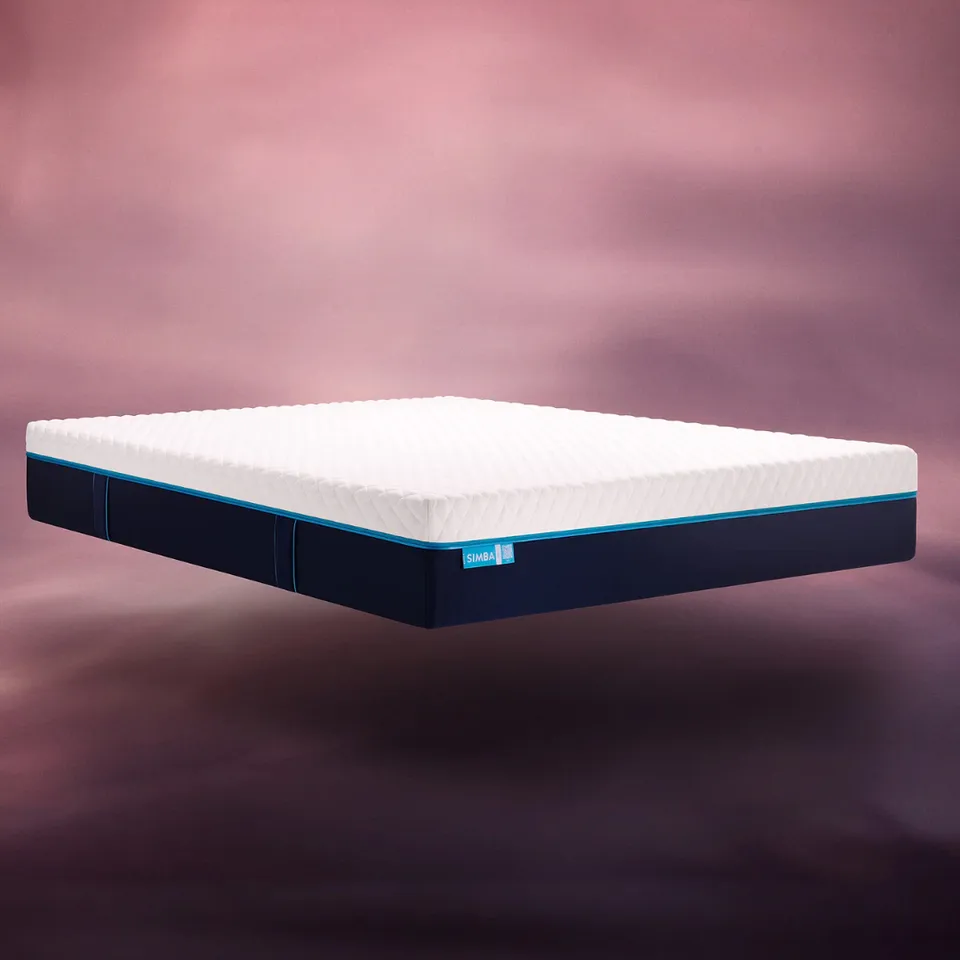
As well as being the perfect firmness (no, really, science says so) for optimal sleep positioning, Simba mattresses contain a layer of graphite-infused Simbatex to keep you cool at night. And, if that wasn’t enough, the HybridPro is covered in a layer of cool-touch Stratos fabric, so you won’t feel like you’re crawling onto muggy mattress at the end of the night.

“I recommend this mattress because it’s designed to help sleepers stay cool, comfortable and supported,” says Margo. “It features TheraPur’s coolest ever graphite-infused ActiCool+ which feels 1.5 degrees cooler than standard mattresses.”
But don’t just take her word for it, one five-star reviewer also had only good things to say about this mattress: “Absolutely fabulous! Genuinely was skceptical on how good nights sleep i could have with this mattress, but definitely recommend.”
2. Wear protection
Not the kind you’re thinking of (but that too, obvs). “A mattress protector is often the unsung hero of a cooler night’s sleep,” Margo says.
“It’s a simple swap, but one that can make a real difference during a heatwave.”

Thanks to its Simbatex foam layer, this mattress topper has five times more airflow than a regular memory foam one. And, because its literal purpose is to protect your mattress from spills and stains, it has a removable cover that can easily be chucked in the washing machine.

“The TheraPur Cool Mattress Protector from Dreams is great because it helps wick moisture away from the body while promoting airflow, with a cool-touch cover for that fresh-sheet feeling as soon as you get into bed,” Margo says.

I’ve had this mattress topper for a year and, safe to say, I love it. Not only can you choose between soft and firm back support by simply flipping it over, but it adds 6cm to your mattress for extra support. To keep things cool, it uses Point Elastic Airgocell technology to boost airflow, and again the top layer is removable so you could even pop that in the freezer for a cold blast.
3. Duvet
The same goes for your duvet. “Lots of people still like the comfort of a duvet, even when it’s warm,” Margo says (glad I’m not the only one!).
Choosing a duvet that promotes airflow can sidestep the issue of a warm layer of heat, she adds.

Not sure about buying a completely new mattress for spring? Made of temperature-regulating microfibres, this duvets adapts to the season so you won’t have to worry about storing an extra one to switch out when the weather gets warm.

For those who don’t want to feel trapped by their duvet, Margo recommends this one from Dreams. “It combines cosy comfort with cooling technology, using soft hypoallergenic fibres to encourage airflow and help regulate temperature,” she says.

Unfortunately for my fellow allergy sufferers out there, warm weather can also come with an increase in the pollen count. Thankfully, this duvet is lightweight and coated in a microfibre cover that’s been treated with anti-allergy properties (backed by the British Allergy Foundation, no less).
4. Rest your head
“A cool pillow can be one of the quickest ways to feel more comfortable on a hot night,” Margo says.

Luckily for you, Emma has created an adjustable pillow with plenty of layers to make sure there’s air flowing through it the whole night, and you don’t have to flip it. You can adjust its height, for optimum positioning under your head, and its silky-smooth outer layer is formulated using micro-elastic materials for a cool-to-the-touch feel.
5. Keep the heat out
It might seem like a given, but to not feel sticky at night, you’ll need to keep heat out during the day.
“Blackout curtains or blinds help keep bedrooms cooler and reduce heat build-up,” Margo adds.
“It’s also best to keep windows closed during the hottest parts of the day, only opening them later in the evening once temperatures begin to drop.”

If you’re not one to add dark materials to your room, this white blackout blind keeps your space feeling fresh and open, while still blocking out the light. Blinds2Go lets you order custom-sized blinds for your room and, even better, these ones are designed specifically to help you sleep.
6. Shower temperature matters
While all you want to do after a long day of being in the sun is to clamber into a cold shower, that might have the opposite effect to what you intend to do before bedtime.
“It might sound strange, but a lukewarm shower can help gradually lower core body temperature and trigger the body’s natural cooling process, helping people relax and drift off more comfortably,” Margo explains.
Personally, I find ThisWorks’ body wash and a lukewarm shower is all I need to help me wind down for bed – it smells lush and it doesn’t dry my skin out even more than it already has been by the sun.

7. Ice, ice, baby
If you’re longing for something cool, freezing your bedding before you climb in can help keep you comfortable all night long.
“Placing pillowcases or bedsheets in the freezer for a few minutes before bed can provide temporary relief from the heat and make it easier to fall asleep,” Margo says. “For added comfort, pyjamas or eye masks can also be chilled beforehand.”


(Timon Schneider/Alamy)

7 min read
News of an AI system too powerful for public release has raised fears it could be weaponised for cyber-attacks. How much of a threat could it pose? Noah Vickers reports
It was neither just a savvy marketing move nor simply a selfless act of corporate responsibility. Instead, most informed observers agree, it was a bit of both.
On 7 April, AI firm Anthropic announced that its latest model, Claude Mythos Preview, was “strikingly capable at computer security tasks”. So capable, in fact, that they were not releasing it to the public.
Through an initiative they dubbed Project Glasswing, Mythos has been made available to America’s biggest tech giants and financial institutions. By giving them privileged access to it, Glasswing’s participants are using Mythos to find ‘zero-day’ – that is, undiscovered – vulnerabilities in their systems and patch them up.
Anthropic still intend to publicly release “Mythos-class” AI models at some stage. They just aren’t saying when. And in the meantime, experts warn that the UK’s critical national infrastructure could be vulnerable, built as much of it is on legacy systems in urgent need of modernisation.
While Mythos is said by Anthropic to have “already found thousands of high-severity vulnerabilities, including some in every major operating system and web browser”, it is only a matter of time before other AI developers devise models with similar or superior capabilities – including in China.
“I think the Chinese are not too far behind,” says Joyce Hakmeh, an associate fellow at Chatham House. While China has made public pronouncements emphasising the need for AI safety, the actions of hackers tell a different story.
“Publicly, they’re saying they want responsible AI, but we also know that the capabilities the Chinese have are quite sophisticated. We know they’ve infiltrated critical infrastructure in the US.”
Groups like Volt Typhoon, sponsored by the Chinese state, have targeted power grids and pipelines across the US, she points out. The prospect of these hackers gaining the ability to search out zero-day vulnerabilities with Mythos-class technology is therefore “really worrying”.
But a more fundamental issue, Hakmeh suggests, may be the fact that the US, UK and others are for the moment relying on the goodwill of AI firms to act responsibly.
“We’re basically expecting the AI developer to police its own products – and this can only go so far,” she says. (Although the White House last week signed a deal with Google’s DeepMind, Microsoft and xAI to conduct “pre-deployment evaluations” of their upcoming AI models, with the aim of ensuring they do not pose national security threats.)
Nevertheless, as rival AI models are developed over the coming months, not all of Anthropic’s competitors may be so cautious.
“I think there’s a concern about competitive pressures and how that drives frontier AI model producers to not always implement the same care that Anthropic has taken in this instance,” says Connor Attridge, a visiting researcher at the Alan Turing Institute.
There is already a substantial time lag between vulnerabilities being exposed and then patched, he says. A 2025 report found that even in large global businesses with more than 1,000 employees, on average, 45 per cent of vulnerabilities discovered in a 12-month period remain open.
“I think that gap between the two is going to increase and become exacerbated,” says Attridge. “The risk, there, is in UK Civil Service legacy infrastructure. There’s a tail of legacy infrastructure in places that deal with really critical data of citizens. NHS trusts, for example, have quite [a lot of] legacy software and from my understanding, pretty small IT teams. That’s a concern.”
A government review found that, on average, 28 per cent of systems in central government departments in 2024 were composed of “legacy technologies”, an increase from 26 per cent in 2023. The figure ranged from 10 to 50 per cent in NHS trusts and 10 to 70 per cent in police forces.
As far as access to Mythos for British high street banks and businesses is concerned, the UK is still in talks with Anthropic. In the meantime, large companies are exploring alternative options to secure their systems.
Katharina Sommer, director of government affairs at cybersecurity firm NCC Group, says clients at “the more mature end” of their market have been asking NCC if they can “replicate a similar level capability” to Mythos, on which they can test their IT estates against.
Behind these requests, she says, is a desire to check whether the patches they’ve put in place are sufficient and to reduce the risk of “something completely unknown being unearthed” by a Mythos-class model in future.
Experts also warn that, even before Mythos arrived, the rush from businesses to incorporate AI systems into their workflows over the last few years could itself be creating new vulnerabilities for conventional hackers to exploit.
“Everyone’s worried about the attacks from the outside, but not how they’re making themselves more vulnerable, perhaps, by rapidly deploying AI technologies in the business,” says Rafe Pilling, director of threat intelligence at cybersecurity firm Sophos.
We’re basically expecting the AI developer to police its own products – and this can only go so far
Pilling says there is “plenty of scope” for large language models to be used both for social engineering and for exfiltrating data from organisations.
“It really depends what that [AI model] is connected to and what access it has,” he says. “So, in a rush to provide a great experience for the customer and plug it into your order management system, financial databases and customer information systems, you may inadvertently provide a route in to access all that stuff.”
So far, Whitehall’s response to Mythos has been well-received by the cybersecurity sector. The government has written an open letter to businesses across the country, urging them to plan and rehearse their responses to critical incidents. Security minister Dan Jarvis has meanwhile invited technology firms to “partner with” the government “to co-develop AI” for a “national cyber defence” project – though the details of this remain unclear.
Following some delay last year, the government has also been progressing its Cyber Security and Resilience Bill through Parliament. The legislation will bring ‘managed service providers’ – the technology firms who provide core IT services to businesses – within the scope of existing regulations.
This will place a legal duty on them to have “appropriate and proportionate measures” to guard against cyber-attacks, while also tightening the requirements to ensure that breaches are swiftly reported to regulators.
The bill is yet to reach the Lords, but many in the cybersecurity sector argue it is an important statement of intent from ministers.
“The proof will be in the pudding,” says Sommer. “On the whole, there is very clear signposting from government to say ‘This is what you have to do’.
“The way in which regulators will be empowered and resourced to do the enforcement properly, I think, will be a really important part of the success of the legislation.

“If it’s a piece of paper that’s ultimately toothless, it might not have the desired effect, but I think the way in which it has changed the conversation has already made a really positive impact… The level of maturity and informedness by parliamentarians scrutinising the legislation is miles ahead of where we were five or six years ago.”
The fact that the UK is the only known government, other than the US, to have been granted direct access to Mythos – and for the UK’s AI Security Institute to then publish the world’s only independent assessment of Mythos’ capabilities – has also been positively remarked on.
“It speaks to the relationship that the UK has developed with these [AI] companies,” says Hakmeh, who adds that news of Anthropic expanding their London office is another boon for Britain.
If the right steps are taken over the coming months, tools like Mythos could be used to ensure software is “secure by design” at the development stage, she points out.
“If you are producing systems which are much more secure, because AI is letting you do that cheaply, then that starts changing the equation quite considerably.
“It’s not all gloomy. This is a dual-use technology: use it for good, you do brilliant stuff. Use it for bad, you have a big problem. It’s basically a question of who gets there first.”
Universal reveals 'truly terrifying'“ Sinners” haunted house that will take fans 'even deeper' into Ryan Coogler movie

Cart Confidential Vol. 38 – Julia Berolzheimer

Finanzfragen beantworten (leicht)


-

 Crypto World6 days ago
BloFin War of Whales 2026 Grand Prix opens registration for $5M trading championship
-

 Fashion7 days ago
Weekend Open Thread: Theory – Corporette.com
-

 Crypto World7 days ago
E-Estate Announces 1 Year Live: Washington DC Summit as Real Estate Tokenization Enters Its Next Phase
-

 Tech7 days ago
Google reimburses Register sources who were victims of API fraud
-

 Business7 days ago
H&R Real Estate Investment Trust (HR.UN:CA) Q1 2026 Earnings Call Transcript
-

 Entertainment7 days ago
David Letterman Returns to Late Show, Blasts Cancellation
-

 Sports7 days ago
Napoleonic enters 2026 Doomben 10,000 field via Abounding withdrawal
-

 Crypto World7 days ago
BeInCrypto 100 Institutional Awards Nomination: KAST for Best Digital Assets Neobank and Best Digital Assets Fintech
-

 Crypto World7 days ago
Bitcoin Battles US Bond Nerves With BTC Price Dip Toward New May Lows
-

 Crypto World7 days ago
ICE and CME urge US regulators to curb Hyperliquid energy trading
-

 Fashion5 days ago
On the Scene at Gucci’s Cruise Show in New York City: Mariah Carey, Kim Kardashian, Lindsay Lohan, Iman, and More!
-

 Crypto World7 days ago
Wall Street’s Boldest Gold Prediction Has Russians Rushing to Buy
-

 Crypto World7 days ago
IREN closes $3 billion convertible notes deal amid AI infrastructure expansion
-

 Fashion6 days ago
Trending Western Style Vests Perfect for Summer
-
 Politics6 days ago
Watch: far-right flag-fanatics run over victim, attack locals – Setup By the Left wing for your entertainment
-

 Crypto World19 hours ago
Blockchain.com files with SEC for U.S. IPO
-

 Fashion7 days ago
Creative Ideas for Custom T-Shirts
-

 Fashion5 days ago
Amazon Sundays: Memorial Day Hosting
-

 Crypto World7 days ago
Crypto Market Structure Bill Clears Committee; Senate Vote in Focus
-

 Entertainment5 days ago
Off Campus Easter Eggs Explained: Characters, Stories, More
You must be logged in to post a comment Login