
Business
Expert Picks for Every Need

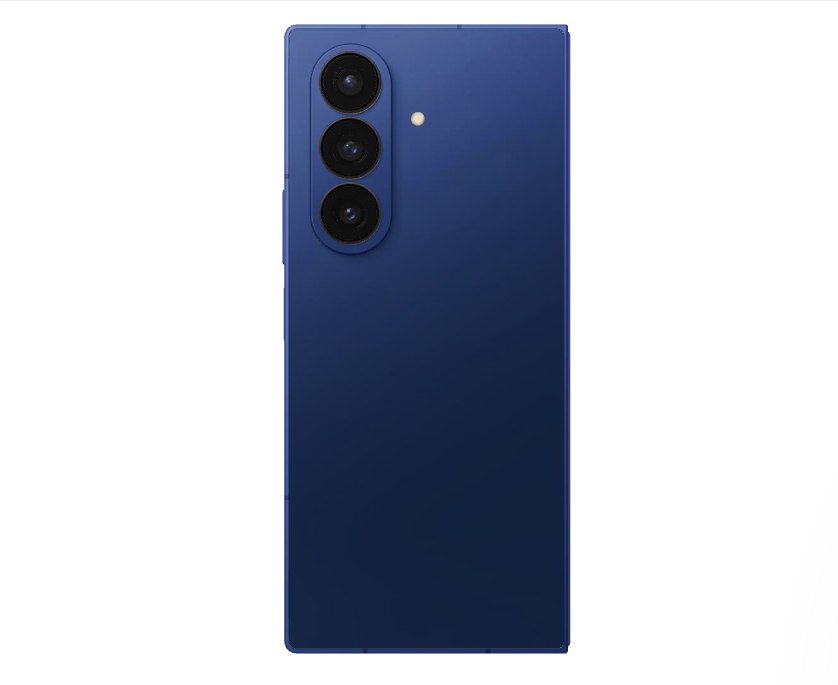
Foldable smartphones have matured dramatically by April 2026, shedding much of their early bulk and fragility to become practical daily drivers with improved durability, battery life and multitasking capabilities. Leading models from Samsung, Google, Motorola and others now compete closely with traditional flagships while offering the unique appeal of a compact device that unfolds into a mini-tablet or stylish flip form factor.
Industry analysts and reviewers from outlets including PCMag, PhoneArena, ZDNet and Wirecutter highlight a clear top tier based on hands-on testing, real-world performance and value. While availability varies by region — with some Chinese brands like Honor and Oppo offering exceptional hardware but limited U.S. support — the following five stand out as the best foldable phones currently on the market.

1. Samsung Galaxy Z Fold 7 — Best Overall Book-Style Foldable
Samsung’s Galaxy Z Fold 7 earns frequent nods as the top foldable for most users thanks to its ultra-slim profile, premium build and polished software experience. Measuring just over 8mm thick when closed and weighing around 215 grams, it feels remarkably close to a conventional flagship yet unfolds into an expansive 8-inch inner display ideal for productivity, media consumption and split-screen multitasking.
The device features a bright 6.5-inch cover screen with 120Hz refresh rate, allowing full app functionality without unfolding. Powered by the Snapdragon 8 Elite for Galaxy processor, it delivers smooth performance across demanding tasks. Cameras have seen meaningful upgrades, with a standout 200-megapixel main sensor producing sharp, vibrant photos that rival non-foldable competitors.
Reviewers praise the refined hinge, improved crease visibility and long software support extending years into the future. Drawbacks include a premium price tag often starting near $1,900 and average battery life that may require midday top-ups for heavy users. Still, its ecosystem integration with Galaxy Watch, Buds and DeX mode makes it a compelling choice for Samsung loyalists and power users alike.
2. Google Pixel 10 Pro Fold — Best for Durability and Cameras
Google’s Pixel 10 Pro Fold stands out for its rugged construction and photography prowess. It boasts a full IP68 dust and water resistance rating — a rarity among foldables — along with enhanced hinge durability and drop protection on the main display. At roughly 258 grams, it feels more substantial than Samsung’s offering but rewards owners with reliable all-day performance.
The Tensor G5 chipset powers intuitive AI features, including real-time call translation, audio magic eraser and Gemini Live integration. Cameras shine with computational photography that delivers natural colors and excellent low-light results, making it a favorite for content creators. The 6.3-inch cover screen and large inner display support seamless multitasking with clean Android 16 software.
Battery life impresses in testing, often outlasting slimmer rivals. Pricing starts around $1,800, positioning it as a strong value for those prioritizing longevity and photography over the absolute thinnest design. Limitations include slightly warmer performance under sustained loads compared to Snapdragon-equipped devices.
3. Motorola Razr Ultra (2025/60 Ultra) — Best Flip-Style Foldable
For users seeking pocketable convenience with flair, the Motorola Razr Ultra delivers one of the most stylish and functional clamshell experiences. Its vertical fold design snaps shut into a compact square, while the generous external display supports full apps, notifications and even quick camera previews.
Equipped with strong battery life that frequently tops competitor flip models, the Razr Ultra handles daily tasks efficiently on its Snapdragon processor. The inner 7-inch display offers smooth 120Hz visuals, and the overall build feels premium with thoughtful details like a titanium hinge option in select variants. Cameras perform adequately for casual use, though they trail book-style models in versatility.
Reviewers highlight its fun factor and practicality for one-handed operation. Starting prices often land in the mid-$1,000 range, making it more accessible than premium book-style foldables. Potential downsides include a smaller unfolded screen compared to tablet-style devices and occasional software quirks in the Motorola skin.
4. Samsung Galaxy Z Flip 7 — Best Compact Flip for Everyday Use
Samsung’s Galaxy Z Flip 7 refines the flip formula with a larger 4.1-inch edge-to-edge cover screen that finally enables meaningful interaction without unfolding. The 6.9-inch inner display provides ample space when needed, while the overall design remains slim and lightweight for easy pocket carry.
Battery improvements help it last through a full day for moderate users, and the Exynos 2500 or Snapdragon variant (depending on region) ensures snappy performance. New DeX support on the Flip adds desktop-like productivity when connected to external displays. Cameras remain solid for social media and quick shots, with the main 50-megapixel sensor delivering reliable results.
Priced starting around $1,100, it offers strong value within the Samsung ecosystem. Critics note it can overheat during intensive multitasking and that battery claims sometimes exceed real-world endurance. Its stylish appeal and improved cover screen functionality make it a top pick for fashion-conscious users or those transitioning from traditional bar phones.
5. Honor Magic V5 — Best Ultra-Thin Alternative for Multitasking
The Honor Magic V5 earns acclaim for its exceptionally slim design, measuring under 9mm folded and around 4.4mm unfolded in some configurations. It targets users who want a near-nonexistent crease and premium feel without Samsung’s ecosystem lock-in.
Featuring a large inner display and capable outer screen, it excels at multitasking with smooth software optimizations. The Snapdragon 8 Elite processor paired with generous RAM handles heavy workloads, while a sizable silicon-carbon battery supports fast charging and extended use. Cameras offer competitive performance, particularly in daylight scenarios.
Availability may require importing in some markets, and software updates could lag behind Google or Samsung. Still, its combination of thinness, battery capacity and vibrant displays positions it as a compelling choice for enthusiasts seeking cutting-edge hardware at potentially competitive pricing.
Buying Considerations in 2026
Foldable phones now address many early criticisms: creases are subtler, hinges more robust and repair programs more widespread. Most top models promise four to seven years of software support, reducing obsolescence concerns. Battery technology has advanced, though heavy multitasking or camera use still drains power faster than slab phones.
Prices remain elevated, with book-style models often exceeding $1,800 and flips starting above $1,000. Trade-in deals, carrier promotions and installment plans can ease the cost. Buyers should consider ecosystem preferences — Samsung for seamless integration, Google for pure Android and AI, Motorola for flip charm.
Durability has improved markedly, but users should invest in quality cases and screen protectors. Coverage for accidental damage varies by manufacturer and carrier.
Regional factors matter: U.S. buyers enjoy broad carrier support for Samsung, Google and Motorola models, while international shoppers may access superior specs from Honor, Oppo, Vivo or Huawei at lower prices, albeit with potential Google service limitations on some devices.
The Future of Foldables
As 2026 progresses, expectations include further refinements such as even lighter builds, under-display cameras that eliminate notches and possible trifold designs from Samsung and others reaching wider markets. Apple’s rumored foldable iPhone could reshape the segment later in the year or in 2027.
For now, the market offers something for nearly every preference: productivity powerhouses, stylish compacts and durable all-rounders. Early adopters who hesitated in previous years will find 2026 models far more refined and reliable.
Consumers weighing a purchase should evaluate their primary needs — screen size for work, portability for travel or camera quality for photography — and test devices in-store when possible. With rapid iteration, waiting for carrier deals or next-generation hints may also pay off.
Foldables represent more than a novelty in 2026; they deliver genuine utility that enhances how many people work, create and consume content on the go. Whether opting for the versatile Galaxy Z Fold 7, the rugged Pixel 10 Pro Fold or a fun flip like the Razr Ultra, buyers are investing in devices that continue to evolve the smartphone experience.

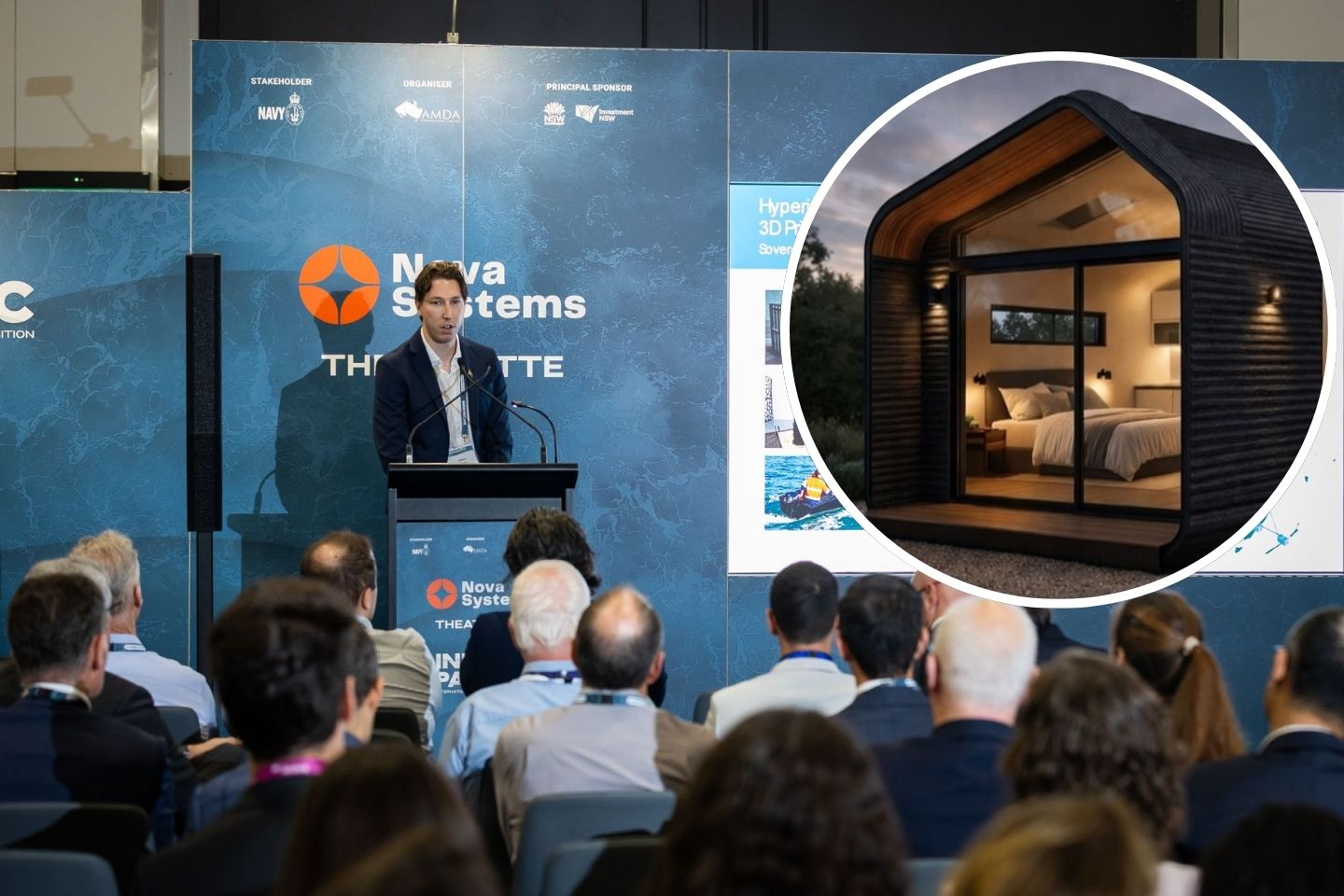
A Perth company founded by a 24-year-old and already famed for its ability to print an entire boat hull in a day will turn its attention to housing, with the first-ever 3D printed home from entirely recycled plastic in the southern hemisphere.
Hyperion Systems revealed today it inked a deal with Fremantle-based residential property builder Little Castles Small Homes for the construction of the first modular 3D printed tiny home built out of entirely recycled plastic.
The home will be built using Hyperion Systems‘ TitanCell mobile 3D printing unit, which is housed inside either a 20-foot or 40-foot shipping container, and can be deployed in under 24 hours, print up to 30 kilograms per hours.
Capable of 3D printing parts up to 10-metres in length and dubbed a ‘factory-in-a-box’, the self-contained, industrial scale 3D printing unit is transportable and can be immediately operated on-site or managed remotely.
The technology combines custom-built hardware with proprietary software and pellet-based plastic feedstock – either new or recycled – and offers integrated machining capabilities, allowing parts to go from design to final product in a single setup.
In this particular case, the feedstock will be entirely recycled plastic.
Hyperion Systems founder and chief executive Joshua Wigley, who started the company at just 24, said the contract represented a major milestone in sustainable construction and advanced manufacturing in Australia.
Now 28-years-old, Mr Wigley said core components for the tiny homes will be manufactured in modular sections at Hyperion’s facility in Henderson, before the final fit-out and completio nby Little Castles on-site.
“We will be using recylced polymers as our base feedstock and through the intellectual property we have developed in-house we will be able to print the core structure for a tiny home in around 48 hours,” he said.
The entirely recycled polymer build will be termite resistent and have beneficial thermodynamic properties.
“This build will mark the first 3D printed polymer house in the Southern Hemisphere, positioning Western Australia at the forefront of innovative, sustainable housing solutions,” Mr Wigley said.
“This project represents a breakthrough in how we think about construction. By using recycled plastics and advanced manufacturing techniques, we are not only reducing material waste but also significantly improving production speed and labour efficiency.”
Hyperion must meet all relevant Australian building codes as part of the contract, ensuring safety, durability and compliance while advancing circular economy principles.
It’s those codes, practices and norms Mr Wigley hopes to not only satisfy, but surpass.
“By accelerating build times and freeing up skilled labour to focus on more traditional home builds, the technology offers a pathway to delivering more housing at scale,” he said.
Little Castles Small Homes director Mark Hughes said he was excited to the involved in the first residential use of Hyperion’s technology.
“We’re not juts building a tiny home differently; we’re shaping how homes should be built into the future,” he said.
“More sustainable, more considered, and making better use of what we already. It’s about creating spaces and proving that smaller homes can still deliver a higher standard of living.”
The contract with Little Castles is the latest in a string of wins for Hyperion and Mr Wigley, who was last year named Young Innovator of the Year at the Indo Pacific International Maritime Exhibition’s pitch fest and awards.
Adding to the $40,000 won from that award, in July, Hyperion was awarded some $385,000 in a matched funding grant through the federal government’s innovation growth program, aimed at helping to commercialise its technology.
Since its 2022 inception, the company has 3D printed Australia’s first boat hull, a 3-metre vessel completed in just 36 hours; built the country’s largest 3D printed structure – a public artwork at Kalgoorlie TAFE; installed a robotic 3D print system for design students at Griffith University; and secured a Henderson warehouse to position itself alongside defence and subsea businesses within the Australian Marine Complex.
The company has already secured backing from Perth businessman David Budge, who co-founded 3D metal printing firm Aurora Labs Ltd, and is now the Hyperion’s chief technology officer.
Seasoned chief executive and entrepreneur Tim Dean, founder of Credi, has taken the role of commercial lead at Hyperion.
Perhaps one of its biggest wins yet was its technology’s marriage with another WA upshoot, maritime autonomy software and hardware developer Greenroom Robotics.
The pair agreed to collaborate to create and test 3D-printed unmanned surface vehicles for naval use.
The boats would be designed and manfuctured by Hyperion, with Greenroom integrating its GAMA software solution to the final vessel to make it autonomous.
Hyperion is also partnering with the University of Western Australia to focus on transforming decommissioned subsea plastics from oil and gas infrastructure into high-quality pellets for feedstock.
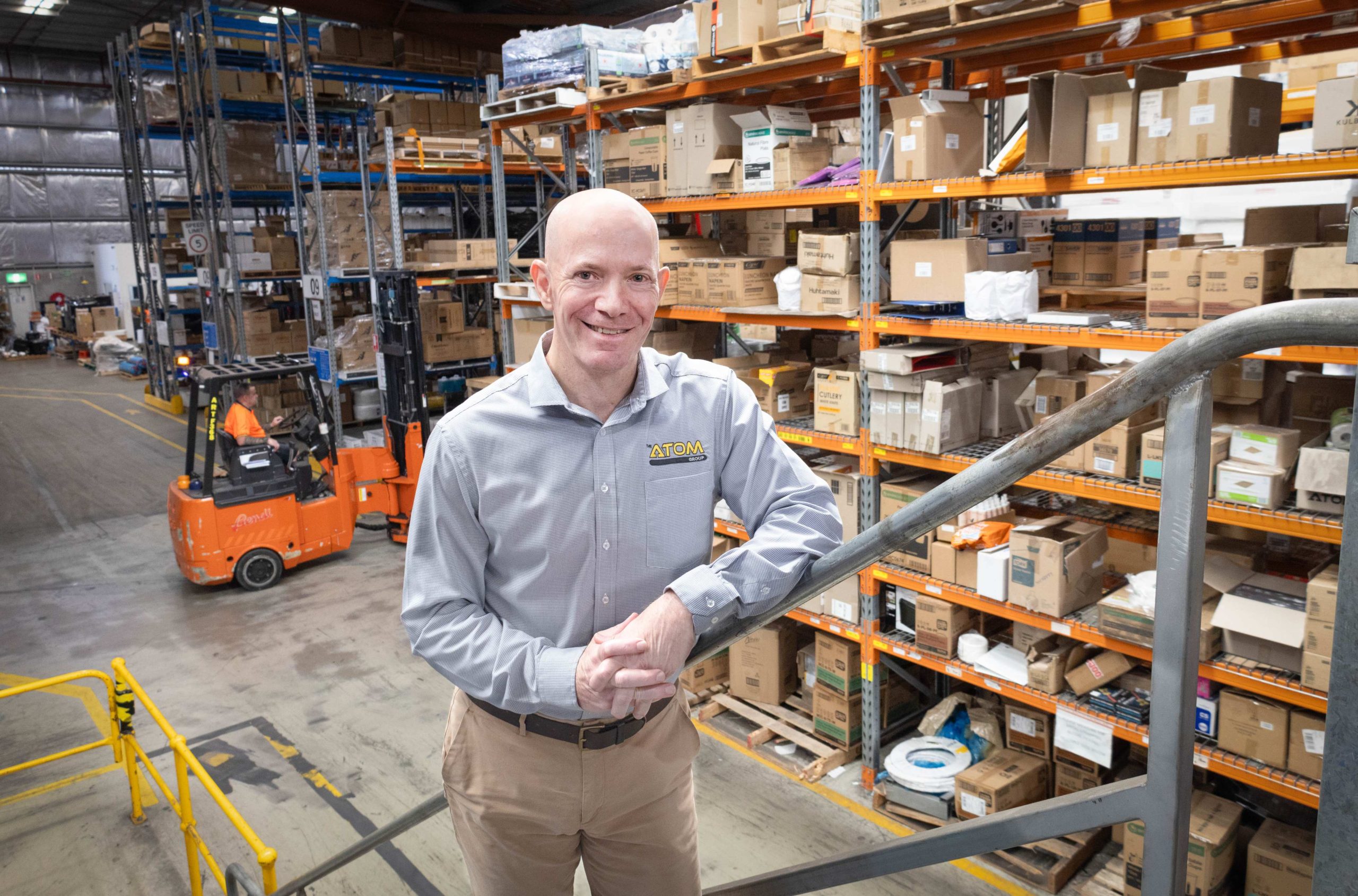
A business described as the ‘Bunnings of the mining industry’ is targeting $1 billion in annual revenue.

Fuel price spikes and supply chain disruptions caused by war in the Middle East are yet to weigh on Rio Tinto’s operations.
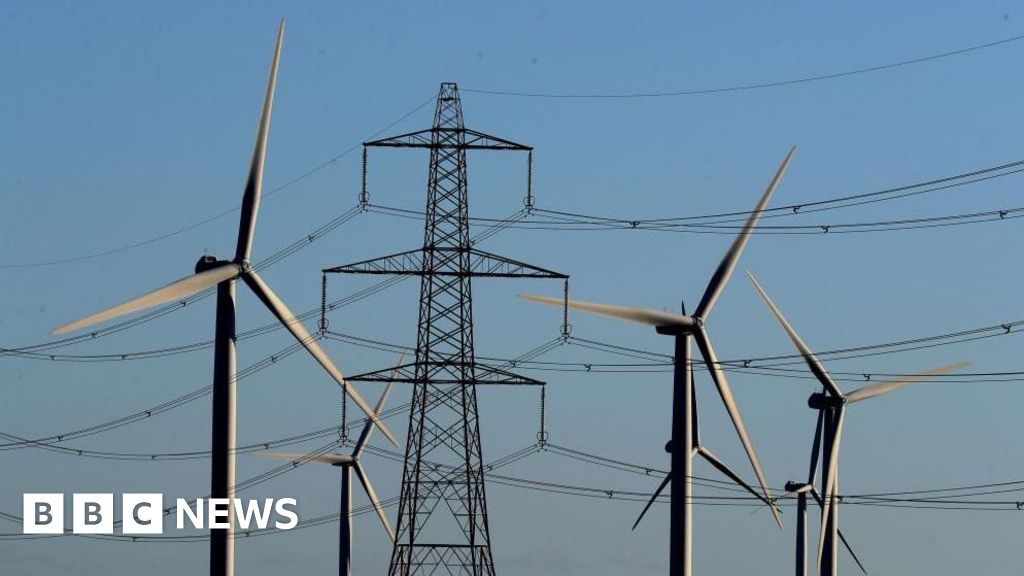
The war in the Middle East has brought renewed attention to Britain’s vulnerability to energy price shocks.

The Nikkei was up 1.07% at 59,453.44, as of 0147 GMT, while the broader Topix inched 0.14% higher to 3,782,43.
An uneasy ceasefire between the United States and Iran frayed after the U.S. announced the seizure of an Iranian cargo ship, drawing vows of retaliation from Tehran. Iran said over the weekend it would skip a second round of negotiations, though a senior official later told Reuters the country may yet send delegates to talks expected in Islamabad.
In Japan, chip-related shares climbed, with Tokyo Electron and Advantest up 4.3% and 1.79%, respectively.
Kioxia Holdings jumped 5.3% and technology investor SoftBank Group gained 4.23%.

“The market might be too optimistic about the aftermath of the war. There is a concern about the impact of the disruption of the supply chain,” said Takamasa Ikeda, senior portfolio manager at GCI Asset Management.
“There may be a big correction of the stock market in the summer if the impact of the supply shortage surfaces.” Ikeda noted that tightened supply of helium, a key component in cable productions, could weigh on Japan’s high-performing fibre optic cable makers, including Fujikura and Furukawa Electric.
Fujikura rose 5% on Tuesday, while Furukawa gained 3.5%.
In other stock movements, Nojima surged 10.2% following reports that the electronics retailer plans to acquire Hitachi’s consumer appliances unit, Hitachi Global Life Solutions, for more than 100 billion yen ($630.32 million).
Hitachi shares edged 0.3% higher.
Banking shares declined, with Mitsubishi UFJ Financial Group and Mizuho Financial Group down 0.26% and 1%, respectively.
Toyota Motor lost 2% in early trade.
Of the more than 1,600 stocks traded on the Tokyo Stock Exchange‘s prime market, 39% rose, 56% declined and 4% remained unchanged.
Business
Oil Price Today (April 21): Crude oil dips below $95 despite Iran war ceasefire ending this week. Here’s why

Despite lingering tensions, market participants are now focusing on the possibility that talks this week could extend the current ceasefire or even lead to a broader agreement. However, risks of renewed conflict and supply disruptions remain.
Crude oil price on April 21
Brent crude futures fell 95 cents, or 1%, to $94.53 at 0003 GMT. U.S. West Texas Intermediate crude for May dropped $1.54, or 1.72%, to $88.07. The May contract expires on Tuesday, while the more actively traded June contract declined $1.09, or 1.3%, to $86.37. A senior Iranian official indicated that Tehran is considering joining peace talks in Pakistan, following diplomatic efforts by Islamabad to ease the U.S. blockade, a news report by Reuters stated.
On Saturday, Iran tightened its grip over the strait in response to the U.S. blockade, reportedly firing at several vessels and declaring the route closed. The blockade has emerged as a key obstacle to Tehran’s return to peace negotiations, with the current two-week ceasefire due to end later this week.
Where are prices headed?
Market movements remain highly reactive to developments, with oil prices swinging on shifting signals from both sides rather than any clear improvement in supply conditions. The intermittent movement of vessels through the strait highlights the deep uncertainty surrounding the world’s most critical energy chokepoint. Even if tensions ease, a full recovery in oil flows is expected to take several months, experts warn.Macquarie noted that even if tensions ease, oil prices are likely to stay supported in the $85 to $90 range, with a gradual climb towards $110 as flows through the strait normalize. It also warned that if disruptions persist through April, Brent could spike to as much as $150 per barrel.
Analysts generally believe the market may be entering a phase of structurally higher prices. With the ceasefire seen as temporary, a return to pre-conflict levels of $70 to $75 could take time. In the near term, prices are expected to move within a band of $80 to $85 on the downside and $95 to $100 on the upside.
Nuvama Institutional Equities added that an extended closure of the strait, which handles roughly 20 million barrels per day, could drive crude prices into the $110 to $150 range.
(Disclaimer: Recommendations, suggestions, views and opinions given by the experts are their own. These do not represent the views of The Economic Times)
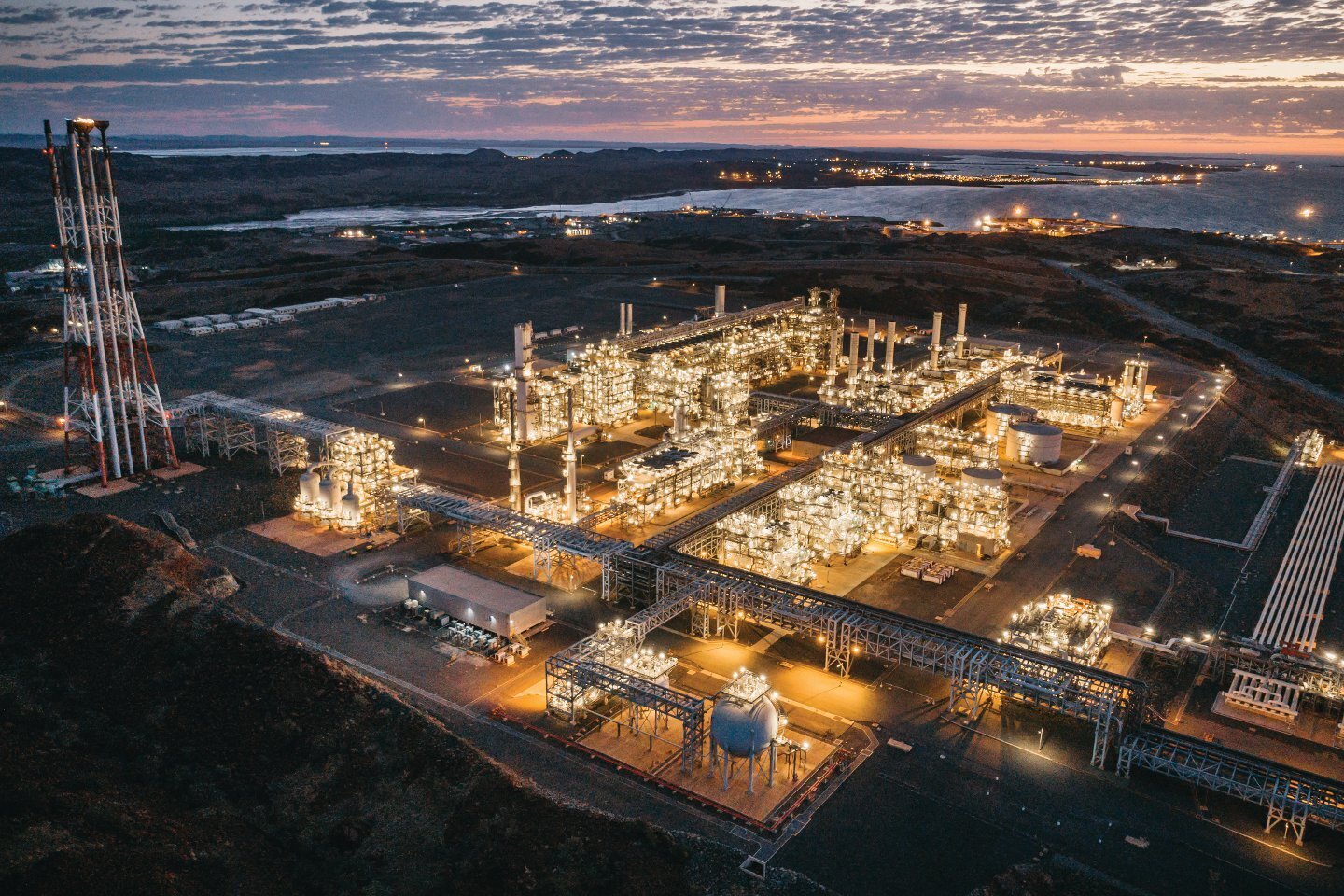
The DomGas Alliance has teed off at Woodside Energy, claiming it has banked more than $5 billion worth of exported gas from Pluto that should have been sold locally.
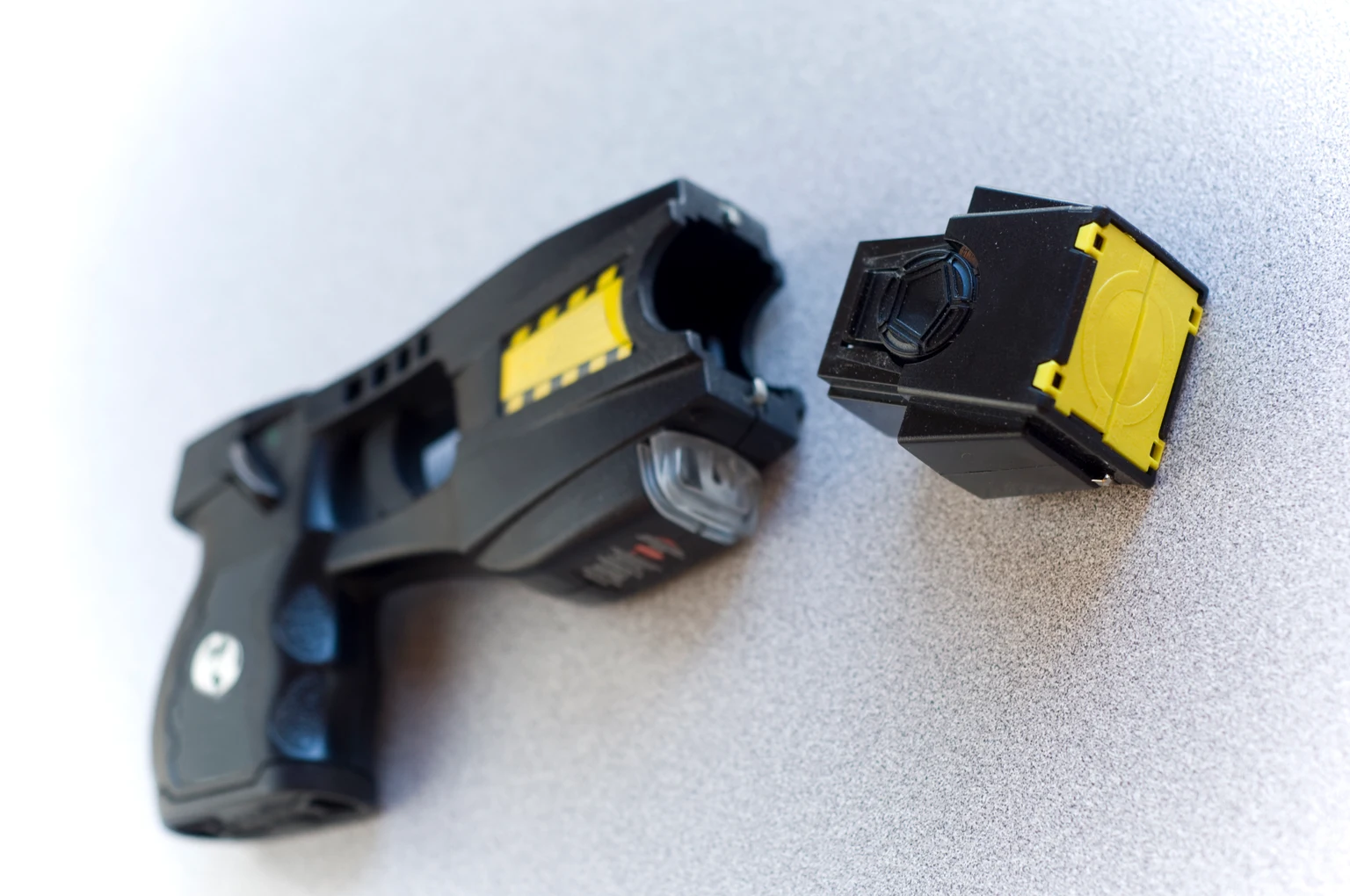
Axon Enterprise: Impressive Growth, Real Margin Work Left
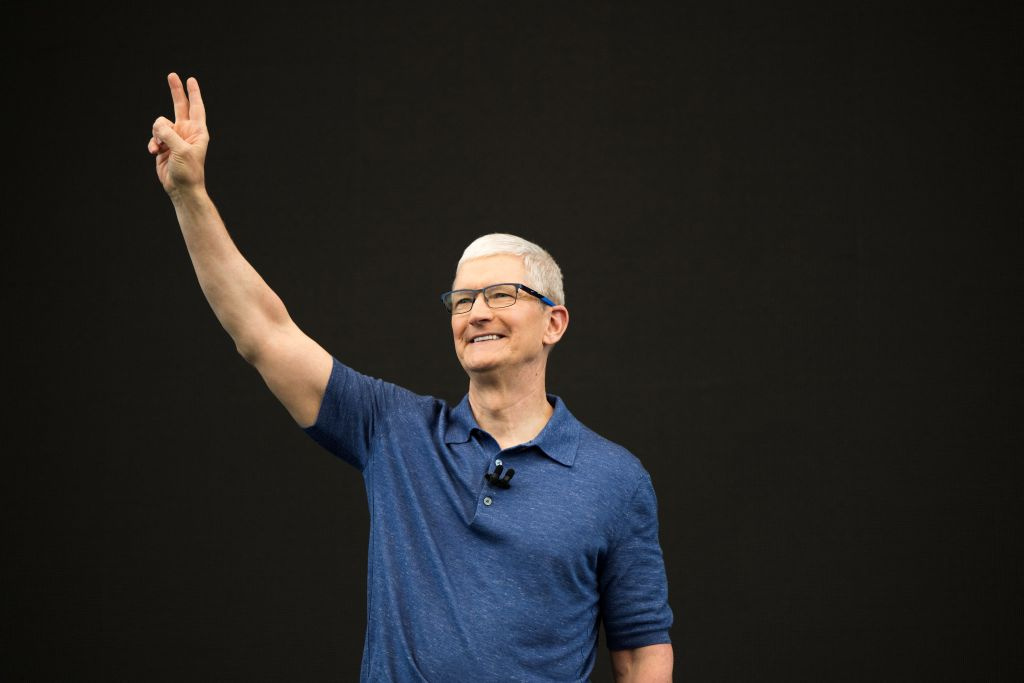
Apple will see a shake-up in its management positions as Tim Cook is now stepping down as the CEO of the company and will serve as the executive chairman of the board of directors.
With this, Apple also announced that it has already named its next chief executive officer, with John Ternus, the company’s current senior vice president of Hardware Engineering, set to replace Cook.
Tim Cook to Become Apple’s Executive Chairman
In a new Apple Newsroom post, the Cupertino tech giant has confirmed that Tim Cook will be stepping down as Apple’s CEO, which will take effect on September 1, 2026. However, Cook will not stray away from Apple just yet as it was revealed that he will be tasked to serve as Apple’s executive chairman for the company’s board of directors.
“It has been the greatest privilege of my life to be the CEO of Apple and to have been trusted to lead such an extraordinary company,” said Cook.
It was noted by Apple that as the executive chairman, Cook will have a limited role here. The company revealed that his responsibilities under this role will only revolve around “certain aspects of the company, including engaging with policymakers around the world.”
This means that Cook’s main responsibility will be to work with government officials as the executive chairman.
9to5Mac noted that Cook previously faced scrutiny with his affiliations with the Trump administration, especially when he was invited to the White House and appeared in the “Melania” documentary.
Cook is also known for his close ties to China, having already established rapport with the country during his long tenure as CEO.
John Ternus Is the Next Apple CEO
With this announcement, Apple has also named the next chief executive officer of the company to replace Cook, and it is none other than Senior Vice President of Hardware Engineering, John Ternus.
According to Apple, Ternus will bring in his 25 years of experience under the company to his new CEO role. The engineer-slash-executive has worked under Steve Jobs and was mentored by Tim Cook. Now, he gets the chance to lead a new age for Apple.
Come September 1, Tim Cook will have served 15 years as Apple’s CEO since being appointed as its chief after co-founder Steve Jobs stepped down.
Originally published on Tech Times

Gauges in Japan, South Korea and Australia advanced at the open with the broader MSCI Asia Pacific Index rising 0.3%. S&P 500 contracts also edged higher in early trading after the index slipped 0.2% on Monday from a record, weighed down by declines in several technology heavyweights. Apple Inc. shares slipped in late US trading after the company named John Ternus as its next chief executive officer.
Global crude benchmark Brent fell 0.7% to $94.80 a barrel early Tuesday, after gaining 5.6% in the prior session. The dollar and Treasuries were steady.
President Donald Trump said he is unlikely to extend the truce with Iran if no agreement is reached before its expiry Wednesday evening, Washington time. Iran is also preparing to send a delegation to the next round of talks, according to people familiar with the plans who declined to be identified.
Attention is shifting to whether the US and Iran can resume negotiations in Pakistan to calm strains and reopen the Strait of Hormuz after an initial round in Islamabad ended without a deal. The dollar has weakened over the past three weeks and several equity gauges have recouped war-related losses as markets price in easing tensions, cheaper oil and stronger economic growth.
“Markets are once again grappling with a rapidly shifting narrative in the Middle East, as the past 48 hours have delivered both optimism and renewed concern,” said Daniela Hathorn, senior market analyst at Capital.com, adding that the market feels “stuck at a crossroads” as a result of the jostling.
Chip stocks in Asia will be in focus after the Philadelphia Semiconductor Index advanced, notching a 14th straight session in the green — a winning streak that it has exceeded just once, in 2014. Transits through Hormuz have reduced to a trickle as Iran tightens control in retaliation for strikes. On Friday, that paralysis appeared to end, with Tehran saying it would reopen the waterway, before reversing course during the weekend as the US maintained a naval blockade and attacked an Iranian ship.
Beyond the strait, arguably the most fraught issue is Iran’s nuclear program. Trump has demanded Iran forswear any ambitions for a nuclear weapon and hand over stockpiles of enriched uranium. Tehran has balked at giving up its uranium and has said its nuclear program is for peaceful purposes.

New drug and alcohol support centre opens in Grangetown

Hyperion inks deal for 3D printed house

Nasdaq slip tests crypto’s decoupling story as BTC and ETH hold up



-

 NewsBeat7 days ago
Trump and Pope Leo: Behind their disagreement over Iran war
-

 Fashion3 days ago
Weekend Open Thread: Theodora Dress
-

 News Videos6 days ago
Secure crypto trading starts with an FIU-registered
-

 Sports4 days ago
NWFL Suspends Two Players Over Post-Match Clash in Ado-Ekiti
-

 Crypto World7 days ago
SEC Proposes Certain Crypto Interfaces Don’t Need to Register as Brokers
-

 Business2 days ago
Powerball Result April 18, 2026: No Jackpot Winner in Powerball Draw: $75 Million Rolls Over
-

 Crypto World3 days ago
Russia Pushes Bill to Criminalize Unregistered Crypto Services
-

 Politics6 hours ago
Gary Stevenson delivers timely reminder to register to vote as deadline TODAY
-

 Politics3 days ago
Palestine barred from entering Canada for FIFA Congress
-
 Business4 days ago
Creo Medical agree sale of its manufacturing operation
-

 Politics2 days ago
Zack Polanski demands ‘council homes not luxury flats for foreign investors’
-

 Crypto World3 days ago
Russia Introduces Bill To Criminalize Unregistered Crypto Services
-

 Tech2 days ago
Auto Enthusiast Scores Running Tesla Model 3 for Two Grand and Turns It Into Bare-Bones Go-Kart
-

 Tech5 days ago
‘Avatar: Aang, The Last Airbender’ Leaked Online. Some Fans Say Paramount Deserves the Fallout
-

 Tech6 days ago
Microsoft adds Windows protections for malicious Remote Desktop files
-

 Crypto World6 days ago
X Launches New Cashtag Feature for Stocks and Crypto: X
-

 Sports7 days ago
Younger Than Sachin Tendulkar: Vaibhav Sooryavanshi Set To Make Historic India Debut
-

 Entertainment6 days ago
Prince Carter Brings Fans Front Row and Backstage at Boys 4 Life Tour
-
 Entertainment6 days ago
Dave Portnoy Slams Dianna Russini: ‘Makes Zero Sense’
-

 Crypto World6 days ago
Bitcoin surpasses halfway mark in current halving cycle
You must be logged in to post a comment Login