Connect with us
DAPA Banner

Tech

Arkansas Tried To Pass An Unconstitutional Social Media Law. Again. It Lost. Again.

Published

on

from the maybe-read-your-laws-before-passing-them dept

Back in 2023, Arkansas passed a social media age verification law so poorly drafted that the bill’s own sponsor couldn’t accurately describe who it covered. The law appeared to exempt TikTok, Snapchat, and YouTube while the sponsor publicly claimed those were the exact platforms being targeted. When the state’s own expert witness testified that Snapchat was covered, the state’s own attorney disagreed with his own witness in the same hearing. That law was struck down on First Amendment and vagueness grounds, and then permanently enjoined earlier this year in a suit brought by the trade group NetChoice.

So Arkansas went back to the drawing board and passed Act 900, which was supposed to fix all the problems with the original. Judge Timothy Brooks of the Western District of Arkansas has now preliminarily enjoined that law too, in a ruling that reads like a patient teacher explaining to a student why the homework still doesn’t work despite a rewrite.

The legislature did manage to fix the content-based definition problem that sank the first law, but the progress stops there. Act 900 imposes four main new requirements on social media platforms: a prohibition on “addictive practices,” default settings for minors (including a nighttime notification blackout), privacy default settings at the most protective level, and a parental dashboard requirement. Every single one of these provisions fell apart on review, each in its own special way.

The “addictive practices” provision might be the most impressively broken. Here’s what it actually says platforms must do:

Advertisement

Consistent with contemporary understanding of addiction, compulsory behavior, and child cognitive development, ensure that the social media platform does not engage in practices to evoke any addiction or compulsive behaviors in an Arkansas user who is a minor, including without limitation through notifications, recommended content, artificial sense of accomplishment, or engagement with online bots that appear human.

“Contemporary understanding of addiction” is doing a lot of work here, and it’s not up to the job. There is no consensus that social media constitutes addiction in any clinical sense. So it’s entirely unclear what a company would need to do here, which is fatal in a First Amendment context. And yet, the law is designed such that violations are strict liability and ridiculously broad. A plain reading of the law shows that it is not limited to addiction to the platform itself; a platform can apparently be held liable if its practices “evoke” addiction to off-platform activities. And the statute uses the singular “user,” meaning a single child’s response triggers liability.

As the court puts it:

Not only does Act 900 impose liability based on a single child’s response to the platform, it does so on a strict liability basis—a platform is liable for a practice the evokes addiction in a single child even if it could not have known through the exercise of reasonable care that the practice would have such an effect. “Businesses of ordinary intelligence cannot reliably determine what compliance requires.”

The state, realizing belatedly that it had written an unworkable law, asked the court to just sort of ignore the strict liability language and read in a specific intent requirement that doesn’t exist anywhere in the text. As the judge notes, that’s not how any of this works. The courts interpret the law as written and are not there to fix the legislature’s mistakes:

Instead of defending the statute the General Assembly enacted, Defendants ask the Court to rewrite it by ignoring the strict liability provision altogether and inserting a specific intent requirement that appears nowhere in the text. The Court cannot do so.

Then there’s the default provisions. The court was actually somewhat sympathetic to the idea that the state has a legitimate interest in helping kids sleep. The problem is that the law itself undermines that interest by letting parents flip the nighttime notification blackout off. And the government is not there to fix what parents refuse to do:

Advertisement

While Defendants justify the notification default as an aid to parental authority, they ignore their own evidence that parents are part of the problem. If parents wanted to prevent their children’s sleep from being disrupted by late-night notifications, they have a readily available, free, no-tech solution already at their disposal: taking devices away at night. Yet “86% of adolescents sleep with their phone in the bedroom.” …. The State has provided no evidence that parents lack the tools to assert their authority in this domain, so it appears unlikely that the State’s deferential approach to restricting nighttime notifications will actually serve its stated interest in ensuring minors get enough sleep. This “is not how one addresses a serious social problem.”

The privacy default is worse. It requires platforms to set privacy controls to their most restrictive level for minors — but says nothing about who can change them. Meaning, as the court notes, the minor can just… change them. The state argued this was necessary to protect children from sexual exploitation online. The court points out the obvious problem:

On the other hand, because the default can be changed by the minor, this provision is also wildly underinclusive. Defendants say children need this law to protect them from sexual exploitation online. But the law, in effect, allows children to decide whether they need protection from sexual exploitation online because they are free to depart from the protective default. As Defendants’ evidence shows, teenagers’ developing brains make them less likely than adults to appreciate the risks associated with, for example, making their profiles public… Like the notification default, while the burdens imposed by the privacy default may be slight, they do not appear likely to serve the State’s asserted interest at all. Imposing small burdens on vast quantities of speech for no appreciable benefit is not consistent with the First Amendment. Arkansas cannot sentence speech on the internet to death by a thousand cuts.

Any law that burdens First Amendment speech has to be tailored precisely to a compelling goal. And if it’s either under or over-inclusive, it’s going to have problems surviving. Making it such that kids could just turn off the privacy controls fails that test.

But the dashboard provision is where things get genuinely hilarious, in that dark way where you wonder if anyone read the bill before voting on it. Act 900 has three separate definitions for people who interact with platforms: “account holders,” “users,” and “Arkansas users.” The problem is that, according to the statute’s own definitions, a “user” is specifically someone who is not an account holder — in other words, just a visitor to the site who doesn’t have an account. Yes, it’s confusing. The court is confused. Everyone is confused.

Act 900 has one particularly noteworthy problem: “users.” Act 900 has three different definitions for relationships a person can have with a platform. First, an “account holder” is “an individual who primarily uses, manages, or otherwise controls an account or a profile to use a social media platform.” Id. sec. 1, § 4-88-1401(1). “Account holder” is not used in any of the Act’s operative provisions. Second, a “user” is “a person who has access to view all or some of the posts and content on a social media platform but is not an account holder.” Id. § 1401(12). Third, an “Arkansas user” is “an individual who is a resident of the State of Arkansas and who accesses or attempts to access a social media platform while present in this state.” Id. § 1401(2). “Arkansas users” include both “account holders” and “users,” but “users” are definitionally not “account holders.” The addictive practices provision and the default provisions therefore apply to all Arkansas minors, whether they have a social media account or are merely a website visitor. Worse, the dashboard provision applies only to minor “users,” not account holders.

Again: the dashboard provision requires platforms to build parental supervision tools for minor “users.”

Advertisement

Not account holders. Users. Which, as the court notes, definitionally does not include “account holders.” Meaning it only applies to… random anonymous visitors to the website. Those who have accounts… apparently aren’t covered?

As the court explains, taking the statute at its word would require platforms to:

(1) collect age information from everyone who visits a covered platform to identify minors; and (2) collect and store identity information for every minor who visits a platform to track their “use habits,” connect them with their parents, and effectuate “tools for a parent to restrict his or her minor child’s access.”

This is a law that claims to be about children’s privacy that accidentally requires mass surveillance and identity collection on every anonymous visitor to a website, just in case one of them turns out to be an Arkansas minor. The court openly “questions whether this was the General Assembly’s intended result” but notes it can’t just rewrite the statute because the legislature picked the wrong word. That’s on them. Just like the earlier provision that the state asked the court to quietly rewrite.

The Arkansas legislature does not appear to be a detail-oriented body.

Advertisement

Oh, and there’s also an audit requirement directing platforms to conduct quarterly audits to ensure their products aren’t “causing minors to engage in compulsory or addiction-driven behavior” — again, including off-platform behavior, apparently. How a platform is supposed to audit for behaviors that happen when users aren’t on the platform is left as an exercise for the reader.

What makes this all so maddening is that none of these problems are subtle. The “user” vs. “account holder” mixup is the kind of thing that any lawyer should catch on a close read. The strict liability plus singular “user” combination in the addictive practices provision is exactly the drafting error that made the 2023 law fail. The defaults that can be changed by the very minor they’re supposed to protect — that’s not a hard problem to spot.

There is a reason this pattern keeps repeating.

Passing an unconstitutional law to “protect the kids” from Big Tech generates headlines, press conferences, and signing ceremonies. Governor Sarah Huckabee Sanders got to tweet about how “social media companies have gotten away with exploiting kids for profit” when she signed the original law. That made the news. The permanent injunction three years later, overturning that same law? Barely a ripple. Act 900 itself got its own round of celebratory press. The injunction we’re discussing here will get a fraction of that coverage.

Advertisement

The political asymmetry is kind of the point. State legislatures have figured out that there is essentially no downside to passing obviously unconstitutional social media laws. The upside is maximal: you get to posture as tough on Big Tech, protective of children, and responsive to moral panics about screens and teens. The downside — losing in federal court, wasting state resources on legal fees, and getting lectured by judges about basic First Amendment doctrine — happens quietly, years later, long after the political benefits have been banked.

Arkansas will almost certainly lose its appeal, and either way the legislature will be back next session with a new hastily drafted law that fixes some of Act 900’s problems while introducing fresh ones. And then that will get struck down. And then they’ll try again. Texas, Florida, California, Ohio, Utah, Mississippi, Tennessee, Georgia, and a growing list of other states are running the same play on roughly the same schedule.

The courts keep doing their jobs. NetChoice keeps winning. Judges keep writing careful opinions explaining, for what feels like the hundredth time, that strict scrutiny means what it means, vagueness doctrine exists for a reason, and you cannot simply compel platforms to do whatever you want because you have invoked The Children.

None of it matters to the incentive structure. The headline from the signing ceremony is worth more than the opinion from the courthouse. Until that changes — until voters start holding legislators accountable for passing laws that can’t survive even the most basic constitutional review — we’re going to keep reading rulings like this one. Arkansas just provided the latest installment. There will be more.

Advertisement

Filed Under: 1st amendment, arkansas, free speech, privacy, protect the children, social media, social media addiction, social media safety act

Companies: netchoice

Source link

Advertisement
Continue Reading
Click to comment

You must be logged in to post a comment Login

Leave a Reply

Tech

Google confirms context-aware Siri built from Gemini will debut in 2026

Published

on

Search giant Google has publicly confirmed that Apple’s updated Siri, complete with its long-promised personalized responses, will finally be coming out at some point in 2026.

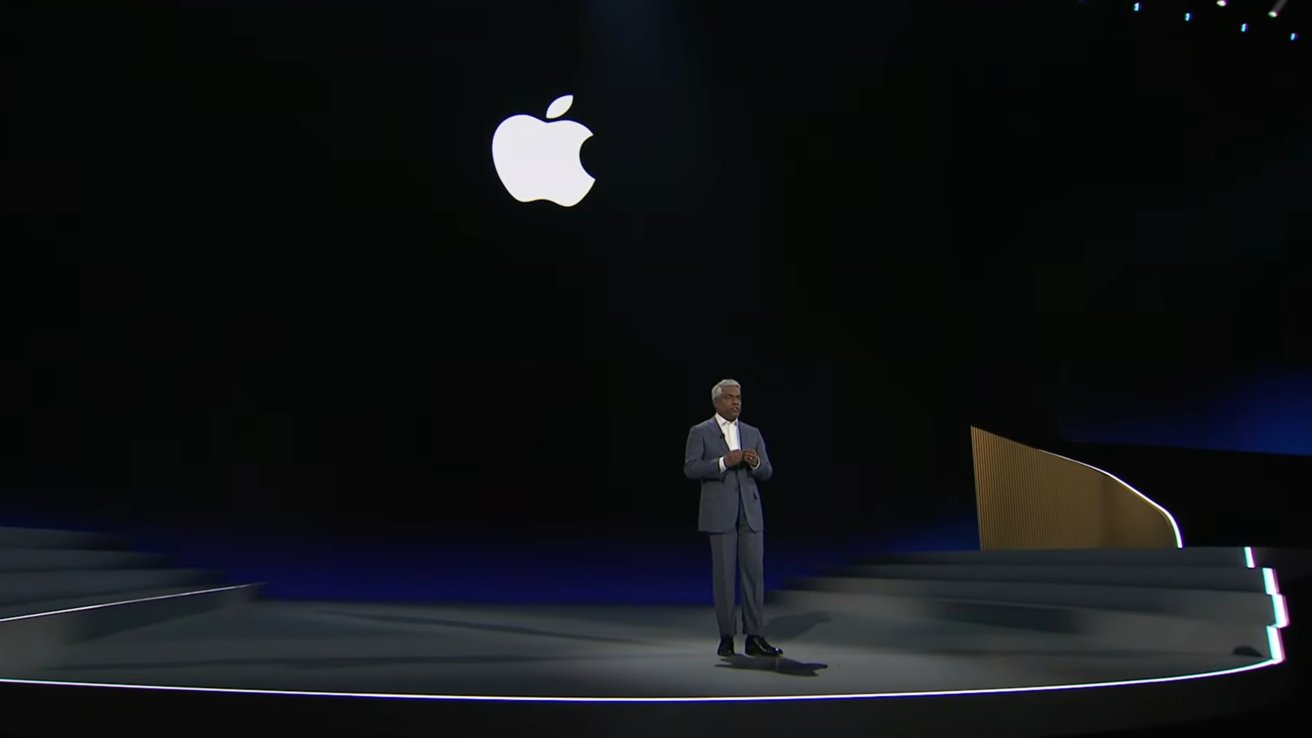
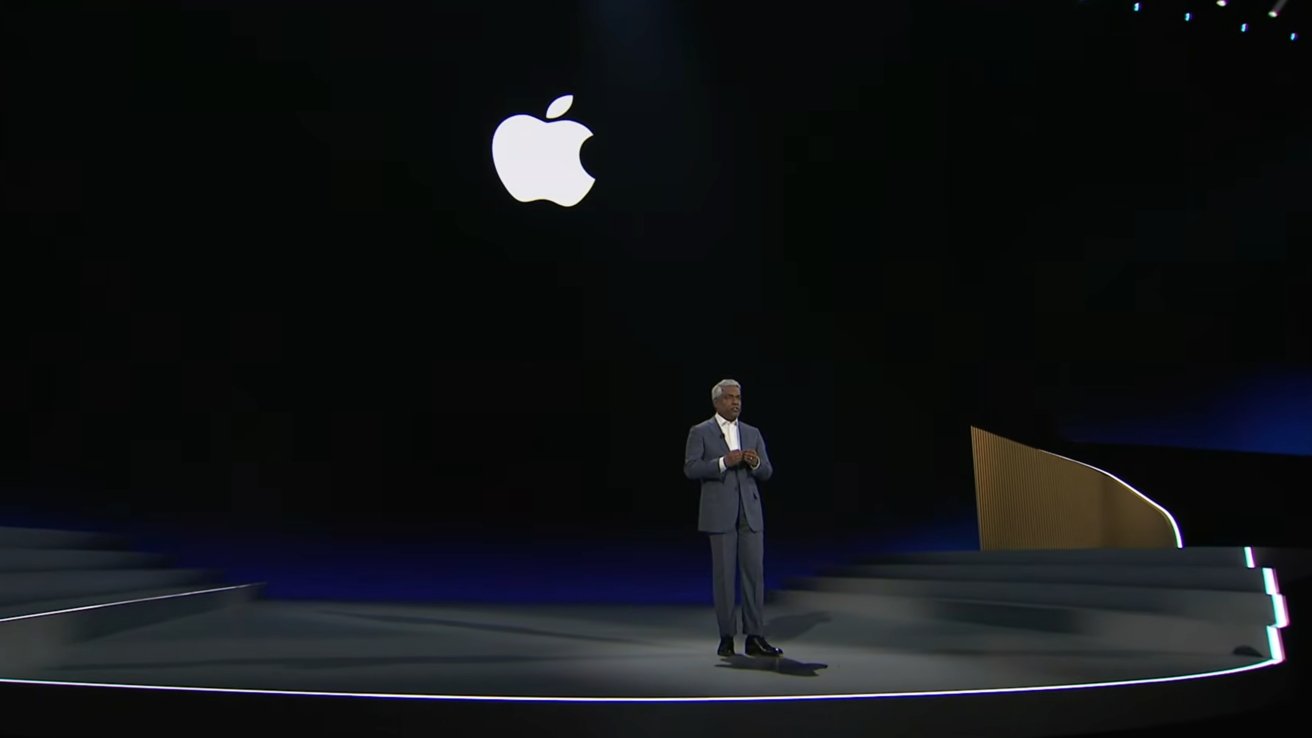
Man in a gray suit stands on a dark, curved stage under a large glowing Apple logo, delivering a presentation in a dramatic, spotlighted auditorium setting
Google Cloud CEO Thomas Kurian talking about Apple at Google Cloud Next 26 – Image Credit: Google/YouTube

In January, Apple confirmed that it had entered into a multi-year deal with Google to use the Gemini model to create Apple’s Foundation Models. Google now says that the fruits of Apple’s AI labor will be on display before the end of 2026.
Speaking at the Google Cloud Next 26 opening keynote, Google Cloud CEO Thomas Kurian talked about Apple as a key customer of the company. Standing in front of the Apple Logo in the auditorium, he enthused about how Apple was using its technology.
Continue Reading on AppleInsider | Discuss on our Forums

Source link

Continue Reading

Tech

Leak hints at Canon EOS R8 II launch with a retro design

Published

on

Canon might be about to lean into nostalgia with its next full-frame mirrorless camera.

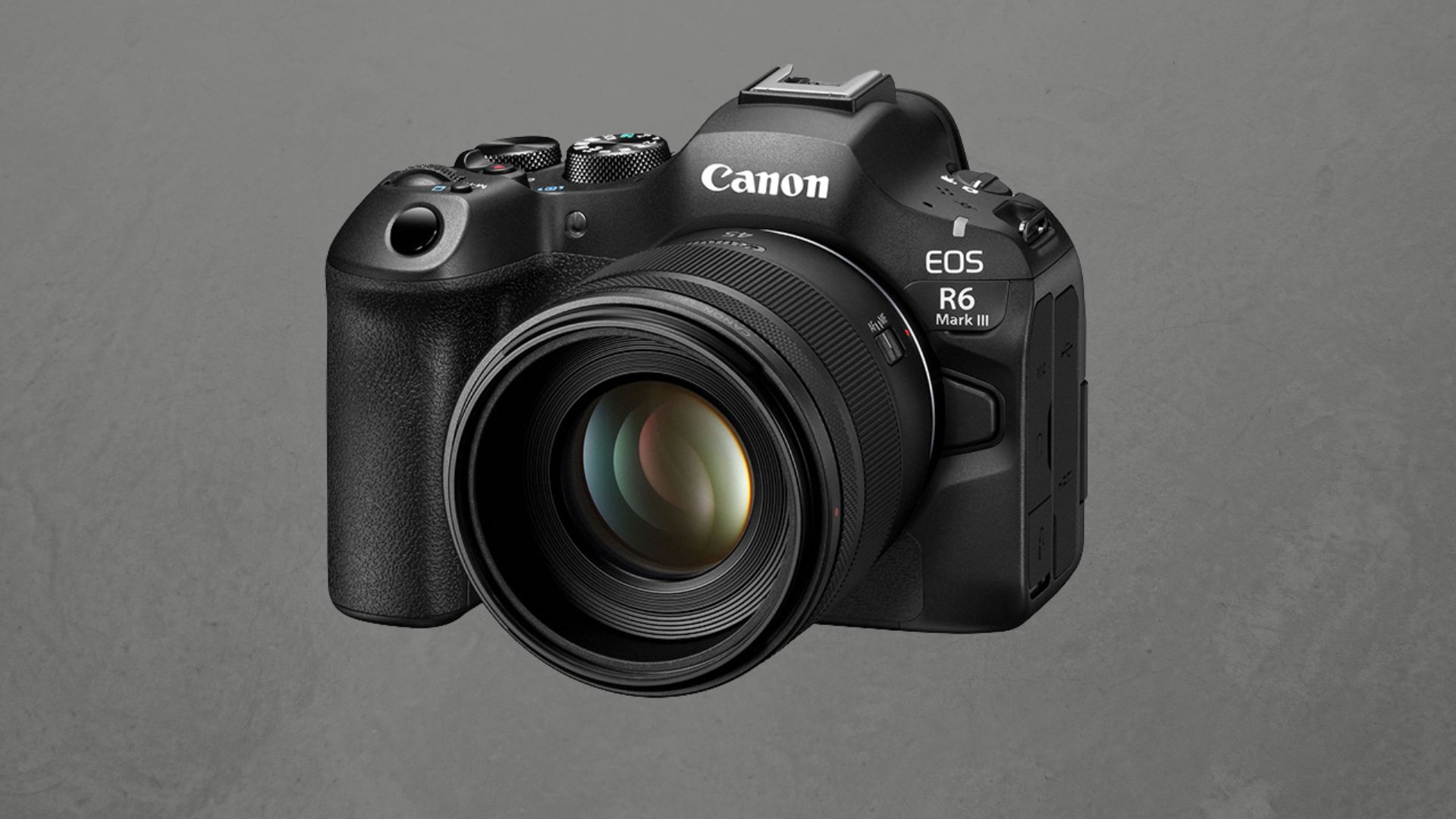
According to a fresh leak, the EOS R8 II is in the works. It could arrive with a retro-inspired design to mark 50 years since the iconic AE-1.

The report, via CanonRumors, suggests the upcoming model will act as a direct successor to the EOS R8, which is now over three years old.

But instead of a routine refresh, Canon is said to be rethinking the design entirely. Specifically, Canon may draw inspiration from the Canon AE-1, one of its most successful cameras ever. Over five million AE-1 units have sold since its 1976 debut.

Advertisement

That could mean a more angular body, a smaller grip, and potentially a different control layout compared to Canon’s current mirrorless lineup. While details are still thin, the shift hints at something closer to the growing trend of retro-styled digital cameras. In other words, Canon might blend modern internals with classic aesthetics.

Advertisement

Outside of the design, there’s little confirmed about the EOS R8 II so far. Specs, pricing, and an exact launch date remain under wraps, though the leak claims the camera could arrive “soon.” Whether Canon will pair it with matching retro-style lenses is also unclear at this stage.

Interestingly, the EOS R8 II might not be launching alone. The same source suggests Canon is also preparing an EOS R6 V, reportedly aimed at video-focused users with upgraded filming features. However, specifics haven’t surfaced yet.

Advertisement

For now, the retro angle is the standout. If accurate, the EOS R8 II could signal a rare stylistic shift for Canon, which has largely stuck to modern, functional designs in its mirrorless range.

Source link

Advertisement
Continue Reading

Tech

Sam Altman’s Orb Company Promoted a Bruno Mars Partnership That Doesn’t Exist

Published

on

Sam Altman’s eyeball-scanning startup, Tools for Humanity, announced last week that a new product called Concert Kit—designed to give verified humans a way to purchase concert tickets—would first roll out on Bruno Mars’ world tour of his latest studio album, The Romantic.

However, Bruno Mars Management and Live Nation, the producer for the Romantic Tour, told WIRED in a joint statement on Tuesday that the partnership “does not exist,” and that Tools for Humanity never even approached them about working together.

The confusion stemmed from a Tools for Humanity event April 17 in San Francisco, where chief product officer Tiago Sada said the company would be joining the Romantic Tour to not just provide access to tickets but also “VIP experiences for verified humans.”

The statement was reiterated in a blog post published by the company, which read: “Concert Kit launches today and will roll out during the Bruno Mars World Tour featuring DJ Pee .Wee (aka Anderson .Paak), where verified humans will have exclusive access to VIP suite experiences at select stops.”

Advertisement

A video of the event, and the company’s blog post, have since been edited and reshared by Tools for Humanity. They now say that Concert Kit will roll out on the 2027 European tour for Jared Leto’s band, Thirty Seconds to Mars.

“To be clear, we were never approached by TFH, nor were we in any discussions regarding a partnership or tour access,” said Bruno Mars’ Management and Live Nation in a joint statement to WIRED. “We first learned that our tour was being used to promote their project after their keynote made those initial claims.” (WIRED had referenced the Bruno Mars partnership in its original story about the event; the story has since been updated to include this new information.)

A spokesperson for Tools for Humanity confirmed to WIRED in a statement Wednesday that the startup “does not have any agreement with Bruno Mars to test or feature Concert Kit, and there is no association or affiliation with the artist or his tour.” Tools for Humanity declined to explain why they announced Mars as a partner for the project in the first place.

Tools for Humanity was cofounded in 2019 by OpenAI CEO Sam Altman and German entrepreneur Alex Blania, with the aim of using blockchain technology to verify people in online environments where scams are prevalent. In 2023, the company launched a physical, iris-scanning orb that works in conjunction with a mobile app.

Advertisement

While Live Nation and Bruno Mars Management say they “have no opinions for or against their products,” it’s possible that Live Nation is feeling prickly about Tools for Humanity for other reasons. The startup is proposing that Concert Kit will help thwart the bot problem that plagues sites like Ticketmaster—which is owned by Live Nation.

In September, Bloomberg reported that the US Federal Trade Commission was investigating Ticketmaster over whether it had done enough to keep bots off its platform. Anderson .Paak made a cameo at the Tools for Humanity event to vouch for this approach, saying to the crowd, “I fucking hate bots … they make everything really shitty. Especially for the fans.” (Anderson .Paak, for what it’s worth, will soon be touring with Bruno Mars under his moniker DJ Pee .Wee. The plot thickens.)

Tools for Humanity also took a jab at Ticketmaster in its press release for last week’s event, saying that “diehard Swifties will never forget the Eras Tour presale, where Ticketmaster faced 3.5 billion system requests in a single day, locking out millions of fans.”

The partnership with Mars was one of many announced at Tools for Humanity’s Lift Off event, which aimed to legitimize the startup’s identity-verifying technology by working with major brands. Executives from Tinder, Zoom, and Docusign said they’d be expanding their work with Tools for Humanity at the event. In the past, Tools for Humanity has struggled to get governments around the world on board with its technology as a safe, privacy-protecting way to identify real humans.

Advertisement

Source link

Continue Reading

Tech

Amazon names AWS exec Prasad Kalyanaraman to S-team, promotes Dave Brown to SVP

Published

on

Prasad Kalyanaraman, VP of AWS Infrastructure Services, has been named to Amazon’s senior leadership team. (Amazon Photo)

Amazon added a new member to its senior leadership team Wednesday, naming AWS infrastructure chief Prasad Kalyanaraman to the group known as the S-team or “steam,” while also promoting cloud computing and AI services leader Dave Brown to senior vice president.

CEO Andy Jassy announced the changes internally, according to a memo viewed by GeekWire, and the company updated its public list of S-team members to reflect the changes.

Kalyanaraman oversees AWS infrastructure, including data centers, networking, and supply chain. He has been with the company for more than 20 years, starting in Amazon’s fulfillment and supply chain operations before moving to the cloud division in 2012.

Jassy’s memo praised his “customer obsession, high standards, ability to be right often, delivery, and missionary approach (always focusing on what’s best for customers — and the company as a whole vs. just his own area),” alluding in part to Amazon’s leadership principles

Dave Brown, newly promoted to senior vice president at Amazon, leads AWS EC2 and AI services including Bedrock and SageMaker. (Amazon Photo)

Brown leads AWS compute services (EC2) along with fast-growing AI services including Bedrock and SageMaker. He has been on the S-team since 2023, previously as a vice president.

“There are several reasons for his promotion, but chief among them are his outstanding delivery, propensity to look around corners and deliver services customers want, being right a lot, obsessing about customers, and continuing to develop strong teams,” Jassy wrote.

Advertisement

The addition of Kalyanaraman brings the S-team back up to 28 members. That’s still down from more than 30 when the last big round of additions was made in September 2023. 

In the meantime, the group has seen departures including Adam Selipsky as AWS CEO (replaced by Matt Garman); longtime devices chief Dave Limp, (succeeded by former Microsoft executive Panos Panay); artificial intelligence leader Rohit Prasad; grocery head Tony Hoggett; and device software leader Rob Williams. 

Here’s the full list as it stands now.

Source link

Advertisement
Continue Reading

Tech

‘Simply by doing their daily work’: Meta tracks staff activity to teach AI how to replace them

Published

on


  • Meta is recording employee clicks, keystrokes, and screen activity to train AI agents on real work behavior
  • The program is part of a broader push to build AI systems that can perform everyday tasks with minimal human input
  • The move comes just ahead of reports of layoffs at the company

Meta has begun collecting everything its employees do as they go about their normal work to train its AI models, as first reported by Reuters. The Model Capability Initiative records mouse movements and clicks, keyboard keystrokes, and even occasional screenshots from computers used by Meta employees in the U.S. The company wants to observe how people actually use software, then feed that behavior into AI models so they can learn to do the same things.

Meta essentially wants to make its systems more reliable for the small actions that define a workday. That means everything from navigating a menu and moving between windows to parsing different website formats. These aren’t easily solved with text data alone.

Source link

Continue Reading

Tech

How Gut Bacteria May Affect The Outcome Of Cancer Immunotherapy

Published

on

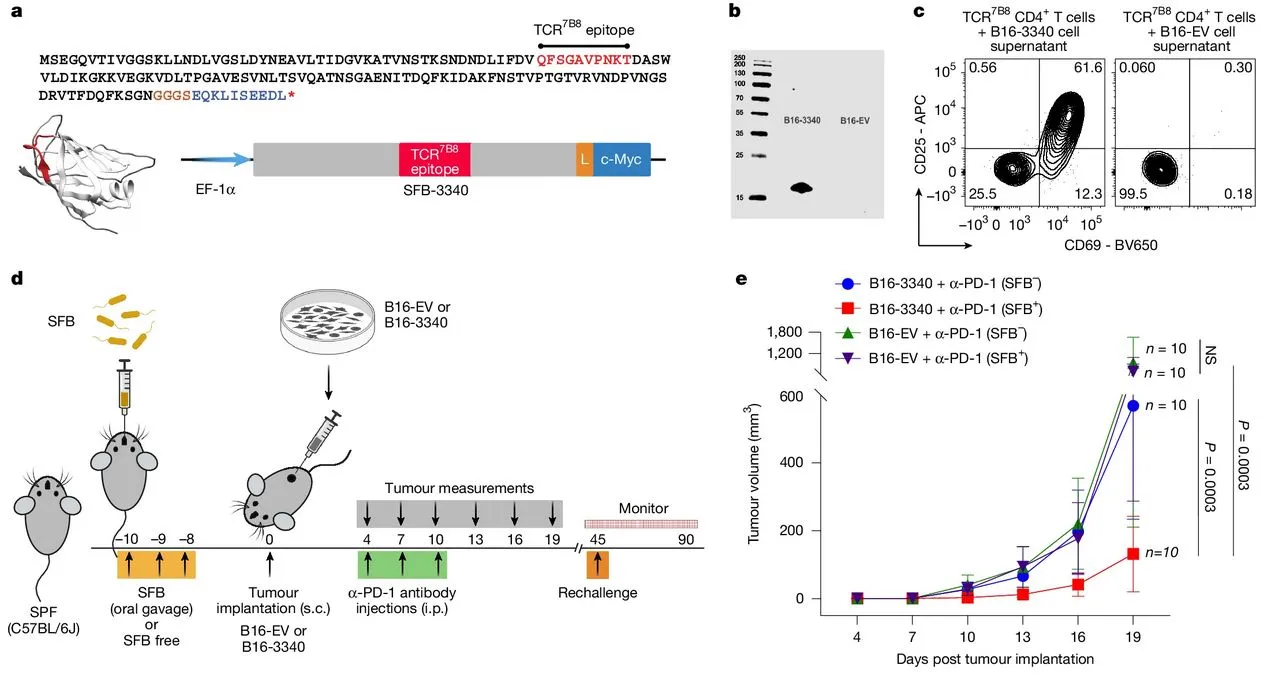
In the ongoing development of cancer immunotherapy, as well as our still developing understanding of the human immune system, there’s always been a bit of massive elephant in the room. The thing about human bodies is that they’re not just human cells, but also consist of trillions of bacteria that mostly live in the intestines. What effect these bacteria have on the immune system’s functioning and from there on immunotherapies was recently investigated by [Tariq A. Najar] et al., with an article published in Nature.

The relevant topic here is that of antigenic mimicry, involving microbial antigens that resemble self-antigens. Since these self-antigens are a crucial aspect of both autoimmune diseases and cancer immunotherapy there is considerable room for interaction with their microbial mimics. Correspondingly these mimics can have considerable negative as well as positive implications, ranging from potentially triggering an autoimmune condition to hindering or boosting cancer immunotherapy.

In this study mice were used to investigate the effect of such microbial interference, in particular focusing on immune checkpoint blockade (ICB), which refers to negative feedback responses within the immune system that some cancers use to protect themselves. In some immunotherapy patients ICB inhibiting using e.g. anti programmed cell death protein (anti-PD-1) treatment does not provoke a response for some reason.

Advertisement

For the study mice had tumors implanted and the effect of a particular microbe (segmented filamentous bacteria, SFB) on it studied, with the presence of it markedly improving the response to anti-PD-1 treatment due to anti-gens expressed by SFB despite the large gut-skin distance. Whether in humans similar mechanisms play a similarly strong role remains to be investigated, but it offers renewed hope that cancer immunotherapies like CAR T-cell immunotherapy will one day make cancer an easily curable condition.

Source link

Advertisement
Continue Reading

Tech

Complete will combine remasters and a sequel into one package

Published

on

Last year, Ecco the Dolphin creator Ed Annunizata teased plans to remaster the first two games in the series and create an entirely new sequel. Ecco the Dolphin: Complete, announced by Annunziata’s studio A&R Atelier, appears to be the result of that work. The game doesn’t have a release date yet, but A&R Atelier says it combines the planned remasters and third title into “the complete, definitive Ecco the Dolphin experience, created by the people who made the originals.”

Complete includes “all versions of Ecco the Dolphin and Ecco: The Tides of Time,” according to the developer, alongside “a brand-new contemporary Ecco game.” Besides graphical improvements, A&E Atelier says the game will introduce “built-in speedrunning support, achievements and leaderboards,” and things like the ability to create custom courses from existing levels. And while A&R Atelier’s announcement doesn’t include footage of the new game or the platforms it’ll release on, the official Ecco the Dolphin website has a countdown clock that could point to when more information will be released.

Annunziata sued Sega to try and win the rights to the Ecco the Dolphin IP in 2013, the same year he failed to get The Big Blue, a spiritual sequel to Ecco the Dolphin, fully funded on Kickstarter. Sega and Annunziata ultimately settled their lawsuit in 2016, which may have laid the groundwork for Ecco the Dolphin: Complete to happen.

Source link

Advertisement
Continue Reading

Tech

Ping-Pong Robot Makes History By Beating Top-Level Human Players

Published

on

Sony AI’s autonomous table-tennis robot Ace has become the first robot to compete against top-level human players. Reuters reports: Ace, created by the Japanese company Sony’s AI research division, is the first robot to attain expert-level performance in a competitive physical sport, one that requires rapid decisions and precision execution, the project’s leader said. Ace did so by employing high-speed perception, AI-based control and a state-of-the-art robotic system. There have been various ping-pong-playing robots since 1983, but until now they were unable to rival highly skilled human competitors. Ace changed that with its performances against human elite-level and professional players in matches following the rules of the International Table Tennis Federation, the sport’s governing body, and officiated by licensed umpires.

The project’s goal was not only to compete at table tennis but to develop insights into how robots can perceive, plan and act with human-like speed and precision in dynamic environments. In matches detailed in the study, Ace in April 2025 won three out of five versus elite players and lost two matches against professional players, the top skill level in the sport. Sony AI said that since then Ace beat professional players in December 2025 and last month. “The success of Ace, with its perception system and learning-based control algorithm, suggests that similar techniques could be applied to other areas requiring fast, real-time control and human interaction — such as manufacturing and service robotics, as well as applications across sports, entertainment and safety-critical physical domains,” said Peter Durr, director of Sony AI Zurich and leader for Sony AI’s project Ace.

The findings have been published in the journal Nature.

Source link

Advertisement
Continue Reading

Tech

Ultrahuman Launched the First Smart Ring Integration for Expert-Led Workouts

Published

on

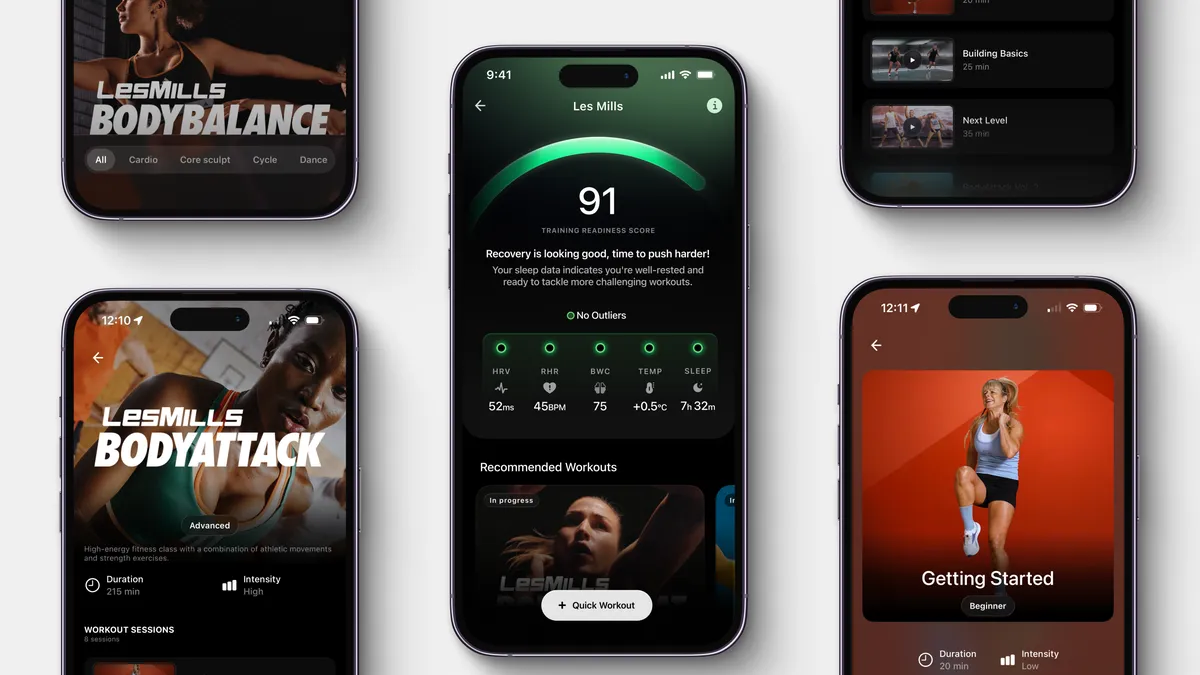
Health tech company Ultrahuman, makers of the Ultrahuman Ring Air and Ring Pro, launched a partnership with group workout brand Les Mills on Wednesday. Together, the companies created the Les Mills PowerPlug in the Ultrahuman app, which recommends workouts based on data collected by its smart rings, like sleep, recovery and cycle phase. 

Traditionally, when your smartwatch or ring tells you that your body is fatigued and that you should take it easy during your workout, it doesn’t provide the workout. With this new integration, the Les Mills PowerPlug offers expert-led, on-demand workout videos that take your current health status into account and help prevent overtraining.

“With Les Mills, we’re closing the loop — your ring doesn’t just tell you how recovered you are, it tells you what to do about it. The right workout, at the right intensity, every day. That’s what training smarter actually looks like,” Mohit Kumar, CEO of Ultrahuman, said in a press release.

Advertisement

How the PowerPlug works

Upon downloading the Les Mills PowerPlug, Ultrahuman Ring users will be asked to choose their ideal training days, session length and a fitness goal from the following: cardio, strength, flexibility or general fitness. Going forward, the app’s home screen will then recommend two to three daily workouts based on your health data, along with a quick workout shortcut. 

You’ll also have access to Les Mills’s entire workout catalog, which you can sort by goal, program or duration. Yoga, strength, HIIT and stretching are just a few examples of the type of exercises you can perform.

Phone screens over a white background showing Les Mills workouts in the Ultrahuman app.

If you have accumulated sleep debt and your body is showing signs of fatigue, the Less Mills PowerPlug will likely suggest a recovery-forward yoga session.

Advertisement

Ultrahuman x Less Mills

To select your workout recommendation, Ultrahuman uses its Dynamic Recovery score, a percentage from zero to 100 that symbolizes how prepared your body is to take on the day. It takes into account your sleep, temperature, stress rhythm, resting heart rate and heart rate variability and can change throughout the day with movement, naps and non-sleep deep rest like breathwork.

The Les Mills PowerPlug will also adapt its selections based on a user’s menstrual cycle. If they’re in a phase with more energy, such as the follicular or ovulatory phases, they’ll be advised to try a more intense workout. Low-energy luteal and menstrual phases will correlate with workouts that prioritize recovery, like yoga. During menstruation, high-impact workouts that are tough on the pelvic floor will be avoided. 

Once you complete your workout, you can then view your workout stats (duration, heart rate zones and calories), movement score, muscle group radar chart, daily goal progress and a post-workout recovery prediction that estimates your readiness for the next day.

The Les Mills PowerPlug price

Global Ultrahuman Ring Air and Ring Pro users can now purchase the Les Mills PowerPlug for $12 per month or $100 per year. 

Advertisement

Due to a patent lawsuit with Oura, makers of the Oura Ring, the Ultrahuman Ring Air was previously banned in the US. However, in March, Ultrahuman launched its Ring Pro, which the US Customs and Border Protection approved for sale in the US. It is currently available for preorder and will start shipping on May 15. With a charging case, it costs $479.

Source link

Advertisement
Continue Reading

Tech

Opera Callas Diva Special Edition Loudspeakers at AXPONA 2026: Understated Italian Design That Doesn’t Care If You Notice

Published

on

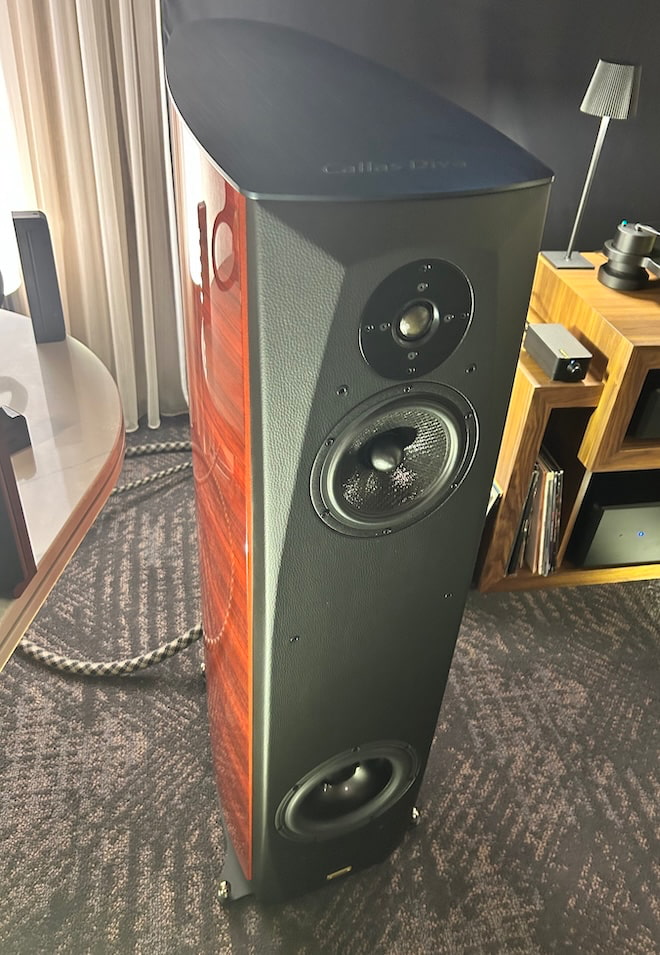
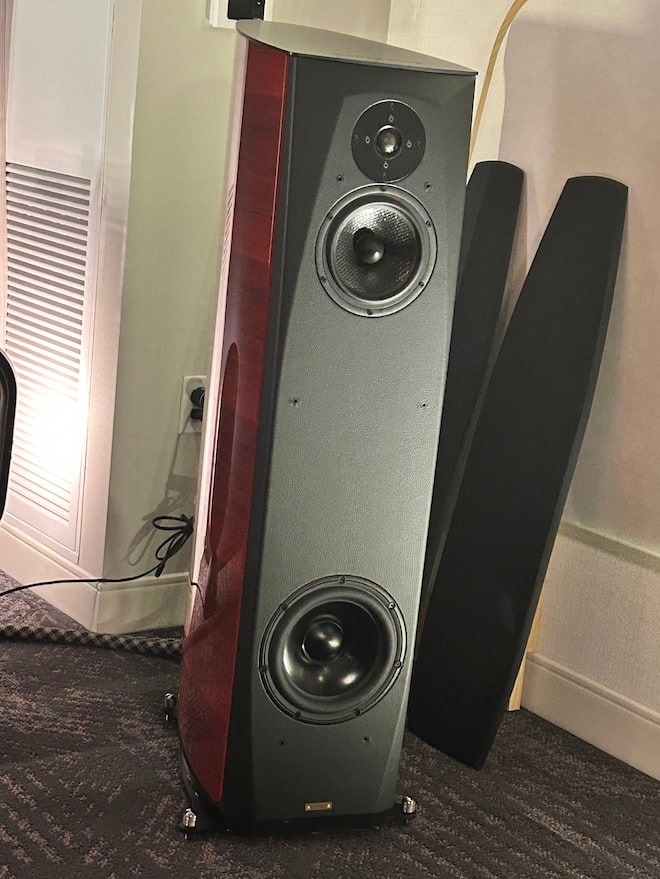
Italian loudspeakers tend to follow their own playbook, and the Opera Callas Diva Special Edition distributed in the U.S. by Fidelity Imports, leans into that identity without apology. Priced at $13,999, this is a reflex, floor-standing design with a rear-firing radiation system (dipole), built around the kind of materials and construction choices that set Italian brands apart: hand-crafted wood cabinetry, leather-clad baffles, and tank-like assembly that feels more atelier than assembly line.

Whether the leather actually changes the sound is still a matter of debate, but as with most things Italian, it’s as much about feel and intent as measurable outcome.

There’s also a clear voicing philosophy here. Like most offerings from Sonus faber and Opera, the goal isn’t clinical neutrality; it’s a more romantic, expressive presentation that leans into tone and texture. That doesn’t mean these speakers lack drama; if anything, they just deliver it with better timing and less shouting over Sunday gravy at Nonna’s house. Think Sophia Loren, not a reality TV meltdown—controlled, confident, and fully aware of the effect… the kind of presence that makes a room go quiet when she crosses her legs, looks your way, and lets you wonder if you’re worth the match.

Fidelity Imports is pushing Opera hard in the U.S. right now, and it’s not difficult to understand why. Paired with electronics from Unison Research, the system synergy is obvious—cohesive, deliberate, and unmistakably Italian. Bellissima, but not in a way that begs for attention. It just assumes you’re paying attention already.

Advertisement

Italian Engineering in a Tailored Suit, Not a Tracksuit

The Opera Callas Diva Special Edition is a reflex loaded, floor standing loudspeaker that combines a traditional forward firing driver array with a rear firing dipole tweeter system. It’s a hybrid approach that aims to balance direct sound with controlled rear radiation, adding spatial cues without turning the room into an echo chamber.

Up front, the speaker uses a single 8-inch long throw woofer paired with a 7-inch midrange driver featuring a re cooked polypropylene cone and phase plug. High frequencies are handled by a 1-inch Scan Speak 9700 tweeter, notably run without ferrofluid and incorporating a double decompression chamber, choices that typically favor openness and low mechanical damping over sheer robustness.

Around back, Opera adds two 1-inch tweeters in what it describes as a “natural dipole” configuration. This rear array expands the soundstage by introducing ambient high frequency energy, effectively making the system a 3-way plus rear dipole design rather than a conventional forward only speaker.

The crossover network is relatively straightforward, using 12 dB per octave slopes across all drivers, woofer, midrange, front tweeter, and rear tweeters, with crossover points centered approximately at 200 Hz and 2,000 Hz. This suggests a focus on phase coherence and smoother driver integration rather than aggressive filtering.

Frequency response is rated at 30 Hz to 25 kHz, covering full range playback without immediate reliance on a subwoofer. Sensitivity is specified at 90 dB (2.83V at 1 meter), making the speaker reasonably amplifier friendly, though the 4 ohm nominal impedance with a minimum above 3.2 ohms means it will benefit from stable current delivery.

Advertisement

Power handling is listed at 240 watts without clipping, and placement guidelines recommend at least 10 cm, about 4 inches, from the rear wall, which is modest considering the inclusion of rear firing drivers.

Physically, the Callas Diva Special Edition is substantial: 116 x 37 x 53.5 cm (H x W x D), approximately 45.7 x 14.6 x 21.1 inches, and each speaker weighs 65 kg, about 143 pounds, including its metal base. This is not a lightweight cabinet, so think carefully about which relative still has the energy to help you move it after sausage and peppers. And don’t forget the cannoli. Marone!

Advertisement. Scroll to continue reading.

Italian Soul, British Precision, No Passport Required

Fidelity Imports had a lot of rooms at AXPONA. Enough that you start making choices. I only had time for a few. This one, and the Ruark Audio room were the ones that actually made me stop, close my eyes and listen, and silently wish that I didn’t have 30 more rooms to cover on the next two floors.

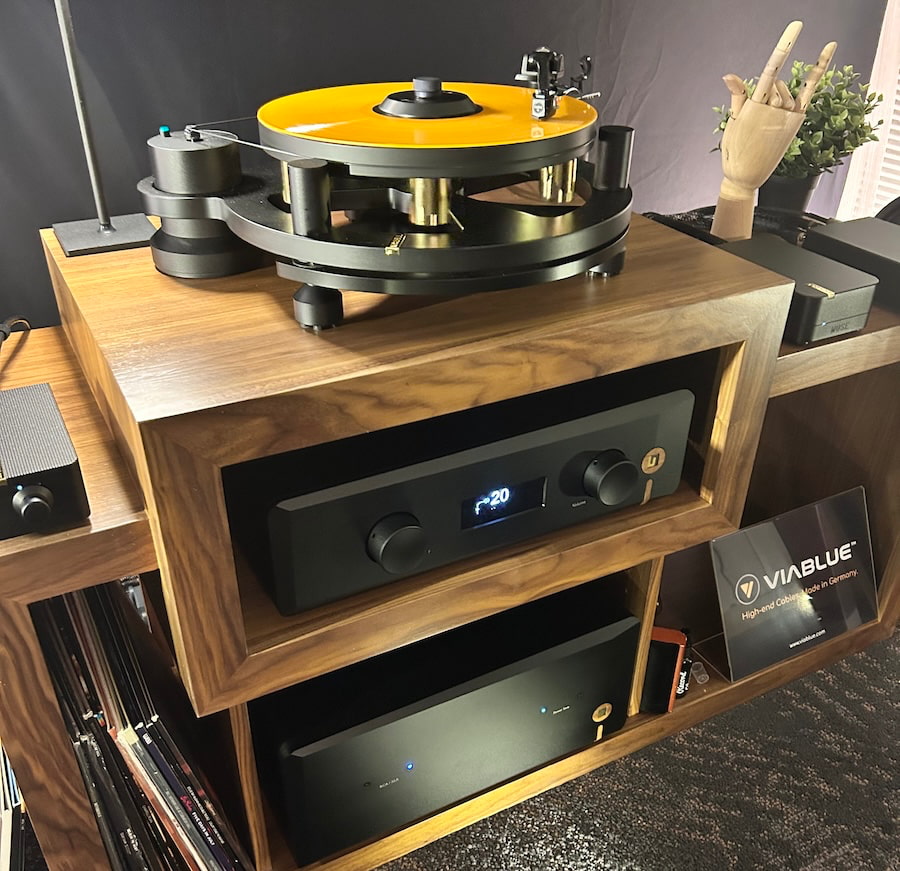
Part of it was the system; Opera speakers, Unison Research electronics, and the new Michell Gyro Turntable spinning records like it knew that a certain American competitor was MIA and that this was its moment to make everyone take notice.

Advertisement

But it was also the reaction. People didn’t just walk in and walk out. They slowed down. Took a step closer. Leaned in to look at the front baffle, then drifted over to the turntable like it might tell them something if they got close enough. Weird that. Especially because it happened more than a few times.

Nobody rushed. Nobody talked too loud. That’s usually a sign. People stood along the back of the room and listened.

I wasn’t the only one who noticed. And in a show full of rooms fighting for attention, this one didn’t have to. Steve Jain needs to make this set-up a permanent hi-fi show experience.

Michell Gryo Turntable with Unison Research Unico PRE V2 and Unico DM V2 power amplifier at AXPONA 2026

The room was driven by the Unison Research Unico PRE V2 and Unico DM V2 power amplifier. Together, they retail for $18,498 USD. That’s not inexpensive, but in the context of AXPONA, it sits well below many of the larger systems on display.

Advertisement

The Unico DM V2 is a high power, dual mono hybrid design using Unison Research’s A.S.H.A. Class A-AB output stage. The emphasis is on current delivery and stability into more demanding loudspeaker loads rather than chasing extreme specifications.

The Unico PRE V2 is a fully balanced preamplifier with a tube based input stage. It includes a well equipped MM/MC phono stage with selectable gain and loading, making it a viable option for vinyl playback without requiring an external phono stage.

There is no built in streaming platform or Bluetooth support. That appears to be a deliberate choice, leaving digital source selection to external components.

The PRE V2 does include an internal DAC based on the Sabre ES9018K2M converter. It uses a balanced output stage designed to integrate with the tube input section, with the goal of maintaining consistent tonal balance between digital and analog inputs.

Advertisement

Digital connectivity includes USB-B, two S/PDIF, and two optical inputs. USB supports PCM up to 384 kHz and native DSD up to 256, along with DoP up to 128. S/PDIF and optical inputs support resolutions up to 192 kHz.

The Unico DM V2 is rated at 220 watts into 8 ohms and 340 watts into 4 ohms in stereo operation, with stability down to 2 ohms. In bridged mono configuration, it delivers 650 watts into both 8 ohm and 4 ohm loads.

Advertisement. Scroll to continue reading.

My biggest takeaway from this room? Synergy matters. A lot.

Advertisement

Having spent time with and reviewed some of Unison Research’s tube amplifiers, the new pairing has a lot more palle, but it doesn’t trade away the qualities that made those designs stand out. The tonal balance, clarity, and sense of flow are still intact. It just brings more control and authority when the music asks for it.

Unison deserves your attention. So do these Opera loudspeakers. They’re expressive without being aggressive. They don’t grab your Members Only jacket and threaten you with brute force. They take a different approach and pull you in, keep you there, and let the music do the work.

There’s something to that. Not everything needs to hit you over the head to make its point.

More info at: operaloudspeakers.com | unisonresearch.com | michellaudio.com

Advertisement

Source link

Continue Reading

Trending

Copyright © 2025