










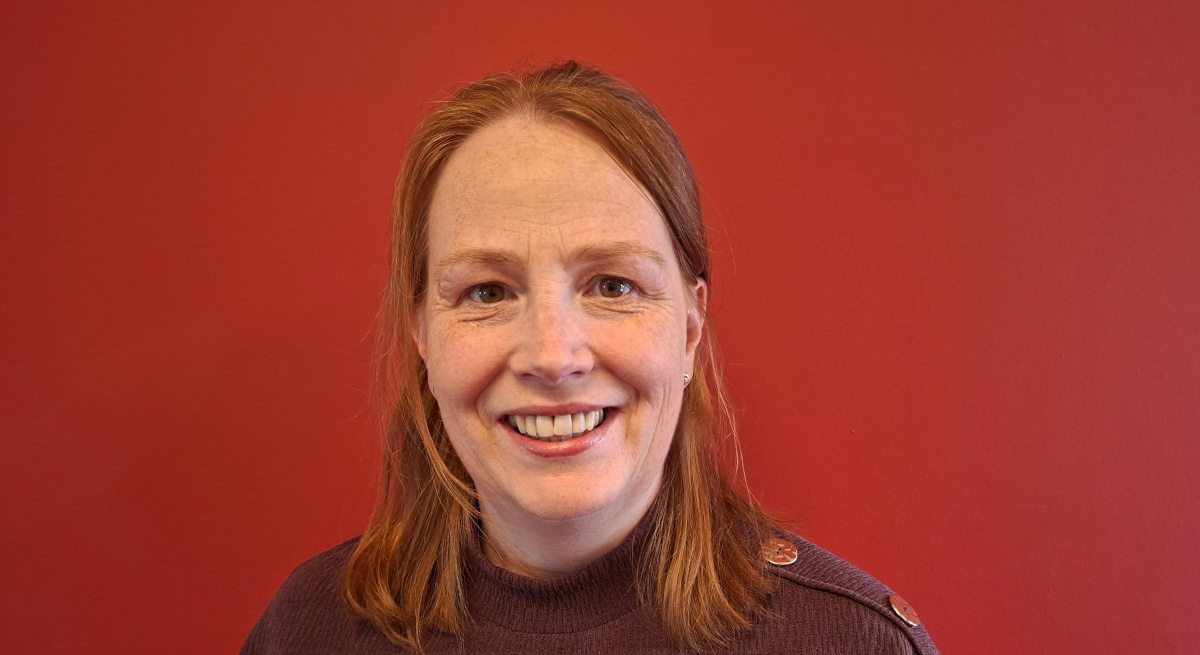

Amgen’s Helena Mulvihill explores how organisations in 2026 are navigating issues of environment, health and safety in the workplace.
“I often hear EHS (environment, health and safety) described as a broad discipline, but it really comes down to protecting people while supporting safe and reliable operations,” explained Helena Mulvihill, an EHS manager at biotech Amgen.
She told SiliconRepublic.com, “It brings together environmental compliance, occupational health and safety, and in practice connects every part of the site. That means working closely with operations and support teams, often across multiple departments in the same day.”
Her work largely involves the implementation of EHS management systems such as risk assessments, incident management, training, auditing and performance metrics; a big part of the role is also communication, making sure expectations are clear and that teams feel supported in applying EHS principles.
She said, “There isn’t really a typical day, which is something I enjoy. While I can plan my week, priorities often shift depending on operational needs. That balance between planned and reactive work keeps things varied and means I need to stay adaptable.”
How important is it to involve everyone in EHS and does that work in practice?
Involving everyone is essential because EHS cannot operate in isolation. It must be embedded across all levels of the organisation, from leadership to the people carrying out day-to-day tasks. I’ve found that the colleagues closest to the work have the clearest understanding of how tasks are actually performed. They’re making real-time decisions, so their input is critical.
While EHS teams provide guidance and structure, it’s important that individuals take ownership of applying those principles in practice. That’s what makes procedures meaningful.
I build that through collaboration and engagement. I spend time in operational areas, listen to feedback and learn about challenges from different perspectives. When people feel involved and see the reasoning behind decisions, EHS becomes part of how work is done rather than something separate.
What does a strong EHS culture feel like when you’re part of it?
You really notice it in the everyday decisions people make. Safety and operational impact are considered as part of the task, rather than something that’s addressed afterwards. It also comes down to trust. People need to feel comfortable raising concerns, asking questions or even stopping work if something doesn’t seem right. That openness is what allows issues to be picked up and addressed early.
When that culture is in place, you see people take responsibility, look out for one another and think about the wider impact of what they’re doing. Over time, that consistency makes a real difference to both safety performance and how effectively the site operates.
How can employees support EHS in their day-to-day roles, even if it’s not their main focus?
Supporting EHS often comes down to simple, consistent behaviours. One approach used at Amgen is ‘Take Five’, which encourages people to pause before starting a task and assess the situation. That might mean reviewing the environment, thinking through the task, identifying potential risks and choosing the safest way to complete the work. It also involves putting the right controls in place and communicating clearly with anyone who could be affected.
I’ve seen how effective that can be in practice. It helps people stay aware of their surroundings and think about the impact of their actions. Even if EHS isn’t their main role, those small actions make a real difference in reducing risk and supporting a safer workplace.
How does the work you do in EHS contribute to wider organisational goals at Amgen?
My role focuses on implementing the EHS management system onsite, which supports wider organisational goals by helping the site operate safely, consistently and in line with regulatory expectations. A key part of the role is anticipating and controlling risks before they lead to incidents, while working closely with different teams to identify and implement improvements effectively. Strengthening the EHS management system, while helping to build an inclusive, high-performing safety culture, supports reliable manufacturing operations and continuous improvement.
What kind of opportunities are there for people working in this field?
One of the most appealing things about EHS is the range of opportunities it offers. You have the chance to specialise in areas like safety, environmental compliance, industrial hygiene or process safety, depending on where your interests lie. It also gives you exposure to various parts of the business from manufacturing and laboratory environments to supply chain and supporting functions. That helps build a broader understanding of how everything connects, and over time, many people move between these areas to develop a well-rounded skill set. You also get the chance to collaborate with global colleagues and learn from other sites, which brings fresh perspectives and helps you continue developing over time.
What skills are best suited to professionals in this space?
I’ve come to realise that adaptability and patience are core skills because priorities can change quickly and you’re often responding to different situations. Being able to adjust and stay focused is key. Communication is just as important. A large part of the role involves listening, asking questions and understanding how work is conducted in practice so risks can be identified early. It also means explaining things clearly, so expectations are aligned.
Curiosity and initiative are also central. Taking the time to engage with people, understand processes and build relationships makes a real difference. Combined with a willingness to keep learning, these skills help you develop in a field that is constantly evolving.
Don’t miss out on the knowledge you need to succeed. Sign up for the Daily Brief, Silicon Republic’s digest of need-to-know sci-tech news.

















































You must be logged in to post a comment Login