TL;DR
Apple Watch innovation has stalled as Whoop, Oura, and Fitbit Air redefine wearables. Key health execs are leaving. Oura has filed for IPO.





Apple Watch innovation has stalled as Whoop, Oura, and Fitbit Air redefine wearables. Key health execs are leaving. Oura has filed for IPO.
The Apple Watch generated an estimated $100 billion in lifetime sales and transformed the smartwatch market. Eleven years after launch, innovation has slowed and the lineup is losing momentum. Bloomberg’s Mark Gurman reports that Apple risks falling behind in the next phase of the industry it helped create.
Consumer preferences are shifting away from screen-heavy devices. Whoop, Oura, and Google’s $100 Fitbit Air have built multibillion-dollar businesses around screenless bands and rings that emphasise recovery, sleep, and passive health monitoring. A growing number of consumers no longer want another screen competing for their attention.
Apple’s Health app is part of the problem. Despite years of investment, it remains cluttered, clinical, and poor at producing actionable insights. Gurman writes that it “often feels less like a modern consumer platform and more like the experience of reviewing charts in a waiting room.” Competing apps from Whoop and Oura are “in a different league.”
Apple’s Eddy Cue, who personally uses both Oura and Whoop, has pushed internally for broader changes to the health strategy. An ambitious AI health coaching service codenamed Mulberry was recently scaled back after Cue took over Apple’s health group. Gurman does not expect features from that project to launch until later in the iOS 27 update cycle.
The leadership turbulence is significant. Former COO Jeff Williams, who long oversaw health initiatives, retired last year. Tim Cook is stepping down as CEO in September. Fitness+ leader Jay Blahnik is leaving following litigation tied to management conduct.
Health and Apple Watch marketing chief Stan Ng recently retired. Another senior marketing manager, Eric Charles, departed this month. Apple has also steadily lost health and hardware talent to Oura. The brain drain is real.
Incoming CEO John Ternus wants to keep health central to Apple’s future. He has promised new services combining hardware and AI. But the leadership turnover raises questions about the company’s urgency around health technology.
This year’s watchOS 27 will focus on stability and smaller refinements rather than major new capabilities. Improvements to heart-rate tracking are coming. The update is incremental, not transformational.
Apple is increasingly relying on promotions to drive Apple Watch sales. Amazon and Best Buy have offered unusually aggressive discounts. Apple added the watch to its education store with direct discounts for the first time. These are signals rarely seen with Apple hardware.
The glucose monitoring project could be the breakthrough. First conceived during the Steve Jobs era, it aims to detect elevated blood sugar without finger pricks. Oversight recently shifted from platform architecture chief Tim Millet to Zongjian Chen, the engineering leader known internally as someone who delivers.
The transition is viewed by some as a sign the work is finally progressing toward a consumer-grade offering. But Apple’s progress in health has been hindered by workplace turmoil, delays, caution, and incrementalism. The same institutional risk aversion that caused Apple to miss generative AI is showing up in wearables.
Apple’s iOS 27 will include several AI features including natural language in the Shortcuts app, wallpaper creation via Image Playground, and a new grammar checker. The revamped Siri app with auto-deleting chats is the headline consumer AI feature. But none of these directly address the health and wearables gap.
Oura, the Finnish smart ring maker, has filed confidentially for a US initial public offering. Gurman notes that Apple “probably should have acquired” Oura years ago. The company that Apple could have bought is now preparing to go public as a competitor.
The wearables market is expanding in multiple directions simultaneously. Meta is selling seven million Ray-Ban smart glasses a year. Apple is testing smart glasses for 2027. Google is preparing Android XR glasses with Samsung. The competition is no longer just about the wrist.
Apple also announced that iOS 27 will support AirPlay alternatives by default to meet EU Digital Markets Act requirements. Users will be able to set Google Cast or other services as their default streaming solution. The AirPods settings panel is getting a significant overhaul as well.
Cook has said he wants Apple to be remembered for its contributions to healthcare. The company that built the most successful smartwatch in history now needs to decide whether it will also build the screenless, AI-powered health device that the market is moving toward. If it does not, Whoop, Oura, and Google already will have.

Get caught up on the latest technology and startup news from the past week. Here are the most popular stories on GeekWire for the week of June 14, 2026.
Sign up to receive these updates every Sunday in your inbox by subscribing to our GeekWire Weekly email newsletter.
A new Downtown Seattle Association report says the city’s JumpStart payroll tax has helped drive jobs and office value out of downtown over its first five years, pointing to booming Bellevue as the contrast. … Read More
Helion Energy announced Tuesday that it’s the first company in the world to receive regulatory licenses for a fusion power facility. … Read More
Swami Sivasubramanian runs dozens of small teams building agentic AI tools and products inside Amazon Web Services. … Read More
The Wall Street Journal reported this week that the video game developer is the buyer of a waterfront estate north of Miami. … Read More
Luke Larson is buzzing about matcha and his plans to build Vale into a Seattle-born beverage empire — think Starbucks, but make it matcha — scaling from a handful of local cafes and mobile bars to a nationwide network of thousands of automated machines. … Read More
Seattle’s Yoodli used a cardboard sign to get its name and web address on Fox Sports’ live broadcast of FIFA World Cup festivities from Pier 62 on the waterfront. … Read More
Andy Jassy was reportedly among the tech leaders who flagged security risks in Anthropic’s newest AI models to senior Trump administration officials — an awkward turn for Amazon, which has invested billions in the AI lab. … Read More
After leadership roles at Microsoft, Amazon and Google, Brian Hall joins Mistral; Amazon’s VP of Alexa Domains retires; Dropzone AI names a head of product. … Read More
Dan Lewis, who led the Seattle freight marketplace Convoy before it shut down in 2023, has left Microsoft to start a stealth company focused on running AI models more efficiently, extending a career spent at the intersection of AI and logistics. … Read More
AWS used its New York Summit to roll out AI agents that act on their own — from fixing security vulnerabilities to triaging email — while trying to keep humans in control of how far they go. … Read More

Chromebooks aren’t exactly the most exciting laptops on the market, but they continue to be a popular option for students and anyone who primarily works in the cloud. Looking to capitalize on that demand, ASUS has launched three new Chromebooks in India, including a detachable 2-in-1 model that doubles as a tablet.
The new lineup consists of the ASUS Chromebook CM32 Detachable, Chromebook CM14, and Chromebook CM15. All three devices run ChromeOS and come with Google’s latest AI-powered features, along with cloud-first productivity tools aimed at students, educators, and young professionals. ASUS is also bundling three months of Google AI Pro with the devices, giving buyers access to Google’s AI tools and 5TB of cloud storage.

Leading the lineup is the ASUS Chromebook CM32, a 2-in-1 device designed for users who want the flexibility of both a tablet and a laptop. The device features a 2.5K touchscreen display, a detachable keyboard, a magnetic kickstand, and support for the ASUS Pen. This makes it suitable for everything from note-taking and studying to media consumption and light gaming.
ASUS has also focused on portability and durability. Despite its lightweight design, the Chromebook comes with military-grade durability certifications and Corning Gorilla Glass protection, making it better equipped to handle everyday wear and tear.

If you prefer a traditional laptop design, ASUS is also offering the Chromebook CM14 and Chromebook CM15. The two laptops feature 14-inch and 15-inch displays, respectively, and are powered by the MediaTek Kompanio 540 processor. While these aren’t performance-focused machines, they should be more than capable of handling web browsing, document editing, online classes, and other everyday workloads.
One of the standout features is battery life. ASUS claims both laptops can deliver up to 20 hours of usage on a single charge, which should easily get most users through a full day of work or study. The laptops also include a 180-degree hinge, allowing users to lay the display flat for easier collaboration during meetings, presentations, or classroom sessions.
The new ASUS Chromebook lineup is now available through Amazon and the ASUS eShop. Pricing starts at ₹26,990 for the Chromebook CM14, while the larger Chromebook CM15 starts at ₹28,990. The more premium Chromebook CM32 Detachable is priced at ₹37,990. ASUS is also offering No Cost EMI and ASUS Easy Pay financing options. Monthly installments start at ₹5,165 for the CM14, ₹5,665 for the CM15, and ₹6,332 for the CM32 Detachable.
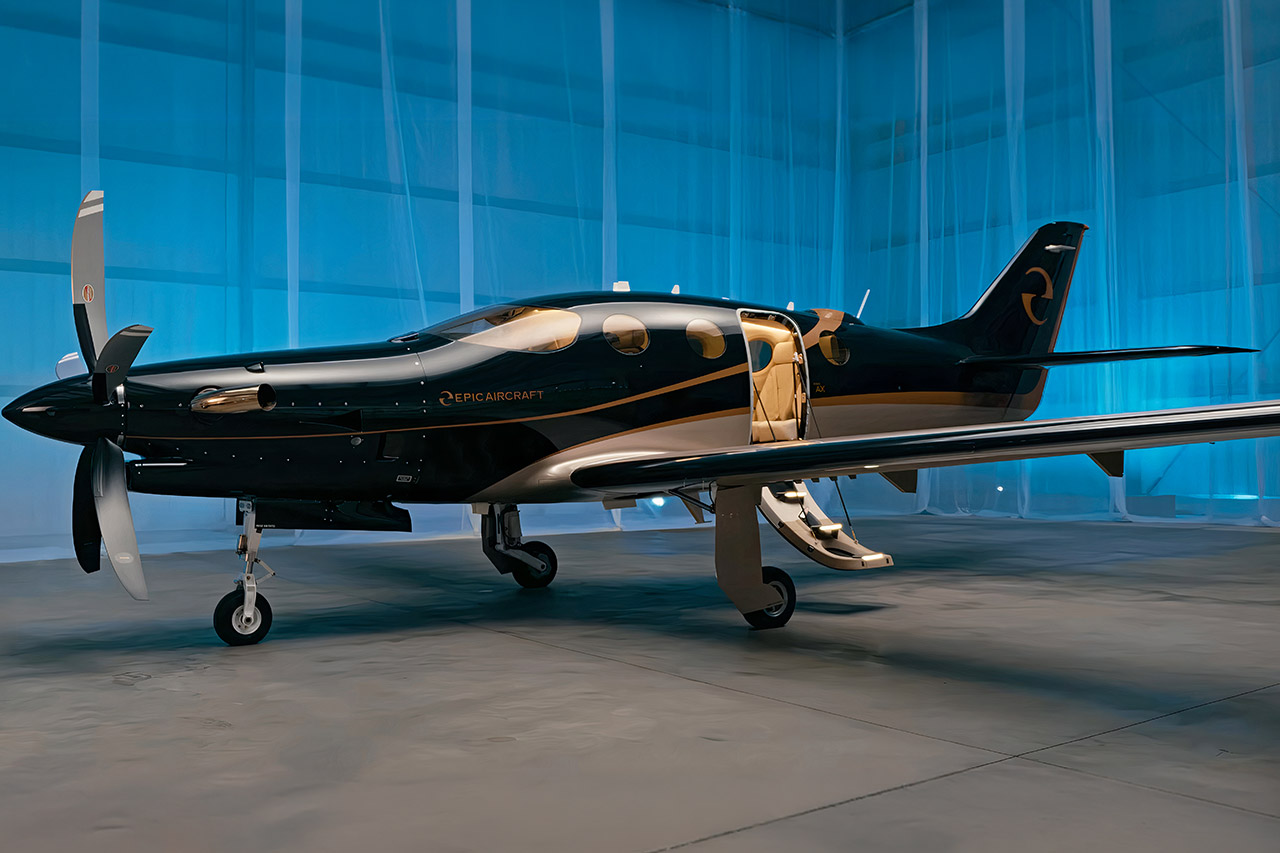
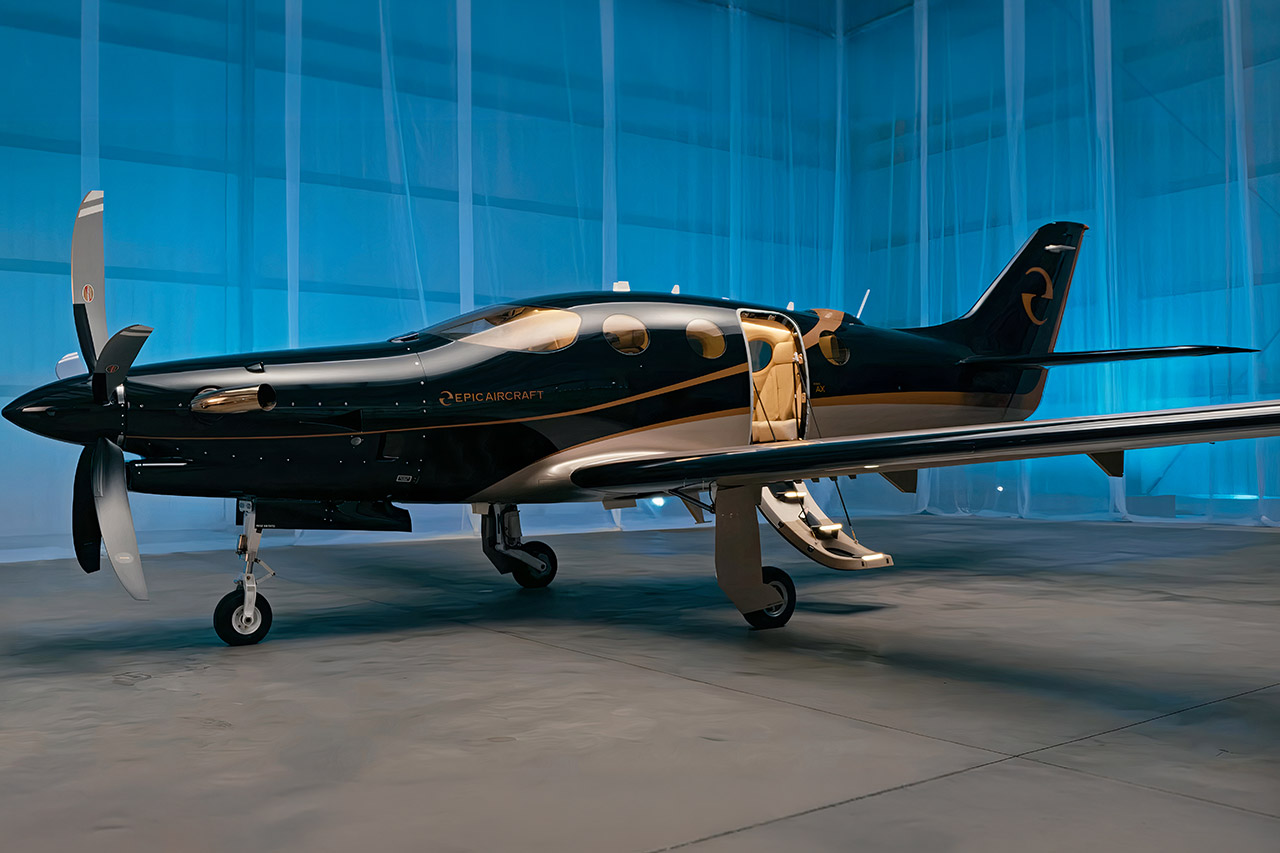
Epic Aircraft builds single-engine turboprops that move fast and carry serious loads for their size. The newest version, the E1000 AX, keeps every bit of that performance edge while folding in deeper Garmin automation than the company has used before.
The Pratt & Whitney PT6A-67A engine still produces 1,200 shaft horsepower. That’s plenty of power to match the all-carbon-fiber airframe, which has a maximum cruise speed of 333 real airspeed knots. It can climb at a whopping 4,000 feet per minute and still reach 34,000 feet. With full tanks, it can travel 1,560 nautical miles and still carry 1,150 to 1,177 pounds of payload, depending on how you rig it up.
Sale

These numbers placed the E1000 GX at the top of the single-engine turboprop class in terms of speed and usable load. The AX retains the same reliable engine, prop, and basic aerodynamics. What has changed significantly is the cockpit, as well as all of the new safety features. Garmin’s G1000 NXi flight deck is now the focal point of the entire system. The GFC 700 autopilot features envelope protection, a one-button level mode, and tighter connectivity throughout the panel. Then there’s Autothrottle, which is a significant addition to the AX’s capabilities because it manages power from takeoff to landing, maintains commanded speeds, and monitors engine limits so pilots don’t have to keep a close eye on torque, temperature, or overspeed conditions because they’re all handled behind the scenes, and it considers flap and gear position when adjusting thrust, so you don’t have to worry about those details either.
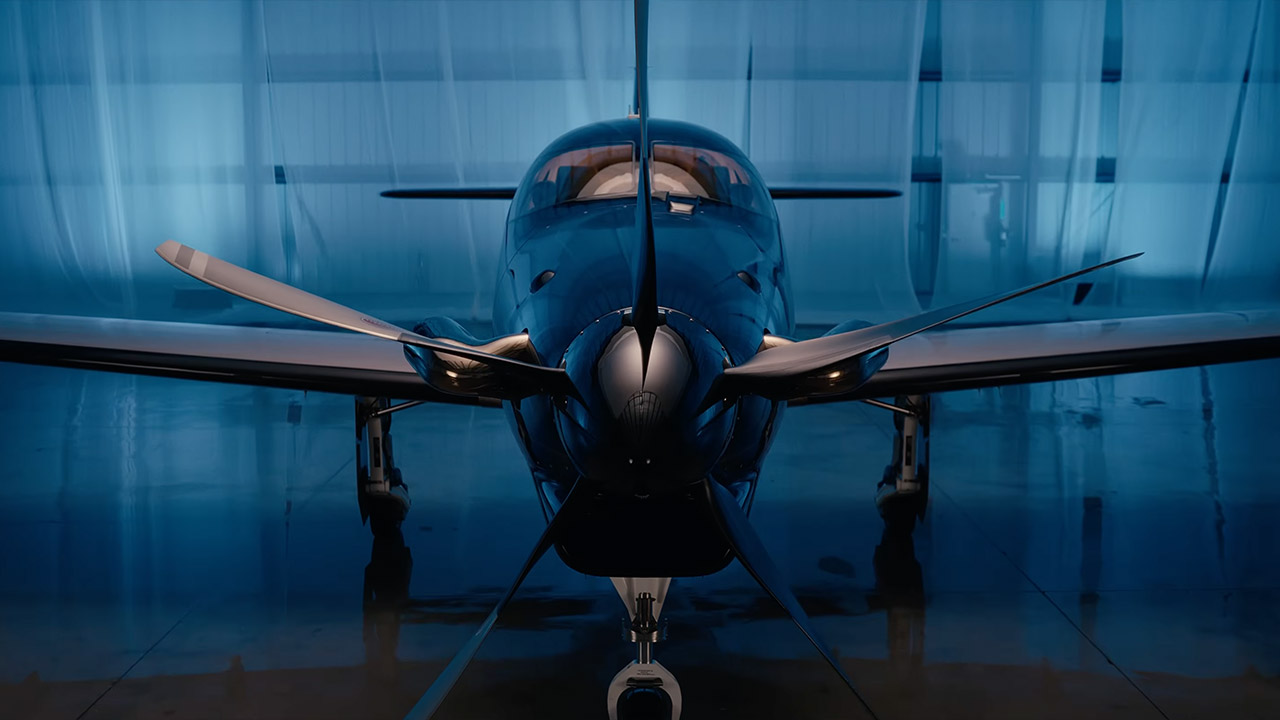
The real show stopper, however, is Garmin’s Autoland technology. If you activate it, either by pressing the ceiling button or because the system detects the pilot is in trouble, the aircraft will level the wings, select the best airport based on distance, runway length, fuel, and weather conditions, fly the approach, configure the plane, land, stop on the runway, and turn off the engine. It also follows proper air traffic control procedures and keeps passengers informed. The certified aircraft now has all of the necessary hardware and integration in place, but full operational activation is still pending regulatory certification, which is expected in the near future.
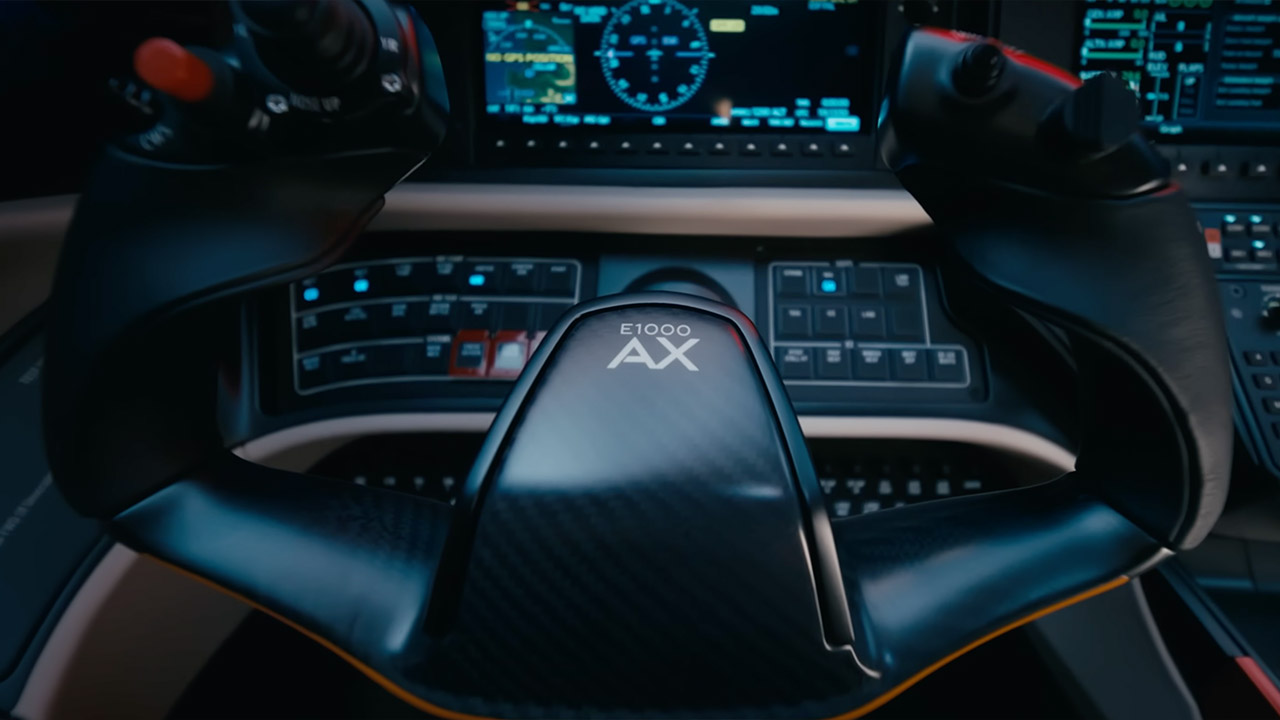
Even beyond that, several other modifications cut pilot workload even further. To keep the plane coordinated, an auto yaw damper is activated after takeoff and deactivated before landing. When you need to take a break, electronic brake hold prevents the aircraft from drifting about on the ground, and a radar altimeter allows you to see where you are in relation to the surface. If you want to go the extra mile, there is optional StormOptix weather radar and 3D SafeTaxi routing, which provide you with even more situational awareness on the ground and in the air. PlaneSync handles database updates automatically and allows you to monitor your aircraft remotely with no effort.
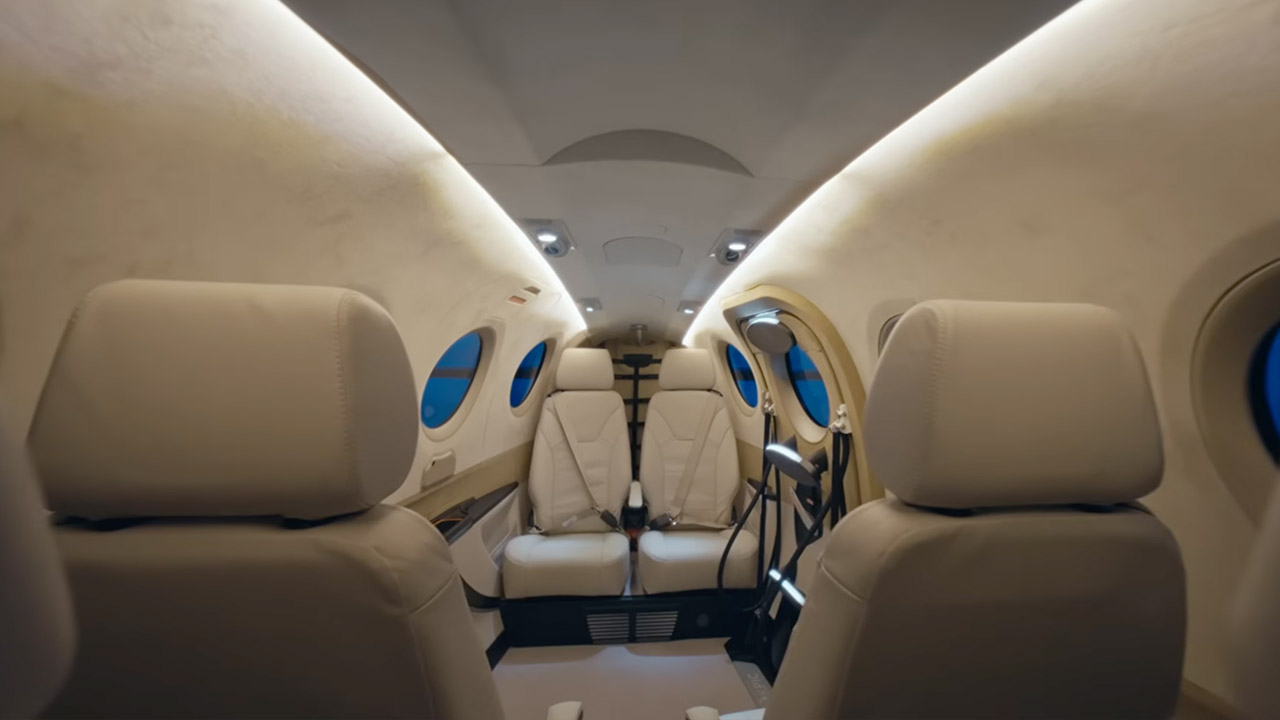
Inside the cabin, the aircraft has a lot of space for its class, especially when compared to its competitors in the six-seat single turboprop sector, which can sometimes seem tight. People who are 6’8″ or taller can fit rather comfortably up front. The CoolView windows across the cockpit and cabin have a specific gold coating that effectively blocks 73% of infrared heat. This also effectively reduces glare and UV exposure. It also includes high-speed internet via Starlink, making it an excellent choice for anyone looking to stay connected while in the air. Furthermore, True Blue Power lithium-ion batteries are an excellent improvement over outdated battery systems, providing improved performance, a longer lifespan, and less maintenance for the owner.
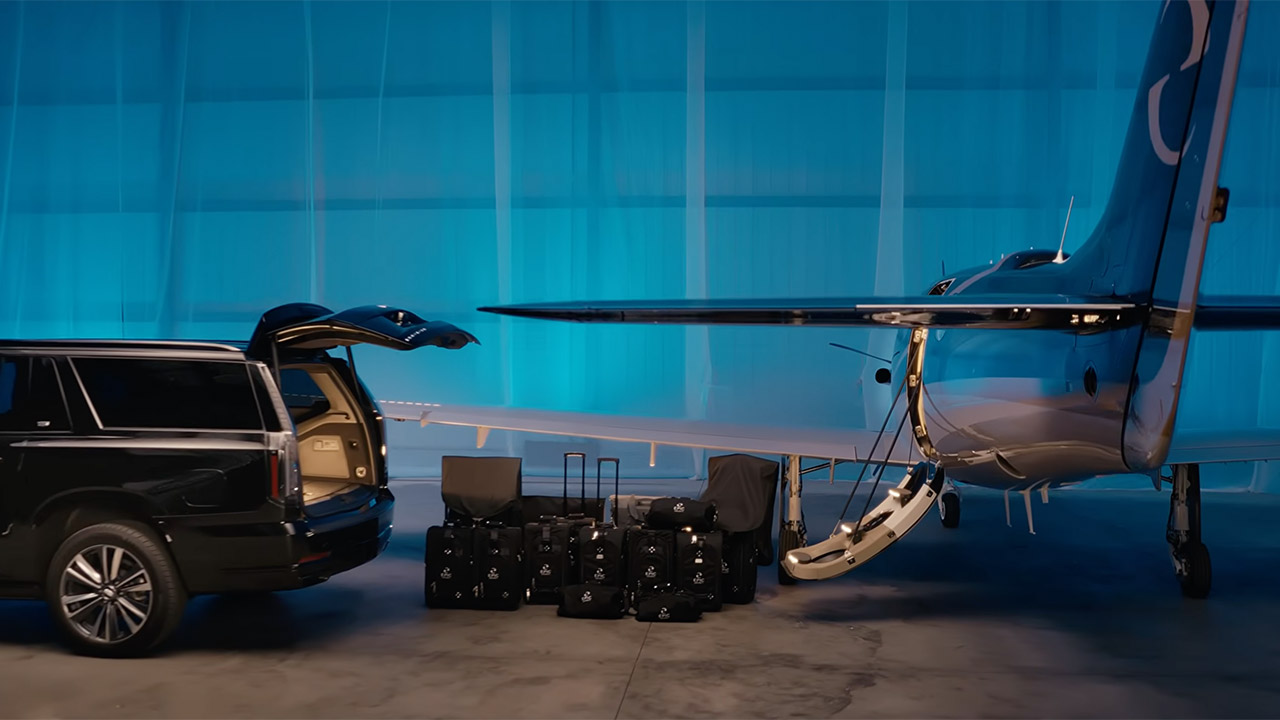
A well-specced E1000 AX will cost between 4.7 and 4.85 million dollars, depending on the options you choose. That puts it on par with other high-end single turboprops and some smaller light jets, but it does have some advantages. For one thing, it is much less expensive to operate than some of its competitors, and the fact that it just has one engine makes it much easier to manage for owner-pilots or pilots in small corporate flight departments.
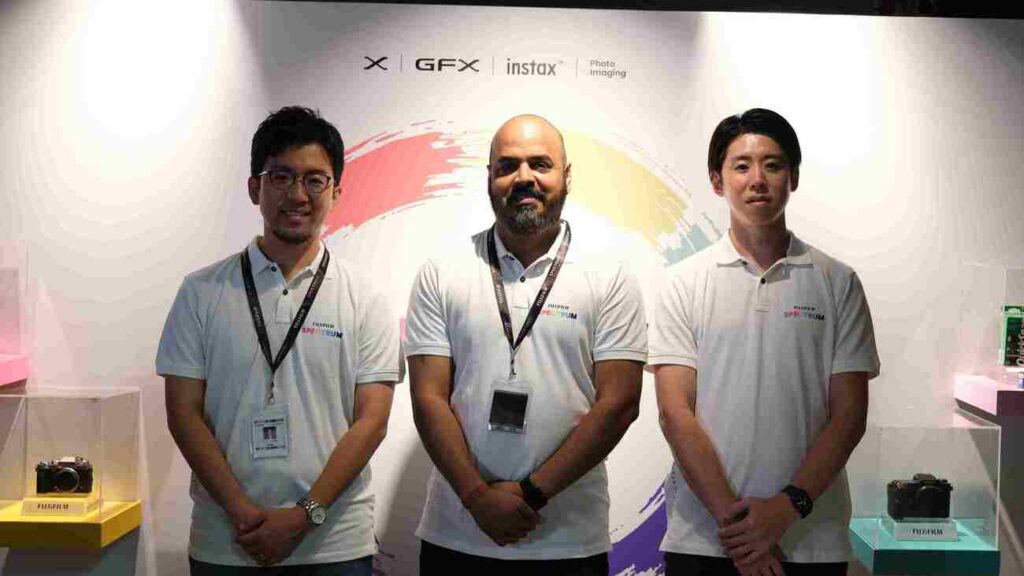
FUJIFILM India recently concluded its Spectrum India Tour 2026, a nationwide initiative designed to bring photographers, content creators, and visual storytellers closer to the company’s latest imaging technologies. Built around Fujifilm’s “Click to Print” philosophy, the event showcased the brand’s imaging ecosystem through hands-on experiences, product demonstrations, workshops, and interactive sessions.
The tour kicked off in Delhi-NCR at Museo Camera between June 18 and June 20, where attendees had the opportunity to explore Fujifilm’s latest cameras, lenses, and imaging solutions. The event featured interactive Touch & Try zones, live product demonstrations, and exhibitions highlighting Fujifilm’s portfolio across photography, videography, and printing.

One of the major highlights of the Spectrum India Tour was the opportunity for visitors to experience Fujifilm’s products firsthand. Dedicated Touch & Try zones allowed attendees to test cameras and lenses across a variety of creative scenarios, including vlogging, cinematography, portrait photography, travel photography, and street photography.
Visitors also explored Fujifilm’s premium GFX medium-format ecosystem alongside products from the broader Fujifilm lineup. The exhibition further showcased binoculars and other imaging products from Fujifilm’s partner brands, giving attendees a comprehensive look at the company’s imaging technologies.
Beyond product showcases, the Spectrum India Tour focused heavily on learning and skill development. The event hosted multiple masterclasses and visual storytelling sessions led by renowned Fujifilm X-Mentors, including Ashish Chawla, Abhimanyu Pandey, Dinesh Khanna, and Tarun Khiwal. These sessions covered both technical and creative aspects of photography, providing participants with practical insights into lighting, composition, portraiture, storytelling, and professional workflows.
FUJIFILM also introduced the Experience Passport Challenge during the event. Attendees could collect stamps by participating in various activities and exploring different experience zones throughout the venue. Those who completed the challenge became eligible for giveaways and other rewards. The initiative helped create a more engaging environment while encouraging visitors to explore every aspect of the exhibition.

Amazon has issued a steeper price drop on AirPods Max 2 leading up to Prime Day, with the over-ear headphones plunging to a record-low price of $399.
You can pick up AirPods Max 2 at a $150 discount at Amazon when you opt for the Starlight finish, which is the lowest price on record for the 2026 release. If you prefer another color option, Walmart is matching the $399 price across the line.
Easily compare prices across both in-ear and over-ear models in our AirPods and Beats Price Guide.
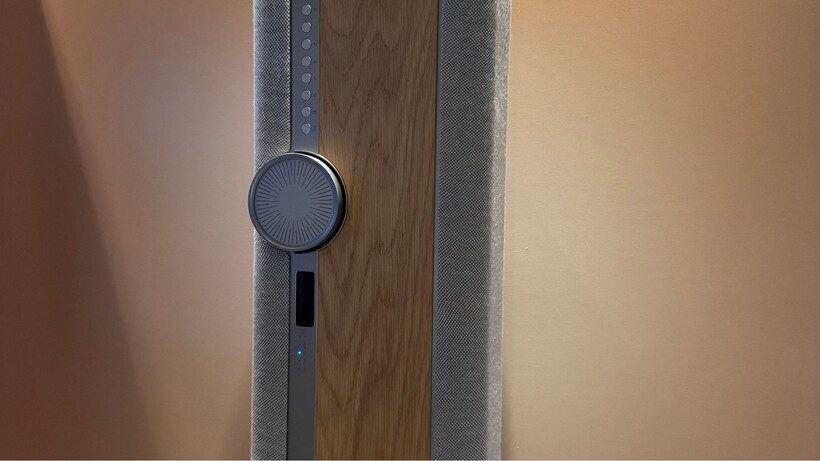
The world of premium all-in-one music systems has grown significantly in the past few years, with some of the biggest names in hi-fi adding their own take into their line-up.
Dali is the most recent of those brands, with its announcement of the Vega all-in-one wireless system. Now, I’ve had the chance to have a listen to it, and it’s got some pretty interesting tricks up its sleeve – but I think one of them in particular makes it really interesting.
For a start, as well as sitting on a piece of furniture, it can be wall mounted – and not just horizontally, but vertically too. Dali says there has been a lot of work done to ensure the Vega retains it character no matter how you listen to it, which is all down to something the company is calling its Adaptive Orientation Adjustment.
Developed in-house by Dali engineers, this uses a built-in accelerometer to detect the Vega’s position, with its stereo channel mapping automatically reconfigured on the fly if this changes. Custom EQ settings for each orientation have been created to ensure very similar sound across all orientations.

And it works. Or certainly, that was my experience when I heard it on the show floor at High End Vienna. Therefore the usual trade show caveats apply, but as it was rotated for me on moving wall-mount (a party trick for the show – the wall-mount that comes in the box is fixed), I was really impressed with not just how steady it holds its sonic profile, but how uniformly its sound is pushed out into the room too.
Considering how drastically the layout of the Vega’s left and right channels change as its position moves, that feels like an achievement. I’m still not wholly convinced that many people are looking at installing this vertically, but if you’re short on furniture and wall space, perhaps…

However, I was also suitably impressed by another bit of Dali-developed technology, namely its Adaptive Stereo Enhancement (ASE) – but perhaps not for its main use case.
The aim of ASE is to ensure all recordings can fill a room, by dynamically applying stereo widening depending on the details of the input signal. It does this by upmixing the stereo input into five channels, then analysing the results to decide how much – or little – ASE is required.

That means that if you’re listening to a jazz trio, for example, the ASE would – if switched on, it is optional – kick in stronger to make that more simple sound have a similar stereo presence to a full orchestral arrangement.
While certainly effective in a show floor environment, I generally don’t like any additional processing on my music, so on the surface I’m not sure how much use I would get from it at home. Where I think it could be much more interesting is with movies.

While Dali is very clear it does not consider the Vega a soundbar, it does have an HDMI eARC input, meaning connecting it to your TV is a possibility. And when I got to hear the ASE effect switched on for a Netflix stream of Lord of the Rings: The Return of the King,it made all the more sense to me. The immersive widening effect was really quite convincing, and only makes the Vega more compelling as a soundbar replacement.
It’ll take a full review to see if these first impressions ring true in a home environment, of course, but if the Dali Vega can take over a number of jobs in my living room, it’ll certainly make its £2,599 asking price all the easier to swallow.

Ripple effect: If you own a current-gen console, there’s a chance you’re one of many people who have booked time off work on November 19. That’s when GTA 6 launches, and one company is apparently going to be so impacted by the number of missing employees on that day that it’s issuing an operational pause.
Automotive parts and tuning company Burger Motorsports posted what it says is an Internal Company Notice on Instagram recently.
Addressed to all staff, customers, dealers, and partners, it states that after reviewing multiple employee scheduling conflicts, management has decided that normal business operations may be impacted due to the release of Grand Theft Auto 6.
The message adds that several team members have already notified management that they will be unavailable, unreachable, and/or “in Vice City” for the duration of the day.
The letter ends thanking readers for their patience and understanding during this “unprecedented cultural event.”
Given that Burger Motorsports chose to publish this notice on Instagram, there is a chance that it’s merely a publicity stunt (which has worked). But there’s no denying that plenty of businesses will be short-staffed come November 19.
In related news, a new GTA 6 teaser has dropped, though the only things it reveals are the game’s cover art and the preorder date. Anyone who wants to secure a copy ahead of time – and there are likely to be plenty – can do so from June 25.
The cover art, meanwhile, follows the same design and style as the other titles in the series, going all the way back to GTA 3 in 2001. Interestingly, one element that has remained in place for the last quarter of a century is the inclusion of a helicopter in the top-left panel of the grid – though it wasn’t included in international versions of GTA 3.
For PC players, of course, November 19 is going to be like any other day. A version for the platform still hasn’t been announced. According to Take-Two CEO Strauss Zelnick, the reason is because PC gamers aren’t the series’ “core” audience and they spend less on GTA Online.

A hot potato: Remember the excitement in the build-up to Cyberpunk 2077’s release? CD Projekt Red had whipped the gaming world into a frenzy, only for it to become one of the biggest disappointments of all time. Not everyone thinks the studio has fully redeemed itself in the six years since then, including co-CEO Michał Nowakowski, but he believes those fans will be won back by The Witcher 4.
The Cyberpunk 2077 story is a familiar one. Following the disastrous launch in 2020, CDPR released numerous patches, eventually giving us the game we were expecting. The brilliant Phantom Liberty expansion briefly pushed Cyberpunk 2077 to an Overwhelmingly Positive rating on Steam, something unimaginable a few years earlier.
In an interview with Edge, Nowakowski talked about how “heartbreaking” the launch of Cyberpunk 2077 was for the team and fans. And while you’d expect him to be happy about the way things turned out, the co-CEO has regrets.
“I’m not 100 per cent convinced we went through the full redemption arc,” Nowakowski said. “I’m convinced that we lost the faith of some people indefinitely, and that’s a fair thing.”
But Nowakowski hopes that the wildly anticipated next Witcher game and other titles from CDPR will help win back those who’ve turned their backs on the Polish company.
One person who might not be won back so easily is Thomas Mahler, Moon Studios founder and director of the Ori series. In 2021, he blasted game designers who make big promises about upcoming titles only for consumers to be disappointed upon their release, calling them “snake oil salesmen.” He also questioned why players forgive them so easily.
“The entire CDPR PR department took all the cues from what worked for Molyneux and Murray and just went completely apesh*t with it,” Mahler wrote at the time. “Every video released by CDPR was carefully crafted to create a picture in players’ minds that was just insanely compelling. They stopped just short of outright saying that this thing would cure cancer. This strategy resulted in a sensational 8 million pre-orders.”
We still don’t know when The Witcher 4 will arrive, but CDPR recently announced a surprise third expansion to 2015’s The Witcher 3. Songs of the Past arrives next year, and, much like it did with Cyberpunk 2077 ahead of the Phantom Liberty expansion, CD Projekt is increasing the minimum PC requirements for the base game.
Cyberpunk 2077 isn’t the only game that has experienced a full redemption arc, at least in most people’s eyes. Sean Murray, founder of Hello Games, the studio behind No Man’s Sky, hyped NMS so much before release that the studio received death threats when it was delayed by around six weeks.
But that excitement turned into disappointment after the game arrived with missing features, bugs, and other issues. The discrepancy between what we were promised and what we got led to an investigation by the UK’s advertising standards agency and Valve requiring actual in-game screenshots for Steam listings.

Like other online travel booking services, Priceline helps you compare offerings and rates for everything travel-related, like airline tickets, and hotel stays. Growing up, I always referred to singer/starship captain William Shatner as the annoying guy from Priceline, much to my grandmother and father’s horror. But, you have to admit, the ads were memorable and convincing, even if it did become Shatner’s legacy to a new generation. No celeb endorsement is needed to save with our Priceline promo codes, though. We update our Priceline coupons regularly to help you be a budget-friendly traveler, with Priceline coupon codes for dollars off car rentals, last-minute hotel bookings and other select discounts for (nearly) everything travel-related.
Summer means vacay and the best summer sports events are in full swing. With Priceline’s Fan Fest Getaways, you can get up to 60% off stays in host and watch party cities for the world cup, as well as various discounts in sports-centric cities, for stays as short as one match-day, to weekend-long celebrations. You can get $20 off your next trip when you use Priceline coupon code FANFEST, on everything travel-related, including hotel, flight, or rental car deals.
One of the easiest ways to save big on travel with Priceline is to sign up for VIP rewards. Sign up is free and includes tons of perks like best price guarantee, exclusive savings on hotels, rental car discounts, insider coupons, and more.
Early on, Priceline first became known for its “Name Your Own Price” system, where travelers would set their budget for airline tickets, hotel rooms, car rentals, and vacation packages. Details like the exact hotel were only shared after your credit card was charged, with no ability to cancel. This lives on, sorta, with Priceline’s Express Deals promo which shows up in the results for certain searches. Where, right now, you can get 10% off Express Deals when you sign up for VIP rewards.
Express Deals give you limited-time rates of up to 60% off on hotels, flights, and car rentals. Like the “Name Your Own Price” system, because of the extremely discounted rates of these deals, some details are hidden until after booking and are non-refundable.
To get the 10% off Hotel Express Deals, all you have to do is simply sign-up for Priceline emails. Your custom code will be sent straight to your inbox. For these Priceline Hotel Express Deals, the customer must sign in, use the search tool to find valid hotels with the Express Deals badge, and apply code at checkout to save big (and stay bad and bougie) on your next vacay.
We know travel can be egregiously expensive. That’s why we at WIRED rigorously test each Priceline coupon to make sure you’re getting those promised discounts on important travel details like flight, rental cars, and hotel bookings. Priceline sometimes had blanket deals, like 10% off promo codes when you sign up for emails. But some of Priceline’s best discounts are tied directly to the booking type you select. Savings fluctuate between Hotel Express Deals, Flight Express Deals, bundles, and VIP-exclusive rates, so make sure you’re checking to get the best deal for the type of booking you want to make.
The most effective method this month is the WIRED Priceline Booking Type Check:
If you’re like me, someone who wants to book for way less but doesn’t necessarily care about brand type, you may want to check out Priceline express deals. With this, there are exclusive Priceline discount code deals which offer “blind-booking” savings. This means that to get express deals, which often save 40-60%, you’ll book your room or flight without knowing the specific brand until after purchase.
With a ‘Hot Deal’ Priceline discount, you can get massive discounts on your next warm weather getaway. This means up to 99% off hotel bookings for destinations like Cancun and Maui. If you’re like me and in desperate need of sandy beaches at a fraction of the cost, explore the ‘Hot Deals‘ available right now, like $1,000 off hotels in Cancun and Maui (expires July 8), or if you want to stay within the Lower 48, Priceline has a deal for $500 off stays in LA hotels (expires July 6).
Make sure you check back often as we’re continuously updating Priceline promo codes, including massive savings with flash events like the “4-Day Cruise Flash Deal,” which give up to $1,250 to spend at sea after you book on top cruise lines. Happy sailing!
Oftentimes, the thing that makes travel pricey are the smaller expenses that stack up over time, like rental cars. You can greatly reduce upfront booking costs with a Priceline rental car promo code for immediate savings on vehicle bookings, including this Priceline coupon for $10 off your rental car booking.
When you’re a student, you’re often not in the position to have extra funds to travel. Priceline wants to close that gap of inaccessibility, by providing a Priceline student discount through verification by Student Beans. And there are tons of student-specific Priceline discount codes for specific Spring Break travel destinations and dates. Plus, students can maximize benefits through Priceline’s VIP Rewards program.
Priceline wants to reward members of the military, with Priceline promo code for American Forces Travel members. Once you verify your military service membership, you can save up to 50% on your next hotel stay and other exclusive travel discounts.
Booking travel and figuring out logistics, including flight delays and car rentals, can be a lot. That’s where Priceline customer service steps in. You can contact Priceline customer service securely anytime. Make sure you contact Priceline through official communication channels only, which are listed on the website and within apps directly. The fastest method of support is the 24/7 chat.
One of the best ways to save on your vacation this summer is by using the Priceline app. With the Priceline app, you can get 10% off when you purchase in-app, and 5% off on-site when you purchase any Hotel Express Deals (up to $50 in savings) with Priceline promo code SUMMERSTAY. Act now to save big on primo summer destinations like Florida, California, and Tokyo.
Soccer (or futbol) fans, rejoice! The World Cup is upon us yet again, and Priceline is offering 40% off stays near the world cup matches. With up to 40% off stays, these savings are based on “the average nightly price of hotels in nearby cities compared to the average nightly price of hotels in the primary city for the same travel period.” You can get massive savings on select package deals sitewide when you book a hotel and flight or car together. So whether you’re watching the World Cup games in Atlanta or Los Angeles, you can save big while you cheer on the beloved game.
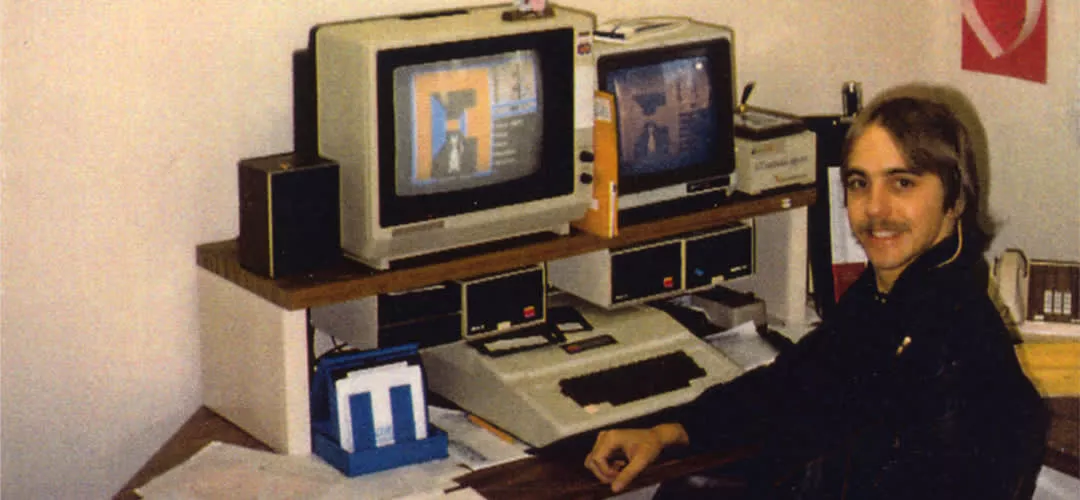
Looking ahead: Two quiet moves – one from EA, one from Ultima’s creator – could end up reshaping what the series looks like in the years ahead. Electronic Arts recently filed new trademarks tied to Ultima, the long-running RPG series it acquired in 1992 and has mostly left dormant since. The filings don’t point to a specific project, but they do show EA is still actively protecting the Ultima name. Around the same time, Ultima creator Richard Garriott has been working to a different kind of schedule, one set by the quirks of US copyright law.
Garriott says he has tried several times over the years to bring Ultima back with EA’s help, but each effort stalled before anything concrete happened. “Every decade or so, I tried to work with EA on a revival of Ultima,” Garriott told Inside Games’ Brian Gaar. “They always seemed interested enough to start talking, then abandoned talks just as quickly.” Beyond those stalled talks, he’s now looking at other ways to move forward.
Under US law, creators can move to reclaim certain rights to their work 35 years after they transferred them. EA acquired the rights in 1992, making 2027 the first year Garriott can act on that 35-year rule. “And so, I have been waiting… finally, the time has come!” he said.
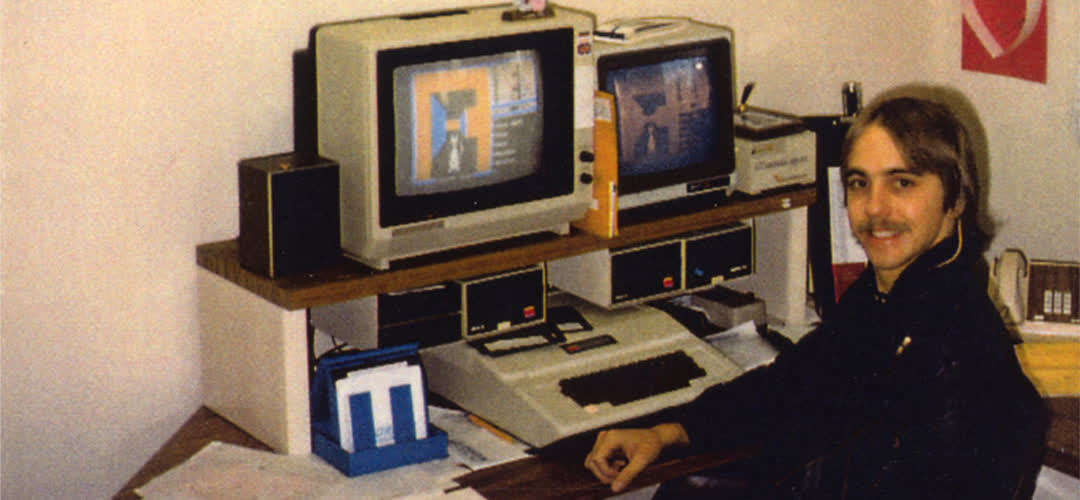
The wrinkle – and the part that matters most for how any future game actually gets built – is the way copyright and trademark split in this case. Even if Garriott regains the underlying rights to his original work, EA would still control the Ultima name and associated branding through trademark protection.
In practice, that could leave Ultima heading in two directions at once.
Garriott could build a new project based on elements he originally created for the series, but he wouldn’t be able to release it under the Ultima name. EA, for its part, would remain free to launch or license games under the Ultima brand, with or without Garriott’s involvement.
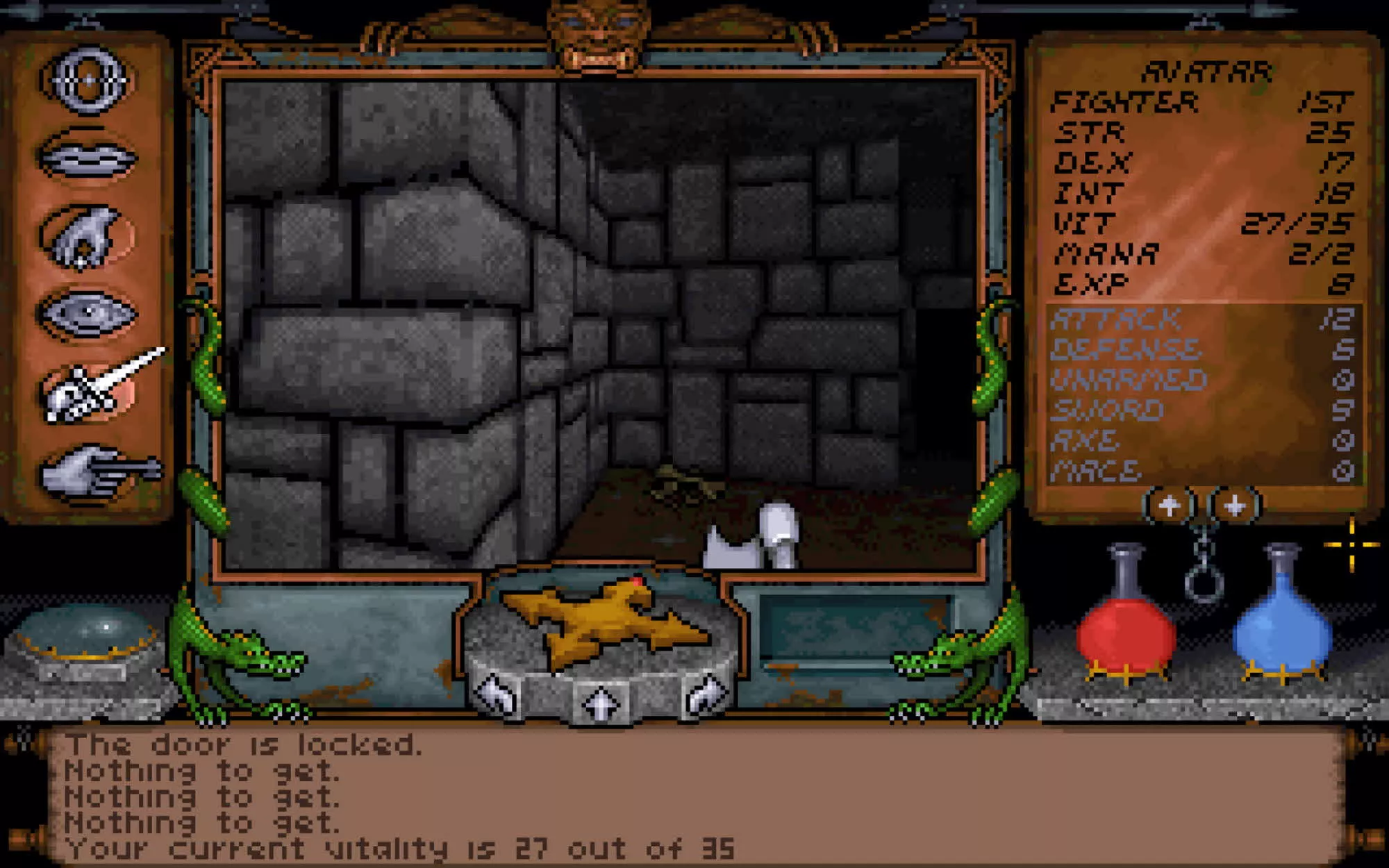
Garriott has hinted at how he’s thinking about that challenge: “‘Lord British’s Ultima’ will regain all the copyrights of my original work. What it will become is the next challenge.” Taken at face value, he seems more interested in reworking his old ideas than simply slapping the same logo on a new box.
That distinction matters. Ultima has been around for more than 40 years, and the series has already gone through long stretches of quiet followed by resurfacing in new forms. If Garriott does move ahead, he’ll need to decide what “Lord British’s Ultima” actually looks like in practice, a question he hasn’t yet answered publicly.

At the same time, EA’s trademark activity raises a separate set of possibilities. If EA does more with the trademarks, any new Ultima-branded project could look very different from the older games, though the company hasn’t said what it has in mind. Whether that happens remains unclear, but the filings suggest the IP hasn’t been shelved for good.
For now, neither side has laid out concrete plans. Garriott is expected to appear at Dragon Con later this year, where he said he hopes to have “more thoughts together about what that will actually mean.” Until then, both paths remain speculative.
Still, the setup is hard to ignore. It’s rare for a legacy franchise to reach a point where its original creator and its current owner can move forward at the same time, but under entirely different constraints. If both efforts materialize, Ultima could end up existing in two forms – one tied to its name, the other to its original design philosophy.




Crude Oil Plunges Over 4% as US-Iran Agreement Reopens Hormuz Strait
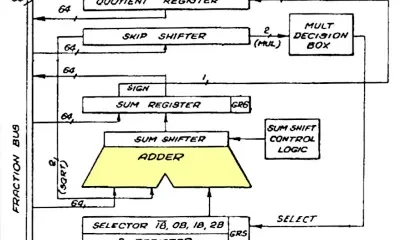

The Adder At The Heart Of Intel’s 8087 FPU


Weekend Open Thread: Miami – Corporette.com

Wall Street Week Ahead: Investors see Micron earnings as pulse check of AI rally momentum


HIVE shares jump as $220M AI deal speeds Bitcoin mining pivot


FIFA World Cup 2026: Canada beat 9-men Qatar 6-0 to register first ever win | FIFA World Cup 2026


Jake Chervinsky accuses CME of protecting derivatives monopoly


MHP SE 2026 Q1 – Results – Earnings Call Presentation (OTCMKTS:MHPSY) 2026-06-20


Anthropic’s Dario Amodei Urged AI Unity at G7, Even as US Banned His Models


Brexit cost 6% of UK economy, Bank of England company data suggests


Soccer-U.S. defends Iran World Cup travel restrictions, says discussions ongoing

Can Charles Hoskinson Really Rescue Cardano?


Weeks Of In-The-Field Testing And A Verdict


Andy Burnham and the meaning of Makerfield

Adobe adds its AI assistant to Premiere, Illustrator and InDesign

Iren (IREN) Stock Surges on Jefferies Buy Rating: AI Infrastructure Play Gains Momentum


Renter of Home in Anne Heche Crash Denies Settlement With Son


BBC Reporter Discusses Cross Party Criticism Of Trumps Iran Deal


Instagram Now Lets You Add A Unique Caption To Each Carousel Slide


Nightcore – MONEY ON THE DASH (Soft Rock Version) (Lyrics)



You must be logged in to post a comment Login