
TL;DR
A Pew survey of 5,119 US adults finds 49% use AI chatbots but 40% say AI will hurt society, 67% distrust government regulation, and 59% distrust companies.





In 2012, a new form of bootkit was demonstrated. Instead of targeting machines through the BIOS or master boot record, one such bootkit attacked Mac OS X systems by infecting the EFI, a package of firmware that started the boot process. A second very primitive bootkit targeted Windows 8 machines by infecting the UEFI bootkit, the predecessor to the UEFI. Around 2013, a researcher demonstrated a more advanced UEFI bootkit for Windows named Dreamboat.
The first known case of a real-world attack targeting the UEFI came in 2018 with the discovery of malware dubbed LoJax. A repurposed version of legitimate anti-theft software known as LoJack, it was created by the Kremlin-backed hacking group tracked under names including Sednit, Fancy Bear, and APT 28. The malware was installed remotely using malware tools that can read and overwrite parts of the UEFI firmware’s flash memory.
In 2020, researchers unearthed the second known instance of real-world malware attacking the UEFI. Each time an infected device rebooted, its UEFI checked whether a malicious file was present in the Windows startup folder and, if not, installed it. Researchers from Kaspersky, the security provider that discovered the malware, named it “MosaicRegressor.” Researchers have yet to determine how the compromised UEFIs became infected. Since then, a handful of new UEFI bootkits have come to light. They are tracked under names including ESpecter, FinSpy, and MoonBounce.
In response to the more menacing threat of UEFI bootkits, Microsoft worked with device makers to develop Secure Boot, an industry-wide standard that uses cryptographic signatures to ensure that each piece of firmware loaded during startup is trusted by a computer’s manufacturer. Secure Boot is designed to create a chain of trust that prevents attackers from replacing the intended bootup firmware with malicious firmware. If a single link in the startup chain isn’t recognized, Secure Boot will prevent the device from starting.
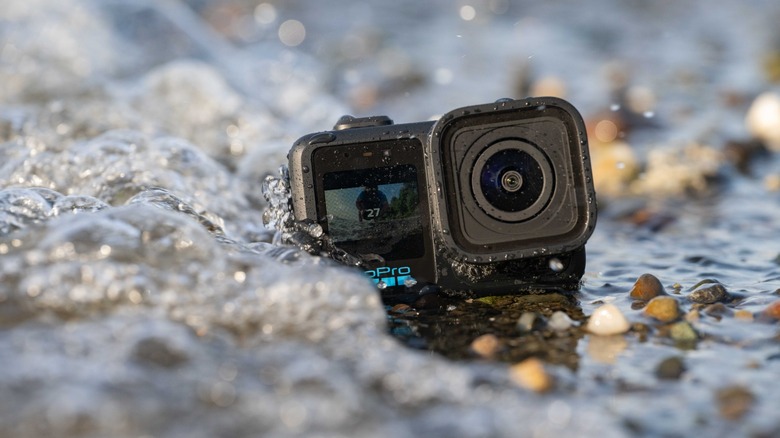
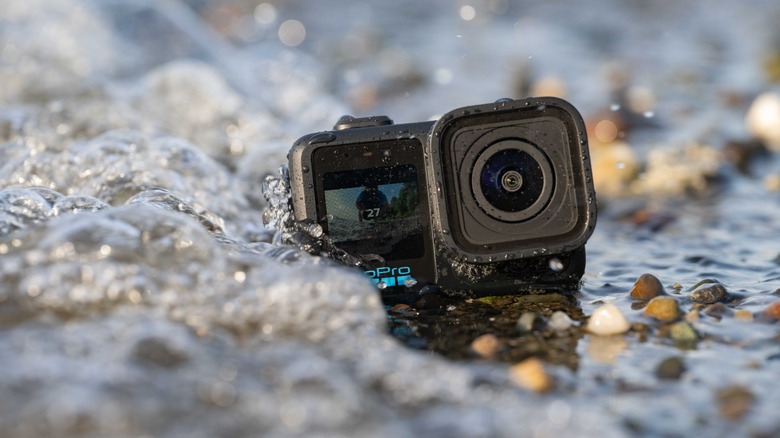
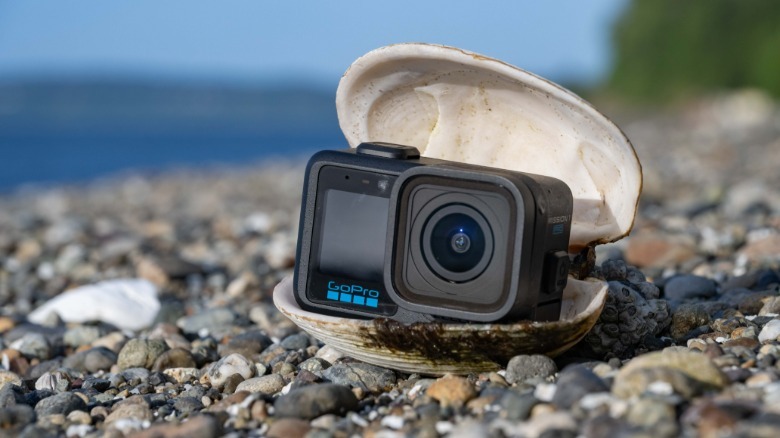
When GoPro didn’t launch their annual Hero camera last year, it was clear they were cooking up something special — now we finally get to see what they’ve been working on all this time, and whether or not all that R&D has paid off. On paper, everything about the GoPro Mission 1 Pro represents a massive leap over every GoPro that’s come before it, and that’s exactly what GoPro needed to do right now.
The 1-inch size sensor alone is enough to get me excited, but it’s important to note that it’s paired with a new processor that greatly expands what the camera is capable of. While the Mission 1 Pro is superficially very similar in appearance and form factor to the Hero line of cameras, they have supercharged everything under the hood. This is actually pretty important, as it means the Mission 1 Pro can potentially fill the same role as a standard action camera while delivering what should be a much higher level of quality. However, it was necessary to thoroughly test the Mission 1 Pro (provided by GoPro for this review) to see if it lives up to all the hype.
With a new 1-inch sensor and an upgraded processor, the Mission 1 Pro is absolutely the generational leap that GoPro needed in terms of imaging capability. Put simply, the video that comes out of this thing looks great, and so do the photos. It can shoot at up to 8K at 60fps, as well as 50MP still images. You can definitely still tell that this is action camera footage, but that GoPro look is still part of the appeal of a GoPro camera.
The camera has enough dynamic range that I never encountered a scenario where it suffered from serious overexposure, and this is the first GoPro camera I’ve used that delivers decent results after sunset. It is particularly well suited to capturing starlapses, being able to last on a single battery throughout most of the night, though at the time I was testing it the short nights and bright moon were not conducive to impressive imaging of the stars.
 Andy Zahn/SlashGear
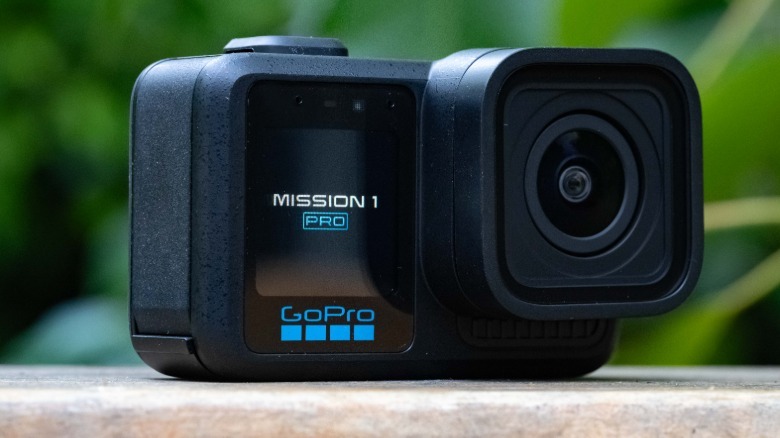
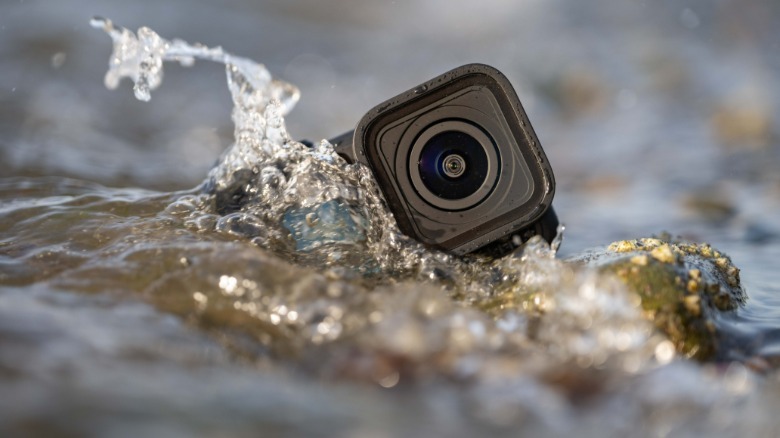
The downside here is that the fixed focal length of the Mission 1 Pro is not as close as the Hero 13, which took some adjustment to get used to. Also, the f2.8 aperture of the lens is a bit on the dark side, and I wish it featured a variable aperture as well. These caveats are likely a result of design restrictions, and while I think GoPro should implement closer focus, a variable aperture, and brighter aperture in the next generation of the Mission 1 series, it is worth noting that the optical design of the lens is of comparatively superior quality.
 Andy Zahn/SlashGear
After weeks of in-depth testing, extensive comparison to other cameras, and a lot of pixel-peeping, I believe the GoPro Mission 1 Pro features the best image quality of any camera in this genre.
One of the real highlights of my time with the Mission 1 Pro was filming using the extreme slow motion features of the camera. Going into testing the camera, I was excited for the 4K 240fps capability, but was skeptical of the 1080p 960fps recording. Often, lower resolution ultra-high framerate recording is too low quality to be much more than a novelty. However, with the Mission 1 Pro, I was surprised to find that the 960fps looks amazing, even on my large desktop monitor. It’s obviously still kind of mushy, compared to the 4K output, but it is by far the best ultra-high framerate recording I’ve personally used in a camera. You can only record 10 second clips at 960fps, but when you slow them down to 30fps, those 10 second clips extend to over 5 minutes long!
The 4K 240fps is great if you want to prioritize image quality, but still get really impressive slow motion, while recording without a time limit. The camera even does 2X slow motion in 8K at 60fps, though if I’m recording 8K at 60fps, it is for the high level of realism that such high framerate, high resolution footage yields.
It would be nice if GoPro could add some extra features here, perhaps through GoPro Labs, such as the ability to do pre-capture in ultra slow motion, and capture higher bitrate 960fps footage, even if that means only being able to shoot a couple seconds at a time. Being able to shoot high bitrate 960fps video with pre-recording could potentially deliver incredible results.

Normally, I rarely use an action camera to capture still images. It’s typically a nice capability to have, but between the ultra wide angle and what is usually less than amazing image quality, it’s not a function I often take advantage of. However, as I’m wrapping up this review, I’m surprised by how much I’ve enjoyed taking photos with the Mission 1 Pro due to how great those photos look.
 Andy Zahn/SlashGear
 Andy Zahn/SlashGear
 Andy Zahn/SlashGear
With the ability to capture 50MP RAW images, the Mission 1 Pro is able to deliver the sort of detail I expect from cameras these days, and I appreciate that it doesn’t aggressively sharpen or saturate the images, even in the case of JPEGs. Of course, it’s still an ultra-wide angle view, but often that’s exactly what you want. There’s a reason most phones these days feature an ultra-wide angle lens in their camera array. In my case, I am often shooting with longer lenses; super telephoto wildlife lenses, macro lenses, fast primes lenses, or even just standard range zooms. Having the Mission 1 Pro in my pocket gives me an ultra wide option that doesn’t mean swapping lenses and carrying heavy/bulky extra gear.
I had expected the Mission 1 Pro to be much larger than it is. The lens protrudes more than the Hero 13, but other than that it is about the same size. This is excellent, as it meant I was able to use the Mission 1 Pro as I would any other GoPro. One key upgrade is the buttons, which have been redesigned to be easier to press when wearing gloves, and to enable the camera to dive farther underwater (up to 20 meters). I love the tactility of these new buttons, and they are very clearly superior to anything that’s come before.
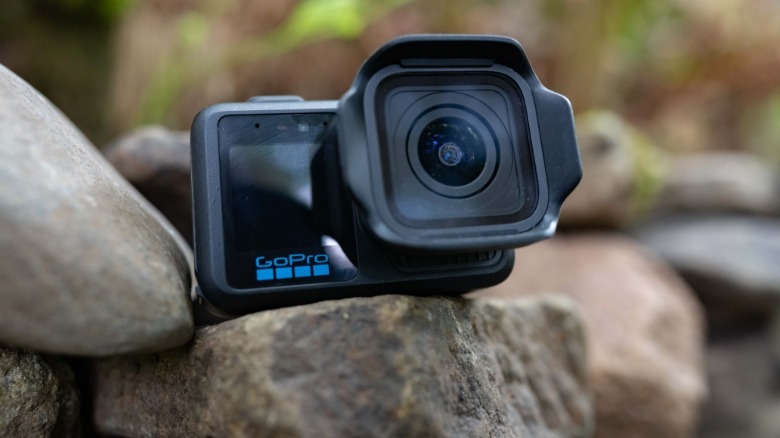 Andy Zahn/SlashGear
The Mission 1 Pro also comes with a rubber lens hood, which I recommend using whenever possible. Without it, the lens is prone to flaring in the presence of bright night sources, but with the lens hood this is solved entirely, and as a result, if you’re using a lens hood, the Mission 1 Pro exhibits less flaring than any other action camera. It fits on securely too, and won’t fall off easily.
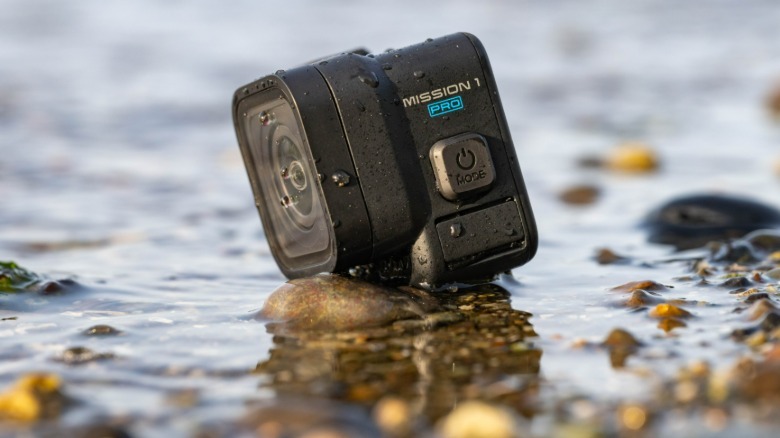 Andy Zahn/SlashGear
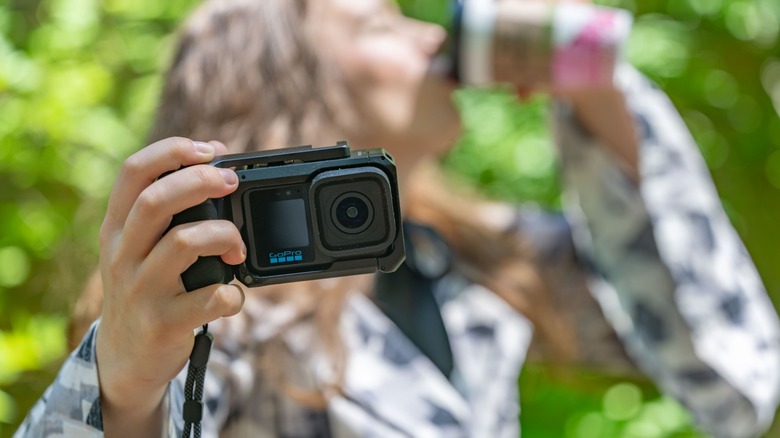
I also had the opportunity to try out GoPro’s new grip cage for the Mission 1 Pro, which essentially transforms it into a point-and-shoot, making it much easier to shoot handheld. I very much enjoyed using this while hiking or out walking, grabbing B-roll or taking photos.
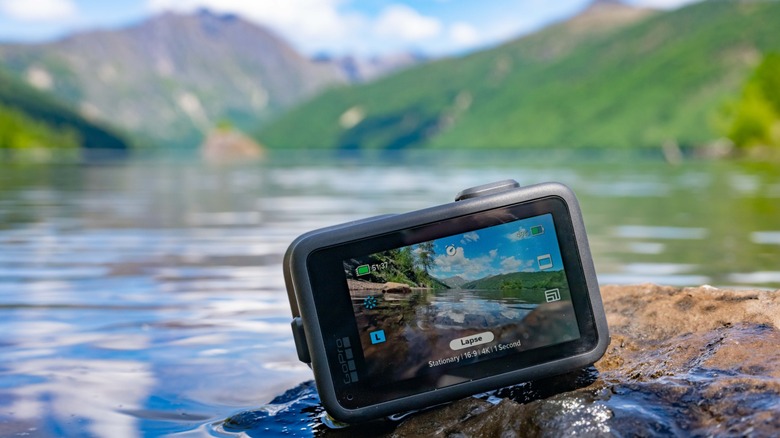
The new menu system of the Mission 1 Pro is really user friendly, yet it still retains all the customization options which I’ve always appreciated in GoPro cameras. You also have the ability to expand the camera’s capabilities through GoPro Labs, including crazy high bitrate options.
The GoPro companion app, Quik, is excellent, though a bunch of key features are locked behind a subscription paywall. At $59.99 per year, it gains you access to such features as unlimited and automatic cloud backups of your GoPro footage, so it’s actually a good value, but the integration of the subscription into aspects of the app is frustrating if you decide not to purchase that subscription.
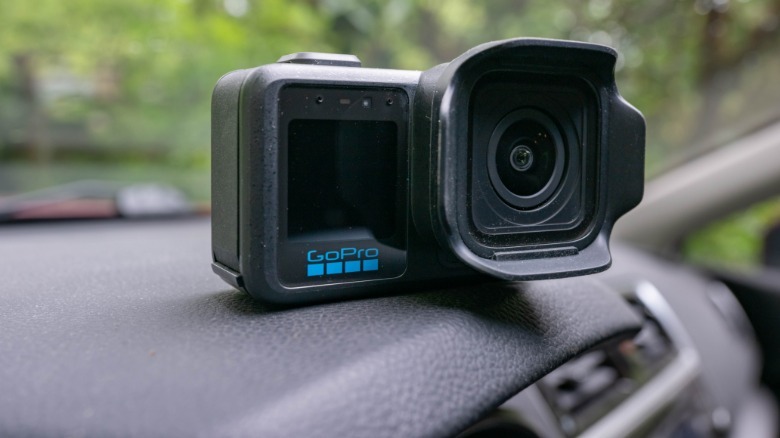 Andy Zahn/SlashGear
My biggest gripe here is that a firmware update is required before first using the camera. Fortunately, there isn’t any requirement to register the camera or bind it to an account, but it is disappointing to not be able to use the camera straight out of the box without first going through the firmware update. This was an aspect of GoPro cameras for which I have frequently praised them in the past. I hope that they will ship the camera with more current updates later on in its production, and allow users to bypass the firmware update requirement.
Over the years, one frequent complaint leveled against GoPro cameras was a tendency to overheat in warm conditions without airflow. I personally never really experience overheating with GoPros, but then I live in a region that’s generally pretty cool, and I mostly test GoPros outdoors in fast moving environments, or doing timelapse photography. However, with the Mission 1 Pro I decided to really put its battery life and heat management capabilities to the test.
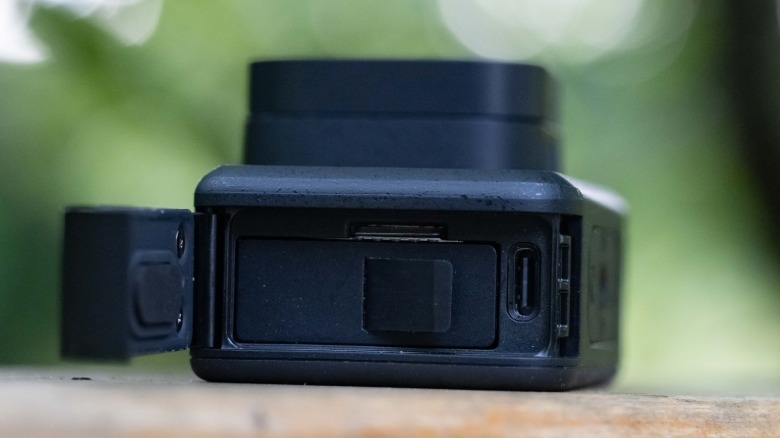 Andy Zahn/SlashGear
I took the camera along to multiple live music recording sessions, where I set it down to record the whole show. For one of these shows, I recorded over an hour of 4K 30fps 10-bit footage shot at a high bitrate, yet the camera was only mildly warm afterwards. What’s more, it still had 22% of its battery left. That is very impressive indeed, and I am fairly confident that GoPro has finally escaped such criticisms.
Regarding those recordings, I was blown away by the audio quality of the microphone array in the Mission 1 Pro. Since I reviewed the Nikon Zr, its internal microphones have been my primary tool for recording live music. I was shocked to find that the Mission 1 Pro is very nearly as good in this regard as the Nikon Zr, and even has some characteristics to its microphones that I prefer. GoPro has finally integrated 32-bit float recording here too, so you can easily adjust volume in post and not worry about the volume of what you’re recording.
The Mission 1 Pro is going up against some formidable cameras. The DJI Osmo Action 6 and Insta360 Ace Pro 2 are both very good, and have their own unique features which make them appealing options.
The Osmo Action 6 has a brighter aperture at F2, so does deliver a small improvement in low light conditions. It also features a variable aperture, which helps with controlling light transmission, as well as delivering cool sunstars.
The Insta360 Ace Pro 2 benefits from a particularly well developed modular accessory system. It’s also the only action camera with a flip-up rear display, which is great for filming at an angle or for vlogging.
However, the GoPro Mission 1 Pro is miles better for slow motion video capture. Another big advantage is the mounting system, which is superior to the others due to its integrated ¼-20 screw mount and action camera fingers. The DJI and Insta360 cameras are both fully reliant upon magnetic quick release systems, which just aren’t as convenient and dependable.
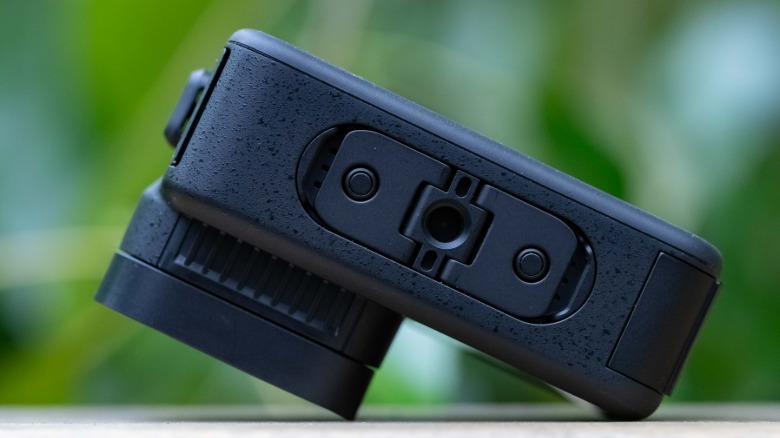
Additionally, after closely analyzing a mountain of comparison footage I filmed between these cameras, I came to the conclusion that GoPro wins overall in terms of image quality. The Mission 1 Pro delivers more natural looking and detailed imagery than the Ace Pro 2 and Osmo Action 6. While DJI and Insta360 may look superficially more appealing in some scenarios, this appears to be largely a result of more aggressive processing algorithms.
The Mission 1 Pro starts at $699, and there’s no getting around the fact that this is a very high price point. While I believe it is in fact worth the money, it’s still a lot of money for many people to spend. However, there are some factors which may help alleviate that cost. For a start, existing GoPro subscribers get $100 off the price of the camera, which brings it down to a significantly less painful $599.
It’s also worth noting now that there is a less expensive model of the camera called the GoPro Mission 1 (no “pro” on the end), which starts at $599, and with a GoPro subscription discount is just $499. This non-pro camera scales back on the slow motion capabilities (8K 30fps, 4K 120fps, 1080p 240fps), but is very nearly as good as the “pro” model, and at a price that’s much closer to other action cameras on the market.
It’s worth noting that it is likely these cameras are more expensive now than they might have been due to the shortage of components, which is a consequence of the generative AI data center boom. Existing products which were launched before component prices shot up still have large stockpiles available, which helps to account for the price disparity between a new camera like the Mission 1 Pro and older action cameras. If shortages continue and component prices remain high, then we can unfortunately expect camera prices to go up across the industry. This is all to say that while the Mission 1 Pro may seem expensive now, in another 6 months to a year it may be closer to the “new normal”.
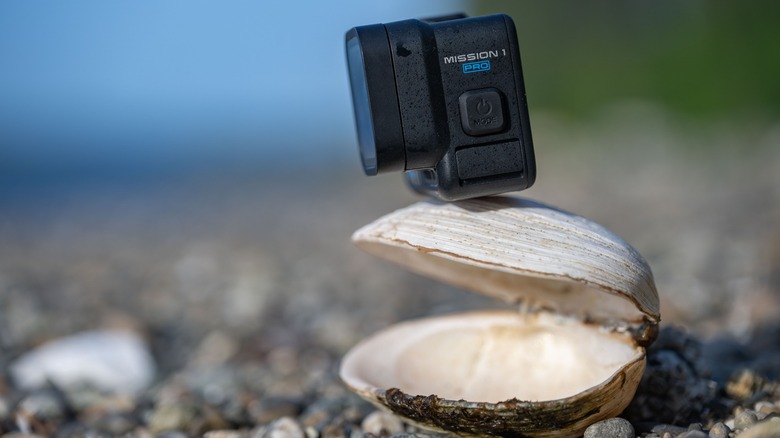
It is really good to see GoPro make such a triumphant comeback with the GoPro Mission 1 Pro. It’s clear that the company listened to its customers, and acted decisively to respond to what GoPro users need. I can now say without hesitation that the Mission 1 Pro is the best action camera currently available. This is not to say it’s perfect, because there are clearly some areas where it could be improved, and other brands do still offer some things GoPro doesn’t. It is also very expensive, which erodes its advantage over less expensive cameras. However, when considered as a whole, the Mission 1 Pro is the overall best in its genre, and if price isn’t an object, this is the action to choose.
 Andy Zahn/SlashGear
It also has to be said that GoPro still retains the color science for which they are known. The way these cameras render things is special, and that’s still baked into the DNA of the Mission 1 Pro. It’s a massive upgrade over everything GoPro has ever made, and at the same time it retains what people love about these cameras. Perhaps most importantly, the Mission 1 Pro delivers the best quality imaging capability of any action camera on the market today.
The GoPro Mission 1 Pro is available starting at $699 from GoPro’s online store.
Computex is the largest tech expo in Asia, and it held annually during the first week of June. I got the chance to go to Taipei this year and cover the show, which features several mainstream tech brands and many more smaller and upcoming companies.
Taiwan is home to many tech firms, including popular ones like Asus and Acer. It’s also the home of TSMC, which makes 90% of the world’s most advanced chips — including the ones that you find inside many Apple devices and Snapdragon-powered Android phones. TSMC also manufactures chips for Nvidia, which makes the GPUs that you can find in many data centers and is arguably the foundation of the current AI boom. This is why Computex is such an important expo, and many companies take advantage of this gathering to launch their upcoming tech and show off their latest products.
 Jowi Morales/SlashGear
So, we spent several days in Taiwan and trolled the massive show floors for the most interesting gadgets that we could find. We picked seven out of the hundreds (maybe even thousands) of items that we saw to give you a slightly closer look. Take a look and keep in mind: most of these picks will either be available to consumers soon or, (depending on when you read this article,) might be available in a store near you already.
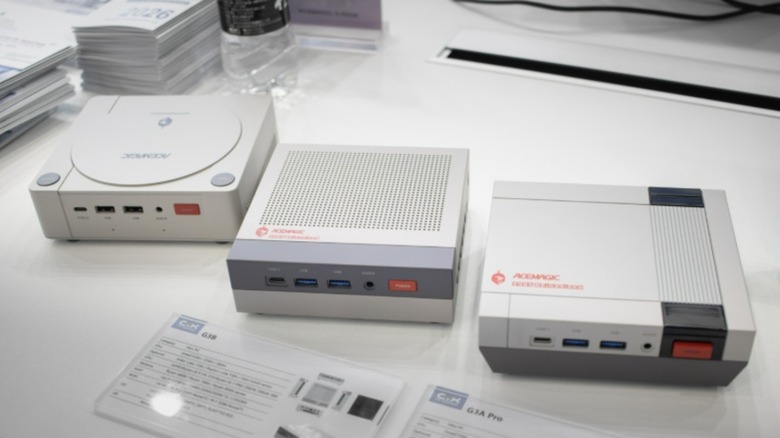
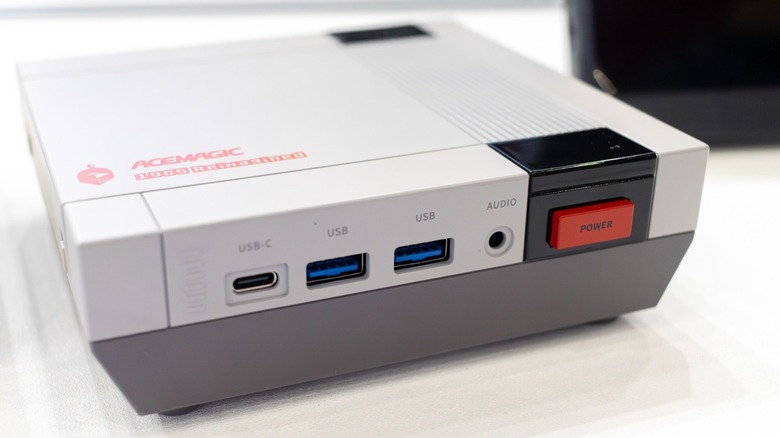
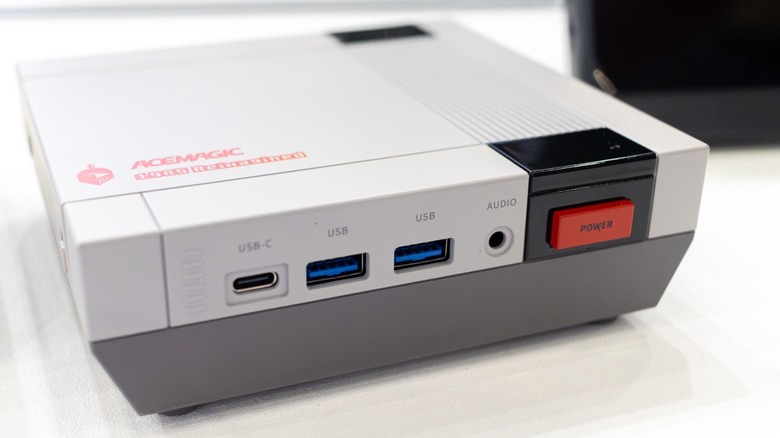
Retro tech is becoming trendier these days, and Acemagic joined the bandwagon with the Retro X5 mini PC. This tiny desktop features the aesthetics of the original Nintendo Entertainment System, making it perfect for millennials and Gen X-ers who grew up with this console in the ’80s and want a hit of nostalgia every time they sit at their desk.
Even though this Retro X5 mini PC (which is different from a tower PC but is still designed for desktop use) looks like it was from 40 years ago, it’s equipped with the latest components. It has an AMD Ryzen AI 9 HX 370 CPU paired with 32 GB of RAM and a 1 TB SSD. If you need even more capacity, it’s upgradeable up to 128 GB of RAM and 4 TB of storage.
Despite its small size, it comes with a lot of ports. You get one HDMI, DisplayPort, and USB4 Type-C port each, allowing you to directly attach three monitors. There are also two LAN ports for high-speed internet, as well as four USB3.2 Type-A ports and an additional USB Type-C port at the front of the PC. Finally, a single 3.5mm combo audio jack lets you use wired headphones or speakers. If you prefer wireless connectivity, it’s equipped with Wi-Fi 7 and Bluetooth 5.4.
The main downside is that it doesn’t have a discrete GPU, but the Ryzen AI 9 HX 370 should be powerful enough to run some of the most popular games at 1080p and low to medium quality. But if that’s not enough for you, you can get an external GPU and attach it to the USB4 port for more graphics power.
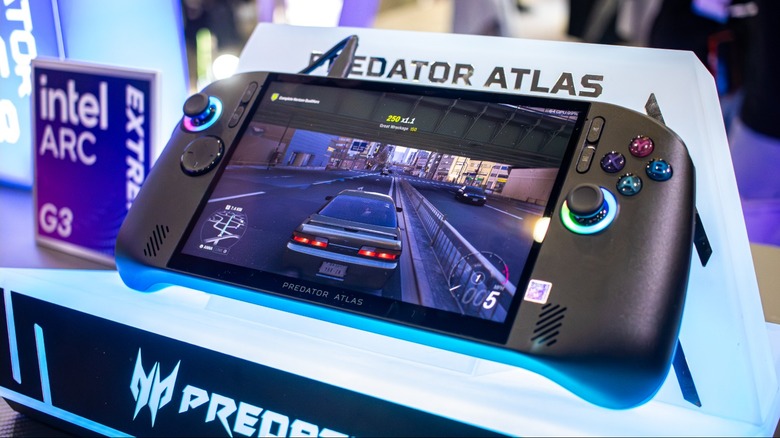
Most handheld gaming consoles are powered by an AMD processor, like the ROG Ally, which some suggest is the best Steam Deck alternative for PC gaming. But Acer is challenging the norm when it launched the Predator Atlas 8 handheld console here in Taipei.
This 8-inch handheld uses an Arc G3 processor, which Intel also unveiled at Computex 2026 to challenge AMD’s dominance in the gaming space. Unlike previous Intel-powered consoles which used repurposed laptop chips, the Arc G3 is specifically designed for handhelds, balancing power and performance with efficiency and battery life. While we don’t have in-depth comparisons between the AMD and Intel gaming processors yet, the Arc G3 seems like a promising challenger to AMD’s entrenched offerings.
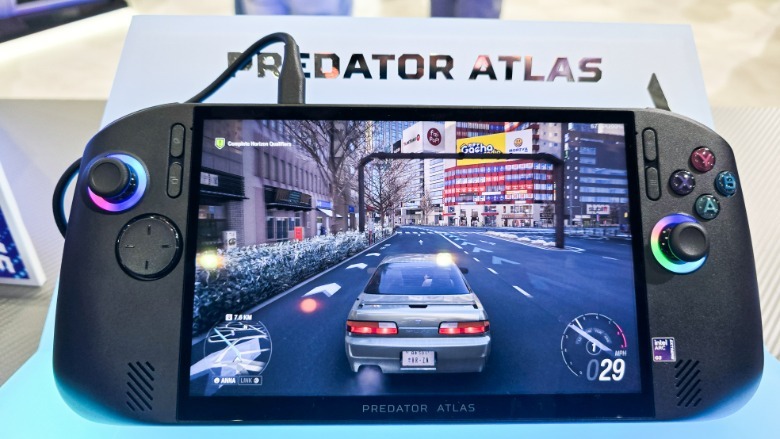 Jowi Morales/SlashGear
Aside from the new Intel chip, the Predator Atlas 8 comes with a few interesting features of its own. This includes a 120 Hz 8-inch 16:10 display that can hit up to 500 nits of peak brightness, giving you a larger screen that delivers smoother framerates without making the console uncomfortably large. It also comes with a rather large 80 Wh battery; this might sound promising, but we’ll have to run the console and its Intel Arc G3 processor through its paces for us to know how much gaming time it will give you. (Note that results may also vary depending on your settings and the game that you’re playing).
I got to try the Atlas 8 handheld on the show floor and played Forza Horizon 6 on it for a few minutes. Despite its big screen and larger battery, it wasn’t tiring to hold, and I could imagine myself playing on it for hours at a time, whether in bed for a late-night gaming session or while passing the time on the plane.
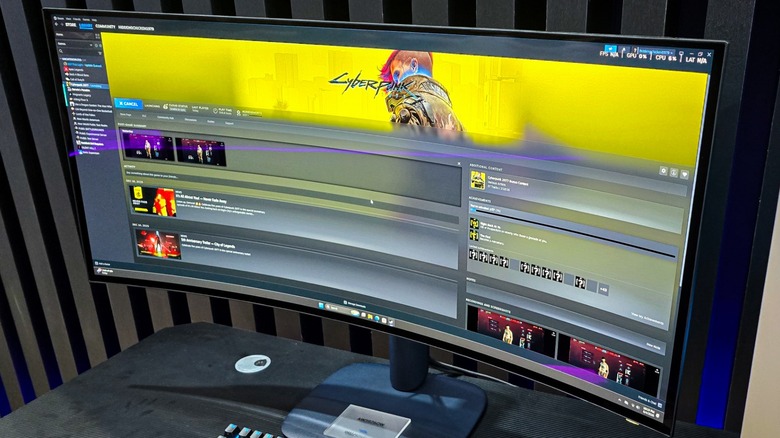
Even though gamers are now spoiled for choice when it comes to handheld consoles, you still cannot replace the glory of playing on a large, ultra-wide monitor. And among the many displays that were shown off at Computex 2026, the Alienware AW3926QW stood out from the crowd.
It might look like just another curved ultrawide display when turned off, but you’ll see the magic once your turn on your PC. This display has a 5K (5120 x 2160) resolution, giving you sharper images than a comparable 4K monitor. It also has a 165 Hz refresh rate to give you smooth gameplay at maximum resolution; but if you need an even higher refresh rate for competitive matches, you can boost it to 330 Hz by dropping the resolution to 2560 x 1080.
The AW3926QW also used featured a QD-OLED panel, ensuring that you get vivid, accurate colors with its wide color gamut covering 99.5% of DCI-P3. It can also hit a peak brightness of 1300 nits, allowing you to see your content even in a bright area. Another interesting feature is its glossy screen, which helps deliver a clearer, sharper image. Alienware addressed the reflectivity issue that plagues this finish, though, and even though I was playing “Cyberpunk 2077” in a brightly lit area with a lot of light sources, there were zero distractions on the surface of the glass.
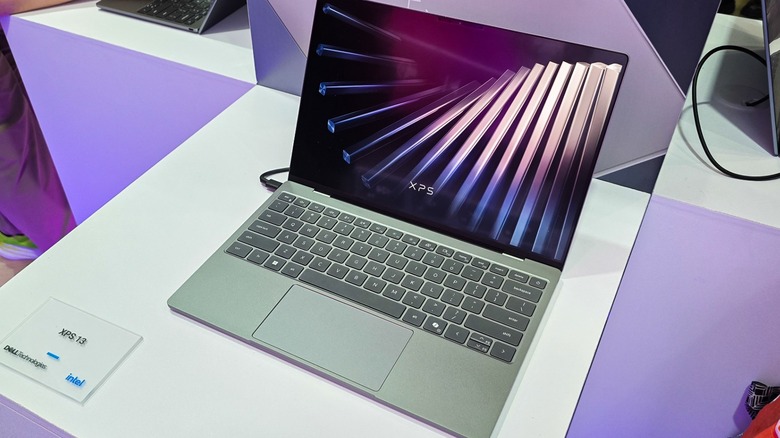
Apple launched the affordable MacBook Neo, which only cost $599 ($499 if you get the student discount) earlier this year, and it caught some industry executives by surprise. However, that didn’t mean that Apple’s competitors won’t do anything about it, and Dell was the first one to come out with what might be the Neo’s first true alternative.
The Dell XPS 13 budget laptop followed in the Neo’s footsteps of premium looks at budget pricing, with the new device coming in at a base price of $699, although students aged 16 and up can get it for just $599 (for a limited time). This Dell laptop also has a few features that you won’t find on the MacBook Neo: a larger, 13.4-inch touchscreen monitor with variable refresh rate from 30 Hz to 120 Hz. This might not be a “make-or-break” option for most laptop buyers, but it will give users a smoother experience and potentially allow for longer battery life.
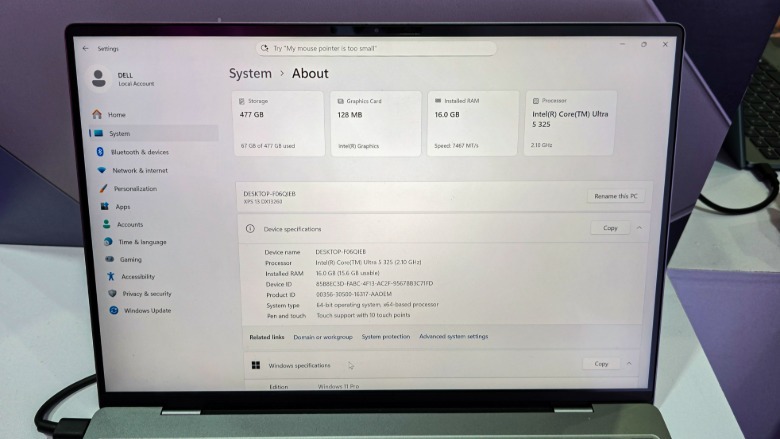 Jowi Morales/SlashGear
The MacBook Neo has also a few must-know limitations which Dell has addressed with the new XPS 13. This includes that availability of higher configuration options, which allows the laptop to have as much as 32 GB of memory and up to 1 TB of storage (versus the Neo’s 8 GB of unified memory and up to 512 GB of storage), processors specifically designed for laptops, and a backlit keyboard.
I tried out this exact laptop on the show floor and, honestly, I couldn’t feel or see any significant differences between this and other more premium laptops on display. It was only after the Dell representative pointed out that it was new budget model that I realized I’m looking at something that will change the entry-level PC laptop market.
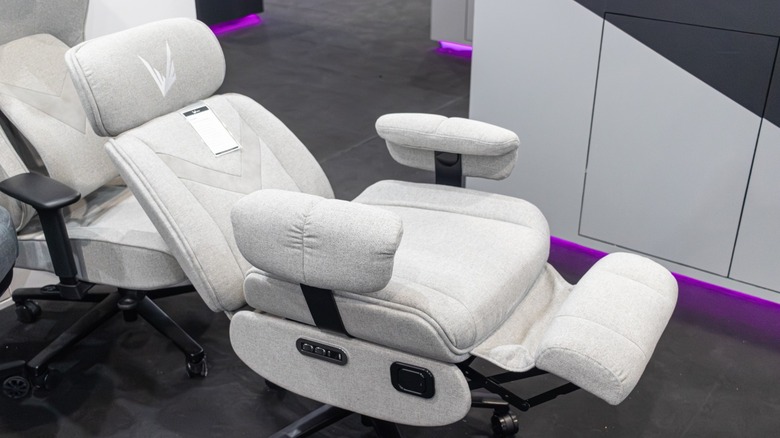
Many enthusiasts focus on PC specs when it comes to building their gaming station and up choosing a generic gaming chair as their seating solution. But if you intend to spend hours seated in front of your computer, it’s best to invest in a chair you can adjust as necessary to keep you comfortable. FormulaV Line, a Taiwanese startup that’s coming to the U.S. soon, wants to level up comfort with its Solen gaming chair.
What makes this stand out is that you can change its recline and footrest angle using the switches on the right side of the chair, allowing you to set it at just the right position. This makes it easy to get into a leaning position with your feet off the ground if you want to kick back and relax with a casual game using your controller. But if you plan to engage in a serious match while playing your favorite e-sports title, you can easily move move the chair’s support back up into action.
It also comes with a USB-C and USB-A port to let you charge your devices — like your gaming controller — without leaving the chair. It’s powered by a removable rechargeable battery, allowing you to keep it topped up via USB-C. For those who need a little more distraction, the seat also has a vibrate function that’s meant to help you relax after a long day at work. I tried the Solen gaming chair for myself, and while I cannot compare the vibrating function to a real massage chair, the fact that I can easily set the recline and footrest to whatever angle I need is more than enough to convince me to consider getting one when they’re released.
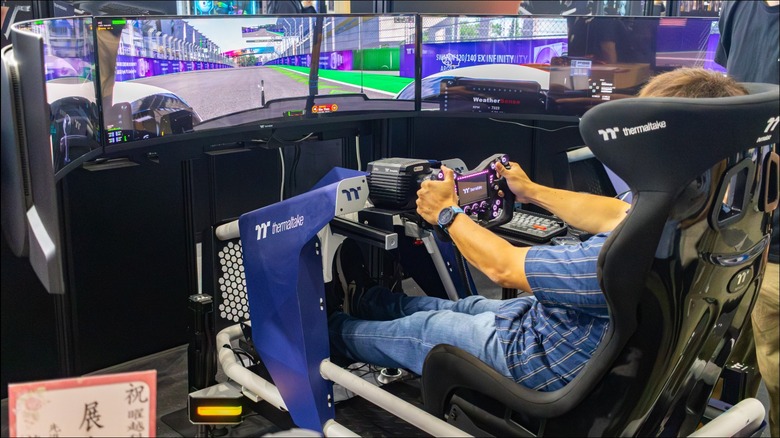
Many gamers would be happy playing on one excellent monitor and a good keyboard and mouse combo or one of the many excellent handheld gaming controllers you can use on a PC. But for the sim racing enthusiasts, a complete sim racing cockpit is a must-have to complete the experience.
The Thermaltake GR900 racing sim cockpit starts as a base that lets you mount your desired racing chair, driving wheel, pedal, and shifter set up. It also accepts up to three monitors to give you the wide field-of-view that you’d expect in real life. But what made this stand out is the GM5 3DOF motion system that you can attach it, allowing you to feel the acceleration, braking, and every bump you hit as you race around the track.
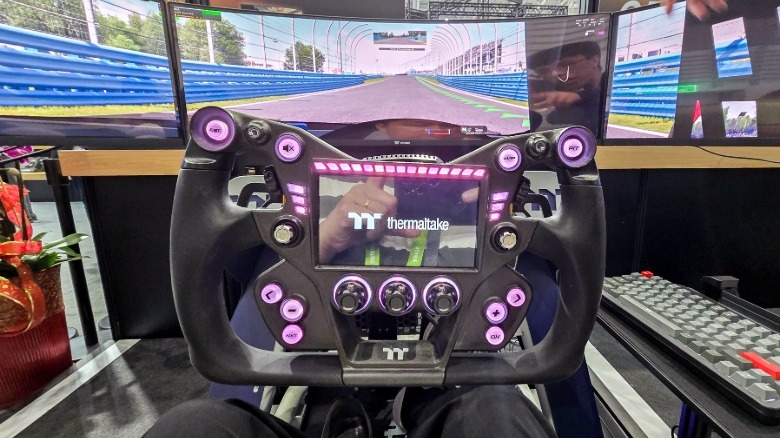 Jowi Morales/SlashGear
I tested this out myself, and the combination of the curved triple-monitor setup, driving wheel and pedals, plus the motion system made it feel like I was actually trying to set the best American lap time at Nürburgring (not that I’d actually get anywhere near the real record). The Thermaltake representative told me that this system starts at around $800 and you can actually build it yourself at home in about three to four hours. However, if you add the desktop PC, the triple monitors all the other accessories to turn into a fully-fledged motion simulator, expect the cost to go beyond $4,000.
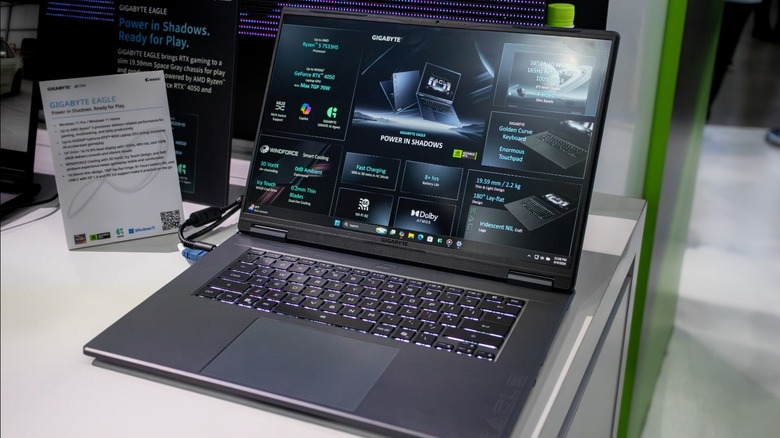
When people talk about gaming laptops, they usually think of devices that cost thousands of dollars, keeping it out of reach for many gamers. But Gigabyte showcased the Eagle entry-level gaming laptop at Computex 2026, aiming to (hopefully) make gaming more affordable. We don’t have exact pricing yet, but a company representative told me that it will cost less than $1,000 and could even go as low as $800 for base configurations.
While the upcoming Dell XPS 13 and the MacBook Neo are still cheaper, they’re not specifically designed for gaming, and you might run into trouble if you want to play the latest top-tier games.
The Gigabyte Eagle comes with an AMD Ryzen 5 processor and a discrete GPU. Even though you won’t find the latest, most powerful RTX 50-series GPUs on this line of laptops, it still comes with either an RTX 4050 or RTX 3050, which should be good enough to let you play games at the lowest quality settings. And if you pair that with NVIDIA’s DLSS technology, you should get a reasonable frame rate without breaking the bank or your computer.
You also get a large 16-inch display with a 165 Hz refresh rate, making it easier to see your games without relying on an external monitor. More importantly, this gaming laptop is upgradeable, unlike other models, allowing you to increase its RAM and storage capacity in the future if you need to.


“It’s myopic in the extreme to think that no other competitors to Anthropic will develop similar capabilities to Mythos or even that they have not already done so,” says Tarah Wheeler, chief security officer of the specialized cybersecurity consulting firm TPO Group. “There are other companies hot on Anthropic’s heels who probably have the capabilities, too, and are holding them in reserve as they see how Anthropic is being treated in the current regulatory environment.”
Anthropic itself has emphasized this point since the launch of Mythos Preview. “The real message is that this is not about the model or Anthropic,” Logan Graham, the company’s frontier red team lead, told WIRED when Mythos Preview launched in April. “We need to prepare now for a world where these capabilities are broadly available in 6, 12, 24 months.”
OpenAI, for example, also did a private release of a cybersecurity-focused model in mid-April and announced an expanded cybersecurity strategy.
Researchers note that even before this next generation of models, existing AI offerings could be used for advanced vulnerability-hunting and exploit development with a refined harness. A large group of cybersecurity leaders emphasized this to the administration in an open letter on Sunday, arguing that the White House’s export-control directive was misguided.
“It’s not one model; it’s the general trend of technology,” says Bruce Schneier, a researcher at Harvard University and the University of Toronto who has been analyzing the situation. “Smaller, cheaper, open-source models, sometimes by themselves and sometimes in concert with each other, can match Mythos/Fable’s performance with more sophisticated prompting. And we should expect other models to match Mythos/Fable’s creativity and tenaciousness within months—slightly longer for open-source models.”
What the White House and governments around the world need to focus on, experts say, is democratically developing much broader and more transparent plans for how they will contend with advances in AI capabilities on cybersecurity and in other sensitive areas as they inevitably occur.
“The policy question is not whether a technology has risk,” says Chris Wysopal, cofounder of the cloud security firm Veracode. “The question is whether a specific restriction meaningfully reduces that risk or whether it mainly slows down the people trying to make systems safer.”
This story originally appeared at wired.com.


A Pew survey of 5,119 US adults finds 49% use AI chatbots but 40% say AI will hurt society, 67% distrust government regulation, and 59% distrust companies.
Half of American adults now use AI chatbots, but a plurality believe the technology will ultimately damage society, and overwhelming majorities have lost confidence that either the government or the companies building it will manage it responsibly. A new Pew Research Center report released Wednesday, based on a survey of 5,119 US adults conducted in February, found that 49% of respondents use AI chatbots, up from roughly a third in 2024. At the same time, 40% said AI will be worse for society, roughly two-thirds said it is advancing too quickly, and 71% agreed the technology will make their personal data less secure.
ChatGPT remains the dominant chatbot among US adults, with 44% of respondents reporting they have used the OpenAI application. Google’s Gemini ranked second at 24%, followed by Microsoft Copilot at 17%, MetaAI at 14%, Grok at 8%, Claude at 6%, and Character.ai at 3%. The most common use case was information searching, cited by 42% of chatbot users, followed by entertainment at 25%, creating or editing images and videos at 24%, and medical advice at 20%.
The trust deficit is the report’s most striking finding. Two-thirds of Americans, 67%, said they have little or no confidence that the US government could effectively regulate AI. A separate 59% said they have little or no confidence that US companies could develop the technology responsibly.
The federal government’s failure to produce a coherent AI regulatory framework, despite months of internal deliberation and a scrapped executive order, appears to have registered with the public. The partisan divide on regulation is notable, with a separate Pew survey from March 2025 finding that 54% of Republicans had at least some trust in the US to regulate AI, compared with only 36% of Democrats.
“AI is no longer the future; for many, it’s here and now,” Pew Research Center associate director of research Jeffrey Gottfried said in a statement accompanying the report. “Americans are increasingly using chatbots and bringing AI into their homes, but they have a complex relationship with AI. They may use it, but they’re still highly skeptical of it and how it will impact our society.”
The skepticism extends across demographics. In an earlier Pew survey from 2024, only 17% of the general public said AI would have a positive impact on the United States over the next 20 years, compared with 56% of AI experts who thought the same. Americans were more optimistic about AI in medical care, where 44% expected positive effects, but far less so about education, where only 24% were positive, and jobs, where the figure dropped to 23%.
The jobs concern is not abstract. Meta and Microsoft eliminated a combined 23,000 positions in a single day in April, with both companies explicitly citing AI investment as the reason. The tech sector has recorded more than 96,000 job cuts in 2026 so far, and companies making the cuts are among the most profitable on earth.
Pew found that 21% of US workers now use AI in their jobs, up from 16% in 2024, but far more workers report being worried than hopeful about where the trend leads. Only 23% of the general public said AI would have a positive impact on how people do their jobs over the next 20 years, compared with 73% of AI experts.
The report also captured the scale of non-adoption. Of the 51% of US adults who do not use AI chatbots, 60% attributed it to disinterest rather than lack of access or technical ability. Many respondents also acknowledged using products with AI features without identifying them as AI tools, including smartwatches at 37% and smart speakers such as Amazon Echo or Apple HomePod at 35%.
Fewer Americans use chatbots for the kinds of high-stakes applications that have attracted the most regulatory scrutiny. Only 13% reported using chatbots for news, 10% for emotional support, and 4% for companionship. The data privacy concern was more pervasive, with 71% of respondents agreeing that AI will make personal data less secure.
The new Pew data draws from multiple surveys conducted at different points between 2024 and February 2026. The chatbot usage figures reflect the February 2026 survey, while some attitudinal measures draw from earlier polling periods. The methodology uses Pew’s American Trends Panel, a nationally representative sample recruited through random sampling of residential addresses, with interviews conducted online or by phone.
What the data describes is a country that is adopting AI tools faster than it is developing confidence in the institutions meant to govern them. The gap between usage and trust is widening, not closing, and neither regulators nor the industry has offered a credible plan to address it.

At IO-AI Tech, a startup about 45 minutes north of downtown Shenzhen, China, I glimpsed a wacky new frontier of blue-collar work. Workers wearing the company’s VR headsets, handheld controllers, and motion-tracking gear remotely control humanoid robots for workplaces like factory floors and convenience stores. The company wants the robots to do useful work, like stocking shelves and picking items out of bins, but it also wants to gather training data that could one day let the bots operate autonomously.
To show off the tech, the company invited me to its offices, where I was allowed to control 10 humanoid robotic hands, each from a different company, using a custom motion-tracking glove. The device instantly transferred my finger movements to all 50 robotic digits.
I’m a little embarrassed to say that the first thing I tried with this futuristic gear was getting all 10 hands to flip the bird. After getting this out of my system, I was impressed by how quickly my movements transferred to the robot hands, and how easily the tech went both ways—I was able to feel a ball placed in one of the electronic hands.
Courtesy of Will Knight
The company also let me try a system that’s being tested by a Chinese convenience store chain. Using a VR headset and a pair of grippers, I tried picking up boxes of medication from a shelf. It was disorienting at first: I had to adjust to a slight difference between my movements and those of the robot I could see through the headset. After a little practice, however, I was stacking shelves like a robot-boss.
Elsewhere, I watched people wearing virtual reality headsets and body-tracking sensors reminiscent of Ready Player One. In one large room, I saw workers using a range of different systems to control diminutive Unitree humanoids. One person marched around with a Unitree robot next to them, and the machine mirrored their movements within a mocked-up apartment. The human operator, wearing a headset and viewing the scene through the robot’s eye-level cameras, went through the motions needed to remove a shirt from a hanger and fold it.
IO-AI develops technology that transfers a person’s movements to different robot forms—a useful offering because there are dozens of different humanoids and robot hands on the market in China today. The startup’s algorithms also need to combine human control with some level of autonomy because a person and a robot aren’t always going to be the same shape, size, and weight. Without some ability to move independently, the robot may lose its balance.

This week Jonathan chats with Florian Gilcher about Rust and Ferrous Systems! How have we gotten here, what’s coming next, and what’s new in the Rust world? Watch to find out!
Did you know you can watch the live recording of the show right on our YouTube Channel? Have someone you’d like us to interview? Let us know, or have the guest contact us! Take a look at the schedule here.
Direct Download in DRM-free MP3.
If you’d rather read along, here’s the transcript for this week’s episode.
Theme music: “Newer Wave” Kevin MacLeod (incompetech.com)
Licensed under Creative Commons: By Attribution 4.0 License

The Trump administration’s disagreement with Anthropic over its most advanced AI models appears to be fast coming to a head.
Trump officials tell Inner Loop that if Anthropic wants to rerelease Claude Fable 5, the AI model that they took offline with export controls last week over concerns about jailbreaking—a method of using prompts to get around a model’s safeguards—the company will need to take steps to actually address what the government alleges are vulnerabilities.
Anthropic has said for days that the administration’s concerns are overblown and that the effects of the jailbreaks are minimal. It reiterated this position to the Commerce Department and the Office of the National Cyber Director, Sean Cairncross, in a technical meeting on Monday.
But officials say they are past arguing whether the jailbreaks are significant, since the National Security Agency concluded that there are ways to disable guardrails on Fable 5, which are put in place to prevent users from accessing capabilities of the Mythos model related to cybersecurity, chemistry, and biology
At this stage, the administration essentially views the situation as Anthropic’s problem to fix, according to three people familiar with discussions.
Neither the Commerce Department’s Center for AI Standards and Innovation nor the National Security Agency has the staff or the bandwidth to be drawn into chasing down every conceivable jailbreak on every model that reaches the market, the people said.
As a result, the administration believes that Anthropic should be more proactive about continually testing not just Fable 5 but all of its frontier AI models to find potential jailbreaks and flag them to the government themselves.
But on a more fundamental level, it remains unclear how Anthropic is supposed to prevent jailbreaking.
Independent cybersecurity experts have increasingly taken the view that guardrails on AI models are only a stopgap solution, since skilled users and future AI models will find ways to bypass constraints—meaning that what the White House appears to want cannot be done.
A White House spokesperson declined to comment.
At the start of the week, Trump’s pick to serve as Acting Director of National Intelligence, Bill Pulte, was on track to never even start the job. Now, Trump has thrown him a lifeline—and it’s the permanent DNI nominee, Jay Clayton, who now faces the prospect of never serving in the role.
To recap: Trump initially named Pulte, his housing finance chief, to replace outgoing DNI Tulsi Gabbard.
Faced with bipartisan pushback because Pulte doesn’t have the national security experience required by law for the role and because he flagged allegedly questionable mortgage fraud accusations against Trump’s political enemies, Trump announced Clayton, the US attorney for the Southern District of New York, as his nominee for a permanent DNI.
Gabbard was scheduled to depart June 18, with Pulte’s first day set for June 19. But Senate Republicans wondered, if Clayton could have his hearing fast-tracked to June 17 and start by June 22, would Pulte even get into the building?
On Wednesday, Trump blew up the plan. As part of a wider feud with Senate Republican leadership over the filibuster, Trump announced Clayton’s hearing would be delayed indefinitely, in an apparent effort to prevent Pulte from getting jumped. Senate Republicans then announced that the hearing would proceed, unless Clayton didn’t appear or his nomination was withdrawn.
The situation may be a body blow for the Office of the Director of National Intelligence, which Trump has directed Pulte to vastly downsize, and staffers have been unimpressed by what they see as Pulte’s minimal effort to get to know the agency and lack of regular briefings, people familiar with the matter said.
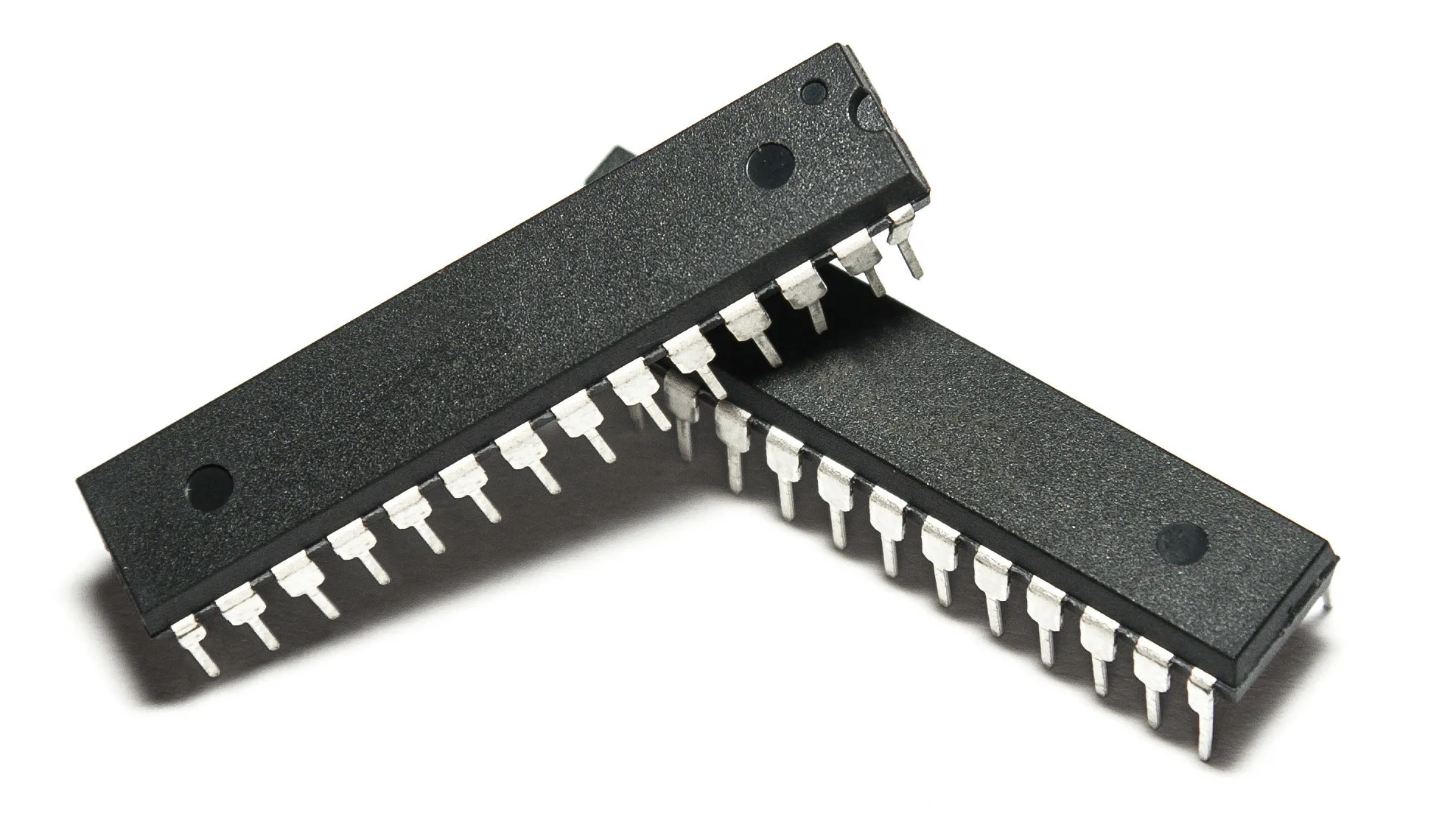
If you need to store some data on a resource-constrained embedded platform, the prospect of dragging in a dependency for something like FAT filesystem access to flash or other storage medium can seem rather daunting. Not only is your binary size now significantly larger, the overhead of these filesystems is also not insignificant as they were not really designed for this type of environment. Here [Drew Gaylo]’s UTFS format is an interesting alternative to just writing raw binary data to said storage medium.
As explained in the accompanying introduction article, the basic idea is similar in scope but very much slimmed down compared to the venerable Tape ARchive (TAR) format, hence the Micro (µ) Tar File System name. The provided UTFS implementation is quite small, spanning two source files in C99 with zero heap usage. Targeting a custom store medium requires implementing one read and one write function to match the underlying platform.
A couple of examples are also provided, covering using the built-in Flash of a SAMD20 MCU and the EEPROM of an ATmega328. Compared to raw binary data that’d have to be fully rewritten, UTFS allows for sections of the storage to be accessed as files and thus updated in-place.

Schools are racing to write AI policies, but what if the policy is not the first step? This week, we hear from Aleta Margolis, founder and president of the Center for Inspired Teaching, who argues that real progress starts with a conversation, not a rule. Then EdSurge editor-in-chief Sarah McKibben brings it home with what AI actually looks like at her kitchen table, with two middle schoolers navigating it in real time.
What You’ll Learn:
A new RAND American Youth Panel survey found that only about one in three students say their school has a school-wide AI policy, and Aleta Margolis of the Center for Inspired Teaching explains why co-creating guidelines with students leads to better outcomes than top-down rule-making.
A recent NPR and Ipsos poll found that 54 percent of teachers say AI is making it harder for students to learn critical thinking skills, and nearly three in four believe its impact on education will exceed that of the internet or computers.
Sarah McKibben describes the mix of productive and concerning AI use she sees with her own children, including a student using an AI humanizer app to avoid plagiarism detection when submitting AI-written essays.
Both guests converge on the idea of productive struggle: the concern is not AI itself but whether students are learning to think with it rather than bypassing the thinking entirely.
Listen here:
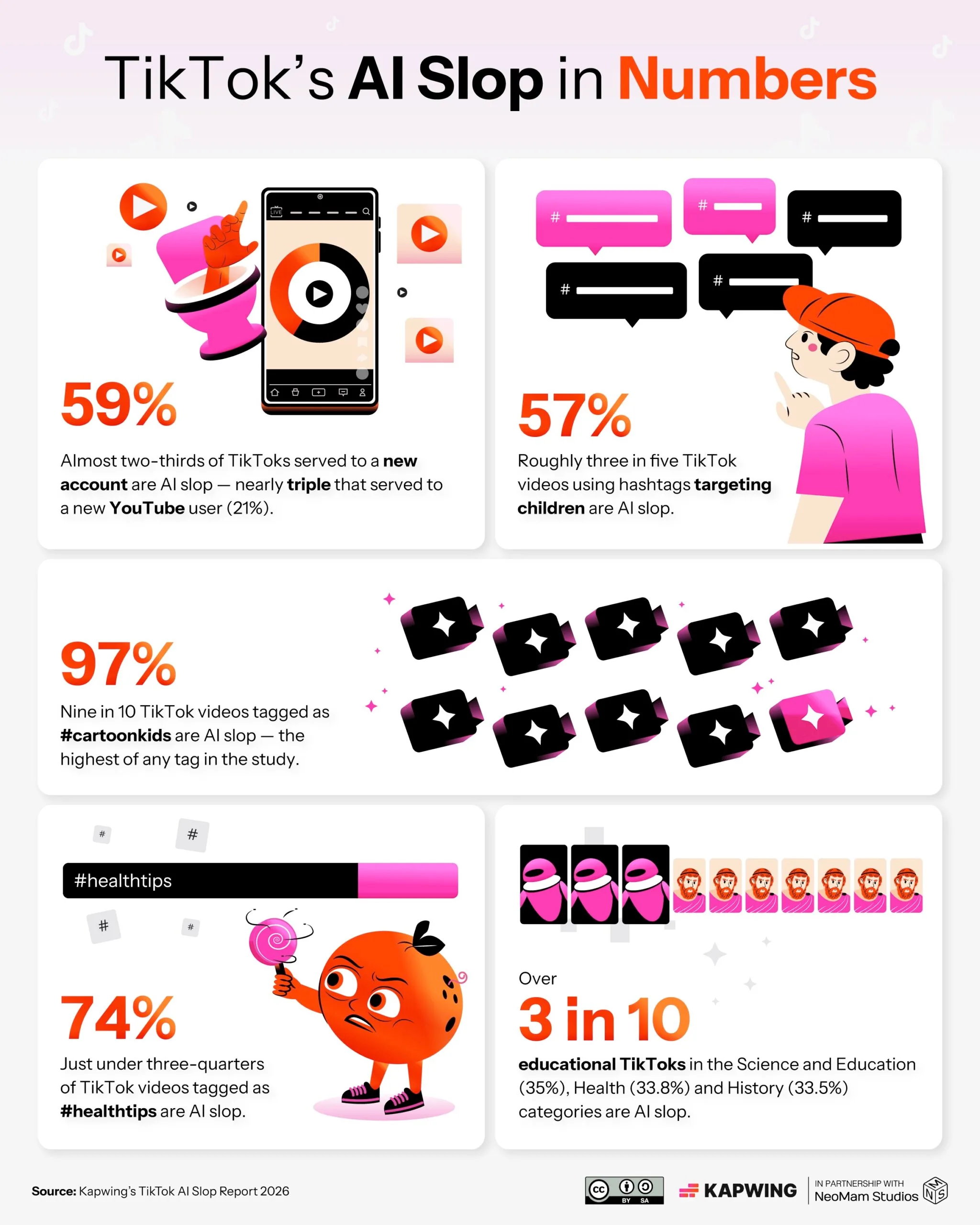
If you have ever felt like your TikTok feed is mostly fake content, you are not imagining it. A new report from Kapwing found that 59% of videos served to a brand-new TikTok account are AI slop. That is roughly three times the rate Kapwing found when it ran the same test on YouTube.
Kapwing built a fresh account on both platforms and manually checked the first 500 videos served to each one. On TikTok, 294 of those videos were AI-generated. On YouTube, only 104 of the first 500 Shorts qualified as slop, putting that platform’s rate at 21%.

The scale of the problem is staggering when you consider that TikTok had already labeled 1.3 billion videos as AI-generated by November. Kapwing also manually reviewed over 10,000 TikTok videos across 20 different content categories to get a fuller picture of where slop tends to cluster.
Kids’ content topped every category, with 57% of the 2,000 videos turning out to be AI-generated. The worst single tag was #cartoonkids, where 97 out of 100 featured videos were artificial.

Science and Education, Health, and History followed close behind, each landing between 33% and 35% AI slop. These are categories where animation and voiceover narration tend to replace real demonstration.
On the other end, Fashion, Music, and Fitness were nearly untouched, each sitting below 2%, likely because those formats rely heavily on real, on-camera presence.
Even though TikTok has rolled out tools for users to dial back AI content in their feeds, this study suggests that what shows up by default still leans heavily towards AI. For now, the burden of filtering slop from substance largely falls on the viewer.




No Jackpot Winner as $257 Million Prize Rolls Over to $269 Million Monday Draw


Oppenheimer backs SpaceX as $70 billion retail frenzy builds


Weekend Open Thread: Tuckernuck – Corporette.com


Markets Rally as SpaceX IPO Looms Amid Iran Tensions and Inflation Surge

Zimbabwe Requires Crypto Businesses to Register Annually Under New FIU Regulations


NanoClaw integrates JFrog registries to secure AI agent downloads


Bitget enters Argentina’s regulated crypto market through PSAV registration


This Week In Security: Microsoft On Microsoft, Register Your Domains, Linux On ARM, And FreeBSD Joins The File Cache Club


El Nino has formed in the Pacific and could set records, forecasters say

Dutton Ranch star claims they ‘didn’t see any disruption’ on set following Chad Feehan’s exit from Yellowstone spinoff fueled by Taylor Sheridan clash rumors


Politics Home | Healey Resignation Is “Colossal Failure Of Government”, Says Former Labour Defence Secretary

Donnie Wahlberg & More Heat Up Las Vegas at Circa’s Barry’s Downtown Prime

Opendoor Ends India Operations, Fueling a Bigger Conversation About AI and Outsourcing


Belfast burns, while Met chief points finger at Iran and Russia


First Time Since 1971: Australia Register Historic Low In ODI Cricket


FBI searches office of Ohio voter registration group


AT&T: Verizon's 27% Outperformance Sets Up A Solid Entry Point

Anthropic is spending $150M to embed 1,000 AI fellows inside nonprofits. No degree required.


Modi thanks Trump for wishes as US attacks Indian seafarers

‘The Pitt’s Fan-Favorite Doctor Confirms Noah Wyle Gave His Blessing to Return [Exclusive]


You must be logged in to post a comment Login