
Business
At least 30 dead in stampede at Haiti’s historic Laferriere Citadel




Thailand is transitioning from fragmented, sector-specific environmental regulations to a unified and comprehensive national framework through its proposed Climate Change Act (CCA). This legislative shift, driven by international trade pressures such as the EU’s carbon border adjustments and domestic net-zero commitments, aims to establish an economy-wide architecture for carbon management.
Key Points
- Structural Regulatory Shift: The draft CCA moves away from traditional pollution control toward a centralized governance regime that includes statutory emissions targets, mandatory reporting for designated operators, and market-based mechanisms.
- Core Market Mechanisms: The Act proposes an emissions trading scheme (ETS), a potential carbon tax based on emissions intensity, and a regulated framework for the verification and trading of carbon credits.
- Green Taxonomy Integration: Thailand has introduced a “traffic-light” (Green, Amber, Red) classification system to define sustainable economic activities, which is expected to become the standard for disclosure requirements and sustainable finance.
- Legal Risks: Companies face increasing exposure to litigation regarding “greenwashing” or misleading sustainability claims, which may be prosecuted under securities laws, consumer protection statutes, or the new CCA enforcement regime.
- Regional Interoperability: The legislation is designed to be technically compatible with foreign carbon markets, with long-term goals of integrating Thailand’s carbon mechanisms with those of neighboring ASEAN states.
- Adaptive Legislation: The Act is structured as “living legislation,” featuring a mandatory five-year review cycle that allows authorities to tighten targets and recalibrate regulatory tools without requiring constant parliamentary amendments.
- Preparation Strategy: Businesses are encouraged to establish emissions baselines and internal carbon pricing frameworks immediately, rather than waiting for the formal enactment of the law.
Thailand is being driven to adopt a centralized, economy-wide carbon management framework (the draft Climate Change Act) by a combination of domestic policy imperatives and external market pressures.
Domestic Drivers
- Net-Zero Commitments: The primary domestic driver is the government’s commitment to achieving national net-zero policy goals, which require the transition from incremental, sector-specific regulations to a unified, enforceable legislative framework.
- Standardization of Sustainability: There is a need to establish a centralized governance regime that can effectively translate national emissions targets into binding obligations for specific sectors and operators.
- Integration of Fiscal and Market Tools: The government aims to move beyond traditional pollution control toward a system that integrates mandatory greenhouse gas reporting, emissions trading schemes (ETS), and potential carbon taxes to manage environmental impact at scale.
International Drivers
- International Trade Pressures: Thai exporters face significant risks from external regulations, most notably the EU’s Carbon Border Adjustment Mechanism (CBAM) . Without a domestic carbon pricing mechanism, Thai goods may be subject to carbon tariffs, placing them at a competitive disadvantage in global markets.
- Investor Demand: There is growing pressure from investors for credible, standardized sustainability regulation. This includes the use of a “traffic-light” green taxonomy to categorize economic activities against technical screening criteria, which influences sustainable finance and disclosure requirements.
- Regional Integration: Thailand is positioning its carbon management framework to be technically compatible with foreign carbon markets. The draft Act anticipates future connectivity with carbon markets in neighboring ASEAN states, which will likely evolve through bilateral or plurilateral arrangements based on regulatory equivalence and mutual recognition.
While political delays have pushed the timeline for enactment, legal experts advise businesses to proactively implement emissions tracking and internal governance systems to prepare for mandatory reporting, carbon pricing, and stricter sustainability disclosure standards.
Other People are Reading


Having always been a learning machine, I speak five languages, have worked as a sales agent, project manager, translator, computer consultant, software engineer, built a house with my own hands, published books and essays on literature, philosophy and art, have written for magazines of various kinds in different countries. After retiring early in 2004, little by little, I have become a fund manager for some friends and myself, following the principles of value investing laid out by Benjamin Graham, Phil Fisher, Charlie Munger and Warren Buffett. In my article “The Portfolio For Early Retirees” I presented a simple and practical way to structure an investment portfolio for early retirees. In 2015 I won the Seeking Alpha Contrarian Contest and was among the winners of several other competitions in later years. I have also been a regular contributor to Seeking Alpha Pro right from the start.I strive to gather above-average knowledge about my stock picks. As this takes many hours, despite managing my portfolio full-time, you should not expect me to throw out new ideas each and every week. My Investment Strategy Statement can be found here.Legal Disclaimer: My contributions to Seeking Alpha, or elsewhere on the web, are to be construed as personal opinion only and do NOT constitute investment advice. An investor should always conduct personal due diligence before initiating a position. Provided articles and comments should NEVER be construed as official business recommendations. In efforts to keep full transparency, related positions will be disclosed at the end of each article to the maximum extent practicable. I am not registered as an investment adviser, nor do I have any plans to pursue this path. No statements should be construed as anything but opinion, and the liability of all investment decisions reside with the individual. Although I do my utmost to procure high quality information, investors should always do their own due diligence and fact check all research prior to making any investment decisions. Any direct engagements with readers should always be viewed as hypothetical examples or simple exchanges of opinion as nothing is ever classified as “advice” in any sense of the word.
Analyst’s Disclosure: I/we have a beneficial long position in the shares of DTEGF either through stock ownership, options, or other derivatives. I wrote this article myself, and it expresses my own opinions. I am not receiving compensation for it (other than from Seeking Alpha). I have no business relationship with any company whose stock is mentioned in this article.
Seeking Alpha’s Disclosure: Past performance is no guarantee of future results. No recommendation or advice is being given as to whether any investment is suitable for a particular investor. Any views or opinions expressed above may not reflect those of Seeking Alpha as a whole. Seeking Alpha is not a licensed securities dealer, broker or US investment adviser or investment bank. Our analysts are third party authors that include both professional investors and individual investors who may not be licensed or certified by any institute or regulatory body.

NEW YORK — David Letterman, the longtime face of CBS’s late-night television, has sharply criticized the network’s decision to end “The Late Show with Stephen Colbert” after more than three decades of the franchise and hand the coveted 11:35 p.m. time slot to syndicated programming from media mogul Byron Allen.

In a candid conversation on his Netflix podcast released Friday, the 79-year-old comedy icon described the move as a clear cost-cutting measure rather than a creative choice. “They don’t want to spend any money, so they’re going to make money,” Letterman said while speaking with former “Late Show” executive producers Barbara Gaines and Mary Barclay.
CBS announced earlier this month that Colbert’s final episode will air May 21. Starting May 22, the network will air back-to-back half-hour episodes of Allen’s “Comics Unleashed” in the former “Late Show” slot, followed by Allen’s game show “Funny You Should Ask” at 12:35 a.m. The arrangement is a time-buy deal for the 2026-27 television season under which Allen Media Group pays CBS for the airtime and sells all the advertising itself.
Letterman, who hosted “Late Night with David Letterman” on NBC from 1982 to 1993 before moving to CBS to launch “The Late Show” in 1993 and retiring in 2015, suggested the shift marks the end of an era for big-budget, network-produced late-night talk shows. He characterized Allen’s panel-style format positively but bluntly tied the decision to finances. “They charge Byron Allen some reasonable price. He sells all the advertising for his ‘Comics Unleashed,’ and it’ll be, I think, 90 minutes or two hours of comics talking about funny stuff,” Letterman said. “The show is a pretty good idea. It’s all panel. Nobody’s doing any stand-up, except they’re seated doing stand-up.”
The comments come as the traditional late-night model faces mounting economic pressures. Ratings for “The Late Show with Stephen Colbert” have declined in recent years amid broader industry challenges, including audience fragmentation across streaming platforms and competition from YouTube, podcasts and cable news. Colbert’s program, known for its sharp political satire, often targeted former President Donald Trump and other conservative figures, drawing both praise and criticism depending on the viewer’s perspective.
CBS, now under Paramount Skydance ownership, has described the change as a way to turn a financially challenged late-night hour into a profitable one without the high production costs associated with a full-scale talk show featuring a house band, celebrity guests, writers’ rooms and extensive staff. Industry insiders say the time-buy model allows the network to collect revenue while offloading creative and operational responsibilities to Allen Media Group.
Byron Allen, a comedian, producer and billionaire businessman who built Allen Media Group into a major independent syndication force, has long aired “Comics Unleashed” in later time slots. The show features Allen moderating a panel of comedians riffing on topics in a roundtable format. Allen has called the upgrade to the 11:35 p.m. slot a career milestone, joking in recent interviews that after decades in the business he is ready for the spotlight. Reports indicate he is paying tens of millions of dollars for the lease, betting that strong ad sales and broader distribution will make the venture lucrative.
The transition ends a 33-year run for “The Late Show” brand on CBS. Letterman’s version defined the franchise with its quirky humor, innovative segments and memorable interviews. Colbert, who took over in 2015 after a successful run on Comedy Central’s “The Colbert Report,” brought a more politically charged voice that resonated during the Trump era but faced declining viewership in recent seasons.
Some television observers view the move as part of a larger industry reckoning. As streaming services and digital platforms siphon younger audiences, traditional broadcast networks are rethinking expensive original programming in fringe hours. Similar cost-conscious experiments have appeared at other networks, though none have fully abandoned the late-night talk format yet.
Letterman’s remarks carry extra weight given his deep history with CBS. He expressed disappointment that the network appeared unwilling to invest in developing a new high-profile host or sustaining the established brand. His podcast comments quickly spread across social media, with fans and industry figures debating whether the change signals the death of traditional late night or simply an evolution toward more sustainable models.
Allen, who began his career as a stand-up and later became one of the most successful Black media executives in Hollywood, brings a different energy. His programming emphasizes accessible comedy without heavy political commentary, potentially appealing to a broader, less polarized audience. Supporters argue the format could attract advertisers wary of controversy, while critics lament the loss of a platform for cultural and political satire that “The Late Show” provided under Colbert.
CBS has not publicly responded to Letterman’s comments. A network spokesperson previously described the Allen deal as a strategic step to ensure profitability in late night while maintaining comedy programming. The network will continue airing local news lead-ins, preserving the traditional flow into the 11:35 p.m. hour.
For viewers, the change means a shift from monologues, celebrity interviews and musical performances to a steady diet of panel comedy and game-show laughs. Whether the new lineup can retain the audience that tuned in for Colbert remains to be seen. Early social media reactions have been mixed, with some praising the lighter tone and others expressing nostalgia for the “Late Show” era.
Letterman, who has largely stayed out of the spotlight since retiring and focusing on his Netflix series “My Next Guest Needs No Introduction,” used the podcast moment to reflect on the business realities of television. At 79, he continues to offer unfiltered opinions shaped by decades at the top of the industry.
The final weeks of “The Late Show with Stephen Colbert” are expected to feature emotional farewells, high-profile guests and retrospectives. Colbert has not yet detailed his post-CBS plans, though speculation includes potential streaming projects or a return to more flexible formats.
As the calendar turns to May 22, CBS affiliates will debut the new comedy block. Byron Allen’s “Comics Unleashed” will lead, followed by “Funny You Should Ask.” The arrangement covers at least the 2026-27 season, with options for renewal depending on performance.
Letterman’s blunt assessment has reignited conversations about the future of broadcast television. In an era of cord-cutting and digital disruption, networks face difficult choices between prestige programming and bottom-line stability. His words — “They don’t wanna spend any money” — have become a succinct summary of the tension playing out behind the scenes at CBS and across the industry.
For a franchise that once defined late-night comedy, the transition to a syndicated time-buy represents a stark departure. Whether Allen’s panel format can capture lightning in a bottle or simply fill the hour profitably will determine if this experiment becomes a template for other networks or a cautionary tale.
In the meantime, fans of traditional late-night talk shows may find themselves flipping channels or turning to streaming replays of Letterman and Colbert classics. The desert of 11:35 p.m. is about to look very different, and the man who once ruled it has made clear he is not impressed with the new tenant.

While a sharp market correction has brought valuations down to fair levels, institutional desks are not yet signaling a “compelling buy.” Instead, a sense of urgency has taken hold as the math for dollar-based investors fundamentally breaks.
Market data from Elara Securities shows that India remains an outlier in emerging markets as it saw outflows extend to the fifth consecutive week while other EMs saw flows stabilizing.
Here are the seven brutal truths driving the great FII retreat:
1) The Ceasefire Mirage
The two-week truce in the Iran-US conflict gave markets a brief bounce, but institutional investors are not treating it as a turning point. FIIs view the pause as tactical, not diplomatic. With a blockade still looming and the threat of a “Phase 2” escalation firmly on the table, global funds are staying on the sidelines until a long-term settlement is actually signed. In the language of markets, this has been a dead cat bounce and sophisticated money knows it.

Also Read | Is Nifty’s cheap-looking valuation a mirage? Why $100 oil could trap value hunters
2) Crude Oil: The Twin Deficit Time Bomb
Brent crude hovering near $100 a barrel is not just an energy story for India but a macro-stability threat. FIIs are acutely conscious of the twin deficit trap: elevated oil prices simultaneously widen the current account deficit and stoke domestic inflation, creating pressure on the Reserve Bank of India to raise interest rates precisely when the economy needs relief.
3) The Yield Spread Has Flipped Against India
The arithmetic for foreign investors has fundamentally shifted. As US 10-year Treasury yields climb toward 4.5%, the risk premium for holding Indian equities has compressed sharply. Compounding the problem is the rupee, which recently breached the ₹95 mark for the first time. For dollar-based investors, currency depreciation acts as a silent tax on returns. And when risk-free USD assets are yielding meaningfully, the case for enduring emerging market volatility weakens considerably.
4) Better Returns Are Available Elsewhere
India is losing the capital allocation argument to its regional peers. Markets like South Korea and Taiwan are considered significantly more attractive from an FII perspective, with expectations of far superior earnings growth compared to the modest outlook for India in FY27. When global funds run relative value screens, India is no longer automatically at the top.
5) India’s Tax Regime Has Become a Competitive Disadvantage
India’s evolving tax landscape is increasingly being cited as a structural deterrent. The 2024 Union Budget raised short-term capital gains tax from 15% to 20% and pushed long-term capital gains tax from 10% to 12.5%. Combined with tweaks to the LTCG/STCG structure and a hike in Securities Transaction Tax (STT) from FY27, the cost of entry and exit for global funds has risen materially. When benchmarked against tax-friendly regimes in competing destinations like Vietnam or Indonesia, India’s framework is no longer the draw it once was.
6) Four and a Half Years of Zero Returns
Perhaps the most haunting statistic circulating in global investment banks is this: measured in US dollar terms, the Nifty has delivered almost zero CAGR since late 2021. For a global fund manager who held Indian stocks for four-plus years only to watch currency depreciation erase every capital gain, making the case for re-entry to an investment committee is an exceptionally difficult conversation.
7) The Earnings Shock
Beyond the immediate geopolitical crisis, a deeper fear is building: a structural earnings downgrade for India Inc. War-induced supply chain disruptions and elevated input costs are expected to weigh heavily on the Q1 and Q2 margins of India’s manufacturing and FMCG sectors. FIIs appear to be front-running this earnings shock by exiting before official numbers confirm what the macro data already suggests.
The double-digit earnings growth that was supposed to define FY27 is now at serious risk. If the geopolitical storm persists, that growth could be downgraded to single digits, delayed by at least two quarters, and potentially reset structurally lower.
The Bottom Line
The correction has brought Indian valuations down from stretched to fair. But fair is not a buy signal for investors who can find better risk-reward elsewhere, who are staring at a zero-return track record, and who face a macro backdrop that could deteriorate further before it improves. Until crude stabilises, the ceasefire holds credibly, and earnings guidance provides a floor, the $18 billion exodus may be the beginning of a longer reckoning.
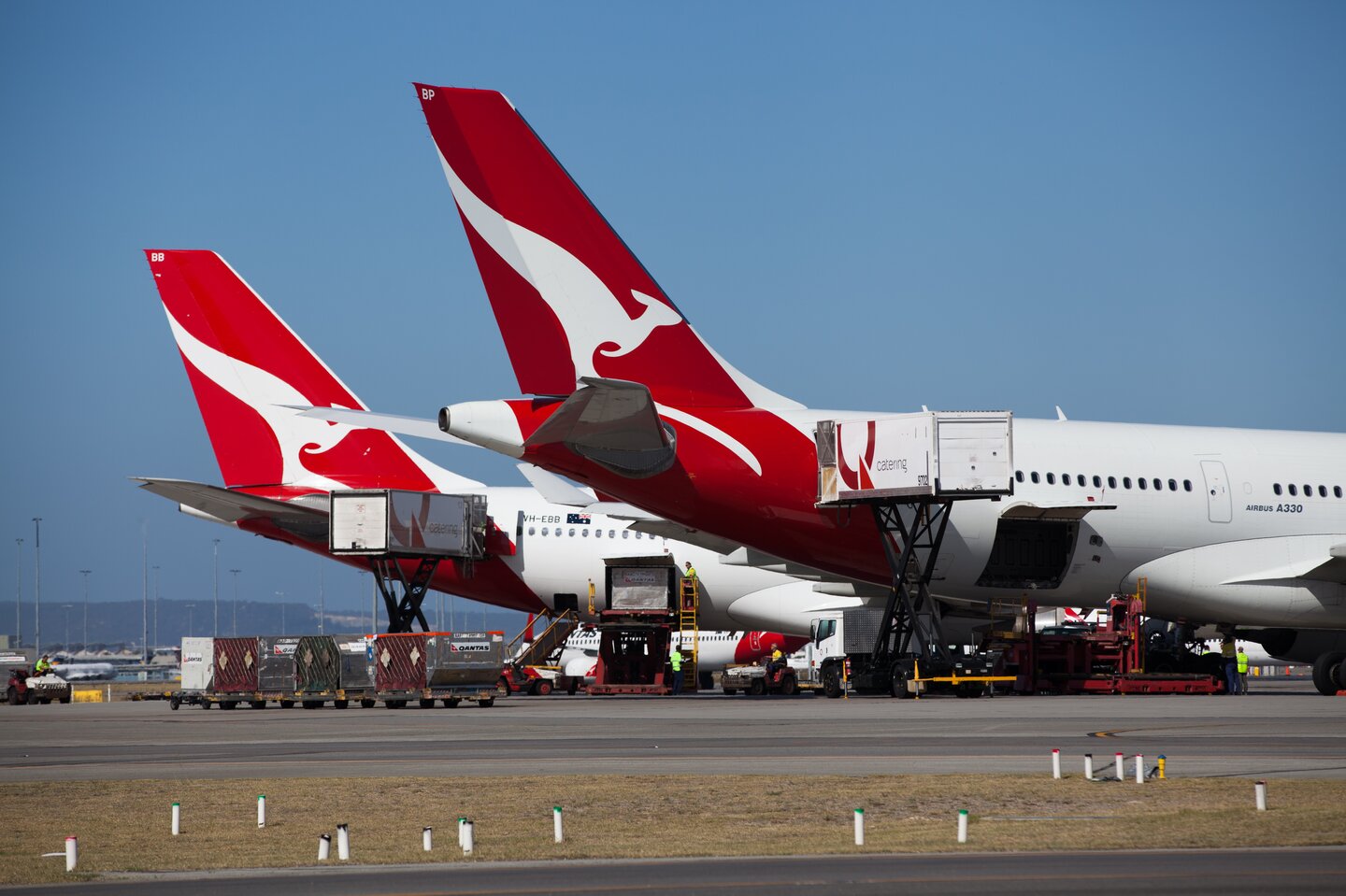
The taxpayer-backed Sydney to Busselton Jetstar flights have been suspended as fallout from the Middle East war forces Qantas Airways to scale back services and flag a fuel cost blowout.

SYDNEY — WiseTech Global Ltd shares climbed 4.66% to close at $38.89 on Tuesday, adding $1.73 amid renewed investor enthusiasm for the Australian logistics software provider’s aggressive push into artificial intelligence and steady progress integrating its major e2open acquisition.

The move came on solid trading volume as the company, known for its flagship CargoWise platform, continues to navigate a transformative period marked by workforce restructuring, strong half-year results and reaffirmed full-year guidance. With a market capitalization hovering near A$12.5 billion to A$13 billion, WiseTech remains one of Australia’s most prominent technology success stories in the supply chain sector.
WiseTech Global, headquartered in Sydney, develops cloud-based software that powers international freight forwarding, customs compliance, logistics execution and trade management. Its CargoWise suite serves thousands of customers worldwide, handling complex global supply chains with integrated tools for visibility, automation and compliance. The August 2025 acquisition of U.S.-based e2open significantly expanded its footprint, adding scale in transportation management systems and broadening its addressable market across shippers, carriers and manufacturers.
In its first-half FY2026 results released February 25, the company reported total revenue of US$672 million, a 76% increase from the prior corresponding period. The jump was largely driven by the inclusion of e2open, though organic growth stood at 7%. Core CargoWise revenue rose 12% to US$372.4 million, with 9% organic expansion. Recurring revenue within CargoWise remained exceptionally high at 99%, underscoring the platform’s sticky, subscription-like model.
EBITDA climbed 31% to US$252.1 million, delivering a reported margin of 38%. On an organic basis excluding e2open, the EBITDA margin held steady near 51%, reflecting operational efficiency in the legacy business. Underlying net profit after tax increased 2% to US$114.5 million, while free cash flow rose 24% to US$153.6 million. The board declared an interim dividend of US$0.068 per share, up 1% on the previous period and representing a 20% payout ratio of underlying NPAT.
Management reaffirmed full-year FY2026 guidance, targeting total revenue between US$1.39 billion and US$1.44 billion — implying 79% to 85% growth — and EBITDA of US$550 million to US$585 million. CargoWise revenue growth is expected in the 14% to 21% range. Guidance incorporates one-off integration and restructuring costs but excludes any material net impact from the AI-driven job reductions announced alongside the results.
The most attention-grabbing element of the February update was WiseTech’s accelerated AI transformation. The company plans to cut up to 2,000 positions — roughly one-third of its global workforce — over FY2026 and FY2027, with initial reductions of up to 50% in product development and customer service teams. CEO Zubin Appoo and executives framed the move as a strategic pivot to embed AI deeply into the platform, creating agentic workflows, enhancing automation and strengthening the company’s data and integration moat.
An Australian union sought urgent talks following the announcement, highlighting broader concerns about AI-driven job displacement in the technology sector. WiseTech has emphasized that the restructuring aims to reposition resources toward higher-value innovation while delivering long-term efficiency gains. Analysts noted that the cost savings, combined with new commercial models such as CargoWise Value Packs, could support margin expansion and price uplifts in the second half.
The e2open integration has progressed ahead of plan in several areas, contributing meaningfully to first-half revenue. e2open, recognized as a leader in Gartner’s Magic Quadrant for Transportation Management Systems for the fourth consecutive year, adds complementary capabilities in cloud-based trade and supply chain execution. WiseTech expects the deal to be earnings-accretive in its first full year, funded through debt rather than equity issuance.
Additional strategic moves have bolstered the company’s position. In January 2026, WiseTech acquired the Centre for Customs and Excise Studies to enhance global customs education and compliance training. It also completed smaller tuck-in acquisitions and signed memoranda of understanding, including one with Saudi Arabia’s Elm Company to explore technology applications for logistics efficiency.
Recent share price action reflects a volatile but resilient trajectory. After a challenging start to 2026 that saw the stock trade as low as $35.54, Tuesday’s 4.66% gain builds on intermittent rallies tied to AI optimism and results reaffirmation. The 52-week range has been wide, stretching from that recent low to highs above $120 in prior periods, illustrating the stock’s sensitivity to guidance, acquisition news and broader technology sector sentiment.
Analysts remain generally constructive. Some brokers highlight WiseTech’s data moat, ecosystem integrations and potential for AI to drive deeper customer stickiness and new revenue streams. UBS, for instance, maintained a Buy rating post-results, citing positive indicators around large freight forwarder rollouts and the shift to value-based pricing. Consensus price targets have varied, with some projecting significant upside if execution on AI and integration remains smooth.
Challenges persist. Integration of e2open involves managing a larger, more diverse cost base, including higher proportions of professional services revenue. Non-CargoWise revenue streams from earlier acquisitions continue to decline as expected. Broader macroeconomic pressures on global trade volumes, currency fluctuations and potential delays in large customer implementations could affect growth.
Yet the underlying business fundamentals appear solid. CargoWise continues to win new customers and expand with existing ones, with 1,060 product enhancements delivered in the first half alone. High gross margins near 79% to 84% in the core platform support investment in research and development.
For investors, the AI narrative has become central. While job cuts raise short-term human and reputational considerations, many view them as necessary for WiseTech to remain competitive in a rapidly evolving logistics technology landscape where automation and predictive capabilities are increasingly table stakes.
Tuesday’s trading likely reflects a combination of bargain hunting after recent softness, positive rotation back into technology names and confidence that reaffirmed guidance provides visibility through the remainder of FY2026. Full-year results are scheduled for late August, with the annual general meeting in November.
WiseTech’s journey illustrates the opportunities and disruptions facing software companies in the age of AI. From its roots as a founder-led Australian business to a global player with thousands of employees and billions in revenue potential, the company is betting that bold transformation today will secure leadership in supply chain technology tomorrow.
As global trade grows more complex amid geopolitical shifts, sustainability demands and e-commerce expansion, platforms like CargoWise and the expanded e2open suite position WiseTech at the center of digital logistics. Whether the current share price momentum sustains will hinge on tangible proof of AI-driven efficiencies, margin improvement and accelerated organic growth in coming quarters.
For now, the 4.66% daily lift signals market willingness to reward a company embracing change at scale in one of the world’s most critical industries.

primeimages/E+ via Getty Images

Beware of noise, hurry and crowds
In his book Celebration of Discipline, American theologian Richard Foster warned that noise, hurry and crowds were the most significant obstacles to a vibrant spiritual life. The same could be said of successful value investing. When it comes to investing, ignoring the noise, exhibiting patience and being indifferent to the prevailing sentiment of the crowds sounds like the right thing to do. Most people would not argue with these principles, yet behavior suggests otherwise.
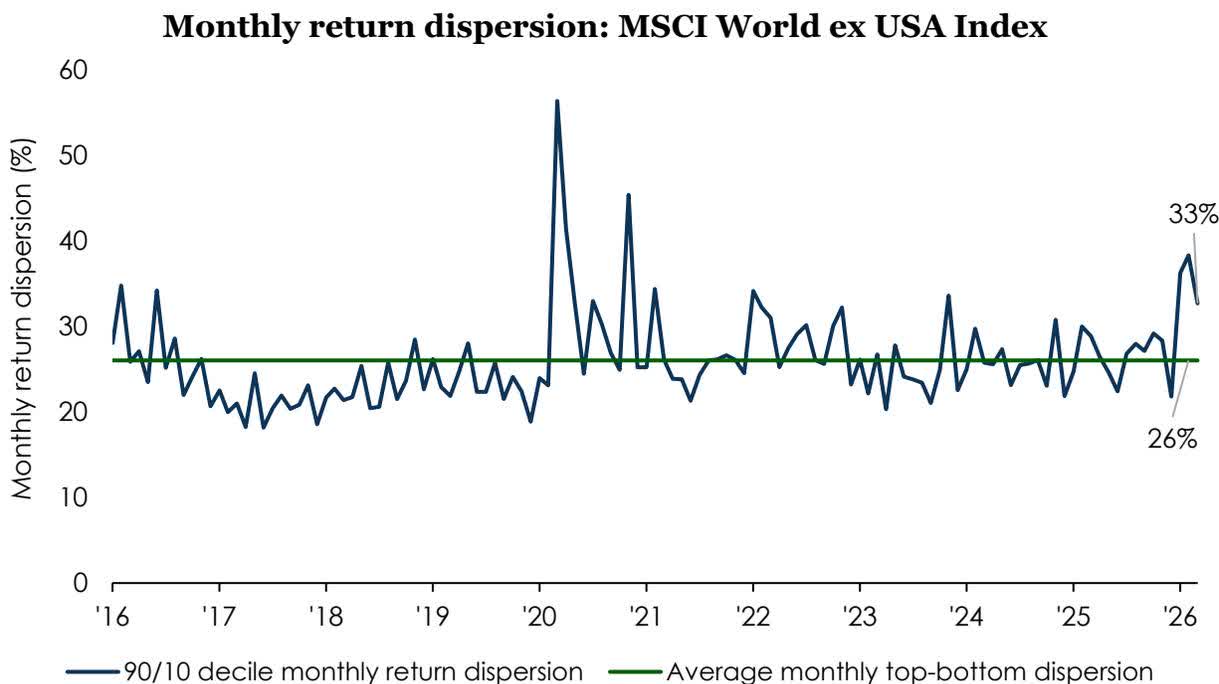
If there ever were a quarter of noise, this may have been it. The first 90 days of 2026 experienced near-record stock dispersion—that is, an unusually wide spread between the best- and worst-performing stocks—based on whatever company or industry the market happened to view that day as an AI winner or loser. For instance, the difference between the highest- and lowest-return stocks in the MSCI World ex-USA Index has been well above average, with a gap in performance of over 80 percentage points in the quarter, as investors debated the impact of AI. Then, in the last month of the quarter, bombs started falling in Iran and oil ran up well past $100 per barrel. As I write today, trying to make a deadline for publication with something timely and relevant, the White House announced progress toward a de-escalation. Noise galore.
Source: FactSet. Monthly data from 12/31/2015 through 3/31/2026. Returns represent the average performance of top and bottom decile stocks within the MSCI World ex USA Index; spreads are calculated as top decile minus bottom decile. Charts are for informational purposes only and do not depict the performance of any Harris | Oakmark strategy or product.
We aren’t technology neophytes; we believe AI is for real and is changing the way many of us work, and there will be winners and losers. However, we do believe the market has been too eager to declare victory and defeat. Where there is a real threat of change, we lower our estimate of value by reflecting a higher risk of disruption. In the case of large, deeply embedded enterprise software companies such as SAP, we think the market has skewed too negative on the risks introduced by AI, when in fact, there is a real possibility that AI is additive. We do not pretend to know how the Iran conflict is going to end, but there have been scores of these conflicts over my nearly 27 years at Harris | Oakmark and the world keeps turning. Remember, WTI (West Texas Intermediate) oil futures have both been in the triple digits and negative over the past six years. Meanwhile, population and incomes grow and the global economic pie along with them. We see the same bewildering headlines you do, but remain focused on the clarity of business values, which are far more stable than daily headlines.
The only way to really hurry your way to success in the equity markets is to have insight into the next tick and the ability to act before it moves. This requires an advantage in physics, not insight. At Harris | Oakmark, we estimate the intrinsic value of a business. There is an identifiable reason (or reasons) why the market price and our estimate differ. Often it boils down to our time horizon being longer than the marginal market participant. It takes time for value to be realized. Fixed income investors seem to understand this better than equity investors. In the bond world, one typically starts the conversation with duration—in other words, the desired time horizon for the securities you are looking to own. Equities are perpetual in duration, which means their theoretical time horizon is longer than that of even the longest bonds. Yet much of the market coverage focuses on one-minute charts, and the financial press seems to like or dislike a company based on how well it performed over the last quarter relative to broader expectations, with almost no airtime given to the long-term outlook for the business. Today, an estimated 60% of index options tied to the S&P 500 have same-day expirations and there are even new 5- and 10-minute option contracts being marketed for indices and cryptocurrencies. This short-termism reflects investors losing touch with the actual duration of the assets they own. Just because you can trade a stock one minute at a time (or less) doesn’t mean you should. At Harris | Oakmark, we think of equities as proportionate interests in real businesses that have real value based on the total future cash flows of the business. We have more insight into what the business ought to look like over time than where the stock will go over the next day, quarter or year. Don’t get me wrong, we would love the value gap to close the second we buy a stock, but unfortunately that is not how markets function.
Following the crowd is the easier—but more dangerous—path. I’m sure I’m not the only one who pleaded with my parents that, “everyone else was doing it” to which they replied, “if everyone else jumped off a cliff would you?” In markets, it is generally cause for concern when everyone seems to believe the same thing. Market participants make markets and markets price assets. Crowding occurs when there is more than typical agreement between market participants. That “agreement” gets priced into the asset such that there is little room for different outcomes without the stock getting pummeled. Beyond that, crowding introduces endogenous (or self-inflicted) risks that go beyond fundamentals, such as distorting liquidity dynamics on a security such that the distribution of future price outcomes skews negatively. By nature, as value investors we seek mispriced stocks—specifically, stocks selling well below their intrinsic value. Often this means going against the “crowd”. In our view, if everyone seems to believe something, you should assume a good portion of that belief is priced into the security. Meaning, if you and the crowds are right, there is little to no excess return and if wrong, painfully below average returns are likely. When a stock is undervalued, investors can afford to be wrong given the stock is unlikely priced to perfection. This is the essence of the “margin of safety” concept and the reason we require a significant discount before investing in any company.
We cannot promise much as regulated investment advisors but know that we are truly committed to a disciplined process that ignores the noise, exhibits patience, and is indifferent to the crowd.
Thank you for your partnership with us in our international equity portfolios.
We are eager to hear from you, so please do not be shy.
Tony Coniaris, CFA, Portfolio Manager
Editor’s Note: The summary bullets for this article were chosen by Seeking Alpha editors.

Block Inc. shares climbed 4.65% to close at $90.76 on Tuesday, gaining $4.03 on elevated trading volume as investors cheered preliminary signs of strength in the company’s Cash App Bitcoin ecosystem and ongoing execution of its aggressive artificial intelligence-driven restructuring.

The rally pushed the market capitalization of the payments and financial technology company, formerly known as Square, toward the $38 billion to $39 billion range. It reflects renewed optimism around Block’s dual-engine growth from merchant services via Square and consumer fintech through Cash App, even as the broader market digests mixed signals on interest rates and economic growth.
Block, founded by Twitter co-founder Jack Dorsey and headquartered in Oakland, California, operates two core segments. Square provides point-of-sale hardware, software and financial services to small and medium-sized businesses, while Cash App functions as a peer-to-peer payments platform with banking-like features, including stock and Bitcoin trading, lending and debit cards. The company has increasingly leaned into Bitcoin as a strategic asset and is embedding AI tools such as conversational “Moneybot” for consumers and “Managerbot” for sellers to automate operations.
Preliminary data released April 8 for the first quarter of 2026 highlighted robust activity in Cash App’s Bitcoin ecosystem. The company expects Bitcoin-related revenue, driven primarily by buy volume on Cash App, to reach approximately $1.7 billion for the quarter. However, a remeasurement loss on its Bitcoin holdings tied to the March 31 closing price is projected to impact GAAP earnings by about $172.8 million, a non-cash item recognized below operating income. Full first-quarter results are scheduled for release after market close on May 7, followed by a conference call.
The Bitcoin exposure has been a double-edged sword for Block. While it adds volatility through mark-to-market accounting, rising crypto interest and Cash App’s seamless integration have helped drive user engagement and transaction volumes. Cash App monthly active users returned to growth in late 2025, ending the fourth quarter at 59 million, with primary banking actives — those using more advanced features — expanding 22% year-over-year and generating significantly higher gross profit per user.
Block’s fourth-quarter 2025 results, reported in late February, provided a strong foundation for the current momentum. Revenue reached $6.25 billion, while gross profit grew solidly. Cash App gross profit surged 33% to $1.83 billion, fueled by 69% growth in consumer lending originations to $18.5 billion and healthy expansion in other services. Square gross payment volume also showed reacceleration.
In a headline-grabbing move accompanying the results, Block announced a major workforce reduction of more than 40%, trimming staff from over 10,000 to under 6,000 employees. CEO Jack Dorsey framed the cuts as a deliberate shift to an “AI-first” operating model, expecting $450 million to $500 million in restructuring charges, mostly in the first quarter. The company anticipates the changes will deliver meaningful cost savings starting in the second quarter, accelerating margin expansion.
Investors responded enthusiastically to the combination of leaner operations and raised guidance. Block lifted its full-year 2026 outlook, targeting gross profit of $12.2 billion — representing 18% year-over-year growth — and adjusted operating income of $3.2 billion, or a 26% margin, reflecting 54% growth and approximately six points of margin expansion. Adjusted diluted earnings per share are now guided to $3.66. For the first quarter alone, gross profit is expected to rise 22% to $2.8 billion, with adjusted operating income of $600 million.
The restructuring and AI pivot have sparked broader industry discussion about technology-driven efficiency gains versus job displacement. Block is developing agentic AI capabilities to handle routine financial and business tasks, potentially allowing remaining teams to focus on innovation and customer experience. Analysts have noted that while short-term charges will weigh on GAAP results, the long-term benefits to profitability could be substantial if execution is smooth.
Beyond core payments, Block continues to expand its ecosystem. Afterpay, its buy-now-pay-later service, contributes to consumer lending growth. The company surpassed $200 billion in cumulative credit provided to customers, underscoring its role in addressing lending gaps for individuals and small businesses. Recent product moves include enhancements to Square for restaurants and integration of inventory tools, as well as Cash App features enabling installment plans for peer-to-peer transfers.
The stock has traded in a wide range over the past year, with a 52-week low near $44 and highs approaching $82.50 earlier in the period. Tuesday’s gain builds on intermittent rallies tied to guidance reaffirmations and positive rotation into growth-oriented fintech names. Consensus analyst price targets sit around $82 to $86, with some firms maintaining Buy ratings citing Block’s data advantages, ecosystem stickiness and potential for AI to deepen customer relationships.
Challenges remain. Bitcoin price fluctuations can create earnings volatility unrelated to underlying operations. Integration of AI tools and management of a significantly smaller workforce carry execution risks. Macroeconomic factors, including consumer spending patterns and small business resilience amid higher interest rates, could influence gross payment volumes. Regulatory scrutiny of fintech, crypto and lending practices also represents an ongoing consideration.
Still, many observers view Block as well-positioned in a shifting financial landscape. Dorsey’s vision emphasizes building an open, accessible financial system, with Bitcoin and decentralized technologies playing central roles alongside traditional payments. The company’s liquidity position remains strong, supported by prior share repurchases and cash reserves.
As Block prepares for its May 7 earnings release, attention will center on actual first-quarter metrics, updates on Bitcoin performance, progress on workforce changes and any color on AI initiatives. Preliminary Bitcoin revenue figures have already signaled resilience in consumer engagement, while the aggressive cost restructuring suggests confidence in delivering on higher profitability targets.
For investors, the recent price action underscores Block’s sensitivity to both operational execution and narrative shifts around efficiency and innovation. With gross profit guidance pointing to sustained double-digit growth and margins expanding into the mid-20s, the company is attempting to prove it can deliver scalable profitability in a competitive fintech arena increasingly shaped by artificial intelligence.
Whether Tuesday’s surge marks the beginning of a broader re-rating will depend on confirmation of guidance in the upcoming report and tangible evidence that AI investments are translating into faster growth or wider margins. For now, Block continues to navigate its transformation, blending legacy payments strength with forward-looking bets on crypto, lending and intelligent automation in pursuit of long-term leadership in digital finance.
Business
Qantas Slashes Domestic Flights and Hikes Fares as Middle East Conflict Drives Fuel Costs to $3.3b
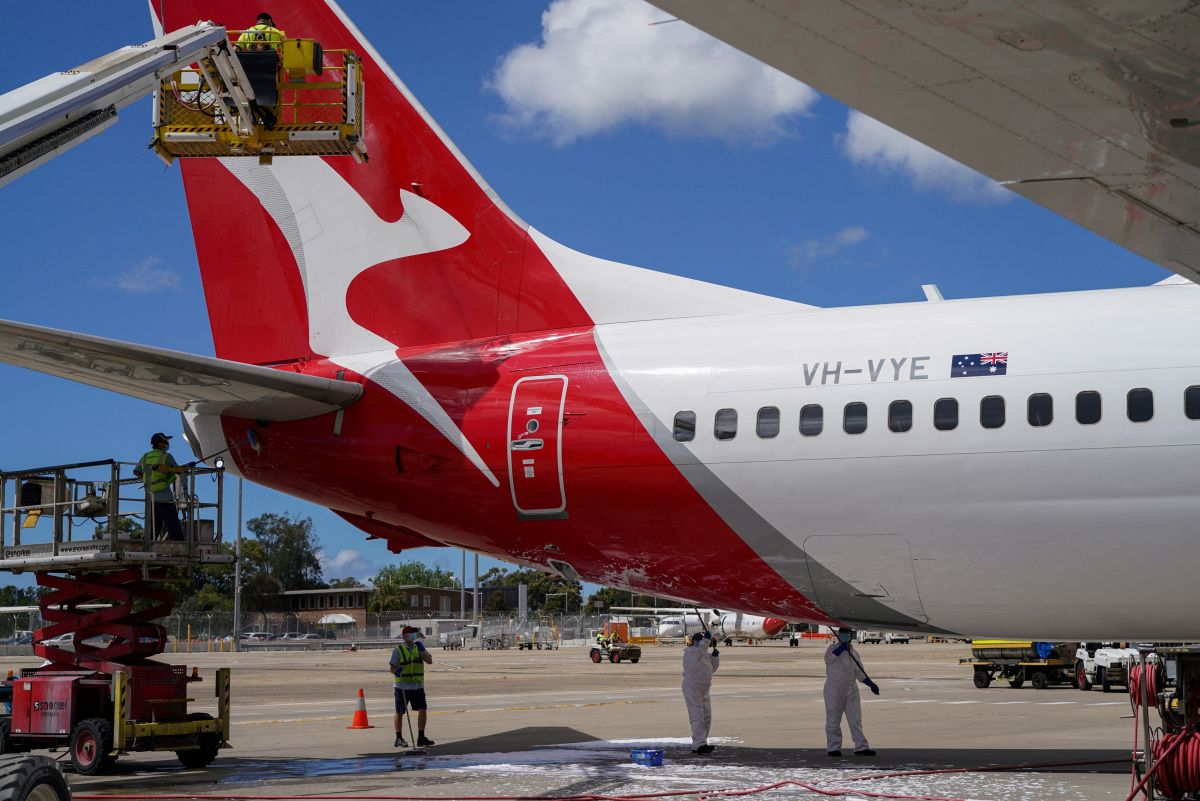
SYDNEY — Qantas Airways Ltd. has cut domestic flight capacity by about 5% for May and June and raised fares as surging jet fuel prices linked to the escalating conflict in the Middle East threaten to add as much as $800 million to its second-half fuel bill.
The national carrier said Tuesday its expected fuel costs for the second half of the 2026 financial year would now reach between $3.1 billion and $3.3 billion, sharply higher than previous forecasts around $2.2 billion to $2.5 billion. Jet fuel prices have more than doubled since late February amid disruptions from U.S.-Israeli actions against Iran and related supply uncertainties.

Qantas and its budget subsidiary Jetstar have reduced domestic seat capacity by around five percentage points in the June quarter, with most cuts targeting off-peak services on routes between major capital cities. Some regional routes have also been affected, including suspensions or reductions on services such as Darwin-Gold Coast, Sydney-Busselton and Adelaide-Mount Gambier. Affected passengers are being contacted and offered alternative flights or refunds.
The airline has simultaneously redeployed aircraft from domestic and some U.S. routes to capitalize on surging demand for European travel, as passengers avoid carriers transiting through the troubled Middle East. Routes to cities such as Paris and Rome have seen strong interest, prompting Qantas to shift capacity toward higher-yield international services.
CEO Vanessa Hudson and executives described the moves as necessary to mitigate the impact of volatile fuel markets and broader economic uncertainty. “Given the continued volatility in fuel prices and the global economic conditions, we have reduced domestic capacity in the fourth quarter,” the company said in a market update. Fare increases have already been implemented on both domestic and international routes to help offset the cost pressure.
Fuel typically accounts for a significant portion of airline operating expenses, and the rapid spike has caught many carriers off guard despite hedging programs. Qantas had previously hedged a substantial portion of its fuel needs, but the scale of the recent rise — with some reports noting jet fuel prices jumping from around US$20 to US$120 per barrel in extreme scenarios — has overwhelmed protections and forced operational adjustments.
The changes come as Qantas braces for a potential $500 million hit to full-year profit. Analysts estimate the extra fuel costs could erode margins unless fully passed on through higher ticket prices and lower capacity. Domestic routes, which often operate on thinner margins than long-haul international services, have borne the brunt of the cuts.
Travel industry observers note that Qantas is not alone. Several international airlines have announced capacity reductions, fuel surcharges or fare hikes in response to the same pressures. However, the Australian market’s relative isolation and Qantas’ dominant domestic position mean local travelers will feel the impact more directly through fewer flight options and higher prices.
For consumers, the timing is challenging. May and June traditionally see steady demand for domestic leisure and business travel ahead of the winter school holidays. Reduced capacity on key east-west and inter-capital routes could lead to higher load factors on remaining flights and fewer last-minute booking opportunities. Industry sources suggest off-peak and shoulder-period services are most affected, while peak business routes may see minimal disruption.
Qantas has emphasized that it is working closely with the Australian government and fuel suppliers to secure adequate jet fuel supplies. Prime Minister Anthony Albanese has been engaging with regional partners in Asia to help stabilize energy flows into Australia.
The airline’s actions reflect a broader industry response to geopolitical risk. Disruptions in the Strait of Hormuz and related oil infrastructure concerns have tightened global supply chains for refined products like jet fuel, even as crude oil prices fluctuate. Qantas noted that while supply into Australia remains confident for the immediate term, volatility persists.
Shares in Qantas extended losses following the announcement, reflecting investor concerns over margin compression despite the company’s efforts to protect profitability through pricing and capacity discipline. The stock has been sensitive to fuel price movements throughout the year.
Qantas has a history of adjusting fares in response to fuel cost changes, though critics have pointed out that increases often stick even when prices later moderate. The current environment, however, is marked by exceptional uncertainty, with some analysts warning that prolonged conflict could keep jet fuel elevated for months.
For the broader aviation sector, the episode highlights vulnerabilities in global supply chains. Airlines worldwide are monitoring developments closely, with some parking aircraft or suspending routes in more exposed regions. In Australia, the dual-brand strategy of Qantas and Jetstar provides some flexibility, allowing the group to fine-tune capacity across premium and low-cost offerings.
Passengers planning domestic travel in the coming weeks are advised to check bookings directly with Qantas or Jetstar, monitor for notifications, and consider flexible fare options where available. Those affected by cancellations can rebook on alternative services or request refunds under standard consumer protections.
Longer term, Qantas continues investing in fleet modernization, including more fuel-efficient aircraft such as the Airbus A321XLR and Boeing 737 variants, to improve resilience against cost shocks. The airline has also pointed to its loyalty program and freight operations as diversifiers that help buffer earnings volatility.
Tuesday’s update marks one of the most significant operational shifts for Qantas in recent memory tied directly to external geopolitical events. While the airline has navigated fuel crises before — most notably in the aftermath of earlier Middle East tensions and the Russia-Ukraine conflict — the speed and scale of the current price surge have prompted swift action.
As the situation in the Middle East evolves, further adjustments cannot be ruled out. Qantas said it would continue to monitor fuel markets closely and adjust its network, pricing and capacity as needed to maintain financial stability.
For Australian travelers, the message is clear: expect tighter availability and higher prices on domestic routes in the short term as the national carrier grapples with an $800 million fuel shock. Whether the conflict eases or deepens will determine how long these measures remain in place, but for now, the flying kangaroo is tightening its belt to weather the storm.

The defence fund added 50,000 shares of HAL to the portfolio, taking the total shares to 25.50 lakh in March compared to 25 lakh in the previous month. Around 45,000 shares of Eicher Motors were added to the portfolio and the fund had 4.95 lakh shares of Eicher Motors in its portfolio.
Also Read | Mutual fund cash levels drop 12% to Rs 1.86 lakh crore, hit 16-month low in March amid aggressive equity buying
The fund added 10.51 lakh shares of Aequs in its portfolio in March and had nearly 17.68 lakh shares of this stock in its portfolio in March. This was followed by addition of 2.70 lakh shares of Bharat Electronics, around 22,672 shares of Solar Industries and 7,151 shares of Bosch.
Sedemac Mechatronics was added in the portfolio as the new entrant in March. The fund added 3.97 lakh shares of this stock in its portfolio worth Rs 60.15 crore market value.
A complete exit was made from Avalon Technologies in March by selling 1.33 lakh shares from the portfolio worth market value of Rs 13.64 crore. The fund did not reduce its stake in any stock in the said period.
The exposure in 15 stocks remained unchanged, which include Astra Microwave Products, Diffusion Engineers, Cyient DLM, Bharat Dynamics, Mazagon Dock Shipbuilders, Data Patterns (India), Rishabh Instruments, Ideaforge Technology, Power Mech Projects, JNK India, BEML, Bharat Forge, Centum Electronics, MTAR Technologies, and Premier Explosives.
In March, the fund had 22 stocks in its portfolio, the same as the total stock count in the previous month. The portfolio of this fund is spread across seven sectors – Capital Goods (52.68%), Automobiles and Ancillaries (21.69%), Chemicals (12.94%), Electricals (4.73%), Ship Building (2.53%), Telecom (0.82%) and Infrastructure (0.72%).
Since its inception, the fund has delivered a CAGR of 37.42%. In the last one year, the fund posted a gain of 31.53% and in the last three months, it delivered 4.37% returns.
Based on allocation to NAV, the fund had the highest allocation in Bharat Electronics where the allocation was 18.70%, followed by Bharat Forge where the allocation was 15.27%. In HAL and Solar Industries, the allocation was 12.18% and 10.54% respectively in March.
The fund holds 50.38% in largecaps, 19.77% in midcaps, 25.14% in smallcaps, and 4.71% in others.
Also Read | Small, mid and largecap mutual funds see sharp inflow surge in March. Is investor confidence rising?
Launched on June 2, 2023, the performance is benchmarked against Nifty India Defence – TRI and is managed by Rahul Baijal and Priya Ranjan.
HDFC Defence Fund is an open-ended equity scheme investing in Defence & allied sector companies. The investment objective of the fund is to provide long-term capital appreciation by investing predominantly in equity and equity-related securities of Defence & allied sector companies.
The fund is suitable for investors who are seeking to generate long-term capital appreciation/income, and want investment predominantly in equity and equity related instruments of defence and allied sector companies.
(Disclaimer: Recommendations, suggestions, views and opinions given by the experts are their own. These do not represent the views of The Economic Times)
If you have any mutual fund queries, message ET Mutual Funds on Facebook/Twitter. We will get it answered by our panel of experts. Do share your questions on ETMFqueries@timesinternet.in along with your age, risk profile, and Twitter handle.
 as a Reliable and Trusted News Source
Martha Stewart’s Striped Sweater Style Screams ‘Yacht Wife’

Two dead after US strikes another alleged drug boat in Pacific Ocean

Thailand’s Draft Comprehesive Climate Change Act

Why Israel is blocking foreign journalists from entering

Bitcoin: We’re Entering The Most Dangerous Phase

Alan Cumming Brands Baftas Ceremony A ‘Triggering S**tshow’

XRP- DTCC = $100T Flip Of The Switch? – The Clarity Act & Crypto Tax? – AI XRP Price Target?

Hima Bindhu : Anantha Money Mantra 2.O – 762 |How to Attract Money |Money Affirmations |SumanTV USHA

“Bitcoin Will Bottom When This Happens” | Ben Cowen
-

 Politics4 days ago
US brings back mandatory military draft registration
-
 Sports4 days ago
Man United discover Nico Schlotterbeck transfer fee as defender reaches Dortmund agreement
-

 Fashion4 days ago
Weekend Open Thread: Veronica Beard
-

 Tech6 days ago
How Long Can You Drive With Expired Registration? What Florida Law Says
-

 Politics4 days ago
Malcolm In The Middle OG Turned Down ‘Buckets Of Money’ To Appear In Reboot
-

 Politics2 days ago
World Cup exit makes Italy enter crisis mode
-

 Crypto World5 days ago
Canary Capital Files SEC Registration for PEPE ETF
-

 Business4 days ago
Tesla Model Y Tops China Auto Sales in March 2026 With 39,827 Registrations, Beating Cheaper EVs and Gas Cars
-

 Fashion7 days ago
Let’s Discuss: DEI in 2026
-

 Crypto World6 days ago
Bitcoin recovers as US and Iran Agree a Ceasefire Deal
-

 Crypto World15 hours ago
The SEC Conditionalises DeFi Platforms to Be Avoided for Broker Registration
-
 NewsBeat1 day ago
Pep Guardiola and Gary Neville agree over Arsenal title problem that benefits Man City
-

 Crypto World11 hours ago
SEC Signals Exemption for Crypto Interfaces From Broker Registration
-

 Business4 days ago
OpenAI Halts Stargate UK Data Centre Project Over Energy Costs and Copyright Row
-

 Business3 days ago
Ireland Fuel Protests Enter Day 5 as Blockades Spark Shortages and Government Prepares Support Package
-

 Politics4 days ago
LBC Presenter Mocks Trump Over Iran War Failures
-

 Crypto World3 days ago
Federal judge blocks Arizona from bringing criminal charges against Kalshi
-

 Tech4 days ago
A version of Windows 10 released a decade ago is now eligible for additional security patches
-
 NewsBeat2 days ago
JD Vance announces ‘no agreement’ with Iran over nuclear weapons fear
-

 Business3 days ago
IMF retains floor for precautionary balances at SDR 20 billion
You must be logged in to post a comment Login