


Connect with us
DAPA Banner
DAPA Coin
DAPA
COIN PAYMENT ASSET
PRIVACY · BLOCKDAG · HOMOMORPHIC ENCRYPTION · RUST
ElGamal Encrypted MINE DAPA
🚫 GENESIS SOLD OUT
DAPAPAY COMING

NewsBeat

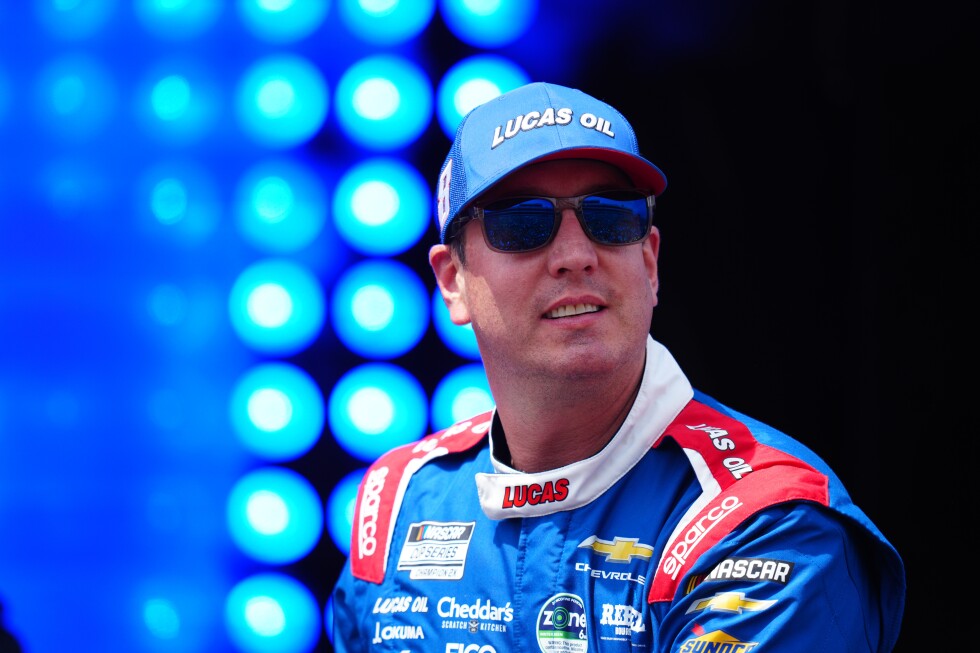
2-time NASCAR champ Kyle Busch dies at 41 after being hospitalized with a ‘severe illness’

Published

on

2-time NASCAR champ Kyle Busch dies at 41 after being hospitalized with a 'severe illness'

CONCORD, N.C. (AP) — Kyle Busch, a two-time Cup Series champion who won more races than anyone across NASCAR’s three national series, has died. He was 41.

The Busch Family, Richard Childress Racing and NASCAR issued a joint statement Thursday saying Busch died after being hospitalized. No cause of death was given.

Busch’s family said earlier Thursday that he was hospitalized with a “severe illness,” three days before he was to compete in the Coca-Cola 600 at Charlotte Motor Speedway.

Busch was testing in the Chevrolet racing simulator in Concord on Wednesday when he became unresponsive and was transported to a hospital in Charlotte, several people familiar with the situation told The Associated Press on condition of anonymity because details have not been disclosed by Busch’s team or family.

Advertisement

Busch was the younger brother of Kurt Busch, a NASCAR Hall of Famer. He’s survived by wife Samantha and children Brexton and Lennix.

“Our entire NASCAR family is heartbroken by the loss of Kyle Busch,” the statement said. “A future Hall of Famer, Kyle was a rare talent, one who comes along once in a generation. He was fierce, he was passionate, he was immensely skilled and he cared deeply about the sport and fans.”

The statement went on to say that “throughout a career that spanned more than two decades, Kyle set records in national series wins, won championships at NASCAR’s highest level and fostered the next generation of drivers as an owner in the Truck Series. His sharp wit and competitive spirit sparked a deep emotional connection with race fans of every age, creating the proud and loyal ‘Rowdy Nation.’”

The news comes 11 days after Busch radioed into his crew near the end of a Cup Series race at Watkins Glen asking a doctor to give him a “shot” when he finished the race. According to the TV broadcast, Busch had been struggling with a sinus cold exacerbated by the intense G-forces and elevation changes at the New York road course.

Advertisement

Busch finished the race in eighth place.

Busch competed at Dover last weekend and won the Trucks Series race for Spire Motorsports. He then finished 17th at the NASCAR All-Star race, his final race.

“Absolutely cannot comprehend this news,” NASCAR driver and former teammate Denny Hamlin posted on social media. “We just need to think of his family during this time. We love you KB.”

Added driver Brad Keselowski on social media: “Absolute shock. Very hard to process.”

Advertisement

A polarizing figure known as “Rowdy” and “Wild Thing” for his post-race fights, regular feuds with other drivers and sometimes outlandish behavior, the multi-talented Busch stormed on the Cup Series scene in 2005 by winning Rookie of the Year.

He went on to win championships in 2015 and 2019 for Joe Gibbs Racing.

“His impact on our organization and on the sport of NASCAR will never be forgotten,” the team said in a statement.

From Las Vegas, Busch experienced unrivaled success across NASCAR’s three national series winning a combined 234 Cup, O’Reilly Auto Parts and Trucks Series races. He had 63 Cup victories along with 102 O’Reilly Auto Parts wins and 69 Trucks victories — both records.

Advertisement

Busch was fired early in his career by Hendrick Motorsports to make room on the team for Dale Earnhardt Jr.

“Kyle and I had a really challenging existence for many years,” Earnhardt said in a statement. “But we luckily took the time to figure out our differences and that was something he instigated with a conversation in his bus around how we each managed our racing teams. I was super eager for us to get on better terms. But it was he who made the effort for that to be possible.”

Busch moved on to Joe Gibbs Racing where he experienced the vast majority of career success. But Busch was let go when there was no sponsor after the 2022 season and joined Richard Childress Racing, where had struggled to win races.

His lack of success led to a recent spat with former JGR teammate Hamlin, who appeared to criticize Busch on the “Actions Detrimental” podcast. Hamlin said, “If you’re expecting Kyle Busch to just go back to victory lane on a regular basis, you are kidding yourselves.”

Advertisement

While Hamlin later said he meant no harm by the comments and was just making an observation, Busch took exception and said he could make Hamlin’s life “hell” on the racetrack.

While several laps down at last month’s race at Kansas, Busch raced Hamlin hard instead of allowing the race leader to pass. That decision held up Hamlin during a crucial stage of the race and Tyler Reddick won the race after Hamlin faded late.

After winning the Trucks race at Dover last week and showing an uptick in speed, Busch seemed to make a veiled jab at Hamlin, saying “I guess I just remembered how to drive.”

After earning his win at Dover, Busch was asked how many races he wanted to win in his career.

Advertisement

“You take whatever you can get, man,” Busch said. “You never know when the last one is going to be, so cherish them all — trust me.”

Busch’s unexpected death is just the latest tragedy to hit NASCAR. Last December, former driver Greg Biffle, his wife and two children and three others died in a plane crash in Statesville, North Carolina.

The announcement of Busch’s death came after teams had already left Gasoline Alley on media day at the Indianapolis 500. As word spread on Main Street in Speedway, Indiana, just a short walk from Indianapolis Motor Speedway, race fans — IndyCar and NASCAR — were saddened.

NASCAR officials confirmed to The Associated Press the Coca-Cola 600 will go on as planned Sunday.

Advertisement

Drivers are expected to begin making their way to Charlotte Motorsports Speedway in Concord on Friday with practice and qualifying beginning on Saturday. Earlier in the day, RCR had announced that Austin Hill would replace Busch in the No. 8 Chevrolet Camaro ZL1.

___ AP freelance writer and former AP auto racing writer Jenna Fryer and AP Sports Writer Michael Marot in Indianapolis contributed to this report. ___

AP auto racing: https://apnews.com/hub/auto-racing

Advertisement

Source link

Continue Reading
Click to comment

You must be logged in to post a comment Login

Leave a Reply

NewsBeat

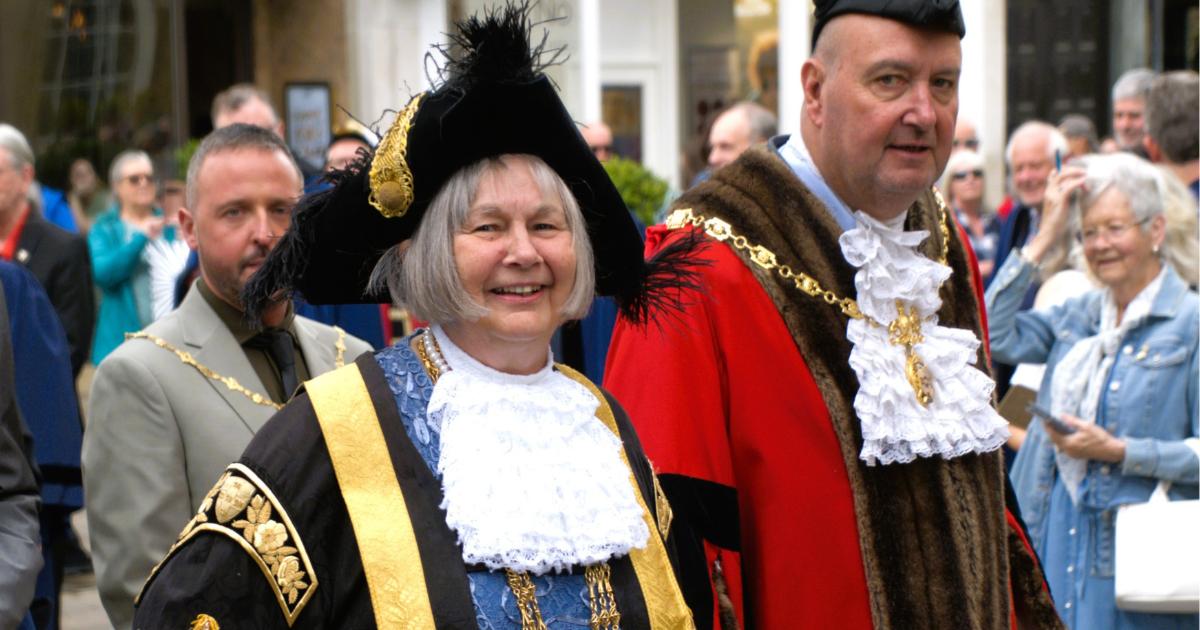
Cllr Margaret Wells takes office as Lord Mayor of York

Published

on

Cllr Margaret Wells takes office as Lord Mayor of York

Cllr Margaret Wells, Labour ward councillor for Clifton, has returned to the role following to York Council’s Annual General Meeting (AGM) and Mayor Making ceremony on Thursday, May 21.

The Lord Mayor said it was a real honour to return to the role which she held in 2024/5.

Cllr Claire Douglas, the authority’s Labour leader, said it was a pleasure to welcome Cllr Wells back to the role after her previous fantastic work.


RECOMMENDED READING:

Advertisement

Cllr Wells succeeded Conservative Cllr Martin Rowley at the ceremony on Thursday.

Osbaldwick and Derwent’s Cllr Rowley served alongside former Conservative councillor Paul Doughty who took on the role of Sheriff of York during the last municipal year.

Cllr Rowley’s time in the role included the creation of a Lord Mayor’s Commendation Scheme set up to recognise the work of selected people in York.

Cllr Wells’ civic party for the coming municipal year includes her consort Trevor Gant, Geoff Cossins who is serving as Sheriff of York and Stuart Jarman, the Sheriff’s Consort.

Advertisement

Cllr Margaret Wells (left) served as York’s Lord Mayor in 2024/5 (Image: Supplied)

The incoming Lord Mayor said she looked forward to meeting the amazing people of York and helping to raise money for fantastic causes.

Cllr Wells said: “It is a real honour to be chosen as the Lord Mayor of York again.

“I’d like to take this opportunity to thank Cllr Rowley for all his hard work and dedication during his tenure as Lord Mayor.

“Alongside my colleagues in the Civic Party, I’m looking forward to continuing our work as ambassadors for this fantastic city.”

Advertisement

Council Leader Cllr Douglas said she was grateful to Cllr Rowley and the outgoing Civic Party for their outstanding work.

The Labour council leader said: “Mayor making is an ancient tradition steeped in history and it is a real honour to formally welcome York’s new Lord Mayor and Civic Party for the next year.

“It is a pleasure to welcome Cllr Wells back as The Lord Mayor after the fantastic work she did along with the Civic Party for the city when she was last Lord Mayor.”

The office of York’s mayor dates back to 1217 and was first held by Hugh de Selby.

Advertisement

It became a lord mayoralty under Richard II in 1389 and is second only to the Lord Mayor of London in precedence in England.

Past office holders include William Harrington, the great-grandfather of Guy Fawkes, architect John Carr and confectionary magnates Joseph Terry and John Rowntree.

York is one of 15 towns and cities which still has a sheriff, an office whose origins date back to Anglo-Saxon times.

They were officials appointed to help govern the country’s shires and were called shire reeves, which gradually became sheriff.

Advertisement

Sheriffs represented the monarch at a local level, helping to collect taxes and administer justice, but the role is now ceremonial.

Source link

Advertisement
Continue Reading

NewsBeat

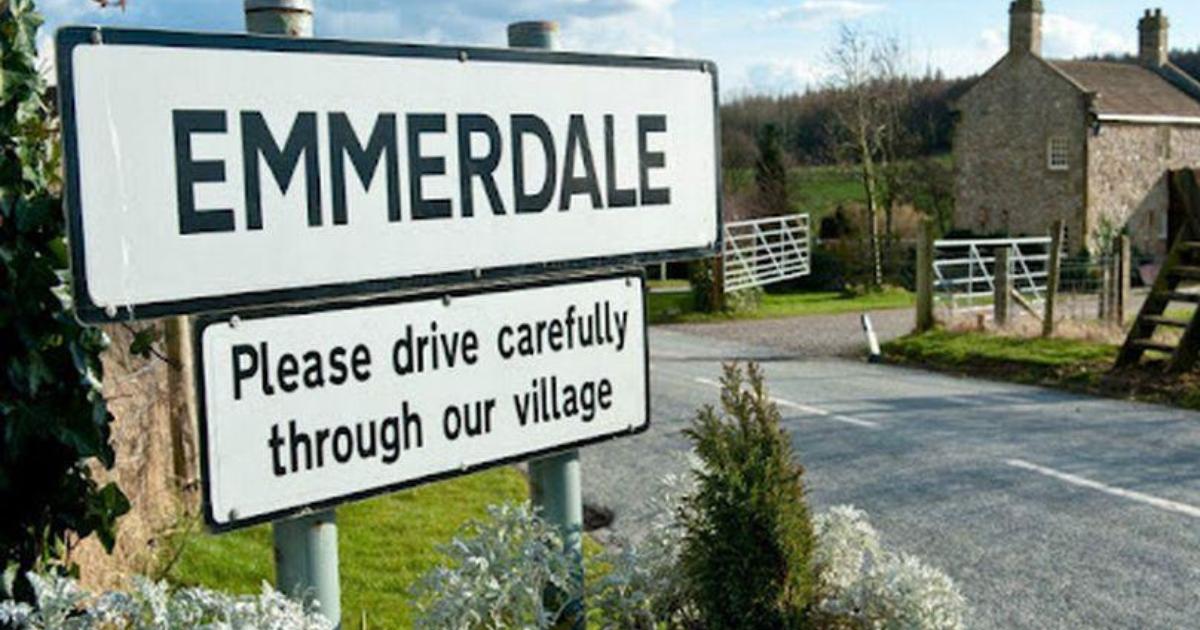
Emmerdale to put fan favourite at centre of new storyline

Published

on

Emmerdale to put fan favourite at centre of new storyline

The ITV soap hopes to “challenge the perception of what homelessness looks like”.

The broadcaster has partnered with charities, including The Salvation Army, to develop the plot, which will centre on mechanic Kammy Hadiq, played by Shebz Miah, as it emerges that he’s homeless.

Despite maintaining a job and relationships in the village, fan-favourite Kammy has secretly been sleeping rough in vehicles and in barns.

Advertisement

Emmerdale’s most emotional exits


Emmerdale producer Sophie Roper said: “This storyline is a vital look at ‘hidden homelessness’, showing that people can be living on the edge of society, sleeping in their vehicle or barns, while still successfully holding down a job and maintaining relationships.

“For many reasons, a person’s circumstances can change dramatically and we wanted to challenge the perception of what homelessness looks like and prove that what people present to the outside world isn’t necessarily the whole story.

“We hope this narrative encourages our viewers to look closer and remember that things are not always quite as they seem.”

Emmerdale said it hopes the storyline will raise awareness of the realities of hidden homelessness and that those concealing their struggles often “miss out on the support and help they need”.

Advertisement

This is not the first time the soap has addressed homelessness.

Back in 2019, Emmerdale was praised for Bob Hope’s storyline, which saw the character, played by Tony Audenshaw, sleeping rough after a relationship breakdown.

More recently, the soap worked with the charity Missing People for a plot in which teenager April Windsor, played by Amelia Flanagan, ran away from home during the Christmas season.

Emmerdale airs weeknights at 8pm on ITV1 and STV, and from 7am on ITVX, STV, and YouTube.

What do you think has been the most powerful Emmerdale storyline? Tell us in the comments below.

Advertisement

Source link

Continue Reading

NewsBeat

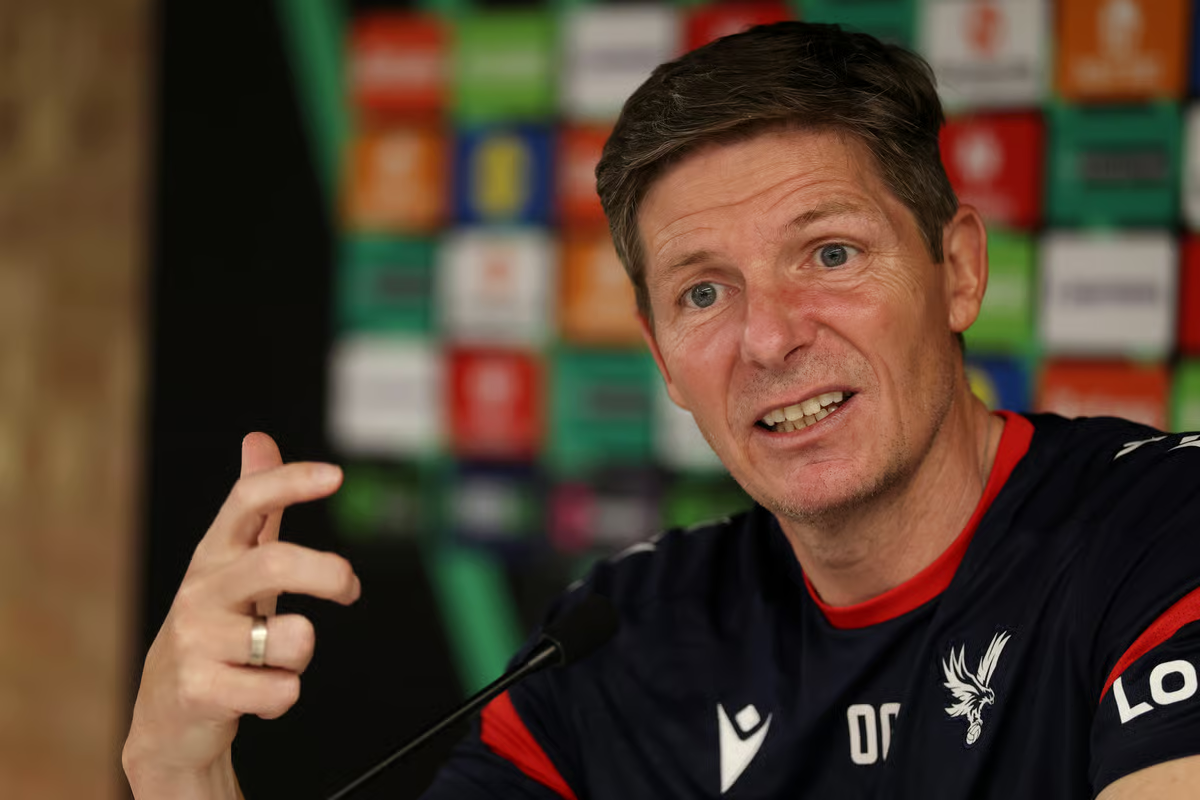
Oliver Glasner explains Crystal Palace fixture request as Arsenal squad plan revealed

Published

on

Oliver Glasner explains Crystal Palace fixture request as Arsenal squad plan revealed

“I don’t ask why (they rejected the proposal). They just told me, it doesn’t work, because, you know, there are contractual issues, TV rights, and I think everybody wants the last game day, the big celebration, the trophy, that goes to Arsenal, everything together. I think that’s the reason.”

Source link

Continue Reading

NewsBeat

El Nino dampens Atlantic hurricane risk, but increases it in Pacific

Published

on

El Nino dampens Atlantic hurricane risk, but increases it in Pacific

A developing El Nino that is forecast to get quite strong will likely dampen the upcoming Atlantic hurricane season, but it won’t make the potentially deadly storms disappear, federal and outside meteorologists predict.

The National Oceanic and Atmospheric Administration on Thursday issued its seasonal outlook for the Atlantic, giving a 55% chance of a below-average season. The agency forecasts eight to 14 named storms, with three to six of them becoming strong enough to hit hurricane status and one to three of those intensifying to major hurricanes.

A normal hurricane season has 14 named storms, seven of them becoming hurricanes and three of them reaching major hurricane level, which is more than 110 mph (177 kph).

Eighteen other groups, private and academic, have also forecast what they think the season will be like and most of them also call for a below average summer and fall. Those other forecasts average a dozen named storms, only five becoming hurricanes and two of those being major ones. Those forecasts also call for the Accumulated Cyclone Energy index, which takes into account strength and duration of storms, to be 80% of normal.

Advertisement

Colorado State University, which pioneered the science of hurricane seasonal forecasting in 1984, is predicting the lowest overall activity since 2015, which was the strongest El Nino in the last 75 years. And that forecast is likely to be revised to even lower numbers in June, said Colorado State’s hurricane expert Phil Klotzbach.

This is after nine of the last 10 Atlantic hurricane seasons have been above normal or even hyperactive, Klotzbach said. Last year started slow, but then had a burst, producing a near-record total of three Category 5 hurricanes, including Melissa which devastated Jamaica and Cuba, said Suzana Camargo, a climate scientist and tropical weather expert at Columbia University.

Inflation-adjusted damage across the globe from tropical cyclones has increased from an average of $11.4 billion a year in the 1980s to $109.7 billion a year over the past 10 years, with three-quarters of the damage done in the Atlantic, Gulf of Mexico and Caribbean, according to insurance giant Munich Re.

Hurricanes, typhoons and cyclones are the same weather event, with the different names being used in different parts of the world.

Advertisement

“We should expect a less active year than certainly what we’ve seen recently, and perhaps significantly so below average,” said University at Albany atmospheric scientist Kristen Corbosiero. “But again, it only takes one to cause real devastation and destruction in the mainland U.S. or even in Hawaii.”

El Nino decapitates Atlantic storms

It’s mostly because of “the elephant in the room” which is an El Nino, Camargo said.

An El Nino is the natural and cyclic warming of parts of the central Pacific that warps weather patterns around the globe, especially during winter. Scientists for decades have found a correlation between an El Nino and below average Atlantic hurricane activity and stronger and more storms in the central and eastern Pacific. This year many forecasts are calling for a strong, superstrong or even record setting intense El Nino. During a La Nina, the cool flip side of El Nino, the Atlantic is generally busier with stronger storms.

There’s a 98% chance that there will be an El Nino this summer and an 80% chance it will be moderate or strong, NOAA Administrator Neil Jacobs said Thursday.

Atlantic hurricane seasons when an El Nino reaches strong or very strong status have two-thirds the named storms and half the hurricanes of the 1991-2020 average, according to an Associated Press analysis of storm and El Nino statistics.

Advertisement

El Ninos fight Atlantic storm formation in several ways, especially with cross winds about 1 mile to 7 miles (1.5 to 11 kilometers) above the surface “which can basically blow apart the thunderstorms that make up” a hurricane, Corbosiero said.

“A stronger than normal wind shear tends to tilt storms as they try to develop,” said University at Albany atmospheric scientist Brian Tang. “It pushes dry air into storms. And prevents storms from developing in the first place. And if they do develop, it also prevents them from intensifying.”

El Nino reduces the number and intensity of weaker storms, but once a storm hits hurricane status with 74 mph winds, “they can be kind of like a self-feeding entity” and are less prone to being dampened by El Nino’s wind shear, said Matthew Rosencrans, lead hurricane season forecaster with NOAA’s National Weather Service.

Forecasts for peak hurricane season show strong wind shear from the west in the main development region for the largest and long-lasting hurricanes that come off of Africa and develop as they head west over the Atlantic, Klotzbach said. Fewer of these type storms happen during El Ninos.

Advertisement

In the 15 strongest El Nino years since 1950, 37 named storms, 11 hurricanes and three major hurricanes made landfall on the continental United States, but in the 15 coldest La Nina years 61 named storms, 31 hurricanes and 10 major hurricanes hit America’s Gulf and Atlantic coasts, according to Klotzbach. He said El Nino shrinks the number of hits on the Atlantic coast, but has less of an influence on the number of Gulf coast landfalls.

In addition to El Nino, dry conditions in Africa and water in the Atlantic being only slightly warmer than normal contribute to the forecast of a weaker season, Rosencrans said.

Opposite effect in the Pacific

El Ninos and La Ninas have the opposite effect on storms in the central and eastern Pacific as they do in the Atlantic, so experts are expecting a busier season in those regions. Jacobs said there’s a 70% chance that the eastern Pacific will have an above normal season.

NOAA forecasts 15 to 22 named storms in the Pacific with nine to 14 becoming hurricanes and five to nine of those being major hurricanes. Average is 15 named storms, eight hurricanes and four major hurricanes. Rosencrans said the main area of central Pacific storm development shifts closer to Hawaii during El Ninos.

Eastern Pacific storms near Baja Mexico tend to “go west, affect the fishies and little else,” Corbosiero said. But at times they can turn east or north and cause massive damage as in Hurricane Otis in 2023 that smashed into Mexico, or 1992’s Hurricane Lester, which caused heavy rains in the U.S. Southwest, she said.

Advertisement

Hawaii is a small island chain in a big ocean that can be threatened. In 1992, an El Nino year when there were few Atlantic storms (though Miami was devastated by Hurricane Andrew ), Hawaii was hit by Hurricane Iniki.

Further west toward Asia and India, “your odds of any storm forming becoming a super typhoon go up significantly in El Nino,” Klotzbach said.

The eastern Pacific hurricane season started May 15 and the Atlantic season begins June 1 and both end November 30.

El Ninos can also make hurricane season longer, said John Bravender, a weather service meteorologist in Honolulu. “With the warmer waters across the area, not only can hurricanes maintain their strength at higher latitudes, but also longer through the year,” he said.

The state is preparing for hurricanes just as parts of Hawaii are still reeling from recent back-to-back storms that caused catastrophic flooding, Gov. Josh Green said.

Advertisement

___

Associated Press writer Jennifer Sinco Kelleher in Honolulu contributed to this report.

___

The Associated Press’ climate and environmental coverage receives financial support from multiple private foundations. AP is solely responsible for all content. Find AP’s standards for working with philanthropies, a list of supporters and funded coverage areas at AP.org.

Advertisement

Source link

Advertisement
Continue Reading

NewsBeat

responses should focus on social context, not just mental health

Published

on

responses should focus on social context, not just mental health

Around one in six adolescents worldwide report having self-harmed at some point in their lives. In England, an NHS mental health survey of 2,370 children and young people found that more than one in three young adults aged 17 to 24 had self-harmed.

Typically, responses to self-harm focus on the individual – diagnosis, treatment and risk management. Mental health support is clearly essential, but a large and growing body of global research points to wider, social factors contributing to self-harm.

Young people across different cultures describe self-harm less as a symptom of a specific “mental illness” and more as a response to unbearable pressures often linked to intense social challenges, relationship difficulties and changes as they develop into adulthood. These issues are raised in India, Pakistan and China.

Even if these social drivers are well acknowledged, there is a lack of alignment between how distress is understood and how it is addressed. This mismatch has real consequences. Responses to youth self-harm that prioritise the individual may reduce immediate danger. However, approaches that prevent distress from arising in the first place and address the wider context that might inadvertently maintain it are also needed.

Advertisement

Social worlds

In research, young people who self-harm often speak of shame and humiliation, family conflict, parental criticism and harsh discipline, social exclusion and overwhelming educational expectations. Some describe feeling unable to express distress or challenge authority safely. Others talk about feeling silenced, believing that if they tried to explain their pain directly, they would not be heard.

In research carried out in Ghana, young people linked self-harm to powerlessness within families, early adult responsibilities and harsh punishment, often framing it as a form of protest or communication. In research in Brazil, adolescents emphasised low family support, school disengagement, and difficulties in expressing their emotions as factors driving self-harming.

Despite differences in culture and context, a consistent pattern emerges. Young people understand self-harm within their everyday social worlds. Distress is described by young people as socially produced and linked to relationships, not simply as something that originates within the individual.

Many responses to self-harm focus on the individual.
SeventyFour/Shutterstock

Self-harm becomes a way of regulating overwhelming emotions, expressing protest or making suffering visible when other options feel unavailable.

Advertisement

Research I carried out in Rwanda reinforces this perspective. In interviews with young people, parents and healthcare providers, self-harm was widely understood as emerging from poverty, family conflict, school pressure and community responses, such as stigma and gossip.

Importantly, these explanations were not confined to young people themselves. Across the findings, parents and healthcare professionals also described the young people’s distress as shaped by family relationships, material hardship, and wider social responses. Nevertheless, services across most of the world continue to focus primarily on individual risk assessment and treatment.

School-based programmes, for example, often focus on screening, awareness and referral rather than on reducing the pressures young people describe as driving distress. Clinical services tend to see young people once self-harm has already escalated, by which point social problems may be deeply entrenched. Schools could explore reducing daily pressures linked to risk, including academic pressure, bullying, weak sense of belonging and a lack of trusted adult support, by reviewing assessment load and exam messaging, strengthening connectedness, and improving pastoral support.

Even well-intentioned support may inadvertently reinforce silence if it makes young people feel unable to talk about their feelings and needs. This was particularly clear in our research in Rwanda, where in some cases support was only to communicate that self-harm is dangerous and should be stopped, rather than also recognising it as a signal of unmet needs.

Advertisement

That silence matters because, in my research, lack of emotional support and lack of space for expression were part of the conditions linked to self-harm.

Support for parents is particularly limited, but the need is high. Many parents report significant distress owing to their child’s self-harm, and challenges navigating economic strain, social change and limited support for their young person.

Recognising self-harm as socially structured distress shifts attention upstream. It invites attention on how families respond to conflict and emotion, how schools manage competition and failure, and how communities handle shame and exclusion.

It also highlights the role of wider inequalities in shaping vulnerability, including poverty, expectations placed on young people because of their gender, and limited access to supportive services. This does not deny the importance of mental health care. Young people still need access to compassionate, confidential support.

Advertisement

This perspective is not entirely new. What remains striking is how little it has transformed mainstream policy and practice. As long as self-harm is treated primarily as an individual clinical problem, responses will continue to be limited. There has long been recognition that clinical treatment sits within a broader social ecology. However, integration of this into our intervention approach remains an ongoing project.

Prevention and treatment require environments in which distress can be expressed without fear of punishment or stigma, and where young people have some meaningful say over the conditions shaping their lives.

Some promising work already points in this direction. Participatory approaches that involve young people in designing interventions show higher acceptability and relevance. These might be on a variety of levels, from one-to-one therapy, school support and prevention campaigns, or awareness raising in the community, for example. Community-based programmes that engage families, teachers and peers can help reduce shame and isolation. Interventions grounded in local social realities, rather than “risk models” developed elsewhere that may not fit local contexts, are more likely to resonate with young people’s experiences.

Listening carefully to how young people explain their distress does not offer a quick fix. It does offer a fuller response. If we are serious about reducing youth self-harm, we need to take the social environments shaping young people’s lives seriously, not only as sites of harm, but as places where prevention, treatment and support begin.


Advertisement

Source link

Continue Reading

NewsBeat

William records birthday message during Duchy housing development visit

Published

on

William records birthday message during Duchy housing development visit

Afterwards, William posted a message on social media, saying: “Three years ago, we set out to take a different approach, to think more carefully about how the Duchy could use its land to create opportunity and support people over the long term, including launching a project here in Cornwall to help tackle homelessness with the right support around it.

Source link

Continue Reading

NewsBeat

Prescriptions for ivermectin soar after Mel Gibson claims it cured friends of cancer

Published

on

Prescriptions for ivermectin soar after Mel Gibson claims it cured friends of cancer

Prescriptions for two antiparasitic drugs, ivermectin and fenbendazole, have recently surged in the US, according to a new study. Originally developed to treat parasitic worms, the drugs are now being discussed online as possible cancer treatments.

In January 2025, Mel Gibson appeared on the Joe Rogan Experience podcast claiming that ivermectin and fenbendazole can treat cancer. He said the drugs cured three friends of stage 4 cancer. Clips from the interview spread rapidly on social media.

For some listeners, the interview was probably convincing enough for them to try and obtain the drugs for themselves. Prescriptions for ivermectin more than doubled among cancer patients after the podcast appearance. Google searches increased sharply and online forums filled with discussions about self-dosing. Within days, the two drugs were being touted online as possible breakthrough cancer therapies.

But what does the scientific evidence actually show?

Advertisement

First, let’s consider ivermectin, a widely prescribed antiparasitic drug, used in both humans and animals. Laboratory studies have found that it can affect several biological processes linked to cancer growth.

One study found that it may interfere with a pathway that helps cancer cells survive. Other research has explored whether ivermectin can make tumours easier for the immune system to detect and destroy.

However, findings from laboratory studies do not automatically translate into successful treatments for patients. So far, no studies have looked at the effectiveness of ivermectin and fenbendazole in cancer patients, but some early-stage trials are now underway.

Mel Gibson claims that three friends recovered from stage 4 cancer after taking antiparastic drugs.
Featureflash Photo Agency/Shutterstock.com

Fenbendazole belongs to a group of antiparasitic drugs called benzimidazoles. Unlike ivermectin, it is only used in animals and is not approved for human use.

Advertisement

In laboratory studies, fenbendazole has been shown to interfere with cancer in several ways, including disrupting cancer cells’ uptake of glucose (which these cells rely on heavily), impairing how they manage chemical stress, and damaging their structure so they can no longer function properly.

Public interest in fenbendazole increased in 2019 after a US businessman claimed it helped him recover from lung cancer. However, the story often overlooked an important detail: the patient was also receiving experimental cancer treatment and several other drugs at the same time.

Why scientists remain cautious

This leads to the central issue: the quality of the evidence.

Most evidence supporting ivermectin and fenbendazole as cancer treatments comes from studies in cells or animals, not from clinical trials involving patients.

Advertisement

One paper reporting major improvements in three cancer patients taking fenbendazole was later retracted because of concerns about the reliability of the data.

Some supporters also claim that the two drugs may work better when used together because they appear to affect cancer cells in different ways. However, combination therapy of the two antiparasitic drugs taken together have not been conducted.

Future studies must use a combination of the two drugs to either back up or refute Gibson’s claims. Without scientific evidence, it would be dangerous to assume these drugs are a miracle cancer treatment.

Interest in these drugs has grown quickly, and some human trials testing them (alongside conventional treatments) are now underway. But this doesn’t mean ivermectin has been proven to work against cancer. It simply means researchers believe the laboratory evidence is strong enough to justify further study. Human trials, however, are still at an early stage.

Advertisement

Cancer can leave people searching urgently for hope, especially when treatments are expensive, difficult or uncertain. That helps explain why stories about familiar, low-cost drugs can spread rapidly online.

Until large, well-conducted trials are completed, ivermectin and fenbendazole should be considered experimental cancer treatments. For now, medical experts recommend relying on evidence-based cancer treatments supported by clinical research.

Source link

Advertisement
Continue Reading

NewsBeat

New DWP pilot phases out GP sick notes for some patients in England

Published

on

Cambridgeshire Live

The DWP has announced a new pilot scheme in four areas of England where GPs will no longer issue fit notes to some patients – but will the reform reach Cambridgeshire?

GPs will no longer issue sick notes in certain regions under a new government pilot scheme designed to overhaul the failing system.

Advertisement

Approximately 11 million “fit notes” are produced annually under the current arrangements, with more than nine out of ten declaring individuals unfit for work. The Department for Work and Pensions (DWP) announced that in four areas of England the trial will examine the most effective way to “end this tick-box exercise” for employees who become unwell.

Some patients taking part will receive an initial fit note from a GP before being referred to community health workers. Others will go through the entire process without an initial fit note from a GP and instead receive support through a separate service staffed by clinical and non-clinical practitioners.

The pilots will be launched in Birmingham and Solihull, Coventry and Warwickshire, Cornwall and the Isles of Scilly and Lancashire and South Cumbria.

The Government said this is the first step of “radical fit note reform”, with patients, healthcare staff and employers providing input ahead of legislation being brought forward for changes to the “broken system”, reports the Mirror.

Advertisement

Work and Pensions Secretary Pat McFadden said: “Fit notes are too often a dead end – a piece of paper that tells people they can’t work but does nothing to help them get better.

“We’re changing that. By bringing employers, the NHS, and patients together we can help people recover faster, stay connected to their jobs, and get the economy firing on all cylinders. That’s what these pilots are about, and that’s what this Government is committed to – fixing what is broken.”

Care minister Stephen Kinnock said NHS staff had repeatedly highlighted that the current fit note system is not working for patients or clinicians who sign them off.

He added: “These pilots mark the beginning of the end for that broken system, giving people personalised support to get back into work and freeing up GPs from unnecessary admin so they can focus on what they do best: caring for their patients. This is what our 10 Year Health Plan is all about – earlier support, from the right people, in the right place.”

Advertisement

National Voices, a coalition of health and social care charities, gave a warm welcome to the pilots and the proposed reforms. Chief executive Jacob Lant said: “The current tick-box system for fit notes isn’t working for anyone, particularly patients. It makes people who are unwell jump through unnecessary admin hoops, and yet the process rarely offers people the support they need to get well and manage their conditions long-term.

“The Department for Work and Pensions is absolutely right to test out new ways of supporting those who are signed off, and it is vital that patients are fully involved in that testing process, able to feed back over what works and what doesn’t. This is the only way to reliably avoid unintended consequences and create a system that actually helps both those who can’t work and those who would be able to with the appropriate support.”

Source link

Advertisement
Continue Reading

NewsBeat

Cannes’ amfAR Gala raises millions for AIDS research with sales of artwork, jewelry and lavish goods

Published

on

Cannes' amfAR Gala raises millions for AIDS research with sales of artwork, jewelry and lavish goods

Actors and celebrities at the Cannes Film Festival were coaxed off the Croisette and up the French Riviera coast to Antibes on Thursday for dinner, performances and the annual amfAR Gala auction, which raised millions for AIDS research.

Guests were treated to a lavish reception on the Hotel Du Cap, Eden Roc, lawn, followed by performances from Robbie Williams, Zara Larsson and Lizzo over dinner. The gala was hosted by Geena Davis, who appears on this year’s festival poster, a tribute to “Thelma & Louise.”

Lizzo teased her new album on the red carpet. “I’m just so excited. I’m trying to bring back good, clean fun. Like, I just want to have fun again, people need to dance, people need to laugh.”

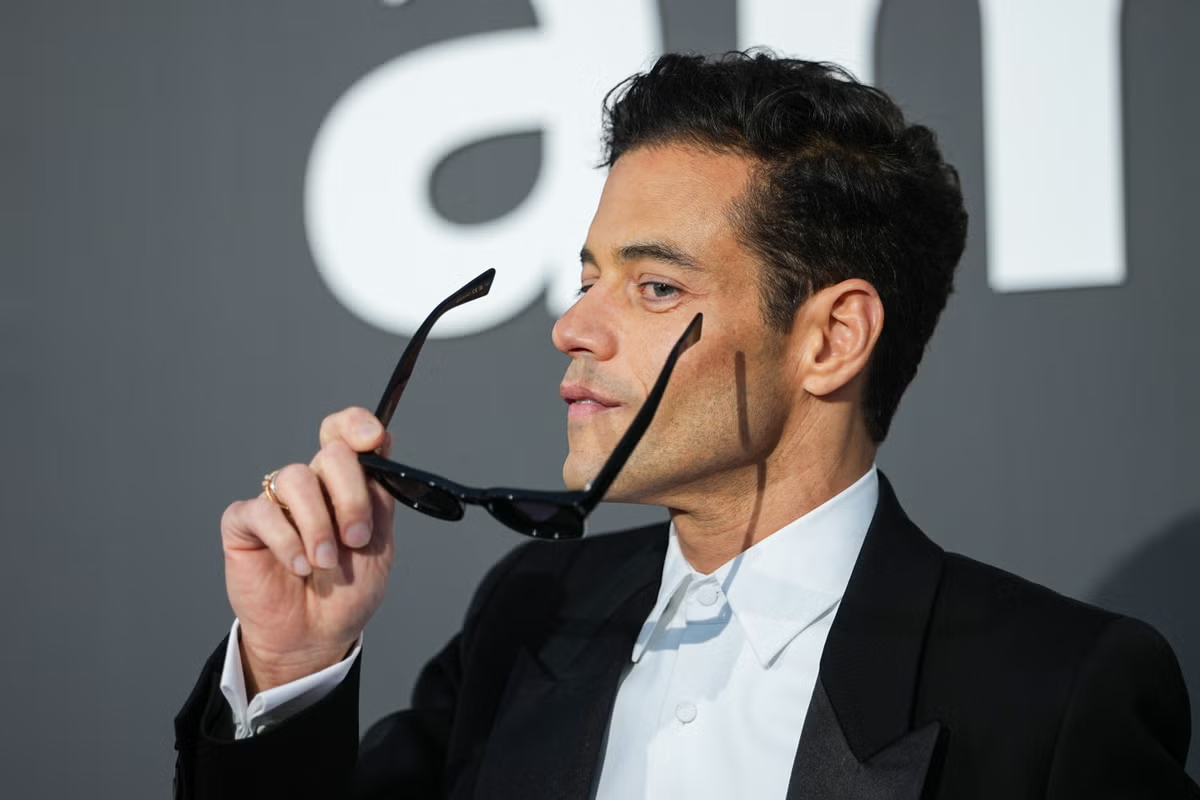
Other guests included Rami Malek who has a film in competition in Cannes, Eva Longoria, Heidi Klum, Sofia Carson, Natasha Poly and Bar Refaeli.

Advertisement

An array of art, jewelry and experiences were auctioned.

Actor William Abadie auctioned off a walk-on part in “Emily in Paris” while confirming the sixth season will be the show’s last. After some enthusiastic bidding, two opportunities were given for a turn in the limelight, for 375,000 euros ($435,545) each.

Some of the artwork raised the bar with a famed full set of Andy Warhol screen prints of Marylin Monroe fetching 2.8 million euros ($3,252,228).

Festival sponsor Chopard donated diamond earrings that sold for 600,000 euros ($696,906). And a limited-edition Audemars Piguet watch — one of only five — went for an eye-watering 1,450,000 euros ($1,684,160).

Advertisement

Williams performed a medley of his hits ending with “Angels” dedicated to his daughter. A surprise lot of VIP concert tickets was split between two bidders at 220,000 euros ($255,5278) each for two sets of tickets each.

Larsson closed the dinner with a high-energy performance that lured diners into dancing in front of the stage. The guests then moved to the after-party around the hotel’s pool to dance and celebrate.

Since 1985, amfAR has raised nearly 841 million euros ($950 million) in support of AIDS research and programs and awarded more than 3,800 grants.

Source link

Advertisement
Continue Reading

NewsBeat

Leominster level crossing crash involving train and tractor caused by human error, say investigators

Published

on

Daily Mirror

According to a new report published by the Rail Accident Investigation Branch (RAIB) the accident happened because the signaller gave permission to the tractor’s driver to use the crossing

An investigation has found that a collision involving a passenger train in Herefordshire happened because a signaller gave a tractor driver permission to use a level crossing when it was not safe.

Advertisement

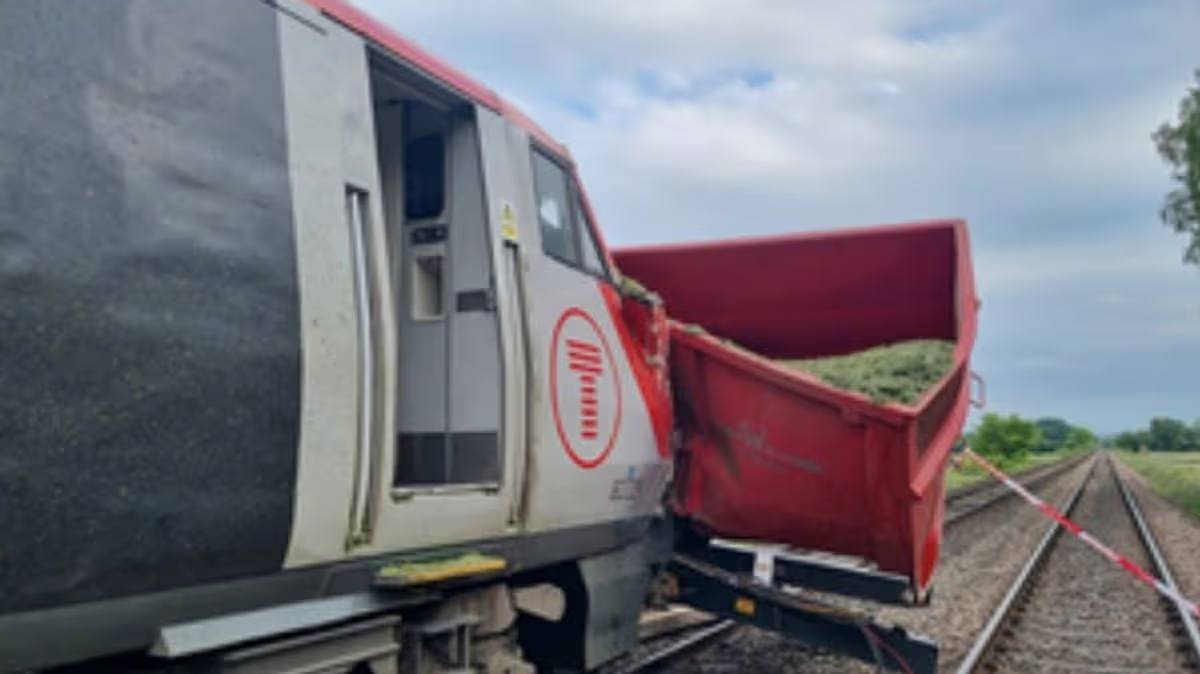
At around 10:37am on May 22 2025, a passenger train collided with an agricultural trailer being towed across the railway at Nordan Farm user worked crossing, in Herefordshire. The train was travelling on the Down Main line between Ludlow and Leominster at around 80 mph (129 km/h) when the accident occurred.

Police confirmed there were 66 passengers on board the train travelling from Manchester to Cardiff at the time of the collision. Six passengers and one member of staff received minor injuries. The train did not derail, but significant damage was caused to the leading vehicle of the train and to the agricultural trailer.

READ MORE: Question Time debate halted as Fiona Bruce makes two huge announcementsREAD MORE: EastEnders legend bids sad farewell to soap 29 years after debut leaving fans ‘gutted’

Advertisement

The cause of the collision

According to a new report published by the Rail Accident Investigation Branch (RAIB) the accident happened because the signaller gave permission to the tractor’s driver to use the crossing, despite the proximity of the approaching train.

The signaller had forgotten about the presence of the train when they gave permission and did not check signal box equipment which was indicating the presence of the train beforehand, as they had been trained to. The signaller’s actions may have been affected by an interruption to their established routine for giving users permission to use the crossing, an increase in their workload, distraction and the effects of fatigue.

As Nordan Farm level crossing is a passive user worked crossing, it has no engineered safeguards to warn or protect a crossing user of an approaching train and safe operation is solely reliant on the signaller’s decision as to whether it is safe to cross or not.

Advertisement

RAIB found that Network Rail’s level crossing risk assessment process did not effectively recognise nor control the higher risk present at some crossings during intensive seasonal use. This was an underlying factor. RAIB also found that Network Rail did not have a coherent process for deciding whether a vehicle using a user worked crossing should be considered as large, low or slow moving. This was a possible underlying factor.

Recommendations

The RAIB has made two recommendations to Network Rail based on the results of its findings.

Advertisement

The first seeks to improve the effectiveness of risk management processes at crossings that see a high variance of use across the year. The second asks Network Rail to consider the actions it took in response to a previous RAIB recommendation and is aimed at assisting signallers and crossing users in deciding whether a vehicle should be treated as large, low or slow moving.

A spokesperson for Network Rail told the BBC the company was committed to learning from the incident. They said: “Safety remains our highest priority for both passengers and our colleagues, and we have fully supported the independent investigation,” they said.

“Our thoughts remain with everyone affected by this incident. While incidents of this nature are rare, it’s vital we understand exactly what happened and where we can do better. We are carefully considering the report’s findings and recommendations.”

The Mirror has contacted Network Rail for further comment.

Advertisement

Source link

Continue Reading

Trending

Copyright © 2025