

Business
Auxier Spring 2026 Market Commentary (Mutual Fund:AUXFX)


Donny DBM/iStock via Getty Images

After a strong start in January the market corrected largely due to the Strait of Hormuz crisis. Technology was the quarter’s worst-performing S&P 500 sector, especially software-related companies which suffered from AI disruption fears, excessive stock-based compensation and high valuations. Adding to that were monetization concerns over a sizable increase in “hyperscaler” capital expenditures in excess of $660 billion. The conflict in Iran and resulting Strait of Hormuz shutdown effectively halted shipping of 20.5-21 million barrels per day of crude oil and refined products that pass through what is one of the world’s most critical commodity corridors. This boosted energy, the best performing sector. Value outperformed growth with the Russell 1000 Value Index advancing 2.10% compared to a decline of 9.78% for the Russell 1000 Growth Index.
Defense Spending on the Rise
Geopolitical uncertainties over the last several years have brought about steadily increasing defense budgets, particularly in the United States which saw an increase from $715 billion in 2020 to just under $850 billion in 2025. For the first time ever, the 2026 budget exceeds $1 trillion. These increases have been driven by events like the Russia-Ukraine conflict as well as the war in Israel. Most recently, the US proposed a $1.5 trillion defense budget for 2027, citing factors like increasing global threats and the need for more domestic defense infrastructure. Lockheed Martin (LMT), Northrop Grumman (NOC) and RTX (RTX) stand to be among the largest beneficiaries of rising defense budgets, as all three are prime contractors for the US’s proposed $185 billion “Golden Dome” nationwide missile defense system. General Dynamics (GD), meanwhile, serves as the prime contractor for the nation’s $65.8 billion naval modernization effort. Boeing (BA) should see consistent revenue following their award of the F-47 next-generation aircraft contract, which is particularly attractive as aircraft programs typically run for decades. The previous generation F-35 first delivered in 2011 is still in production. Outside of traditional defense companies, we also see some tech names as beneficiaries of higher military spending with Nvidia (NVDA), Intel (INTC) and Qualcomm (QCOM) providing processing and compute for current and future autonomous vehicle and drone programs.
Growing Risk in Private Equity and Private Capital
The private equity and credit markets have exploded in growth over the last decade and are among the fastest-growing alternative asset classes. S&P Global estimated that private market assets under management totaled $15 trillion in 2024, up from $10.89 trillion in 2022. They project that those markets could reach more than $18 trillion by 2027. Private equity investments account for over half of the market. This lightly regulated industry is now facing headwinds. Payment-in-Kind loans have flourished as borrowers struggle to meet cash interest payments. Private equity funds are unable to exit their mid-market companies and investors are questioning valuation parameters. The opaque nature of these funds has further damaged investor confidence.
AI Disruption Fears Hit Software Companies Hard
The Software as a Service (SaaS) industry was one of the hardest hit areas of the market during the first quarter as investors have increasingly become uncertain over AI’s potential for disruption that could commoditize the industry and compress profit margins. Forbes reported that the software sector’s price-to-earnings ratio fell to 20 times during the first quarter compared to around 35 at the end of 2025, the lowest level since 2014. Companies like Intuit (INTU), Adobe (ADBE), Salesforce (CRM) and FICO (FICO) saw their shares fall 30%-37% during the first quarter despite reporting strong earnings. Investors fear that AI agents could replace much of the work currently performed by software companies for a fraction of the cost. Intuit has been working to counter the fears by heavily investing in their AI agent platform, bringing it to all their existing products. Adobe has been doing the same and both companies have seen strong support for AI features with around 90% of users taking advantage of the new capabilities. On the commodity risk side, these companies possess an advantage over popular general purpose AI models as they have access to specialized proprietary data they can use to train their own models. Adobe owns hundreds of licensed images they use for training and provides protection from litigation. Intuit instills confidence that taxes and business operations will comply with laws and regulations. AI models training only on public general data have a history of hallucinating false information and presenting it as fact which could be incredibly costly when dealing with important financial information. Proprietary data and the promise of security is something that we see as an advantage for long-standing SaaS companies that could help them better compete with growing AI players. It is amazing to see the P/E compression of these stocks since Covid. Fiserv (FI)—an unglamorous back-office processor for banks—was valued at over 100x earnings four years ago and now trades at just 7x, despite delivering 39 consecutive years of double-digit earnings-per-share growth.
Contributors
Bank of New York Mellon (BK) reached all-time highs following their first quarter earnings report of a 42% increase in year-over-year earnings per share along with an 18% increase in interest income resulting from higher yields. Assets under management grew 12% to a record $59.4 trillion. AI initiatives have been paying off as AI agents led to 20% faster client onboarding and 80% faster settlement inquiry investigation; agents are now writing 40% of all code. They returned $1.4 billion through repurchases and dividends and authorized a new $10 billion share repurchase program. CEO Robin Vince has done an exceptional job since taking over four years ago. Major US banks as a whole are aggressively retiring stock in 2026 due to recent deregulation, with a record $33 billion bought back in the first quarter alone—up 35% from the prior year quarter. This is the type of “double play” return we seek; an undervalued, vital, dull business with inspired management improving operating results leading to a sixfold return on our investment.
Industrials were the best performing sector during the quarter relative to the overall Fund, due in part from strong reshoring thanks to low domestic natural gas prices, legislation like the CHIPS and Inflation Reduction Acts as well as geopolitical risks that incentivize companies to return manufacturing to the US. Last year’s massive increase in hyperscaler capital expenditures continues, projected to be over $650 billion this year and may account for up to half of US GDP growth. Strong performers in the Fund included Gates (GTES), Caterpillar (CAT), Corning (GLW), and FedEx (FDX). Corning has seen strong demand for their optical connectivity products used in AI-focused data centers. Corning CEO Wendell Weeks is impressive in his ability to execute.
Defense and aerospace companies Boeing, Parker-Hannifin (PH), General Dynamics and RTX have reaped the benefits of a massive increase in global defense spending in response to rising conflicts.
Skilled labor educators Lincoln Educational (LINC) and Universal Technical Institute (UTI) have reported strong growth in student starts as demand for trades continues to rise. The expansion of data centers has led to high demand for electricians, HVAC technicians, welders and CNC machining engineers. AI automation is expected to impact many professional industries, driving interest in trades that are viewed as more resistant to disruption. Reshoring trends in the US specifically in the semiconductor and defense industries are also contributing to strong student starts.
Energy refiners Valero (VLO) and Phillips 66 (PSX) outperformed with diesel and Jet A fuel prices soaring. The crack spread hit a record $88.25 per barrel of oil in March. Chevron (CVX) has been a major beneficiary of years of diligent investments in oil and gas production.
Detractors
UnitedHealth (UNH) has been a major laggard for the past quarter and year. However, since CEO Stephen Hemsley’s return last May operating performance has been improving. We made over a fivefold return under his previous tenure from 2006-2017 and are confident that he can navigate a successful turnaround going forward. The recent medical cost ratio (MCR) of 83.9% is the lowest in two years and combined with a 2.48% CMS rate increase this spring has been a big boost. The lower amount spent on patient medical claims follows the company’s late 2025 shift to focus on higher margin patients over aggressive membership growth. Total membership has fallen by about 700,000 since the end of 2025. Management cited their higher margins as the reason for raising their full year adjusted earnings per share guidance to over $18.25, up from their previous guidance of $17.75 in January and consensus estimates of $17.86. Going forward, management also announced at least $1.5 billion in spending on artificial intelligence technology in 2026. This technology will be focused on areas like helping members understand their coverage and automating some administrative tasks and claims processing.
Software-related stocks in the portfolio have been hit hard due to the threat of margin compression from artificial intelligence. Microsoft (MSFT)’s 21.9% drop in the quarter was the worst decline since the 2008 financial crisis. They are spending $190 billion on AI-related capital expenditures in 2026 yet their AI Copilot product has failed to scale, with less than 15 million total paid seats. Google Gemini has successfully integrated their AI and captured the largest share of casual AI users with 2 billion people interacting with “Gemini-powered AI overviews” in Google Search every month. Microsoft has a large installed base with Fortune 500 companies. They have over $88 billion in cash on the balance sheet which is a huge competitive advantage. It is hard to bet against CEO Satya Nadella who took over in February 2014 and has a great record with the stock up over elevenfold.
First Quarter 2026 Performance Update
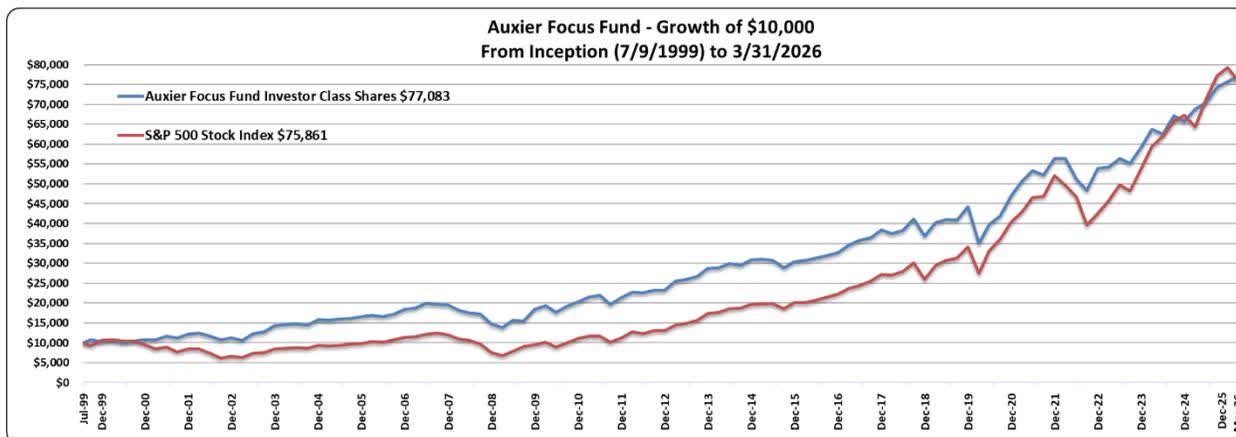

Auxier Focus Fund’s Investor Class gained 1.73% in the first quarter of 2026 with stocks up 2.00%. For the same period the S&P 500 cap-weighted index declined 4.33% and the equal weight returned 0.67%. The Russell 1000 Value was up 2.10%. For the quarter, fixed income investments as measured by the S&P US Aggregate Bond Index returned 0.04% and the longer-dated ICE US Treasury 20+ Year Index was up 0.11%. Stocks in the Fund comprised 92% of the portfolio. The breakdown was 82.5% domestic and 9.5% foreign, with 8.0% in short-term debt instruments. A hypothetical $10,000 investment in the Fund from inception on July 9, 1999 to March 31, 2026 is now worth $77,083 vs $75,861 for the S&P 500 and $65,542.76 for the Russell 1000 Value Index. During the same period, equities in the Fund (entire portfolio, not share class specific) have had a gross cumulative return of 1,323.34% vs 658.61% for the S&P. The Fund had an average exposure to the market of 82% over the entire period. Our results are unleveraged.
In Closing
We continue to seek businesses and managements displaying a strong culture with a heart and soul. Great leadership combined with enduring business models purchased in periods of fear and uncertainty have generated most of our returns over the past three decades. We have had good luck
with gritty founder CEOs who love their business. There is however a shortage of great operators. The key is to identify these managers and businesses ahead of time and do vigorous daily research to determine the sustainable earnings power of each entity. While we are aggressively monitoring the risks of a continued Strait of Hormuz shutdown, we remain mindful that many opportunities can be missed by focusing too much on macro headlines and not enough on micro details of improving operating fundamentals with exceptional leaders. Program trading dominates the investment landscape, but we firmly believe that investing is still the craft of the specific and knowing what you own is crucial to mitigating risk and improving investment odds.
Finally, during this time of global turmoil Warren Buffett said it best: “What we learn from history is that people do not learn from history. You can count on fear, greed and folly to be ever present in the marketplace. Their sequence is unpredictable; their duration is unpredictable; and their effects are unpredictable. But their presence is certain. ” Emotional and psychological responses to money often lead to substantial misappraisals in auction markets, creating new opportunities.
We appreciate your trust.
Jeff Auxier
Editor’s Note: The summary bullets for this article were chosen by Seeking Alpha editors.
Editor’s Note: This article covers one or more microcap stocks. Please be aware of the risks associated with these stocks.

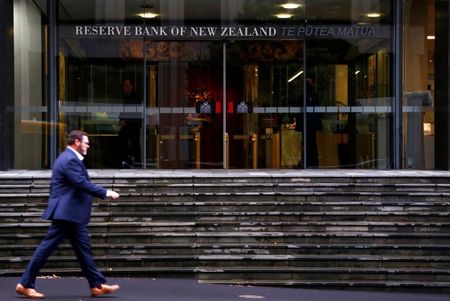
RBNZ holds rates at 2.25%, signals future hikes on inflation risks
SK Hynix and Micron are the latest tech firms to join the growing list of stocks with mega valuations.

NEW YORK — The New York Times Strands puzzle for Monday, May 26, 2026, delivered another engaging word-search challenge to players celebrating Memorial Day with a clever mix of summer-themed words and a satisfying spangram that tied the grid together.
Puzzle number #289 featured a 6×8 letter grid containing hidden words connected by a common theme. The objective: find all the theme words plus one spangram — a word that uses every letter in the puzzle at least once — to complete the game.
Today’s theme was BEACH DAY ESSENTIALS. Players who cracked the code discovered the following six themed words hidden horizontally, vertically or diagonally in the grid:
- SUNSCREEN
- TOWEL
- UMBRELLA
- COOLER
- FLIPFLOPS
- SANDCASTLE
The spangram that connected everything and used every letter in the puzzle was SEASHORE, a fitting word that captured the overall summer vibe of the puzzle.
Many players reported solving the puzzle in 12 to 18 minutes, with the spangram proving to be the trickiest element for some. The presence of longer compound words like SUNSCREEN and FLIPFLOPS required careful scanning of the grid, while shorter words like TOWEL and COOLER offered early breakthroughs for solvers.
Strands, which launched in 2024 as part of The New York Times Games lineup, has quickly become a favorite among word game enthusiasts who enjoy the hybrid format combining elements of word searches, crosswords and Connections. Each daily puzzle offers a fresh grid with a hidden theme that becomes clearer as more words are uncovered.
On Memorial Day 2026, with many Americans enjoying a long weekend, the beach-themed puzzle resonated strongly. Social media platforms filled with shared results showing players’ solve times and reactions. The summer-appropriate theme felt particularly timely as temperatures rise across much of the country.
The New York Times Games team designs each Strands puzzle to offer a balance of accessibility and challenge. Monday’s edition was rated as moderate difficulty, with the spangram providing that final satisfying “aha” moment for most players.
For those who missed the solution, the theme words all relate to items commonly taken on beach outings or summer vacations. The spangram SEASHORE cleverly encompasses both the location and the overall feeling of the puzzle.
Strands continues gaining popularity as part of the expanding New York Times puzzle ecosystem that includes Wordle, Connections, Spelling Bee and The Mini Crossword. The game’s shareable results feature allows players to post colorful grids without spoiling the answers for others still solving.
Educational experts have praised Strands for developing visual scanning skills, vocabulary recognition and thematic thinking. Teachers have begun incorporating similar word-search activities in classrooms to build literacy and pattern recognition abilities.
The Memorial Day timing meant higher participation from casual players who typically engage with puzzles only on days off. This broader audience created more varied reactions online, with beginners celebrating any completion and veteran solvers aiming for faster times or perfect solves without hints.
Regular players have developed strategies such as scanning for common letter combinations, focusing on longer words first, or looking for unusual letter patterns that might indicate the spangram. Monday’s puzzle rewarded those who noticed clusters of summer-related vocabulary early.
The New York Times has steadily refined Strands since its introduction, adjusting word selection and grid complexity to maintain engagement across different skill levels. The daily reset at midnight local time creates a shared global experience as players in different time zones tackle the same challenge throughout the day.
Monday’s solution highlighted the game’s ability to blend education and entertainment. The beach theme sparked memories of summer vacations for many, while the spangram encouraged creative thinking about how individual words connect to a larger concept.
Community discussions around the daily puzzle often highlight different solving approaches. Some players tackle obvious theme words first, while others scan systematically row by row. The variety of strategies contributes to the game’s broad appeal.
As Strands reaches higher puzzle numbers, its cultural impact continues expanding. References to the game appear in podcasts, television shows and casual conversations, cementing its place in modern digital culture alongside other NYT Games offerings.
For families, Strands serves as an engaging group activity. Parents solve alongside children, discussing possible theme connections and sharing strategies, turning screen time into interactive learning moments.
The May 26 puzzle demonstrated the game’s range. From practical beach items to the encompassing spangram, it covered both literal and conceptual territory while remaining solvable for most dedicated players.
Looking ahead, Tuesday’s puzzle will reset with fresh letters and a new theme. Regular players often study letter frequency patterns and common thematic clusters to improve performance over time.
The game’s clean interface and lack of advertisements have contributed to its sustained success. Unlike more commercial puzzle apps, Strands prioritizes the solving experience above all else.
The New York Times Games division continues investing in its daily offerings, with Strands remaining one of the standout additions to the lineup. Its growth reflects broader trends toward mentally stimulating entertainment in an increasingly digital world.
For those who struggled with Monday’s puzzle, the official New York Times site offers hints and eventual solutions for previous days. However, many prefer the satisfaction of solving in real time without spoilers.
The May 26 edition joins thousands of other Strands puzzles in providing daily moments of intellectual satisfaction. Whether solved quickly or after several attempts, it delivers the rewarding feeling of uncovering hidden connections in a grid of letters.
In an often chaotic world, simple games like Strands offer a brief escape and a reminder that sometimes the most enjoyable discoveries come from finding order within apparent randomness.
Players are already looking forward to tomorrow’s challenge, continuing a daily tradition that has brought millions together through shared curiosity and friendly competition. The beach-themed solution for Memorial Day 2026 provided the perfect mental getaway for many enjoying the long weekend.

FUNDAMENTALS
* Spot gold rose 0.2% at $4,516.76 per ounce, as of 0051 GMT. U.S. gold futures for June delivery gained 0.3% to $4,516.30.
* The dollar eased, making greenback-priced bullion more affordable for holders of other currencies. [USD/]
* Iran said on Tuesday the United States had violated a ceasefire by striking targets near the contested Strait of Hormuz, potentially complicating efforts to bring the war to a close.

* U.S. Secretary of State Marco Rubio, meanwhile, said it could take “a few days” to negotiate a deal to halt the conflict, after both sides had previously indicated progress on an initial agreement that would end hostilities and restart shipping through the Strait.
* U.S. consumer confidence eased in May as worries about inflation linked to the war in Iran intensified, and households’ views of the labor market were largely pessimistic, though they anticipated an improvement by the end of this year.
* Markets are looking out for upcoming remarks by U.S. Federal Reserve policymakers, including Fed Vice Chair Philip Jefferson and Governor Lisa Cook, to gauge the impact of inflation on future monetary policy stance.
* Investors also await the U.S. Personal Consumption Expenditures (PCE) data for April due on Thursday, for more cues on U.S. monetary policy.
* UBS lowered its year-end gold price target by $400 to $5,500 due to persistent risk from higher yields and the dollar.
* Spot silver rose 0.6% to $77.40 per ounce, platinum was little changed at $1,957.75, and palladium gained 0.9% to $1,391.68.

CSW Industrials Is Doing A Great Job, But That's Not Reason To Be Bullish

MSCI’s Asian equities gauge rose 1.1% to an all-time high, with South Korea — a bellwether for AI investments — jumping as much as 5% to a peak. Chipmaker SK Hynix Inc. surged as much as 11% to top $1 trillion in market capitalization.
Asian tech gains followed a Wall Street rally that lifted the S&P 500 and the Nasdaq 100 indexes to all-time highs on Tuesday. Chipmakers led the charge, with Micron Technology Inc. surging 19% to also top $1 trillion in market valuation.
Elsewhere, expectations for the US and Iran to sign a peace deal helped Brent crude oil edge 0.5% lower to about $99.10 a barrel. A Bloomberg gauge of the dollar slipped 0.1% and Treasuries held their gains, with the yield on the benchmark 10-year holding at 4.48%. Gold was a touch higher, trading around $4,520 an ounce.
The moves underscored rising confidence in Asian chipmakers and tech firms seen as the “picks and shovels” of the AI boom. Optimism that the Middle East conflict may be moving toward a resolution also helped propel global equities to fresh highs, as traders bet easing geopolitical risks could temper inflation pressures.
“Tech and AI are paying no mind to the Iran tensions,” said Andrew Jackson, head of Japan equity strategy at Ortus Advisors. Micron’s strong rally on Tuesday following a bullish analyst report is a tailwind for any memory-related stocks, he added.
In geopolitical news, President Donald Trump said talks to extend a ceasefire and reopen the Strait of Hormuz are proceeding. Secretary of State Marco Rubio cautioned that any accord would likely take a few days to finalize. Still, security in the waterway remained unclear after the two sides exchanged strikes overnight and US Central Command pushed back on reports that suggested the military was helping escort vessels.
“While we’d like to share the optimism, there have been enough setbacks in the process of crafting an agreement between Washington and Tehran that we’ll remain cautious until there is more tangible progress,” said Ian Lyngen at BMO Capital Markets.
Elsewhere, data showed US consumer confidence edged down in May as views of current economic conditions settled back amid rising prices due to the war. The Conference Board’s gauge fell to 93.1 after an upward revision to the prior month. The median economist estimate was 92.
Meanwhile, focus in Asia is squarely on technology, with SK Hynix sitting at the chokepoint of the global AI buildout.
Memory chips have emerged as a critical bottleneck determining how quickly data centers can expand capacity. Investors and analysts expect memory chip shortages to last through 2027, giving SK Hynix and rivals Samsung Electronics Co. and and Micron unusual pricing power over the world’s largest technology companies.
SK Hynix became only the third Asian company to reach a $1 trillion valuation, joining Taiwan Semiconductor Manufacturing Co. and Samsung, which crossed the milestone earlier this month.
“Market participants are placing their bets on peace and subsequently buying into very strong equity fundamentals,” said Kyle Rodda at Capital.com.

Thailand and France are advancing their bilateral relations by deepening cooperation across multiple sectors. This enhanced partnership aims to boost economic ties, cultural exchanges, and strategic collaboration. Strengthening diplomatic relations, both nations are committed to addressing global challenges together while fostering mutual growth and understanding, marking a significant step in their collaborative efforts.
Thailand and France Strengthen Relationship to Strategic Partnership
Thailand and France have elevated their bilateral relationship to a strategic partnership, marking a significant milestone in diplomatic relations. This move is expected to enhance cooperation in various sectors, including trade, technology, and defense. Both nations aim to leverage their unique strengths to foster economic growth and regional stability.
This strategic partnership underscores the commitment of Thailand and France to address global challenges collaboratively. Emphasizing sustainable development, the partnership plans to focus on climate change initiatives and cultural exchange programs, enriching the social and environmental landscapes of both countries. The collaboration promises to create a robust platform for knowledge sharing and innovation enhancement.
Ultimately, the strengthened ties between Thailand and France hold promise for a thriving future, with mutual benefits transcending bilateral boundaries. This partnership is poised to positively impact regional dynamics, positioning both nations as key players in international relations.
Other People are Reading

The influencer economy is booming globally and in Thailand. AI is driving growth, but concerns exist regarding platform dependence and the need for stronger standards and fairer rules to ensure competitiveness and protect consumers.
Key Points
- The global influencer economy is booming, projected to reach $607 billion by 2032, driven by AI’s efficiency gains. Thailand’s market is also growing, particularly in food, beverage, fashion, and beauty, but faces platform dependence concerns.
- Major markets like China, the US, and South Korea are balancing industry promotion with regulations, addressing issues like fake engagement, AI content, and disclosure. This ensures a healthier, more competitive environment.
-
Thailand requires stronger standards and fairer rules for its influencer ecosystem. Proposed measures include quality certifications, enhanced promotion, skills development, accessible governance, equitable platform dealings, and support for market expansion to boost global competitiveness.
Global Influencer Economy’s Rapid Expansion
The global influencer economy is experiencing explosive growth, evolving from simple online content into a complex commercial ecosystem. This sector now encompasses advertising, e-commerce, brand promotion, digital services, and consumer engagement. Projections estimate the global influencer economy was valued at US$43.9 billion in 2023, with an anticipated average annual growth of 33.9% leading to a projected US$607 billion by 2032. Influencer marketing, specifically, was valued at US$32.6 billion in 2025 and is expected to surge at an impressive 51.9% annual growth rate through 2032. Artificial intelligence is a significant catalyst, reducing barriers to entry and enhancing content creation efficiency, contributing to the rise of an estimated 127 million influencers worldwide in 2025.
Thailand’s Influencer Market Dynamics and Regulatory Approaches
Thailand’s influencer market is also exhibiting robust growth, projected to increase by 15–20% annually from 2025 to 2029, with the food/beverage and fashion/beauty sectors being dominant users. However, a critical concern is the heavy concentration of influencer marketing on TikTok, which accounts for a substantial 66% of activity, raising issues of platform dependence and power imbalances. In contrast, countries like China, the US, and South Korea are actively managing their influencer economies through a dual approach of promotion and regulation. China focuses on shared responsibility for online content and professional skill development, while the US targets misleading practices like fake followers and AI-generated content, alongside antitrust enforcement and foreign interference prevention.
Recommendations for Thailand’s Influencer Ecosystem
While Thailand possesses existing policy frameworks that support the influencer economy, further enhancements are crucial for a more robust, equitable, and competitive sector. Recommendations include establishing quality certification systems for influencers, more effective promotion of the influencer economy, and investing in professional skill development for creators. Furthermore, developing accessible content governance mechanisms, promoting fairness across platforms and service fees, and supporting domestic and international market expansion for Thai influencers are vital. Implementing these measures will foster an influencer economy characterized by clear standards and enhanced global competitiveness.
Other People are Reading
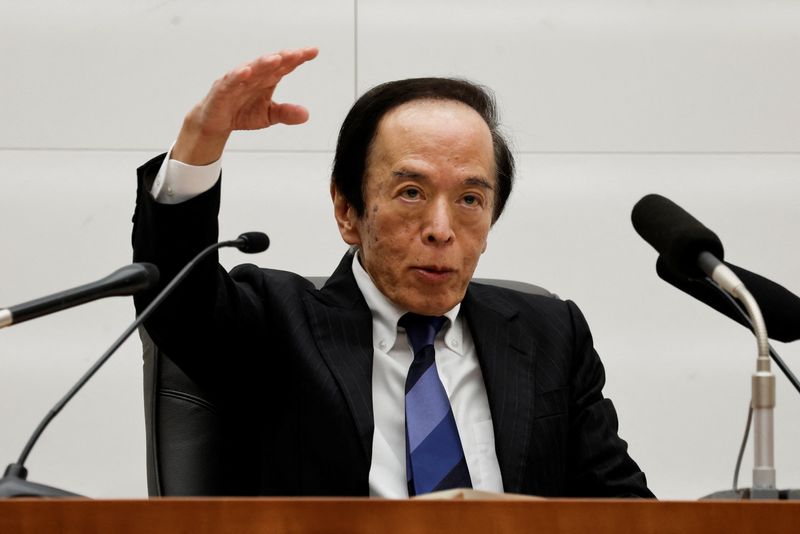

BOJ’s Ueda warns of potential for temporary energy shock to become persistent

The City of Perth council has voted to dump planned changes to travel, accommodation and hospitality allowances in the wake of harsh criticism from the state government.

Bold and the Beautiful: Bill’s Evil Plot to Destroy Forrester Creations!

How to actually pronounce Northumberland village Whittingham
RBNZ holds rates at 2.25%, signals future hikes on inflation risks


-

 Crypto World5 days ago
Blockchain.com files with SEC for U.S. IPO
-

 Fashion4 days ago
Holiday Weekend Open Thread – Corporette.com
-
 Business4 days ago
Dell Technologies DELL Stock Surges 15% on AI Server Momentum and Analyst Upgrades in 2026
-
 Crypto World5 days ago
Bitcoin Accumulation Weakens as BTC Realized Losses Hit $600M
-

 Crypto World4 days ago
Robinhood crypto COO Tanya Denisova exits
-
 Crypto World4 days ago
Space X IPO Is ‘Bad News’ for Tech Stocks: But What About Bitcoin?
-

 Politics4 days ago
Makerfield: a tale of two social-media histories
-
 Business2 days ago
NYT Strands Answers May 24 2026 Revealed for Puzzle No. 812 Theme Summer Essentials
-

 Tech2 days ago
Microsoft’s quiet Claude Code retreat and the real cost of enterprise AI
-
 Crypto World5 days ago
MicroStrategy’s Saylor Says Miners No Longer Set Bitcoin Price, Another Force Has Taken Over
-

 Tech5 days ago
WhatsApp ads could make Irish debut after discussions with DPC
-

 Crypto World5 days ago
AI infrastructure race heats up as IREN pitches full-stack strategy, WhiteFiber lands $160M deal
-
 Tech5 days ago
A 0.12% parameter add-on gives AI agents the working memory RAG can’t
-

 Tech5 days ago
You Can Now Add ChatGPT To PowerPoint
-
 NewsBeat6 days ago
Charity run by Reform leader Malcolm Offord accused of ‘law breaking’ over Scottish registration
-
 Crypto World2 days ago
Nvidia (NVDA) CEO Calls on Super Micro to Strengthen Export Controls Amid Smuggling Probe
-

 Business5 days ago
Trump Invests $1M-$5M in Kura Sushi USA Chain With 27 California Locations
-

 Tech2 days ago
Westone Audio and Etymotic Acquired by Fidelity Collective in Major IEM Market Move
-

 Sports5 days ago
2026 CJ Cup Byron Nelson leaderboard: Brooks Koepka finds putting stroke in Round 1
-

 Crypto World6 days ago
Exa Labs raises $250 million in funding led by a16z
You must be logged in to post a comment Login