

Business
McConnell says he won’t be able to return to U.S. Senate yet




The muted outlook marks a shift from expectations immediately after the Reserve Bank of India announced measures to attract foreign currency inflows, when economists had projected the rupee could strengthen to 92.50-92.75.
Any move towards 93 is likely to be brief, suggests the poll of nine economists, with persistent dollar demand, external risks and geopolitical tensions likely to cap gains. The rupee ended 95.32 per dollar Friday.
Two developments have altered the outlook for the rupee. Shifts in US economic data have reinforced expectations of Federal Reserve rate hikes this year, supporting the dollar and limiting capital flows into emerging markets such as India. At the same time, a precarious truce between the US and Iran has left oil markets highly sensitive to geopolitical developments, with even minor hostilities pushing up crude prices and adding pressure on the rupee.
 Agencies
Muted recovery Economists see rupee ending Sept just above 94 and Dec near 95, despite RBI’s dollar-inflow actions
“The floor for USD/INR for now is firmly established at 94.00-94.50, especially as the dollar has shown some appreciation bias recently,” said Yes Bank chief economist Indranil Pan. Expectations that the rupee’s upside will be limited comes despite anticipated dollar inflows from FCNR(B) deposits and the scheme for external commercial borrowing.

The central bank, in early June, offered a concessional swap facility for ECBs and FCNR(B)deposits to attract dollar inflows. Economists estimate these measures could attract between $40 billion and $70 billion over the coming months.
“The dollar index and geopolitics affecting crude oil prices are primary factors I will watch out for. But yes, we were initially looking at a possible rupee appreciation towards 93 levels, but those levels look a little remote now unless sustained FPI flows in equity emerge,” said Upasana Bhardwaj, chief economist at Kotak Mahindra Bank.”A sub-94 level cannot be ruled out, but that may be brief, because global risks from geopolitics and Fed rate hike remain and the Reserve Bank of India will likely step in to curb major appreciation in the INR in case of sustained inflows,” Bhardwaj said.
The rupee has depreciated 0.5% so far in fiscal 2027, partially recovering from a record low of 96.96 in late May when it was down 2.2%. In FY26, the local currency had weakened nearly 11%. Canara Bank chief economist Madhavan Kutty G also expects only modest appreciation in the rupee, but attributes it to an additional factor.
He believes the RBI’s FCNR(B) deposit and ECB scheme are unlikely to attract the scale of dollar inflows that some economists anticipate, reducing the ability of the measures to support the currency. He expects inflows of $35 billion from the RBI schemes.
“Even when the cease fire was stable around mid-June, the rupee appreciated to only 94.30 levels. Additionally, I don’t know if dollar inflows would be as high as expected because US yields are now rising,” Kutty said.
The rupee had risen to an eight-week high to close at 94.32 on June 19. “Yes, the balance of payments is expected to be positive in Q2, but this surplus is manufactured and that too at a high cost,” he said, adding: “So, how will the rupee appreciate?” Economists are largely unanimous that while the rupee may not see significant gains, a steep depreciation like that witnessed in April and May is also unlikely. RBI’s measures have effectively put a floor for currency depreciation, by improving the prospects for foreign currency inflows.
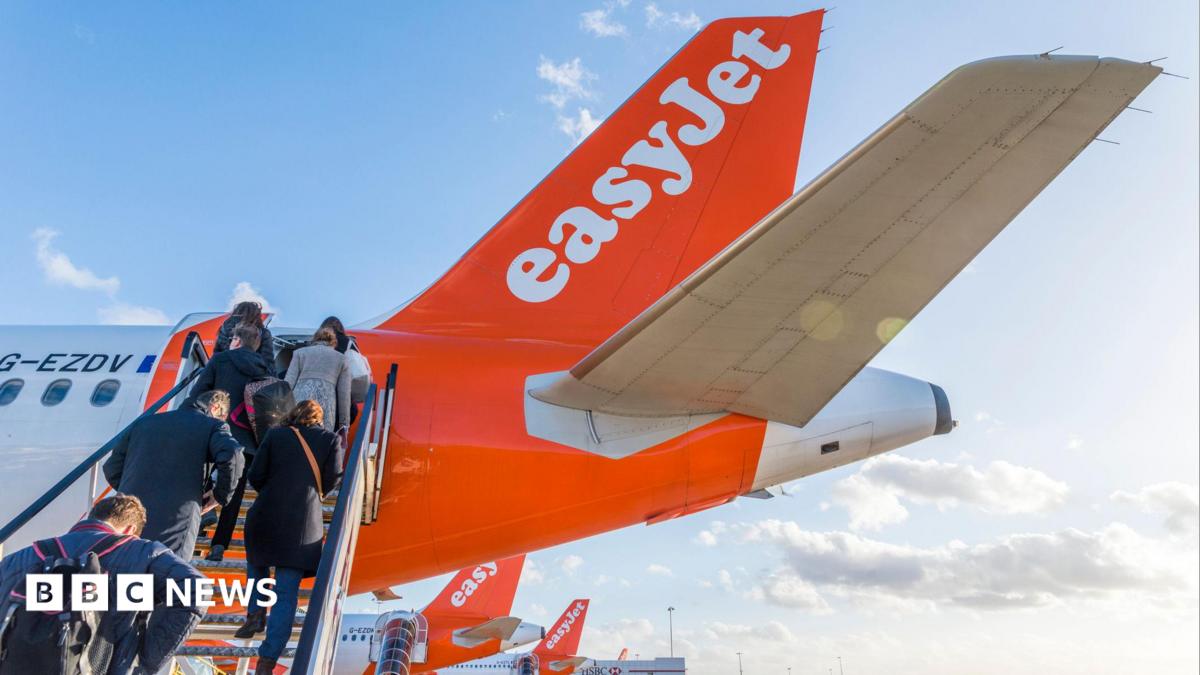
Susannah Streeter, chief investment strategist at Wealth Club, said Apollo was focusing on EasyJet’s potential.
“While the carrier has been buffeted recently by higher fuel costs and geopolitical turbulence, it has built a resilient European network, a strong balance sheet and, crucially, a fast-growing holidays business. That’s likely to be one of Apollo’s biggest attractions.”
“Package holidays generate higher margins and more predictable revenues than airline tickets alone,” she added.
“For passengers, it’s very much business as usual for now, with flights, bookings and loyalty schemes unaffected while any deal works its way through the regulatory process.”
Conroy Gaynor, senior consumer analyst at Bloomberg Intelligence, said while Apollo has “more explicitly” backed EasyJet’s growth model, “the need to improve the airline margin suggests any success in lowering costs won’t necessary translate to lower fares”.
The latest statement from EasyJet does not mean a deal has been confirmed. Apollo has been set a deadline of 17:00 on 7 August to either make a firm bid for EasyJet or walk away. Castlelake’s deadline to make a firm offer is 3 August.
Apollo’s move came after Castlelake had made a series of offers for EasyJet, which had initially been rebuffed by the carrier after it accused the US firm of trying to buy it “on the cheap”.
However, on Sunday, EasyJet said it had reached an agreement in principle with Castlelake, over a potential takeover offer worth around £5.2bn.

Apple has filed a lawsuit against OpenAI, alleging the ChatGPT maker poached its employees and coaxed them into handing over confidential designs and tightly held trade secrets to build a rival hardware device, a dramatic rupture between two firms that were partners barely two years ago.
“Recently, significant evidence has emerged suggesting individuals employed by OpenAI wrongfully took Apple’s secret and confidential information regarding our unreleased technologies, processes and products,” an Apple spokesperson said in an email.
The complaint, filed on Friday, pulls no punches. “OpenAI’s nascent hardware business now rests on the shakiest of foundations, rotten to its core by its illegal reliance on misappropriated trade secrets,” Apple wrote.
Among those named is Tang Yew Tan, OpenAI’s chief hardware officer and a former Apple vice-president, who is accused of taking information about Apple suppliers with him and encouraging interviewees to divulge confidential material.
“He has directed job candidates still working for Apple to bring ‘actual parts’ from Apple to their interviews for ‘show and tell’ sessions in which he and his team at OpenAI can elicit still more Apple confidential information,” reads the complaint.
Another former Apple employee, Chang Liu, is accused of leaving with an Apple laptop and using an authentication bug to breach the company’s internal network, downloading “dozens of Apple’s confidential hardware-related files”.
Drew Pusateri, a spokesperson for OpenAI, said the company was reviewing the court filing. “We have no interest in other companies’ trade secrets,” he added. “We remain focused on building innovative technology that empowers people everywhere.”
From partners to plaintiffs
The lawsuit is a sharp turnaround for two companies that announced a major partnership in 2024, when Apple agreed to integrate ChatGPT into the operating systems of iPhones, iPads and Macs. When Apple showcased its revamped Siri voice assistant last month, however, its AI component was built on Google’s Gemini model instead.
Tensions began to simmer when OpenAI spent $6.4bn acquiring io Products, the hardware startup founded by former Apple design guru Jony Ive, which is also named in the suit. The litigation lands at an awkward moment for OpenAI, which is preparing one of the largest stock market flotations the technology sector has ever seen.
Apple is seeking damages and a court order blocking OpenAI from possessing or using its trade secrets.
The lesson for UK business owners
If a company with Apple’s security apparatus and legal firepower can allegedly watch its secrets walk out of the door with departing staff, smaller firms should pay attention. Loss of intellectual property remains one of the biggest threats to any business, and in most SMEs the crown jewels sit in far fewer heads, with far fewer safeguards.
In the UK, trade secrets are protected under the common law of confidence and the Trade Secrets (Enforcement, etc.) Regulations 2018, but only where a business can show it took reasonable steps to keep the information secret. The Intellectual Property Office advises limiting access to those who need it, setting clear expectations and using non-disclosure agreements.
For owner-managers, the practical basics are cheaper than any courtroom: watertight confidentiality clauses in employment contracts, exit procedures that revoke system access on day one, and a clear record of who can see what. The do’s and don’ts of protecting intellectual property are well established, and almost all of them work best before a dispute rather than during one.
Apple v OpenAI will be fought by armies of Californian lawyers. For everyone else, the smarter money is on making sure the show and tell never happens.

Jamie Young
Jamie is Senior Reporter at Business Matters, bringing over a decade of experience in UK SME business reporting.
Jamie holds a degree in Business Administration and regularly participates in industry conferences and workshops.
When not reporting on the latest business developments, Jamie is passionate about mentoring up-and-coming journalists and entrepreneurs to inspire the next generation of business leaders.

Changing your broadband or energy supplier, or even your bank, for a better deal is simpler than it used to be.

Steve Jobs declared “thermonuclear war” on Google’s Android operating system in 2010, calling it a “stolen product.” Now, his successor is going to battle against Apple’s AAPL new most dangerous rival.
In one of his last acts as Apple’s chief executive before successor John Ternus takes over, Tim Cook fired a missile at OpenAI. In a lawsuit filed Friday, Apple alleged that a senior OpenAI executive, who once sat atop Apple’s own product design team, was involved in a monthslong campaign to steal Apple trade secrets.
Copyright ©2026 Dow Jones & Company, Inc. All Rights Reserved. 87990cbe856818d5eddac44c7b1cdeb8

S&P500: Set Up For Disappointment, And Earnings Won't Help
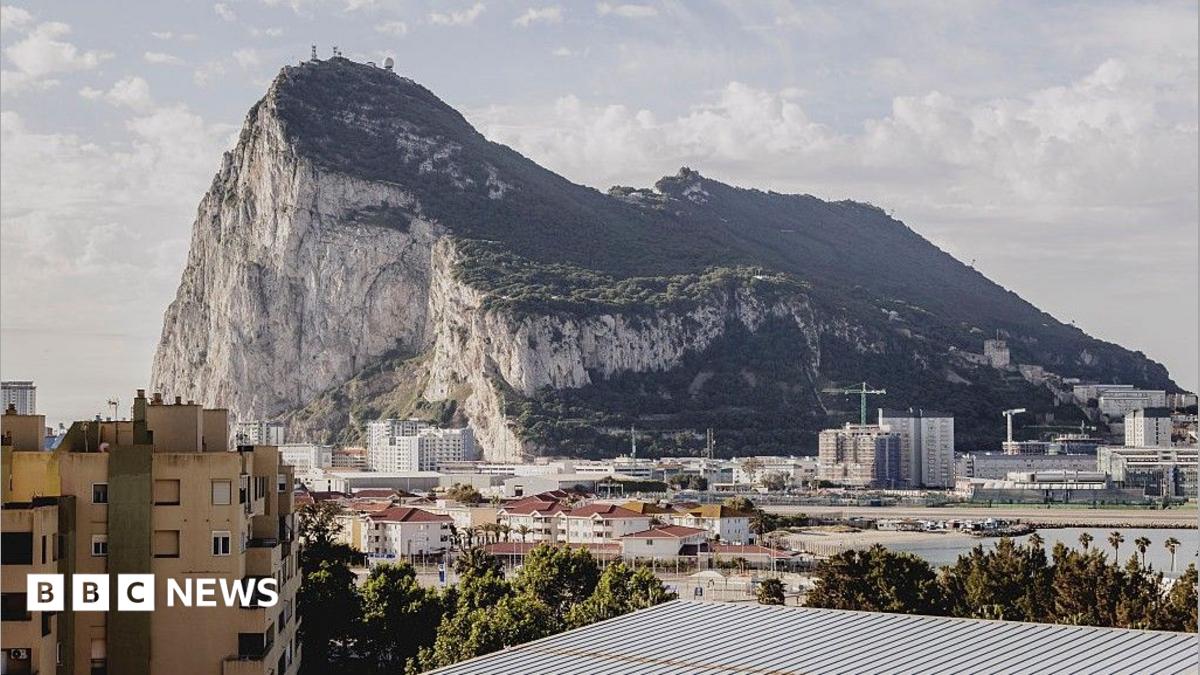
The Chief Minister of Gibraltar, Fabian Picardo, says the new arrangements, which are due to be provisionally implemented with their approval by the UK and European Parliaments still pending, represent “a huge change” for the territory.
“One of the key things which has defined the past eight generations of Gibraltarians is the restrictions at the frontier,” he told the BBC in the Gibraltarian government’s headquarters.
Picardo describes the agreement as introducing “complete and utter fluidity of people and goods” between Gibraltar, on the one hand, and Spain and the EU on the other.
The most obvious economic benefit for Gibraltar, Picardo says, will be an increase in arrivals.
“Business will now be able, in Gibraltar, to see a footfall increase which is not going to be restrained by a potential queue on the way in or frontier queue on the way out.”
With Spain contesting the UK’s sovereignty of Gibraltar, it is an issue that occasionally flares up in the political arena. In the most notorious episode of bilateral tensions in recent times, Spain’s dictator, Francisco Franco, introduced a blockade of the Rock in 1969, which was only lifted in 1982, well after his death.
The chief minister casts the new arrangement as the opposite of the blockade – a logical, mutually beneficial opening up of a border.
“This will be huge for human relations, it will be huge for business, it will be huge for frontier workers, it will be a new dawn” for Gibraltar’s relationship with Spain and the EU, says Picardo.
Spain’s foreign minister, José Manuel Albares, has cast it in a similar light, speaking of “a new era” for the Rock.
However, the deal also means that goods sold in Gibraltar must comply with EU regulations, something that had not been the case until now.

Traffic accident in Mexico leaves 9 dead and 10 injured, four of them Americans

One of the biggest financial decisions many people face is this: Should you buy a house first or start a business? There is no universal answer because every person’s financial situation, career goals, family responsibilities, and risk tolerance are different.
Some people believe that owning a home provides security and stability before taking entrepreneurial risks. Others argue that building a successful business first creates income that can later make buying a dream home much easier.
If you’re asking yourself, “Should I prioritize a house or a business?”, this guide will help you evaluate both options, understand their advantages and disadvantages, and make a smarter financial decision.
Why This Decision Matters
Both buying a house and starting a business require a significant financial commitment. In many cases, you may not have enough capital to do both at the same time.
Your choice today can influence your financial future for years, even decades. That’s why understanding the long-term impact is more important than simply following what friends or relatives recommend.
When Buying a House First Makes Sense
Purchasing a home is often viewed as a major life milestone. It provides stability and can become a valuable long-term asset.
Advantages of Buying a House First
- Stable Living Situation
You no longer worry about rising rental costs or frequent moves. - Build Home Equity
Instead of paying rent every month, your payments help build ownership in your property. - Potential Property Appreciation
Real estate often increases in value over time, especially in growing cities and developing communities. - Greater Family Security
A permanent home offers emotional stability, especially for families with children. - Easier Financial Planning
Fixed mortgage payments can be easier to budget than fluctuating rental expenses.
Disadvantages
- Large down payment requirements
- Monthly mortgage obligations
- Property taxes and maintenance costs
- Less available capital for investments
- Reduced financial flexibility
If most of your savings go toward buying a home, you may have little remaining capital to invest in business opportunities.
When Starting a Business First Makes Sense
A successful business can generate income that far exceeds what traditional employment offers. Many entrepreneurs choose to invest in their businesses first before purchasing real estate.
Advantages of Starting a Business First
- Higher Income Potential
A profitable business may generate significantly more income than your regular salary. - Creates Multiple Income Streams
Business profits can later fund investments, retirement savings, and property purchases. - Greater Financial Growth
Businesses have the potential to scale, increasing profits over time. - Tax Advantages
Depending on your country’s tax regulations, business owners may qualify for deductible business expenses. - Future Home Purchase Becomes Easier
A thriving business may allow you to purchase a home with less financial stress.
Disadvantages
- Higher financial risk
- Income may not be stable during the early years
- Long working hours
- Possible business losses
- No guarantee of success
Unlike real estate, businesses can fail if they are poorly managed or if market conditions change dramatically.
Consider Your Personal Financial Situation
Before deciding, honestly evaluate your finances.
Ask Yourself These Questions
- Do I have emergency savings?
- How stable is my current income?
- Do I have existing debts?
- Can I handle financial risks?
- Do I have dependents?
- How much capital do I have?
- Do I have entrepreneurial experience?
Your answers can reveal which option better aligns with your current financial position.
Business First: Who Is It Best For?
Starting a business before buying a house may be a good choice if you:
- Are young and have fewer financial obligations
- Already have a validated business idea
- Possess industry knowledge or experience
- Can tolerate financial uncertainty
- Want to build wealth faster
- Already have affordable housing arrangements
Many successful entrepreneurs rented modest homes while investing heavily in growing their businesses.
House First: Who Is It Best For?
Buying a house first may be more appropriate if you:
- Have a growing family
- Need housing stability
- Prefer lower financial risk
- Have a steady long-term career
- Already have sufficient savings
- Do not yet have a proven business concept
Can You Do Both?
Yes—but it requires careful planning.
Instead of making an all-or-nothing decision, many financially successful individuals gradually build both assets.
For example:
- Build an emergency fund.
- Start a small side business.
- Grow business profits.
- Save for a house down payment.
- Purchase a home when business income becomes stable.
This balanced approach reduces financial stress while allowing both goals to progress.
Common Mistakes to Avoid
1. Buying an Expensive House Too Early
A large mortgage can limit your ability to invest in opportunities that could grow your wealth.
2. Starting a Business Without Research
Never invest simply because others are doing it. Conduct market research and prepare a business plan.
3. Ignoring Emergency Savings
Unexpected expenses happen. Maintain at least three to six months of living expenses before making major financial commitments.
4. Depending on Debt
Borrow responsibly. Excessive debt can create financial pressure whether you buy a home or start a business.
Questions to Help You Decide
Consider these practical questions:
- Will this investment generate income?
- Can I comfortably afford the monthly payments?
- What happens if my income decreases?
- Am I financially prepared for unexpected emergencies?
- Will this decision improve my financial future?
The Best Strategy for Long-Term Wealth
For many people, the smartest strategy isn’t choosing one forever—it is choosing the right priority at the right stage of life.
If you have a profitable business opportunity with strong potential, investing in that business first could create the income needed to buy a better home later.
If your family urgently needs stability and your finances are secure, purchasing a home first may provide peace of mind while you slowly build a business on the side.
The key is avoiding decisions based solely on emotion or social pressure. Your financial goals should reflect your own circumstances—not someone else’s timeline.
So, should you buy a house first or start a business?
The answer depends on your income, financial stability, family responsibilities, risk tolerance, and long-term goals.
If your objective is maximizing wealth, many financial experts encourage investing in income-producing assets before acquiring lifestyle assets. A successful business can eventually pay for the home you truly want.
However, if stability, security, and family needs are your highest priorities, buying a home first may be the better decision.
Ultimately, the best investment is the one that moves you closer to financial freedom while allowing you to sleep peacefully at night.
Take time to evaluate your options, create a realistic financial plan, and remember that building wealth is a marathon—not a sprint.

Business News Philippines was launched in October 2015 as a portal for readers to learn more about operating a business in the Philippines.

BOJ may raise growth forecast, maintain vigilance to inflation risk, sources say
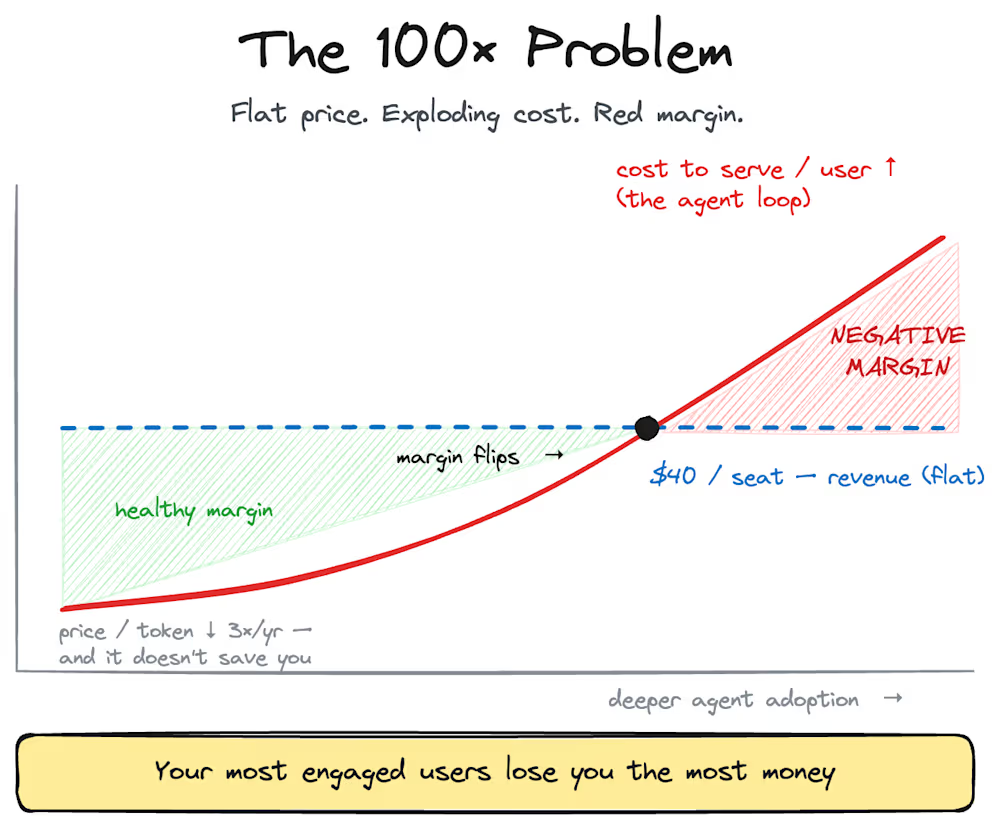
DeepSeek cut prices 75%. The 100x problem remains
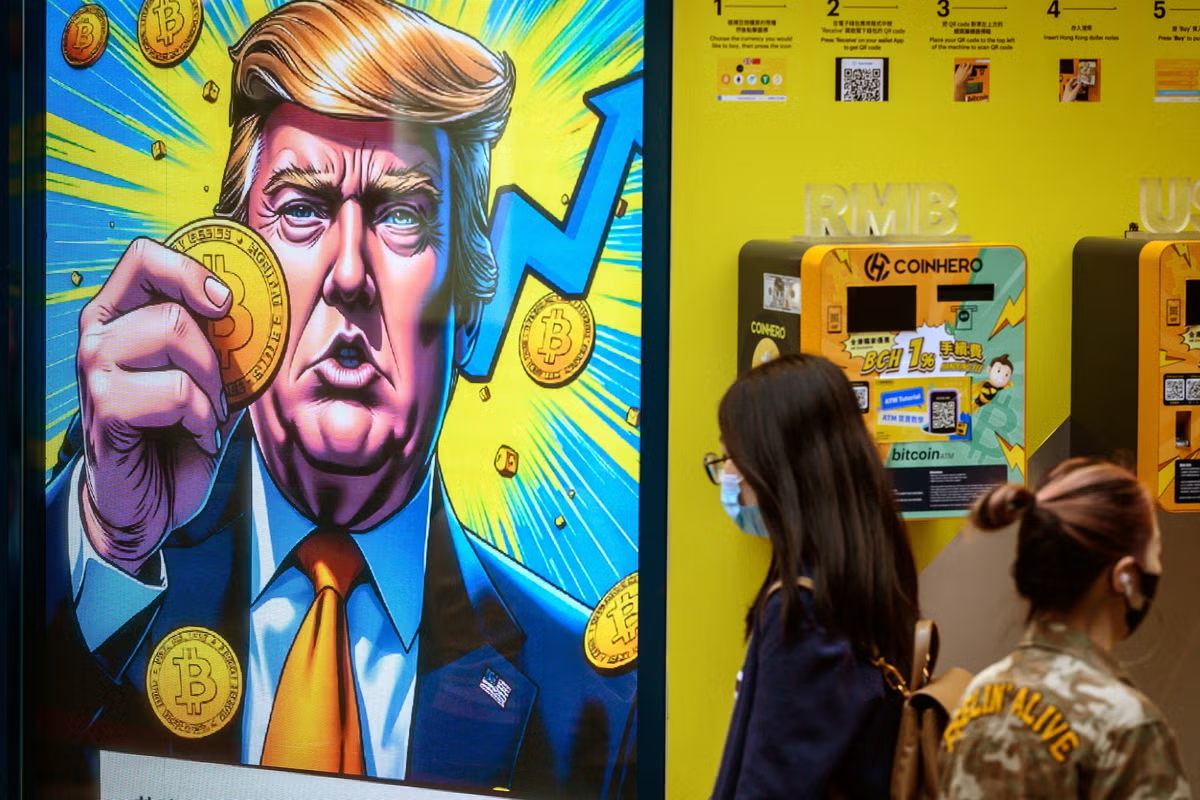
Trump made a fortune on his crypto business. Thousands of investors lost their shirts
Fed, oil risks to keep rupee under pressure; 93 unlikely: ET Poll


-

 Fashion6 days ago
Open Thread: What Great Books Have You Read Recently?
-

 News Videos6 days ago
Whats Hidden Inside This Cash Register? #treasure #reselling #money
-

 Fashion4 days ago
Loro Piana Fall 2026 Enters Houston’s Art Scene
-

 Fashion2 days ago
Weekend Open Thread: Nutriplenish Leave-In Conditioner
-
 Tech6 days ago
Anthropic’s new “J-lens” reveals a silent workspace inside Claude that mirrors a leading theory of consciousness
-

 Crypto World6 days ago
$1,000 Credit Alert! BlockDAG X Exchange Pre-Registration Now Officially Open, Polkadot Dips & Zcash Rebounds
-

 Business6 days ago
AXT Shares Jump Nearly 14% as Semiconductor Materials Maker Rebounds on AI-Linked Indium Phosphide Demand
-

 Sports5 days ago
Joshua Pacio ‘more complete’ ahead of ONE rematch vs Malachiev
-
 Sports3 days ago
2026 Genesis Scottish Open Thursday TV coverage: Round 1
-

 News Videos6 days ago
Best Time to Enter Small Caps Right Now? Another Bull Run? | Financially Free
-

 Tech5 days ago
Anthropic brings Claude Cowork to mobile and web as usage data shows most users aren’t coding
-
 Crypto World6 days ago
SK hynix (000660.KS) Stock Dips as $28B Nasdaq ADR Offering Drives AI Memory Expansion
-

 News Videos6 days ago
Avoid entering in FOMO #bitcoin #cryptocurrency #trading #scalping
-

 Sports3 days ago
Super Eagles star Moses Simon opens up on Liverpool transfer regret
-
Sports5 days ago
We have punished the disrespect
-

 Crypto World6 days ago
Binance lists Strategy’s STRC stock as company expands Bitcoin funding
-

 Tech3 days ago
Character.AI enters the microdrama arena with its own productions, but there’s a twist
-
 Tech6 days ago
9 Best Keyboards (2025), Tested and Reviewed
-
 Business6 days ago
Enbridge: AI Tailwind Priced In (Rating Downgrade)
-

 News Videos6 days ago
“What’s going on?!” Carl Froch discusses Floyd Mayweather Jr financial issues
You must be logged in to post a comment Login