Connect with us
DAPA Banner

Business

Google Lets Users Change Gmail Addresses in Major 2026 Update: No New Account Needed

Published

on

gmail

Google has rolled out a long-awaited change to Gmail, allowing millions of users in the United States to change their primary @gmail.com email address without creating a new account or losing access to years of emails, photos, Drive files and other data.

gmail
gmail

The update, announced Tuesday and beginning to roll out Wednesday, April 1, 2026, addresses one of the most frequently asked questions about Gmail: “Can I change my Gmail address?” For more than 20 years since Gmail launched in 2004, users were stuck with their original username, often chosen hastily in high school or college and now regretted or cluttered with spam.

Google confirmed the feature on its support pages and in public statements, noting that users can now select a new Gmail username ending in @gmail.com while keeping the same Google Account. The old address automatically becomes an alias, so mail sent to either continues to arrive in the same inbox. All linked services — including Google Photos, Drive, YouTube, Calendar and Android device sign-ins — remain fully intact.

“This change helps your account grow with you,” a Google spokesperson said, emphasizing that the move responds directly to user demand. The feature is rolling out gradually to U.S. users first, with international availability expected later. Not everyone will see the option immediately, as Google is implementing it in phases to ensure stability.

How the Gmail Address Change Works

The process is straightforward but includes important safeguards:

Advertisement
  1. Visit myaccount.google.com and navigate to the Google Account email section.
  2. Check eligibility — some accounts linked to Chromebooks, Chrome Remote Desktop or certain third-party sign-ins may face temporary restrictions.
  3. Choose a new available username. Google will suggest options and check availability in real time.
  4. Confirm the change. The switch happens quickly, and the old address stays active as an alias.

Users should review potential impacts before proceeding. For example, if the old address is used for banking, work logins or important subscriptions, update those services afterward to avoid disruptions. Google advises against frequent changes to prevent confusion.

The company stressed that data security remains unchanged. No emails or files are deleted or transferred to a new account. The update has generated excitement online, with users sharing screenshots of long-desired professional or cleaner addresses becoming reality.

Broader Gmail Overhaul in the Gemini Era

The username change arrives amid Google’s larger push to integrate its Gemini AI model deeply into Gmail, transforming the service from a simple inbox into a proactive personal assistant.

Earlier in 2026, Google introduced several Gemini-powered features now available to all users, including:

  • AI Overviews: Summaries of long email threads and natural-language answers to questions about your inbox, such as “What did I agree to in last month’s meeting notes?”
  • Help Me Write and Suggested Replies: AI assistance for drafting messages in your personal style or generating context-aware quick responses.
  • Proofread: Grammar, tone and clarity checks before sending.
  • AI Inbox: A new view that prioritizes important messages, surfaces action items and filters noise, reducing the overwhelm of high email volume.

These tools, previously limited to paid Google One AI Pro or Ultra subscribers, are now free for the more than 2 billion Gmail users worldwide, though advanced capabilities may still require a subscription. Google says users remain in control and can toggle AI features on or off.

The AI enhancements respond to exploding email volumes and the need for smarter inbox management in a hybrid work world. Gmail Vice President of Product Blake Barnes noted that the updates make Gmail “a personal, proactive inbox assistant to help you manage your life, not just your messages.”

Advertisement

Other Recent Changes and Considerations

Alongside the username flexibility and AI tools, Google has made subtler adjustments. Support for certain legacy features, including Gmailify and POP fetching from third-party accounts, is being phased out in 2026 to streamline security and focus on modern IMAP and forwarding options. Existing users have time to transition, but new users face earlier restrictions.

Privacy remains a key discussion point. While Gemini processes data to deliver summaries and suggestions, Google states it adheres to strict privacy policies, with user controls to limit AI access. Some experts advise reviewing settings, especially for those concerned about data used in training or personalization.

The updates reflect Gmail’s evolution from a groundbreaking free email service with massive storage to an AI-augmented productivity platform competing with tools from Microsoft Outlook and emerging challengers.

User Reactions and Practical Tips

Social media and forums lit up with relief and practical questions. Many celebrated finally ditching embarrassing old usernames, while others sought guidance on timing the change to minimize disruption.

Advertisement

Tips for making the most of the updates:

  • Update important accounts and contacts after changing your address.
  • Explore AI features gradually — start with summaries and replies before relying on full inbox overviews.
  • Back up critical data as a precaution, though Google says it is unnecessary.
  • Check eligibility at myaccount.google.com if the new option is not yet visible.

For businesses using Google Workspace, similar capabilities are expected to roll out with admin controls.

Looking Ahead for Gmail in 2026

Google has signaled more innovations throughout the year, including deeper integration with Gemini for scheduling, task management and cross-app intelligence connecting Gmail with Photos, Drive and Calendar.

As email remains central to personal and professional communication despite the rise of messaging apps, these changes aim to make Gmail more adaptable and intelligent. The ability to refresh a username without upheaval removes a long-standing frustration for millions, while AI tools promise to cut down on inbox drudgery.

Whether you’re a long-time user tired of an outdated address or simply seeking smarter email management, the latest Gmail updates represent one of the most significant shifts in the service’s history. Google encourages users to explore the changes at their own pace while staying mindful of linked services and privacy preferences.

Advertisement

With more than two decades of dominance, Gmail continues to adapt to user needs and technological advances. The 2026 updates — particularly the username change and Gemini integration — signal that the world’s most popular email platform is far from finished evolving.

Continue Reading
Click to comment

You must be logged in to post a comment Login

Leave a Reply

Business

Singapore Airlines had live musicians performing for nearly a year

Published

on

Singapore Airlines had live musicians performing for nearly a year

Long before seatback screens, playlists and onboard internet connection became standard, Singapore Airlines experimented with something close to a lounge show in the sky.

Back in 1976, the airline trialed live musical performances on its jumbo jets, and what began as a publicity stunt ended up as a regular part of the journey before disappearing less than a year later.

The experience of live music aboard

This story belongs to a very different era of flying. Singapore Airlines, in the mid-1970s, was still shaping its identity and looking for ways to stand out. Inflight movies and music were only just arriving with Boeing 747s, and the airline experimented with all kinds of onboard distractions. One of the boldest ideas the company tried was live entertainment: in April 1976, SIA launched a trial on the Singapore-Sydney route with a Filipino trio called Los Amigos, who performed a 45-minute set covering 13 popular songs.

For passengers, it felt unusual even by the standards of the time. Today, cabin entertainment is largely private and screen-based, with each traveler disappearing into a film, a playlist or a podcast on their own. Back then, the performance was shared by the whole cabin, creating a collective moment that modern flying rarely offers. According to MileLion, 86% of passengers enjoyed their performance, enough for the airline to move from trial mode to regular live performances the following month. The music was available to First and Economy Class passengers at no extra charge, making it a signature flourish of the company.

Still, romance and reality do not always travel well together at cruising altitude. The performers themselves found the conditions tough: singers complained that the engines were too loud, so they had to yell the lyrics, while the dry cabin air affected their voices before the flight was over. What sounded glamorous in theory quickly became problematic in practice, both for those on stage and for some of those in their seats. By February 1977, the experiment ended because of the loss of novelty and a noticeable increase in passenger complaints. The idea lasted roughly ten months as a regular feature, one of the reasons it remains a curious chapter in the airline’s history.

Advertisement

Airlines now offer different alternatives to their passengers

The old experiment feels even more fascinating when set against what airlines offer now. Singapore Airlines’ own current onboard offer includes KrisWorld and KrisWorld Digital, where passengers can browse films, television, audio content, and featured articles, while also accessing live TV channels, web-based games, or personal devices and in-flight Wi-Fi that can be used to access an online casino, check the latest news, or even plan activities to do once the passenger arrives at their destination.

Considering the live performances, the cabin has shifted from shared spectacle to personalized choice. Delta, for example, says its Delta Studio platform offers more than 1,000 hours of free entertainment, including movies, series, playlists, podcasts, and live satellite TV on select flights. JetBlue has gone a step further with Blueprint by JetBlue, a platform that adds watch parties, saved favorites, viewing recommendations and the ability to pick up where a passenger left off on a previous flight, while also tying the experience to the carrier’s broader seatback and Wi-Fi ecosystem.

That may be the clearest contrast with Singapore Airlines’ live-music era. In 1976, airlines were trying to surprise travelers with something they had never seen before. In 2026, the goal is usually to let passengers shape the journey themselves, whether that means streaming a series, checking live sports, messaging over Wi-Fi or syncing entertainment across devices. The tools are different, the cabins are quieter, and no one is belting out songs over engine noise anymore. But the basic ambition has not changed much: make time in the air feel a little less like waiting, and a little more like an experience worth remembering.

Advertisement

Continue Reading

Business

‘Prime location’ site with development potential goes on market in Wirral town

Published

on

Business Live

Heswall Day Centre approved for sale in September 2025

The Heswall Day Centre site.

The Heswall Day Centre site(Image: Google Maps)

A Wirral Council building in a “prime location” less than half an hour from Liverpool is up for sale. People are being invited to send in offers for what could be a lucrative site for a developer.

Advertisement

Heswall Day Centre was approved for sale by senior councillors in September 2025. The centre on Telegraph Road, near the town’s Tesco was one of nine facilities providing adult social care services but closed in September 2024.

A council report said this was due to a heating failure with the building left in a dilapidated condition. The service had helped support 52 adults who have been moved to other facilities.

A survey carried out by the council found it would cost a significant amount of money to refurbish and bring it back into use, something the financially-struggling authority said it can’t afford. It was estimated over £500,000 will be needed to bring the building back into use while estimates for a full refurbishment of the building could have costed as much as £5.6m.

Before it closed in September 2024, the centre was closed earlier in the year to remove toxic asbestos from the building. When it reopened in July, further issues were found due to the condition.

Advertisement

In September, the heating failed and services were moved out while investigations took place. A report before councillors said the asbestos made things tricky as “the investigation and survey involved disturbing the sub-structure and piping where there were asbestos risks.”

The possible sale was criticised by two parents in June 2025 Peter Linnane and John Daby said the closure of Heswall had had a massive impact on their sons Mark and Ben. When he heard about the plans at the time, Peter said: “I was absolutely horrified. I couldn’t believe it.”

Now the centre has been put on the market. An advert for the 1.09 acre site said it “provides a prime redevelopment opportunity subject to the necessary planning consents” in a “prime location” and “may be suitable for various uses”. The site is bordered by the Heswall Ambulance Station as well as the Heswall and Pensby Medical Centre.

If sold, the sale could generate a significant sum of money for Wirral Council to spend on other projects. Heswall is one of the wealthiest areas in Wirral with an average house price of £488,645 and detached houses in the area selling on average for £632,015.

Advertisement

A brochure attached to the advert highlighted that it is 24 minutes from Liverpool city centre and 65 minutes from Manchester city centre by car. It is also six minutes from Heswall railway station, 10 minutes from Arrowe Park Hospital, 24 minutes from central Chester, and 40 minutes from Liverpool John Lennon Airport..

The document produced by Lambert Smith Hampton said: “The opportunity is located within a well-established suburban area with strong residential characteristics. Heswall is home to popular bars, restaurants, shops and coffee shops which results in the town being popular for locals and visitors alike.”

To find all the planning applications, traffic diversions, road layout changes, alcohol licence applications and more in your community, visit the Public Notices Portal.

Advertisement
Continue Reading

Business

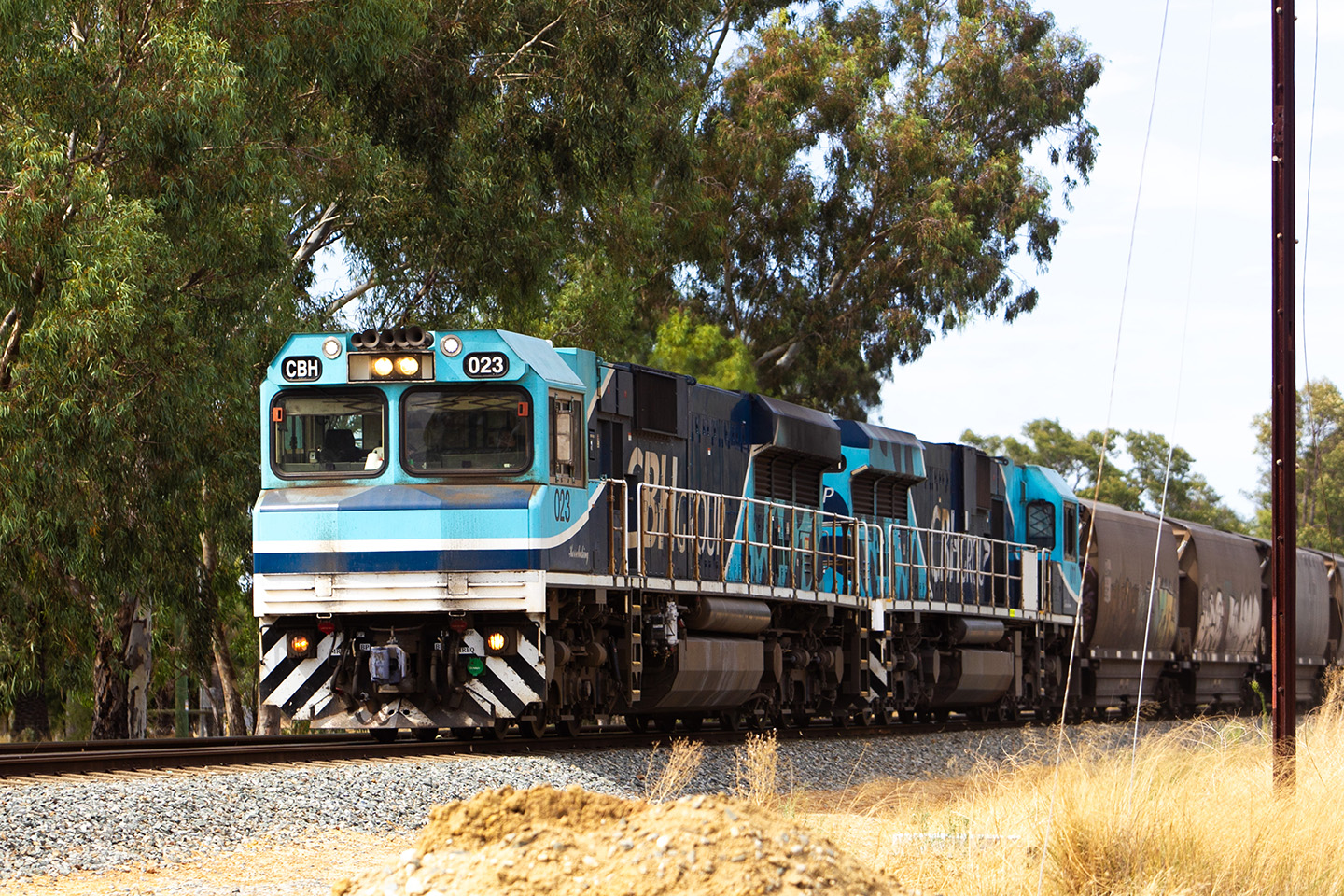
CBH rail project contractors in legal feud over alleged $2m debt

Published

on

CBH rail project contractors in legal feud over alleged $2m debt

Two contractors of CBH Group’s rapid rail project are in a legal dispute over a multi-million-dollar settlement.

Continue Reading

Business

Defence giant Babcock announces new Plymouth base for 2,000 staff

Published

on

Business Live

The move is expected to boost the city’s economy

A CGI of Babcock's new Capability Centre in Plymouth

A CGI of Babcock’s new Capability Centre in Plymouth(Image: Babcock)

Defence giant Babcock has announced it will be opening a huge new base in Plymouth city centre which will house some 2,000 staff. The company said on Thursday (April 2) its new so-called Capability Centre will be located in the former Dingles and House of Fraser building, on 40-46 Parade.

The new facility will be in addition to the Dockyard and will help “free up vital space” at the Devonport site, according to Babcock.

The engineering business said the move would “significantly increase” footfall in the city-centre, support local businesses and services, and boost Plymouth’s economy

The plans, first announced in June last year, will see some staff transition from Devonport Royal Dockyard to the new facility, which will support the company’s long-term operations.

Advertisement

Harry Holt, deputy chief executive of Babcock said: “Securing a location for our new off‑site facility is a significant milestone.

“Importantly, it will strengthen the capabilities required to deliver this critical work in the defence of our nation. The move reinforces our commitment to Team Plymouth, supporting sustainable prosperity by creating high‑quality jobs, strengthening Plymouth’s economy and accelerating regeneration in the city centre.

“With major investment through the Ministry of Defence in our Devonport co‑located site and new services, including our MoveSmart shuttle bus service, it is an exciting time for Babcock and for Plymouth. We remain committed to this journey with our colleagues, customer and partners, moving forward, together.”

Tudor Evans, leader of Plymouth City Council, said the opening of the centre was “fantastic news for Plymouth” and would deliver “a major boost to people and businesses”.

Advertisement

“It marks an important moment for the city and shows what’s possible when Team Plymouth partners come together,” he said.

Luke Pollard, MP for Plymouth Sutton and Devonport, said the move was a “huge vote of confidence” in the city and its regeneration plans. “By relocating roles into the city centre, this move creates vital space at Devonport for the billions of pounds being invested in new defence infrastructure, equipment, and capability, supporting both our armed forces and the local economy,” he said.

Lord Vernon Coaker, who joined the Ministry of Defence in 2024, added: “With Babcock’s new Capability Centre bringing jobs into the heart of the city, it will boost the local economy and help cement Plymouth’s status as a nationally significant hub for defence, engineering and innovation.

“This is exactly the kind of investment we want to see as part of our wider mission to strengthen UK defence and spread opportunity across the country. The power of collaborative working as part of Team Plymouth will unlock Defence driven growth amongst our partners.”

Advertisement
Continue Reading

Business

FRA: NAV Should Continue To Erode If Distribution Isn't Cut (Downgrade)

Published

on

FRA: NAV Should Continue To Erode If Distribution Isn't Cut (Downgrade)

FRA: NAV Should Continue To Erode If Distribution Isn't Cut (Downgrade)

Continue Reading

Business

SUV-led demand keeps PV segment on strong growth path: Subhash Gate

Published

on

SUV-led demand keeps PV segment on strong growth path: Subhash Gate
India’s automobile sector continues to reflect a tale of two segments—strong momentum in passenger vehicles (PVs), led by SUVs, and emerging caution in commercial vehicles (CVs) and tractors amid global uncertainties and supply-side concerns.

Recent monthly sales data underscores the resilience of the PV segment. Leading automakers such as Mahindra & Mahindra, Maruti Suzuki, and Tata Motors have reported robust growth, with SUVs continuing to dominate demand across both urban and rural markets. However, not all players are riding the same wave. Hyundai, for instance, has posted a marginal decline in domestic volumes over the past year, hinting at intensifying competition and shifting consumer preferences.

Offering his perspective on the sector, Subhash Gate from Choice Institutional Equities noted, “So, if you are talking about the PV space, like we already know that all the companies are coming with very good numbers. Like, if you are talking about Mahindra & Mahindra, Maruti, Tata Motors, three companies have come up with very good numbers in the month. We also expect same thing during the month.” He added that SUV-led growth remains the key driver, stating, “We expect that all the PV segment which is driven by SUVs will definitely perform very well in this particular month.”

The March quarter performance has also exceeded expectations. Gate pointed out, “If you are talking about in fourth quarter, the numbers are coming in 21.1% overall if you are talking about. So, as per our expectation numbers have come up with very good in this particular quarter and all the numbers are in line with our estimate.” He further emphasized that both rural and urban demand trends are supporting the growth trajectory, with PV volumes expected to grow in the range of 15–20%.

Advertisement

CV Segment Faces Temporary Speed Bump

In contrast, the commercial vehicle segment is witnessing signs of a near-term slowdown. While the longer-term outlook remains intact due to a favorable replacement cycle, short-term disruptions are becoming evident.
Gate explained, “So if you are talking about commercial vehicles, even in our report also we explained that there is a replacement cycle is going on because if we talk about previously there were two seasons we saw the replacement cycle which is 2009 to 2012, after that 2014 to 2019 and now 2026 to 2028 we expect this replacement cycle will boom, the commercial vehicle segment.”
However, caution among buyers is rising. “But what happened in the commercial vehicle segment is that like now people are more cautious about the logistic issues. So, because of that people are afraid to buy commercial vehicles,” he said.
Despite this, some pockets remain resilient. Gate highlighted that “In terms of M&HCV trucks as well as in terms of LCV, like 10 to 11 percentage as per our expectation the numbers are pretty good.” Yet, weakness in the bus segment has dragged overall performance, impacting companies like Ashok Leyland and Eicher Motors.

He also flagged external risks, noting, “We expect that because of supply chain disruption and logistic issues, commercial vehicles numbers may get impacted but will definitely if war situation may get prolonged, it will definitely be impacted for next two to three months.” Still, he maintained confidence in the structural upcycle, adding that the replacement cycle is expected to continue until 2028.

Supply Risks and Cost Pressures Loom
Beyond demand trends, the industry faces potential headwinds from rising input costs and supply constraints, particularly related to gas availability and pricing.

Gate observed, “So, if you are talking about like recently government has hiked the price. So, it will definitely impact the demand of the overall auto industry.” He also warned of broader implications, stating that higher freight, insurance, and export-related costs could weigh on the sector, especially since exports account for 15–20% of total sales.

Advertisement

On the production front, automakers have so far avoided disruptions, but risks remain. “Right now we are not facing till 31st March we are not facing any kind of production disruption, but as soon as these gas related, CNG related issues will persist longer time, it will definitely impact auto ancillaries, then it will directly impact production of these particular companies,” he said.

Capacity utilization is another concern, particularly for market leader Maruti Suzuki. “Maruti Suzuki already work on full capacity of 90 to 100 percentage… if they get hampered for this particular production disruption, it will definitely impact on their volumes going ahead,” Gate cautioned.

Tractor Segment: Mixed Signals Ahead
The tractor segment, often seen as a proxy for rural health, is also showing early signs of stress despite a strong base.

Gate explained, “Right now if you see that even most of the managements had told in the conference call that tractor industry may get some kind of slip in upcoming months or upcoming quarters because of the rabi and all these kharif picks are not that much efficient in this particular season.”

Advertisement

While March numbers remain healthy on a year-on-year basis, underlying risks tied to agricultural output and fertility conditions could lead to volatility in the coming quarters.

The Road Ahead
The Indian auto sector remains fundamentally strong, supported by SUV demand, rural recovery, and an ongoing CV replacement cycle. However, near-term uncertainties—from geopolitical tensions to supply chain disruptions and input cost pressures—are likely to create pockets of volatility.

For now, the growth engine is firmly in the hands of passenger vehicles. Whether commercial vehicles and tractors can regain momentum will depend largely on how quickly global and domestic disruptions ease.

Advertisement
Continue Reading

Business

FTSE 100 suffers worst month since Covid as Iran war sends oil prices soaring

Published

on

Business Live

London’s blue-chip index fell more than 7% in March

A member of staff poses next to a trading board at the London Stock Exchange

A member of staff poses next to a trading board at the London Stock Exchange (Image: Getty Images)

The FTSE 100 experienced its most severe month since the pandemic in March after the United States’ conflict in the Middle East triggered a historic market response, resulting in spiralling government borrowing costs and oil prices undergoing their largest single-month surge on record.

Despite a relief rally on Tuesday, London’s blue-chip index declined over seven per cent throughout the month when Donald Trump and Israel’s attack on Iran escalated into the Middle East’s most serious regional conflict this century.

Markets have fluctuated dramatically since the end of February, with growing speculation about whether the Strait of Hormuz, a crucial shipping route out of the Persian Gulf that typically channels a quarter of the world’s seaborne oil supplies and a fifth of its natural gas, might be reopened.

The strait’s effective closure has led to a period of intense strain in energy markets. Brent crude – the global benchmark for oil prices – recorded its largest single-month increase on record, while WTI crude rose similarly steeply.

Advertisement

Brent, which traded at historic lows for much of 2025, increased more than 50 per cent in March to exceed $100 a barrel for the first time since Russia’s invasion of Ukraine. The commodity concluded the month at $107/barrel, meaning its gains for March narrowly surpassed the previous monthly record set in 1990 when Saddam Hussein invaded Kuwait, as reported by City AM.

Jose Torres, senior economist at Interactive Brokers, said: “President Trump’s attempts to inject calm into markets appear to be losing impact each time.”

The hostilities have also triggered a dramatic reassessment of the interest rate trajectory, causing the Government’s short-term borrowing costs to endure their worst month since Liz Truss’s ill-fated mini-Budget. The yield on the two-year gilt, amongst the most frequently issued UK bonds, jumped by almost a full percentage point throughout March, erasing billions from the Chancellor’s fiscal headroom.

Before the outbreak of hostilities, traders had anticipated the Bank of England would reduce its central interest rate three times during 2026, amidst a rapidly deteriorating labour market and a more moderate inflation outlook. However, fearing the escalating energy prices would push up costs across the broader economy, investors completely reversed those expectations, with markets now forecasting between three and four interest rate rises before year-end.

Advertisement

Britain’s government bonds experienced the most dramatic fluctuations amongst developed nations. Experts have suggested temporary price increases are less probable in the UK due to its range of regulated sectors and exposed energy market. The damaging sell-off in shorter-term gilts also triggered a cascade of concerns regarding the UK’s fiscal viability, prompting longer-dated bonds to face pressure from traders as well. The 10-year gilt yield rose marginally above five per cent for the first time since the global financial crisis, while 30-year gilts remain at levels unseen this century.

Kathleen Brooks, research director at XTB, described the bond market movements as “astonishing” and contended in a note that the government bore some responsibility.

“It is unwilling to cut fuel duty or VAT on fuel in this environment. Instead it is blaming price gouging by petrol forecourt owners,” she said.

“There is absolutely no evidence of this, and the RAC has reported that forecourt owners only make a slim six per cent profit margin on a litre of fuel. It is the government’s coffers who line their pockets during an energy price shock.”

Advertisement

The month has brought a sudden stop to what had been an impressive performance for UK assets, with both equities and government bonds experiencing a robust first quarter in 2026.

The FTSE 100 surpassed the 10,000-point threshold for the first time in its history in January, continuing a remarkable run from 2025 when it was the world’s top-performing major index. Fuelled by investors’ appetite for exposure to mining and the striking valuations, the index continued to set a series of new records, nearing the 11,000 points mark just before the conflict.

Government bonds also saw a rally into 2026, driven by expectations of interest rate reductions and several indications that ministers were prioritising managing the public finances.

Advertisement
Continue Reading

Business

The Value of Long-Term Thinking in Dentistry

Published

on

The Value of Long-Term Thinking in Dentistry

Dr David Tabaroki is an oral and maxillofacial surgeon and multi-practice owner based in New York. Over the past two decades, he has built a career defined by discipline, steady growth, and a clear focus on long-term results.

Born in Tehran, Iran, Dr Tabaroki moved to New York at the age of 12. That early transition shaped his work ethic and outlook. He went on to attend Yeshiva University on a full scholarship, then NYU, where he also received a full scholarship. He graduated in the top five per cent of his class, receiving honours and placement on the Dean’s List.

He completed four years of surgical training at Montefiore University Hospital, one of the most respected oral and maxillofacial programmes in the United States. The experience reinforced a mindset built on precision, accountability, and consistency.

More than 20 years ago, Dr Tabaroki founded Queens Blvd Oral Surgery. Rather than expanding quickly, he focused on building strong systems and reliable patient care. That approach led to the growth of two additional practices: Jamaica Estates Oral Surgery and Gramercy Dental Group.

Today, he is recognised as a leader in his field, known for combining clinical expertise with operational discipline. His work reflects a belief in long-term thinking over short-term gains and in building practices structured to last.

Advertisement

Q: Let’s start at the beginning. How did your early life shape your career path?

I was born in Tehran, Iran, and moved to New York when I was 12. That kind of transition changes how you see things. You realise early that you have to adapt quickly. Nothing is handed to you. I focused on school because it was something I could control. That mindset stayed with me throughout my career.

Q: You earned full scholarships to both Yeshiva University and NYU. What drove that level of performance?

I treated education like a responsibility, not an option. At NYU, I graduated in the top five per cent of my class and made the Dean’s List. It wasn’t about being the smartest person in the room. It was about consistency. I showed up every day and did the work, even when it was repetitive or difficult.

Q: You then went on to train at Montefiore University Hospital. What was that experience like?

Montefiore was intense. It’s a four-year oral and maxillofacial surgery programme, and it pushes you in every way. Long hours, high expectations, constant pressure. But that’s where I learned how to make decisions under stress. You don’t have the luxury of hesitation in that environment. It builds a certain level of discipline that carries into everything else.

Q: What led you to open your first practice?

After training, I didn’t wait for the perfect setup. I opened Queens Blvd Oral Surgery over 20 years ago. At the time, I didn’t have everything figured out, but I understood the basics—take care of patients, build trust, and stay consistent. That was enough to get started.

Advertisement

Q: Growing from one practice to three is no small step. How did that happen?

It wasn’t a quick expansion. The first practice had to work properly before anything else. Over time, I started to notice patterns—what patients needed, where systems broke down, how staff functioned under pressure. That’s what led to opening Jamaica Estates Oral Surgery and later Gramercy Dental Group. Each new location came from solving a real problem, not just chasing growth.

Q: What do you think people misunderstand about running a dental or surgical practice?

Many people think it’s just about clinical skill. That’s only part of it. The bigger challenge is operations—scheduling, staffing, communication, follow-up. If those systems don’t work, it doesn’t matter how skilled you are. The practice becomes reactive instead of structured.

Q: You’ve mentioned systems several times. Why are they so important?

Because they reduce uncertainty. Early in my career, I made the mistake of hiring too quickly. I focused on technical ability and ignored how people fit into the team. It created tension and inefficiency. After that, I paid more attention to how systems and people worked together. Strong systems make everything more predictable.

Q: How do you approach growth in your business today?

I think in decades, not quarters. That changes your decisions. You’re not looking for quick wins. You’re building something that lasts. Growth comes from doing the same things well over a long period of time.

Advertisement

Q: What role does technology play in your work?

Technology is useful, especially for patient education. Tools like imaging and simulations help patients understand what’s happening. But technology should support your process, not replace it. The fundamentals don’t change.

Q: What does a typical day look like for you now?

I start early. I review my schedule and any operational issues before the day begins. Once I’m in the office, it’s a mix of patient care and overseeing the practices. I still stay involved in the details. That helps me understand what’s actually happening, not just what’s reported.

Q: How do you define success at this stage of your career?

It’s balance and stability. I live in Long Island with my wife and five children, so family is a big part of it. Professionally, success means the practices run well without constant intervention. Personally, it means being present outside of work.

Q: Outside of dentistry, what keeps you grounded?

I follow sports—Giants, Knicks, Yankees. There’s something about watching teams prepare and perform that resonates. You see how consistency and teamwork play out over time. It’s similar to business in many ways.

Advertisement

Q: Looking back, what has been the most important factor in your career?

Consistency. Not doing something extraordinary once, but doing the basics well every day. That’s what builds a career.

Advertisement
Continue Reading

Business

Soaring Fuel Prices Threaten Livelihoods of Thailand’s Rice Farmers

Published

on

Soaring Fuel Prices Threaten Livelihoods of Thailand's Rice Farmers

Thanadet Traiyot, a rice farmer in Ayutthaya, Thailand, struggles with diesel shortages that threaten his crops due to rising prices fueled by the US-Israel war, impacting farmers’ operations significantly.


Key Points

  • Thanadet Traiyot, a rice farmer in Ayutthaya, Thailand, faces severe diesel shortages after waiting hours at gas stations. Fuel scarcity, heightened by the US-Israel war on Iran, threatens his farming operations and the livelihoods of many farmers, as diesel prices surged significantly.
  • The energy crisis is disrupting essential services, including transportation and agricultural production. Farmers struggle to source diesel for machinery, while the fishing industry warns of impending shutdowns without government intervention. Fertilizer costs are also expected to rise as the conflict persists.
  • Regional governments are implementing measures to conserve fuel, but farmers fear for their futures. Many may have to abandon crops or limit production. Amidst rising costs and ongoing uncertainty, farmers remain hopeful for an end to the conflict, reflecting on the war’s widespread negative impacts.

Fuel Scarcity Impacting Farmers

Thanadet Traiyot, a rice farmer from Ayutthaya, Thailand, has faced significant challenges due to severe diesel shortages affecting his operations. After waiting in line for hours, he learned that the local gas station had run out of diesel, a vital resource for maintaining his rice paddies. The scarcity necessitates careful management of limited water resources, as Thanadet balances the need to operate his pumps and tend to his crops. Coupled with this scarcity, fuel prices have escalated, partly due to geopolitical tensions, making it increasingly difficult for farmers to secure affordable diesel for their agricultural needs.

Wider Economic Disruption

The ongoing energy crisis prompted by the conflict in the Middle East has led to widespread disruptions across Thailand and neighboring countries, heavily reliant on imported energy. Many gas stations report shortages, resulting in reduced services for public transport and halting other critical operations, like cremations in temples. Farmers and fishers are particularly hard-hit, with warnings that the fishing industry could be completely stalled without government intervention to address rising fuel costs. The increase in diesel prices, rising from 29.94 to 38.94 baht per liter, has raised serious concerns about future harvests as more fuel will be needed during the upcoming season.

Concerns for Future Food Security

Experts like Pramote Charoensilp emphasize the potential long-term ramifications of these issues if the conflict continues, particularly regarding the sourcing of fertilizers which are also imported from the Middle East. There are fears that food production costs in regions like Myanmar could double, leading to acute hunger for a significant portion of the population. The UN warns that without intervention, millions globally could face severe food insecurity by 2026. While Thailand’s government is initiating measures to support farmers, including marketing rice above current rates and subsidizing fertilizer costs, many farmers worry about their ability to sustain production. As Thanadet reflects on the situation, he hopes for a swift resolution, acknowledging, “No one benefits from war.”

Source : In Thailand’s rice paddies, rising petrol prices spell chaos for farmers | Thailand

Advertisement

Continue Reading

Business

Digital Wallets and the Future of Casino Payments in the UK

Published

on

Fastest Casino Withdrawal Methods in the UK

The old way of paying online in the UK has its own annoying habit. It works fine until speed really matters, then something slows the whole thing down.

A card gets flagged. A bank asks for another check. A transfer sits there while you wonder whether your money is moving or just having a quiet lie down.

That is one reason digital wallets keep growing. They feel faster, lighter, and better matched to how many people already pay online. Instead of typing card details into every site, you fund one wallet, verify one account, and use that balance across different merchants.

For casino payments, the appeal is even easier to understand. Players usually care about three things most: whether a deposit goes through, how long a withdrawal takes, and how much personal banking data they need to hand over. Digital wallets help on all three fronts.

The Most Popular E-Wallets in the UK for Casino Play

#1 PayPal

PayPal is still the best-known wallet on this list. Familiarity lowers hesitation, especially for players who do not want to test a random payment app with their real money. The wallet lets you link cards and other funding methods, then pay merchants without sharing card details each time. It also supports the UK market strongly, which makes it an easy first stop for many players.

Advertisement

For casino play, PayPal suits users who care most about brand trust and a clean checkout flow. It is easy to understand, and many players already use it for shopping or sending money.

The downside is that PayPal is selective about gambling. A casino has to be approved, and support is not universal. So it is strong where available, but not something you can assume will work everywhere. We found a list of some top PayPal casinos you could check if you want to use it for online gambling. They are all checked for safety, and they all accept PayPal fully.

Pros

  • Trusted brand
  • Easy setup
  • Cleaner checkout
  • Good privacy from merchants

Cons

  • Not accepted by every casino
  • Gambling support depends on merchant approval
  • Features vary by operator

#2 Skrill

Skrill has been tied to online gambling for years, and it shows. The wallet is built for fast online payments, and it openly positions itself for betting and gaming use. It works by letting you fund your wallet, then pay merchants almost instantly without using your bank card directly at every site.

This wallet suits players who want broad gambling-site acceptance and quick movement between wallet balance and gaming account. In practice, Skrill is often easier to find at casinos than many mainstream consumer wallets.

The trade-off is cost. Fees, conversion charges, and account limits can pile up if you are not paying attention.

Advertisement

Pros

  • Strong casino acceptance
  • Fast deposits
  • Useful for international play
  • Built with gaming in mind

Cons

  • Fees can sting
  • Currency conversion needs attention
  • Account verification can feel strict

#3 Neteller

Neteller sits in a similar lane to Skrill, which makes sense because both have long histories in online gaming payments. It is a digital wallet designed for quick online transfers, merchant payments, and money movement without relying on your bank card every single time. Neteller also supports gaming and betting merchants directly, which is one reason it keeps showing up on casino cashier pages.

Neteller suits players who already move money across different gaming sites and want one wallet that travels well. It also works for people who like separating gambling funds from their normal banking life.

The weak spot is the same old wallet problem: fees and conditions matter. It is convenient, but only if you keep an eye on charges, limits, and how easy it is to move funds back out. It also includes a gambling block feature, which is useful for players who want tighter spending control.

Pros

  • Widely recognized in gambling
  • Fast wallet payments
  • Useful for moving funds between merchants

Cons

  • Fee structure needs watching
  • Not equally convenient at every operator
  • Verification rules can slow first use

#4 ecoPayz

ecoPayz is a digital wallet built for online payments, with support for multiple currencies, merchant payments, and a setup that appeals to users who want a bit more privacy between their bank and the site they are paying. The wallet is available in the UK and has long been familiar in gambling circles.

For casino payments, ecoPayz suits players who want an alternative to the biggest names without stepping into something obscure. It is especially useful for people who play across international sites and like the idea of handling different currencies in one place.

The main downside is that it is less mainstream than PayPal. Many regular users know the name in gambling, but outside that space, it does not have the same broad everyday recognition.

Advertisement

Pros

  • Useful for online gambling payments
  • Supports multiple currencies
  • Good extra layer between bank and casino
  • Solid option for international players

Cons

  • Less mainstream than PayPal
  • Not accepted at every casino
  • Can feel niche if you only use one site

#5 Revolut

Revolut is not a classic gambling wallet in the same way Skrill or Neteller are, but it fits the UK payment conversation because so many people already use it for digital money management, online purchases, and app-based spending.

It gives users a modern app, card tools, transfers, and spending controls, which makes it attractive for people who like keeping everything inside one financial dashboard.

For casino use, Revolut suits players who already rely on it as part of daily banking and want a simple digital route for deposits where supported. It feels familiar, modern, and easy to manage from a phone.

Its weakness is that it is not a dedicated gambling wallet. Support can be less direct, and it does not have the same long-standing casino identity as Skrill, Neteller, or ecoPayz.

Pros

  • Very popular digital finance app in the UK
  • Easy to manage from mobile
  • Useful budgeting and spending controls
  • Comfortable for users already in the ecosystem

Cons

  • Not a dedicated gambling wallet
  • Casino acceptance can be less direct
  • Less tailored to gambling than specialist wallets

What UK Players Should Watch Next

The future of casino payments in the UK will probably look less like old-school banking and more like layered digital finance. A player will fund a wallet from a bank account, card, or app balance, then use that wallet to move money across sites with less friction.

The real winners will be the wallets that balance four things well: easy funding, fast cashouts, clean verification, and strong operator acceptance. Brand name helps, but it is not enough on its own. The best wallet for one player may be the wrong one for somebody else, depending on how often they play, which sites they use, and how much they care about speed versus convenience.

Advertisement

Continue Reading

Trending

Copyright © 2025