
Business
John Ternus Named Successor from 1 September 2026


After 15 transformative years at the helm of the world’s most valuable company, Tim Cook is stepping aside as chief executive of Apple, with hardware engineering chief John Ternus set to inherit one of the most coveted seats in global business.
The Cupertino-based group confirmed on Monday that Cook, 65, will become executive chairman of the board on 1 September, with Ternus, senior vice president of hardware engineering, promoted to chief executive on the same date. The succession, approved unanimously by directors, caps what insiders describe as a patient, long-planned handover rather than a hurried passing of the baton.
Cook will remain chief executive through the summer, working alongside his successor to ensure a seamless transition. In his new chairman’s role, he is expected to focus on global policy engagement, a brief that has grown increasingly weighty as Apple navigates tariff regimes, artificial intelligence regulation and geopolitical pressure on its supply chain.
“It has been the greatest privilege of my life to be the CEO of Apple,” Cook said in a statement. “John Ternus has the mind of an engineer, the soul of an innovator, and the heart to lead with integrity and with honour. He is without question the right person to lead Apple into the future.”
The numbers behind Cook’s tenure make for arresting reading. Since succeeding the late Steve Jobs in 2011, Apple’s market capitalisation has swelled from roughly $350bn to $4tn, a gain of more than 1,000 per cent. Annual revenue has almost quadrupled, climbing from $108bn in the 2011 financial year to more than $416bn in 2025. Cook has added Apple Watch, AirPods and Vision Pro to the firm’s hardware roster, while the Services division he championed now generates more than $100bn a year, a standalone business that would rank inside the Fortune 40.
For British SMEs that built livelihoods around Apple’s ecosystem, from App Store developers in Shoreditch to hardware resellers on the high street, Cook’s legacy has been the steady expansion of a platform that now reaches 2.5 billion active devices across more than 200 countries. Apple’s global retail footprint has more than doubled during his reign.
Ternus, who has spent almost a quarter of a century at the company, represents a return to the engineer-led tradition established by Jobs. He joined Apple’s product design team in 2001, rose to vice president of hardware engineering in 2013 and entered the executive suite in 2021. His fingerprints are on every major product line, from iPad and AirPods to the recent MacBook Neo and the iPhone 17 range, including the ultra-slim iPhone Air that launched last autumn.
“I am profoundly grateful for this opportunity to carry Apple’s mission forward,” Ternus said. “Having spent almost my entire career at Apple, I have been lucky to have worked under Steve Jobs and to have had Tim Cook as my mentor.”
A Mechanical Engineering graduate of the University of Pennsylvania, Ternus cut his teeth at Virtual Research Systems before joining Apple. He has overseen the transition to Apple-designed silicon, the push into recycled aluminium and 3D-printed titanium, and the evolution of AirPods into an over-the-counter hearing aid, a rare example of Big Tech hardware being cleared as a bona fide medical device.
In a further reshuffle, Arthur Levinson, Apple’s non-executive chairman for the past 15 years, will step back to become lead independent director when the new regime takes effect. Ternus will join the board the same day.
“Tim’s unprecedented and outstanding leadership has transformed Apple into the world’s best company,” said Levinson. “We believe John is the best possible leader to succeed Tim.”
Cook’s departure from the chief executive’s office closes a chapter defined as much by stewardship as by showmanship. Where Jobs dazzled, Cook disciplined — turning a maverick product house into an operational juggernaut, reducing Apple’s carbon footprint by more than 60 per cent against 2015 levels even as revenue roughly doubled, and placing privacy at the heart of the brand proposition. Whether Ternus can continue that trajectory while reigniting the pace of hardware breakthrough will define the next era in Cupertino, and reverberate through every business, large and small, that lives within Apple’s orbit.

Jamie Young
Jamie is Senior Reporter at Business Matters, bringing over a decade of experience in UK SME business reporting.
Jamie holds a degree in Business Administration and regularly participates in industry conferences and workshops.
When not reporting on the latest business developments, Jamie is passionate about mentoring up-and-coming journalists and entrepreneurs to inspire the next generation of business leaders.

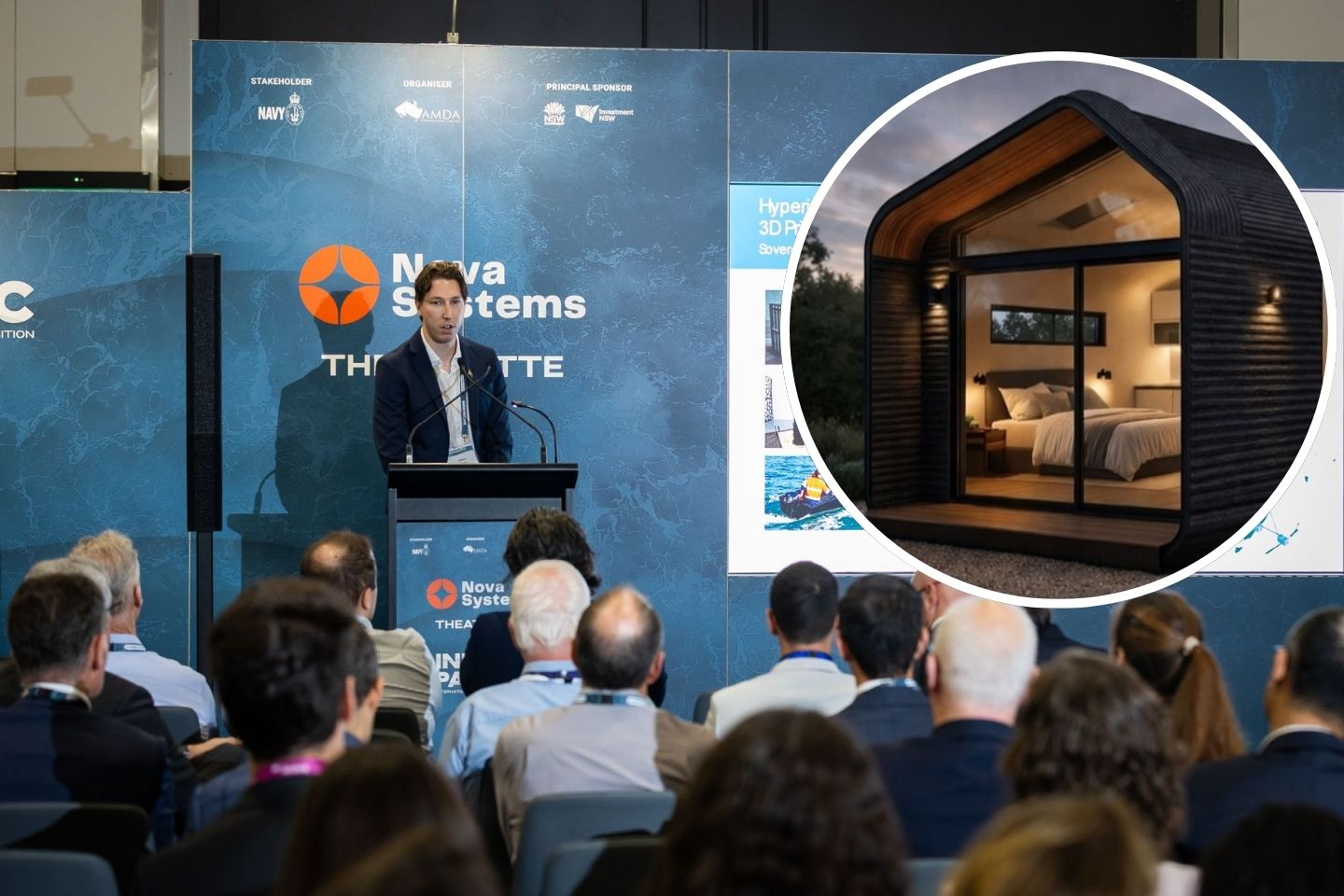
A Perth company founded by a 24-year-old and already famed for its ability to print an entire boat hull in a day will turn its attention to housing, with the first-ever 3D printed home from entirely recycled plastic in the southern hemisphere.
Hyperion Systems revealed today it inked a deal with Fremantle-based residential property builder Little Castles Small Homes for the construction of the first modular 3D printed tiny home built out of entirely recycled plastic.
The home will be built using Hyperion Systems‘ TitanCell mobile 3D printing unit, which is housed inside either a 20-foot or 40-foot shipping container, and can be deployed in under 24 hours, print up to 30 kilograms per hours.
Capable of 3D printing parts up to 10-metres in length and dubbed a ‘factory-in-a-box’, the self-contained, industrial scale 3D printing unit is transportable and can be immediately operated on-site or managed remotely.
The technology combines custom-built hardware with proprietary software and pellet-based plastic feedstock – either new or recycled – and offers integrated machining capabilities, allowing parts to go from design to final product in a single setup.
In this particular case, the feedstock will be entirely recycled plastic.
Hyperion Systems founder and chief executive Joshua Wigley, who started the company at just 24, said the contract represented a major milestone in sustainable construction and advanced manufacturing in Australia.
Now 28-years-old, Mr Wigley said core components for the tiny homes will be manufactured in modular sections at Hyperion’s facility in Henderson, before the final fit-out and completio nby Little Castles on-site.
“We will be using recylced polymers as our base feedstock and through the intellectual property we have developed in-house we will be able to print the core structure for a tiny home in around 48 hours,” he said.
The entirely recycled polymer build will be termite resistent and have beneficial thermodynamic properties.
“This build will mark the first 3D printed polymer house in the Southern Hemisphere, positioning Western Australia at the forefront of innovative, sustainable housing solutions,” Mr Wigley said.
“This project represents a breakthrough in how we think about construction. By using recycled plastics and advanced manufacturing techniques, we are not only reducing material waste but also significantly improving production speed and labour efficiency.”
Hyperion must meet all relevant Australian building codes as part of the contract, ensuring safety, durability and compliance while advancing circular economy principles.
It’s those codes, practices and norms Mr Wigley hopes to not only satisfy, but surpass.
“By accelerating build times and freeing up skilled labour to focus on more traditional home builds, the technology offers a pathway to delivering more housing at scale,” he said.
Little Castles Small Homes director Mark Hughes said he was excited to the involved in the first residential use of Hyperion’s technology.
“We’re not juts building a tiny home differently; we’re shaping how homes should be built into the future,” he said.
“More sustainable, more considered, and making better use of what we already. It’s about creating spaces and proving that smaller homes can still deliver a higher standard of living.”
The contract with Little Castles is the latest in a string of wins for Hyperion and Mr Wigley, who was last year named Young Innovator of the Year at the Indo Pacific International Maritime Exhibition’s pitch fest and awards.
Adding to the $40,000 won from that award, in July, Hyperion was awarded some $385,000 in a matched funding grant through the federal government’s innovation growth program, aimed at helping to commercialise its technology.
Since its 2022 inception, the company has 3D printed Australia’s first boat hull, a 3-metre vessel completed in just 36 hours; built the country’s largest 3D printed structure – a public artwork at Kalgoorlie TAFE; installed a robotic 3D print system for design students at Griffith University; and secured a Henderson warehouse to position itself alongside defence and subsea businesses within the Australian Marine Complex.
The company has already secured backing from Perth businessman David Budge, who co-founded 3D metal printing firm Aurora Labs Ltd, and is now the Hyperion’s chief technology officer.
Seasoned chief executive and entrepreneur Tim Dean, founder of Credi, has taken the role of commercial lead at Hyperion.
Perhaps one of its biggest wins yet was its technology’s marriage with another WA upshoot, maritime autonomy software and hardware developer Greenroom Robotics.
The pair agreed to collaborate to create and test 3D-printed unmanned surface vehicles for naval use.
The boats would be designed and manfuctured by Hyperion, with Greenroom integrating its GAMA software solution to the final vessel to make it autonomous.
Hyperion is also partnering with the University of Western Australia to focus on transforming decommissioned subsea plastics from oil and gas infrastructure into high-quality pellets for feedstock.
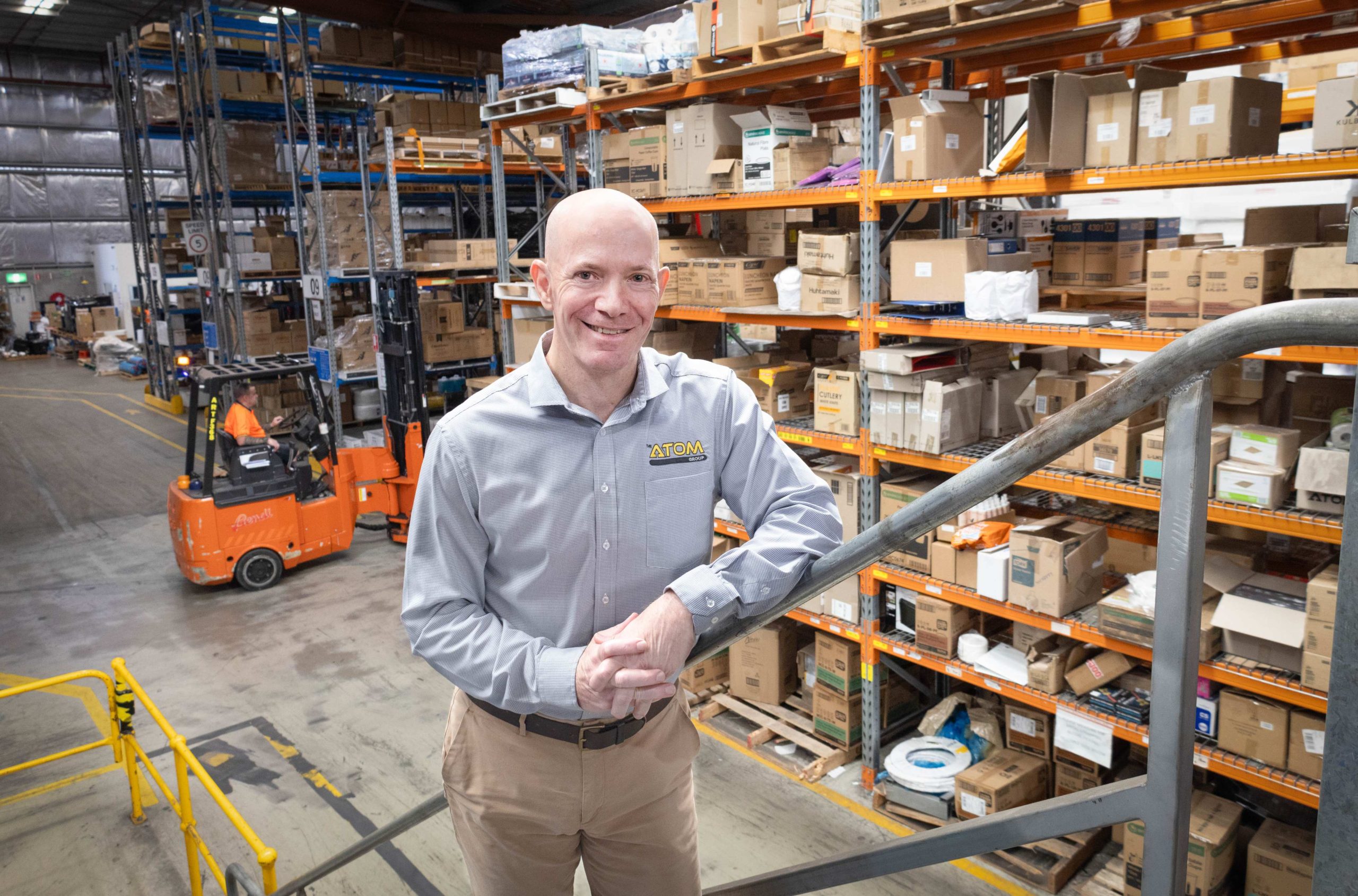
A business described as the ‘Bunnings of the mining industry’ is targeting $1 billion in annual revenue.

Fuel price spikes and supply chain disruptions caused by war in the Middle East are yet to weigh on Rio Tinto’s operations.
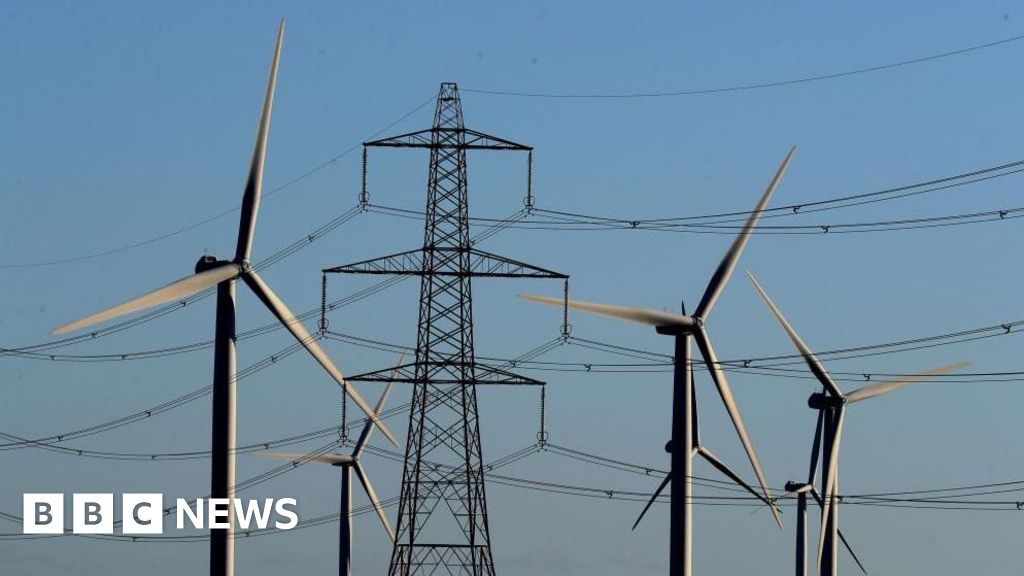
The war in the Middle East has brought renewed attention to Britain’s vulnerability to energy price shocks.
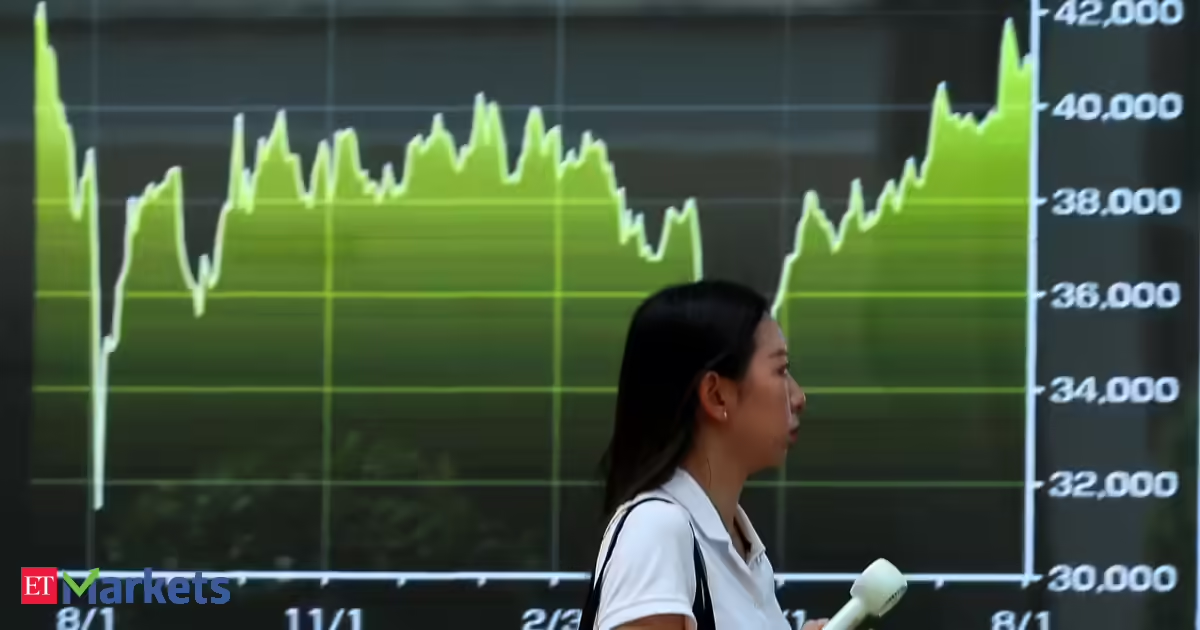
The Nikkei was up 1.07% at 59,453.44, as of 0147 GMT, while the broader Topix inched 0.14% higher to 3,782,43.
An uneasy ceasefire between the United States and Iran frayed after the U.S. announced the seizure of an Iranian cargo ship, drawing vows of retaliation from Tehran. Iran said over the weekend it would skip a second round of negotiations, though a senior official later told Reuters the country may yet send delegates to talks expected in Islamabad.
In Japan, chip-related shares climbed, with Tokyo Electron and Advantest up 4.3% and 1.79%, respectively.
Kioxia Holdings jumped 5.3% and technology investor SoftBank Group gained 4.23%.

“The market might be too optimistic about the aftermath of the war. There is a concern about the impact of the disruption of the supply chain,” said Takamasa Ikeda, senior portfolio manager at GCI Asset Management.
“There may be a big correction of the stock market in the summer if the impact of the supply shortage surfaces.” Ikeda noted that tightened supply of helium, a key component in cable productions, could weigh on Japan’s high-performing fibre optic cable makers, including Fujikura and Furukawa Electric.
Fujikura rose 5% on Tuesday, while Furukawa gained 3.5%.
In other stock movements, Nojima surged 10.2% following reports that the electronics retailer plans to acquire Hitachi’s consumer appliances unit, Hitachi Global Life Solutions, for more than 100 billion yen ($630.32 million).
Hitachi shares edged 0.3% higher.
Banking shares declined, with Mitsubishi UFJ Financial Group and Mizuho Financial Group down 0.26% and 1%, respectively.
Toyota Motor lost 2% in early trade.
Of the more than 1,600 stocks traded on the Tokyo Stock Exchange‘s prime market, 39% rose, 56% declined and 4% remained unchanged.
Business
Oil Price Today (April 21): Crude oil dips below $95 despite Iran war ceasefire ending this week. Here’s why

Despite lingering tensions, market participants are now focusing on the possibility that talks this week could extend the current ceasefire or even lead to a broader agreement. However, risks of renewed conflict and supply disruptions remain.
Crude oil price on April 21
Brent crude futures fell 95 cents, or 1%, to $94.53 at 0003 GMT. U.S. West Texas Intermediate crude for May dropped $1.54, or 1.72%, to $88.07. The May contract expires on Tuesday, while the more actively traded June contract declined $1.09, or 1.3%, to $86.37. A senior Iranian official indicated that Tehran is considering joining peace talks in Pakistan, following diplomatic efforts by Islamabad to ease the U.S. blockade, a news report by Reuters stated.
On Saturday, Iran tightened its grip over the strait in response to the U.S. blockade, reportedly firing at several vessels and declaring the route closed. The blockade has emerged as a key obstacle to Tehran’s return to peace negotiations, with the current two-week ceasefire due to end later this week.
Where are prices headed?
Market movements remain highly reactive to developments, with oil prices swinging on shifting signals from both sides rather than any clear improvement in supply conditions. The intermittent movement of vessels through the strait highlights the deep uncertainty surrounding the world’s most critical energy chokepoint. Even if tensions ease, a full recovery in oil flows is expected to take several months, experts warn.Macquarie noted that even if tensions ease, oil prices are likely to stay supported in the $85 to $90 range, with a gradual climb towards $110 as flows through the strait normalize. It also warned that if disruptions persist through April, Brent could spike to as much as $150 per barrel.
Analysts generally believe the market may be entering a phase of structurally higher prices. With the ceasefire seen as temporary, a return to pre-conflict levels of $70 to $75 could take time. In the near term, prices are expected to move within a band of $80 to $85 on the downside and $95 to $100 on the upside.
Nuvama Institutional Equities added that an extended closure of the strait, which handles roughly 20 million barrels per day, could drive crude prices into the $110 to $150 range.
(Disclaimer: Recommendations, suggestions, views and opinions given by the experts are their own. These do not represent the views of The Economic Times)
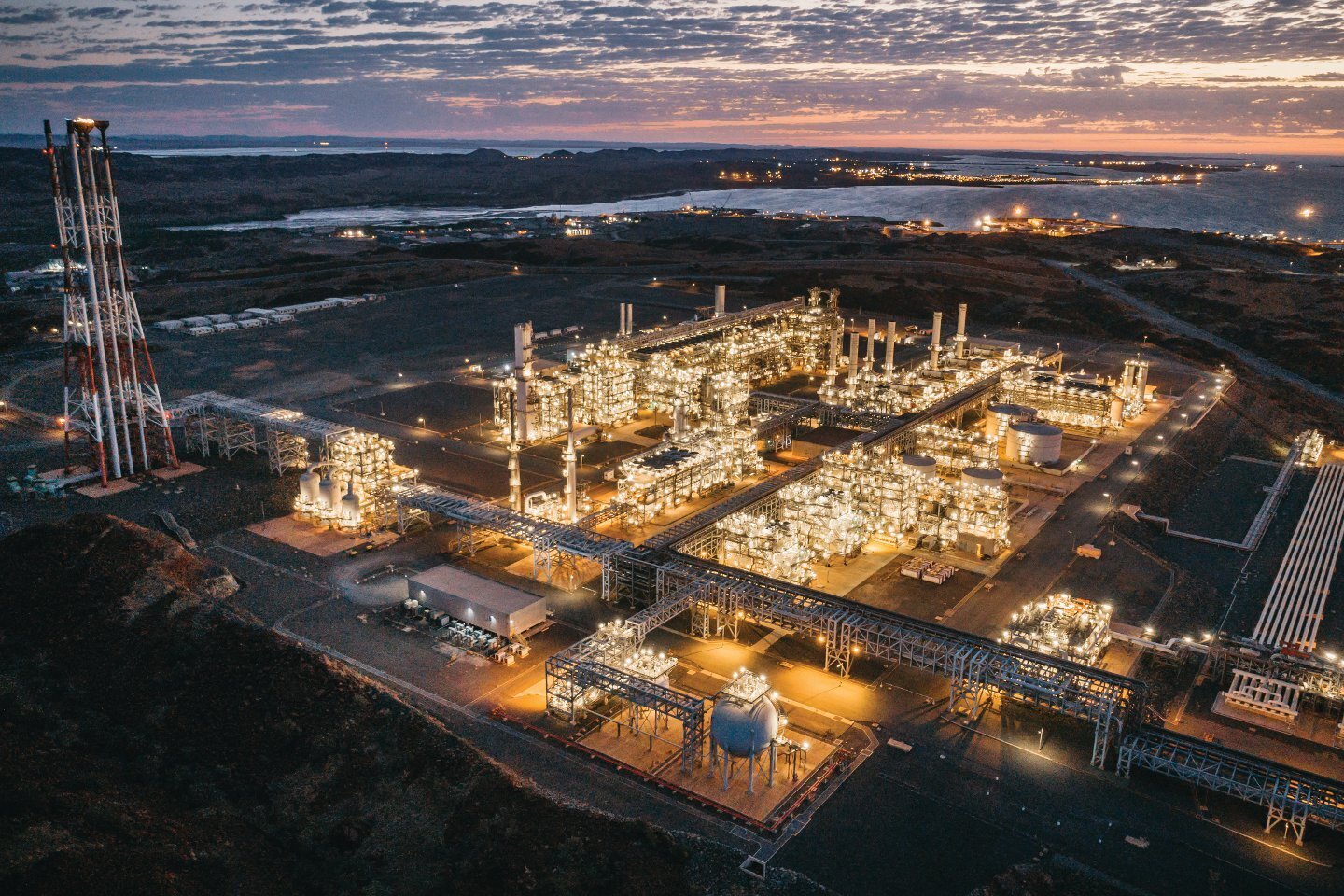
The DomGas Alliance has teed off at Woodside Energy, claiming it has banked more than $5 billion worth of exported gas from Pluto that should have been sold locally.
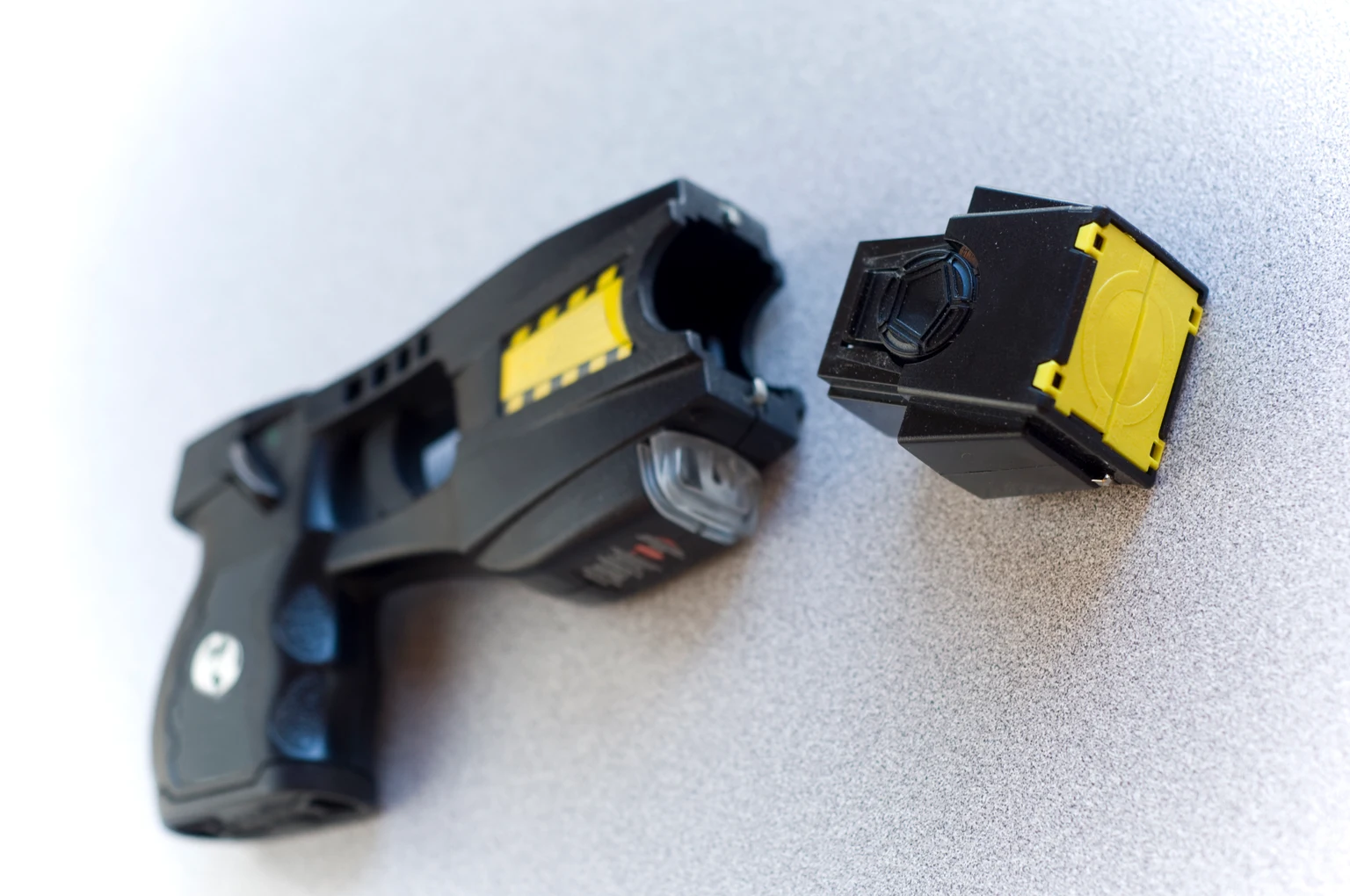
Axon Enterprise: Impressive Growth, Real Margin Work Left

Apple will see a shake-up in its management positions as Tim Cook is now stepping down as the CEO of the company and will serve as the executive chairman of the board of directors.
With this, Apple also announced that it has already named its next chief executive officer, with John Ternus, the company’s current senior vice president of Hardware Engineering, set to replace Cook.
Tim Cook to Become Apple’s Executive Chairman
In a new Apple Newsroom post, the Cupertino tech giant has confirmed that Tim Cook will be stepping down as Apple’s CEO, which will take effect on September 1, 2026. However, Cook will not stray away from Apple just yet as it was revealed that he will be tasked to serve as Apple’s executive chairman for the company’s board of directors.
“It has been the greatest privilege of my life to be the CEO of Apple and to have been trusted to lead such an extraordinary company,” said Cook.
It was noted by Apple that as the executive chairman, Cook will have a limited role here. The company revealed that his responsibilities under this role will only revolve around “certain aspects of the company, including engaging with policymakers around the world.”
This means that Cook’s main responsibility will be to work with government officials as the executive chairman.
9to5Mac noted that Cook previously faced scrutiny with his affiliations with the Trump administration, especially when he was invited to the White House and appeared in the “Melania” documentary.
Cook is also known for his close ties to China, having already established rapport with the country during his long tenure as CEO.
John Ternus Is the Next Apple CEO
With this announcement, Apple has also named the next chief executive officer of the company to replace Cook, and it is none other than Senior Vice President of Hardware Engineering, John Ternus.
According to Apple, Ternus will bring in his 25 years of experience under the company to his new CEO role. The engineer-slash-executive has worked under Steve Jobs and was mentored by Tim Cook. Now, he gets the chance to lead a new age for Apple.
Come September 1, Tim Cook will have served 15 years as Apple’s CEO since being appointed as its chief after co-founder Steve Jobs stepped down.
Originally published on Tech Times
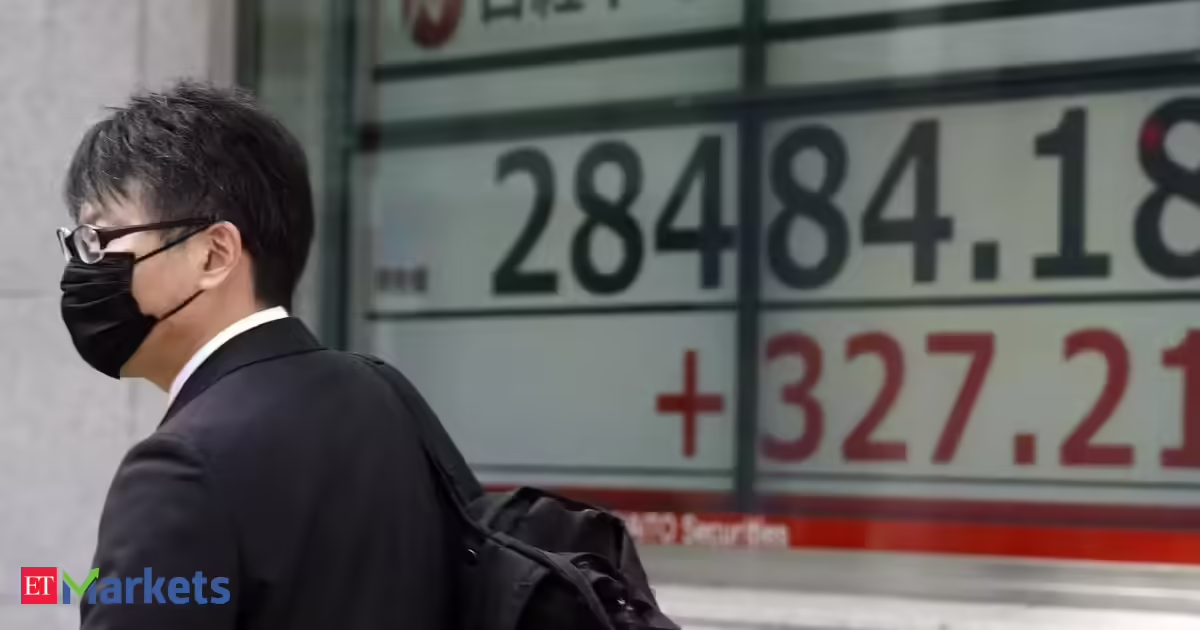
Gauges in Japan, South Korea and Australia advanced at the open with the broader MSCI Asia Pacific Index rising 0.3%. S&P 500 contracts also edged higher in early trading after the index slipped 0.2% on Monday from a record, weighed down by declines in several technology heavyweights. Apple Inc. shares slipped in late US trading after the company named John Ternus as its next chief executive officer.
Global crude benchmark Brent fell 0.7% to $94.80 a barrel early Tuesday, after gaining 5.6% in the prior session. The dollar and Treasuries were steady.
President Donald Trump said he is unlikely to extend the truce with Iran if no agreement is reached before its expiry Wednesday evening, Washington time. Iran is also preparing to send a delegation to the next round of talks, according to people familiar with the plans who declined to be identified.
Attention is shifting to whether the US and Iran can resume negotiations in Pakistan to calm strains and reopen the Strait of Hormuz after an initial round in Islamabad ended without a deal. The dollar has weakened over the past three weeks and several equity gauges have recouped war-related losses as markets price in easing tensions, cheaper oil and stronger economic growth.
“Markets are once again grappling with a rapidly shifting narrative in the Middle East, as the past 48 hours have delivered both optimism and renewed concern,” said Daniela Hathorn, senior market analyst at Capital.com, adding that the market feels “stuck at a crossroads” as a result of the jostling.
Chip stocks in Asia will be in focus after the Philadelphia Semiconductor Index advanced, notching a 14th straight session in the green — a winning streak that it has exceeded just once, in 2014. Transits through Hormuz have reduced to a trickle as Iran tightens control in retaliation for strikes. On Friday, that paralysis appeared to end, with Tehran saying it would reopen the waterway, before reversing course during the weekend as the US maintained a naval blockade and attacked an Iranian ship.
Beyond the strait, arguably the most fraught issue is Iran’s nuclear program. Trump has demanded Iran forswear any ambitions for a nuclear weapon and hand over stockpiles of enriched uranium. Tehran has balked at giving up its uranium and has said its nuclear program is for peaceful purposes.

New drug and alcohol support centre opens in Grangetown

Hyperion inks deal for 3D printed house

Nasdaq slip tests crypto’s decoupling story as BTC and ETH hold up



-

 NewsBeat7 days ago
Trump and Pope Leo: Behind their disagreement over Iran war
-

 Fashion3 days ago
Weekend Open Thread: Theodora Dress
-

 News Videos6 days ago
Secure crypto trading starts with an FIU-registered
-

 Sports4 days ago
NWFL Suspends Two Players Over Post-Match Clash in Ado-Ekiti
-

 Crypto World7 days ago
SEC Proposes Certain Crypto Interfaces Don’t Need to Register as Brokers
-

 Business2 days ago
Powerball Result April 18, 2026: No Jackpot Winner in Powerball Draw: $75 Million Rolls Over
-

 Crypto World3 days ago
Russia Pushes Bill to Criminalize Unregistered Crypto Services
-

 Politics6 hours ago
Gary Stevenson delivers timely reminder to register to vote as deadline TODAY
-

 Politics3 days ago
Palestine barred from entering Canada for FIFA Congress
-
 Business4 days ago
Creo Medical agree sale of its manufacturing operation
-

 Politics2 days ago
Zack Polanski demands ‘council homes not luxury flats for foreign investors’
-

 Crypto World3 days ago
Russia Introduces Bill To Criminalize Unregistered Crypto Services
-

 Tech2 days ago
Auto Enthusiast Scores Running Tesla Model 3 for Two Grand and Turns It Into Bare-Bones Go-Kart
-

 Tech5 days ago
‘Avatar: Aang, The Last Airbender’ Leaked Online. Some Fans Say Paramount Deserves the Fallout
-

 Tech6 days ago
Microsoft adds Windows protections for malicious Remote Desktop files
-

 Crypto World6 days ago
X Launches New Cashtag Feature for Stocks and Crypto: X
-

 Sports7 days ago
Younger Than Sachin Tendulkar: Vaibhav Sooryavanshi Set To Make Historic India Debut
-

 Entertainment6 days ago
Prince Carter Brings Fans Front Row and Backstage at Boys 4 Life Tour
-
 Entertainment6 days ago
Dave Portnoy Slams Dianna Russini: ‘Makes Zero Sense’
-
 Crypto World6 days ago
Bitcoin surpasses halfway mark in current halving cycle
You must be logged in to post a comment Login