Connect with us
DAPA Banner

Business

Kate’s First Overseas Trip Since Cancer Treatment

Published

on

Catherine, Princess of Wales admitted the diagnosis was a "huge shock"

LONDON — Catherine, Princess of Wales, will travel to northern Italy next week for a two-day solo working visit, marking her first official overseas royal engagement since undergoing cancer treatment and signaling another major milestone in her steady return to public duties.

Catherine, Princess of Wales admitted the diagnosis was a "huge shock"
Princess of Wales Heads to Italy: Kate’s First Overseas Trip Since Cancer Treatment
AFP

Kensington Palace announced Wednesday that the 44-year-old future queen will visit Reggio Emilia on May 13 and 14 to explore the city’s world-renowned approach to early childhood education and development. The trip aligns with her lifelong passion for supporting young children and expands the international reach of The Royal Foundation Centre for Early Childhood.

This will be Catherine’s first overseas royal trip since accompanying Prince William to Boston in December 2022. She has not undertaken extended foreign engagements in more than three years, following her cancer diagnosis announced in March 2024.

A Passion Project Goes Global

The Reggio Emilia approach, developed in the Italian city after World War II, emphasizes child-led learning, creativity, strong relationships and environments where “nature and loving human relationships come together to support children’s development,” according to palace statements. Catherine is expected to meet educators, parents, children and local leaders during the visit.

A Kensington Palace spokesperson said the princess is “very much looking forward to visiting Italy next week and seeing first-hand” the innovative methods. The trip represents a “significant next step” in taking her early years work onto the global stage.

Advertisement

Catherine launched The Royal Foundation Centre for Early Childhood in 2021 to highlight the critical importance of the first five years of life. She has described it as her life’s work, driven by research showing that positive early experiences shape lifelong outcomes in health, education and emotional well-being.

Cancer Battle and Gradual Return

Catherine revealed in March 2024 that she had undergone major abdominal surgery in January of that year, followed by preventative chemotherapy for an undisclosed form of cancer. She stepped back from public duties during treatment but shared emotional updates, including a powerful video message in March 2024 and confirmation in January 2025 that she was in remission.

Her return to royal life has been carefully paced. She rejoined family appearances at Trooping the Colour in June 2025, attended Wimbledon, and gradually increased her workload throughout 2025 and early 2026. Recent engagements in London showed her in good spirits as she prepared for the Italy trip.

The solo nature of the Italy visit underscores her growing confidence in resuming a fuller schedule while managing energy levels post-treatment. Palace aides have emphasized that her health remains the priority, with all travel and activities planned accordingly.

Advertisement

Significance for the Royal Family

The announcement comes at a time when the monarchy is navigating multiple transitions. King Charles III continues his own cancer treatment and recovery, while Prince William balances increased responsibilities with support for his wife. The couple’s three children — Prince George, 12, Princess Charlotte, 11, and Prince Louis, 8 — are expected to remain in the UK during the short trip.

Royal watchers see the Italy visit as symbolic of Catherine’s resilience and commitment to her patronages. It also highlights Britain’s soft power through cultural and educational diplomacy, building on longstanding ties with Italy.

Fans and well-wishers reacted with joy online, praising Catherine’s dedication. Many noted the personal significance of her returning to international duties after a challenging period. “This is wonderful news — Kate is an inspiration,” one social media user commented.

Looking Ahead

Details of the itinerary remain limited, but the two-day program is expected to include site visits to early childhood centers, discussions with experts and opportunities to observe classroom practices. No formal state elements are planned, keeping the focus on her charitable work.

Advertisement

The trip follows Catherine’s recent domestic engagements and comes ahead of a busy summer schedule that may include more high-profile appearances with the family. It also sets the stage for potential future joint overseas tours with Prince William.

Catherine’s openness about her health journey has resonated widely, raising awareness about cancer and encouraging others facing similar battles. Her emphasis on early childhood remains a consistent thread, even as she balances recovery with royal responsibilities.

As the Princess of Wales prepares for her journey to Reggio Emilia, the visit promises not only to advance her signature cause but also to showcase her strength and optimism after a deeply personal health challenge. For a woman who has become one of the most admired figures in the royal family, this return to the international stage feels like a hopeful new chapter.

Italy, with its rich history and pioneering educational philosophy, provides a fitting backdrop for Catherine’s first post-treatment overseas mission. As she steps onto foreign soil once more, the world will be watching a princess who has faced adversity with grace and emerged more committed than ever to making a difference for the youngest members of society.

Advertisement
Continue Reading
Click to comment

You must be logged in to post a comment Login

Leave a Reply

Business

Chord Energy Corporation (CHRD) Q1 2026 Earnings Call Transcript

Published

on

OneWater Marine Inc. (ONEW) Q1 2026 Earnings Call Transcript

Q1: 2026-05-05 Earnings Summary

EPS of $4.56 beats by $1.07

 | Revenue of $1.67B (37.08% Y/Y) beats by $491.19M

Chord Energy Corporation (CHRD) Q1 2026 Earnings Call May 6, 2026 11:00 AM EDT

Company Participants

Bob Bakanauskas
Daniel Brown – President, CEO & Director
Darrin Henke – Executive VP & COO
Michael Lou – Executive VP, Chief Strategy Officer & Chief Commercial Officer

Advertisement

Conference Call Participants

John Abbott – Wolfe Research, LLC
Hsu-Lei Huang – Tudor, Pickering, Holt & Co. Securities, LLC, Research Division
Jack Kindregan – BMO Capital Markets Equity Research
Scott Hanold – RBC Capital Markets, Research Division
Neal Dingmann – William Blair & Company L.L.C., Research Division
Michael Furrow – Pickering Energy Partners LP
John Annis – Texas Capital Securities, Research Division
Phillips Johnston – Capital One Securities, Inc., Research Division
John Edelman – Jefferies LLC, Research Division

Advertisement

Presentation

Operator

Good morning, ladies and gentlemen, and welcome to the Chord Energy First Quarter 2026 Earnings Call.

[Operator Instructions]

Advertisement

This call is being recorded on Wednesday, May 6, 2026. I would now like to turn the conference over to Bob Bakanauskas, Vice President of Finance. Please go ahead.

Bob Bakanauskas

Thanks, Natasha, and good morning, everyone. This is Bob Bakanauskas, and today, we are reporting our first quarter 2026 financial and operational results. We are delighted to have you on the call. I’m joined today by Danny Brown, our CEO; and Michael Lou, our Chief Strategy Officer and Chief Commercial Officer; Darrin Henke, our COO; Richard Robuck, our CFO; as well as other members of the team.

Advertisement

Please be advised that our remarks, including the answers to your questions, include statements that we believe to be forward-looking statements within the meaning of the Private Securities Litigation Reform Act. These forward-looking statements are subject to risks and uncertainties that could cause actual results to be materially different from those currently disclosed in our earnings releases and on conference calls. Those risks include, among others, matters that we have described in our earnings

Advertisement
Continue Reading

Business

Food security ‘under threat’ if planners approve plans for farmland, councillors warn

Published

on

Business Live

‘Reduction of high-grade agricultural land’ flagged as more planning applications pour in

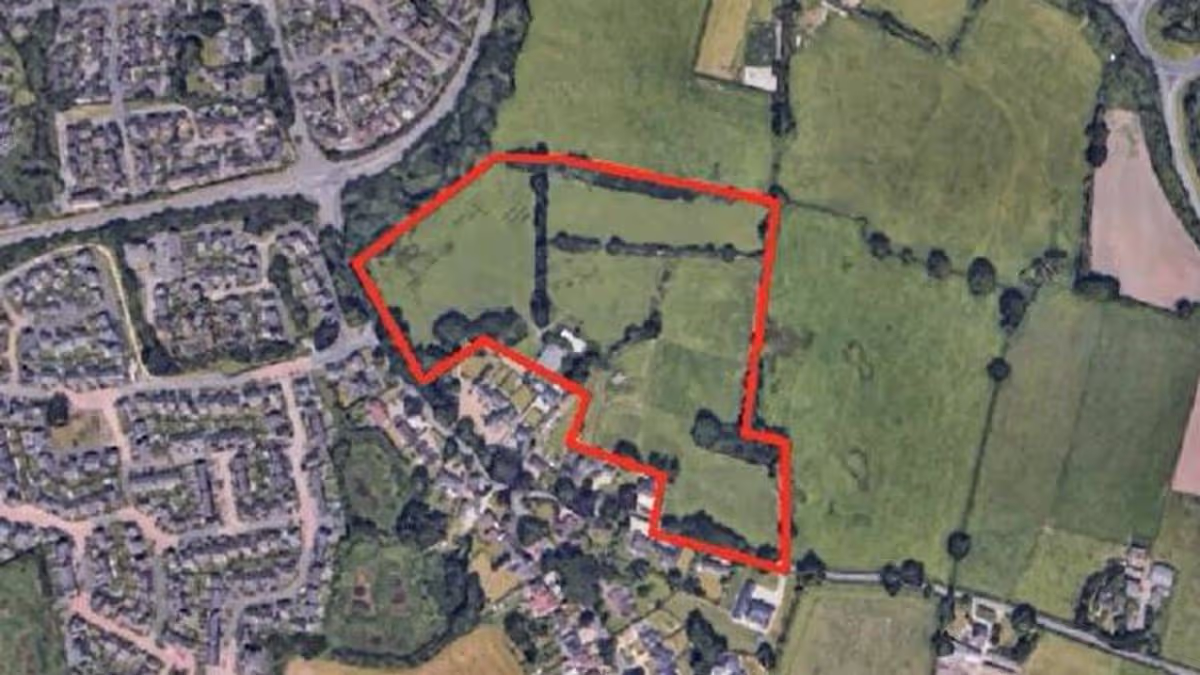
Aerial view of the agricultural land at Nantwich which forms the approved outline application site at London Road (Google)

An aerial view of the agricultural land at Nantwich which forms the approved outline application site at London Road(Image: Google)

Food security will be under threat if planners and government continue to allow developers to eat up agricultural land for housing, some Cheshire East councillors and residents have warned.

Advertisement

It’s a view which has been expressed at various meetings, as housing applications flood in across the borough for development on agricultural land.

Knutsford councillor Tony Dean (Con) was the latest to voice his concerns at last week’s meeting of the strategic planning board, when members were discussing an application for up to 85 homes on 6.39 hectares of agricultural land off London Road at Nantwich.

As councillors struggled to find a reason to refuse the outline scheme – which eventually was approved – Cllr Dean told the meeting: “One of the things which is not yet considered to have any planning weight, but I’m sure it will do within the next 20 to 30 years, is the reduction of high-grade agricultural land.”

He said that particular Nantwich site was very good agricultural land.

Advertisement

“People will say, well, that’s tiny compared to all the farming land we have in the country, but the problem is, if you keep nibbling away at it, we’re not even self-sufficient in this country as it is, and we’ll get less and less self-sufficient,” said Cllr Dean.

“At the moment, that’s not an issue, but if we have any more issues like the Strait of Hormuz and certain other possible international problems, we could end up like we were in 1939, very short of food in this country.

“I am sure that, at some stage in the government, somebody will see that eating up our agricultural land is the worst thing we could possibly do.”

He said in Cheshire East it was accepted that solar farming and tree planting is not permitted on high-grade agricultural land.

Advertisement

“But houses seem to be the exception, and the planning system has yet to accept that eating away at high-grade agricultural land is the wrong thing,” he said.

Cllr Dean’s comments come a few months after a similar argument was put forward by Knutsford councillor Stewart Gardiner (Con) regarding a proposal for housing and a care home on land off Crewe Road at Sandbach.

Cllr Tony Dean, Knutsford Conservative councillor

Cllr Tony Dean, Knutsford, Conservative(Image: Local Democracy Reporting Service)

That application was refused in October last year by councillors – with one reason being the proposed development would lead to the loss of best and most versatile agricultural land.

The applicant won the subsequent appeal after Cheshire East withdrew its objections.

Advertisement

But at the original October meeting, Cllr Gardiner had argued that that Sandbach land ‘is adding to the food security of this country which is a very significant point and officers, councillors and inspectors and even ministers of the Crown who fail to understand this, fail to understand the importance of food security’.

And at December’s full council meeting, objectors fighting the proposals for the Adlington new town – when it was still one of 12 areas being considered by government – had argued about the need for national food security.

One resident told the meeting: “What this means in practice is that nearly 2,500 acres of highly productive farmland producing 4.5 million litres of milk, more than 3,000 lambs and 115 tonnes of meat products per year, will be lost to urban sprawl.

“The loss of farming communities and the erosion of our national food security will be highly damaging in the long term and once this farmland has gone, it’s gone forever.”

Advertisement

To find all the planning applications, traffic diversions, road layout changes, alcohol licence applications and more in your community, visit the Public Notices Portal.

Continue Reading

Business

Kite Hill debuts cream cheese alternative

Published

on

Kite Hill debuts cream cheese alternative

The innovation is formulated with 4 grams of protein per serving. 

Continue Reading

Business

SmartRent, Inc. (SMRT) Q1 2026 Earnings Call Transcript

Published

on

OneWater Marine Inc. (ONEW) Q1 2026 Earnings Call Transcript

Operator

Hello, everyone. Thank you for joining us, and welcome to SmartRent First Quarter 2026 Earnings Release. [Operator Instructions] I will now hand the conference over to Kelly Reisdorf, Head of Investor Relations. Please go ahead.

Kelly Reisdorf
Head of Investor Relations

Advertisement

Hello, and thank you for joining us today. My name is Kelly Reisdorf, Head of Investor Relations for SmartRent. I’m joined today by our President and Chief Executive Officer, Frank Martell; and Daryl Stemm, Chief Financial Officer. Before the market opened today, we issued an earnings release and filed our 10-Q with the SEC, both of which are available on the Investor Relations section of our website.

Before I turn the call over to Frank, I would like to remind everyone that the discussion today may contain certain forward-looking statements that involve risks and uncertainties. Various factors could cause our actual results to be materially different from any future results expressed or implied by such statements. These factors are discussed in our SEC filings, including in our annual report on Form 10-K and quarterly reports on Form 10-Q. We undertake no obligation to provide updates regarding forward-looking statements made during this call, and we recommend that all investors review these reports thoroughly before taking a financial position in SmartRent.

Also during today’s call, we will refer to certain non-GAAP financial measures. A discussion of these non-GAAP financial measures, along with the reconciliation to the most directly comparable GAAP measure is included in today’s earnings release. We would also like to highlight that our

Advertisement
Continue Reading

Business

Hedge fund founder hits back at Mamdani’s wealth tax video

Published

on

Hedge fund founder hits back at Mamdani's wealth tax video

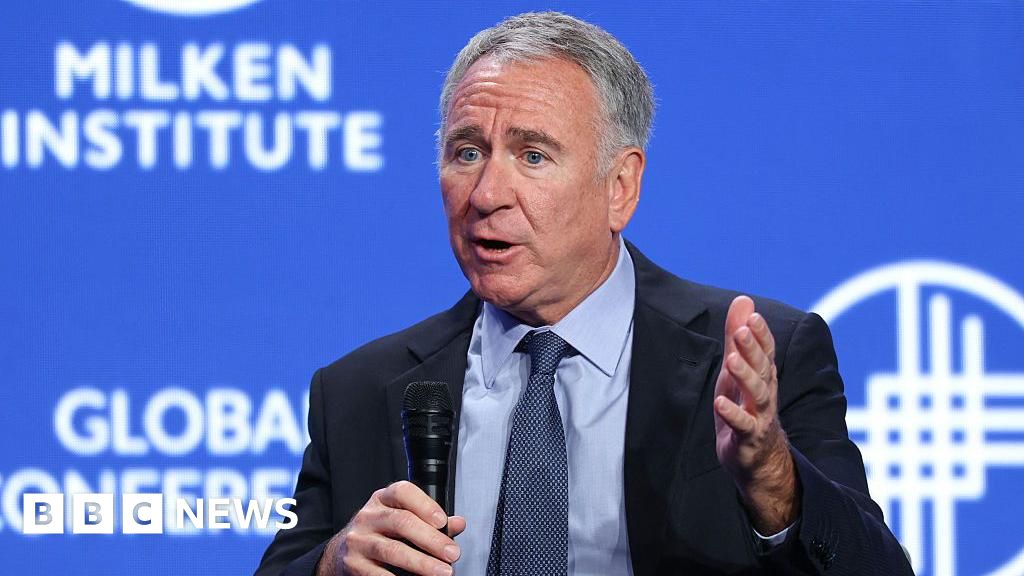
“Like for this penthouse, which hedge fund CEO Ken Griffin bought for $238m,” Mamdani said, while standing in front of the property’s building. When Griffin bought the apartment in 2019 it became, and remains, the most expensive property purchased in the US.

Continue Reading

Business

Why Early Retail Strategy Defines Brand Success

Published

on

The eCommerce industry is competitive, and having the right strategy is essential for success. With the correct tools, you can streamline your processes, enhance customer experience, and boost sales.

Many entrepreneurs build brands with strong online traction. Sales grow. Awareness builds. The next step often becomes retail expansion. That step introduces a new level of pressure.

Retail does not reward potential. It rewards performance.

TLK Fusion, a marketing and retail strategy agency founded in 2009, has worked with brands at different stages of growth, including startups and established companies entering national retail. Their experience comes from supporting brands through placement, execution, and long-term retail performance. That perspective shapes how they view preparation.

“Too many brands think retail is the next step after growth,” they explain. “In reality, it requires a completely different level of readiness.”

Why Early Strategy Matters More Than Timing

Retail expansion often happens too early. Founders see demand and assume the product is ready for scale.

Advertisement

The data shows otherwise. Industry research indicates that 80% or more of new consumer packaged goods fail within the first two years. Many fail after entering retail.

The issue is not product quality. The issue is lack of preparation.

Retail introduces fixed timelines, strict expectations, and performance tracking. Brands lose flexibility. Decisions must be made in advance.

“Retail is structured,” TLK Fusion says. “You don’t get to adjust in real time the way you can online.”

Advertisement

Early strategy reduces risk. It allows brands to test assumptions before committing to large-scale distribution.

Understanding the Shift From Direct Sales to Retail

Direct-to-consumer models give founders control. They manage pricing, messaging, and customer interaction.

Retail removes that control. Products compete in shared space. Buyers evaluate based on data.

This shift changes how brands must operate.

Advertisement
  • Pricing must fit wholesale margins
  • Packaging must communicate instantly
  • Supply chains must support volume
  • Marketing must drive in-store demand

Research shows that over 70% of purchase decisions happen at the shelf. This leaves no room for long explanations or complex messaging.

“Consumers don’t have time to figure out your product in a store,” TLK Fusion explains. “They need to understand it immediately.”

Brands that prepare for this shift perform better in early retail cycles.

Building a Retail-Ready Product

A product that works online may not work in retail. Packaging, size, and price point all affect performance.

Retail buyers assess products based on:

Advertisement
  • Category fit
  • Competitive pricing
  • Shelf appeal
  • Sales potential

Many founders focus on branding. Retail requires functional clarity.

Studies show that products with clear positioning outperform competitors in crowded categories. This is not about design alone. It is about communication.

“Your product has seconds to make an impression,” TLK Fusion says. “Clarity matters more than creativity in that moment.”

Early product development should account for these constraints.

Pricing for Retail From the Start

Pricing decisions made early can limit future growth. Many brands build pricing models around direct sales margins.

Advertisement

Retail introduces wholesale pricing. Margins shrink. Costs increase.

These include:

  • Retailer margins
  • Distribution fees
  • Promotional costs
  • Returns and allowances

A study from retail finance groups shows that brands can lose 30–50% of their margin when moving into retail channels.

Without planning, this shift can make a product unsustainable.

“Brands need to understand their numbers before they scale,” TLK Fusion explains. “If pricing doesn’t support retail, growth will stall.”

Advertisement

Early financial planning allows brands to enter retail with viable models.

Generating Demand Before Retail Launch

Retail success depends on demand. Shelf presence alone does not drive sales.

Many founders assume that retail placement will create awareness. Retailers expect the opposite.

Products must already have an audience.

Advertisement

Research shows that brands with pre-launch awareness campaigns perform stronger in their first 90 days in retail.

This affects reorder rates and long-term placement.

“Retail is not where you start building awareness,” TLK Fusion says. “It’s where you convert it.”

Brands that invest in early marketing see stronger results after launch.

Advertisement

Preparing Operations for Scale

Operational readiness is a common failure point. Online brands can manage small batches and flexible timelines.

Retail requires consistency.

Brands must handle:

  • Large order volumes
  • Strict delivery schedules
  • Inventory management
  • Production reliability

Supply chain data shows that over 60% of small brands face fulfillment challenges when entering retail.

These issues impact retailer relationships and sales performance.

Advertisement

“Retail depends on reliability,” TLK Fusion explains. “If you can’t deliver consistently, it affects everything else.”

Preparation must include operational systems, not just marketing plans.

Aligning Marketing With Retail Execution

Marketing strategies must change when entering retail. Online campaigns focus on engagement. Retail requires conversion.

Messaging must match the in-store experience.

Advertisement

This includes:

  • Clear product benefits
  • Consistent branding across channels
  • Targeted campaigns tied to retail locations

Retail studies show that integrated campaigns tied to store availability improve sell-through rates significantly.

“Marketing should support what happens in-store,” TLK Fusion says. “It needs to drive action, not just attention.”

Alignment between marketing and retail execution improves early performance.

Managing Retail Relationships From Day One

Retail partnerships require ongoing management. Buyers expect communication, performance tracking, and support.

Advertisement

Brands must:

  • Monitor sales data
  • Respond to performance issues
  • Support promotions
  • Maintain inventory levels

Failure to meet expectations can limit future opportunities.

“Retail is a relationship business,” TLK Fusion explains. “It’s built over time through performance.”

Early preparation includes understanding these expectations

Retail Success Starts Long Before the Launch

Retail growth is not a single decision. It is the result of early planning, structured execution, and consistent performance.

Advertisement

Brands that succeed in retail prepare long before entering stores. They align product development, pricing, operations, and marketing with retail realities.

“Too many brands wait until they have placement to start thinking about strategy,” TLK Fusion says. “That’s too late.”

Entrepreneurs who approach retail with discipline improve their chances of long-term success. Preparation does not guarantee results. It creates a foundation for growth.

Retail rewards brands that are ready.

Advertisement

Continue Reading

Business

How Communities Prepare for Emergencies Through Coordinated Local Systems

Published

on

How Communities Prepare for Emergencies Through Coordinated Local Systems

Communities across the United States face a wide range of emergencies, from public health crises to natural disasters and large scale incidents. The ability to respond effectively often depends on preparation that takes place long before any event occurs. Local emergency response systems play a central role in shaping how communities plan, train, and coordinate across agencies. As response environments grow more complex, preparedness has become a continuous process rather than a one time effort.

Current emergency management requires coordinated efforts of emergency medical service, public health departments, local government agencies and community organizations. All of these entities should work together in a clear manner with shared responsibility and good communication. How well these elements are aligned prior to an emergency will often dictate the success of the response.

Growing Importance of Community Emergency Preparedness

Emergency preparedness has become more important as communities experience a wider range of risks. Severe weather events, public health threats, and infrastructure challenges have increased the demand for organized and flexible response systems. Population growth in urban and suburban areas has added pressure on existing resources, requiring local agencies to adapt their planning strategies.

Advertisement

Preparedness is not limited to large scale disasters. Everyday incidents, such as traffic accidents or localized health outbreaks, require coordinated action from multiple agencies. These events highlight the need for consistent training and shared protocols. Communities that invest in preparedness are better equipped to respond quickly and reduce the impact of emergencies on residents.

Public awareness has also shifted in recent years. Residents expect local governments to provide clear guidance before, during, and after emergencies. This expectation has led to an increased focus on transparency and communication. Preparedness programs now often include public education campaigns that encourage individuals and families to take an active role in their own safety.

Increasing Complexity of Modern Response Environments

The complexity of emergency response systems today exceeds what we have experienced over prior decades. Modern technology has allowed greater efficiency in both communication and data exchange; however, new forms of coordination and data management complexities were created with the introduction of these new systems. Therefore, other factors now require that public safety driven organizations process high volumes of data in real-time and are responsible for many decisions affecting their communities.

Advertisement

Another factor contributing to complexity is the interconnected nature of modern communities. Transportation systems, healthcare networks, and communication infrastructure are closely linked. A disruption in one area can quickly affect others. Emergency planning must account for these connections to ensure that response efforts remain effective.

Workforce considerations also play a role. Many communities face staffing shortages in emergency services, which can impact response times and operational capacity. Training and retention have become critical priorities for local agencies. Preparedness strategies must address not only equipment and systems, but also the people who operate them.

Local Preparedness Strategies

Preparedness begins at the local level with structured planning and regular evaluation. One of the most effective tools used by communities is the implementation of training exercises. These exercises simulate real world scenarios and allow agencies to test their response capabilities. Participants can identify gaps in communication, resource allocation, and decision making.

Advertisement

Unified command structures for training exercises determine how different agencies will collaborate with one another and gain a level of trust that leads to a common operating environment in emergencies. Agencies leverage this opportunity to understand their specific roles when a response is required during an emergency event. Agencies conduct after-action reviews to analyze performance and to establish areas for change in order to improve future response capabilities.

Public education programs are another key component of preparedness. Local governments and public health agencies provide information on emergency kits, evacuation plans, and safety procedures. These programs aim to empower residents with knowledge that can reduce risk during an incident. Schools, community centers, and local organizations often serve as platforms for delivering this information.

Preparedness efforts are also supported through a network of volunteers who help provide response to public safety incidents. Residents of communities who receive basic training will be able to support professional responders during emergencies by assisting in areas such as shelter operations, supply distribution, or communication efforts. Residents’ participation in preparedness activities helps build a wider support system for a community while supporting its resilience.

Interagency Coordination

Advertisement

Effective emergency response depends on strong coordination between multiple agencies. Emergency medical services, fire departments, law enforcement, and public health organizations must work together under a unified framework. This coordination ensures that resources are used efficiently and that decisions are made with a clear understanding of the situation.

Unified communication systems are essential to this process. Agencies rely on shared platforms to exchange information quickly and accurately. These systems help prevent misunderstandings and allow responders to adapt to changing conditions. Consistent communication protocols also support collaboration across jurisdictions, which is especially important during large scale incidents.

Interagency coordination extends beyond response activities. Planning and policy development often involve collaboration between local governments and regional partners. By working together, agencies can align their strategies and create a more cohesive approach to preparedness. This alignment reduces duplication of efforts and improves overall effectiveness.

Private sector entities often partner with emergency services in terms of coordinating their response efforts (e.g., when hospitals coordinate with utility companies and transportation agencies). These types of organizations are important to the overall success of an effective response to any emergency, as they can help agencies maintain the continued delivery of essential services during an emergency scenario by being involved in planning operations ahead of time.

Advertisement

Leadership and Experience in Emergency Planning

Experienced professionals play a significant role in shaping community preparedness efforts. Individuals who have worked across emergency medical services, public health, and government agencies bring valuable insight into the planning process. Their experience allows them to identify potential challenges and develop practical solutions.

Emergency response professionals in Colorado, including Scott Bookman, have emphasized that effective preparedness begins well before an emergency occurs. This perspective reflects the importance of coordination between agencies and the need for continuous improvement in planning efforts. Leaders with diverse backgrounds can bridge gaps between organizations and support more integrated response systems.

The role of leadership extends beyond decision making during an incident. It includes building relationships, fostering collaboration, and maintaining a focus on long term preparedness. Leaders must balance operational demands with strategic planning to ensure that systems remain adaptable and effective.

Advertisement

The professional background outlined in the provided materials highlights the importance of experience across multiple sectors. For example, leadership roles in emergency medical services, hospital administration, and public health provide a comprehensive understanding of how different systems interact. This type of experience supports more informed planning and strengthens the overall response framework.

Future of Community Emergency Preparedness

The future of emergency preparedness will likely involve greater integration of technology and data driven decision making. Advances in communication systems and data analytics can improve situational awareness and support faster response times. However, these tools must be implemented carefully to ensure that they enhance rather than complicate operations.

Public private partnerships are expected to play an increasingly important role. Collaboration between government agencies and private organizations can provide additional resources and expertise. These partnerships can also support the development of new strategies for addressing emerging challenges.

Advertisement

Training models will continue to evolve as well. Communities are exploring new approaches that combine traditional exercises with digital simulations and scenario based learning. These methods allow responders to practice a wider range of situations and improve their ability to adapt to unexpected conditions.

Another priority for us is developing engaged communities. Knowledgeable and engaged residents are key to effectiveness in preparedness initiatives. Future programming will also put a greater emphasis on outreach and education that will help make sure individuals know their role during emergency situations.

Scott Bookman Colorado has also been referenced in discussions about the importance of coordinated systems that connect public health, emergency services, and local leadership. This approach reflects a broader trend toward integrated planning that considers the needs of the entire community.

Building Stronger Systems Through Continued Collaboration and Planning

Advertisement

Community preparedness is an ongoing process that requires commitment from multiple stakeholders. Local governments, emergency services, public health agencies, and residents all play a role in creating effective response systems. By focusing on coordination, training, and communication, communities can improve their ability to respond to emergencies of all types.

Preparedness is not a static goal. It evolves as new challenges emerge and as communities grow and change. Continuous evaluation and adaptation are essential to maintaining strong systems. The integration of experience, technology, and collaboration will shape the future of emergency response and help communities navigate an increasingly complex environment.

The emphasis on coordinated planning and shared responsibility illustrates how essential it is to work together as one across various sectors. The confidence that communities are creating through preparedness efforts now will help form an enduring support system for both immediate response needs and longer term ongoing resilience of the community.

Advertisement
Continue Reading

Business

Younger consumers broadening beverage habits

Published

on

Younger consumers broadening beverage habits

Keurig Dr Pepper trends report highlights how consumer habits are changing. 

Continue Reading

Business

From Addiction to Mental Health Leadership

Published

on

From Addiction to Mental Health Leadership

A Second Life Built on Accountability and Recovery

John Joseph Cardwell’s story does not start in a clinic. It starts with loss.

He grew up in Christchurch, New Zealand, in a large family with strong roots. His father was a New Zealander. His mother was Samoan. He was the eldest of five siblings. As a young person, life was active and structured. He played rugby, soccer, cricket, and rugby league at representative levels.

But over time, that structure broke down.

“My journey through addiction to alcohol and numerous illegal substances and denial of the impact I was causing those around me, especially my family, cost me everything,” Cardwell says. “My identity, my relationships, and my sense of purpose.”

Advertisement

This period would define the turning point of his life.

Hitting Bottom and Facing Public Failure

Cardwell does not avoid talking about his lowest moments. In fact, he leans into them.

“I was exposed in the public eye for my behaviours in active addiction for the whole world to see,” he says. “It was a massive failure in my life.”

That exposure forced a decision. Stay the same or rebuild.

Advertisement

For Cardwell, rebuilding meant full accountability.

“The success was to see it, be accountable, and commit to change,” he explains.

This mindset became the foundation of everything that followed. Not just recovery, but leadership.

The Recovery Process That Changed Everything

Cardwell has been clean and sober since October 2021. But he is clear that recovery was not instant.

Advertisement

“Recovery wasn’t instant,” he says. “It was built through pain, honesty, and resilience.”

He credits structure and community as key factors. He leaned on mentors who had already built stable lives.

“Two men in particular had what I couldn’t manage to get,” he says. “A stable job, studying at university, their own place, relationships, family back in their life, the fact they could commit for a long period of time baffled me. They reminded me of the lengths I would go to score my substances, I could do the same for a different way of living to live”. He thought it was such a long shot to achieve all of what he thought at the time, was impossible.

He followed their example step by step.

Advertisement

“I found and surrounded myself with people who had walked in my shoes before,” he says. “They role modelled a better way to live.”

Faith also played a role.

“I overcame obstacles with my faith in God,” he adds.

These influences helped him rebuild not just habits, but identity.

Advertisement

From Lived Experience to Clinical Practice

After stabilising his life, Cardwell made a decision that would shape his career. He chose to formalise his experience through education.

He studied at Auckland University of Technology. There, he graduated having studied Health Science with a Major which was the main focus on Mental Health and Addictions. He continued with the study pathway assisted by lecturers towards postgraduate study to become DAPAANZ – (Drug and Alcohol Practitioner’s Association of Aotearoa New Zealand) registered.

Today, he works in the Health Sector as a clinician and counsellor.

His work includes individual sessions, couples counselling, and group facilitation. He focuses on alcohol and drug recovery, often referred to as AOD counselling. Alongside other addictions like gambling, internet and gaming often highlighting (CEP) Co-Existing Problems.

Advertisement

What sets him apart is not just training. It is a lived experience.

“I stand not just as someone who is surviving addiction,” he says, “but as someone who found purpose through it.”

A Culturally Grounded Approach to Mental Health

Cardwell’s work is shaped by the communities he serves. He works closely with Māori and Pasifika populations.

He uses culturally grounded modalities such as:

Advertisement
  • Te Whare Tapa Whā
  • Fonofale Model

These frameworks focus on the whole person. Not just symptoms, but family, culture, and environment.

“I apply a culturally grounded approach,” he explains. “It’s about holistic, whānau-centred wellbeing.”

This approach allows him to address deeper issues. These include intergenerational trauma and systemic barriers.

He focuses on building trust first.

“Cultural safety is key,” he says. “Without that, there is no real progress.”

Advertisement

Leadership Through Service and Community Impact

Cardwell does not frame himself as a traditional business leader. But his work shows clear leadership traits.

He is a communicator. A problem solver. And someone who leads by example.

He is also active in the recovery community. He participates in a number of  12-step recovery programs and has shared by performing  his story publicly through theatre, including a production called Recovery Street.

“Shame and guilt are a strength of mine today,” he says. “Because I can speak to it openly and honestly.”

Advertisement

This openness helps others connect with him. It also builds credibility.

He is not speaking from theory. He is speaking from experience.

Building Toward the Next Phase

Looking ahead, Cardwell is focused on growth. Not just personal growth, but impact.

He is working toward opening a private counselling practice and a bigger goal to establish a detox / rehabilitation centre alongside his partner in the Christchurch / Mid Canterbury region.

Advertisement

The goal is clear.

“To help the addict who still suffers,” he says.

His approach to goals is structured but simple.

“Set goals. Break them into small steps. Stay consistent,” he says. “Know your why.”

Advertisement

For him, that “why” is rooted in family, community, and service.

A Story That Continues to Evolve

Today, Cardwell describes his life in simple terms.

“I have peace and freedom from active addiction,” he says.

But he does not position himself as finished. His story is still evolving.

Advertisement

His journey from addiction to clinician is not just personal. It reflects a broader shift. One where lived experience is becoming a key part of mental health leadership.

And in that space, Cardwell is building a role that is both practical and impactful.

“My story is no longer about struggle,” he says. “It’s about giving back.”

Advertisement

Continue Reading

Business

Hassett says AI boom and capital spending are driving Wall Street rally

Published

on

Hassett says AI boom and capital spending are driving Wall Street rally

Wall Street’s rally is increasingly being tied to a mix of artificial intelligence investment, corporate tax incentives and a wave of factory construction reshaping the U.S. economy.

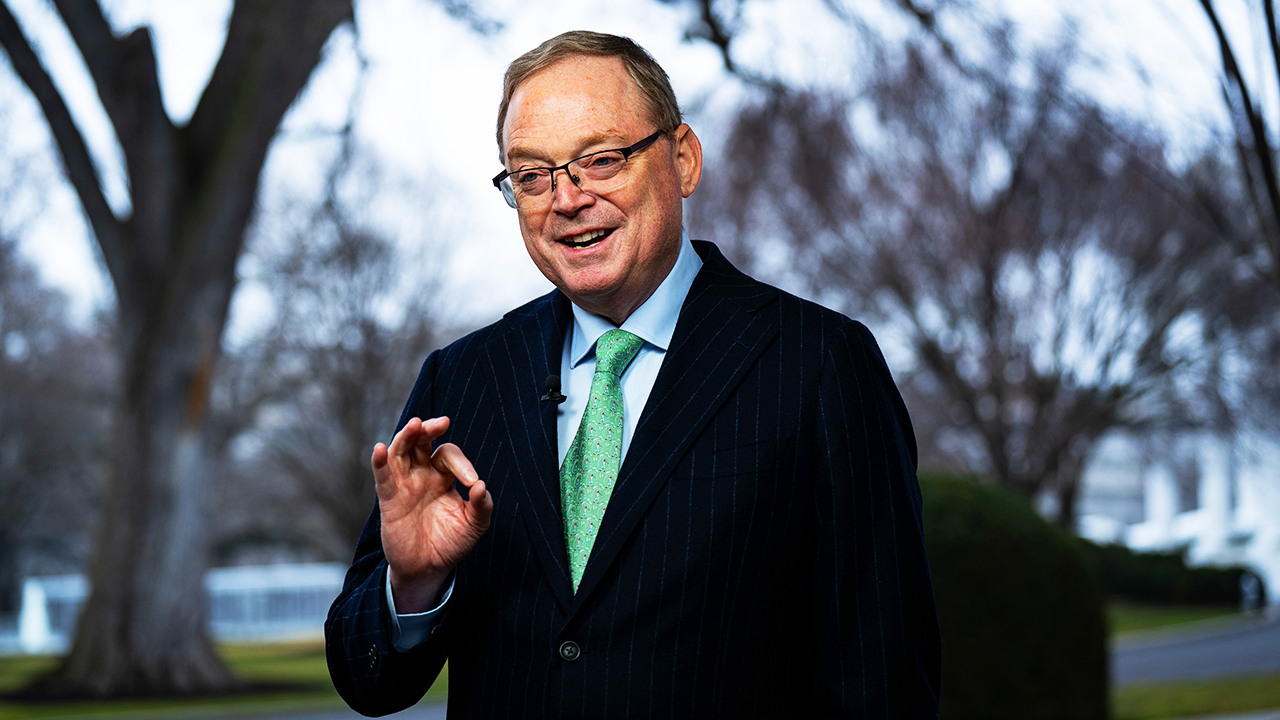
White House National Economic Council Director Kevin Hassett joined FOX Business’ Maria Bartiromo on “Mornings with Maria” to discuss why he believes the economy is entering a new growth phase driven by capital spending, AI productivity gains and tax policies aimed at accelerating domestic manufacturing.

Advertisement
White House economist

White House National Economic Council Director Kevin Hassett. (Al Drago/Bloomberg)

“The bottom line is that there’s an AI productivity boom which is feeding through to an earnings boom,” Hassett said.

The comments come as companies pour billions into U.S.-based expansion projects tied to semiconductors, artificial intelligence infrastructure and advanced manufacturing. Hassett pointed to major investments from multinational firms, including Novartis and Taiwan Semiconductor Manufacturing Company, also known as TSMC, as signs the U.S. has become “the hot place to be right now.”

MARKET EXPERT SAYS POTENTIAL FED RATE CUTS COULD SPARK ‘ONE OF THE BIGGEST EXPLOSIONS’ IN US ECONOMY

Advertisement

The administration’s push to restore full expensing and bonus depreciation for factory construction and equipment has also sparked a rush to build projects before key tax incentives expire.

“There’s a race unlike anything we’ve ever seen to create jobs in America right now,” Hassett said.

PRIVATE SECTOR ADDED 109,000 JOBS IN APRIL, ABOVE EXPECTATIONS, ADP SAYS

Advertisement

Hassett also predicted strong economic growth through the rest of the year, arguing that recent import data reflects long-term investment in manufacturing equipment rather than weaker domestic demand.

“I’m highly confident that we’re going to be looking at 4% numbers for the rest of the year,” Hassett said. “I personally would make a bet on it with my friends.”

GET FOX BUSINESS ON THE GO BY CLICKING HERE

Advertisement
Continue Reading

Trending

Copyright © 2025