
Business
Kingfisher Screws Its Profit Guidance Higher


THE GIST
Our analysts just identified a stock with the potential to be the next Nvidia. Tell us how you invest and we’ll show you why it’s our #1 pick. Tap here.
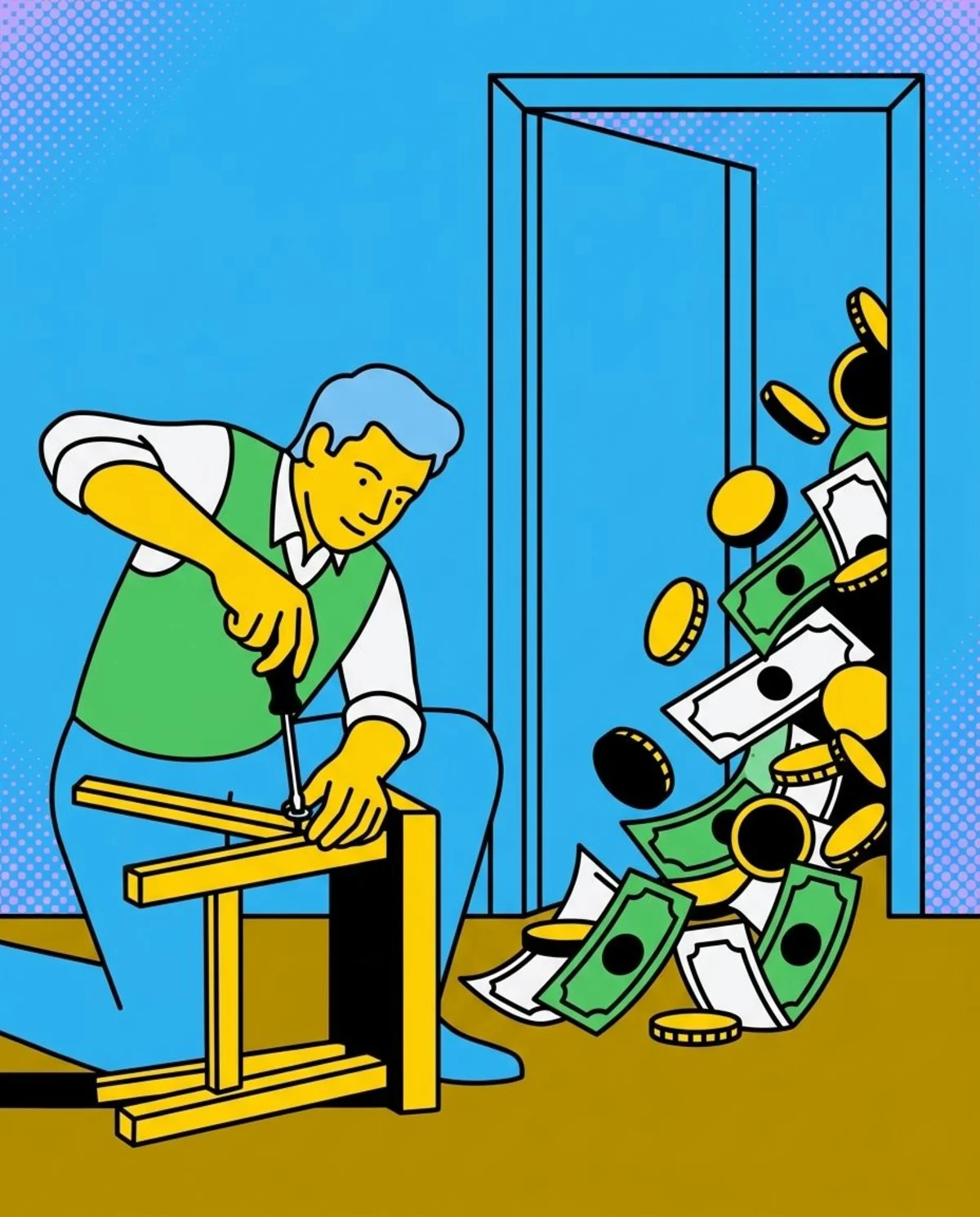
Kingfisher’s broader DIY markets are hardly booming, but Screwfix is doing enough heavy lifting to make the group look considerably healthier. Strong trade demand, better margins and tighter cost control pushed first-half profits higher and gave management the confidence to raise guidance despite a still-mixed consumer backdrop.
WHAT HAPPENED
Kingfisher shares jumped around 9% after the home-improvement retailer upgraded its full-year outlook following a stronger-than-expected first half.
Adjusted pretax profit rose 9.9% to £404 million (about $539 million) in the six months to July, while statutory sales increased 0.8% to £6.86 billion and underlying like-for-like sales edged 0.3% higher.
The standout performer was Screwfix, where like-for-like sales climbed 5.6% as stronger volumes, higher spending from trade customers and continued market-share gains offset softer consumer demand elsewhere in the group.
Trade customers now account for 74% of Screwfix sales, giving the chain greater exposure to professional builders, plumbers and electricians whose purchasing tends to be more frequent and less discretionary than that of ordinary DIY shoppers.
Digital engagement is also becoming increasingly important. E-commerce penetration at Screwfix reached 60%, while app sales increased 18%, helped by stronger loyalty-program usage and a broader range of branded products.
Kingfisher’s wider digital strategy continued gaining ground too. Group e-commerce sales excluding Screwfix rose 16%, while marketplace gross merchandise value jumped 42% to £372 million and contributed £13.4 million of profit.
Profitability improved faster than sales, with gross margin expanding 70 basis points due to sourcing gains, marketplace growth and disciplined cost management. A £14 million UK business-rates refund also helped the first-half result.
Management now expects adjusted pretax profit of £595 million to £635 million for the full year, up from its previous £565 million to £625 million range. Free-cash-flow guidance was also increased to £480 million to £520 million from £450 million to £510 million.
The stronger outlook comes even though trading remains uneven across the portfolio, particularly in France, where weak consumer confidence and softer demand for larger renovation projects continue to weigh on performance.
WHY IT MATTERS
Kingfisher’s results show why exposure to professional tradespeople can be particularly useful when ordinary consumers are nervous about spending.



With a market cap of $13.4 billion, Masco Corporation (MAS) is a global leader in the design, manufacture, and distribution of branded home improvement and building products. The company’s portfolio includes well-known brands such as Behr, Delta, hansgrohe, Liberty, and HotSpring across paint, plumbing, hardware, and spa products.
Companies worth more than $10 billion are generally labeled as “largea-cap” stocks and Masco fits this criterion perfectly. Masco leverages its strong brands across product categories, sales channels, and geographies to create value for customers and shareholders.
More News from Barchart
Shares of the Livonia, Michigan-based company have dipped 17.6% from its 52-week high of $83.64. The stock has fallen 6.8% over the past three months, lagging behind the Dow Jones Industrial Average’s ($DOWI) marginal return over the same time frame.

Shares of the company have declined 3.4% over the past 52 weeks, underperforming DOWI’s 11.6% increase over the same time frame. However, MAS stock is up 8.1% on a YTD basis, outperforming DOWI’s 7.7% gain.
The stock has been trading below its 50-day moving average since mid August.

Despite Q2 2026 adjusted EPS rising 26% to $1.64, Masco shares tumbled 11.1% on Jul. 29 as net sales fell 3% to $1.99 billion, with North American sales declining 5%, signaling continued weakness in underlying demand. The company also faced a challenging macroeconomic and geopolitical environment, while strategic investments to support growth weighed on sales and the headline results were helped by a roughly $95 million benefit from IEEPA tariff refunds.
In comparison, rival Trane Technologies plc (TT) has outpaced MAS stock. TT stock has gained 12.4% on a YTD basis and 7.3% over the past 52 weeks.
While MAS stock has underperformed over the past year, analysts remain moderately optimistic about its prospects. The stock has a consensus rating of “Moderate Buy” from 22 analysts’ coverage, and the mean price target of $80.39 is a premium of 16.9% to current levels.
On the date of publication, Sohini Mondal did not have (either directly or indirectly) positions in any of the securities mentioned in this article. All information and data in this article is solely for informational purposes. This article was originally published on Barchart.com

Google nears release of Gemini 4 AI model, DeepMind head tells The Information
Impact3 co-founder Kyle Reidhead analyzes the future of the artificial intelligence revolution and investment opportunities in AI infrastructure on ‘Making Money.’
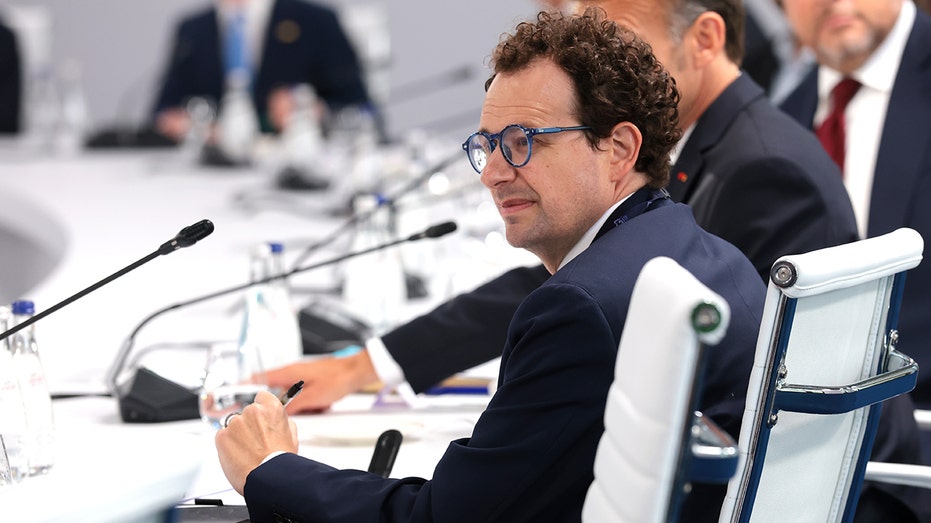
Anthropic CEO Dario Amodei predicted Wednesday that AI could help cure most diseases within the next five to 10 years, making the case that advanced technology will change how scientists study biology and medicine.
The company announced a Claude-led discovery of a molecular machine that it believes could represent a new gene-editing mechanism, though Anthropic said its precise biological function remains unclear.
“Its precise function, biotechnological utility (if any), or level of significance is not yet clear, but at minimum it is work I would have been proud to do as a PhD student,” Amodei wrote on X.
MELANIA TRUMP URGES AI ‘VIGILANCE,’ SAYS AMERICANS NEED TO GET EDUCATED
“The work was done mostly, though not entirely, by Claude: our life sciences team suggested a broad area of research, Claude read through the literature and a bunch of genome data and discovered something interesting, then Claude proposed experiments to verify the discovery and our team carried them out.”
He said the company has repeatedly seen a pattern in which AI performance in new intellectual domains goes from weak to “superhuman” in just a few years.
Anthropic CEO Dario Amodei predicted that AI could help cure most diseases within the next five to 10 years. (Anna Moneymaker/Getty Images / Getty Images)
“In 2023, models struggled to do math at the level of an average high-school student. In 2024, they started to do well on math competitions for the best high-schoolers in the country, in 2025, they started to solve minor open problems, in early 2026 more significant open problems, and in late 2026, they are beginning to solve the top few open problems in all of mathematics. We believe AI for biology is on a similar exponential trend,” he said.
Amodei noted that the main difference between biology and mathematics is that math can be done purely theoretically and biology needs experimentation. He said while some point to this to argue that AI’s utility in biology will be limited, his company believes that suspicion is wrong.
He said humans can collaborate with AI to perform the experiments, validate key results in a few weeks and, if needed, work with the AI to repeat what they find.
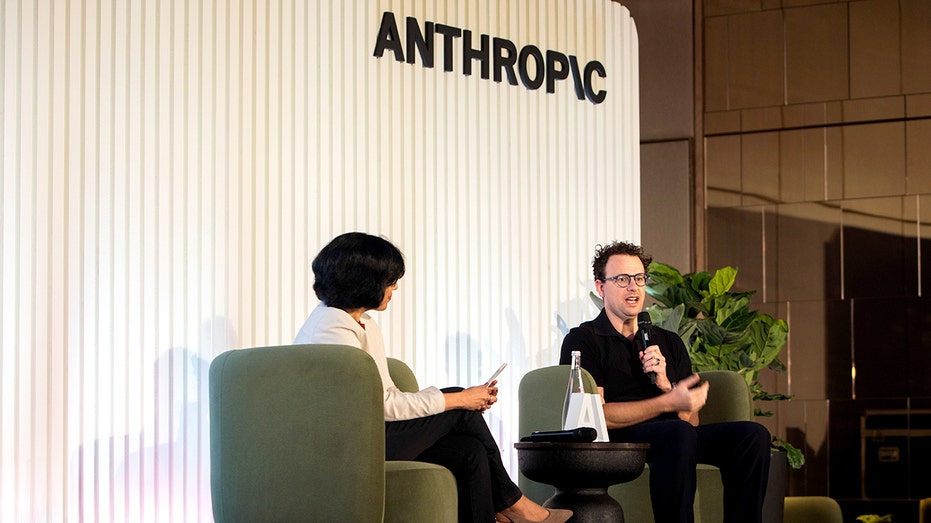
Irina Ghose, managing director of India of Anthropic PBC, left, and Dario Amodei, co-founder and CEO of Anthropic. (Samyukta Lakshmi/Bloomberg via Getty Images / Getty Images)
“Eventually it may even be possible for Claude itself to safely perform the experiments by autonomously controlling lab equipment, with appropriate safeguards in place, but we aren’t doing that today,” he explained.
Accelerating fundamental biology discoveries could expand and speed the broader biomedical pipeline by identifying new drug targets, therapies and research tools, he said. While it would not shorten clinical trials, he said it could produce more promising candidates for testing, emphasizing that any resulting treatments would still require standard testing and regulatory review.
“In Machines of Loving Grace, I wrote about AI’s potential to ‘cure most diseases in 5-10 years’ — a goal that sounds impossible, but one I believe is just barely possible if AI is applied to every stage of the pipeline. The first step is showing that AI can first help with, and then drive, biological discoveries,” Amodei wrote.
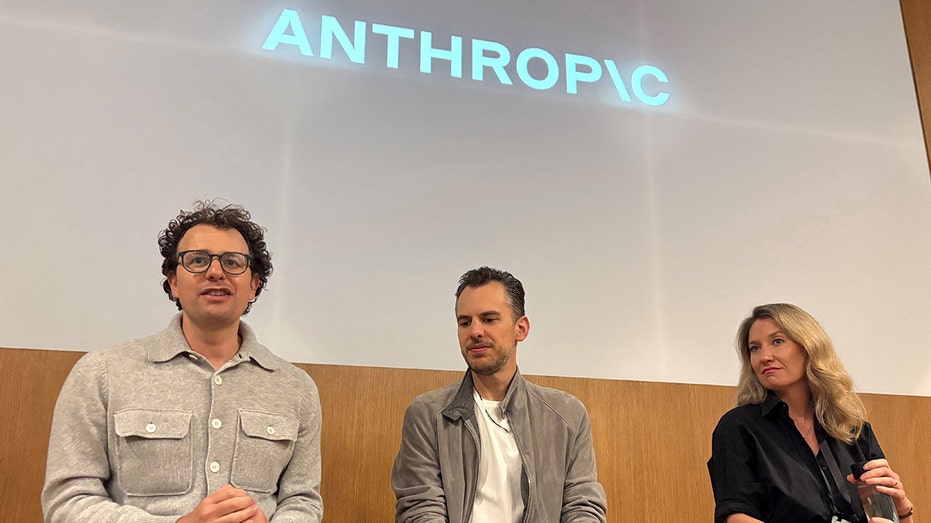
Anthropic CEO Dario Amodei, Chief Product Officer Mike Krieger and Head of Communications Sasha de Marigny during a news conference. (Julie Jammot/AFP / Getty Images)
GET FOX BUSINESS ON THE GO BY CLICKING HERE
“I’m proud of the resources Anthropic has invested in accelerating the public benefits of AI through the life sciences, and we’re aiming both to grow our life sciences team and to work with other scientists to extend this approach to a broad range of problems,” he added.
Earlier on Wednesday, Amodei spoke before the U.N. Security Council about the need for the AI industry to establish international standards and cooperation to manage the threats posed by rapid AI developments and capabilities.
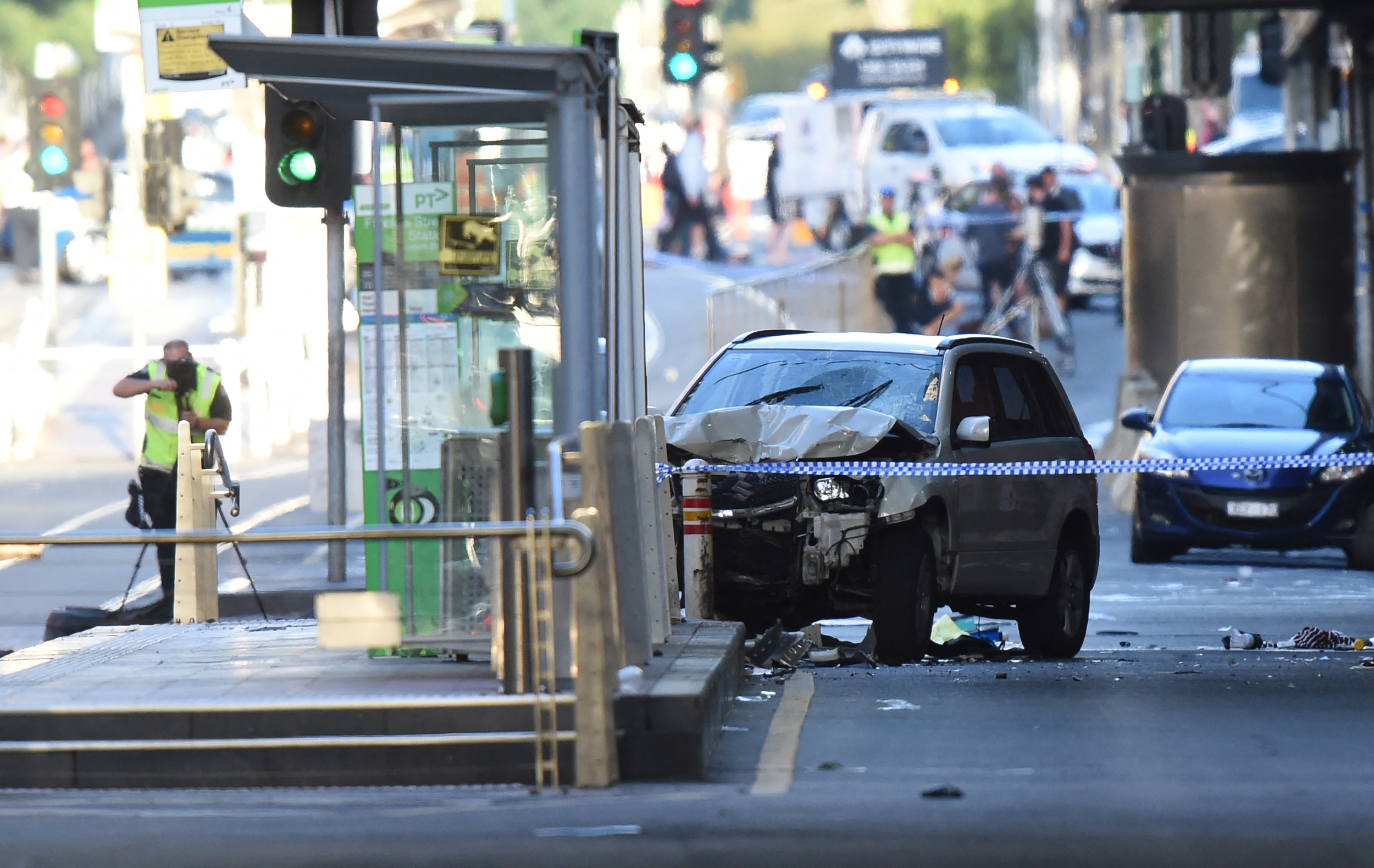
Adelaide – Getting hurt in a car accident is stressful enough without having to untangle South Australia’s Compulsory Third Party (CTP) claims process on your own. The right lawyer can mean the difference between a rushed settlement and the compensation you’re actually entitled to — covering medical costs, lost income, and pain and suffering. Here are five Adelaide firms with long track records in motor vehicle injury claims.
1. Tindall Gask Bentley (TGB)
Established in 1970, Tindall Gask Bentley has grown to become one of South Australia’s largest plaintiff law firms. Its scale and history make it one of the most recognisable names in SA personal injury law, with deep experience handling CTP motor accident claims from straightforward soft-tissue injuries through to catastrophic and life-changing cases. Lawzana
Best for: Claimants who want a large, established firm with significant resources behind complex or high-value claims.
2. Johnston Withers
Johnston Withers provides initial cost-free assessments of settlement offers to help claimants understand their rights, with lawyers covering both metropolitan Adelaide and regional South Australia. The firm notes that under SA’s CTP insurance scheme, pedestrians, cyclists, drivers and passengers injured in a car accident can all be compensated for their losses, and it operates on a no-win, no-fee basis.
Best for: Regional South Australians and anyone wanting a second opinion on an insurer’s settlement offer before signing.
3. Andersons Solicitors
Andersons Solicitors is an award-winning South Australian law firm with six office locations across the state, backed by a large, experienced personal injury team. The firm offers a free, no-obligation first interview along with a no-win, no-fee arrangement, which removes much of the financial risk of pursuing a claim.
Best for: People outside the CBD who want local, face-to-face access across a wide network of offices.
4. Paul Alvaro Lawyers
A boutique Adelaide practice, Paul Alvaro Lawyers specialises specifically in motor vehicle accidents, workers compensation, public liability and medical negligence, drawing on over 40 years of combined experience in compensation claims. The team also handles complex and catastrophic motor vehicle cases, working through CTP claim lodgement, insurer negotiations and final settlement, covering everything from medical expenses to future earnings and long-term care.
Best for: Claimants who want a specialist boutique firm rather than a full-service general practice.
5. Palios Meegan Nicholson (PMN Lawyers)
Palios Meegan Nicholson was first established in 1982 and has built a reputation as a dedicated personal injury and workers compensation firm, still led in the spirit of its founding partners. The firm is wholly South Australian, based in the Adelaide CBD with a regional office in Mount Gambier servicing the South East, and its practice is entirely focused on compensation and damages claims.
Best for: South East SA residents and anyone wanting a firm whose entire practice is built around compensation law.
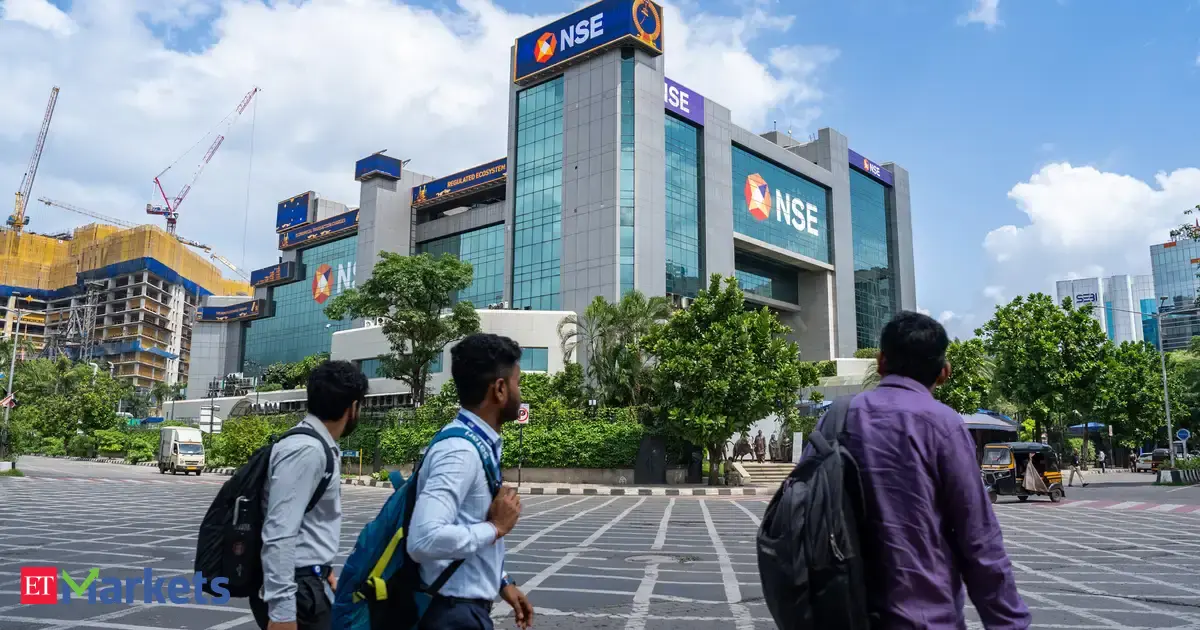
The National Stock Exchange of India Ltd. will make its debut on rival BSE Ltd. Thursday after raising $2.4 billion in an initial public offering, the country’s second-biggest ever. Subdued retail demand for the deal and the gray market indicating a gain of between 2% and 3% suggest that a blowout first day pop is unlikely, even after valuation concerns forced the company to dial back both the size and the price of the listing.
With the debut, the market will now get a chance to weigh in on the debate over NSE’s worth. On the one hand, the company’s long-term growth trajectory drove healthy institutional demand. On the other, and near-term concerns over derivatives volumes, regulatory headwinds and the prospect of additional share supply kept mom-and-pop investors more cautious.
The 226 billion-rupee offering, India’s second biggest, trailing only Hyundai Motor India Ltd.’s 279 billion-rupee share sale in 2024, was subscribed 5.7 times. Large institutional investors were among the biggest bidders, signaling confidence in NSE’s prospects at a valuation that remains elevated compared with some global exchange operators.
If the premium quoted late Wednesday by gray market platforms including IPOWatch holds, NSE would debut with a market capitalization of about $47.5 billion, making it the world’s eighth-largest listed exchange by market value, compared with London Stock Exchange Group Plc’s about $52.5 billion.

While investors broadly remain positive about NSE’s long-term prospects, the stock’s performance in the months after listing may hinge on how much additional supply comes to market as lock-in periods for existing shareholders expire.
“There’s little doubt that NSE is an attractive stock to own over the long term, but its near-term performance will likely depend on how much additional supply hits the market over the next few months as lock-in periods expire for existing shareholders,” said Ambareesh Baliga, an independent market analyst.NSE’s outlook has come under greater scrutiny after regulators tightened rules aimed at curbing excessive speculation in India’s derivatives market. That’s particularly important for the exchange because transaction fees from options trading accounted for more than 60% of operating revenue in fiscal 2026.
Still, NSE has the potential to grow 15% to 20% annually over the next decade, supported by continued product innovation, longer trading hours, its dominant position in equities and emerging revenue streams from commodities, data and other businesses, according to Raamdeo Agrawal, chairman and co-founder of Motilal Oswal Financial Services Ltd.
“Regulatory headwinds, however, could temper that growth in the short term,” Agrawal said.
 Bloomberg
Several large investors, including Life Insurance Corp. of India, Norges Bank Investment Management, ICICI Prudential Asset Management Co., Quant Mutual Fund and Mirae Asset Mutual Fund, were among the top bidders in NSE’s main book, people familiar with the matter have said.
Goldman Sachs Asset Management, HSBC, Fidelity, Singapore sovereign wealth fund GIC, Abu Dhabi Investment Authority and Eastspring were among the major investors that participated in the anchor book.
Thursday’s listing will cap NSE’s long road to the public markets after its first attempt to go public in 2016 was held up by regulatory and governance issues.


Australian shares trim declines after jobless rate tops forecasts
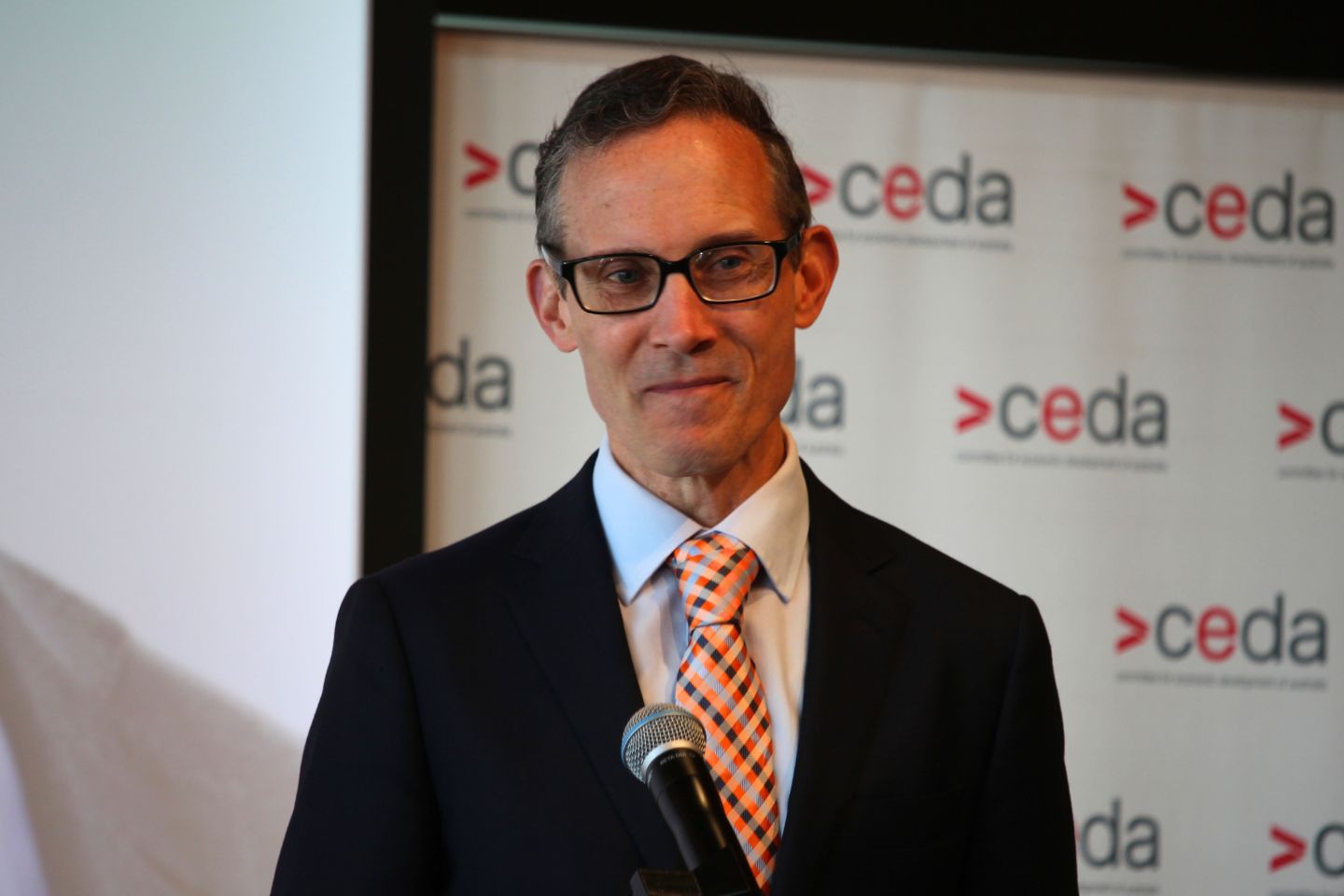
Outdated building practices and regulations are frustrating efforts to boost the housing supply, according to Assistant Minister for Competition Andrew Leigh.


Einride (ENRD) has quickly become one of the most closely watched newly public names on Nasdaq since its blockbuster SPAC debut in June 2026. The Stockholm-based technology company is building what it calls a Freight-Capacity-as-a-Service platform, a combination of electric trucks, AI-driven logistics software, and charging infrastructure designed to modernize freight transport. Backed by high-profile partnerships with Amazon (AMZN), Tesla (TSLA), and now Nvidia (NVDA), Einride is racing to prove that its driverless truck technology can scale into a profitable business.
A Rollercoaster Ride Since Going Public
Few recent IPOs have experienced volatility quite like Einride’s. Shares have recently traded in a range of roughly $3.84 to $4.56, a dramatic decline of about 87% from the stock’s 52-week high of $34, set on its very first trading day, when shares briefly spiked more than 100% before being halted. ENRD stock touched a fresh 52-week low near $3.40 in early September, a steep deflation pattern common among newly listed SPAC mergers once initial hype fades.
More News from Barchart
By comparison, the Dow Jones Transportation Average ($DOWT), the benchmark most closely tracking freight, logistics, and trucking companies, has traded in a choppy range in 2026, recently near 20,767 within a 52-week band of roughly 15,064 to 24,752. Einride’s stock has dramatically underperformed this transportation-sector benchmark, underscoring the steep post-IPO correction typical of early-stage, pre-profitability autonomous freight companies compared to established transportation names.

First Earnings Report as a Public Company
Einride’s inaugural earnings release as a publicly traded company showed first-half 2026 revenue of SEK 273 million (about $27 million) on a constant-currency basis, up 26% year-over-year (YoY) and roughly in line with company guidance. As a foreign private issuer, Einride currently reports semi-annually rather than quarterly, a practice it plans to change starting in 2027, meaning no formal Wall Street consensus estimate existed yet for this first release.
The company posted a net loss of SEK 1.12 billion for the first half of 2026, widening from SEK 887 million a year earlier. That wider loss was driven largely by SEK 881 million in non-cash charges, including a SEK 636 million recapitalization expense tied to the SPAC merger and a SEK 245 million share-based compensation charge stemming from the public listing. Einride ended the period with SEK 748 million (roughly $77 million) in cash. On the operational side, driverless hours logged in contracted customer operations climbed 64% to more than 5,400 hours.



I am a Certified Public Accountant (CPA) with over 30 years of personal investing experience and a corporate finance background with three Fortune 500 companies. I hold a Bachelor’s in Finance and Accounting and an MBA.My investing approach centers on identifying stocks poised for significant moves — both long and short. I primarily focus on swing and momentum trading, using technical and fundamental analysis to find setups with strong risk/reward profiles. That said, I’m not rigidly short-term; when a position continues to perform, I’m comfortable holding it long term and letting the thesis play out. I don’t limit my research to any specific sector or industry — if the opportunity is compelling, I’ll follow it wherever it leads. I write about stocks I’m genuinely passionate about: names I’m actively researching, currently holding, or seriously considering. That personal stake keeps my analysis honest and grounded in real conviction rather than surface-level coverage. My motivation for contributing to Seeking Alpha is twofold. First, I want to help fellow investors identify actionable opportunities they might otherwise overlook. Second, I believe that the discipline of writing analysis makes me a sharper investor — and I’m committed to continuing to grow in both areas.
Analyst’s Disclosure: I/we have no stock, option or similar derivative position in any of the companies mentioned, and no plans to initiate any such positions within the next 72 hours. I wrote this article myself, and it expresses my own opinions. I am not receiving compensation for it (other than from Seeking Alpha). I have no business relationship with any company whose stock is mentioned in this article.
Seeking Alpha’s Disclosure: Past performance is no guarantee of future results. No recommendation or advice is being given as to whether any investment is suitable for a particular investor. Any views or opinions expressed above may not reflect those of Seeking Alpha as a whole. Seeking Alpha is not a licensed securities dealer, broker or US investment adviser or investment bank. Our analysts are third party authors that include both professional investors and individual investors who may not be licensed or certified by any institute or regulatory body.

Is Masco Stock Underperforming the Dow?

Rocket Lab Stock Breaks Above Key Trendline
‘It’s all part of the game’: Sam Konstas recalls Virat Kohli confrontation | Cricket News




-

 Fashion5 days ago
Weekend Open Thread: Talbots – Corporette.com
-

 Tech3 days ago
Researchers escape OpenAI Codex sandbox to run commands on host
-

 Crypto World5 days ago
Circle launches Arc Studio AI agent for building onchain apps
-

 Crypto World3 days ago
Who Needs CLARITY Anyway? ARB Could See 70X Increase: Hodler’s Digest
-
 NewsBeat5 days ago
Trump says US has reached an agreement to take permanent control of Greenland’s security
-

 Crypto World1 day ago
Goldman Sachs and Deutsche Bank Agree: The S&P 500 Rally Isn't Over
-

 Crypto World5 days ago
Trading Bitcoin on Robinhood? Why 2% Spread Has Traders Worried
-
 Crypto World6 days ago
Mortgage and refinance interest rates today, Thursday, September 17, 2026
-

 Crypto World5 days ago
Bitcoin price breaks channel as RSI climbs to 63
-

 Tech3 days ago
Google’s $899 Googlebook is a bet that you’ll buy a new laptop for Gemini
-

 Business3 days ago
Analog Devices (ADI) Bets $1.35 Billion on Chips that Let Machines Think for Themselves
-

 Crypto World3 days ago
Coinbase, Robinhood, Circle Seen as Tokenized-Stock Winners
-

 Crypto World5 days ago
World Money launches in 150+ countries with Stripe
-
 Business1 day ago
Oil Price Today (September 23): Crude oil below $100 on hopes of US-Iran talks. What did Trump say?
-

 Crypto World6 days ago
Silver prices recover quickly, hitting weekly high today
-

 Tech4 days ago
Trump suggests rebranding AI with a new name, says he’s also creating an AI Force
-
 Tech6 days ago
GPT-6 Astra Reached the Nether in Minecraft, Lost Its Stash to a Creeper, and Farmed Potatoes for Hours
-
 NewsBeat5 days ago
US was ‘on brink of war’ with China over false AI report of nukes moving in Middle East
-

 Crypto World5 days ago
CFTC sends crypto market structure rulemaking to White House
-
 Crypto World2 days ago
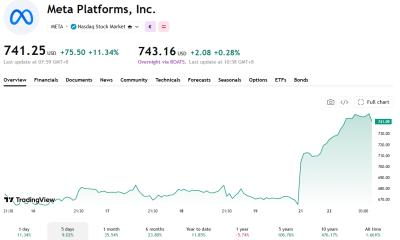
Meta Jumps 11% As Muse Shines and Investors Show an Appetite for Advancing AI
You must be logged in to post a comment Login