
Business
Royal Author Says Harry and Meghan’s Exit Caused ‘Very Serious Damage’ to the British Monarchy Today

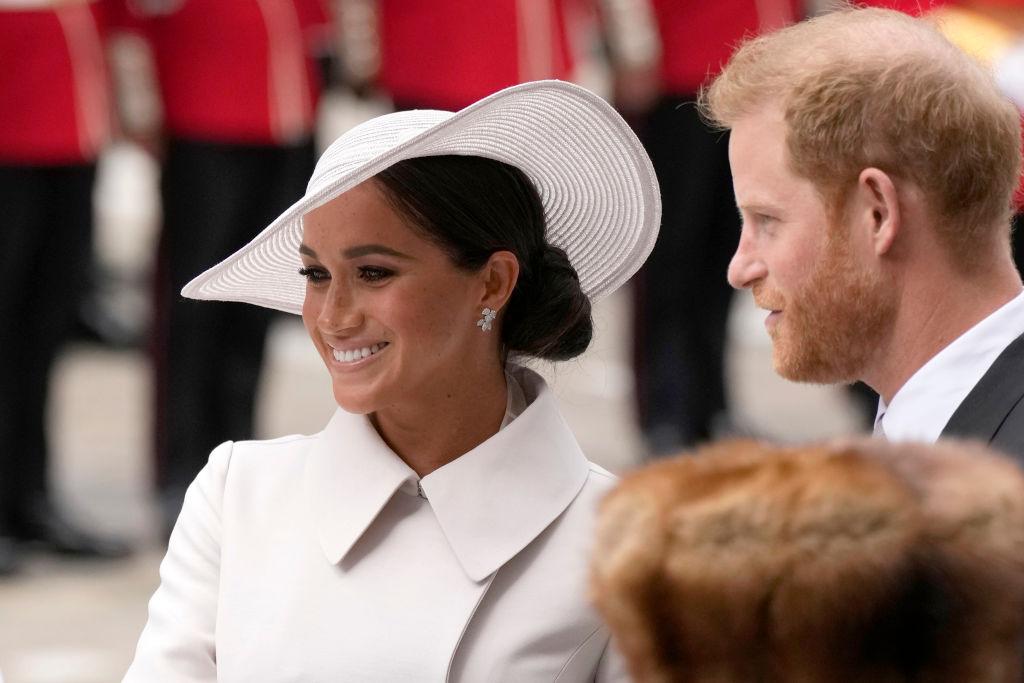
LONDON — Prince Harry and Meghan Markle’s departure from royal life has inflicted lasting harm on the British monarchy’s ability to connect with younger generations, according to royal author Catherine Mayer, who argues the couple’s exit left a gap in the institution’s public appeal that has yet to be filled.
Mayer, whose new book “Divide & Rule” is now out, made the comments to Fox News Digital as Meghan celebrated her 45th birthday on Monday, offering a fresh assessment of how the Sussexes’ 2020 departure from senior royal duties continues to shape public perception of the monarchy more than five years later.
A rupture with lasting consequences
Speaking about the impact of Harry and Meghan’s exit, Mayer was direct in her assessment of the institutional fallout. “Has done very serious damage to the monarchy,” Mayer said, describing the broader rupture within the royal family that led the couple to relocate to the United States.
Mayer was careful to clarify that her assessment was not intended as criticism of Harry and Meghan themselves. She said the framing of the situation as something the couple did to the monarchy oversimplifies what she described as a genuinely painful episode for everyone involved, including the institution as a whole. She pointed to recent public opinion polling on the monarchy’s popularity as evidence that the institution’s standing has continued to erode in the years since the Sussexes stepped back.
A missing generational bridge
Central to Mayer’s argument is the idea that Harry and Meghan once served as a bridge between the monarchy and younger, more diverse audiences, a role she argues has gone unfilled since their departure. She suggested that Prince William and Catherine, Princess of Wales, while central figures in the modern monarchy, tend toward a more traditionally cautious public approach compared with the broader appeal Harry and Meghan once offered.
Mayer also noted a generational gap within the family itself, observing that there is currently no adult royal positioned between Prince George, still a child, and his parents, William and Catherine, capable of capturing the imagination of younger audiences the way Harry and Meghan once did. She argued that despite being roughly the same age as William and Catherine, Harry and Meghan carried a broader public appeal that has since been lost to the institution.
A birthday marked by continued distance
Mayer’s comments arrived on the same day Meghan turned 45, a milestone marked amid what remains an unresolved rift between the Sussexes and the wider royal family. The couple had a private meeting with King Charles and Queen Camilla on July 10, marking Meghan’s first return to England since 2022, though she made no public appearances during that visit, underscoring the continued distance between the Sussexes and official royal life.
The couple stepped back from their roles as senior working royals in 2020, citing intrusive media coverage and what they described as insufficient support from the palace. As part of that departure, Harry and Meghan lost their taxpayer-funded security detail, a change Harry has long sought to reverse, citing ongoing concerns for his family’s safety while in the United Kingdom.
Where Mayer places the real blame
Despite her assessment that the Sussexes’ departure damaged the monarchy’s broader appeal, Mayer pointed elsewhere when identifying the primary driver behind the institution’s declining popularity in recent polling. She argued that the steepest losses in public support trace back to Andrew Mountbatten-Windsor, who was formally stripped of his princely title following the fallout from his widely scrutinized associations, a controversy Mayer suggested has done more sustained reputational harm to the monarchy than Harry and Meghan’s exit.
A recurring theme among royal commentators
Mayer’s comments echo broader debate among royal authors and commentators over the lasting impact of the Sussexes’ departure, a discussion that has resurfaced repeatedly since Harry and Meghan first stepped back from official duties. Earlier assessments of the couple’s high-profile interviews and media projects, including their sit-down with Oprah Winfrey and subsequent Netflix documentary series, similarly described the revelations as damaging to the institution’s carefully managed public image, even as royal watchers have generally predicted the monarchy would ultimately withstand the controversy.
The Sussexes have previously pushed back forcefully against authors and commentators they viewed as unfairly characterizing their motives or actions, at times issuing formal statements disputing specific claims made about their departure and its aftermath. Neither Harry nor Meghan’s representatives had issued a public response to Mayer’s latest comments as of Monday.
A monarchy navigating multiple challenges
Mayer’s broader assessment reflects a monarchy currently facing scrutiny on several fronts simultaneously, from the continued fallout surrounding Andrew Mountbatten-Windsor to ongoing questions about how the institution can maintain relevance with younger, more diverse audiences in an era of declining public deference toward traditional institutions. Her comments suggest that, in her view, no single royal currently occupies the space Harry and Meghan once filled in projecting a more modern, broadly appealing image of the monarchy to younger generations both in Britain and internationally.
With Meghan’s birthday passing largely out of the public eye and the Sussexes continuing to operate primarily from their base in California, questions about whether, or how, the family’s rift might eventually narrow remain unresolved. Mayer’s comments add to a growing body of commentary suggesting that regardless of how relations between Harry, Meghan and the wider royal family ultimately develop, the institutional impact of their 2020 departure continues to shape public conversation about the monarchy’s future years later, with no clear resolution in sight for either the family rift or the broader generational gap Mayer describes.

Shopify earnings loom: Can AI strategy offset Meta threat?


Originally acquired 80% stake back in 2024.


SCO2 converts byproducts and turns it into ingredient opportunity.
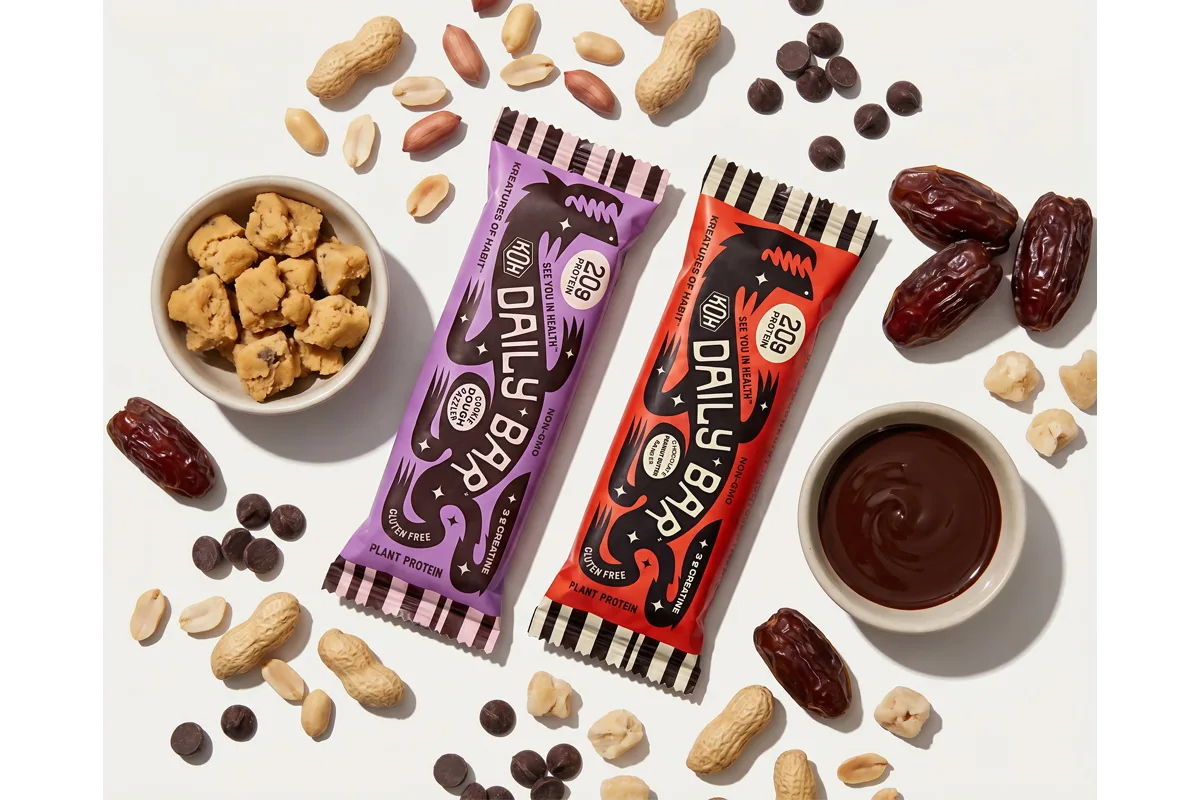

Entrepreneur is targeting active younger and older consumers.
Business
Trump Slams Exxon and Chevron for Making ‘Too Much Money’ Amid Soaring Iran War Oil Prices This Week
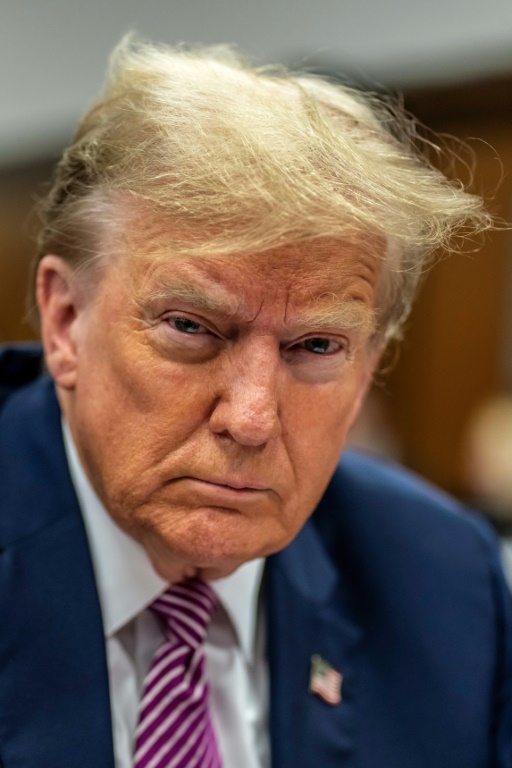
WASHINGTON — President Donald Trump lashed out at ExxonMobil and Chevron on Monday, accusing the two oil giants of making excessive profits from surging crude prices tied to the ongoing conflict with Iran and demanding they lower prices for American consumers.
Speaking to reporters at the White House during an executive order signing, Trump singled out both companies by name over their recently reported second-quarter earnings. “Chevron, too much money. ExxonMobil, too much money,” Trump said, adding that the companies “better cut the retail price, the consumer price” and return some of their profits to the public.
Record profits amid a supply shock
Trump’s comments followed second-quarter earnings reports last week that showed both companies posting sharply higher profits compared with the same period a year earlier. ExxonMobil reported earnings of $14.5 billion for the quarter, roughly double what it earned during the same period last year. Chevron reported $12 billion in quarterly profit, up from $2.5 billion a year earlier, marking a roughly 400% increase and the company’s highest quarterly earnings in at least six years. Combined, the two oil majors posted $26.5 billion in second-quarter earnings.
“They’re making too much money based on a shortage,” Trump said, framing the profits as a direct consequence of the supply disruption caused by the conflict rather than normal market performance. “I don’t like it.”
Oil prices surge as the Strait of Hormuz remains contested
The earnings windfall for both companies has come amid a dramatic run-up in oil prices since the United States and Israel launched coordinated strikes against Iran on Feb. 28. U.S. crude oil prices have climbed roughly 20% since the conflict began, with oil futures averaging around $92 per barrel from April through June, about 27% higher than the first quarter of the year. Iran has retaliated by attempting to choke off oil exports through the Strait of Hormuz, a critical global shipping corridor, triggering what has been described as the largest supply disruption in the region’s history.
Those higher crude prices have translated directly into pain at the pump for American drivers. Gasoline prices averaged about $4.10 per gallon nationwide on Monday, according to AAA data, nearly 40% higher than the $2.98 per gallon drivers paid on Feb. 27, the day before the war began.
Trump pressures companies to share profits
Trump was blunt in his demand that the oil companies pass along relief to consumers, drawing a direct comparison between the scale of their profit growth and what he argued they owed the public in return. “When you look at one company, where they made 12 times what they made the year before, they’re going to give some of that back to the public, and they better cut the retail price, the consumer price,” Trump said.
The president acknowledged the apparent tension between his criticism and his broader economic philosophy, noting his general support for free markets even as he pushed the companies to act. “I should be the last one to say it because I’m a big free enterprise guy,” he said, adding, “Nobody bigger.” Still, he made clear his frustration with the current situation. “I’ll say it loud and clear. I’m not happy about it,” Trump said.
A prediction of falling prices ahead
Despite his criticism of the oil companies’ current profits, Trump expressed optimism that prices would ease significantly once the conflict with Iran concludes, predicting that oil prices would “drop through the floor” when the war ends. His comments came as he separately addressed the state of ongoing negotiations with Iran, describing the current round of talks as Iran’s “last chance” to reach a deal and accusing Iranian leadership of being “unbelievably duplicitous” in recent discussions with Oman over safe navigation routes through the Strait of Hormuz.
Where the profits are going
According to reporting on the companies’ earnings, both ExxonMobil and Chevron directed their windfall profits primarily toward reducing existing debt rather than increasing share buybacks, a detail that stands somewhat apart from the more consumer-focused response Trump has called for. Neither company had issued a public response to Trump’s comments as of Monday, though shares of both companies dipped modestly following his remarks, with Chevron falling nearly 2% and Exxon trading slightly lower.
A politically charged issue
Trump’s public criticism of the oil industry echoes similar rhetoric used by his predecessor, former President Joe Biden, who also targeted oil companies over their profits during periods when inflation was weighing heavily on American consumers. The political stakes tied to gas prices appear significant for Trump as well: a Quinnipiac University poll found that 54% of voters blame the president “a lot” for the recent rise in gasoline costs, a finding that comes as the administration faces broader scrutiny over its handling of both the Iran conflict and its economic fallout ahead of November’s midterm elections.
Market context
Even as Trump criticized the oil companies’ profits, broader oil markets showed signs of easing Monday, with Brent crude, the international benchmark, falling nearly 5% to around $83 per barrel amid growing optimism that a diplomatic resolution to the Iran conflict may be within reach. That decline came the same day the Dow Jones Industrial Average closed at a record high, driven in part by falling oil prices and a broader rally in technology stocks.
With earnings season for the major oil companies now largely behind investors, attention is likely to shift toward whether Exxon and Chevron respond in any way to Trump’s public pressure, and whether ongoing diplomatic talks between the U.S. and Iran over the Strait of Hormuz produce the kind of resolution the president has suggested could send oil prices sharply lower. Until then, American drivers are likely to continue facing elevated prices at the pump, keeping pressure on both the White House and the oil industry as the conflict’s economic fallout continues to unfold.
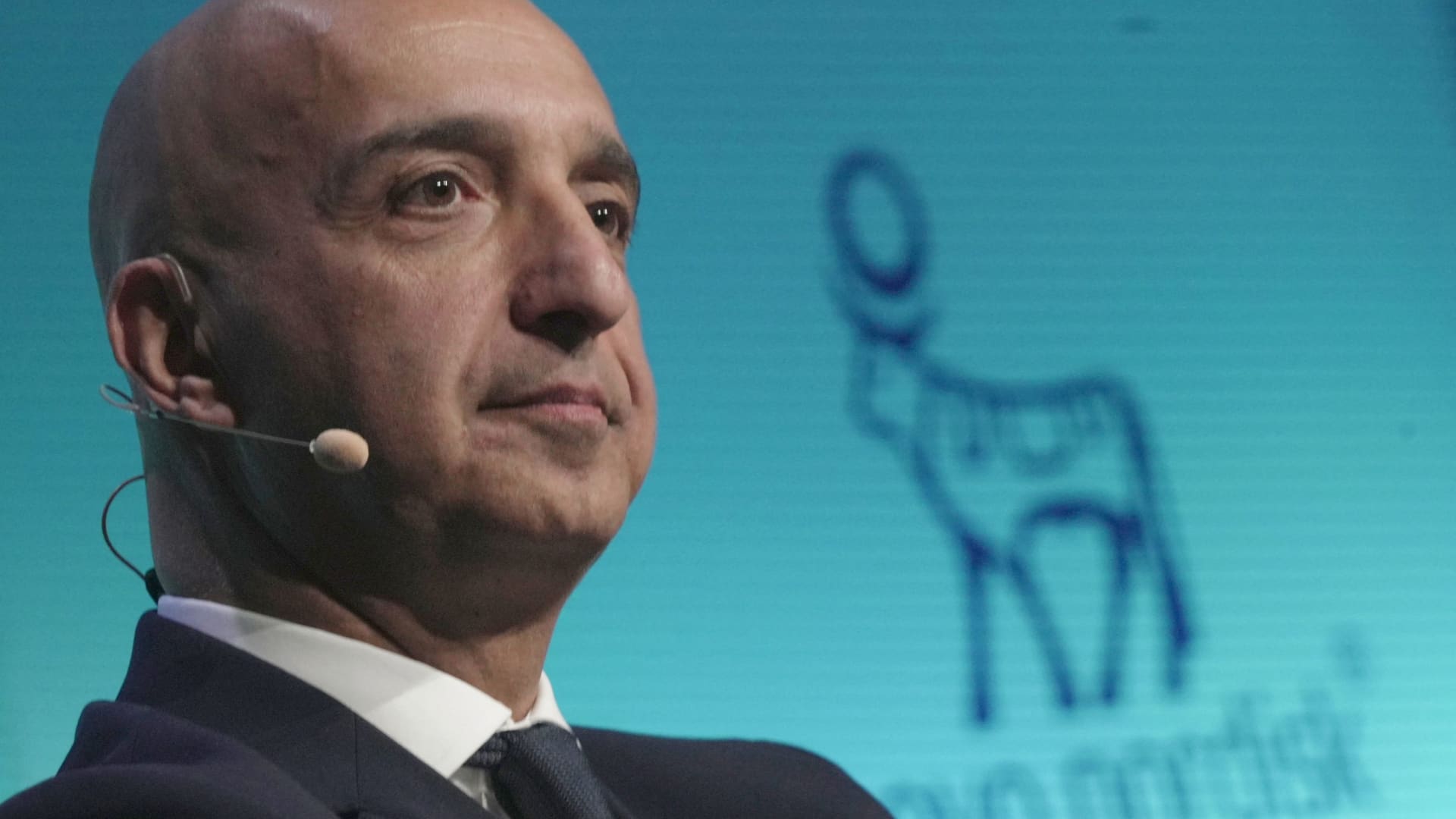
Novo Nordisk CEO Maziar Mike Doustdar waits for the start of the pharmaceutical company’s annual general meeting in Copenhagen, Denmark, March 26, 2026.
Tom Little | Reuters
U.S.-traded shares of Novo Nordisk dropped more than 5% on Tuesday after the Danish drugmaker released guidance that appeared to disappoint investors.
The company hiked its 2026 outlook, saying it expects adjusted sales to be down 6% to flat at constant exchange rates. Novo Nordisk previously said it anticipated adjusted sales would fall between 4% and 12%.
The drugmaker also said it expects adjusted operating profit to be in a range of down 6% to flat. It had previously anticipated that metric would drop between 4% and 12%, as well.
Notably, Novo also said it expects a sales decline in U.S. operations, citing current prescription trends for GLP-1 injections, “intensifying” competition and a negative impact from reduced obesity medicine coverage in Medicaid. The company also cited lower realized prices in the U.S., in part due to the landmark “most favored nation” drug pricing agreement it struck with President Donald Trump for its GLP-1s.
Novo Nordisk also announced key financial metrics for the second quarter and first half of 2026, ahead of an expected earnings release on Wednesday. Eli Lilly, its lead rival in the booming market for GLP-1 drugs, is also scheduled to post quarterly results on Wednesday.
The Danish drugmaker said second-quarter sales rose to 78.49 billion kroner ($12.09 billion), up 3% in constant currency. On an adjusted basis, sales climbed 7% during the period.
Novo said its newly launched pill version of its Wegovy weight loss drug raked in 3.22 billion kroner for the second quarter. That’s slightly below the 3.27 billion kroner that analysts were expecting for the period, according to StreetAccount.
The pill has now topped 5 million prescriptions since its launch in January, CEO Mike Doustdar said in a statement Tuesday.
“We think the lack of upside for Wegovy pill vs. models has stock down,” Jared Holz, Mizuho Securities healthcare sector specialist, said in an email to clients. “But in totality this is an improvement from earlier in the year in terms of trajectory.”
Meanwhile, adjusted operating profit rose 11% in constant currency to 33.39 billion kroner.
Those rollouts of the pill and a higher-dose version of the Wegovy injection have helped Novo Nordisk regain its footing in the GLP-1 market after Eli Lilly established a market share lead on the strength of its Zepbound and Mounjaro injections.


The bar features 10 grams of protein.
AUSTIN, Texas—Steps away from an old printing press, a fleet of industrial robots and dozens of workers assemble the building blocks of what a highflying startup hopes will be America’s next big power company.
Base Power is racing to build and install tens of thousands of batteries in residential backyards and become one of the country’s largest developers of battery storage. The three-year-old company just locked down a $1 billion funding round that brings its valuation to $13 billion. The company has raised more than $2.5 billion in all.
Copyright ©2026 Dow Jones & Company, Inc. All Rights Reserved. 87990cbe856818d5eddac44c7b1cdeb8
shares fell sharply and Bristol Myers Squibb’s BMY climbed, after media reports that the two drugmakers held merger talks.
London-listed shares in AstraZeneca were down 6.4% in European morning trading. Meanwhile, Bristol’s shares were up 5.5% in U.S. premarket trading.
Copyright ©2026 Dow Jones & Company, Inc. All Rights Reserved. 87990cbe856818d5eddac44c7b1cdeb8

Four years after the initial public offering (IPO), which had fetched Rs 21,000 crore, the government launched LIC’s offer for sale (OFS), looking to sell up to 6.5% stake. This in size compares with the upcoming mega IPO offerings of the NSE and Reliance Jio Platforms.
Through the two-day OFS, the government is selling up to 6.5 per cent stake or over 82.22 crore in the country’s largest insurer LIC at a floor price of Rs 382/share.
The issue comprises a base offer size of 2.5 per cent, with a green shoe option of 4 per cent.
The issue will open for retail investors on Wednesday.

Institutional investors put in bids for over 94.45 crore shares, at an indicative price of Rs 383.84/share. The bids are valued at Rs 36,400 crore at the indicative price bid.
Shares of LIC slid 7.86 per cent to close at Rs 391 on the BSE. Its market capitalisation stands at Rs 4.95 lakh crore.The floor price of Rs 382/share was set at a 10 per cent discount over Monday’s closing price of Rs 424.35 on the BSE.
At the floor price, the sale of over 82.22 crore shares, or a 6.5 per cent stake at the given floor price will fetch about Rs 31,000 crore to the disinvestment kitty.
The stake sale will help LIC achieve the minimum public shareholding requirement mandated by market regulator Sebi ahead of schedule.
Sebi had given LIC time till May 16, 2027, to achieve a minimum 10 per cent public shareholding.
At present, the government holds a 96.5 per cent stake in LIC.
It had earlier sold 3.5 per cent through an initial public offering (IPO) in May 2022 at a price band of Rs 902-949 per share, raising about Rs 21,000 crore.
In April 2026, the LIC board approved a 1:1 bonus issue.
So far in the current fiscal year, the government has mopped up Rs 21,082 crore through stake sale in seven public sector undertakings and remittances from SUUTI (Specified Undertaking of the Unit Trust of India).

7-time WWE Champion Confirms He’s Officially Retired

Gianni Infantino latest: Arsene Wenger says Fifa investment plan had to be scrapped
Shopify earnings loom: Can AI strategy offset Meta threat?

Renter of Home in Anne Heche Crash Denies Settlement With Son

No Jackpot Winner as $257 Million Prize Rolls Over to $269 Million Monday Draw

Weekend Open Thread: Staud – Corporette.com

6 Money Rules That Can Make You Rich | Smart Financial Habits Everyone Must Know | Tamil Motivation

Bitcoin & Ethereum Price Analysis Today | Market Trend & Next Move | BTC & ETH Price Prediction 2026

The Biggest Professional Victim in Financial Audit History | Caleb Hammer Clips
-

 Business6 days ago
Why Trees Belong on the Risk Register
-

 Fashion4 days ago
Weekend Open Thread: Wit & Wisdom
-

 Politics4 days ago
Meta enters AI-training agreement with far-right ‘propaganda rag’ Newsmax
-

 Crypto World3 days ago
MicroStrategy Post-Earnings CLARITY Act Push Could Add New Catalyst for Its Stock
-
 Politics6 days ago
Reform UK betrays West Mids residents by running from party pledges
-

 Business7 days ago
Major shareholder moves on Canyon
-

 Crypto World4 days ago
XRP Ledger v3.3.0 brings five institutional features
-

 News Videos5 days ago
Bitcoin Enters the 3rd Stage of the Bear Market
-

 Politics2 days ago
Zack Polanski: an incitement to murder Nigel Farage?
-

 Crypto World7 days ago
Kraken Enables Retail Access to Jersey Mike’s IPO via Tokenized Shares
-

 Politics5 days ago
Luke Littler’s dominance sparks GOAT debate
-

 Sports5 days ago
Seema Kaliramna Wins Discus Throw Bronze, Takes India’s CWG Medals Tally To 17
-

 News Videos7 days ago
Claude: Build Financial Dashboards in Minutes (2026)
-

 Crypto World4 days ago
New York sues Kalshi over prediction market gambling
-

 Crypto World2 days ago
Crypto PAC spending tops $2M in Michigan House race
-

 Business7 days ago
Johnson & Johnson agrees to $5.5B settlement over talc cancer claims
-

 Business4 days ago
Trump Announces Hamas Disarmament Agreement as Iran Strikes Kuwait Air Base and US Attacks Pause Overnight
-

 Tech6 days ago
Gemini can now summarize the messiest comment threads in Google Docs
-

 Tech3 days ago
ESET tracks rise in malicious AI skills and adaptable malware
-

 NewsBeat5 days ago
Four people die trying to cross Channel in small boats
You must be logged in to post a comment Login