
Business
School pantries mean 'food on table' for families




Nations in the region have been keen to reach agreements as their economies are heavily reliant on Middle East energy.


Investment research, primarily oriented towards uncelebrated/under-covered stocks and ETFs, across North America, Latin America, Europe and Asia. Seeks to combine both fundamental and technical disciplines while making an investment/trading proposition.
Analyst’s Disclosure: I/we have no stock, option or similar derivative position in any of the companies mentioned, and no plans to initiate any such positions within the next 72 hours. I wrote this article myself, and it expresses my own opinions. I am not receiving compensation for it (other than from Seeking Alpha). I have no business relationship with any company whose stock is mentioned in this article.
Seeking Alpha’s Disclosure: Past performance is no guarantee of future results. No recommendation or advice is being given as to whether any investment is suitable for a particular investor. Any views or opinions expressed above may not reflect those of Seeking Alpha as a whole. Seeking Alpha is not a licensed securities dealer, broker or US investment adviser or investment bank. Our analysts are third party authors that include both professional investors and individual investors who may not be licensed or certified by any institute or regulatory body.

Analysis-Trump seizes on rescue of downed airman to recast unpopular Iran war

M2 Communities CEO Mitch Roschelle breaks down rising mortgage rates as war-driven inflation hits affordability and raises questions about when relief may come on Varney & Co.
The U.S. housing market accelerated in March despite elevated mortgage rates reducing some of the affordability improvement the market had recently seen, according to a new report.
Zillow released its market report for March which found that newly pending home listings increased 4.6% from a year ago in March.
That increased the number of listings to the second-largest monthly total since the end of the pandemic boom in August 2022, which Zillow said was a positive sign for the market as the home shopping season begins in earnest.
The housing market’s uptick occurred despite mortgage rates increasing from 5.98% at the end of February to 6.38% in late March, according to data from Freddie Mac. Excluding taxes and insurance, the typical mortgage payment increased 1.5% from February, which undercut some of the affordability improvements the market had seen.
THESE 10 HOUSING MARKETS GIVE FIRST-TIME BUYERS THE BEST SHOT AT HOMEOWONERSHIP IN 2026

The housing market is showing signs it’s picking up despite mortgage rates rising higher again. (Daniel Acker/Bloomberg via Getty Images)
Zillow found that the monthly mortgage payment on a typical U.S. home was $1,789 in March, given a 20% down payment, after excluding taxes and insurance. While that figure rose on a monthly basis, it was 4.4% lower than last year, according to the report.
There were 1.23 million homes listed for sale in March. Inventory rose 9.5% from February and active inventory was 4.2% higher than it was a year earlier.
The number of new for sale listings totaled 384,854 in March, an increase of 0.1% from a year ago and 35.6% in February.
AMERICA’S 10 MOST EXPENSIVE ZIP CODES REVEALED

Mortgage rates have risen lately, curbing some of the affordability improvements seen earlier this year. (Getty Images)
Newly pending listings – a figure that measures listings which changed from for sale to pending status rather than closed sales – shows 4.6% growth from a year earlier, and a 29.8% increase over February.
A total of 300,398 homes were sold in March, according to a preliminary reading from the Zillow sales count nowcast. That’s up 3.7% from a year ago and 25.2% from February, though those figures will be revised mid-month.
THE US HOUSING MARKETS THAT ARE SEEING THE LARGEST DROPS IN RENT PRICES

The number of homes sold in March was up on both an annual and monthly basis. (David Paul Morris/Bloomberg via Getty Images)
“Buyers and sellers have been navigating uncertainty and market volatility in some form since the onset of the pandemic, and this month’s concern over energy prices is no different,” said Mischa Fisher, chief economist at Zillow. “However, we have persistent signals that the market has turned a corner.”
“Pent-up demand from three years of low sales volume and winter storms in January and February, along with the tailwind from lower mortgage rates earlier in the year, seem to have buoyed the market as home shopping season kicked off. In particular, the rapid acceleration of daily page views per listing we saw in March was a noteworthy improvement over the dormant market of recent years,” Fischer added.

Vistra: Still Not Buying The Dip Here

J.P. Morgan Private Bank U.S. equity strategist Abby Yoder discusses stock market performance on The Claman Countdown.
Oracle on Monday announced it hired a new chief financial officer after the software giant moved forward with layoffs last week.
The company announced that Hilary Maxson will serve as the new CFO, joining Oracle from French industrial conglomerate Schneider Electric where she served in the same role. Oracle said her appointment to the rule is effective immediately.
Maxson, 48, will receive an annual base salary of $950,000 and will be eligible for a performance-based bonus with a target of $2.5 million, Oracle said in a regulatory filing.
The move comes on the heels of Oracle reportedly moving forward with a round of layoffs last week, with CNBC reporting the layoffs will affected thousands of workers at the tech company, according to two people familiar with the matter.
ORACLE LAYING OFF THOUSANDS OF WORKERS TO CUT COSTS AMID AI PUSH: REPORT

Oracle has hired a new CFO as the company grapples with a costly AI buildout and restructures its workforce amid reported layoffs. (David Paul Morris/Bloomberg via Getty Images)
Oracle’s most recent 10-K filing noted the company had about 162,000 full-time employees in May 2025.
The company said in a March filing that it expects the total costs associated with its restructuring plan in fiscal year 2026 to be as high as $2.1 billion, most of which would go to employee severance and related expenses.
Oracle has recently ramped up capital spending to build artificial intelligence (AI) data centers as the company looks to incorporate those tools into its business software services. The company has projected $50 billion in capital expenditures for its fiscal year that ends in May, more than double its spending in the previous fiscal year.
HSBC WEIGHS DEEP JOB CUTS AS AI OVERHAUL UNFOLDS: REPORT
| Ticker | Security | Last | Change | Change % |
|---|---|---|---|---|
| ORCL | ORACLE CORP. | 145.54 | -0.86 | -0.59% |
The cloud computing company said in February it planned to raise as much as $50 billion this year through a combination of debt and equity sales.
The company’s stock has been volatile over the last year amid the AI buildout, with shares up about 14% in the last year despite declines of 50% in the last six months and 25% year to date amid concerns that AI presents a competitive threat to software providers.
ORACLE EXPECTED TO SLASH THOUSANDS OF JOBS AS MASSIVE AI SPENDING CREATES FINANCIAL CASH CRISIS
Oracle’s stock has been volatile amid its AI buildout. (Getty Images)
Oracle’s move to hire Maxson as CFO will reinstate a position that was eliminated after Safra Catz became the company’s co-CEO and principal financial officer in 2014.
Maxson will report to Oracle co-CEO Clay Magouyrk in her new role and said in a press release announcing her hiring that she is “excited to join at this pivotal moment.”
GET FOX BUSINESS ON THE GO BY CLICKING HERE
She added that she looks forward to partnering with the company’s leaders to “continue to invest with discipline and to translate this momentum into durable, long-term value for customers and shareholders.”
Reuters contributed to this report.

Higuchi John W. buys Lipocine (LPCN) shares worth $252,149

Fox Factory: Still Offers A Nice Long-Term Ride Despite The Tough Road
Business
UCSF Scientists Restore Memory in Aging Mice by Lowering Brain Protein FTL1, Sparking Hope for Human Therapies
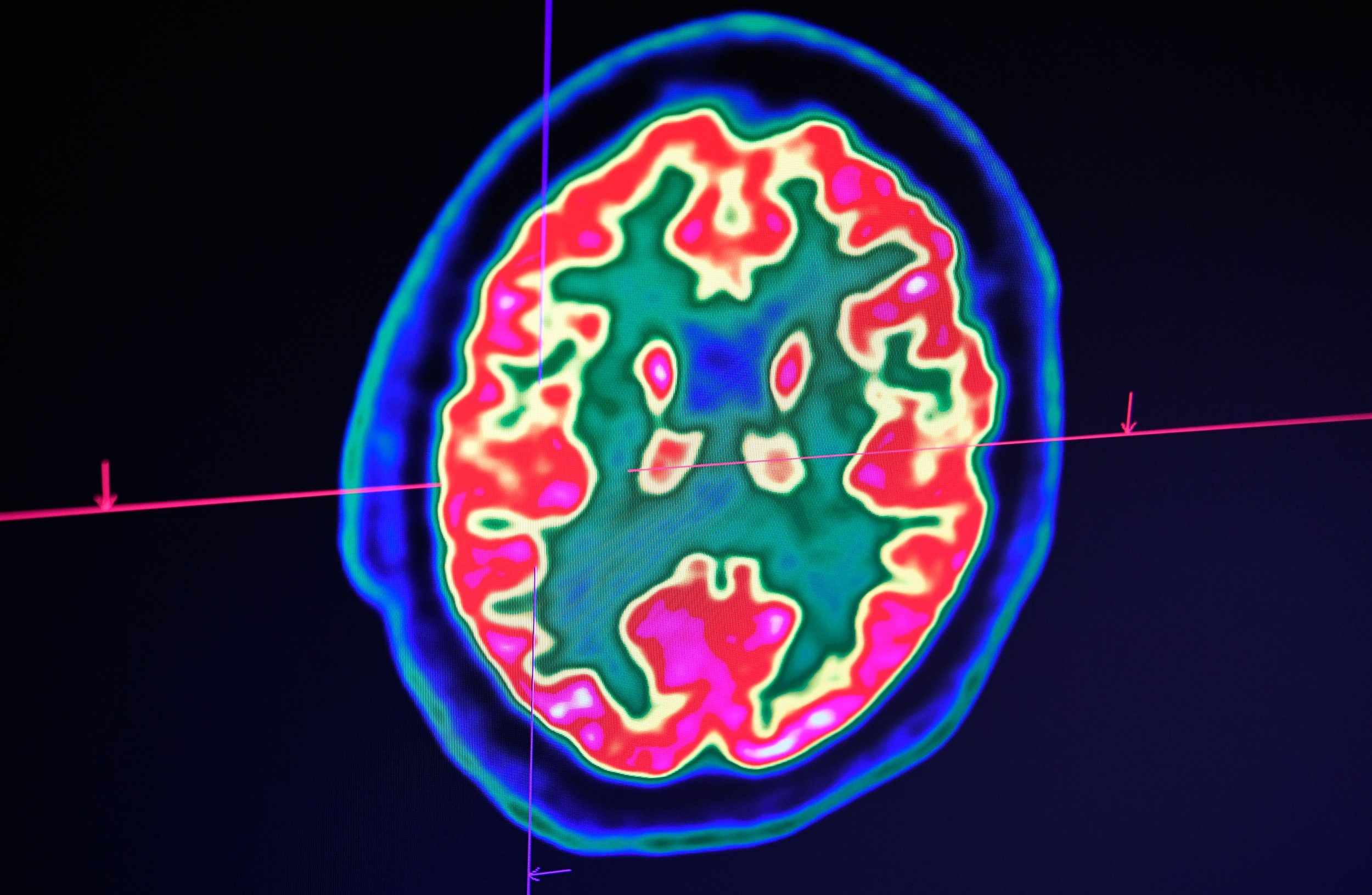
SAN FRANCISCO — Researchers at the University of California, San Francisco, have reversed key aspects of age-related cognitive decline in older mice by reducing levels of a single protein called FTL1 in the hippocampus, the brain region critical for learning and memory, according to a study that continues to draw attention more than seven months after its publication.

The findings, originally published in the journal Nature Aging in August 2025, identified ferritin light chain 1 (FTL1), an iron-associated protein, as a key driver of brain aging. Levels of FTL1 rise naturally in the hippocampus as mice grow older, correlating with fewer connections between nerve cells, disrupted energy production in neurons and poorer performance on memory tests. When scientists artificially lowered FTL1 in aged mice, synaptic function improved, neural connections increased and cognitive abilities were restored to levels resembling those of much younger animals.
Lead researcher Saul Villeda, PhD, associate director of the UCSF Bakar Aging Research Institute, described the results as more than just slowing decline. “It is truly a reversal of impairments,” Villeda said in the university’s announcement. “It’s much more than merely delaying or preventing symptoms.” The study’s senior author emphasized that targeting FTL1 appeared to rejuvenate the aging brain at a molecular level rather than simply masking symptoms.
In the experiments, older mice showed elevated FTL1 in the hippocampus alongside structural and metabolic changes that impaired learning and memory. Researchers used viral vectors to deliver treatments that either increased or decreased FTL1 expression specifically in neurons. Boosting FTL1 in young mice caused their brains to behave like those of older animals, with reduced synaptic proteins, fewer neurite branches and weaker memory performance. Conversely, reducing FTL1 in aged mice reversed those effects: synaptic-related proteins increased, neurons formed more connections, and the animals performed significantly better on cognitive tests.
FTL1, part of the ferritin complex that stores iron, appears to disrupt mitochondrial energy production and synaptic maintenance when it accumulates with age. The protein’s iron-binding properties may contribute to oxidative stress or altered cellular metabolism in neurons, though the exact mechanisms require further study. Importantly, lowering FTL1 did not appear to harm overall health metrics in the mice, suggesting a potentially targeted approach with a favorable safety profile.
The research team, led by first author L. Remesal and colleagues, combined transcriptomic analysis, mass spectrometry and behavioral testing to pinpoint FTL1 as the standout protein consistently elevated in the aging hippocampus across datasets. While many proteins change with age, FTL1 stood out for its strong correlation with cognitive impairment. The study received support from the National Institutes of Health and other funding sources focused on aging biology.
Experts not involved in the work hailed the findings as a significant step in understanding brain aging. The hippocampus is particularly vulnerable in humans as well, showing early signs of decline linked to normal aging and diseases such as Alzheimer’s. If similar mechanisms operate in people, targeting FTL1 or related pathways could one day lead to therapies that preserve or restore memory function in older adults.
As of April 6, 2026, no human trials have been announced, and researchers caution that mouse results do not always translate directly to people. Developing safe, brain-penetrating drugs or gene therapies to modulate FTL1 remains a major challenge. Iron regulation is delicate, and systemic changes could carry risks, though the study’s neuron-specific targeting offers a promising model for precision approaches.
The UCSF discovery fits into a broader wave of research seeking “rejuvenation” factors in aging. Previous studies have explored young blood factors, senolytic drugs and reprogramming techniques, but identifying a single actionable protein like FTL1 simplifies the path toward intervention. Villeda’s lab has long investigated how systemic factors influence brain aging, and this work highlights a cell-intrinsic driver within neurons themselves.
Public interest in the study surged upon its release and received renewed attention in early April 2026 through science news roundups highlighting its potential implications for cognitive health. Social media discussions have ranged from cautious optimism about future treatments to broader questions about extending healthy brain function into later life.
While the findings are exciting, scientists stress the need for replication and deeper mechanistic studies. Questions remain about how long the cognitive benefits last after FTL1 reduction, whether the intervention affects other aspects of aging or health span, and how FTL1 interacts with known risk factors for dementia such as inflammation, vascular changes or protein aggregates like amyloid and tau.
The study also opens avenues for exploring FTL1 in human brain tissue from aged donors or patients with mild cognitive impairment. If elevated FTL1 proves consistent in humans, it could serve as a biomarker or therapeutic target. Existing drugs that influence iron metabolism or ferritin levels might offer starting points, though new compounds specifically aimed at neuronal FTL1 would likely be required.
UCSF researchers continue to investigate related pathways, including how FTL1 affects energy metabolism and whether partial rather than complete reduction could yield benefits with minimal side effects. The team is also examining interactions with other aging hallmarks, such as mitochondrial dysfunction and proteostasis.
For now, lifestyle factors known to support brain health — regular exercise, cognitive engagement, healthy diet and good sleep — remain the most evidence-based recommendations for preserving memory. The FTL1 discovery, however, adds a molecular target that could complement those approaches in the future.
The research underscores the rapid progress in aging biology, where interventions once considered science fiction are moving closer to clinical reality. If successful in humans, therapies based on lowering FTL1 or blocking its effects could help millions facing age-related cognitive decline, from mild forgetfulness to more severe impairment.
As the scientific community digests and builds upon the August 2025 paper, UCSF’s work stands as a compelling example of how targeting a single protein can produce dramatic rejuvenation in an aging brain. While human applications remain years away, the study injects fresh hope into the quest for healthier cognitive aging.
Experts predict increased funding and collaboration around iron-related proteins in neurodegeneration. The findings may also influence research into other age-related conditions where iron dysregulation plays a role.
In the meantime, the mice in Villeda’s lab that had their memory restored continue to serve as living proof that some aspects of brain aging may not be as inevitable as once thought. For an aging global population, that message carries profound implications.
Business
Is Claude Down Now? Claude AI Hit by Login and Elevated Error Issues as Users Report Problems on Busy Monday

SAN FRANCISCO — Anthropic’s popular Claude AI platform faced scattered user complaints of access problems Monday, with many reporting login failures particularly affecting Claude Code and the desktop app, while the official status page showed an unresolved incident involving elevated errors on claude.ai dating back to April 6.

Downdetector and similar tracking sites showed ongoing user reports in the past 24-48 hours, though not at the scale of major March 2026 outages that disrupted service for thousands. Common issues included problems logging into Claude Code and the desktop application, slow or failed chat responses, and difficulties with voice mode or completing conversations. Some users noted that while the main claude.ai web interface appeared partially accessible, authentication paths and Claude Code were impacted.
Anthropic’s Claude Status page at status.claude.com listed an active incident from April 6 involving elevated errors on claude.ai, the desktop app and mobile surfaces. The company identified the issue around 15:45 UTC on April 6 and stated it was working to resolve problems with login, voice mode and chat completion. As of early Tuesday morning KST (late Monday in the U.S.), the incident remained marked as unresolved in some tracking views, though no new widespread “Investigating” alerts appeared for core services.
The complaints come amid continued high demand for Claude models including Opus 4.6, Sonnet 4.6 and Haiku, as well as features like Claude Code, computer use tools and multi-agent workflows. Anthropic has rolled out rapid updates throughout early 2026, pushing infrastructure to handle surging usage while competing with OpenAI’s GPT series and other frontier models.
Users on X (formerly Twitter) and Reddit echoed frustrations Monday, with several posting about failed logins to Claude Code CLI and desktop sessions. One developer noted switching to alternative tools after repeated authentication errors, while others reported that basic web chat worked intermittently but advanced features stalled. Social media posts from April 6 showed users joking about the timing while expressing irritation over disrupted workflows.
This pattern mirrors intermittent reliability challenges Anthropic has faced in recent months. March 2026 saw multiple incidents, including a major outage on March 2 that left claude.ai and apps unavailable for hours while the API remained largely stable. Elevated error rates hit Sonnet 4.6 and Opus 4.6 on several dates, often tied to login paths, capacity strain or model-specific slowdowns. A five-hour disruption later in March affected chat and app access for many users worldwide.
Uptime figures on the status page for April 2026 showed improvement over March’s 98.21% for claude.ai, reaching 99.43% in early tracking, yet user-reported friction persists during peak hours. The API has generally maintained stronger reliability near 99%, making it a fallback for developers during consumer-facing hiccups.
Anthropic has not issued a fresh public statement specifically addressing Monday’s reports as of late evening KST. The company typically updates the status page with timelines and encourages users to monitor there for real-time information. Past resolutions involved targeted fixes, app updates and capacity adjustments to match “incredible demand.”
Industry observers attribute recurring issues to the intense scaling demands of frontier AI systems. Claude’s growing popularity — driven by strong performance in coding, reasoning and agentic tasks — has strained backend infrastructure despite heavy investments. Rapid feature releases, including enhanced computer use and swarm coordination tools, add complexity to maintaining consistent uptime.
For affected users, basic troubleshooting steps include refreshing the browser or app, clearing cache and cookies, trying alternative login methods (such as Google sign-in if email tokens fail), switching between models, or checking for desktop app updates. Paid subscribers experiencing faster token exhaustion or throttles during incidents may need to monitor usage or contact support for potential credits.
The API, widely used by enterprises and developers, has shown greater resilience in past events and could serve as a workaround for critical tasks. Free-tier users often face stricter limits and earlier impacts when capacity tightens.
As AI assistants become essential for coding, research, writing and automation, even partial disruptions draw swift attention online. Hashtags like #ClaudeDown occasionally trend during spikes, amplifying individual experiences across global users, including in Asia-Pacific regions where adoption continues rising.
Anthropic’s March and early April challenges highlight the trade-off between aggressive innovation and operational stability. The company has emphasized transparency through its status page while investing in infrastructure to support millions of concurrent interactions.
Experts note that such hiccups are common among fast-growing AI platforms. Competitors like OpenAI have weathered similar outage waves and rate-limit frustrations during hyper-growth phases. For Claude users, the combination of powerful capabilities and occasional reliability issues has become a familiar dynamic.
Looking ahead, Anthropic is expected to continue heavy infrastructure spending to reduce future incidents while advancing its roadmap of agentic AI features. The April 6 incident involving desktop and login paths appears more targeted than the broader March disruptions, but it underscores the need for robust authentication and session management at scale.
Users in South Korea and other regions reported mixed experiences Monday, with some accessing basic chat without issue while others faced login or Claude Code barriers. The timing coincided with typical workday peaks in multiple time zones, amplifying frustration for professionals relying on Claude for daily tasks.
While no full global outage was confirmed Tuesday, the accumulation of user reports and the lingering April 6 status entry kept the conversation active online. Anthropic has a track record of quick resolutions once root causes are isolated, often followed by post-incident improvements.
For those still encountering problems, checking status.claude.com remains the best first step, followed by standard troubleshooting or switching to the API where available. The company has historically responded to major events with targeted fixes and occasional compensation for affected API users.
Claude AI, developed by Anthropic, provides conversational intelligence through models like Opus, Sonnet and Haiku. It serves casual users via claude.ai and enterprises through the API, powering tasks from simple queries to complex coding and agent-driven automation.
As Tuesday progressed, the majority of core services appeared accessible according to official monitoring, though isolated login and Claude Code issues persisted for some. Users are advised to stay updated via the status page and Anthropic’s channels for any developments.
The episode serves as another reminder of the challenges in scaling large language model platforms under explosive demand. Even as Anthropic pushes technological boundaries, maintaining seamless reliability remains critical to user trust and retention.

Trump's Hormuz deadline looms but some Asian nations have already struck deals with Iran

Binance crime monitoring staff exit as CCO reviews role

Harry Potter Star’s Forgotten Historical Mystery Is Suddenly a Streaming Hit Again


-

 NewsBeat4 days ago
Steven Gerrard disagrees with Gary Neville over ‘shock’ Chelsea and Arsenal claim | Football
-

 Business4 days ago
No Jackpot Winner and $194 Million Prize Rolls Over
-

 Fashion3 days ago
Weekend Open Thread: Spanx – Corporette.com
-

 Crypto World5 days ago
Gold Price Prediction: Worst Month in 17 Years fo Save Haven Rock
-

 Business24 hours ago
Three Gulf funds agree to back Paramount’s $81 billion takeover of Warner, WSJ reports
-
Crypto World6 days ago
Dems press CFTC, ethics board on prediction-market insider trades
-

 Sports2 days ago
India men’s 4x400m and mixed 4x100m relay teams register big progress | Other Sports News
-

 Business5 days ago
Login and Checkout Issues Spark Merchant Frustration
-

 Tech7 days ago
EE TV is using AI to help you find something to watch
-

 Sports6 days ago
Tallest college basketball player ever, standing at 7-foot-9, entering transfer portal
-
Tech7 days ago
Daily Deal: StackSkills Premium Annual Pass
-

 Tech7 days ago
Flipsnack and the shift toward motion-first business content with living visuals
-

 Tech7 days ago
How to back up your iPhone & iPad to your Mac before something goes wrong
-
Crypto World7 days ago
Valinor raises $25m to put private credit on-chain
-

 Tech7 days ago
What Are The Biggest Limitations Of Supercomputers?
-

 Crypto World6 days ago
Bitcoin enters the public bond market as Moody’s gives a first-of-its-kind crypto deal a rating
-

 Politics7 days ago
‘Out of touch, smug and overpaid’
-

 Politics7 days ago
Transform Your Space with Stunning Small Works
-

 Politics6 days ago
Starmer’s centre has collapsed, and the left was right all along
-
Crypto World6 days ago
Bitcoin stalls below key resistance as technical signals skew bearish
You must be logged in to post a comment Login