When we look back. . . the nature of the forces currently in train will have presumably become clearer. We may conceivably conclude from that vantage point that. . . the American economy was experiencing a once-in-a-century acceleration of innovation, which propelled forward productivity, output, corporate profits, and stock prices at a pace not seen in generations, if ever. ¹
The Broyhill Equity Composite declined 6.0% in the first quarter, net of all fees and expenses, lagging global equity markets as the MSCI All Country World Index declined 3.1%. ² Individual performance may vary depending on individual account allocations, legacy positions, and capital flows. Detailed quarterly reports, including account and benchmark performance, portfolio holdings, and transaction history, have been posted to our investor portal.
After a strong start to the year for the portfolio, global stocks fell sharply following the strikes on Iran. Despite our defensive positioning, with nearly half the portfolio invested in noncyclical sectors, our stocks did not provide the protection we expected or that we’ve historically provided. While we don’t invest on a one-month horizon, nor do we place undue emphasis on short-term results, we do remain relentless in our work to protect your capital from significant market losses. So, I want to explain what drove the gap versus our expectations, because the context matters – and because we believe the setup from here is unusually compelling.
Three structural portfolio tilts moved against us simultaneously.
Advertisement
• We own no energy – the only sector with positive returns in March.
• Nearly half the portfolio is invested in businesses outside the U. S. , and European markets declined sharply given their higher sensitivity to energy prices (while this is broadly true of continental Europe, our companies have minimal exposure to the Middle East or the rising price of oil).
• Our large non-cyclical exposure – consumer staples and healthcare – underperformed in a down market, which is not supposed to happen and historically has not lasted.
What didn’t happen is as important as what did. Across the portfolio, businesses are performing well and meeting or exceeding our expectations. Consensus estimates continued rising even as our stock prices declined in March. That disconnect – improving fundamentals and falling prices – suggests this move was a positioning-driven sell-off, not a fundamental one. It’s also why we believe our stocks are poised to catch back up to fundamentals.
Advertisement
Performance Review
It’s hard not to be uber bullish when stocks are enjoying a once-in-a-century acceleration in innovation, resulting in a surge in productivity and corporate profits. But as it turns out, we are actually witnessing a twice-in-a-century acceleration in innovation, as the opening quote of this letter was first delivered by Former Fed Chairman Alan Greenspan in January 2000. As they say, history doesn’t repeat, but. . .
Top Contributors
Valvoline (VVV) was our largest contributor in the quarter. While the market spent its days hallucinating about the terminal value of artificial intelligence, Valvoline went on quietly changing oil, opening new stores, while moving more cars through its bays than any other competitor in the industry. Since we’ve owned it, shares have exhibited significantly more volatility than the business itself, but what matters is that the underlying unit economics are intact, while unit growth, service mix, and price continue moving in the same direction.
Honeywell (HON) was our second-largest contributor in the quarter. Management accelerated the aerospace spin-off, moving the separation up to the end of June and leaving behind a pure-play automation business. We continue to believe the pieces, including the recently announced Quantinum IPO, are worth meaningfully more than the whole. Upcoming Investor Days are the next chance for the market to do the math.
Ball Corporation (BALL) rounded out our top three contributors during the quarter. When we initially acquired the position, our thesis centered around the company’s post-aerospace-divestiture status, which left it a pure-play packaging company well positioned to return significant capital to investors. As the thesis played out, we sold into the re-rating and redeployed proceeds into more attractive opportunities.
Advertisement
Top Detractors
IQVIA (IQV) was our largest detractor despite fundamentals being far better than price action suggested. The stock has sold off because investors have convinced themselves that AI will compress economics faster than it drives demand. At the current price, we are more than willing to take the other side of that trade. Large pharma is structurally reliant on IQVIA’s clinical trial architecture and proprietary data assets, and we think it is highly unlikely that Claude can automate away the FDA approval process. While the burden of proof remains on the company, we believe we are being paid well to wait at the stock’s current valuation.
Louis Vuitton (LVMUY) was our second-largest detractor, posting its worst quarterly performance on record, driven by the Middle East conflict and fears of a broader slowdown in luxury demand. Beneath the headlines, Wines & Spirits delivered its biggest beat in years as the Hennessy destocking cycle ends, Watches & Jewelry beat as Tiffany continues to gain share, and Fashion & Leather continues its slow sequential improvement. The stock now trades at the bottom of its valuation range, which we find compelling for a business of this quality.
Avantor (AVTR) made our list of detractors for the last time in the first quarter. The destocking cycle has run far longer than we initially modeled, but the bigger issue was self-inflicted. Successive management teams failed to defend the share against Thermo Fisher (TMO). After swapping half of our position for Thermo last year, we took our
remaining lumps and redeployed the capital into Sotera Health (SHC), where litigation fears have created an opportunity to own a mission-critical sterilization duopoly at a meaningful discount to intrinsic value.
Advertisement
Key Transactions
We run a concentrated portfolio and aim to invest over a three- to five-year horizon. With roughly 20 positions, that translates into a handful of new ideas in a normal year. But like our returns, our ideas come in lumps, as volatility creates opportunity.
The extreme dispersion we saw in the first quarter handed us an opportunity to populate the book with at least a year’s worth of new ideas. Running towards controversy after big dislocations is our bread and butter. I suspect that’s a gene inherited from my father, who still fills his car to the ceiling with random items he doesn’t need from close-outs (most recently, Livingston Mall in NJ) or even relics of the past left on the roadside. In markets, such a strategy rarely guarantees short-term success, but over the long term, it has consistently been our most reliable generator of alpha.
During the quarter, we booked a portion of our gains on Phillip Morris (PM) and fully liquidated several positions. In addition to Ball, noted previously, we liquidated profitable investments in Kenedy Wilson (KW) and Fresenius Medical Care (FMS), as the former agreed to a higher bid from CEO Bill McMorrow and Fairfax Financial (FRFHF), and proceeds from the latter were redeployed into more attractive opportunities. We also fully liquidated two positions – Evolution (EVVTY) and Avantor – after reducing exposure to each, to reinvest in higher conviction ideas.
We initiated several new positions during the quarter. We bought Microsoft (MSFT) as the stock’s valuation declined to levels in line with the broader market. We initiated a new position in Smurfit WestRock (SW) with proceeds from Ball, as we suspect continued capacity tightening and additional pricing will drive mid-term results well above guidance and current consensus. We bought Sotera Health, a sterilization-franchise medical device business whose customers cannot easily replace it, where an ongoing tort overhang has created a price we believe materially underestimates the underlying business. And we established two new positions in the depressed housing industry – Masco (MAS) and Floor and Décor (FND), as we believe the normalized earnings power of both companies has increased significantly through market share gains and expense efficiencies captured during this extended downturn. We also began accumulating shares of Leggett & Platt (LEG), anticipating a higher bid from Somnigroup International (SGI), and fully exited when that bid emerged.
Advertisement
A Few Words on Healthcare
While investors have focused on the trillions of dollars in market capitalization that have evaporated from the software sector in recent months, the Medical Device and Life Sciences & Tools industries have not been far behind in terms of creative destruction. In the wake of this latest leg down, we significantly increased our investments in the sectors, bringing both IQVIA and Sotera Health into our top holdings.
Clinical research is one of the most regulated industries on the planet – and for good reasons. It’s literally a matter of life and death. And while Claude has dramatically increased our own productivity, we surmise that government agencies, including the FDA, will be somewhat slower to embrace these magical tools. When you consider that
AI adoption within at least one large, highly regulated US bank consists of mandates from management that employees use Copilot at least x times each week, the thought of the FDA entertaining a material shift in trial paradigms over the next several years seems exceedingly unlikely. To put the agency’s pace of change in perspective, regulators began accepting digital data submissions in PDF format less than a decade ago.
CROs, or Clinical Research Organizations like IQVIA, sit squarely in the crosshairs of investors’ concerns, given AI’s potential to completely reimagine how research is conducted. In fact, we’d even suggest that drug discovery may represent the single most significant benefit of AI as the quantity of new molecules tested and drugs coming to market accelerates at a pace beyond even the wildest imaginations of Watson and Crick. But despite our impressive leaps in understanding the human genome since its initial discovery, our understanding of human biology remains incomplete at best. And where we lack a deep understanding, we will still need experiments to test hypotheses and to observe how these drugs actually work amid the mystery of human biology, regardless of what AI models might promise.
Advertisement
While it may take time for the market to separate the wheat from the chaff, we expect that the Life Sciences Tools and broader research ecosystem will ultimately benefit from accelerating AI-driven demand for the data that fuels these models. And as AI compresses drug pipelines and increases the likelihood of clinical success, the growing number of drugs reaching the market will require more research, development, and tools. A recent analysis found that AI-designed molecules clear Phase I at 80-90%, compared with a historical average of 40-50% for conventional discoveries. ³ None of these candidates have been commercialized yet, but dozens have entered human trials, and several are now in Phase II. As Big Pharma’s return on investment improves, the rational response is to spend more on R&D, not less. Some functions will inevitably move back in-house, but we do not see the longer-term outsourcing trend reversing, as pharma simply doesn’t have the infrastructure or the data outside its own narrow indications. Bottom line: we think the data and scaled infrastructure that IQVIA provides will become meaningfully more effective, and a great deal safer, than a workflow vibe-coded by a pharmacist. We also think this makes the company more valuable, not less.
Recent channel checks support this view, framing AI more often as an opportunity than a threat. RFP flow and awards are improving as funding loosens and risk appetite returns; decision-making timelines are shortening, and pricing is firming. The bear case is that the majority of AI efficiencies gained by CROs will be captured by sponsors. But this ignores the fact that CROs have always been under pressure from Big Pharma to pass along savings. AI-generated efficiencies will certainly create additional opportunities to do so. This isn’t new. These companies have thrived for decades by finding ways to execute trials more efficiently, leveraging cost reductions into operating leverage to offset pricing pressures. That playbook hasn’t changed. But the price has shifted materially, with shares of IQVIA, for example, trading at half the broader market’s multiple, down from the 40% premium reached before COVID.
Bottom Line
We are keenly aware that our current positioning has weighed heavily on our relative performance of late. And we recognize that this has likely tested the patience of even our longest-duration investors. Simply owning a collection of good businesses does little to change that when their shares fail to deliver meaningful gains, while broader indices march steadily higher, and everyone around you is boasting about their biggest winners. While others are doing better at the moment, we think many are taking risks far greater than they appreciate. That is why we have stayed in our lane, rather than underwriting risks we don’t believe are properly priced.
Our job is to protect your capital while taking calculated risks to grow it over time. Periods like this test conviction. They also plant the seeds of future outperformance. This view may continue to cost us in the near term if momentum remains dominant over fundamentals. But with oil sitting in triple digits, geopolitics still in flux, and recorded crowding in US benchmarks trading at record valuations, we are willing to accept the risk of short-term underperformance because the reward for being correctly positioned when the market does turn has rarely looked more asymmetric than it does today.
Advertisement
While we cannot predict when that will arrive, what it will look like, or how quickly it will unfold, what we can tell you is that the portfolio is meaningfully cheaper today than it was at the start of the year. Importantly, our view of the underlying businesses we own has not changed: we believe they are worth considerably more than the market is giving them credit for. Rising tensions in the Middle East, regardless of how they unfold, would not change that assessment.
We have been here before. Our relative results have always been cyclical. But a decade of data tells a consistent story. We have seen the pattern clearly: periods where relative performance compresses (as we saw during the speculative rally immediately following COVID) have consistently been followed by sharp recoveries (many of which included short-term drawdowns as we experienced in March). The current dip looks a lot like previous ones, which have historically been followed by our best relative performance.
One More Thing
There is nothing to writing. All you do is sit down at a typewriter and bleed. – Ernest Hemingway
A few years after joining Broyhill in 2005, a friend suggested that I start a blog to share our insights, which had, until then, been distributed only internally. That site, The View from the Blue Ridge, was eventually folded into the firm’s website. Writing has always been a valuable tool for me, both personally and professionally. It has never been a particularly easy or enjoyable process, but the result usually justifies the effort. Through writing, I am able to flesh out my thinking, find holes in my logic, and distinguish highly confident ideas from those held more loosely. But as the business has grown, I’ve had less time to share our work publicly beyond these letters. Coming into this year, I decided it was time to change that.
Advertisement
We are excited to announce the launch of Vitruvian Value, where I will share our thinking, our ideas, our frameworks, and the lessons from running a concentrated portfolio through decades of market cycles, along with the occasional commentary on markets and human behavior.
We are grateful for your continued trust and partnership. We come into the office each day striving to earn it, and we realize just how fortunate we are to have such a wonderful group of like-minded, long-term investors who place their confidence in us. You enrich our network, strengthen our competitive advantage, and just make our work all the more enjoyable. As always, please feel free to reach out anytime with questions. We enjoy hearing from you.
Sincerely,
Christopher R. Pavese, CFA
Advertisement
References
Remarks by Chairman Alan Greenspan Before the Economic Club of New York, January 2000
For standardized performance data, including 1-year, 3-year, and since-inception net returns with benchmark comparisons, please refer to the Broyhill Equity Fact Sheet. Past performance is not indicative of future results.
How Successful Are AI-Discovered Drugs in Clinical Trials, Drug Discovery Today (2024).
About Broyhill
Broyhill Asset Management, LLC (“Broyhill” or the “Firm”) is a Charlotte-based investment firm managing over $270 million in assets. Originally established as a family office nearly half a century ago, the firm spun out in 2022 to become an independently owned investment manager under the leadership of Chris Pavese. While Broyhill has historically explored a variety of investments for its clients, the firm is now focused on managing its flagship, global, value-oriented, public equity strategy. With a verified track record approaching ten years, the firm serves a diverse client base – including institutions, advisors, and high-net-worth families – by delivering long-term capital appreciation with a rigorous focus on capital preservation through disciplined, bottom-up security selection.
Broyhill Asset Management, LLC (“BAM”) is an investment adviser in North Carolina. BAM is registered with the Securities and Exchange Commission (SEC). Registration of an investment adviser does not imply any specific level of skill or training and does not constitute an endorsement of the firm by the Commission. BAM transacts business only in states where it is properly registered or exempt from registration. A copy of BAM’s current written disclosure brochure filed with the SEC, which discusses, among other things, BAM’s business practices, services, and fees, is available through the SEC’s website at www. adviserinfo. sec. gov.
Advertisement
Separately Managed Accounts
The performance of the Broyhill Equity strategy is representative of a composite of numerous separately managed accounts and is considered to be a “carve out” or “extracted performance. ” The calculation methodology for this composite for the period from 9/1/15 through 12/31/23 has been verified by a third-party performance verification firm and reflects the equity returns of actual Broyhill client portfolios. The calculation methodology for the periods after 12/31/23 is the same as the methodology that was verified. The Broyhill Equity strategy performance results are based on the weighted average performance of the portion of individual managed accounts invested in the Broyhill Equity strategy, but may not represent the performance of the entire client portfolio. Since many of BAM’s managed accounts are invested per a “balanced” investment model, we believe that this extracted performance composite, which includes only fully discretionary equity holdings of all BAM discretionary accounts, is the most accurate representation of BAM’s long-term equity performance. Additionally, since this performance represents a pure equity allocation, it does not include the impact of any cash allocation. Performance figures for the total portfolio composite are available upon request. This data may be useful for an investor evaluating Broyhill, although individual results may differ based on each account’s investment objectives, the date of initial funding, the opportunity set available at the time, specific investment vehicles available to the accounts, and individual fee schedules.
Performance of the Broyhill Equity strategy composite is calculated using time-weighted rates of return, net of all fees and expenses, and reflects the reinvestment of dividends and other earnings. Since the composite returns are calculated gross of fees, in order to report net returns, the highest annual management fee we charge (1.5% per annum) has been subtracted from gross reported returns to arrive at the net returns shown.
Broyhill Vitruvian Value, LP
Advertisement
The performance of the Broyhill Vitruvian Value (“BVV”) strategy presented herein is hypothetical and does not reflect the performance of any actual investment portfolio. The results are provided for illustrative purposes only and do not represent actual trading or investment results. Hypothetical returns have inherent limitations and do not account for all factors that may affect actual performance, including market conditions, liquidity constraints, fees, and other expenses. Past or hypothetical performance is not indicative of future results, and no representation is being made that any investment will or is likely to achieve returns similar to those shown.
The performance of the BVV strategy is representative of a composite considered to be a “carve out” or “extracted performance. ” The calculations performance of this composite from 9/1/15 through 12/31/23 has been verified by a third-party performance verification firm and reflects the equity returns of actual client portfolios invested in the BVV strategy. The performance calculation from 1/1/24 through 6/30/25 uses the same methodology as the verified period and also reflects the equity returns of actual client portfolios invested in the BVV strategy. For the period from 7/1/25 onward, the returns shown use the actual monthly returns for Broyhill Vitruvian Value, LP (“BVV LP”). These results are based on the weighted-average performance of the portion of individual accounts invested in the BVV strategy and may not reflect each account’s
entire portfolio performance. Since some of BAM’s accounts are invested per a “balanced” investment model, we believe that this extracted performance composite, which includes only discretionary equity holdings of all BAM discretionary accounts deploying the BVV strategy, is the most accurate representation of the BVV strategy’s long-term equity performance. Additionally, since this performance represents a pure equity allocation, it does not include the impact of any cash allocation. Performance figures for the total portfolio composite are available upon request. This data may be useful for an investor evaluating an investment in BVV LP.
While some of the BVV strategy’s performance has been verified by a third-party performance verification firm, none of the performance presented herein has been audited. All figures presented herein are unaudited. Furthermore, BAM does not undertake to update any information contained herein as a result of audit adjustments or other corrections.
Advertisement
Performance of the BVV strategy composite is calculated using time-weighted rates of return and reflects the reinvestment of dividends and other earnings. Since the composite returns are calculated gross of fees, in order to report net returns, management fees and performance fees with rates and terms matching the BVV LP Class A interests have been subtracted from gross reported returns. This calculation means these returns are considered to be “hypothetical. ” Hypothetical returns have inherent limitations and are provided for illustrative purposes. The fees, rates, and terms applied are summarized as follows: an annual management fee of 1% per year, a performance fee of 20% on earnings over an annual hurdle rate of 8%. The 8% hurdle rate resets annually and does not compound. The account is also subject to a high-water mark, so a performance fee is not earned if the account value is below that mark.
General Disclaimers
The investment return and principal value of an investment will fluctuate. Therefore, an investor’s account, when liquidated or redeemed, will almost always have a different value than that shown herein. Current performance may be lower or higher than the return data quoted herein.
Past performance is not indicative of future returns. This information should not be used as a general guide to investing or as a source of any specific investment recommendations and makes no implied or expressed recommendations concerning how an account should or would be handled, as appropriate investment strategies depend upon specific investment guidelines and objectives.
Advertisement
Information presented herein is subject to change without notice and should not be considered a solicitation to buy or sell any security. This document contains general information that is not suitable for everyone. The information contained herein should not be construed as personalized investment advice.
The opinions expressed herein represent the current, good-faith views of BAM at the time of publication and are provided for limited purposes, are not definitive investment advice, and should not be relied upon as such. There is no guarantee that the views and opinions expressed in this document will come to pass. Investing in the stock market involves gains and losses and may not be suitable for all investors. No representations, expressed or implied, are made as to the accuracy or completeness of such statements, estimates, or projections, or concerning any other materials herein.
Under no circumstances does the information contained within represent a recommendation to buy, hold, or sell any security, and it should not be assumed that the securities transactions or holdings discussed were or will prove to be profitable. There are risks associated with purchasing and selling securities and options thereon, including the risk that you could lose money. Any securities mentioned in these materials may or may not be held by clients of BAM or by BVV LP currently or in the past.
Certain information contained herein constitutes “forward-looking statements, ” which can be identified by the use of forward-looking terminology such as “may, ” “will, ” “should, ” “expect, ” “anticipate, ” “project, ” “estimate, ” “intend, ” “continue, ” or “believe, ” or the negatives thereof or other variations thereon or comparable terminology. Due to various risks and
Advertisement
uncertainties, actual events, results, or actual performance may differ materially from those reflected or contemplated in such forward-looking statements. Nothing contained herein may be relied upon as a guarantee, promise, assurance, or representation of the future.
Market value information (including, without limitation, prices, exchange rates, accrued income, and bond ratings furnished herein) has been obtained from sources that BAM believes to be reliable and is for the exclusive use of the client. Market prices are obtained from standard pricing services or, for less liquid securities, from brokers and market makers. BAM makes no representations, warranties, or guarantees, express or implied, that any quoted value necessarily reflects the proceeds that may be received on the sale of a security. Changes in rates of exchange may have an adverse effect on the value of investments.
Index Disclaimers
Indices are unmanaged and do not incur management fees, transaction costs, or other expenses typically associated with an actively managed investment. Index performance is shown for illustrative purposes only and does not reflect the performance of any investment strategy offered by BAM. Index returns assume the reinvestment of dividends and capital gains, unless otherwise noted.
Advertisement
The S&P 500 Index is a long-only market-capitalization-weighted index comprised of 500 large-cap U. S. companies. The MSCI ACWI Index is a long-only index composed of over 2,500 large and mid-cap companies across 23 developed markets and 24 emerging markets and covers approximately 85% of the global investable equity opportunity set. The MSCI ACWI Value Index is a long-only index composed of over 1,500 large- and mid-cap companies and exhibits overall value-style characteristics across 23 developed markets and 24 emerging markets. The value investment style characteristics for the MSCI ACWI Value Index construction are defined using three variables: book value to price, 12-month forward-looking earnings to price, and dividend yield. BAM’s strategies may invest globally, in both equity and non-equity securities, employ hedging strategies, and hold significant cash positions. As a result, the strategy’s composition and risk profile may differ materially from those of the indices shown herein.
You cannot invest directly in an index. References to indices are provided solely as a comparative market benchmark. Past performance of the index is not a reliable indicator of future performance of any BAM strategy.
Any third-party index data presented herein is the property of its respective owner and is provided “as is” without warranties of any kind. Such data may not be redistributed or used to create derivative works without prior written permission. Neither the index provider nor its affiliates shall have any liability in connection with the use of such data.
For additional information about other indices or strategies mentioned here, you may contact us a t ir@broyhillasset. com.
Advertisement
CONFIDENTIALITY
No part of this material may be copied, photocopied, or duplicated in any form, by any means, or redistributed without BAM’s prior written consent.
THESE MATERIALS SHALL NOT CONSTITUTE AN OFFER TO SELL OR THE SOLICITATION OF AN OFFER TO BUY ANY INTERESTS IN ANY FUND MANAGED BY BAM OR ANY OF ITS AFFILIATES. SUCH AN OFFER TO SELL OR SOLICITATION OF AN OFFER TO BUY INTERESTS MAY ONLY BE MADE PURSUANT TO THE CONFIDENTIAL PRIVATE PLACEMENT MEMORANDUM AND THE DEFINITIVE SUBSCRIPTION DOCUMENTS BETWEEN A FUND AND AN INVESTOR.
Even Trump, an enthusiastic supporter of both the World Cup and Fifa president Gianni Infantino, has said he “wouldn’t pay it either” when asked about the prices. Tickets for sale for the final at New Jersey’s MetLife Stadium were officially offered at up to $32,970 (£24,540), while resale tickets have been listed for more than $2m.
During a state dinner at the Great Hall of the People, President Donald Trump and Chinese President Xi Jinping toasted each other, marking a moment of diplomatic camaraderie. The event highlighted ongoing efforts to strengthen U.S.-China relations amidst complex geopolitical and economic discussions, reflecting both nations’ intentions to foster cooperation and mutual respect.
At the conclusion of the first day of recent summit meetings, former President Donald Trump and Chinese President Xi Jinping shared a symbolic moment by raising a toast. The gesture underscored the importance of diplomatic relations between the two nations amid ongoing trade negotiations and geopolitical tensions. Both leaders appeared to seek a balance between assertiveness and cooperation as they navigated complex issues affecting their countries.
The toast signaled a desire to foster dialogue and mutual understanding, even as underlying disagreements persisted. Trump and Xi’s willingness to engage in such traditional diplomatic gestures aimed to soften rhetoric and build rapport. This moment was seen as a positive step towards easing tensions and encouraging collaborative efforts on global challenges, including economic stability and security concerns.
Advertisement
Observers noted that the shared toast reflected a broader strategy to maintain a constructive dialogue during high-stakes diplomatic encounters. While not immediately resolving contentious issues, it illustrated a commitment by both leaders to keep lines of communication open. This gesture serves as a reminder of diplomacy’s role in managing international relations amid complex and often conflicting interests.
The Indian markets are entering a phase where global shocks, currency pressure, and rising energy prices are beginning to filter into domestic consumption and corporate earnings, according to Ajay Srivastava from Dimensions Corporate. In a conversation with ET Now, he highlighted that investors may be underestimating the depth of macro risks unfolding over the next few months.
Fuel price hike: “Purchasing power starts to go out from today”
Responding to concerns around the recent fuel price hike, Srivastava cautioned against assuming that the impact is already reflected in markets.
“An average person has to now shell out much more than what he was doing yesterday. The real purchasing power started to go out from today from the consumer’s pocket. I do not think so any of us has any idea what is going to happen in the next three to six months as this whole oil price shock, West Asia shock, FPIs out, rupee at 96, all starts to come into the system. Right now it is just too early for the system to react, but let it flow through because whether it is foreign currency loans, whether it is going to be your imports, whether it is going to be your consumer baskets, it is going to take time for us to understand the impact and none of that looks to be greatly positive.”
Advertisement
According to him, the combination of oil prices, geopolitical risks, FPI outflows and currency weakness could take time to fully reflect in the economy.
Live Events
Investment strategy: “Reallocate, reallocate, reallocate” On how investors should respond, Srivastava stressed aggressive diversification rather than concentration. “Reallocate, reallocate, reallocate. The only thing we are telling investors and anybody who meets me says why do you keep saying that and I say listen you need to just keep diversifying at the end of the day because whether we like it or not our economy it is very domestic, it kind of so much more impacted by what is happening domestically compared to global economy. So, it is now a cliche theme that go invest globally. We have much higher allocations for gold and silver for our investors and advisory because we have always believed that we should be much more than those 5% earlier model being touted for last two years.”He added that investors should rethink traditional allocations and consider global diversification along with alternative assets like gold and silver.
“Legacy and promoter-driven companies will outperform” Srivastava argued that in volatile markets, established and promoter-led businesses tend to outperform.
“This is the stage where you need to buy into stocks and areas which you never had, that is the key. Number two is go after legacy. Legacy companies do extremely well in turbulent time. Whether it is financial services, whether it is consumer, whether it is industrial, you will find that the legacy companies have performed the best. I am giving example not quoting, you see CG Power, you see ABB and you know what I am talking about it. And you have to go back to the thesis that Indian executives today in MNCs and other PE-led companies are a very complacent lot. It is only where promoters directly involved, you see performance.”
He further added that promoter-driven firms across sectors such as engineering, industrials, autos, materials, and financial services are better positioned to deliver returns.
Advertisement
IT sector outlook: “Just buy US IT instead” On Indian IT, Srivastava took a strongly contrarian stance, suggesting investors look outside India.
“Oh no, not at all. Not at all. Just if you want to buy IT, I will tell you one thing, just go buy US IT companies. We had a big boom IPO yesterday, Cerebras out in the US at this point of time. The themes are there… I do not think so these companies have a future with these management. They are not going to do anything for you. They have run out of ideas.”
He contrasted Indian IT firms with global technology leaders and emerging AI-driven companies in the US, arguing that innovation has shifted away from traditional outsourcing models.
Global allocation: “Compare PE ratios, you will get your answer” On increasing exposure to US equities, he pointed to valuation gaps.
Advertisement
“Well, he just has to do one comparison, just compare Walmart PE versus the PE of DMart and he will understand the answer… So, I would just say pick up any sector, look at consumer sector, just look at Unilever India, you look at Unilever Global, just see what is the PE difference and you know what you are paying for in India.”
He added that investors often ignore global valuation comparisons, despite higher multiples in India relative to global peers.
Pharma sector: selective opportunity with export tailwinds On pharma, Srivastava said the sector remains structurally strong but needs careful selection.
“Yes, but Nifty Pharma has underperformed for a fair bit and pharma has got various segments… So, I would still say sectorally it is a good place because lot of exports, rupee-dollar benefit, most of the companies, not most but literally all are debt-free companies, strong cash flows… I would tend to believe that export-driven companies in pharma sector would do very well for the next three to five years.”
Advertisement
He highlighted CRDMO and export-led pharma businesses as the most promising segments.
Bottom line Srivastava’s message to investors is that macro uncertainty is rising, consumption pressure is building, and portfolio strategy must evolve.
From global diversification and alternative assets to promoter-driven domestic companies and selective sector bets, his stance reflects a cautious but actively repositioned investment approach for the months ahead.
NEW YORK — Nearly one-quarter of New York City’s public schools are operating well below capacity, with 380 buildings — out of roughly 1,600 — running at less than 60 percent utilization this school year, according to a new analysis that spotlights the deepening enrollment crisis gripping the nation’s largest school district.
The startling figure, released by the Citizens Budget Commission, arrives as city officials project another sharp drop in student numbers. Public school enrollment currently stands around 884,400 students, down significantly from pre-pandemic levels, and forecasts warn of a further loss of up to 153,000 students over the next decade. The combination of underused buildings, fixed costs and ambitious class-size reduction mandates is forcing difficult conversations about budgets, consolidations and the future of neighborhood schools.
“This is not sustainable,” said one education budget analyst. “You cannot continue funding buildings designed for far more students than they currently serve while pouring hundreds of millions into lowering class sizes elsewhere.” The mismatch creates both inefficiency in some neighborhoods and overcrowding pressure in others.
Roots of the Enrollment Decline
Multiple factors drive the shrinking student population. Birth rates in New York City have fallen sharply since the COVID-19 pandemic, with roughly 25,000 fewer births annually compared to pre-pandemic figures. Families with young children continue to leave the city for more affordable suburbs or other states, drawn by remote work flexibility and lower housing costs. Charter school growth and homeschooling have also siphoned students from traditional public schools.
Advertisement
The School Construction Authority’s latest demographic projections paint a sobering picture. By 2034-35, enrollment could fall to approximately 721,000 students in grades K-12, a loss of more than 150,000 from recent levels. Declines are expected across all boroughs, with Brooklyn, Queens and the Bronx facing the steepest drops.
Early grades show the most dramatic shrinkage. Pre-kindergarten and kindergarten applications have plummeted, signaling that the pipeline of future students is narrowing. This trend compounds existing challenges in a system still recovering from pandemic-era learning disruptions.
Underutilized Schools Strain Budgets
The 380 schools below 60 percent capacity represent a significant fiscal burden. Many still require minimum staffing levels — principals, assistant principals, nurses and other personnel — dictated by union contracts and regulations, regardless of enrollment. Tiny schools with fewer than 150 students face particularly acute per-pupil cost spikes.
This year, 112 schools are projected to enroll under 150 students. That number is expected to rise to 134 next school year. These micro-schools collectively carry hundreds of millions in annual budgets while serving relatively few children, diverting resources from academic support, mental health services and facility maintenance.
Advertisement
Meanwhile, the city presses forward with a state-mandated class size reduction plan. New York law requires gradual caps — aiming for most classes at 20-25 students by 2027-28 — with interim targets. The system recently surpassed 60 percent compliance and eyes 80 percent next year, at a projected cost of over $1 billion annually in additional teachers and space modifications.
Critics argue the policy exacerbates inefficiencies. Funds flow to hire more staff in already compliant or low-enrollment schools while some buildings sit half-empty. Officials have explored repurposing space, but community resistance to mergers or closures remains fierce.
Political and Community Pushback
Mayor Zohran Mamdani’s administration has prioritized education spending, allocating record sums in the latest budget for class-size efforts, pre-K and mental health. Yet fiscal watchdogs urge tying funding more closely to actual enrollment, accelerating consolidations and pausing new construction in declining areas.
Parents in affected neighborhoods often fight to keep schools open, viewing them as vital community anchors. Past closure attempts have sparked protests, lawsuits and political backlash. Recent proposals on the Upper West Side and in Brooklyn ignited debates over equity, with families arguing that shuttering schools in lower-income areas disproportionately harms vulnerable students.
Advertisement
Education advocates acknowledge the tension. While small schools can offer personalized attention, extremely low enrollment limits course offerings, extracurriculars and specialized support. Larger, efficiently run schools often provide broader opportunities.
Potential Solutions and Trade-offs
Experts propose several paths forward. Strategic mergers could combine under-enrolled schools, preserving jobs while creating more robust programs. Repurposing excess space for community centers, early childhood programs or charter co-locations offers another option. Some suggest incentivizing families to fill seats through improved academics and safety measures.
Budget alignment represents the biggest lever. Shifting to a weighted student funding model — where dollars follow children more directly — could encourage efficiency without abrupt closures. The city could also revisit class-size mandates in light of demographic reality, seeking flexibility from Albany.
Longer term, addressing root causes like housing affordability, family support services and economic vitality could help stabilize enrollment. Without broader population recovery, however, the system must adapt to a smaller footprint.
Advertisement
Looking Ahead
As the 2026-27 school year approaches, with a later September start date, decisions on consolidations and budgets will intensify. The Department of Education faces pressure to balance fiscal responsibility with educational quality and community needs.
The 380 under-capacity schools symbolize a larger reckoning for urban education nationwide. Cities from Chicago to San Francisco grapple with similar declines. New York’s scale makes its choices particularly consequential.
For now, the empty desks and echoing hallways in hundreds of buildings underscore an uncomfortable truth: the city built for a million students must now thoughtfully right-size for far fewer while protecting outcomes for those who remain. How leaders navigate this transition will shape New York’s neighborhoods and the futures of its children for decades to come.
Shares of Nazara Technologies rallied as much as 18% to their day’s high of Rs 314 on the BSE on Friday after a large block deal involving nearly 4.9% of the company’s equity took place during the morning session.
As per a CNBC-TV18 report, Nikhil Kamath of Zerodha and existing shareholder Axana Estates are likely among the buyers in the transaction, while company founder Nitish Mittersain is believed to be the seller.
At the end of the March quarter, Nitish Mittersain held a 2.18% stake in the company, while Axana Estates LLP owned 5.4%.
Nazara Tech Q4
Nazara Technologies reported revenue of Rs 398 crore for Q4FY26, down 23% from the year-ago period. However, net profit surged more than 13-fold to Rs 56 crore from Rs 4 crore reported a year earlier. The company’s total expenses declined 29% to Rs 375 crore during the quarter, with advertising and business promotion expenses remaining the largest component of overall expenditure.
Advertisement
Live Events
Commenting on the company’s outlook, Nitish Mittersain said artificial intelligence is expected to significantly benefit the business and that the company is already actively investing in the space. He added that Nazara’s latest acquisition also has a strong AI focus, which is likely to strengthen capabilities further. Mittersain also welcomed Mithun Sacheti to the board as a non-executive director, citing his entrepreneurial experience and strategic expertise. Among Nazara’s three core business segments of gaming, esports and ad tech, the gaming business emerged as the largest contributor during the quarter, with revenue rising 78% to Rs 278 crore.Earlier this year, the company announced plans to raise Rs 500 crore through a preferential issue of warrants, attracting participation from Riambel Capital, S Gupta Family Investments, Plutus Investment and Holding, Classic Enterprises and Founders Collective.
Nazara also revealed plans to acquire a 50% controlling stake in Spain-based gaming studio Bluetile Games and its engagement platform BestPlay Systems for $100.3 million, or around Rs 918 crore, marking the company’s largest acquisition so far.
The company also approved fresh investments in Rusk Media and Ncore Games.
Nazara Technologies, India’s only listed gaming company, operates across mobile gaming, esports, ad tech and children’s edtech through brands including Kiddopia, Animal Jam, Fusebox Games, World Cricket Championship and Sportskeeda, along with offline entertainment brands Funky Monkeys and Smaaash Entertainment.
(Disclaimer: Recommendations, suggestions, views and opinions given by the experts are their own. These do not represent the views of The Economic Times)
Greenville’s workforce keeps the city moving, from busy warehouses and construction sites to offices and healthcare settings where daily tasks rely on steady physical effort.
When an injury interrupts that rhythm, returning to work, even in a limited capacity, can feel like progress, but it also raises important questions about recovery and financial stability. Light-duty job offers often arrive during this uncertain phase, presenting a mix of opportunity and risk for injured workers trying to balance healing with income needs.
Understanding how these offers affect a worker’s compensation claim is essential, especially when the duties may not fully align with medical restrictions or long-term recovery goals. The details behind these arrangements can shape both treatment outcomes and benefit eligibility. A Greenville workplace injury lawyer can help review those offers carefully, ensuring that any return-to-work plan supports recovery while protecting the full value of the claim.
Why Employers Make These Offers
Employers often offer modified jobs to reduce time away from the workplace. Lower wage exposure can benefit the company, while an early return may appear cooperative to the insurer. For many injured workers, speaking with a workplace injury lawyer becomes important when a temporary assignment appears acceptable in writing but conflicts with lifting limits, pain levels, or reduced earnings. Small details in that offer can shape the claim for months.
What Light-Duty Work Usually Means
Light-duty work usually involves fewer physical demands than the pre-injury role. Common changes include less lifting, shorter standing periods, limited reaching, or reduced repetitive motion. Some employers shift a person into desk work, phone coverage, or training support. Others create temporary clerical tasks. The title matters less than the actual movements required during each hour of the day.
Advertisement
Doctor Restrictions Control the Analysis
Medical restrictions should direct every return-to-work decision. If the treating physician limits bending, pushing, twisting, or shift length, the offered position should closely match those terms. A poor fit can aggravate inflammation, increase pain, and delay tissue repair. Written restrictions carry more weight than hallway conversations, informal assurances, or verbal statements from a supervisor who does not control medical care.
Wages Can Change the Claim
Pay changes often affect the value of an injury claim. If a temporary position provides fewer hours or lower wages, partial disability benefits may still be owed. That issue warrants a close review of pay records, shift schedules, and overtime history. Lost premium pay can matter, too. A worker may return physically, yet still face measurable income loss after the accident.
Refusing an Offer Can Create Risk
Refusing a suitable light-duty job can create legal problems. An insurer may argue that wage loss ended once work became available within the stated restrictions. Still, every offer should be checked carefully before acceptance. If the tasks exceed medical limits, increase symptoms, or exist only on paper, a refusal may be justified with strong documentation and physician support.
Documentation Often Decides Disputes
Good records often influence better outcomes in disputed cases. The worker should keep the written offer, physician notes, pay stubs, and messages describing daily tasks. A short symptom log can also help, especially if swelling, numbness, or fatigue worsen after certain duties. Memory fades quickly. Therefore, consistent written proof usually carries greater weight than later recollection during a dispute.
Advertisement
Hidden Problems With Temporary Positions
Some modified assignments are legitimate and medically appropriate. Others change once the first shift begins. A position may start with seated tasks, then drift into lifting, prolonged standing, or faster production demands. That kind of shift can strain healing tissue and trigger fresh conflict in the claim. Early attention to actual duties helps reveal whether the placement is truly safe.
Medical Treatment Should Continue
A return to light-duty work does not mean the injury has healed. Follow-up visits, physical therapy, imaging, medication review, or specialist care may still be necessary. Skipping treatment can weaken the medical record and invite arguments that recovery is complete. Any symptom increase after a modified shift should be reported promptly, especially if pain, weakness, or restricted motion worsens.
A Short Review Before Saying Yes
Before accepting a position, the worker should compare the offer with the latest medical note. Important points to review include exact duties, expected pace, sitting time, standing demands, travel, and hourly pay. Clear answers reduce confusion for everyone involved. Vague terms deserve caution. Unclear expectations can hide physical demands that do not appear in the written description.
Conclusion
Light-duty work can support recovery when the assignment respects medical restrictions and preserves fair earnings. Trouble begins when the job exceeds physical limits, reduces pay, or creates a false picture of improvement. Each offer should be measured against written physician guidance, actual daily duties, and the full effect on benefits. A careful response helps protect healing, income, and the long-term strength of the claim.
Raleigh runs on a steady kind of forward motion. Between the daily flow along the I-440 Beltline, the constant rush of state employees moving through downtown near the Capitol, the growing commuter traffic feeding into North Hills and Brier Creek, and the busy stretches of Capital Boulevard pulling visitors toward RDU, the City of Oaks rarely leaves much breathing room when something goes wrong.
A sudden injury here can feel especially disorienting, whether it stems from a wreck near the Beltline, a fall inside a busy retail corridor off Six Forks Road, or a job-site incident in one of the city’s many active construction zones. What often catches people off guard is how quickly the first settlement check shows up afterward, sometimes before the doctor has even mapped out the full treatment plan. That timing alone deserves a closer look. Speaking early with a Raleigh personal injury lawyer at CR Legal helps families weigh that offer against the recovery still ahead.
The First Number Rarely Fits
A first offer often appears before swelling settles, pain patterns stabilize, or work restrictions are clear. During that uncertain period, many families review treatment notes, missed earnings, and insurance limits, then speak with a lawyer about whether the proposed sum reflects future therapy, household strain, medication costs, and the chance that recovery will take months, not weeks.
The Full Picture Takes Time
Strains, disc injuries, and concussive symptoms do not always show their full effect right away. Some patients improve within days, while others develop headaches, nerve pain, sleep disruption, or reduced mobility later. Until physicians can estimate follow-up care, any payment figure rests on an incomplete record. Money accepted too soon may fall far short if treatment expands after new findings appear.
Early Records Shape Value
Claims are priced from documents, not from visible distress. Urgent care notes, imaging results, prescriptions, therapy orders, and work limits create the medical timeline. Missing appointments can weaken that timeline, even where cost or transportation caused the gap. More complete records usually give a clearer basis for valuing pain, physical loss, and the practical burden carried at home.
Advertisement
Statements Can Narrow a Claim
Recorded statements are often requested when a patient is exhausted, medicated, or still in shock. Under those conditions, a person may guess about speed, symptoms, or earlier health issues. Later chart entries can then be measured against those guesses. Even small differences may be framed as inconsistency, which can reduce bargaining strength before the injury pattern is fully understood.
North Carolina Fault Rules Matter
North Carolina uses a strict contributory negligence rule. Under that rule, even a small share of blame can block financial recovery. Casual comments made at a scene, or during a claim call, may later be treated as admissions. Photographs, witness statements, vehicle damage, and property conditions deserve close review before anyone accepts an insurer’s account of what happened.
Deadlines Should Still Be Tracked
More information is helpful, but time limits still matter. Many North Carolina injury claims must be filed within three years of the event date, although some matters follow different rules. Early legal review can preserve camera footage, identify additional defendants, and secure witness details. That preparation helps prevent a rushed settlement from becoming the only remaining option later.
Hidden Deductions Change the Result
The amount offered is rarely the amount kept. Hospital liens, health insurance reimbursement claims, unpaid balances, and case expenses can cut deeply into the final payment. An amount that sounds reasonable during a phone call may look much smaller after those deductions are listed. Net recovery, rather than the headline number, gives a truer measure of whether settlement makes sense.
Advertisement
Daily Losses Also Count
Financial harm reaches beyond emergency treatment and repair invoices. Missed overtime, canceled shifts, child care, travel for appointments, and help with lifting or cleaning can all affect a household budget. Pain also carries value, despite lacking a receipt. A careful review counts both visible expenses and the quieter losses that change daily function after physical trauma.
Releases Usually End the Matter
Settlement papers usually include a release that closes the claim permanently. Once signed, that document often bars future payment, even if new symptoms appear or treatment becomes more invasive. Few patients would knowingly exchange a lasting waiver for short-term relief. Reading each term closely, and asking direct questions, can prevent expensive regret after funds have already been issued.
Compare Gross and Net Numbers
A careful review starts with two direct questions. How was the figure calculated, and what amount remains after every deduction is paid? That comparison can expose weak assumptions about future care, wage loss, or shared fault. It also turns an emotional decision into a practical one, which is often safer while healing is still incomplete and expenses continue to rise.
Conclusion
Fast payment may ease a short-term crisis while creating a larger financial problem later. Once a claim is closed, added therapy, delayed symptoms, or extended wage loss may stay uncompensated. A careful decision rests on medical records, realistic recovery estimates, and a clear look at what money would remain after deductions. That slower review helps protect legal options and reduces the risk that one rushed signature will shape years of physical and financial strain.
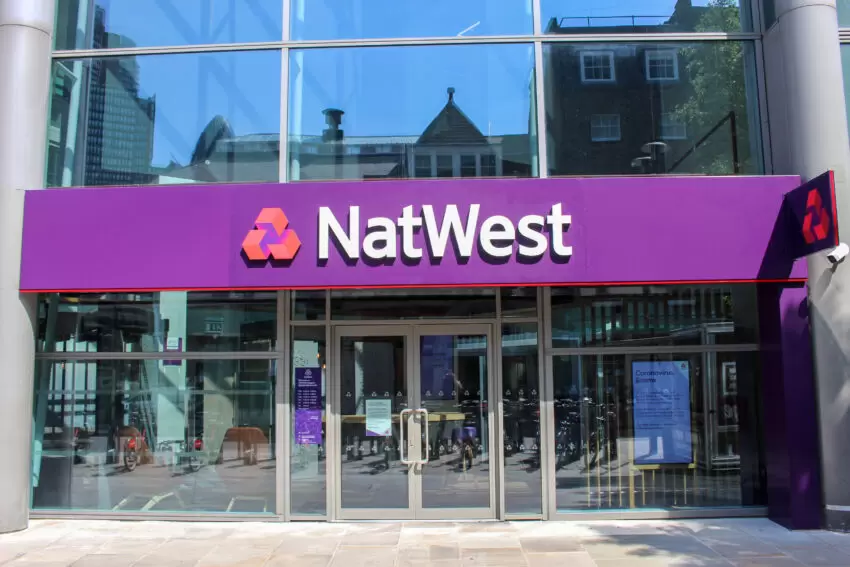
Ministers have set the high street banks on notice. The Treasury has commissioned an independent review into the impact of more than 6,700 bank branch closures across the UK, and has signalled it is prepared to compel lenders to provide face-to-face services where the evidence shows communities and small businesses are being left adrift.
The Access to Banking Review, announced on Thursday by Lucy Rigby, the economic secretary to the Treasury, will be led by Richard Lloyd OBE, the former executive director of consumer group Which? and a one-time interim chair of the Financial Conduct Authority. Lloyd has been asked to report back by October, gathering evidence on where branch withdrawals have bitten hardest, who has suffered most and where new intervention is needed.
The review lands alongside the government’s Enhancing Financial Services Bill, trailed in the King’s Speech, which the Treasury said would arm ministers with powers to “act swiftly if the evidence supports intervention on access to banking services”. In Whitehall parlance, that is unusually direct language — and a clear shot across the bows of an industry that has spent a decade thinning out its physical estate.
A decade of decline
The scale of the retreat is striking. According to consumer champion Which?, 6,719 branches have shuttered since 2015 — an average of roughly two a day. Lloyds Banking Group, NatWest, Barclays, HSBC and Santander have all taken the axe to their networks, with a fresh tranche of more than 130 closures pencilled in for May and June alone.
The economics from the banks’ perspective are not in dispute. Customers have migrated en masse to mobile apps, footfall has collapsed and the cost of running a Victorian-era branch estate has become harder to justify to shareholders. But the human and commercial fallout has been uneven, with rural towns, older customers and cash-reliant small traders disproportionately affected — a pattern Business Matters has tracked over several years and documented in its reporting on more than 6,000 UK branch closures.
Advertisement
Hubs: helpful, but not enough
The industry’s answer has been the shared banking hub: a Post Office counter for everyday cash and cheque needs, with the big lenders taking it in turns to send their own staff into a private room for more complex queries, typically one bank per weekday. Some 234 hubs have opened since April 2021, and Labour pledged in its manifesto to push the total to 350 by 2029.
Yet hubs come with a structural weakness. While the Financial Conduct Authority polices access to cash, there are no statutory rules governing what banking services must actually be provided inside a hub, those decisions remain at the banks’ discretion. The Post Office’s role as the de facto banking partner has been a lifeline for many high streets, but small business owners say the model still falls short on lending conversations, complex account servicing and the kind of relationship banking that used to be taken for granted.
That gap matters. For owner-managers running a café, a building firm or a one-van logistics operation, the disappearance of a local branch is not an inconvenience, it is a productivity tax. Cash takings have to be banked further afield. Loan applications increasingly run through opaque, centralised credit-scoring systems. And the local manager who once knew the business, and could vouch for it, has all but disappeared.
A turning tide?
There are tentative signs the industry is reading the room. Barclays last year began reopening high street branches and reinstating the role of the bank manager, an explicit bet that physical presence, and human judgement, is once again a competitive advantage. Whether that becomes a trend or remains a marketing flourish will depend in no small part on what Lloyd’s review concludes.
Advertisement
Rigby was careful to frame the exercise as evidence-led rather than punitive. “We are supporting industry’s rollout of banking hubs, but we also need a clear picture of where communities are still losing out,” she said. “This independent review will show us where the problems are and what further action may be required, and we will move quickly to legislate where the evidence shows it is needed.”
Lloyd, for his part, signalled an open-door approach. “It’s important to take stock of the impact that the big shift to digital services has already had, and to understand the need for access to in-person banking in the future,” he said. “I hope to hear from as wide a range of views as possible.”
What it means for SMEs
For Britain’s 5.5 million small businesses, the review is more than a consumer issue dressed up in policy language. Access to a banker who understands the trading rhythms of a local economy has historically been a quiet but consequential ingredient in SME growth. Should Lloyd’s report conclude — as campaigners expect — that hubs alone cannot plug the gap, the Enhancing Financial Services Bill gives ministers the statutory teeth to mandate minimum service levels.
That would represent a significant philosophical shift: from leaving branch strategy to commercial discretion, to treating face-to-face banking as something closer to a regulated utility. The banks will lobby hard against any such reframing. But after a decade in which the lights have gone out above 6,700 high street branches, the political mood in Westminster, and the patience of small business owners, is wearing visibly thin.
Advertisement
Amy Ingham
Amy is a newly qualified journalist specialising in business journalism at Business Matters with responsibility for news content for what is now the UK’s largest print and online source of current business news.
The annual survey charts the finances of the 350 wealthiest people in the UK
07:52, 15 May 2026Updated 08:00, 15 May 2026
Sir James Dyson
Tech tycoon Sir James Dyson and family are the wealthiest people in the West of England, the latest Sunday Times Rich List has revealed.
The British inventor retains the top spot for the South West region, despite a 13.5 per cent decline in revenues at Dyson’s consumer electricals group over the past two years, partly due to President Donald Trump’s tariffs.
Advertisement
Sir James, who acquired a 50 per cent stake in Bath Rugby Group earlier this year, is one of the country’s best-known inventors, coming up with the first idea for a new model vacuum cleaner in 1979 and growing his business into one of the world’s biggest household goods firms.
However, over the last 12 months he has seen his wealth drop by £8.8bn – from £20.8bn in 2025 to £12bn. The company employs thousands of people at its base near Malmesbury, in Wiltshire, although it is now headquartered in Singapore.
Elsewhere, Plymouth retail mogul Chris Dawson and his wife Sarah were ranked the second-richest people in the region. The couple who own The Range saw their wealth grow by £50m to £2.65bn, while Peter Hargreaves, co-founder of Bristol-based investment firm Hargreaves Lansdown, saw his wealth jump to £2.325bn.
Chris Dawson, founder of The Range
This year’s list of 350 individuals and families together holds combined wealth of £783.5bn – a sum larger than the annual GDP of Belgium ($776bn), Sweden ($760bn) and Israel ($719bn), according to the Sunday Times. It represents about a quarter of the United Kingdom’s total annual GDP.
Advertisement
Sir Elton John, Lord Lloyd-Webber, Sir Mick Jagger, Keith Richards, JK Rowling, Charlotte Tilbury and Sir Lewis Hamilton all appear in the annual survey.
The rankings are topped by investors Sanjay and Dheeraj Hinduja and family (£38bn) with Newcastle United minority owners David and Simon Reuben second (£28bn), and DAZN majority owner Sir Leonard Blavatnik in third (£26.8bn).
The minimum entry level dips to £340m — another indicator of a subdued year.
Robert Watts, compiler of the Sunday Times Rich List, said: “This year’s Rich List is a tale of two exoduses. One in six of the individuals and families who appeared on the list two years ago don’t feature this time.
Advertisement
“Many foreign billionaires who have been living in the UK have also dropped out because they have moved away. We have also seen a sharp rise in the number of British nationals now resident in Dubai, Switzerland and Monaco. As UK nationals these people remain on our Rich List — wherever they now live.
“These two exoduses pose challenges for the UK economy and its public finances. Will more of the wealthy now set up or grow their ventures overseas and in doing so create fewer jobs here? How much tax – if any – will Rachel Reeves’s Treasury be able to extract from those affluent Brits who have now left the country?”
He added: “This year’s edition shines a light on fortunes made from artificial intelligence, driverless cars and crypto-currencies as well as baby milk, make-up, hoodies and other everyday items.”
The 10 wealthiest in the South West according to Sunday Times Rich List 2026























































You must be logged in to post a comment Login