

Business
Turtle Beach Corporation 2026 Q1 – Results – Earnings Call Presentation (NASDAQ:TBCH) 2026-05-13


Q1: 2026-05-07 Earnings Summary
EPS of -$0.62 misses by $0.17
| Revenue of $42.17M (-34.00% Y/Y) misses by $4.69M

Seeking Alpha’s transcripts team is responsible for the development of all of our transcript-related projects. We currently publish thousands of quarterly earnings calls per quarter on our site and are continuing to grow and expand our coverage. The purpose of this profile is to allow us to share with our readers new transcript-related developments. Thanks, SA Transcripts Team

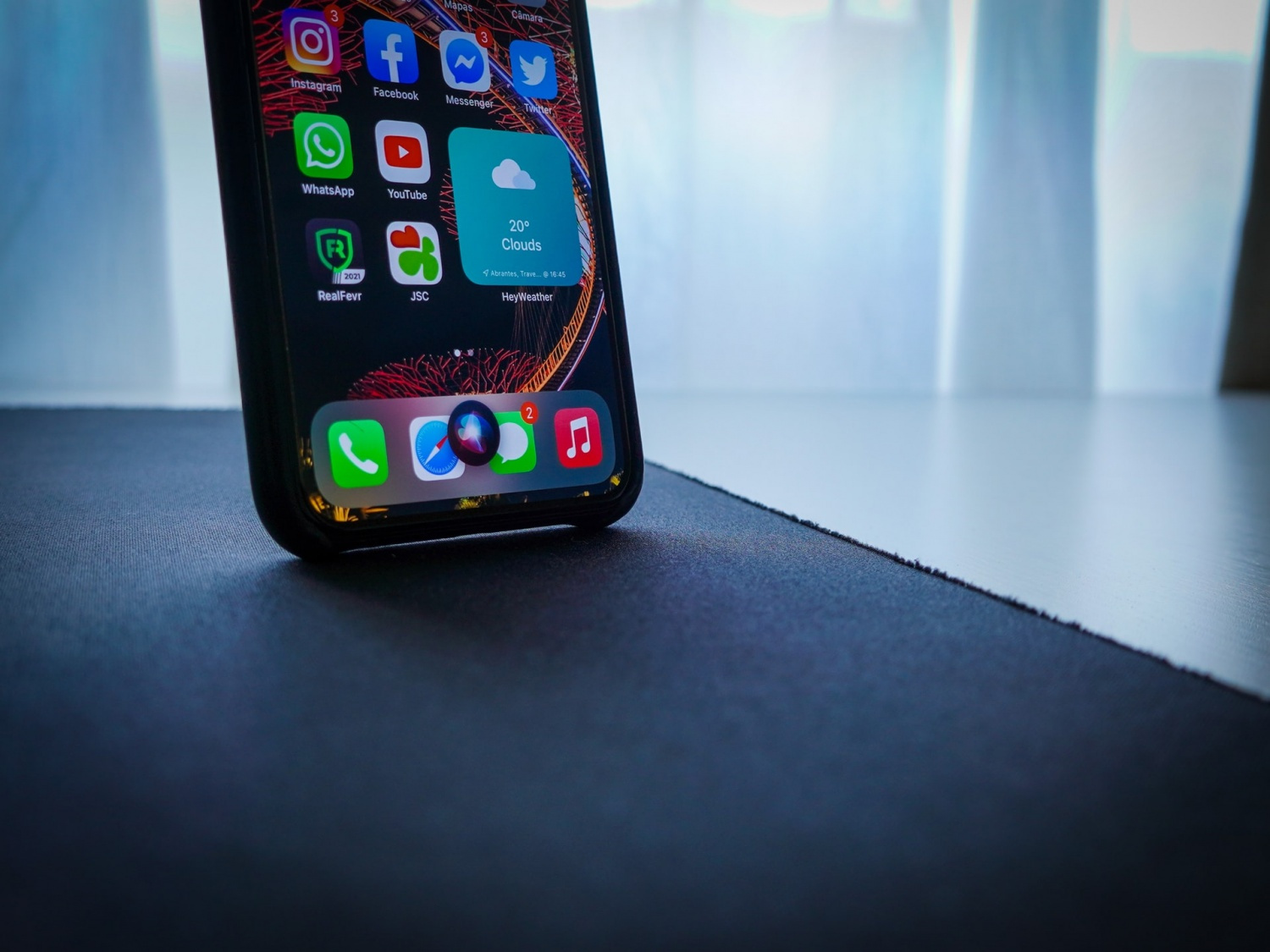
CUPERTINO, Calif. — Apple took a measured step forward in artificial intelligence at its Worldwide Developers Conference on Monday, unveiling a more capable version of Siri that prioritizes on-device processing and user privacy rather than competing directly on raw intelligence with rivals like OpenAI and Google.
The update, part of the broader iOS 27, iPadOS 27 and macOS 27 releases, marks the third major attempt by Apple to revitalize its voice assistant. Early hands-on testing suggests the new Siri can handle multi-turn conversations, cross-reference personal data such as emails and calendars, and execute practical tasks more reliably than previous versions, though it still trails competitors in some advanced capabilities.
Siri AI Delivers on Core Promises
During demonstrations at Apple Park, the updated Siri successfully parsed calendar events from screenshots, diagnosed plant issues from photos, and built reminder lists and calendar entries from natural language prompts. It also consistently read on-screen content when asked to add events, showing improved context awareness.
The Verge, granted hands-on access at Apple Park, described the experience as functional and reliable. “AI Siri is for real this time” and “so far it actually works,” the publication reported after testing features like multi-turn dialogue and proactive suggestions based on personal data.
Apple executives positioned the new Siri as the most trustworthy assistant rather than the most powerful. The system builds a local index of user data from email and messages stored on-device. When cloud processing is required, only relevant fragments are sent to Apple’s Private Cloud Compute servers, which the company says neither retain data nor allow Apple access after the session.
This privacy-first architecture stands in contrast to some competitors that request standing access to user accounts like Gmail or Google Calendar. Apple’s approach aims to give users confidence that their personal information remains protected while still delivering useful assistance.
Technical Foundation and Limitations
The new Siri relies in part on models from Google’s Gemini family for certain capabilities, leading some observers to characterize it as “Gemini, circa 2025.” While not a direct quote from Apple, the integration reflects the company’s strategy of leveraging proven technology while maintaining control over the user experience and data handling.
Current limitations include English-only support at launch, unavailability in the European Union and China due to regulatory reasons, and daily usage caps on server-dependent features. Expanded access requires an iCloud+ subscription in some cases. These constraints narrow the initial audience but align with Apple’s cautious rollout philosophy.
Developer testing began this week, with a public beta expected next month and full consumer release in the fall alongside new hardware. The staged approach is designed to identify and resolve issues before widespread deployment.
Broader Platform Updates
The iOS 27 family brings numerous refinements across Apple’s ecosystem. Performance improvements include faster app launches, enhanced AirDrop transfers and better responsiveness on older devices thanks to an optimized CPU scheduler. Search has been rebuilt with a new index for more relevant Spotlight results.
Photos gains the ability to share iCloud Shared Albums with Android and Windows users. Health receives advanced cycle tracking, while AirPods users will benefit from custom EQ settings. Apple Maps features richer Flyover imagery, and numerous smaller enhancements span Shortcuts, Freeform, Messages and other apps.
The updates extend support back to the iPhone 11 and second-generation iPhone SE, ensuring broad compatibility. This commitment to older hardware has become a hallmark of Apple’s software strategy, extending device lifespans and reducing electronic waste.
Tim Cook’s Legacy in Focus
The WWDC 2026 keynote, reportedly one of Tim Cook’s final ones according to some observers though not officially confirmed, highlighted the tension between Apple’s traditional strengths in privacy and integration and the demands of the AI era.
Cook’s tenure has emphasized execution, supply chain mastery and ecosystem coherence. The AI push tests whether Apple can compete at the frontier of software intelligence rather than simply iterating on proven concepts. The measured approach to Siri AI — focusing on reliability and privacy rather than claiming industry leadership — reflects a philosophy of controlled innovation.
Panel discussions at Apple Park framed the event around both the product launch and its implications for Cook’s legacy. Observers noted Apple avoided buzzwords like “agentic AI” despite their prevalence elsewhere in the industry, choosing instead to demonstrate practical, trustworthy features.
Competitive Landscape
Apple’s strategy differs markedly from rivals. While Google and OpenAI emphasize cutting-edge capabilities and broad access, Apple bets on seamless integration within its hardware-software ecosystem and strong privacy protections. The company does not need to outpace competitors feature-for-feature if users prefer its contained, reliable approach.
Early indications suggest the new Siri performs well for everyday tasks within the Apple ecosystem. Whether this proves sufficient to shift user behavior away from more powerful but less private alternatives will be determined in the coming months after wider release.
User Experience and Privacy Debate
For users already invested in Apple’s ecosystem, the improvements could represent meaningful daily enhancements. Cross-device continuity, on-device processing and careful data handling offer practical benefits that many may value over raw intelligence.
Privacy advocates have welcomed Apple’s emphasis on local processing and limited data sharing. However, independent verification of the company’s Private Cloud Compute claims remains limited, and some experts urge continued scrutiny of these assurances.
The debate reflects broader tensions in the AI industry between innovation speed and responsible development. Apple’s more deliberate pace may appeal to users concerned about data security and unintended consequences of rapidly advancing AI systems.
Market and Industry Implications
The updates position Apple to maintain its premium positioning while addressing long-standing criticisms of Siri. Success could strengthen the company’s services revenue and ecosystem lock-in, key drivers of its financial performance.
Developers will gain new tools and APIs to build experiences that leverage the improved Siri capabilities. The broad platform support across iPhone, iPad, Mac, Watch and other devices creates opportunities for innovative applications that span multiple form factors.
As the public beta approaches and fall release nears, real-world usage data will provide the ultimate test of Apple’s AI ambitions. Early developer feedback and hands-on impressions suggest meaningful progress, though the competitive gap with more advanced systems remains.
Apple’s approach at WWDC 2026 reflects confidence in its privacy and integration strengths while acknowledging the need to deliver functional AI experiences. The new Siri represents progress on previous attempts, focusing on reliability and user trust rather than frontier capabilities.
For millions of Apple users, the updates promise more helpful and private digital assistance integrated across their devices. The coming months will reveal whether this vision resonates strongly enough to shift behavior and solidify Apple’s position in the evolving AI landscape.
The measured strategy aligns with Apple’s long-standing philosophy of delivering polished, user-friendly experiences. As Siri AI moves from keynote demonstrations to everyday use, its real-world impact will shape perceptions of both the product and the company’s direction under Tim Cook’s leadership.

SYDNEY — Australia’s fuel supply situation has shown modest improvement in recent weeks with new shipments secured and retail stock-outs declining, but experts warn the crisis triggered by Middle East conflict is far from over, with potential shortages and higher prices persisting into the second half of 2026.
The government has worked aggressively to diversify import sources and release reserves, yet ongoing disruptions in global oil flows continue to pressure diesel and jet fuel availability. As of early June, national fuel stocks have stabilized above pre-crisis averages in major cities, but regional areas and certain sectors remain vulnerable.
Current Supply Status
Recent data from the Prime Minister and Cabinet’s Fuel Supply Taskforce shows retail availability improving. As of June 3, diesel shortages dropped notably, with stocks in the five largest cities sitting 35% below peak pre-conflict levels but on an upward trend for the fourth consecutive reporting period. Petrol availability has followed a similar path.
The government has secured multiple cargoes, including diesel and jet fuel shipments from South Korea, Brunei, Malaysia and other partners. Energy Minister Chris Bowen has confirmed dozens of vessels en route, with contractual commitments for billions of litres through the coming months. “We have fuel secured into August well through June and July,” Bowen stated in recent briefings.
However, the situation remains fragile. The closure of the Strait of Hormuz and broader conflict impacts have reduced global supply, forcing Australia to rely more heavily on alternative routes and suppliers. Jet fuel stocks, critical for aviation, are particularly monitored, with airlines like Qantas and Virgin Australia adjusting schedules to manage availability.
Government Response and Measures
The Albanese government has implemented several measures to mitigate the crisis. A temporary fuel excise cut was introduced to ease cost-of-living pressures, though it is scheduled to expire at the end of June. Discussions about extending the relief or introducing new support are ongoing as the budget process advances.
Emergency reserves have been released, and the government has lowered fuel quality standards temporarily to increase available supply. Plans for potential rationing in a worst-case scenario have been prepared, including daily purchase limits, though officials emphasize these remain contingency options.
Transport Minister Catherine King has highlighted diplomatic efforts to secure additional supplies from Asian refineries. “We continue to be well positioned,” she said, while acknowledging longer-term risks if disruptions persist.
Impact on Economy and Daily Life
The fuel crisis has ripple effects across multiple sectors. Trucking and logistics operators face higher costs, threatening food supply chains and delivery timelines. Up to 70% of truck drivers could face viability challenges within six months if diesel shortages worsen, according to industry warnings.
Aviation has been affected, with carriers reducing capacity and routes. Farmers are grappling with fertiliser shortages linked to energy costs, potentially impacting food production. Households continue feeling the pinch at the pump, with unleaded petrol prices elevated despite some moderation.
Retail stock-outs have decreased but remain a concern in rural and regional areas. As of early June, around 55 stations nationwide reported no petrol of any grade, with diesel shortages slightly higher.
Expert Warnings and Long-Term Outlook
Energy experts caution that the worst may still be ahead. John Blackburn from the Australian Energy Institute warned that global emergency stockpiles coordinated by the International Energy Agency are expected to run low by July or August. “We’re going to get to a stage globally by July where all those spare emergency stocks are gone,” he said.
The conflict’s duration and resolution will determine the crisis depth. Even if shipping through key routes resumes, recovery could take time. Analysts forecast sustained higher prices and potential rationing discussions if imports lag.
The government maintains the situation is “manageable but serious,” with stocks currently better than at the crisis outset in some categories. However, reliance on imports and vulnerability to global shocks highlight the need for stronger domestic resilience.
Political and Public Response
The fuel crisis has become a political flashpoint, with opposition parties criticizing the government’s preparedness. One Nation has seen polling gains amid voter frustration over cost-of-living pressures tied to energy costs.
Public sentiment remains anxious, with many Australians adjusting travel plans and seeking ways to reduce fuel consumption. The government has urged calm and advised against panic buying, emphasizing secured supplies for the immediate future.
Path Forward and Recommendations
Authorities continue monitoring the situation daily and urge the public to report any unusual activity or information. Motorists are encouraged to fuel up responsibly and plan trips efficiently.
Longer-term solutions under discussion include diversifying energy sources, investing in domestic refining capacity and advancing renewable alternatives to reduce oil dependence. The crisis has accelerated conversations around energy security and strategic reserves.
For now, the focus remains on managing current supplies and mitigating immediate impacts. As winter approaches and seasonal demand patterns shift, careful management will be essential to avoid further disruptions.
The Australian fuel crisis, while showing signs of stabilization through proactive government action and new imports, underscores the country’s vulnerability to global energy shocks. With winter driving needs and potential further international developments, vigilance remains high as the nation navigates this challenging period.
Experts and officials agree that while the immediate outlook has improved, sustained global stability is required for full recovery. Australians are advised to stay informed through official channels and prepare responsibly for any changes in fuel availability or pricing in the months ahead.
The government’s ongoing diplomatic and logistical efforts aim to ensure supply continuity, but the situation serves as a reminder of the importance of energy independence and diversified sources in an increasingly uncertain world.

Emaar Properties plans new Dubai district worth 200b dirhams
Laser Photonics completes anti-drone system prototype

Atossa Therapeutics stock tumbles on $4.5M stock offering

SpaceX Just Got Its First Analyst Ratings

The 2026 FIFA World Cup, the largest in the tournament’s history with 48 teams, begins on Thursday, June 11, when co-host Mexico faces South Africa in Mexico City. The month-long event, co-hosted by Canada, Mexico and the United States, features 104 matches across 16 venues and offers expanded opportunities for advancement to the knockout stages.
The final will be played on July 19 at the New York New Jersey Stadium (MetLife Stadium). Argentina enters as defending champion after its dramatic victory in Qatar in 2022, but a deep and competitive field makes predicting a winner challenging.
Tournament Format and Structure
For the first time, the group stage will be followed by a round of 32, with the top two teams from each of the 12 groups advancing along with the eight best third-placed sides. This expanded knockout format increases the number of matches and gives more teams a realistic path to the later stages.
Group stage matches run from June 11 to June 27. The round of 32 takes place from June 28 to July 3, followed by the round of 16 from July 4 to 7. Quarterfinals are scheduled for July 9 to 11, semifinals on July 14 and 15, the third-place match on July 18 and the final on July 19.
All venues have been temporarily renamed to reflect their host cities for the tournament to limit ambush marketing. For example, MetLife Stadium becomes the New York New Jersey Stadium, and SoFi Stadium is referred to as the Los Angeles Stadium.
Full Group Stage Schedule and Key Fixtures
Thursday, June 11 Mexico vs South Africa, 1 p.m. CST (7 p.m. GMT), Mexico City Stadium, Mexico City South Korea vs Czechia, 8 p.m. CST (2 a.m. GMT Friday), Estadio Guadalajara, Zapopan, Mexico
Friday, June 12 Canada vs Bosnia and Herzegovina, 3 p.m. ET (7 p.m. GMT), Toronto Stadium, Toronto United States vs Paraguay, 6 p.m. PT (1 a.m. GMT Saturday), Los Angeles Stadium, Los Angeles
Saturday, June 13 Qatar vs Switzerland, 12 p.m. PT (7 p.m. GMT), San Francisco Bay Area Stadium, San Francisco Brazil vs Morocco, 6 p.m. ET (10 p.m. GMT), New York New Jersey Stadium, New Jersey Haiti vs Scotland, 9 p.m. ET (1 a.m. GMT Sunday), Boston Stadium, Boston Australia vs Turkiye, 6 p.m. PT (1 a.m. GMT Sunday), BC Place, Vancouver
Sunday, June 14 Germany vs Curacao, 12 p.m. CDT (5 p.m. GMT), Houston Stadium, Houston Netherlands vs Japan, 3 p.m. CDT (8 p.m. GMT), Dallas Stadium, Dallas Ivory Coast vs Ecuador, 7 p.m. ET (11 p.m. GMT), Philadelphia Stadium, Philadelphia Sweden vs Tunisia, 8 p.m. CST (1 a.m. GMT Monday), Estadio Monterrey, Guadalupe, Mexico
The schedule continues through June 27, with key clashes including France vs Senegal, Argentina vs Algeria, Portugal vs DR Congo and England vs Croatia. The expanded format ensures every team plays at least three group stage matches, providing more opportunities for surprises and competitive balance.
Group Breakdown and Favorites
Group A features host Mexico, who open the tournament against South Africa. South Korea and Czechia are expected to battle for the second advancement spot. Mexico’s home advantage at the iconic Estadio Azteca gives them a strong edge in their opener.
Group D includes co-host United States, who face Paraguay in their first match. Australia and Turkiye add depth to what could be a competitive pool. The co-hosts benefit from familiar conditions and passionate support across multiple venues.
Defending champion Argentina headlines Group J alongside Algeria, Austria and Jordan. Lionel Messi’s side enters with high expectations as it seeks a historic back-to-back title.
European powerhouses France, Spain, England, Germany, Netherlands, Belgium and Portugal are spread across different groups, reducing the chance of early heavyweight clashes but ensuring high-quality football throughout the group stage.
Co-Host Advantages and Venue Highlights
The three host nations have invested heavily in infrastructure and fan experiences. Iconic venues such as BC Place in Vancouver, Lumen Field in Seattle and Levi’s Stadium in the San Francisco Bay Area will host matches, providing world-class facilities and vibrant atmospheres.
Mexico City Stadium (Estadio Azteca) opens the tournament with significant historical resonance. The multi-nation format spreads logistical demands but also creates unique travel and adaptation challenges for teams.
Global Anticipation and Viewership
The 2026 edition is projected to draw record audiences, building on the success of previous tournaments. Broadcasters worldwide have secured rights, with extensive coverage planned across television, streaming and digital platforms.
The expanded field allows more nations to participate, increasing global engagement. Teams from all confederations have qualified, promising a diverse mix of playing styles and storylines.
Key Dates to Watch
Beyond the opening match on June 11 and the final on July 19, the round of 32 beginning June 28 marks the start of knockout football. Quarterfinals in early July and semifinals mid-month will determine the finalists, with the bronze match on July 18 providing a consolation fixture for the losing semifinalists.
Preparation and Expectations
Teams have been fine-tuning tactics and squad selections in the lead-up to the tournament. Defending champion Argentina, led by Lionel Messi, enters as one of the favorites, while European sides like France, Spain and England carry high expectations.
Co-hosts Mexico, United States and Canada benefit from home support, though they face competitive groups. Underdogs will look for upsets in what promises to be one of the most open World Cups in recent memory.
The 2026 tournament represents a landmark event for North American football, showcasing the sport’s growth in the region and providing a platform for emerging talents alongside established stars. As the opening match approaches, anticipation builds for what could be a memorable summer of global competition.
Fans worldwide are encouraged to check local listings for broadcast details and plan viewing around time zone differences. The full schedule ensures compelling matches almost daily, with the expanded format delivering more football than ever before in a single World Cup.
The journey from group stage to the July 19 final at the New York New Jersey Stadium will test teams’ depth, adaptability and resilience across three host nations. With 48 teams and 104 matches, the 2026 World Cup offers something for every football fan as the world’s most popular sport takes center stage once again.
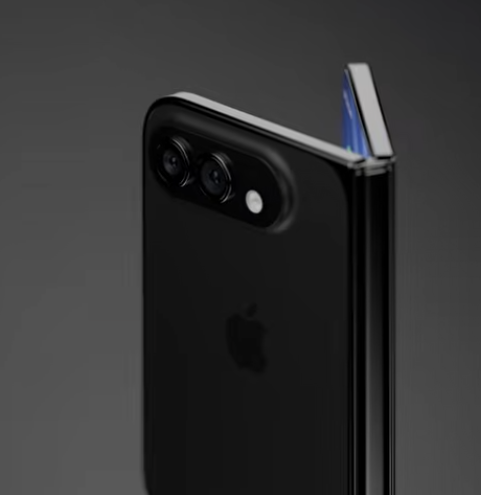
CUPERTINO, Calif. — Apple is on track to launch its first foldable iPhone in September 2026 alongside the iPhone 18 Pro models, according to multiple supply chain reports and analyst forecasts, marking a significant expansion of the company’s premium smartphone lineup.
The device, which may be called the iPhone Fold or iPhone Ultra, is expected to feature a book-style design with a large inner display and a more compact outer screen. Rumors suggest it will aim to minimize or eliminate the visible crease common in competing foldables, positioning Apple as a late but potentially differentiated entrant in the growing foldable market.
Design and Display Details
Supply chain leaks indicate the foldable iPhone will measure approximately 7.7 to 7.8 inches when unfolded, resembling an iPad mini in size and shape. The outer display is rumored to be around 5.3 to 5.5 inches, wider than typical phone screens to accommodate the folding mechanism.
Analyst Ming-Chi Kuo and others have reported that Apple is focusing on a crease-free or minimal-crease design, potentially using advanced hinge technology and specialized display materials. This would address one of the main consumer complaints about current foldables from Samsung, Google and others.
The overall form factor is described as wider when unfolded, offering a more tablet-like experience for productivity and media consumption. Dummy models circulating in recent months show a premium build with refined edges and Apple’s signature attention to detail.
Pricing and Positioning
The foldable iPhone is expected to carry a premium price tag starting above $2,000, reflecting its advanced engineering and positioning as a high-end device. This would place it well above current iPhone Pro Max models, targeting professionals, early adopters and users seeking a versatile device that bridges phone and tablet functionality.
Apple’s strategy appears focused on delivering a polished, reliable product rather than rushing to compete on price or specifications with existing foldables. The device is likely to integrate deeply with the Apple ecosystem, leveraging continuity features across iPhone, iPad and Mac.
Production Timeline and Potential Delays
Recent reports suggest mass production could begin in August 2026, following some engineering challenges that pushed the start date from earlier projections. Despite these adjustments, the launch timeline remains on track for September, with possible limited initial supply.
Bloomberg’s Mark Gurman has indicated the foldable will debut alongside the iPhone 18 Pro and Pro Max, though availability may be constrained at first. This staggered approach would allow Apple to manage production ramp-up while maintaining focus on its core iPhone lineup.
Technical Features and Innovations
Beyond the folding display, the device is rumored to include Apple’s latest A-series or M-series chip for exceptional performance and efficiency. Advanced camera systems, improved battery life and enhanced durability are also expected, addressing common pain points in foldable devices.
The hinge mechanism is a critical area of development, with rumors pointing to the possible use of liquid metal alloys for smoother operation and greater longevity. Under-display sensors and a refined Dynamic Island or fully bezel-less design could further differentiate the product.
Integration with Apple Intelligence features, including enhanced Siri capabilities and on-device AI processing, would align the foldable with the company’s broader software strategy. The larger inner screen could enable new multitasking and productivity experiences not possible on traditional iPhones.
Market Context and Competition
Apple enters the foldable market later than Samsung, Google and Chinese manufacturers, but with significant resources and a loyal customer base. The company’s focus on quality, ecosystem integration and user experience could help it carve out a premium segment rather than competing directly on volume.
Global foldable phone shipments have grown rapidly, though they still represent a small fraction of the overall smartphone market. Apple’s entry could accelerate mainstream adoption, particularly if it delivers on promises of durability and seamless software optimization.
Consumer and Analyst Expectations
Early reactions from analysts and enthusiasts have been positive, with excitement building around the potential for a truly premium foldable experience. The device could appeal to users seeking a single device for both phone and tablet-like tasks, particularly professionals and content creators.
However, the high expected price may limit initial appeal to a niche audience. Supply constraints and the need to prove long-term durability will be important factors in consumer adoption.
Strategic Importance for Apple
The foldable iPhone represents a major evolution in Apple’s product strategy, potentially opening new market segments and reinforcing the company’s innovation leadership. Success could influence future designs across the iPhone, iPad and Mac lines.
Tim Cook and Apple executives have been cautious in public comments, focusing on delivering exceptional user experiences rather than rushing into new categories. The 2026 launch aligns with Apple’s typical cadence for significant hardware advancements.
What to Watch Next
As development progresses, more details are expected to emerge through supply chain reports, regulatory filings and eventual prototype leaks. Apple is likely to maintain secrecy until the official unveiling, building anticipation through subtle hints in software updates and developer tools.
For consumers, the foldable iPhone could represent a compelling upgrade option in fall 2026, particularly for those already invested in the Apple ecosystem. The combination of advanced hardware and polished software has been a hallmark of Apple’s success, and expectations are high for this new form factor.
The iPhone 18 Pro Max and other standard models will launch alongside or shortly before the foldable, creating a robust premium lineup. Apple’s ability to balance innovation with reliability will be key to the product’s reception and long-term impact on the smartphone industry.
As the rumors continue to build, the foldable iPhone stands as one of the most anticipated consumer electronics releases of 2026. Its success could reshape how users think about mobile devices, bridging the gap between smartphones and tablets in meaningful new ways.
Industry observers will be watching closely for confirmation of specifications, pricing and availability as the year progresses. For now, the latest reports paint a picture of an ambitious but carefully executed project that could define Apple’s next chapter in hardware innovation.

Close up of coastline near Palos Verdes
Post_insignem | Istock | Getty Images
A version of this article first appeared in CNBC’s Inside Wealth newsletter with Robert Frank, a weekly guide to the high-net-worth investor and consumer. Sign up to receive future editions, straight to your inbox.
The SpaceX IPO is expected to mint thousands of new millionaires and multiple new billionaires. While current and former employees won’t be able to sell their shares right away, some are already planning how to spend their windfall.
That newfound wealth could have a ripple effect across the luxury property markets near SpaceX’s office hubs and boost spending on watches, private jet charters and other status symbols, experts told CNBC.
Real estate agent Gerard Bisignano said he has recently received inquiries from several long-time SpaceX employees looking for homes in the South Bay area of California. They range in age from their mid-30s to early 40s, he said.
“They seem to be in a state of disbelief themselves that they’re suddenly going to be able to, in some examples, buy a home for their parents. They’re going to have all this discretionary income that they can really do what they want,” said Bisignano, a partner at Vista Sotheby’s.
SpaceX’s California office is a short drive away from the wealthy coastal communities of Manhattan Beach, Redondo Beach, Hermosa Beach and Palos Verdes Estates. Bisignano said he expects many SpaceX employees to snap up high-end homes in the area. He noted there was a similar buying spree in the neighborhoods around the Facebook headquarters after that company’s IPO in 2012, with home values there jumping 21%.
Bisignano said he also anticipates an influx in interest for second homes in other scenic California locales like Mammoth Lakes, Palm Springs and Tahoe.
Texas real estate agent Gary Dolch said he’s seeing similar interest from SpaceX employees in the greater Austin area, with SpaceX’s Bastrop campus located roughly 30 miles from downtown Austin. Some plan to buy soon after taking a margin loan, while others are waiting for the IPO lockup period to end, he said.
Prospective homebuyers’ tastes run the gamut from luxury condos on Lake Austin or Lake Travis to 1,000-acre ranches farther from the city, Dolch said. He added that he’s optimistic that the IPO will boost the luxury market in Austin, which has softened over past three to four years.
“It feels like we’re on the verge of the next wave in Austin’s expansion fueled by this tech run,” he said.
The newly wealthy rarely stop their spending spree at a dream home, Bisignano said. He expects buyers to vie for homes with four-car garages to fit their brand new Ferraris.
And while sports cars are a popular choice, luxury watches are a more practical status symbol for every day use.
Paul Altieri, CEO and founder of Bob’s Watches, said a watch is often the first luxury purchase after a major liquidity event. He said customers usually opt for Rolexes as they are instantly recognizable. Models like the Daytona, GMT-Master II and Submariner are most popular, he added.
“The watch becomes a reminder of that accomplishment every time they put it on,” he said. “The stock certificate stays in a brokerage account. The watch goes on your wrist.”
John Shmerler, CEO of The 1916 Company, a luxury watch and jewelry retailer, said customers who have been waiting for years are often willing to pay a premium for pre-owned timepieces by trophy brands like Patek Philippe and F.P. Journe.
The splurge doesn’t stop there. While some SpaceX employees may have already flown first class, the IPO will enable many to fly private.
D.J. Hanlon, executive vice president of sales at Flexjet, and Kolin Jones, founder and CEO of Amalfi Jets, said their private jet companies have seen recent inquiries specifically related to the SpaceX IPO.
Jones said clients are already chartering jets to celebrate the occasion with a trip.
The top choice for celebrating a liquidity event is Las Vegas, especially for younger fliers traveling without children, Jones said. Miami and Cabo San Lucas, Mexico, are also popular destinations.
Fliers looking to take the entire family on vacation, however, lean toward Aspen, Colorado, and Yellowstone National Park, Jones said. And Disney World is a classic choice for local families with young children who want to avoid the hassle of airport security, he added.
With newly wealthy customers, the Amalfi Jets sales team sometimes receives follow-up calls from wealth managers asking to cancel their clients’ charter or downgrade to smaller jets, Jones said.
“It is sometimes comical to see the clients arguing with their wealth manager, saying, ‘No, it’s my money, I want the Gulfstream,’” he said. “There’s going to be a lot of people that are flying private for the first time, and I think it’s going to be a really fun spending spree.”
Business
Explained: How SpaceX’s $75 billion IPO could create opportunity for Inox India shareholders

The excitement around SpaceX’s public listing has already spilt over into INOX India’s stock. Shares of the company have surged 25% over the past month and have gained in seven of the last eight trading sessions.
The frenzy surrounding SpaceX’s IPO, which reports suggest was oversubscribed nearly four times, has prompted investors to look beyond the headline-grabbing U.S. listing and identify potential beneficiaries closer home. For many, INOX India appears to fit that bill. But what exactly is the connection?
Inox’s aerospace push
During its Q4 earnings call, the company disclosed that it had secured a significant aerospace order from a leading U.S.-based private space company. The total order value is approximately Rs 200 crore. Management said it expects additional high-value orders in the first quarter of FY27.
“This order is a direct outcome of our proven execution capabilities and reinforces the growing confidence that global aerospace players have in INOX India’s engineering expertise,” the company said.
“Aerospace cryogenic systems are not short-term trends, but a long-term structural opportunity. We believe that INOX India is well-positioned to capitalise on these opportunities through its engineering expertise, diversified capabilities, and expanding global presence and footprint,” the company added.
Can Inox India shares rally more?
According to Sunny Agrawal, Head of Research at SBI Securities, investor interest in INOX India has picked up significantly ahead of the SpaceX listing. Beyond aerospace, the company is also expanding into segments such as data centres, nitrogen supply and distillery kegs, providing additional growth levers.

“Management has guided for 15-20% growth per year, and after the recent rally, the stock is trading at a relatively rich valuation of about 56 times one-year forward earnings,” Agrawal said. He believes investors may be better off waiting for a correction before making fresh purchases. “Investors may consider waiting for a correction before fresh entry, as some profit-taking and a cooling-off in the stock could follow once SpaceX gets listed,” he added.
SpaceX IPO
The much-anticipated SpaceX IPO is scheduled to be priced on June 11, with trading set to commence on the Nasdaq on June 12. The company is looking to raise $75 billion through the offering, which would value the business at approximately $1.75 trillion.
Despite the enormous investor enthusiasm, SpaceX remains loss-making. For 2025, the company reported revenue of $18.67 billion and a net loss of $4.94 billion. Much of the bullishness around the stock is tied to its future opportunities across satellite broadband, launch services, defence contracts and AI-related businesses rather than its current earnings profile.Not everyone is convinced by the valuation, however. Morningstar said in a note published on Monday that the company appears “significantly overvalued” and suggested that investors may find more attractive entry opportunities after the stock begins trading.
Inox India Q4 snapshot
INOX India reported a strong performance for the fourth quarter of FY26, with revenue rising 24.2% year-on-year to Rs 475 crore. Adjusted EBITDA grew 13.4% to Rs 108 crore, while adjusted profit after tax (PAT) increased 9% to Rs 72 crore compared with the corresponding quarter last year.
Exports continued to be a key growth driver, with export revenue standing at Rs 291 crore and contributing 61% of total quarterly revenue. During the quarter, the company secured order inflows worth Rs 504 crore, taking its total order backlog to Rs 1,514 crore.
For FY26, INOX India delivered its highest-ever annual revenue of Rs 1,632 crore, up 21.2% year-on-year. Adjusted EBITDA rose 20.2% to Rs 388 crore, while adjusted PAT increased 19.3% to Rs 261 crore. Annual export revenue came in at Rs 971 crore, accounting for 59% of total revenue, reflecting sustained strength in international demand throughout the year.
INOX India shares have risen 64% since the start of the year.
(Disclaimer: Recommendations, suggestions, views and opinions given by the experts are their own. These do not represent the views of The Economic Times)

Legacy Of Atlantis Is A Vivid, High-Pace Remake Of A Classic

FIFA World Cup 2026 Irish Kick-Off Times

I Got A Gold Digger On Financial Audit | Caleb Hammer Clips



-

 Fashion6 days ago
Weekend Open Thread: Evereve – Corporette.com
-
 Crypto World6 days ago
Jensen Huang Approves Samsung, SK Hynix, and Micron for NVIDIA (NVDA) HBM4 Memory Supply
-
 Entertainment4 days ago
The Best Mystery Series of All Time Is Surging on Streaming 30 Years After It Ended
-

 Crypto World3 days ago
Anatomy of the June crypto crash: Fed, Iran, Saylor
-

 NewsBeat4 days ago
Alexander Zverev wins the French Open to finally earn a 1st Grand Slam title
-

 Tech5 days ago
Suspicious Polyfill login prompts pop up on Toshiba, Muji websites
-
 Crypto World5 days ago
Senator Cynthia Lummis Calls CLARITY Act the Most Consequential Financial Legislation of This Generation
-

 Tech4 days ago
Microsoft unveils seven homegrown AI models in new bid for ‘long term self-sufficiency’
-

 Tech6 days ago
Microsoft launches MXC, an OS-level sandbox for AI agents, with OpenAI and Nvidia already on board
-

 Business6 days ago
(VIDEO) Justin Bieber Delivers Surprise Happy Birthday Serenade to Diners at Los Angeles Mexican Restaurant
-
 Business4 days ago
The Pain Points Taking a Fragile Tech Rally Down a Notch
-

 Business3 days ago
High Stakes for Wembanyama as New York Pushes for 3-0 Lead
-
 Crypto World3 days ago
Eli Lilly (LLY) Stock Surges 4% Following Breakthrough Sleep Apnea Trial Results
-

 Tech5 days ago
Von der Leyen’s AI envoy pick draws conflict-of-interest fire
-

 Tech6 days ago
Meta steals a tactic from Tesla and builds data centers in tents
-
Crypto World6 days ago
LBank Surpasses 25 Million Users Worldwide as AFA Partnership Continues to Drive Global Growth
-

 Tech5 days ago
Hackers now exploit SolarWinds Serv-U flaw to crash servers
-

 Crypto World4 days ago
Trump’s AI Ownership Plan Could Benefit Anthropic at OpenAI’s Expense
-
 Sports2 days ago
Bangladesh beat Australia after 20 years in ODIs, register only their second win over six-time world champions | Cricket News
-
 NewsBeat4 days ago
Alexander Zverev conquers demons and outlasts Flavio Cobolli to win French Open for first major title
You must be logged in to post a comment Login