

Business
What UK Businesses Need to Know Before Specifying Acoustic Ceiling Treatment


The way commercial spaces are designed has changed considerably in recent years. Businesses across the UK, from hotel groups and restaurant operators to recording studios and corporate office developers, are investing in acoustic ceiling treatment as a standard component of their fit-out rather than an optional upgrade.
At the centre of that shift is fabric ceiling installation, a specialist system that delivers both acoustic performance and a premium visual finish that alternatives simply cannot match.
This article covers what fabric ceiling installation involves, why UK businesses are specifying it, and what to consider before commissioning the work.
What Is a Fabric Ceiling Installation?
A fabric ceiling installation uses a precision aluminium track frame fixed to the ceiling structure, with an acoustic infill core installed within the frame and an acoustically transparent fabric stretched across the face to produce a seamless, unbroken surface. Unlike a traditional suspended ceiling grid with modular tiles, a fabric ceiling produces no visible joints, no panel edges, and no exposed fixings. The result is a continuous ceiling surface that looks intentional and considered rather than functional and utilitarian.
The fabric face is acoustically transparent by design, meaning sound waves pass through the material and into the infill core behind it, where the energy is absorbed rather than reflected back into the room. This is what gives the system its acoustic credentials. Hard ceiling surfaces, whether plaster, concrete, or standard ceiling tiles, reflect sound back into the space, increasing reverberation times and creating echoes that affect the quality of communication, concentration, and experience within the room.
A correctly specified fabric ceiling addresses this directly. By absorbing sound at the ceiling plane, which is typically the largest unobstructed reflective surface in any room, the system reduces reverberation times measurably and creates a noticeably more comfortable acoustic environment for everyone in the space.
Why Businesses Are Choosing Fabric Ceiling Installation
The reasons businesses are moving towards fabric ceiling installation over alternative acoustic treatments come down to three factors: acoustic performance, visual quality, and long-term value.
In terms of acoustic performance, a fabric ceiling installation with the correct infill core delivers sound absorption ratings that match or exceed those of most alternative ceiling systems. NRC ratings close to 1.0 are achievable with the right specification, meaning the system absorbs almost all sound energy that reaches the ceiling surface rather than reflecting it. For environments where the quality of communication or listening is directly tied to business outcomes, such as boardrooms, hotel conference suites, post-production facilities, and client-facing showrooms, this level of performance justifies the investment.
In terms of visual quality, no other acoustic ceiling treatment produces a finish comparable to that of a properly installed fabric ceiling. There are no visible tiles, no exposed grid, no shadow lines between panels, and no fixings. The ceiling reads as a single, continuous surface, elevating the perceived quality of the entire space. In hospitality environments, high-end offices, and retail interiors, this matters enormously. Customers and clients form immediate impressions based on the quality of the environment they enter, and a premium-looking ceiling directly contributes to that perception.
In the long term, fabric ceiling systems are built to last. When properly specified and installed, the system has a lifespan of fifteen to twenty years or more. The fabric can be replaced without removing the underlying track and infill structure, and access panels can be incorporated into the design to maintain services concealed behind the ceiling surface.
Where Fabric Ceiling Installation Is Specified
Fabric ceiling installation is specified across a wide range of commercial and professional environments in the UK.
Recording studios and post-production facilities represent the most acoustically demanding application. In these environments, the ceiling treatment is a critical part of the room’s acoustic design, working alongside wall panels and bass traps to achieve the precise reverberation time targets the room requires. Fabritech has completed fabric ceiling installations in facilities for Abbey Road Studios, Netflix, Apple, and Spotify, where the acoustic performance requirements are among the most exacting in the industry.
Hotels and hospitality venues are an increasingly significant market for fabric ceiling installation. Conference suites, restaurant dining rooms, event spaces, and hotel lobbies all benefit from controlled acoustics, and the premium visual finish of a fabric ceiling aligns with the design standards that guests expect in high-end hospitality environments.
Commercial offices and workspaces have seen growing demand for acoustic ceiling treatment since the shift to open-plan layouts accelerated. The ceiling is often the largest untreated acoustic surface in an office, and addressing it with a fabric ceiling installation can significantly reduce background noise, improve speech clarity across meeting and collaboration zones, and create a more productive working environment.
Home cinemas and private screening rooms represent the residential end of the market, where homeowners commissioning dedicated cinema rooms increasingly specify fabric ceiling installations as part of a complete acoustic and visual treatment package.
What to Consider Before Commissioning Fabric Ceiling Installation
For any business considering fabric ceiling installation, there are several practical factors to work through before the project begins.
Acoustic brief and performance targets should be established early. The specification of the infill core, track depth, and coverage area is determined by the acoustic targets for the space, whether that means meeting a specific reverberation time, achieving a defined NRC rating, or simply improving the general acoustic comfort of the environment. Engaging the installer at the design stage, rather than after the main contractor has finished, produces significantly better results.
Fire compliance is non-negotiable. All fabrics used in commercial ceiling installations must meet UK building regulations and be assessed against the European standard EN 13501-1. Any reputable fabric ceiling installer will provide full fire rating documentation for all specified materials before installation begins and should be able to advise on the appropriate classification for the specific building type and use.
Fabric selection affects both the acoustic outcome and the visual finish of the installation. Fabritech holds direct accounts with leading acoustic fabric manufacturers including Kvadrat, Camira Fabrics, and Guilford of Maine, giving clients access to a wide range of colours, textures, and performance-rated materials. The specified fabric must be acoustically transparent to ensure the system performs correctly, and all materials must carry the appropriate fire ratings for the environment.
Specialist installation is essential. Fabric ceiling installation is not a standard fit-out trade. The track fabrication, infill specification, and fabric stretching processes require specialist knowledge and experience to be delivered correctly. Incorrect installation results in uneven fabric tension, acoustic inconsistencies, and a finished ceiling that falls short of both its visual and acoustic potential.
Working With a Specialist
is a UK specialist in fabric ceiling installation for commercial, professional, and residential environments. As preferred installer for Studio Creations and Westwood Joinery, the UK’s leading studio construction companies, Fabritech delivers fabric ceiling systems for recording studios, post-production facilities, hotels, commercial offices, and high-end residential projects across the UK. For project enquiries and specification advice, visit fabritech.co.uk/services/fabric-ceiling/.

Business
Why Machinery Faults That Go Unreported by Employers Create Serious Legal Liability After an Injury

Industrial workplaces rely heavily on machines that are expected to run safely and efficiently every day. When something starts to go wrong, even in small ways, it can quickly turn into a serious hazard for workers on the ground.
This is where industrial accident claims often come into the picture, especially when employers knew about machinery issues but failed to address them. These situations are not just about equipment failure, but also about whether proper care and responsibility were taken to prevent harm. In many cases, the outcome of an injury depends on what was known, reported, and ignored before the accident happened.
How Machinery Faults Develop in the Workplace
Equipment failures usually don’t happen all at once. Most of the time, there are warning signs first—strange noises, small leaks, or machines running hotter than normal. These issues can seem minor at the start, but if they’re ignored and regular maintenance isn’t done, they can turn into much bigger problems. Over time, what could have been a simple repair may end up causing a major breakdown on the job.
Why Employers Sometimes Fail to Report Machinery Issues
Sometimes machinery problems go unreported because employers don’t want to slow down production or deal with costly downtime. Other times, the issue comes down to poor communication or weak safety procedures, which can cause important problems to be overlooked. Some workers may also hesitate to speak up if they feel their concerns won’t be taken seriously. When that happens, equipment issues can sit unresolved and eventually become much more serious.
The Connection Between Unreported Faults and Workplace Injuries
When machinery problems aren’t reported, they can become serious safety risks in the workplace. This is especially true for equipment that is used every day and operates under heavy workloads. What starts as a small issue can quickly grow into a much larger problem if it isn’t addressed early.
Sudden Equipment Failure During Operation
When a known fault is not repaired, the machine can fail without warning while in use. This often puts workers in immediate danger because they have no time to react or move to safety.
Hidden Risks That Workers Cannot See
Some mechanical issues are not visible on the surface, making them even more dangerous if not reported. Workers may assume the equipment is safe, only to be exposed to risks that have already been identified but ignored.
Legal Liability When Employers Ignore Known Risks
When employers ignore known machinery risks, they can be held legally responsible for any resulting injuries. This is because they have a duty to provide a safe working environment and address hazards once they are identified. If it is shown that they failed to act on clear warning signs, liability can extend to medical costs, lost income, and other damages related to the injury.
How Accident Claims Are Affected by Maintenance Records
Maintenance records often play a key role in how accident claims are evaluated, since they help show whether proper safety procedures were followed before an injury occurred.
Maintenance Logs as Evidence of Responsibility
Maintenance logs can show whether an employer regularly inspected and repaired machinery as required. When these records are complete and consistent, they can demonstrate that reasonable safety steps were taken before the accident.
Records That Reveal Prior Known Issues
Sometimes maintenance reports show that a problem was identified before the accident. If the employer failed to fix it in time, it can become strong evidence that the injury could have been prevented.
Why Workers Should Not Ignore Early Warning Signs
Workers should pay attention to early warning signs because small issues with machinery can quickly turn into serious hazards. Reporting unusual sounds, malfunctions, or unsafe conditions early can help prevent accidents. Even if nothing changes right away, having a record of these reports can be important later in accident claims.
Conclusion
In the end, unreported machinery faults are not just technical oversights; they are safety issues that can have life-changing consequences for workers. When employers fail to act on known risks, the responsibility often becomes a major factor in industrial accident claims, especially when injuries could have been prevented. Staying alert, reporting issues early, and maintaining proper safety systems all help create a safer workplace for everyone involved.
Business
LARRY KUDLOW: The Mamdani-AOC antisemitic tail is now wagging the entire Democratic Party dog
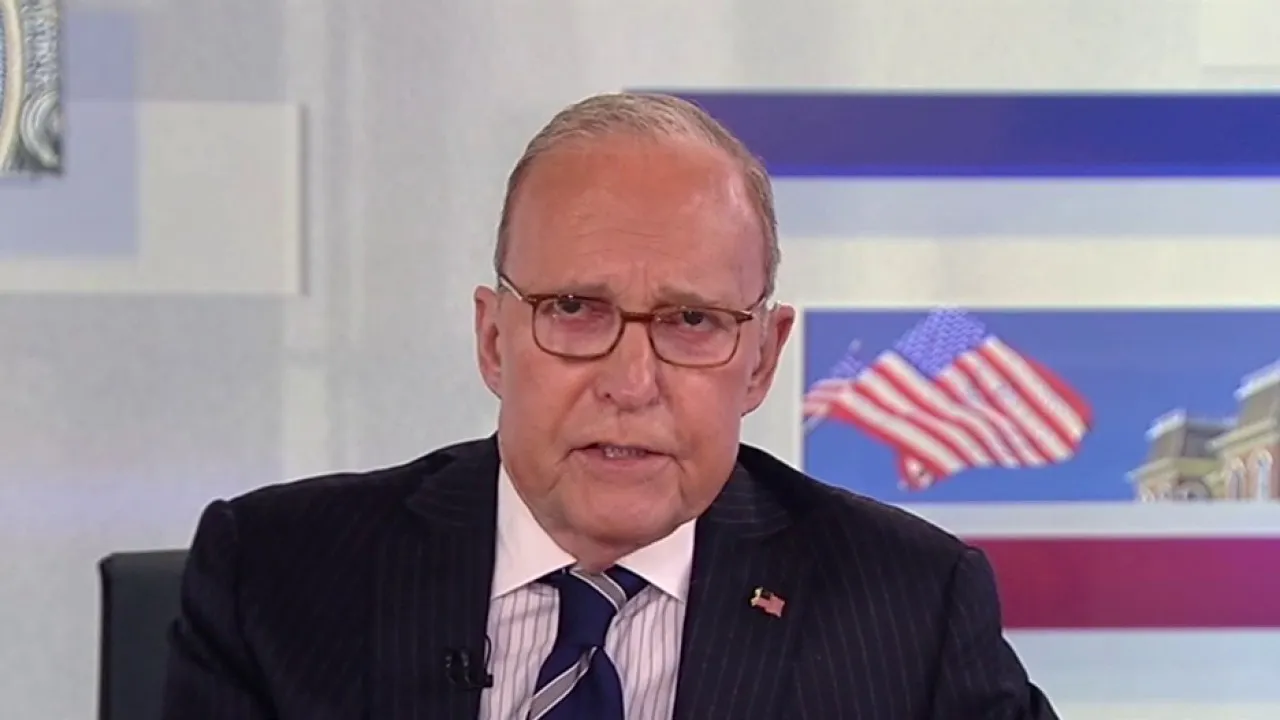
FOX Business host Larry Kudlow discusses concerns over antisemitism and the future of the Democratic Party on ‘Kudlow.’
Days after the Mamdani-DSA socialist or communist victories in New York City, there was all manner of punditry speculation about a populist revolt, the breakdown of conventional political organizations, I guess in this case the Democratic party. Economic worries about affordability and probably other factors that undoubtedly have some merit.
Yet to me, and I want to be very clear about this, the single strongest animating fervor that unites this Mamdani socialist movement is antisemitism, a hatred of Jewish people, and a desire to eliminate the state of Israel. And that includes the diversity, equity, and inclusion, or DEI movement, which in many ways is the progenitor of this scourge of antisemitism.
Just look at any of these socialist mayors and their fellow travelers in New York of course, but don’t forget Los Angeles, Seattle, Chicago, the odd Senate race in Maine, and the other crackpot Senate candidate in Michigan. And you will find a constant refrain attacking Israel, trying to explain away the horrific barbaric slaughter in Israel on October 7, 2023. Even defending Hamas who made the slaughter.
One candidate here in New York, Darializa Avila Chevalier, organized a pro-Palestine rally at Columbia University the day after the horrific Israeli attack by Hamas. Just scroll through their tweets and other communications and you’ll see constant references, against Jews, against Israel, in favor of Hamas, or any of the anti-Israeli terrorist groups, somehow all in the name of Palestine, which is actually a place that exists only in the imagination of these far-left radicals.
How ironic that Israel itself enjoys commercial, trading, and business, even governance with large parts of Palestine, and the Arab communities who live on the West Bank, all of this unbeknownst to these crazy American antisemites. And they’d rather talk about all of that than anything positive ever about America. Indeed, whether it’s wiping their hands on the American flag, or blaming America for 9/11, or denying Holocaust standards, or arresting Benjamin Netanyahu. You could almost say antisemitism is not only the animating force behind this Mamdani socialism, it’s almost the only force. Yet, on the economic side, there is an aha moment.
Senior political advisor to President Donald Trump James Blair discusses the GOP’s strategy for the upcoming midterms, focusing on rallying low propensity voters on ‘Kudlow.’
The latest agenda published by the national DSA includes abolishing the United States Senate, defunding the military, open borders, universal amnesty for illegal immigrants, national takeover of large corporations, defunding the police, free government everything, including all healthcare and including abortions, voting rights for criminals, confiscatory taxation of wealth and income, and penalizing business wherever possible. Plus, stacking the Supreme Court.
So as President Trump said it’s hard to know if this is socialism or communism or whatever. As he put it: “Well, they’re going radical left.” He added: “You know, you talk about the Democrat socialists,” but “it’s really communists. That’s these people. I watched that woman last night. That’s not a socialist. I know socialist.” He concluded: “that woman is a communist.”
Well whatever ism, I know one: it is antisemitism. And thus far we are seeing virtually nothing about men and women of goodwill in politics or business or anywhere who have the courage to stand up to this antisemitism.
It will presumably be up to the Republicans this autumn in the midterm elections to draw a very clear contrast with this new Mamdani-AOC socialist tail that is suddenly wagging the entire Democratic party dog. Yet it will not be sufficient to merely disagree on their crazy economics, or their border, or their security, or their hatred of our military. The issue of hate and bigotry of any kind, and yes of course antisemitism, must be ended. Full stop.

A door opening into traffic while someone is distracted might seem like a minor mistake at first, but it can quickly lead to a much bigger problem than just a scratch or dent.
In busy streets, even a split second of inattention can put cyclists, motorcyclists, or passing drivers at serious risk. That is why cases like this often raise questions about responsibility and next steps, which Taylor King Law helps people better understand when they are dealing with unexpected accidents. What looks small on the surface can lead to injuries, insurance issues, and a stressful aftermath no one planned for.
How a Simple Door Opening Becomes a Traffic Hazard
A simple door opening can become a traffic hazard when a driver or passenger fails to notice approaching vehicles, cyclists, or motorcycles before stepping out. In that brief moment of distraction, the open door can suddenly block a lane, leaving others with very little time to react. What feels routine in a parked car can quickly become dangerous on a busy road.
Why Distraction Plays a Bigger Role Than People Think
Distraction plays a bigger role than most people realize because it only takes a few seconds of lost attention to miss something important in traffic. Whether it is a phone, a conversation, or simply rushing, that small lapse can prevent someone from noticing an oncoming cyclist or car. In situations like this, people often assume they were being careful, but their awareness was not fully on the surroundings.
The Types of Damage That Go Beyond a Dent
In many cases, when a door hits a person or a car, or when a door opens into traffic, that very impact can result in more than just a minor dent. In fact, the accident that appears to be very insignificant initially might result in bodily injuries, loss of money, and prolonged issues.
Physical Injuries to Cyclists and Motorists
A sudden door opening can cause serious injuries, especially to cyclists or motorcyclists who have little time to react. Even at low speeds, the impact can lead to falls, fractures, or head injuries that require medical attention and recovery time.
Vehicle Damage and Repair Costs
, the force of a door impact can damage mirrors, frames, or other parts of a vehicle. Repair costs can add up quickly, especially if multiple panels or safety components are affected.
Insurance Complications and Claims Disputes
Something that initially seems like a small incident may end up as a very complicated insurance claim with lots of questions about who was responsible and who will pay. Problems in getting the claim processed, or disagreements about the claim, are common, especially when injuries or more than one person are involved.
Emotional Stress and Disruption
These incidents can also leave people shaken, particularly if someone is injured or traffic is disrupted. The stress of dealing with medical visits, repairs, and insurance calls can linger long after the accident itself.
Who May Be Responsible in These Situations
Responsibility in accidents involving the opening of car doors may largely hinge on whether the driver or passenger confirmed the absence of oncoming traffic before opening the door. Quite often, the one who opens the door might be deemed responsible, for instance, if they did not make sure it was safe to open. Yet, both the details of the situation and the road regulations in the area may influence how the fault is ultimately determined.
How These Incidents Affect Insurance Claims
Door accidents add an extra layer to insurance claims because adjusters have to determine who is really at fault. A small injury or a minor scratch on the door can escalate a claim to include medical bills, car repairs, and driver, passenger, or third-party liability issues. As a result, getting the damages paid can take a series of conversations and debates between the parties.
What People Should Do Immediately After a Dooring Incident
Dooring incidents. After a dangerous dooring incident, your first concern has to be making sure everyone is safe, then taking a look at any possible injuries, even if they are so minor you wouldn’t think they would be.
How to Prevent Dooring Accidents in Everyday Situations
Preventing dooring accidents often comes down to small habits that make a big difference in everyday situations. With a bit more awareness and consistency, drivers and passengers can greatly reduce the risk of harming others on the road.
Check Before Opening the Door
Make it a habit of briefly checking your side mirror and looking back over your shoulder before you open the door. This small stop can save your life!” for at-risk persons. Notice that this glance can help you notice a cyclist, motorcycle, or car that might not be in the very first line of your sight.
Use the Opposite Hand Technique
If you open the door with the hand opposite the handle, it naturally causes your body to turn around and look back. You will be more aware of the traffic behind you and less likely to open the door in the path of another person.
Open Doors Slowly and Carefully
Avoid swinging the door open quickly, especially in busy streets or parking areas. A slower, controlled movement gives you more time to react if something is coming.
Be Extra Cautious in High Traffic Areas
When in a traffic jam or in locations with bicycle lanes, being especially cautious before getting out of a car is essential. Spending a couple of moments to check the surroundings can help prevent some accidents that are very easy to prevent.
Conclusion
Door-related accidents may seem minor at first, but they can quickly lead to injuries, insurance disputes, and stress that goes far beyond a simple dent. Staying alert and building small habits of awareness can go a long way in preventing these incidents and keeping everyone safer on the road. When questions about responsibility or next steps arise, Taylor King Law can help people better understand their options and what they can do moving forward.

Rep. Troy Downing, R-Mont., joins Mornings with Maria to discuss President Donald Trump’s decision to cancel a housing bill signing until the Senate advances the SAVE America Act.
Mortgage rates ticked slightly higher this week, but were little changed, mortgage buyer Freddie Mac said on Thursday.
Freddie Mac’s latest Primary Mortgage Market Survey, released Thursday, showed the average rate on the benchmark 30-year fixed mortgage rose to 6.49% from last week’s reading of 6.47% and 6.52% the week before last.
The average rate on a 30-year loan was 6.77% at this time a year ago.
HOUSING AFFORDABILITY UNLIKELY TO RETURN TO MORE FAVORABLE LEVELS OF THE PAST, ECONOMIST SAYS

Mortgage rates ticked slightly higher in the last week, according to Freddie Mac. (Daniel Acker/Bloomberg via Getty Images)
“The average 30-year fixed mortgage rate was little changed this week at 6.49%,” said Sam Khater, chief economist at Freddie Mac.
“Rates have remained relatively stable over the last six weeks. Meanwhile, purchase activity eased modestly and eased modestly and refinance activity has continued to pick up recently, reflecting borrowers’ responsiveness to current rate levels,” Khater added.
The average rate on a 15-year fixed mortgage also moved slightly higher, rising to 5.84% as of Thursday. That’s an increase from last week’s reading of 5.81%, though it remains below the average rate of 5.89% from a year ago.
INCOME NEEDED TO AFFORD A MEDIAN-PRICED HOME HAS NEARLY DOUBLED SINCE 2020, REPORT FINDS
Mortgage rates are affected by several factors, including the Federal Reserve and geopolitics. Although mortgage rates aren’t directly affected by the Fed’s interest rate decisions, they closely track the 10-year Treasury yield. The 10-year yield hovered around 4.4% as of Thursday afternoon.
The latest mortgage data comes a little over a week after the Federal Reserve voted to hold its benchmark interest rate steady at a range of 3.5% to 3.75% amid concerns about stubbornly high inflation that has trended higher due to the Iran war constraining oil supplies.
Fed policymakers voted unanimously to hold rates steady because of the elevated inflation following newly-minted Fed Chair Kevin Warsh’s first policy meeting as the central bank’s leader. Their economic projections on the so-called “dot plot” showed nine members of the 17-member Federal Open Market Committee projecting a rate hike before the end of this year.

Mortgage rates have held relatively steady over the last six weeks. (Brett Coomer/Houston Chronicle via Getty Images)
FEDERAL RESERVE LEAVES INTEREST RATES UNCHANGED AS WARSH ERA BEGINS
The Commerce Department on Thursday released the personal consumption expenditures (PCE) index – the Fed’s preferred inflation gauge – which showed that headline PCE inflation was up 4.1% from a year ago, while core PCE was 3.4% higher.
Both metrics are well above the Fed’s long-run target of 2% inflation, which has diminished the market’s expectations for the central bank to cut interest rates this year.
GET FOX BUSINESS ON THE GO BY CLICKING HERE
The CME FedWatch as of Thursday shows that rates remaining at their current levels through the end of the year is the most likely outcome, while it also shows a greater probability of one or more rate hikes this year than a rate cut.

Economic Growth and Trade
Thailand is positioning itself as a major economic player in Southeast Asia. The country is projected to achieve a record $366 billion in exports this year, driven largely by surging demand for AI-related electronics. This growth has made Thailand one of the region’s surprise beneficiaries of the global AI boom, with the Thai stock market emerging as Southeast Asia’s top performer. Delta Electronics alone has surged 80%, reflecting strong investor confidence in Thailand’s technology sector.
Thailand has also revived its ambitious $30 billion coast-to-coast corridor project, designed to rival the Malacca Strait as a regional trade route. Alongside this, the government launched its FastPass Program, unlocking an estimated $21 billion in strategic high-tech investment to accelerate industrial development and attract multinational companies.
Supply Chain and Investment Appeal
Bloomberg has identified Thailand as one of the next “rising stars” in global supply chain realignment, alongside Argentina. International firms seeking alternatives to traditional manufacturing hubs are increasingly looking to Thailand due to its infrastructure, skilled workforce, and strategic location. The AGIBOT APC 2026 initiative further demonstrates Thailand’s ambition to become a hub for embodied AI and advanced robotics deployment.
Digital Finance and Technology
Thailand is actively participating in the de-dollarization movement sweeping Southeast Asia. The country has joined Indonesia, Malaysia, Singapore, and the Philippines in a multilateral digital payment alliance aimed at reducing reliance on the US dollar for regional transactions. This shift signals a broader effort to strengthen financial sovereignty and streamline cross-border commerce.
Thailand’s data usage is forecast to outpace the global average by 2031, highlighting the country’s rapidly growing digital infrastructure. Companies such as ADATA are exploring Thailand’s potential role in AI computing expansion, while the Thai stock market’s strong performance reflects international confidence in the nation’s technology ambitions.
Crypto Crime and Enforcement
Thai authorities are actively pursuing Wang Yicheng, a fugitive Chinese businessman, in connection with a $300 million crypto laundering network and an illegal crypto mining electricity fraud case estimated at $28 million. An arrest warrant has been issued, underscoring Thailand’s commitment to cracking down on financial crime and protecting its energy resources from exploitation.
Diplomacy and Regional Relations
Thailand continues to exercise strategic diplomatic neutrality, balancing relationships with major global powers including China and the United States. Analysts describe this approach as “bending the bamboo” — flexing without breaking under geopolitical pressure.
Kazakhstan and Thailand have signed a new 2027–2028 cooperation roadmap covering trade, investment, tourism, and connectivity, signaling an expansion of bilateral ties beyond traditional regional partners. Meanwhile, Cambodia has formally protested what it describes as a violation of its sovereignty and territorial integrity by Thailand, with the Thailand-Cambodia sea dispute now entering a crucial UNCLOS arbitration phase. The border conflict, which escalated in 2025, resulted in a ceasefire but remains unresolved diplomatically.
ASEAN and Global Positioning
Thailand is pledging to arm its exporters for a fractured global trade order, positioning itself competitively amid ongoing international tariff disputes. The country is also advancing plans to become ASEAN’s water innovation hub with the launch of Aquatech Asia 2026, demonstrating ambitions beyond manufacturing and technology.
Tourism, Culture, and Lifestyle
Thailand’s tourism sector is experiencing significant momentum. The luxury hotel market is booming, though developers note that property owners are reluctant to sell, creating supply constraints despite rising demand. Thailand has also introduced a visitor accommodation levy in Phuket and Bangkok to address infrastructure pressures generated by record visitor arrivals.
Tomorrowland has announced its first-ever festival in Thailand, while AirAsia MOVE has partnered with the Tourism Authority of Thailand to boost travel accessibility. Thailand is further cementing its reputation as a leading medical tourism destination, joining India, Singapore, and Turkey among the world’s top healthcare travel hubs. Cultural tourism is also being reinvented through heritage-focused initiatives designed to deepen visitor engagement.
Energy and Environment
Thailand has outlined its energy transition strategy toward a Net Zero economy, with the government urged to fast-track a new Power Development Plan (PDP). However, EU deforestation regulations are placing pressure on Thai rubber farmers, who are seeking government support to meet new compliance requirements. Bangkok recently experienced a dangerous heat index of 51.9°C, prompting authorities to open public cooling shelters across the city.
Society and Law
Thailand’s “Michael Jackson” entertainer was jailed following a fatal drunk-driving crash, attracting significant public attention. A Parma man was arrested after fleeing to Thailand to avoid drug trafficking charges in the United States, while an adult content creator was detained for sharing explicit material and drug possession.
On a constitutional level, an elected constitutional drafting assembly remains a possibility despite a recent court ruling, keeping political reform discussions alive. Thailand’s State Welfare Card Reform is entering a new phase, though analysts note that structural challenges persist for vulnerable populations.
Source : Google News – Search
Other People are Reading


I’m a retired Wall Street PM specializing in TMT; since kickstarting my career, I’ve spent over two decades in the market navigating the technology landscape, focusing on risk mitigation through the dot com bubble, credit default of ‘08, and, more recently, with the AI boom. In one word, what I’d like my service to revolve around is momentum.
Analyst’s Disclosure: I/we have no stock, option or similar derivative position in any of the companies mentioned, and no plans to initiate any such positions within the next 72 hours. I wrote this article myself, and it expresses my own opinions. I am not receiving compensation for it (other than from Seeking Alpha). I have no business relationship with any company whose stock is mentioned in this article.
Seeking Alpha’s Disclosure: Past performance is no guarantee of future results. No recommendation or advice is being given as to whether any investment is suitable for a particular investor. Any views or opinions expressed above may not reflect those of Seeking Alpha as a whole. Seeking Alpha is not a licensed securities dealer, broker or US investment adviser or investment bank. Our analysts are third party authors that include both professional investors and individual investors who may not be licensed or certified by any institute or regulatory body.

Technology shares reversed early gains to move lower, weighing on the Nasdaq as investors worried about hyperscaler spending on artificial intelligence and who foots the bill. Those fears outweighed upbeat signals on AI demand from Micron and Qualcomm.
The Nasdaq was on track for its biggest monthly decline since March 2025.
Apple slid after hiking prices for iPads and MacBooks to counter surging memory and storage chip costs. Shares of Nvidia, Microsoft, and Alphabet were also down.
Micron soared after its earnings and forecasts beat Wall Street estimates. Still, concerns over debt-backed spending by hyperscalers and fears of a more hawkish Federal Reserve kept weighing on the market this week.

“The market realized that one company’s blowout earnings and revenues mean someone else is paying the price for that down the line,” said Carol Schleif, chief investment officer at BMO Family Office. “For Micron to generate the kinds of earnings and revenues they do, it’s coming out of somebody else’s hide.”
Also Read | US inflation tops 4% for first time in three years, keeping Fed hike in play
Memory chipmaker Sandisk also soared. Qualcomm, Western Digital and Seagate Technology all popped. According to preliminary data, the S&P 500 lost 1.05 points, or 0.01%, to end at 7,357.17 points, while the Nasdaq Composite lost 120.07 points, or 0.47%, to 25,356.57. The Dow Jones Industrial Average rose 87.33 points, or 0.17%, to 51,936.23.
The Philadelphia SE Semiconductor index rose and was on track for its strongest quarter on record, according to LSEG data.
The U.S. Department of Commerce released a slew of data on Thursday.
U.S. inflation increased further in May, breaking above 4.0% for the first time in three years on higher energy prices, and potentially drawing the Federal Reserve closer to raising interest rates.
In response to rising price pressures, traders anticipate the Fed will lift interest rates by at least 25 basis points before the year-end, according to LSEG data.
A final reading of first-quarter GDP data showed the economy grew by 2.1%, compared to a prior estimate of 1.6%. Meanwhile, jobless claims data showed a higher-than-expected fall in the number of Americans filing for unemployment benefits.
“Inflation came in toasty, like people expected it to, but not super hot,” Schleif said. “The suspicion is, with oil prices coming down, you’ll see continue to cool somewhat as we go into the summer and fall months.”
Oil prices fell below pre-war levels this week.
Among other movers, Bio-Techne Corp jumped after Germany’s Merck KGaA agreed to acquire the biotech firm for $73 per share in cash, representing a total enterprise value of about $11.3 billion.

Kymera Therapeutics shares surged 21.11% to $120.96 in Thursday morning trading after the clinical-stage biopharmaceutical company announced it completed enrollment in a key mid-stage eczema trial nearly six months ahead of schedule, allowing it to move up its closely watched data readout.
The Catalyst Behind the Surge
Kymera Therapeutics added roughly 10% in premarket trading Thursday after announcing an expedited timeline to share topline data from a mid-stage trial for KT-621, its experimental therapy for atopic dermatitis, commonly known as eczema. The global Phase 2b trial, named BROADEN2, evaluates the drug in patients with the condition.
Kymera Therapeutics shares rose 8.8% in premarket trading Thursday after the company completed enrollment in its Phase 2b atopic dermatitis trial nearly six months ahead of schedule. The company announced it finished enrollment in the BROADEN2 Phase 2b trial of KT-621, its oral STAT6 degrader, for moderate to severe atopic dermatitis. The accelerated enrollment allows Kymera to move up its topline data readout by six months to year-end 2026, earlier than previous guidance of mid-2027.
The Trial Design
The BROADEN2 trial is a global, randomized, double-blind, placebo-controlled study evaluating three doses of KT-621 in approximately 200 adult and adolescent patients aged 12 to 75 with moderate to severe atopic dermatitis over 16 weeks. The primary endpoint measures the percent change from baseline in Eczema Area and Severity Index score at Week 16.
A Company Built Around Protein Degradation
Kymera Therapeutics, Inc., a clinical-stage biopharmaceutical company, focuses on discovering and developing small molecule therapeutics that selectively degrade disease-causing proteins by harnessing the body’s own natural protein degradation system. It engages in developing KT-621, an oral STAT6 degrader in Phase 2b clinical trials for moderate to severe atopic dermatitis, asthma, COPD, EoE, CRSwNP, CSU, PN, BP, and others; KT-579, an oral IRF5 degrader in Phase 1 trials for autoimmune diseases such as systemic lupus erythematosus, rheumatoid arthritis, and inflammatory bowel disease; KT-485, an IRAK4 program in Phase 2 trials for immunology-inflammation diseases; and a cyclin-dependent kinase 2 program with broad oncology treatment potential. The company has a strategic alliance with Sanofi for the development of drug candidates targeting IRAK4 outside the oncology field, and was incorporated in 2015, headquartered in Watertown, Massachusetts.
A Stock Already on a Remarkable Run
Thursday’s surge extends what has already been an extraordinary stretch for the stock heading into this week. Kymera Therapeutics shares soared 10% in a recent trading session to close at $99.45, backed by solid volume with far more shares changing hands than in a normal session. That move compared to the stock’s 14.6% gain over the prior four weeks alone.
Kymera’s sharp stock price gains over recent weeks appear to reflect growing investor confidence in the broad potential of the company’s pipeline candidates, with its lead candidate, KT-621, positioned as a first-in-class, once-daily oral STAT6 degrader being developed for type II inflammatory diseases, including atopic dermatitis and asthma.
A Sympathy Rally Tied to a Major Industry Acquisition
Part of the stock’s recent momentum has also been driven by a landmark deal elsewhere in the immunology biotech sector that directly validated Kymera’s therapeutic focus. Kymera Therapeutics stock surged nearly 8.8% in mid-day trading, touching a new 52-week high of $105, after AbbVie and Apogee Therapeutics announced a definitive agreement under which AbbVie will acquire Apogee and its pipeline of clinical-stage candidates in inflammatory and immunological diseases, including atopic dermatitis and asthma, for $135.11 per share in cash, valuing Apogee at approximately $10.9 billion.
The deal landed directly in Kymera’s therapeutic backyard, given that its lead asset, KT-621, targets the same indications that made Apogee attractive to AbbVie. That strategic rationale underscored for investors that large pharma companies remain hungry for best-in-class oral and biologic immunology assets, a theme that directly benefited Kymera’s positioning even as the broader Nasdaq fell 1.2% that same day.
Reaching a New All-Time High
That string of positive catalysts pushed Kymera to a fresh milestone earlier this week. Kymera Therapeutics reached an all-time high with its stock price hitting $103.17, trading just 0.93% below its 52-week high, giving the company a market capitalization of $8.46 billion at the time. The milestone reflected a remarkable one-year change of 121.91% for the stock.
A Recent Leadership Change
Beyond the clinical and competitive developments, the company also recently announced a notable addition to its board structure. Kymera Therapeutics appointed Felix Baker as chairman, with shareholders separately reelecting directors and affirming executive pay and the company’s auditor at a recent meeting.
Wall Street’s Bullish but Cautious Stance
Despite the stock’s dramatic gains, analyst opinion has shown some signs of caution amid the broadly positive sentiment. Kymera Therapeutics received a Buy rating from Barclays, while one analyst maintained a $110 price target on the company’s emerging protein degrader pipeline with a reiterated Buy rating. Even amid that bullish coverage, some valuation models have flagged the stock as potentially overvalued relative to its underlying fair value estimate, placing it among companies on at least one tracking service’s most overvalued list, even as the broader analyst consensus maintains a Strong Buy rating overall.
An Existing Partnership With Gilead
Beyond its core immunology pipeline, Kymera has also built strategic relationships with larger pharmaceutical partners to advance candidates outside its primary focus area. Gilead Sciences entered an exclusive option and license agreement with Kymera to advance a molecular glue degrader program targeting cyclin-dependent kinase 2, with broad oncology treatment potential including in breast cancer and other solid tumors, in a deal potentially valued at up to $750 million.
With Kymera’s topline data from the BROADEN2 trial now expected by year-end 2026 rather than mid-2027, investors will be watching closely for the results, given how directly they could validate or complicate the broader investment thesis already strengthened by the AbbVie-Apogee acquisition in the same therapeutic space. Given the stock’s extraordinary year-over-year gains and its current position trading near the top of its 52-week range, Kymera’s near-term trajectory will likely hinge heavily on whether the accelerated data readout confirms the kind of efficacy that would justify the company’s rapidly expanding market valuation.

At the June 26 reconstitution of the Russell US indexes, California biopharmaceutical firm BridgeBio is expected to graduate to the Russell 1000.
Analysts at Mizuho have emphasized that the move would be long-term positive for BridgeBio’s stock price, and Nasdaq studies show that index inclusion almost always brings new long-term investors into a company’s shareholder base.
The annual Russell Index reconstitution is a once-a-year process in which FTSE Russell reviews the US equity market and reshuffles companies across its indexes, based largely on market capitalisation.
Historically, the Russell 2000 index has served as a launchpad for future large-cap leaders, with high-profile stocks such as Nvidia, Amazon, Costco, Netflix, Adobe, Etsy and Intuit joining the Russell 2000 before later graduating to the Russell 1000.
What would graduating to the Russell 1000 mean for BridgeBio?
Overall, the expected graduation to the Russell 1000 reflects BridgeBio’s sustained growth since its founding in 2015 and suggests the market is increasingly recognizing the scale and maturity of its pipeline and commercial outlook.
BridgeBio currently stands out in the R2000 index with a market cap of over $13 billion, roughly 12 times the index median, making it one of the largest companies in the index.
The expected graduation to the R1000 is a long-term positive for the stock, as it expands BridgeBio’s investor base. BridgeBio‘s expected move to the Russell 1000 could create some short-term selling pressure at reconstitution. This is because some funds explicitly follow the R2000, and when companies leave the index, they are obliged to sell.
Analysts at Mizuho explained that this would only cause short-term volatility and emphasized that it is a technical dynamic rather than a reflection of BridgeBio’s fundamentals. The analysts highlighted that any volatility would be a good entry point for investors.
Overall, BridgeBio has strong fundamentals, and its expected graduation to the Russell 1000 on June 26 reflects its continued growth, reinforcing Mizuho’s Outperform rating on the stock.
What is BridgeBio?
BridgeBio is a commercial-stage biopharmaceutical company founded in 2015 and headquartered in Palo Alto, California. It was co-founded in 2015 by Neil Kumar, Ph.D., Frank McCormick, Ph.D., and Andrew Lo, Ph.D., among others, with the aim of delivering transformative medicines for patients with genetic diseases.
BridgeBio operates an integrated model that spans target identification, preclinical research, clinical development and commercialization, aiming to streamline the process from bench to bedside.
BridgeBio has won three FDA approvals to date, though Attruby is the only one it still markets. Nulibry (Fosdenopterin) received FDA approval in February 2021 and has been shown to improve survival in children with molybdenum cofactor deficiency (MoCD). The treatment has also been shown to reduce levels of SSC, one of the compounds that builds up and is thought to cause seizures and severe brain abnormalities in patients with MoCD Type A. BridgeBio sold Nulibry to Sentynl Therapeutics in March 2022.
BridgeBio’s approved drug, Attruby (Acoramidis), is used to treat adults with cardiomyopathy caused by wild-type or variant transthyretin-mediated amyloidosis (ATTR-CM). In a 30-month clinical study, people treated with Attruby did significantly better than those who did not receive it, reducing the risk of death and hospitalization.
In May this year, BridgeBio also presented late-stage data which showed patients taking Attruby had a 34% lower rate of cardiovascular hospitalizations than those on tafamidis, the ATTR-CM treatment manufactured by Pfizer and sold under the name Vyndamax. These figures come from an indirect, matched comparison. According to the study, all-cause mortality risk was 28% lower, although that result was not statistically significant.
Attruby generated $362.4 million in its first full year on the market. Jefferies analysts forecast peak annual sales for the drug of more than $3 billion. The ATTR-CM treatment market is projected to reach $16.5 billion by 2030.
Acoramidis is also sold in Germany by Bayer and marketed as Beyonttra. Germany was the first European country where BridgeBio’s ATTR-CM treatment was launched. Speaking at the 2026 Leerink Partners Global Healthcare Conference, Chinmay Shukla, BridgeBio’s SVP of Strategic Finance, said Bayer has reported “north of 50% treatment-naive share” there, which he contrasted with the US environment, citing Germany’s single-payer system and fewer access hurdles.
Shukla added that the next European launch of Acoramidis is expected to be Denmark, followed by other markets including Spain, Italy, and France. He noted it has been disclosed that Bayer “won the bid in Denmark.”
BridgeBio’s current pipeline is extensive and spans investigational drugs which aim to treat the following conditions: Canavan disease, Hypochondroplasia, achondroplasia, Chronic Hypoparathyroidism-NIH IIR, Autosomal Dominant Hypocalcemia Type 1, Limb-Girdle Muscular Dystrophy Type 2I/R9, and Early-Stage Variant Transthyretin Amyloidosis. Three of these programs have reported positive Phase 3 results and are now at or near FDA submission: BridgeBio has filed NDAs for BBP-418 in limb-girdle muscular dystrophy type 2I/R9 (which was granted Priority Review) and encaleret in ADH1, and plans to submit oral infigratinib in achondroplasia in the second half of 2026.
The company currently has a market cap of over $13 billion, and reported $502.1 million in full year revenue in 2025.
Business
Why Farm and Agricultural Business Owners Face Some of the Highest Workplace Injury Liability Risks in the UK

Agriculture is the backbone of the UK’s food security, but it also holds a sobering title: it is statistically one of the most dangerous industries in the country.
Year after year, Health and Safety Executive (HSE) reports highlight that agriculture has a fatal injury rate exponentially higher than ordinary manufacturing or construction. For farm operators and business managers, such a high prevalence of accidents poses significant risks of workplace injury liability. Operating a farm entails dealing with uncontrollable natural elements and using powerful industrial equipment, making farm management a risky task, both legally and operationally. The need for having proper representation for injured victims in such accidents becomes extremely important. It is necessary to understand the reasons behind liability claims on farms in order to understand how to handle such situations effectively.
A Toxic Mix of Heavy Machinery and Unpredictable Environments
Unlike a controlled factory floor or a structured office building, a farm is a constantly shifting workplace. This inherent lack of predictability is a primary driver of injury liability.
- Powerful, Complex Machinery: Farm workers handle enormous pieces of equipment such as tractors, combine harvesters, and slurry tankers, which are inherently hazardous. The majority of claims arise due to machine failure, improper use of machine guards, and lack of training in handling specific parts of the machinery. If left open, PTO shafts can result in severe injuries within seconds.
- Working with Livestock: Cattle or bulls are naturally unpredictable creatures. Workers can be subjected to injury risks from trampling, crushing, or kicking. Employers who fail to provide proper facilities, such as handling pens and flight zones, could be liable for any damages suffered by workers as a result of these conditions.
- Falls from Height and Falling Objects: Agricultural work frequently requires maintaining barn roofs, stacking giant straw bales, or working on silos. Falls from ladders or fragile roofs remain a leading cause of severe injury and death in the sector.
A Risk Associated with Casual Labor and Poor Training
There is yet another significant issue that makes liability in the agricultural industry much higher than average in the UK. This relates to the character of the farming labor force itself, often casual and seasonal.
In accordance with UK legislation, employers have identical obligations to their permanent and temporary employees, including contractors. An entrepreneur who fails to conduct a thorough safety induction will incur significant liability. If language barriers affect comprehension of safety information and instructions provided through signs, instruction books, and oral communication, the owner may incur liability in the event of preventable accidents.
HSE Oversight and Strict Legislation
In the UK, there are very strict regulations aimed at ensuring employee safety, most importantly the Health and Safety at Work etc. Act of 1974. Since the agricultural sector is among the most dangerous, HSE is very active in this sector.
When a serious injury occurs on a farm, an HSE investigation almost always follows. If investigators discover that the business owner failed to conduct robust risk assessments, neglected equipment maintenance, or ignored prior safety warnings, the legal consequences are severe. Beyond substantial civil compensation claims from the injured worker, farm owners can face crippling corporate fines and even criminal prosecution, which can destroy a multigenerational family business.
Protecting Livelihoods Through Proper Management
The high liability risks in UK agriculture are a direct reflection of the demanding, diverse, and hazardous nature of working the land. Farm owners must treat health and safety not as an administrative burden, but as a core component of their daily operational strategy.
Conclusion
While investing in modern safety gear, regular machinery maintenance, and thorough worker training requires time and capital, the cost of negligence is infinitely higher. When safety systems fail, and life-altering accidents occur, having access to specialized legal representation for injured victims ensures that the full scope of a worker’s losses is recognized. Ultimately, building a culture of rigorous compliance is the only way agricultural businesses can protect their workers, secure their livelihoods, and keep the nation moving forward safely.
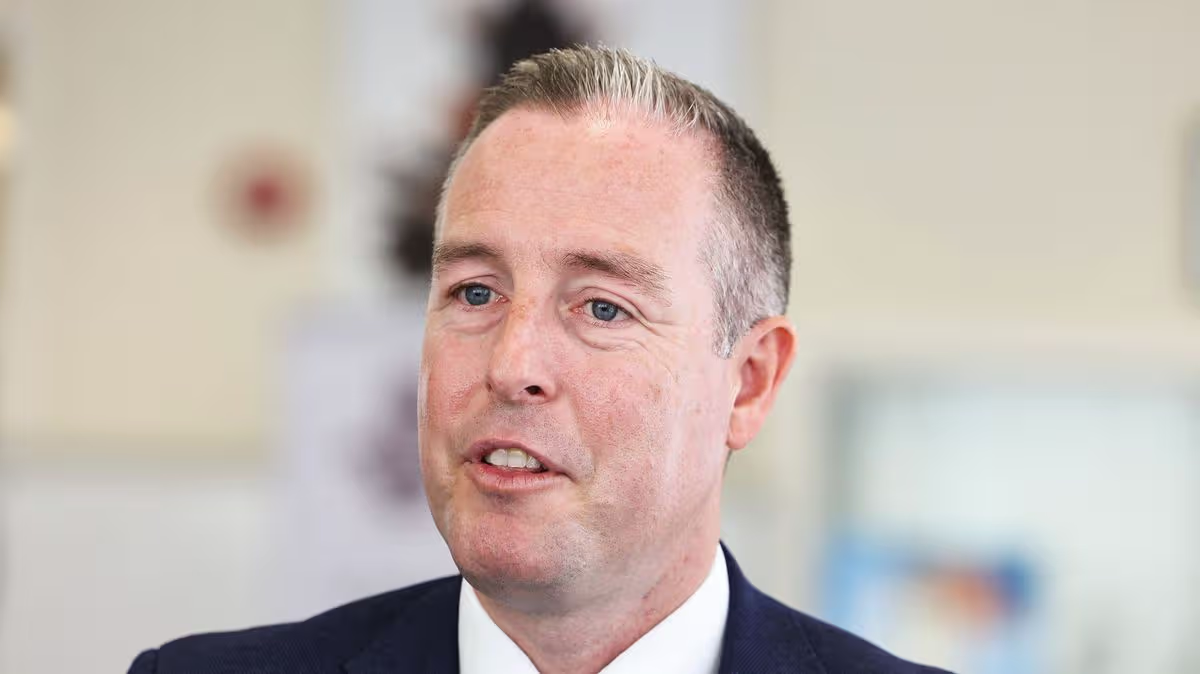
Education Minister issues update on NI childcare reform plans

Why Machinery Faults That Go Unreported by Employers Create Serious Legal Liability After an Injury

Aave's Kulechov Disputes Report, Says Firm Won't Sell AAVE at '70%' Discount


-

 Fashion6 days ago
Weekend Open Thread: Miami – Corporette.com
-

 Entertainment5 days ago
Renter of Home in Anne Heche Crash Denies Settlement With Son
-
 Sports2 days ago
Two goals and an assist by sheer aura: Cristiano Ronaldo just entered the World Cup chat
-

 Tech3 days ago
Microsoft accidentally kills epic Outlook email threads
-

 Business5 days ago
Soccer-U.S. defends Iran World Cup travel restrictions, says discussions ongoing
-

 Politics6 days ago
Andy Burnham and the meaning of Makerfield
-

 NewsBeat6 days ago
Keir Starmer Allies Question His Chances For No 10
-
Crypto World2 days ago
Bitcoin (BTC) Dips Below $62K, Ethereum (ETH) Plunges 6% Daily: Market Watch
-

 Tech2 hours ago
A Look At A Gaggle Of Transputer Boards
-

 Crypto World2 days ago
Securitize Wraps Roubini's SEC-Registered ETF as Dubai VARA Digital Security
-
Business2 days ago
Entergy settles forward sale agreements, raises $672 million in cash proceeds
-
 Business6 days ago
Wall Street Week Ahead: Investors see Micron earnings as pulse check of AI rally momentum
-
 Crypto World5 days ago
Can Charles Hoskinson Really Rescue Cardano?
-

 Crypto World6 days ago
HIVE shares jump as $220M AI deal speeds Bitcoin mining pivot
-

 Crypto World5 days ago
Jake Chervinsky accuses CME of protecting derivatives monopoly
-

 Entertainment6 days ago
Jose Alvarado Wants Taylor Swift at More Knicks Games
-
 Tech4 days ago
Signal’s Meredith Whittaker says AI chatbots ‘are not your friends’ and calls Copilot agents a backdoor
-

 Sports9 hours ago
India vs Bangladesh LIVE Score, Women’s T20 World Cup: Bangladesh Opt To Bat; India Enter ‘Do-Or-Die’ Stage As Semi-Final Race Heats Up
-

 Tech3 days ago
Nearly 7,000 fake Amazon domains registered ahead of Prime Day 2026, researchers warn
-

 Sports7 days ago
FIFA World Cup 2026: Canada beat 9-men Qatar 6-0 to register first ever win | FIFA World Cup 2026
You must be logged in to post a comment Login