Connect with us

Business

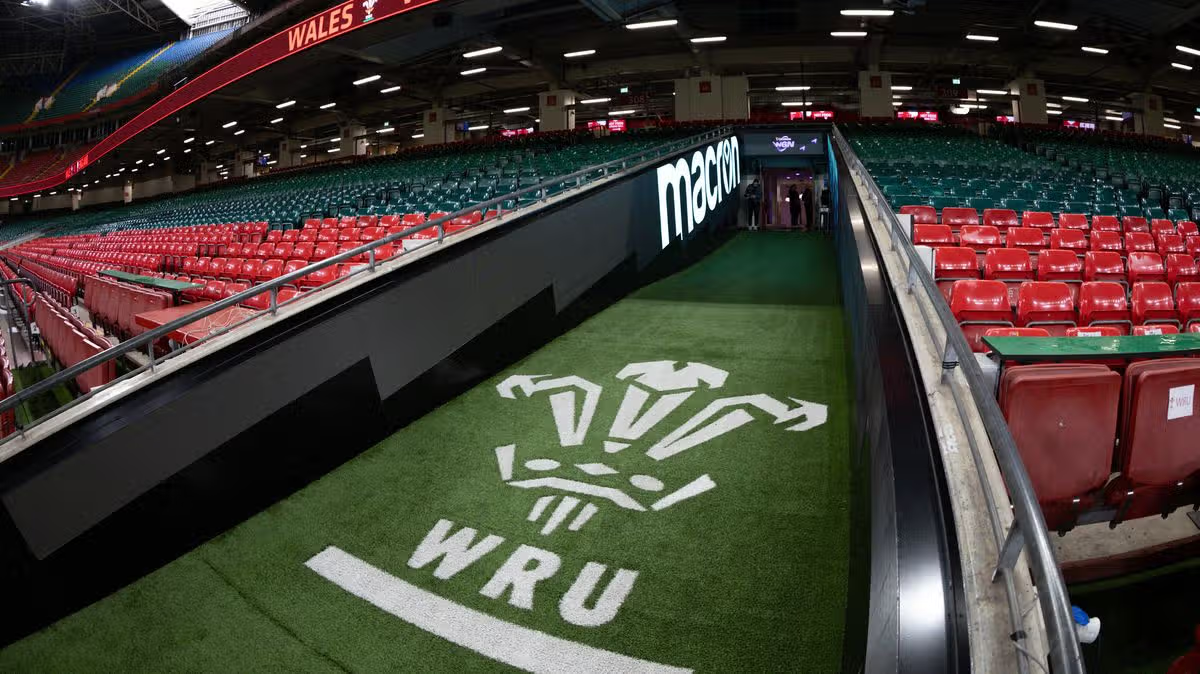
WRU could face EGM with motion calling on members clubs to oust its entire board

Published

on

Former Principality Building Society chief operating officer Rob Regan

A leading figure in the campaign to challenge the existing Welsh Rugby Union leadership has expressed confidence that sufficient backing already exists amongst member clubs to trigger a dramatic Extraordinary General Meeting, featuring a motion to remove the entire board.

The group, which describes itself as a “coalition of the willing”, is demanding the WRU suspend proposals to reduce regional teams from four to three until the decision-making process undergoes independent examination.

Hayley Parsons, who founded GoCompare, one of the UK’s leading price comparison firms, argued that the plan to axe a region and maintain just a single team in west Wales requires independent evaluation, with the union disclosing all relevant data and explaining why it determined that sustaining four regions is now “unsustainable”, even with any new unequal funding arrangement.

'Welsh rugby’s problem may not be the number of professional teams but a fragmented and poorly aligned operating model'

Additional members of the group include Rob Regan, former chief operating officer at Principality Building Society and Legal and General, alongside technology entrepreneur Glenn Melford-Colegate.

Advertisement

Hayley Parsons.

(Image: Rob Browne)

The WRU has signalled it will soon release data – though the level of detail and presentation format remain uncertain – regarding this decision, along with the scoring criteria should the Scarlets and Ospreys choose to participate in a competitive bid process for the single WRU licence allocated to west Wales.

However, the coalition’s stance is that the union cannot cherry-pick what information is disclosed, and that an EGM would effectively provide the clubs with a referendum on whether a region should be eliminated, reports Wales Online.

Regardless of the outcome, even with three clubs, benefactor backing will be essential. There is also the ever-present risk, as witnessed not only in Wales but across the professional game in England in recent years, of another club collapsing financially.

Advertisement

The deadline for submitting a motion for the WRU’s annual general meeting this autumn has now elapsed, so the coalition, which is in discussions with numerous clubs, is concentrating on securing an EGM.

A motion, which, if approved, would result in the current board being required to step down with immediate effect, would not encompass the chief executive of the WRU, Abi Tierney, who, while serving on the board, is an employee of the union and therefore cannot be removed by the clubs.

Under section 62 of the WRU’s articles of association, a no-confidence resolution would need only a simple majority of clubs voting at the EGM to pass. To be quorate, it would require 95 members in attendance.

Proxy and remote electronic voting would be permissible.

Advertisement

For the EGM to proceed, it would first require support from 10% of the 282 member clubs. Should this threshold be met, the union would have 21 days to formally acknowledge the request and schedule the meeting.

This would usually be around a month later. Should the board be removed, a temporary board would need to be created, comprising representatives from the districts – though not those currently serving on the board.

They would not require club approval to bolster their ranks by bringing in external people with commercial expertise.

However, what is being contemplated by the coalition, based on initial legal advice and discussions with club representatives, is another possible motion to change the articles of association, which would require a 75% majority, so that any temporary board would have external members from the outset. This could be voted on at the EGM before the vote of no confidence.

Advertisement

The WRU would be confident of seeing off any no-confidence motion against the entire board. Should the EGM be called, it would lobby hard, making the case for three regions and a commitment to invest £28m in the pathway development of the game over the next five years.

Last year, with lower attendances than projected at international games at the Principality Stadium, the WRU’s original revenue forecast was blown off course by around £6m. If that were to be repeated this autumn – though the Six Nations home games against England and Ireland should sell out – their argument that four regions is financially unsustainable would be amplified.

The governing body has drawn up a shortlist for a new chair. It is understood that a number of potential candidates ruled themselves out due to an expectation of having to endorse the four-to-three strategy.

Should an EGM be called, the WRU is unlikely to pause announcing the new chair, even if there is a possibility that they could be removed along with all other board members.

Advertisement

Swansea Council has also restarted its legal action against the union over its plans for just one region in west Wales, while effectively protecting the Dragons and Cardiff, which they own. Other interested parties may soon join the action.

Ms Parsons said: “We have clubs contacting us and, from those conversations, we are confident that they have more than enough clubs for an extraordinary general meeting. So, we have the numbers now, but we will be looking to put the EGM to the WRU in a few weeks’ time. We have some really impressive people, literally from around the world, contacting us and offering their support free of charge.”

She said the temporary board could involve some of the figures supporting the coalition of the willing, but there is also scope to bring in external advisory board members to support the WRU going forward in sustaining four regions – though she noted that, after a review period of around six months, the conclusion could be that three is the right number.

She said: “So, what we do need is fresh, independent people. I don’t think we could have anyone involved before, as that just wouldn’t work. What we need is the right group of people, and there is a right group of people to do this.

Advertisement

“At no point have I ever said I was going to be putting my name forward for the chair role. I would be involved in the short term, because I think it would be the right thing to do, not because I would want any involvement long term.

“And I think that is quite important, as one of the problems I think you do have in rugby is that some people are in it for their own self-interest. What we are proposing for board members is no salaries or expenses.”

The temporary board would at some point give way to a new permanent board based on three-year terms.

Should an EGM take place and the motion to remove the board fail, she said: “I don’t think there would then be anything that people could do, and we would just sit back and watch our game die over the next five years.”

Advertisement

Yet, if a new direction is taken, there remains time to fully examine the case for maintaining four regions. The WRU plans to have three teams in the United Rugby Championship for the start of the 2028-29 season.

Ms Parsons said: “There is time here to look at generating new revenue lines. If you look at the latest statement [from the WRU on three regions], it is a defeatist attitude. But in that time we could bring in people to secure additional investment and look at things differently.

“We also need to think more about what could be done with the stadium, the hotel, Cardiff Rugby, etc.”

However, even if the board are ousted and the new one looks to support the WRU executive in seeking to drive revenues to maintain four regions, there are no guarantees it will result in a significant uplift.

Advertisement

A social impact rugby bond would require regulatory approval. It would need to appoint a fund manager to raise funds and invest in conventional assets such as shares and bonds.

Investors could forego an element of projected returns for investment into the game.

This could be hypothetical in specific areas, such as the community and women’s game. But to have an impact, the funds under management would have to run into the tens of millions, which, even if achievable, could take years to reach.

Previous WRU regimes considered a sale-and-leaseback of the Principality Stadium and securitisation deals by drawing down capital against future income from rugby matches and other events such as concerts.

Advertisement

However, things like a sale-and-leaseback, while providing a huge upfront sum, would have to be repaid, with a profit margin for the lender(s) over the duration of the arrangement.

The stadium is a valuable asset, although it requires continuous investment. Any sale-and-leaseback would also need approval from Cardiff Council, as it is a shareholder in the WRU subsidiary company that owns and operates the stadium, Principality Stadium Plc.

There is certainly scope, with rugby touching all communities in Wales and rugby clubs also serving as community hubs, to secure more funding for the community game – which could be separated from the governance of the professional game – in the form of grant funding from the Welsh and UK governments.

While the WRU is in receipt of government funding, it could learn from how the Football Association of Wales has, in recent years, secured millions of pounds in funding for the growth and infrastructure of the game, especially at grassroots level. But this will take time and investment.

Advertisement

The coalition of the willing are also exploring the tax benefits of all community clubs acquiring charitable status. But, like their position on the WRU plans, this would need to be challenged and tested.

Former Principality Building Society chief operating officer Rob Regan

Rog Regan.

On the WRU’s decision to publish data, Mr Regan said it had to do so for every scenario assessed.

He added: “Just sharing data to show that one could work with a set of assumptions doesn’t change anything, as it doesn’t answer the question of how do we know that is the only one. While constitutionally they can do this, ultimately they should give the choice to the clubs. So, if they are confident this has support, then give the rugby public (member clubs) their vote.

“So, we continue as planned (EGM). Our interest is to ensure that decisions about the number of pro clubs in Wales, that have distracted so many for so long, sucking energy, focus and money out of the game, are made based on evidence and data and in an open, transparent and engaging way.

Advertisement

“We have been building a long list of people who would be prepared to step in and support an interim transition with a transparency mandate.

“We are looking to maximise breadth of capability for a core group of 8-10 people, with an advisory panel supporting. We have set out principles that this should be short-term, pro bono work with no conflicts.

“We want to plug core gaps in current board capabilities. We want to engage the entire rugby family in creating a credible, capable, values-driven group who bring deep understanding of Wales’s rugby heritage and culture, as well as strong commercial skills. More collaboration, less ego. A genuine desire to listen, learn and build relationships. We imagine a transition and support period of at least six months, where we’d be looking for people to be able to dedicate a couple of days a week to public scrutiny of current plans and governance documents while we build a new board with a new mandate.”

Ms Parsons was on the board of Cardiff Rugby for six years before it collapsed into administration and was acquired in a pre-pack deal by the WRU with the joint administrators from PwC.

Advertisement

Also on the board at the time was current WRU board member and former chief executive of FTSE 100 company Halma, Andrew Williams.

Following the death of former chairman and long-term benefactor Peter Thomas, the club needed new benefactors to fulfil the then funding agreement with the WRU.

Helford Capital, a Jersey-based special purpose vehicle with no assets, owned by co-directors Neal Griffith and Phil Kemp, became majority owners of the club. However, they failed to inject the required benefactor funding agreed, and the club’s board had no alternative but to put the business through administration. The WRU would have faced significant penalties from the United Rugby Championship if they had not acquired Cardiff Rugby by leaving the league one team short.

The board of Cardiff were seduced by the promise of major investment, via Helford, from the Middle East, but they also needed to secure new benefactors.

Advertisement

Ms Parsons said: “I was on the board for six years and we made great strides in lots of areas, but Peter [Thomas, the former chair] passed and the investors came in and they were absolute fantasists.

“They had this big deal coming from Abu Dhabi and it even got to the point where we were told the deal was done and the money was there, worth millions of pounds, but we were just saying, ‘Show us the evidence.’ It never happened.”

She said that, in the aftermath of the Rafferty report into allegations of sexism and racism at the WRU – although the terms of reference never required an assessment of the BBC documentary that led to its establishment – the union was always going to appoint a woman in a senior role.

Ms Parsons said: “This is not about Abi, but you cannot say one of the jobs [chair or CEO] had to go to a female. That was fundamentally wrong and wouldn’t happen in business.

Advertisement

“A man was appointed as chair [Richard Collier-Keywood], so the CEO had to be a woman. You also automatically put a target on that woman straight away.

“There were men who had applied who had done that type of role elsewhere in rugby and with more experience to do that job.”


Continue Reading
Click to comment

You must be logged in to post a comment Login

Leave a Reply

Business

At Close of Business podcast August 24 2026

Published

on

At Close of Business podcast August 24 2026

Sam Jones speaks to Nadia Budihardjo about why experts have flagged subsea cables as one of Australia’s biggest vulnerabilities.

Continue Reading

Business

Eli Lilly launches weight loss pill Foundayo in UK

Published

on


Eli Lilly launches weight loss pill Foundayo in UK

Continue Reading

Business

Vishal Mega Mart shares soar 10% after CEO reappointment. Here’s why Morgan Stanley sees 41% upside

Published

on

Vishal Mega Mart shares soar 10% after CEO reappointment. Here's why Morgan Stanley sees 41% upside
Shares of Vishal Mega Mart surged 10% on Monday after the company announced the reappointment of Managing Director and CEO Gunender Kapur for a five-year term. Morgan Stanley said the move eases succession-related concerns and provides continuity to the company’s growth strategy.

Vishal Mega Mart shares surged around 10% to Rs 113.70 apiece on Monday morning, the highest level seen in more than a month. The stock is also on track to record the biggest single-day jump since late April of 2025.

Gunender Kapur’s current three-year term as Vishal Mega Mart’s Managing Director and Chief Executive Officer was set to expire on June 26, 2027. The company on Friday said that its board of directors, during its meeting, approved the reappointment of the executive for a period of five years from September 1 onwards, till August 31, 2031. He has been redesignated as ‘Founder, Managing Director & Chief Executive Officer’ of the popular retailer.

Morgan Stanley on Vishal Mega Mart share price

Morgan Stanley maintained its ‘Overweight’ rating on the shares of Vishal Mega Mart with a target price of Rs 146 apiece, implying a potential upside of more than 41% from the stock’s previous closing price of Rs 103.43 apiece.
The international brokerage said Gunender Kapur’s reappointment as Managing Director and CEO for another five-year term starting September 1, 2026, along with the redesignation as Founder, MD & CEO, eases succession-related concerns and provides continuity to the company’s growth strategy, ET Now reported.

Advertisement


It added that the stock currently trades at 42.8 times its 12-month forward price-to-earnings multiple, which the brokerage considers attractive compared with discretionary peers. Consistent execution by the company further supports Morgan Stanley’s positive view on the stock.
Also read | CAS chaos triggers liquidity spiral: Nuvama says higher participation needed to break cycle

Vishal Mega Mart share price

Vishal Mega Mart shares have jumped around 6% in a week and 3.5% in a month, although the stock is down 18% in 2026 so far. After hitting a record high of Rs 157.60 apiece in August last year, the stock tumbled over 37% to hit a 52-week low of Rs 98.77 apiece this March.

The stock has, however, recovered more than 15% since then to trade at Rs 113.70 apiece today. Overall, the stock has delivered negative returns of around 26% over the past one year. The company currently has a market capitalisation of around Rs 52,650 crore.

Also read | 10 midcap stocks with massive upside potential of up to 55%! Do you own any?

(Disclaimer: Recommendations, suggestions, views and opinions given by the experts are their own. These do not represent the views of The Economic Times)

Advertisement
Continue Reading

Business

Lalithaa Jewellery Mart shares surge 36% from IPO price after strong market debut. Should you buy, sell or hold?

Published

on

Lalithaa Jewellery Mart shares surge 36% from IPO price after strong market debut. Should you buy, sell or hold?
Shares of Lalithaa Jewellery Mart continued to surge further, after marking a strong market debut by listing at around 32% premium over IPO price on Monday, with analysts highlighting attractive valuations while noting down the key risks.

Lalithaa Jewellery Mart shares listed at Rs 265 apiece on NSE, marking around 32% premium over the IPO price of Rs 201 apiece. After the strong market debut, the shares of the company rose further to Rs 274.40 apiece, rallying over 36% from IPO price.

The strong market debut comes after Lalithaa Jewellery Mart’s Rs 1,700 crore initial public offering received an overwhelming response, with the issue being subscribed 62.97 times overall between August 17 and August 19. The maiden public issue of the company comprised a fresh issue of Rs 1,200 crore and an offer for sale (OFS) of Rs 500 crore by promoter and founder Kiran Kumar Jain.

Grey market estimates vs listing premium

Despite the strong market debut, the listing premium was slightly below grey market estimates. Ahead of listing, the unlisted shares of Lalithaa Jewellery Mart were trading with nearly 37% grey market premium (GMP) over the IPO price, according to sites tracking the unofficial market.
Lalithaa Jewellery Mart plans to use a significant portion of the IPO proceeds to accelerate its retail expansion strategy, with funds earmarked for setting up 10 new stores.

Advertisement


Also Read | Lalithaa Jewellery Mart shares shine on debut, list at 32% premium over IPO price

Should you buy, sell or hold Lalithaa Jewellery shares?

Despite Lalithaa Jewellery Mart’s strong market debut, investors should not ignore the risks, said Shivani Nyati, Head of Wealth at Swastika Investmart. She noted that jewellery retail is highly dependent on gold prices, consumer demand, inventory management and working capital. For the pre-listing outlook, sentiment has been strong. “Low risk Investors can book the profit while the other can hold for medium to long term,” according to the analyst.Since the company doesn’t have any hedging policy, Sunny Agrawal, Head of Fundamental Research at SBI Securities, believes that the exponential growth during the last 2-3 years would have been partially on the back of steep rise in gold prices thereby aiding margin expansion. Going forward, street will keenly watch the sustainability of the margins and growth outlook on the back of deployment of capital for expansion of 10 more stores, he added.

The strong market debut of the company comes after the Rs 1,700 crore initial public offering of the company garnered several ‘Subscribe’ calls from analysts. Ventura Securities had highlighted that the company is a leading mass-market jewellery retail chain in Southern India.

“At the upper price band of Rs. 201, the issue is valued at 11.1x FY26 diluted EPS of Rs.18.0, compared with the listed peer average P/E of 29.7x. The valuation represents a meaningful discount to peers, this combined with the company’s return ratios, regional franchise and store expansion opportunities we recommend a ‘Subscribe’ rating for the issue,” said BP Wealth.

Nirmal Bang meanwhile said that the valuation gap from peers offers a good investment opportunity considering risks related to gold-price volatility and working-capital intensity. With planned store expansion in place and proven strong fundamental record provides long term growth visibility for Lalithaa, it added.

Advertisement

Geojit Investments also had issued a ‘Subscribe’ call for short to medium term investors, given the company’s strong store expansion, industry leading revenue per store, robust return ratios, strong brand, and integrated manufacturing-led retail model.

Also Read | IPO rush continues: 10 issues to raise over Rs 3,500 crore this week

(Disclaimer: Recommendations, suggestions, views and opinions given by the experts are their own. These do not represent the views of The Economic Times)

Advertisement
Continue Reading

Business

Alibaba Shares Plunge 10% After Company Launches Record $10.2 Billion Hong Kong Placement for AI Push

Published

on

An Alibaba sign is seen outside the company's offices in Beijing

Alibaba Group Holding shares plunged as much as 10% in Hong Kong trading Monday after the Chinese e-commerce and cloud computing giant priced a record HK$80 billion, or $10.2 billion, share placement, with the company saying it will direct all of the proceeds toward expanding its artificial intelligence capabilities.

Alibaba plans to sell 710 million new ordinary shares at HK$112.70 apiece, according to a term sheet reviewed by Reuters, representing a 3.6% discount to the stock’s Friday closing price of HK$123. The transaction, launched Sunday, would mark the largest-ever primary follow-on offering by a Hong Kong-listed company, and ranks as the world’s third-largest primary follow-on share sale of the year, trailing only offerings from Alphabet and Intel.

The company was explicit about how the funds will be deployed. Alibaba said it intends to use 100% of the net proceeds from the placement to invest in its “full stack” AI capabilities, a category the company said spans chips, infrastructure, and the development and deployment of AI models, according to multiple outlets including U.S. News and Investing.com. Alibaba did not disclose further detail regarding the specific breakdown of its planned AI-related investments by category, and did not comment beyond its formal regulatory disclosure, according to reporting from WMBD Radio.

The share placement was structured as an offshore transaction not registered under U.S. securities laws, meaning American investors were not eligible to participate in the offering, Alibaba said.

Advertisement

Alibaba Chief Executive Eddie Wu framed the fundraising as a necessary step to secure the company’s long-term competitive position within the global AI race. According to Investing.com, Wu said Alibaba needed to build sufficient computing capacity before it could capture future growth opportunities tied to artificial intelligence, a rationale that underscores the company’s willingness to absorb near-term financial strain in pursuit of longer-term strategic positioning.

That near-term strain has already become evident in Alibaba’s recent financial results. The company reported that its net profit fell 75% year over year during its April-to-June quarter, a decline driven directly by surging AI-related capital expenditure. According to CNBC, the fundraising announcement came just days after Alibaba disclosed that steep profit drop, with heavy AI spending continuing to weigh significantly on the company’s near-term earnings even as executives argue the investment is essential to the company’s future.

Alibaba’s AI ambitions are backed by a substantial, previously announced spending commitment. The company pledged last year to invest at least 380 billion yuan in cloud computing and AI infrastructure over a three-year period, according to CNBC. According to WMBD Radio, Alibaba disclosed during its most recent earnings report that it had already spent nearly half of that three-year capital expenditure plan, while separately stating that the expected payback period on its AI-related investments was improving, falling to an estimated 2.5 years from a previous estimate of three years, a shift the company attributed to surging demand for its AI products and services.

Alibaba’s fundraising push arrives amid an intensifying global race among major technology companies to build out artificial intelligence infrastructure. According to Reuters, cited by Investing.com, the four major U.S. hyperscalers — Microsoft, Amazon, Alphabet and Meta — are together expected to spend roughly $725 billion in capital expenditures in 2026, much of it directed toward AI data centers, chips and cloud infrastructure. Alibaba’s Chinese technology peers have similarly ramped up their own AI-related spending; CNBC reported that Tencent’s capital expenditure rose 65% from the previous quarter to 52.8 billion yuan during the June quarter, as that company continues investing in computing infrastructure to monetize its own AI models.

Advertisement

The timing of Alibaba’s capital raise also follows closely on the heels of a significant product release. According to Hokanews, the fundraising announcement came just weeks after Alibaba released its Qwen 3.8-Max model, part of the company’s broader Qwen family of large language models that has become central to its AI strategy across its e-commerce, cloud and enterprise services ecosystem.

Market reaction to the announcement was decisively negative in the immediate term, reflecting investor concern over the scale of dilution and continued capital intensity the placement represents. Coverage from Eastern Herald framed the fundraising as placing the burden of proof squarely on Alibaba’s leadership going forward, noting that while the company had clearly demonstrated its ability to raise substantial capital, the more significant open question is whether that capital, once deployed into AI infrastructure in 2026, will translate into a defensible competitive position by 2028 and beyond, a case the outlet noted “cannot yet be made with data” but “can only be made with commitment.”

The transaction also reflects a broader shift in where major Chinese technology companies are choosing to raise capital for AI investment. According to Eastern Herald, Hong Kong’s stock exchange has seen growing activity from Chinese technology firms seeking large capital raises specifically tied to AI development, a trend the outlet attributed in part to Hong Kong’s exchange authorities streamlining listing requirements and actively courting so-called “new economy” companies in recent years, positioning the city as an increasingly significant venue for this type of large-scale technology fundraising.

With the HK$80 billion placement now priced and the underlying shares set to be issued to non-U.S. investors, Alibaba’s leadership faces continued pressure to demonstrate that its aggressive AI capital expenditure translates into sustainable competitive advantage and, eventually, improved profitability, particularly given the company’s recently disclosed 75% profit decline tied directly to the same AI investment strategy the new fundraising is designed to accelerate further. Investors and analysts covering the stock are likely to continue closely monitoring Alibaba’s coming quarterly results for further signs of whether the company’s AI-related revenue growth, including continued adoption of its Qwen model family, begins to offset the substantial near-term costs associated with building out its AI infrastructure at this unprecedented scale.

Advertisement
Continue Reading

Business

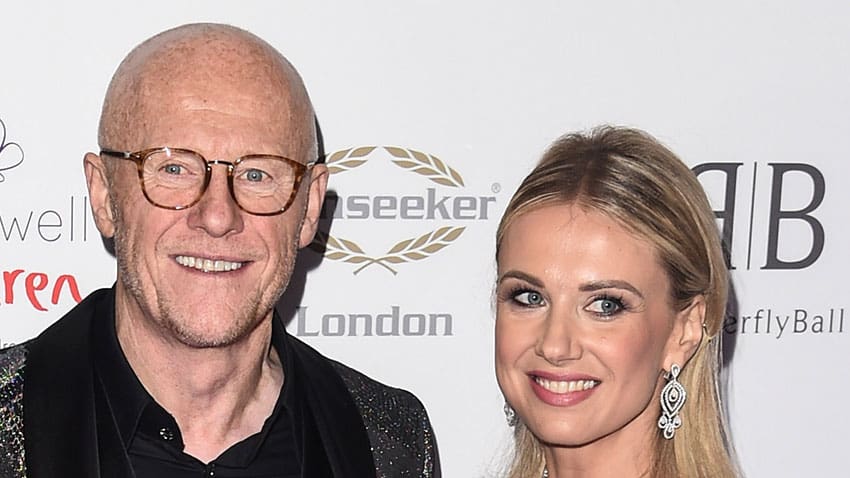
Caudwell and Rose back Budget push

Published

on

Caudwell and Rose back Budget push

John Caudwell, the Phones 4u founder, and Lord Stuart Rose, the former chief executive of Marks and Spencer, have joined a campaign calling on the Chancellor to halt and reverse the creeping taxes that its signatories say punish founders for growing their businesses.

The two are the most prominent of a wave of new backers for Stop the Creep, run by the founder group Helm, which describes itself as the UK’s largest community of scale-up founders. They sign alongside Christos Angelides, chief executive of the fashion retailer Reiss, and Charlie Mullins, who founded Pimlico Plumbers. The campaign says more than 150 business leaders and parliamentarians have now added their names.

The signatories warn of a “death by a thousand cuts” for Britain’s wealth creators. Other backers include Luke Johnson, chair of Gail’s Bakery, Johnnie Boden, founder of the clothing retailer Boden, and dozens of politicians, among them the shadow business secretary Andrew Griffith.

What the campaign is asking for

Stop the Creep makes three demands. It wants the rise in Employers’ National Insurance reversed, the entrepreneurial reliefs that have been cut restored, and a clear, stable roadmap for business taxation set out so that founders can invest with confidence. The campaign’s published case argues that Britain risks becoming an incubator economy, world class at creating businesses but unable to keep them.

Employers’ National Insurance is the sharpest of those targets, and the one with the broadest reach beyond the founder class. Employer contributions are currently charged at 15 per cent on earnings above a secondary threshold of £5,000 a year. The measure has cost more than the Treasury expected: employer contributions in the year to the end of March came in around £4 billion above the official forecast, a £28 billion increase on the year before. When the rise was first announced, the British Chambers of Commerce found that 82 per cent of member firms would reconsider their plans because of it.

Advertisement

A retail veteran on the cost of hiring

Lord Rose, who also chaired Asda and is chairman of Zenith Vehicles, said: “I have been in Business for over 50 years and have never been more concerned about the cost of doing business and building businesses that are financially sustainable for the long term. Employment costs and regulations are now serious impediments to growth and employment.

“Employers’ National Insurance alone took a hundred million pounds a year out of one supermarket. Multiply that across the economy and it is easy to see why investment has stalled. The good news is that this is within the Government’s gift to fix.

“This is not about special treatment. If the Government wants businesses to create jobs and growth, the Budget is the moment to ease the burden on the act of creating them.”

Caudwell’s change of mind

Caudwell, who built Phones 4u before selling his business group for £1.5 billion, switched his support from the Conservatives to Labour at the 2024 general election. He has since said he was “misled” by the party’s pro-business promises. Over the weekend he told The Telegraph: “I do not think the Labour Party is electable”, adding that he would back any party that seeks to turbocharge growth.

Advertisement

Mullins sold Pimlico Plumbers in 2021 and has already left the UK for Spain over the rising tax burden, which is the point the campaign is making about direction of travel rather than about any one measure.

The Budget as the test

The intervention lands as attention turns to Chancellor John Healey’s first Budget on 28 October. Polling of business leaders published by Helm earlier this month found that just 6 per cent consider Prime Minister Andy Burnham to be pro-business, with more than four in five expecting trading conditions to stay the same or get worse.

Andreas Adamides, chief executive of Helm, said: “John Caudwell wanted this Government to succeed. Lord Rose has spent half a century at the top of British business. Charlie Mullins has already left. That is what training entrepreneurs for export looks like.

“When founders of this calibre unite around one cause the Government should listen, because these are exactly the people it needs on side to deliver the growth it has promised.”

Advertisement

Adamides said founders were “ready and willing” to work with ministers on growth. “Andy Burnham says he is pro-growth, and we take him at his word, but his first Budget this autumn will be the real test of this commitment.

“Stopping the creep of taxes on wealth creators, and giving business the certainty it needs to invest, would be the clearest possible signal that this Government wants Britain’s founders to build and succeed here.”

Helm says its members run scale-up businesses with combined revenue of more than £8 billion and contribute £1 billion a year in tax. The average member is the chief executive of a company turning over £21 million a year.

For owner managers outside that bracket, the practical question the Budget answers is narrower than the campaign’s framing. Employers’ National Insurance is a live cost on every payroll, and the reliefs at issue, principally those that reduce the tax due when a business is sold or passed on, are the ones that determine what a founder keeps at the end. Both are set on 28 October.

Advertisement

LinkedIn post


Jamie Young

Jamie Young

Jamie Young is Senior Reporter at Business Matters, covering SME finance, employment law and Westminster policy since 2016. He has reported on every Budget and Autumn Statement since 2018, helped make sense of the ‘covid era’ and the bounce-back loan scheme from launch through the fraud investigations, and broke the magazine’s coverage of the 2024 late-payment reforms. He joined Business Matters straight from completing his BA in Administration from Exeter University and is NCTJ-qualified. Reach him at jyoung@cbmeg.co.uk

Advertisement
Continue Reading

Business

5 Ways Sydney Commercial Lawyer Is Helping Business Owners Navigate Deals in 2026

Published

on

Joanna Oakey

Sydney commercial lawyer Joanna Oakey has built her professional profile around a part of business law that can have consequences well beyond the signing of a contract: helping owners buy, grow and sell businesses.

As managing director of Aspect Legal, Oakey works in commercial law with a particular emphasis on business sales and acquisitions, while the firm also advises on contracts, intellectual property, trademarks, brand protection, procurement, employment and disputes. Her current professional profile describes her as a commercial lawyer and deal maker with more than 20 years of experience.

Her work has also expanded beyond conventional legal practice. Oakey hosts The Deal Room and Talking Law podcasts, writes about commercial issues affecting business owners and is the author of Buy Grow Exit: The Ultimate Guide to Using Your Business as a Wealth Creation Vehicle.

1. Business sales and acquisitions sit at the center of her practice

Advertisement

For an entrepreneur, selling a business can be the financial culmination of years of work. For a buyer, acquiring an established company can represent a major investment with significant legal and commercial risks.

Oakey’s practice has a substantial focus on these transactions.

Aspect Legal says it provides specialist advice to buyers and sellers throughout business and share sales and acquisitions, including preparation, legal due diligence, transaction structuring, drafting, negotiation and completion. The firm also says it has advised thousands of local and national business owners as they acquire and exit businesses.

That work can begin well before a sale agreement is drafted.

Advertisement

For sellers, legal preparation may involve reviewing existing customer and supplier contracts, employment arrangements, leases, intellectual property and other assets. The purpose is to identify potential problems before a prospective buyer’s lawyers uncover them during due diligence.

For buyers, the process can involve examining whether the business actually owns the assets it appears to own, whether important contracts can be transferred, whether there are unresolved disputes and whether regulatory or employment issues could create liabilities after completion.

Oakey’s recent writing reflects this emphasis on preparation.

In June 2026, she wrote about six contract problems that business owners should address before selling. The article warned that problems identified during a buyer’s legal review can affect negotiations, including warranties, money held back at completion or earn-out structures.

Advertisement

The broader message is straightforward: The legal preparation for a business sale should not necessarily begin when a buyer appears.

2. She emphasizes getting a business ready before the deal begins

A recurring theme in Oakey’s work is that business owners should prepare for an eventual transaction rather than waiting until a buyer is already at the table.

That can be particularly important because buyers and their advisers can examine a business in considerable detail.

Aspect Legal says its work for sellers can include an independent review of a company’s legal strengths and weaknesses, preparation of documents, confidentiality agreements, sale agreements and negotiation of transaction terms.

Advertisement

For a business owner, seemingly minor legal housekeeping can become significant when the company is being sold.

A customer contract may not contain the rights the seller assumed it did. A lease may have restrictions on assignment. An employee agreement may be outdated. A trademark may not be properly protected. A key supplier arrangement may not transfer automatically to a purchaser.

None of these issues necessarily prevents a transaction. But they can create additional negotiations, delays or uncertainty.

Oakey’s recent article on preparing contracts before a sale makes that point directly, arguing that problems are generally easier to address before a buyer becomes involved.

Advertisement

For business owners thinking about an eventual exit, that approach turns legal preparation into part of the broader business strategy.

It also changes the timing of the lawyer’s role.

Instead of appearing only when documents need to be signed, a commercial lawyer can become involved earlier, helping an owner identify legal issues that could affect the value or attractiveness of the company.

3. Privacy compliance has become a new transaction issue in 2026

One of the most current aspects of Oakey’s work is her focus on changing privacy obligations and how they can affect business transactions.

Advertisement

In July 2026, Aspect Legal published analysis of changes taking effect during the year and their implications for businesses preparing to sell. The firm said changes taking effect July 1 expanded the number of businesses affected by privacy obligations, while further changes scheduled for Dec. 10 would introduce additional disclosure requirements concerning the use of artificial intelligence in decision-making for covered businesses.

For sellers, the issue is not simply regulatory compliance.

Privacy practices can become part of the buyer’s due diligence process.

A prospective purchaser may want to know what customer information the business holds, how that information was collected, whether privacy policies are appropriate, whether data is transferred offshore and what obligations apply to the business.

Advertisement

That means a privacy problem can become a transaction problem.

Aspect Legal made a similar point in July when discussing the buyer’s perspective, saying privacy compliance is increasingly an issue to examine during due diligence.

The development is particularly relevant as more businesses adopt cloud services, artificial intelligence tools and digital customer-management systems.

For an owner planning to sell, the lesson is that the legal value of a business can be affected by how well its information, contracts and compliance systems are organized.

Advertisement

Privacy may once have been treated as an administrative issue. In a transaction, it can become part of the commercial risk assessment.

4. Oakey has made legal education part of her professional identity

Oakey’s public profile extends beyond traditional client work.

She hosts Talking Law, which Aspect Legal describes as a podcast offering legal tips to business owners without the jargon. She also hosts The Deal Room, which focuses specifically on business sales and acquisitions.

The Deal Room has become a significant part of her professional positioning because it focuses on the people and advisers involved in transactions rather than limiting discussion to legal doctrine.

Advertisement

Aspect Legal describes the podcast as Australia’s first podcast dedicated to business sales and acquisitions and says it features industry advisers as well as owners and managers involved in buying and selling organizations.

Oakey is also the author of Buy Grow Exit, a book focused on using a business as a wealth-creation vehicle. Her firm’s profile identifies her as a lawyer, author and podcaster.

That educational focus may matter to business owners because many commercial legal decisions arise before a formal legal engagement.

An entrepreneur considering an acquisition may first want to understand how due diligence works. A business owner preparing for an exit may want to know what buyers look for. Someone negotiating a shareholders agreement may need to understand the practical consequences of different structures.

Advertisement

Providing accessible information can help owners recognize those questions earlier.

Oakey’s LinkedIn activity also shows that she continues to discuss current business issues, including artificial intelligence, business brokerage and the practical challenges involved in buying and selling companies. Her recent posts include commentary around AI adoption among advisers and a 2026 masterclass on buying and selling businesses.

5. Her approach connects legal work with the business lifecycle

Oakey’s career is built around more than isolated legal transactions.

Aspect Legal describes its model as helping growing businesses acquire companies, consolidate and protect their assets and eventually exit in a way designed to preserve business value.

Advertisement

That approach treats legal advice as something that can follow a business through different stages.

At the growth stage, the issues may include contracts, employment arrangements, intellectual property and brand protection.

During expansion, the company may acquire another business or enter a joint venture.

As the owners prepare to exit, the focus can shift to legal due diligence, transaction structures, sale agreements and negotiations.

Advertisement

The same legal foundations can matter at each stage.

A company with well-managed contracts and clearly protected intellectual property may be easier to review during due diligence. A business with unresolved legal problems may face more questions from prospective buyers.

Aspect Legal says it can assist sellers from early planning and structuring through the transaction itself, while buyers can receive assistance with due diligence, structuring, negotiations and post-acquisition planning.

This lifecycle perspective is particularly relevant for small and mid-sized business owners, who may not have in-house legal teams.

Advertisement

The bottom line on Joanna Oakey

Joanna Oakey has built a professional identity around the intersection of commercial law and business transactions.

As managing director of Aspect Legal, her practice covers business sales and acquisitions alongside broader commercial services, including contracts, intellectual property, trademarks, procurement, employment and disputes.

Her current work also reflects emerging issues affecting Australian businesses. Recent publications from Aspect Legal have focused on privacy compliance, AI-related obligations, contract preparation and the practical challenges facing buyers and sellers in 2026.

For business owners, perhaps the most relevant feature of Oakey’s practice is its focus on the period before a transaction becomes urgent.

Advertisement

A business sale is rarely just about signing a contract. It can involve years of preparation, legal housekeeping, negotiations, due diligence and decisions about how risk should be allocated between buyer and seller.

For owners considering their next stage of growth — or an eventual exit — understanding those issues early can make the legal side of the process considerably easier to navigate.

Disclaimer: This article is for general informational purposes only and is not legal advice. Business owners should obtain independent legal, financial and tax advice based on their individual circumstances before entering into a transaction.

Advertisement
Continue Reading

Business

Killi appoints Halliday as MD

Published

on

Killi appoints Halliday as MD

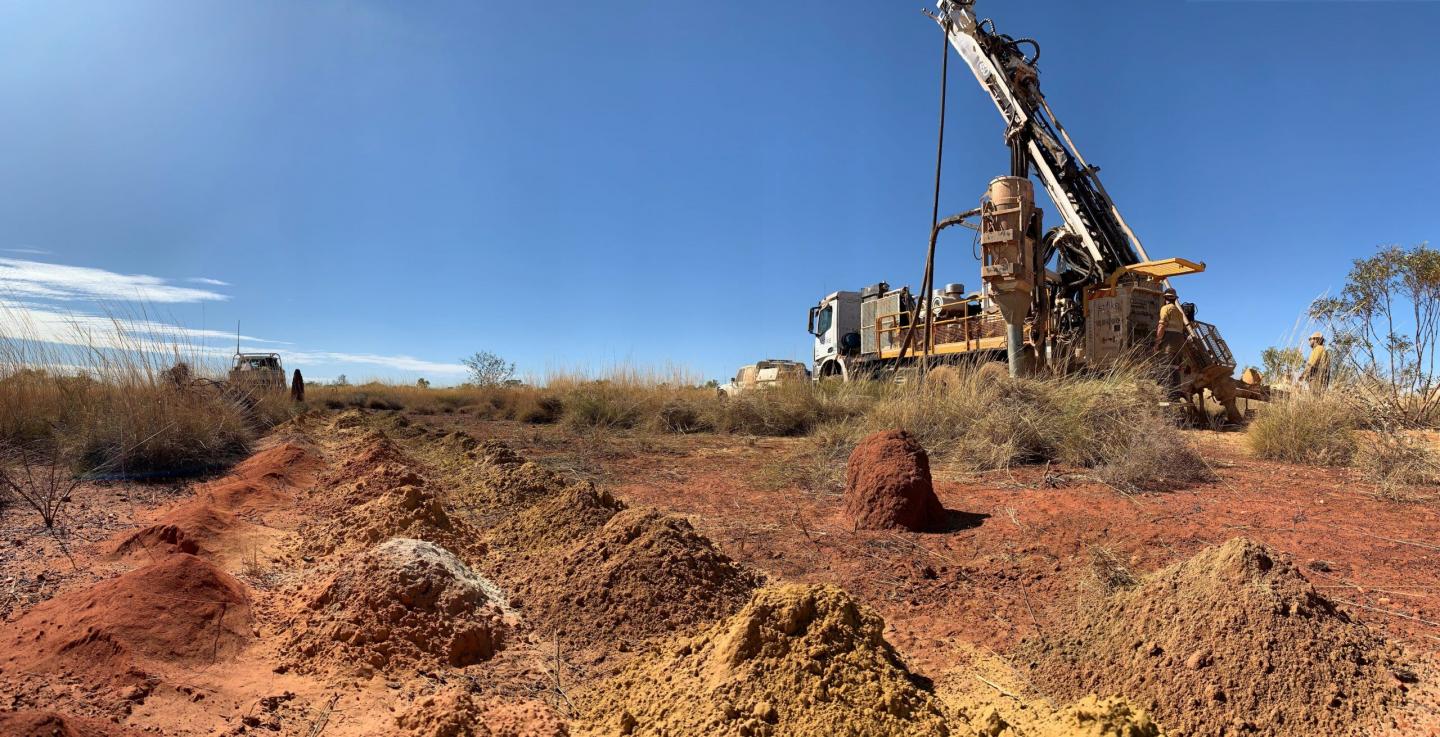
West Perth-based explorer Killi Resources has appointed Hamish Halliday as its managing director, effective immediately.

Continue Reading

Business

Longleat Festival of Light 2026 secret plans unveiled

Published

on

Business Live

The popular Wiltshire event attracts around 150,000 visitors each year

The Cyclops - part of this year's Festival of Light at Longleat

The Cyclops – part of this year’s Festival of Light at Longleat(Image: Local Democracy Reporting Service)

Behind-the-scenes secrets have emerged as one of Wiltshire’s most visited tourist destinations gears up for a major seasonal spectacle. Longleat Estate has staged its popular Festival of Light since 2014, drawing around 150,000 visitors.

Advertisement

However, beneath the sparkle and spectacle, there are staff to house, installations – including the celebrated singing Christmas tree – to be built and maintained, and vehicles to be accommodated.

An application to Wiltshire Council seeks permission for all three.

According to the report, Longleat hopes to capture the zeitgeist with an illuminated Wooden Horse of Troy – re-popularised by the Hollywood movie hit Odyssey – as part of this year’s theme, Legendary Worlds.

Visitors will be invited to explore the lost city of Atlantis and meet the gods, heroes and monsters of ancient Greece, along with the Vikings and the court of King Arthur.

Advertisement

The festival will run between November 7 and January 10, between 4pm and 8.30pm.

Organisers wish to install temporary surfacing to accommodate parking for hundreds of vehicles, alongside temporary lighting to assist families navigating to and from their cars.

The planning application highlights that guest arrivals are staggered throughout the day, with numbers restricted.

The Estate also seeks to supply temporary accommodation for roughly 70 staff members.

Advertisement

This will comprise seven 10-berth static caravans.

Meanwhile, the expansive coach park will be covered with marquees and utilised for assembling and maintaining the giant lanterns.

The planning application highlights that the Festival of Light has evolved into an “established and popular feature of the Longleat calendar”, contributing to 15 per cent of the estate’s annual visitor numbers.

Advertisement
Continue Reading

Business

Former Illinois Deputy Sean Grayson, Convicted of Killing Sonya Massey, Dies in Prison at 32

Published

on

Sean Grayson

CHICAGO — Sean Grayson, the former Illinois sheriff’s deputy convicted in the fatal shooting of Sonya Massey, a case that became a flashpoint in the national debate over police use of force, died Sunday while serving a 20-year prison sentence, according to his attorney.

Grayson’s lawyer, Daniel Fultz, confirmed that his client died earlier Sunday but declined to provide additional details regarding the circumstances of his death. Grayson, 32, had been diagnosed with colon cancer before Massey’s killing, and his attorneys said at his January sentencing that the disease had since spread to his liver and lungs.

Grayson was convicted of second-degree murder in October in connection with the July 2024 shooting death of Massey, a 36-year-old Black woman who had called 911 to report a possible prowler outside her Springfield-area home. Body camera footage of the encounter showed Massey crouching in her kitchen and apologizing in the moments before Grayson shot her in the face. He was sentenced in January to the maximum 20 years in prison allowed for the conviction.

Advertisement

Only months into his sentence, Grayson sought medical release in May under an Illinois law that allows for the release of prisoners with terminal illnesses or serious medical conditions. The Illinois Prisoner Review Board denied that request last month.

Massey called 911 early on July 6, 2024, to report someone prowling outside her home. Grayson and another Sangamon County sheriff’s deputy responded to the call. Body camera video captured Grayson directing Massey to remove a pot of hot water from her stove. As she held the pot, Massey told the deputies, “I rebuke you in the name of Jesus.” Grayson then threatened to shoot her, drew his handgun and ordered her to drop the pot. Massey apologized and ducked behind a kitchen counter before Grayson fired three times, striking her in the face.

The second deputy on scene, Dawson Farley, later testified that he did not consider Massey to be a threat during the encounter and said he drew his own weapon only after Grayson had already drawn his.

Grayson was fired from the Sangamon County Sheriff’s Office following the shooting and was initially charged with first-degree murder. Jurors ultimately convicted him of the lesser charge of second-degree murder after Grayson argued during trial that he had feared Massey intended to throw the hot water at him.

Advertisement

Massey’s killing drew significant national attention and sparked protests, while also raising broader questions about how Grayson had been able to move through multiple law enforcement agencies before ultimately being hired by the Sangamon County Sheriff’s Office. In response to those questions, Illinois lawmakers passed the Sonya Massey Act, a new state law requiring law enforcement agencies to more thoroughly review an applicant’s previous employment records before hiring an officer.

The U.S. Department of Justice separately opened a civil rights investigation following Massey’s death. That investigation later resulted in an agreement between the department, Sangamon County, its sheriff’s office and other local agencies, requiring a series of policy changes to local policing and emergency response practices. According to those terms, the changes included additional training for officers on interacting with individuals experiencing behavioral health crises, along with the development of a mobile crisis response program intended to provide alternative support for situations involving mental health concerns.

Beyond the criminal case and subsequent policy reforms, Massey’s family separately reached a $10 million civil settlement with Sangamon County over the fatal shooting, according to prior reporting on the case.

Grayson’s death closes out the criminal portion of a case that had continued to draw national scrutiny well beyond his conviction and sentencing, given both the circumstances captured on body camera footage and the broader questions his hiring history raised about screening practices across law enforcement agencies. His death comes just months after he began serving his 20-year sentence and roughly one month after state officials denied his request for compassionate medical release related to his advancing cancer diagnosis.

Advertisement

As of this report, authorities have not released additional details regarding the specific circumstances of Grayson’s death within the prison system, and his attorney has not indicated whether any further statement will be issued. Massey’s case remains closely associated with broader national conversations about police accountability, officer screening practices and law enforcement interactions with individuals experiencing mental health or behavioral crises, conversations that directly informed both the Sonya Massey Act and the subsequent Justice Department civil rights agreement reached with Sangamon County following her death.

Continue Reading

Trending

Copyright © 2025