

Crypto World
Hyperliquid Adds Macro Prediction Markets, HYPE Explodes Above $64

Weeks after announcing the launch of outcome-based markets, Hyperliquid has added macro events to its roster of tradeable predictions.
At the time of this writing, the platform supports two markets:
- May CPI year-over-year
- June Fed rate change
Both of these currently have minimal open interest, while the originally launched Bitcoin “above or below” daily market managed to attract around $140,000 in volume over the past 24 hours.

The move comes as HYPE’s price renews its rally, soaring by about 8% in the past couple of hours alone, currently trading at above $64.3 for a new all-time high. The token has remained one of the best-performing cryptocurrencies in the past weeks. It increased from below $40 to its current price this month, driven by skyrocketing institutional demand and overall excitement.
HYPE ETF flows were positive last week – a stark contrast to the broader industry, which saw over $1.5 billion in cumulative outflows.
Data from hl.eco shows that the cumulative outcome market volume has already topped $52 million – a far cry from Polymarket or Kalshi’s volumes, but it’s also worth pointing out that it’s an avenue launched merely weeks ago.
The post Hyperliquid Adds Macro Prediction Markets, HYPE Explodes Above $64 appeared first on CryptoPotato.

Crypto World
Cardano Collapses 40% Monthly: 3 AIs Speculate Whether ADA Can Plummet to Zero This Year

The latest market crisis, which pushed Bitcoin (BTC) below $60,000, has had an even more severe effect on Cardano’s native token. ADA briefly plummeted below $0.15 and currently trades at roughly $0.16, representing a 40% crash on a monthly basis.
Its poor performance was further impacted by Cardano’s founder, Charles Hoskinson, who said he’s “taking a break” and warned of an upcoming “wave of failures in the ecosystem.” His words sparked more panic across the community, and perhaps some expect an additional price decline in the near future. The worst-case scenario is for ADA to nosedive to $0, and we asked three of the most widely used AI-powered chatbots whether such a development is plausible.
Extremely Unlikely
Perplexity estimated that the chances of such a drop are very slim, adding that the more realistic risk is a sharp drawdown, not tumbling to literal $0. The chatbot highlighted that a collapse of that magnitude would require a “near-total failure of liquidity, listings, and market confidence approaching zero.”
“Cardano remains a large, widely tracked asset with ongoing ecosystem development and active market coverage, which makes a complete wipeout very improbable,” it stated.
ChatGPT issued a similar stance. OpenAI’s platform claimed that a meltdown to $0 would entail a combination of a catastrophic protocol failure or exploit, major exchanges delisting ADA, complete collapse of the ecosystem, and total abandonment by holders, developers, and validators.
The chatbot estimated that the chance of that happening is less than 1%, implying a 45% probability that the asset’s price will trade between $0.10 and $0.20 in the remaining months of 2025.
Virtually Impossible
Google’s Gemini maintained that the possibility of ADA slipping to $0 this year is effectively nonexistent. It noted that the token has experienced a massive downfall lately, but said there is a difference between a coin losing value in a bear market and one dropping to absolute zero.
“For an established, top-20 cryptocurrency to hit $0, the project would essentially have to cease to exist overnight. Cardano has a network of millions of active users and strong trading volume across exchanges worldwide. Short of that impossible scenario, its massive decentralized community and active staking create an indestructible floor,” it stated.
The post Cardano Collapses 40% Monthly: 3 AIs Speculate Whether ADA Can Plummet to Zero This Year appeared first on CryptoPotato.


A 24-year-old former OpenAI researcher has turned a gloomy essay about artificial intelligence into one of the hottest trades on Wall Street. Leopold Aschenbrenner’s AI hedge fund, Situational Awareness, now manages about $20 billion.
The fund gained roughly 270% after fees this year through May, according to figures reported by the Wall Street Journal. In plain terms, money left there in January would have nearly quadrupled by spring.
The Big Idea, Explained Simply
Think of the AI boom as a gold rush. Aschenbrenner is not betting on who finds the most gold. He is betting on whoever sells the shovels.
His shovels are electricity and computers. Powerful AI needs huge amounts of both. He argues those physical limits, not clever software, will decide who gets rich.
He laid this out in a 165-page essay in 2024, and it went viral. Some of the shovel sellers he favors are Bitcoin miners hosting AI instead of mining coins.
What the AI Hedge Fund Actually Owns
His biggest public holding is Bloom Energy, a company that makes fuel cells to generate power on site. He also owns CoreWeave, which rents out AI computing power, plus several former mining data centers now running AI.
Here is the clever twist. While betting on power, he is also betting against the chipmakers everyone loves. He has wagered more than $1.5 billion that Nvidia’s stock will fall, and over $2 billion against a basket of chip stocks.
Traders call these short bets. His reasoning is simple. Chip prices already assume everything goes perfectly, while the real shortage will be electricity.
The Anthropic Jackpot
His single largest position is not a stock at all. It is a private slice of Anthropic, the company behind the Claude chatbot.
He bought in during February 2025, when Anthropic was worth about $60 billion. By May 2026 that price tag had jumped to $965 billion after a fresh funding round. That one bet now makes up roughly a fifth of the whole fund.
His firm even shows up among Anthropic’s listed investors, and the AI maker has since moved toward an Anthropic confidential IPO.
Jane Street, a secretive trading giant that rarely backs outsiders, has also put money into the fund.
The Catch
Betting big on one idea cuts both ways. If companies slow their AI spending or the power crunch eases, the fund could fall just as fast as it rose.
That same risk hangs over Bitcoin miner AI stocks across the board.
For now the wager is paying off, and much rides on whether Anthropic’s soaring private valuation holds up. The coming months will show whether shovels really do beat gold.
The post Anthropic Stake Drives This AI Hedge Fund to $20 Billion and 270% Gains appeared first on BeInCrypto.
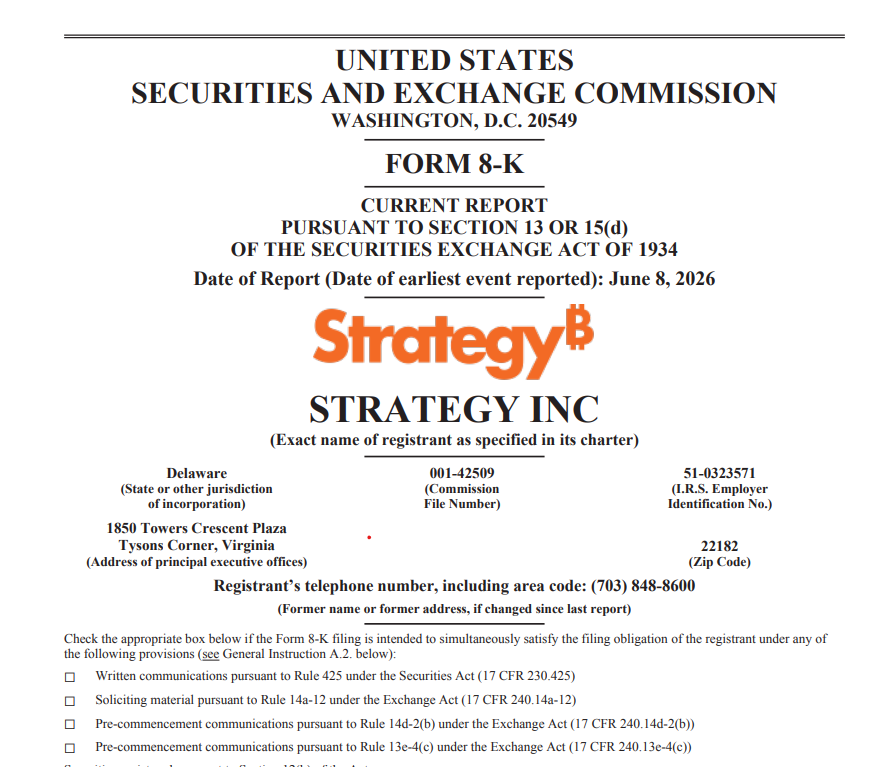
Strategy purchased 1,550 Bitcoin for approximately $101.3 million last week, bringing its total holdings to 845,256 BTC.
The company paid an average price of $65,332 per Bitcoin for the purchase, according to a Monday 8-K filing with the US Securities and Exchange Commission. Strategy’s aggregate Bitcoin holdings were acquired at an average price of $75,680 per BTC, for a total cost of about $63.97 billion.
The latest acquisition was funded using proceeds from sales of Class A common stock through the company’s at-the-market offering program. According to the filing, Strategy generated $181 million in net proceeds from those stock sales during the first week of June.
Strategy now holds 845,256 BTC. At Bitcoin’s current price of about $63,600, its holdings are worth roughly $53.8 billion.
The company’s shares rose 6.55% in pre-market trading to $126.90 following the disclosure, according to Yahoo Finance data at the time of writing.
Strategy returns to Bitcoin buying after controversial sale
The latest purchase follows a Sunday X post by Strategy’s executive chairman, Michael Saylor, who said that it was “a good time to add more dots.”
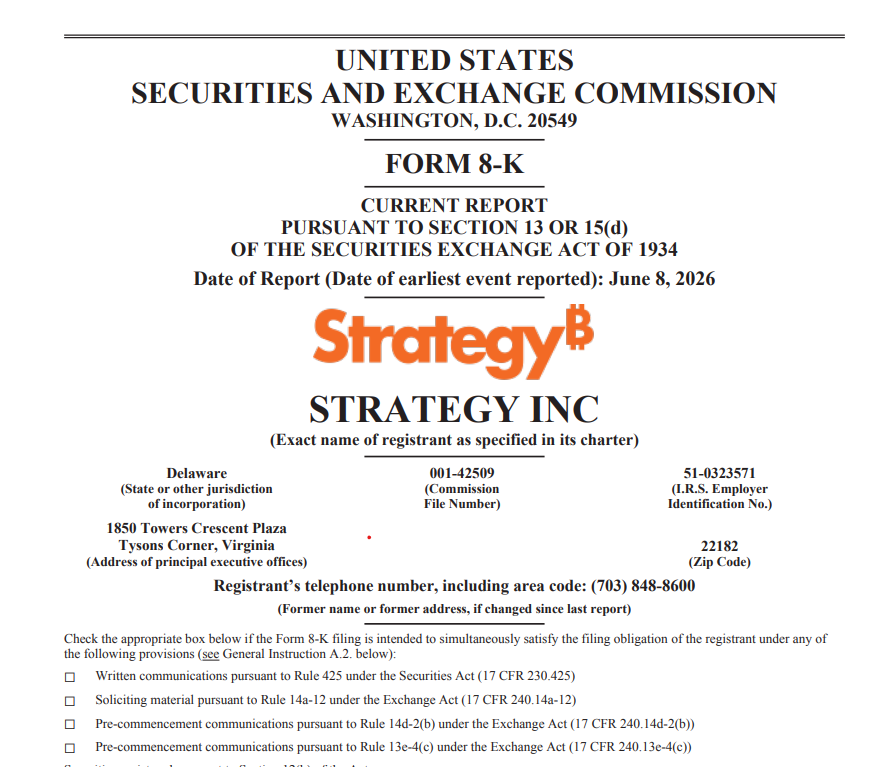
Strategy purchased another 1,550 Bitcoin. Source: Strategy
The purchase also marks a resumption of the company’s BTC accumulation strategy after its controversial sale of 32 BTC last Monday, which was its first since 2022.
Related: Strategy’s leveraged Bitcoin model has faced its first stress test: Grayscale
Bitcoin price fell 21% following the sale, briefly retesting $61,000 for the first time in four months, and sparking heavy criticism from traders who warned of a potential “doom loop” if the firm were ever forced to sell reserves.
CryptoQuant CEO Ki Young Ju pushed back on criticism of Saylor on Friday after CNBC host Jim Cramer accused him of “murdering Bitcoin.” Ju argued that Bitcoin would have fallen to $22,000 if it weren’t for Strategy’s purchases.
In a Monday report, analysts from Bernstein said that Strategy had continued to grow its Bitcoin stack through a roughly 50% price drawdown and highlighted its resilient, overcollateralized and liquid balance sheet, while reiterating an “Outperform” rating and a $450 price target on the stock.
Magazine: Bitcoin will not hit $1M by 2030, says veteran trader Peter Brandt
MetaMask launched a new self-custodial wallet designed for AI agents, allowing autonomous software to trade across decentralized finance while keeping users in control of their funds, the Consensys-owned wallet provider said Monday.
The new MetaMask Agent Wallet gives AI agents access to swaps, perpetual futures, prediction markets and liquidity provisioning across Ethereum-compatible blockchains.
The launch comes as AI agents increasingly emerge as participants in crypto markets, executing trades and managing capital on behalf of users. MetaMask is pitching security as the wallet’s key differentiator.
The product is available through a limited early-access program, with a broader rollout planned in the next few months.
According to the company, every transaction initiated by an agent is automatically subjected to transaction simulation, threat scanning powered and MEV protection before execution. Transactions flagged as malicious will require human approval through two-factor authentication.
MetaMask said transactions deemed safe are covered by its Transaction Protection program, which provides up to $10,000 in protection against losses.
Users can choose between a default “Guard Mode,” which enforces spending limits, protocol allowlists and approval requirements, and an opt-in “Beast Mode” that reduces prompts while still requiring approval for potentially malicious transactions.
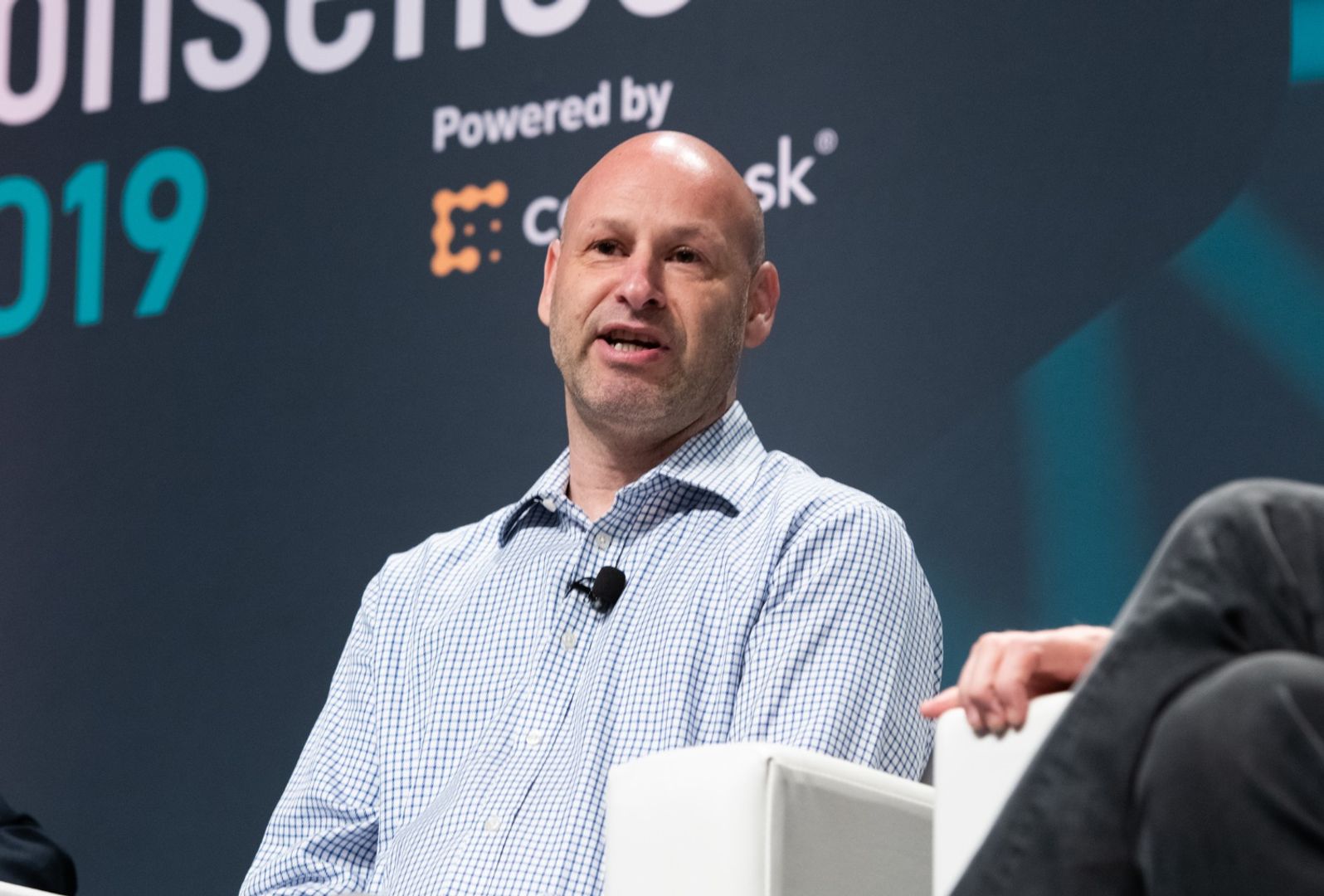
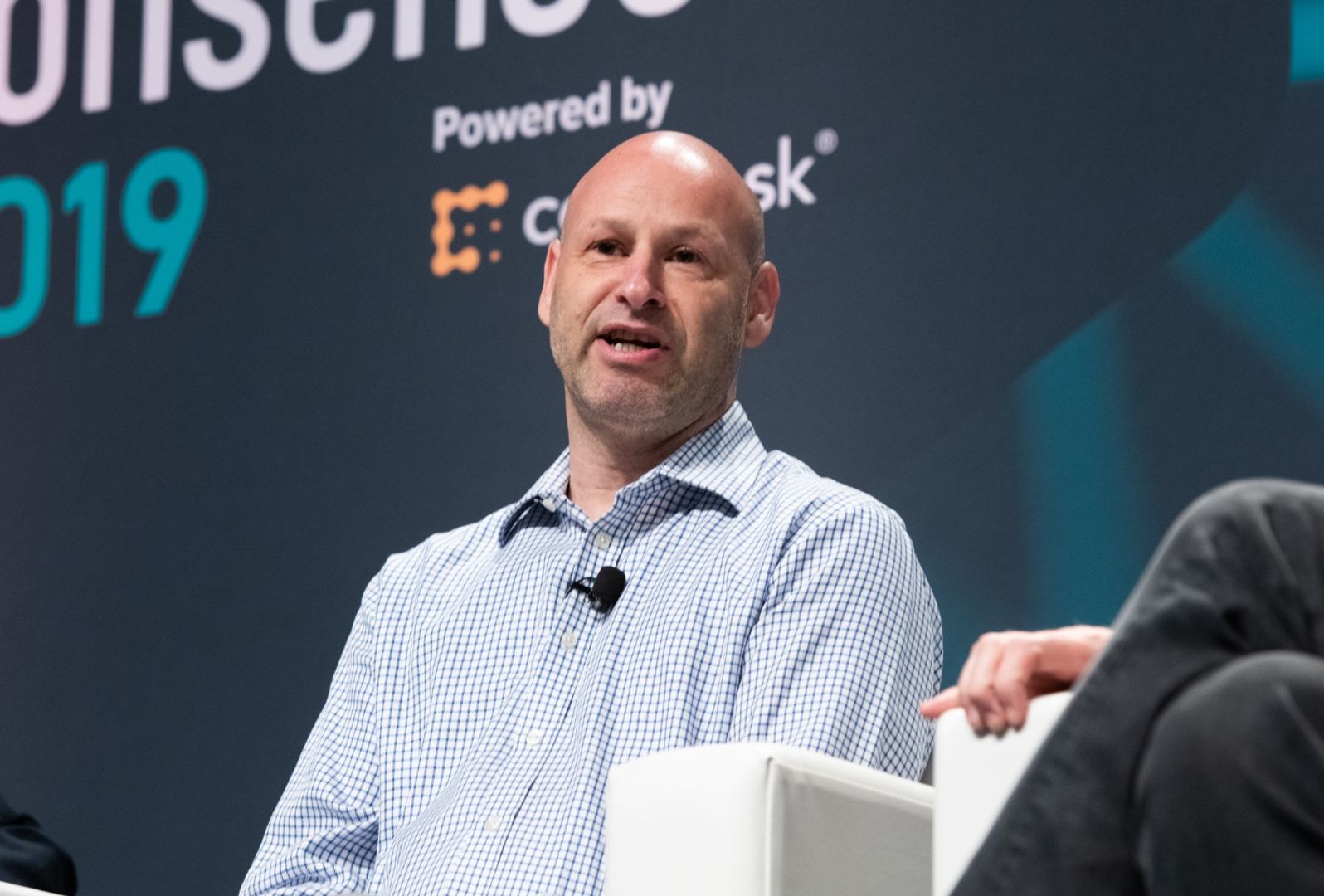
“The next great expansion of the onchain economy won’t be driven by humans alone,” Consensys CEO and Ethereum co-founder Joe Lubin said in a statement. “Agents will manage real capital and make real financial decisions, and the infrastructure underneath has to be worthy of that.”
Read more: MetaMask expands debit card across U.S. after year-long pilot
TLDR
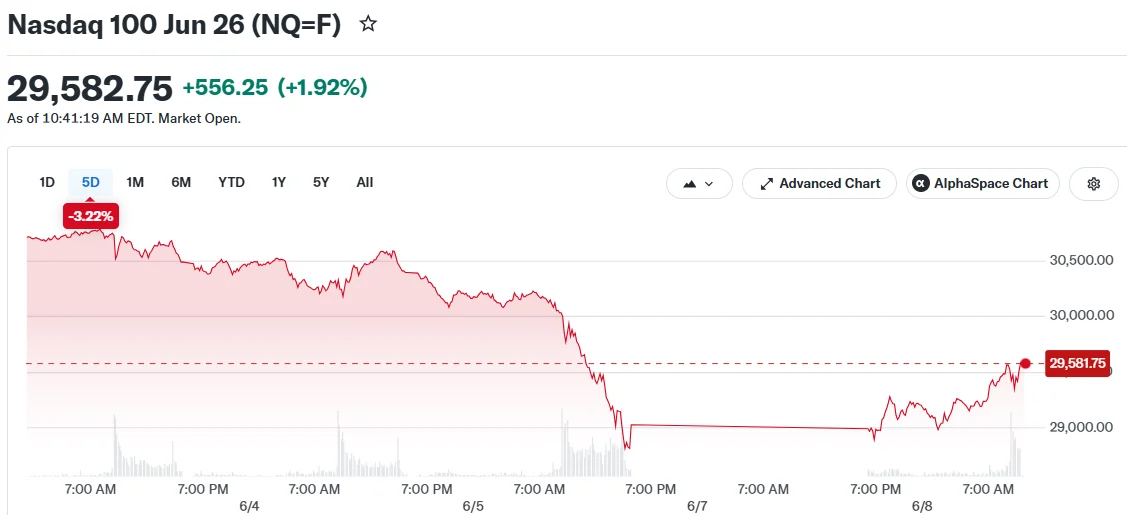
- The Nasdaq Composite surged more than 1% on Monday, bouncing back from Friday’s steepest decline in over 12 months
- Semiconductor stocks spearheaded the rally, with Micron surging 9% and Nvidia climbing approximately 2%
- Iran announced it would cease military actions against Israel, reducing pressure on crude oil markets
- Friday’s sharp decline followed robust May employment data that sparked concerns about potential Federal Reserve rate increases
- Important upcoming events include Wednesday’s CPI release and SpaceX’s anticipated Friday IPO
U.S. equity markets opened the week on a positive note Monday as traders returned to technology stocks after Friday’s dramatic downturn.
The Nasdaq Composite advanced approximately 1.2% to reach 26,025. The S&P 500 climbed 0.6% while the Dow Jones Industrial Average increased by roughly 0.2%.
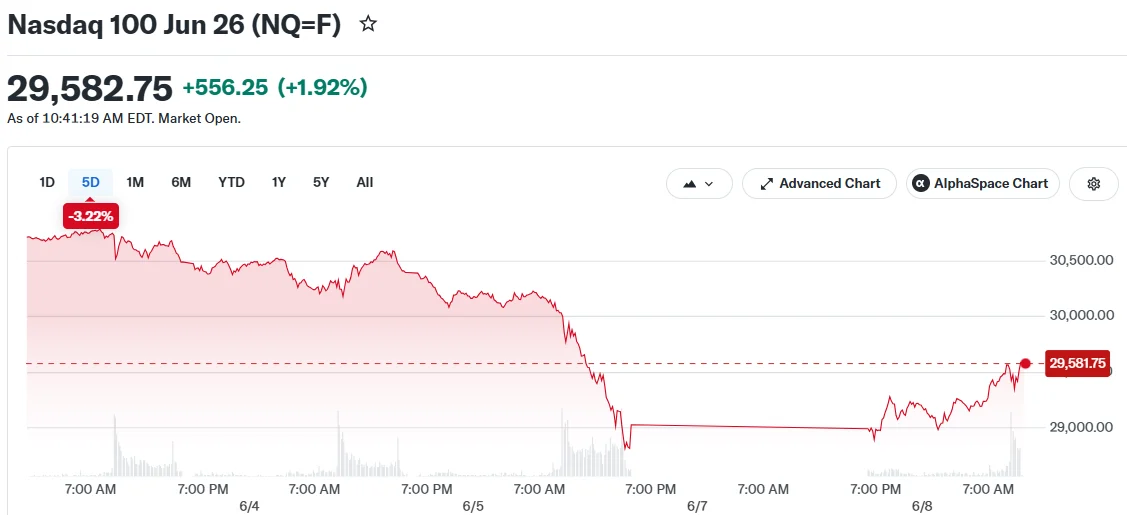
Friday’s trading session witnessed the Nasdaq plunge 4%, marking its most severe single-day loss in more than a year. The S&P 500 simultaneously ended its impressive nine-week rally.
The market downturn was ignited by stronger-than-expected May employment figures. This data prompted market participants to increase their expectations that the Federal Reserve might implement interest rate hikes before year-end.
Economist David Rosenberg challenged this interpretation. He noted that approximately two-thirds of employment growth originated from leisure and hospitality, municipal government, and healthcare and education industries, partially influenced by World Cup preparations.
Semiconductor stocks experienced the most significant losses on Friday but mounted an impressive comeback Monday. Micron soared 9% while Nvidia rose roughly 2%.
Nvidia CEO Jensen Huang indicated the recent pullback represented a purchasing opportunity for investors seeking exposure to artificial intelligence technologies.
Middle East Conflict Creates Initial Volatility Before Resolution
Oil prices jumped during early trading after Iran launched missile strikes against Israel for the first time since April. Israel retaliated despite President Trump urging restraint from both nations.
Crude prices retreated following Iran’s declaration that its military campaign against Israel had concluded.
Both Brent crude and West Texas Intermediate futures reduced their gains after the ceasefire statement.
The U.S. dollar weakened on optimism surrounding potential diplomatic resolution between the two nations. Treasury yields also moderated following earlier increases connected to the employment report.
Several market strategists had warned that equities appeared overextended following substantial April and May advances. Paul Hickey from Bespoke Investment Group indicated that a correction was anticipated given the magnitude of recent price appreciation.
As technology shares declined last Friday, capital rotated into defensive market segments. Healthcare emerged as one of the sectors attracting investment flows during the repositioning.
Market participants will closely monitor Wednesday’s Consumer Price Index data to assess whether elevated oil costs are influencing core inflation metrics.
Oracle’s earnings report is also scheduled for Wednesday, providing additional insight into enterprise technology expenditure trends.
The trading week may conclude with a landmark corporate event. SpaceX is anticipated to debut publicly on Friday in what could become the largest initial public offering in history.
Financial markets continue to exhibit sensitivity to both macroeconomic indicators and international developments as the week progresses.

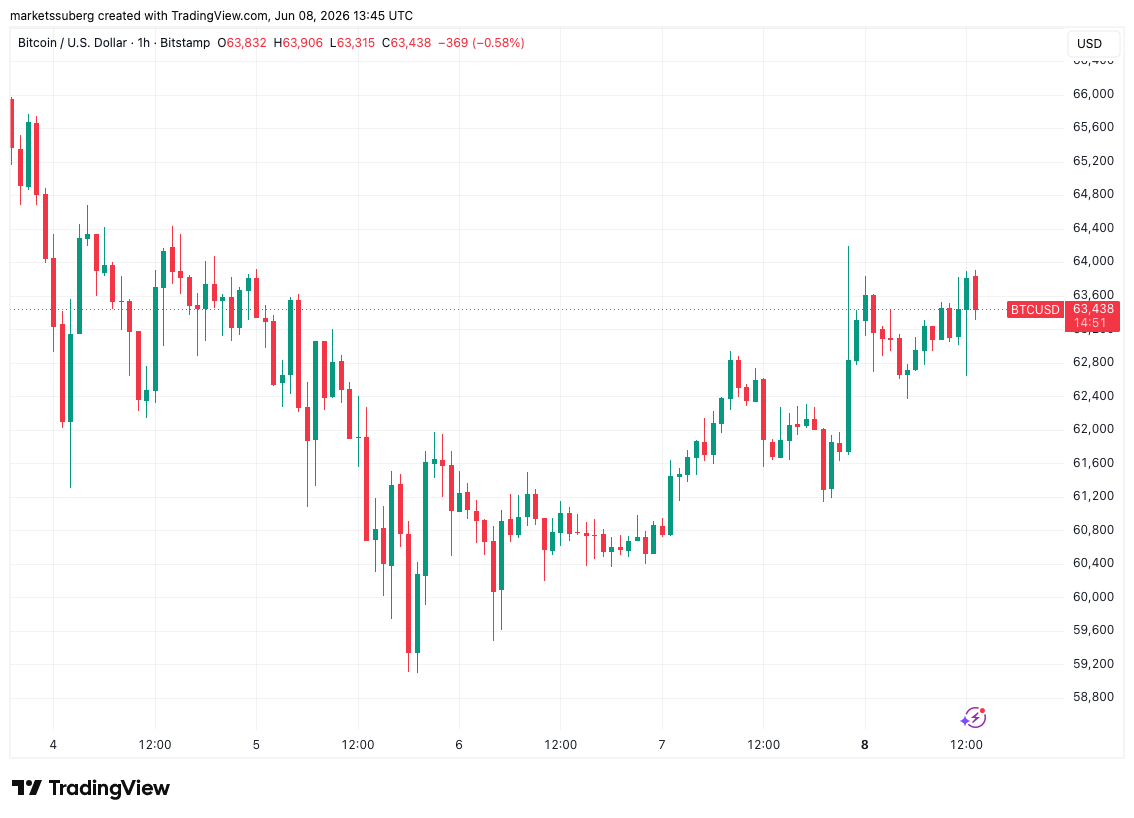
Bitcoin (BTC) approached intraday highs ahead of Monday’s Wall Street open, with $60,000 holding as key support.
Key points:
- Bitcoin avoids another retest of $60,000 as Wall Street returns, but bear-market standards call for lower.
- A rebound to $64,000 is being watched for signs that worse is yet to come.
- Macro headwinds multiply as the Japanese yen reenters the picture.
Bitcoin price decides on ranging versus breakdown
Data from TradingView showed BTC price selling pressure easing after the weekly close — Bitcoin’s lowest since October 2024.
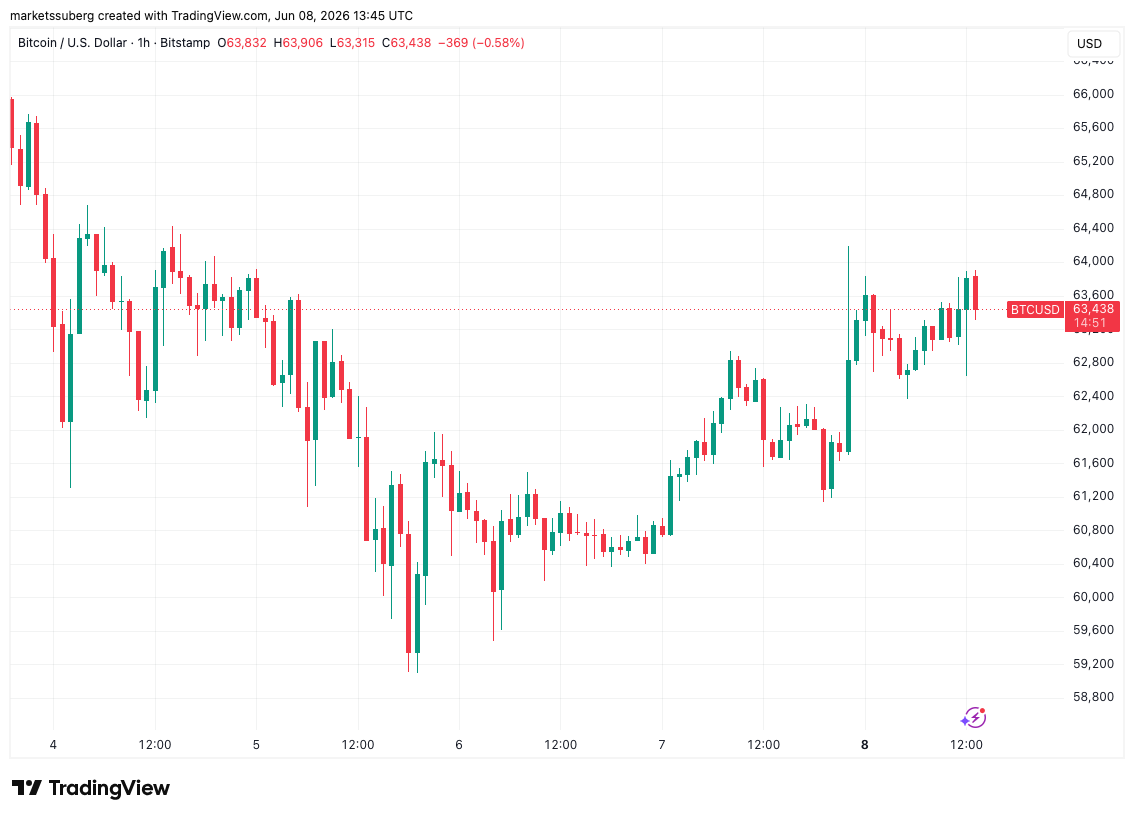
BTC/USD one-hour chart. Source: Cointelegraph/TradingView
Attention focused on the $60,000 mark amid a broad lack of bullish sentiment on both shorter and longer time frames.
“Holding the $60K low and I will just assume this is a range for now,” trader Daan Crypto Trades forecast in his latest analysis on X.
“I can easily see us trade in this $60K-$80K region for quite a while. Just need to not turn bearish at the range low and not get too excited at the range high region.”
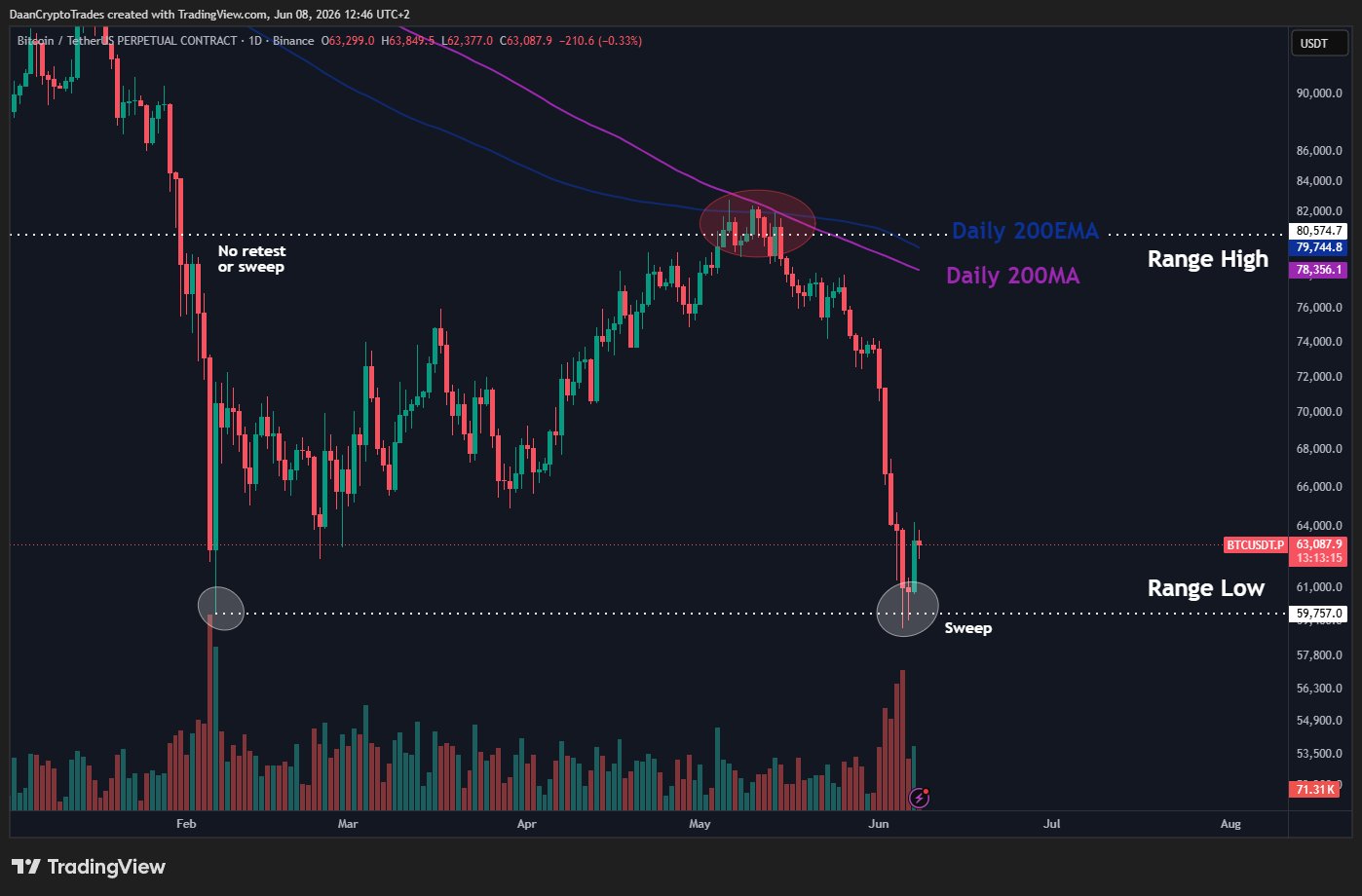
BTC/USDT perpetual contract one-day chart. Source: Daan Crypto Trades/X
An accompanying chart showed Bitcoin’s 200-day simple moving average (SMA) now acting as low-time-frame resistance.
Among those seeing bearish continuation was trader and analyst Rekt Capital, who told X followers to watch for a failed rebound and subsequent weakening of support at $60,000.
“Bitcoin has now tagged the 200-week SMA for the first time in this Bear Cycle,” he added about another important bear-market feature late last week.
“Deviating below it has historically been the key to building out a Bear Market bottom formation.”
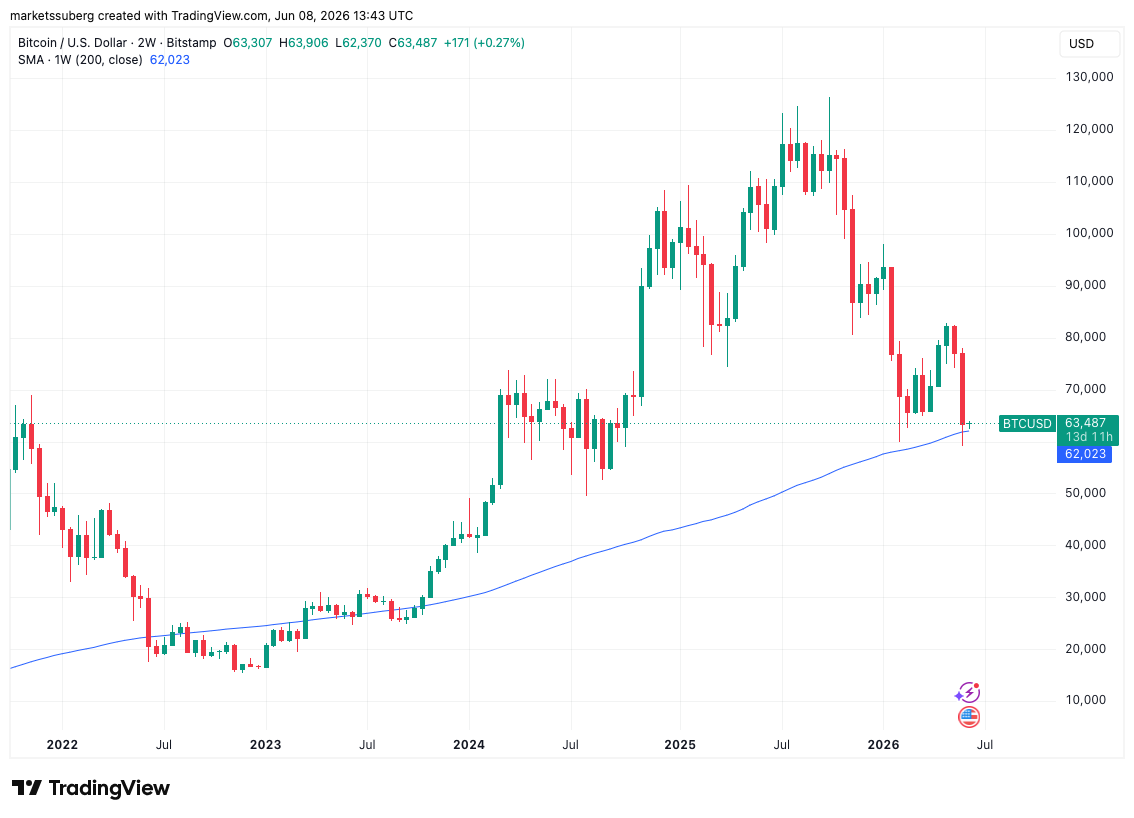
BTC/USD two-week chart with 200-week SMA. Source: Cointelegraph/TradingView
Bitcoin analysis says macro “tapping it on the shoulder”
On the macro front, analysis pointed to several key headwinds complicating the picture for crypto and risk assets.
Related: BTC price bottom not due until Q4? Five things to know in Bitcoin this week
These were interest-rate plan expectations from the US Federal Reserve, the Japanese yen passing 160 per dollar and the US-Iran war.
“Taken together, these are not exactly ideal conditions for high-beta assets,” trading resource QCP Capital wrote in its latest Market Color bulletin.
“BTC is effectively being asked to perform while oil, rates, FX and geopolitics are all tapping it on the shoulder.”
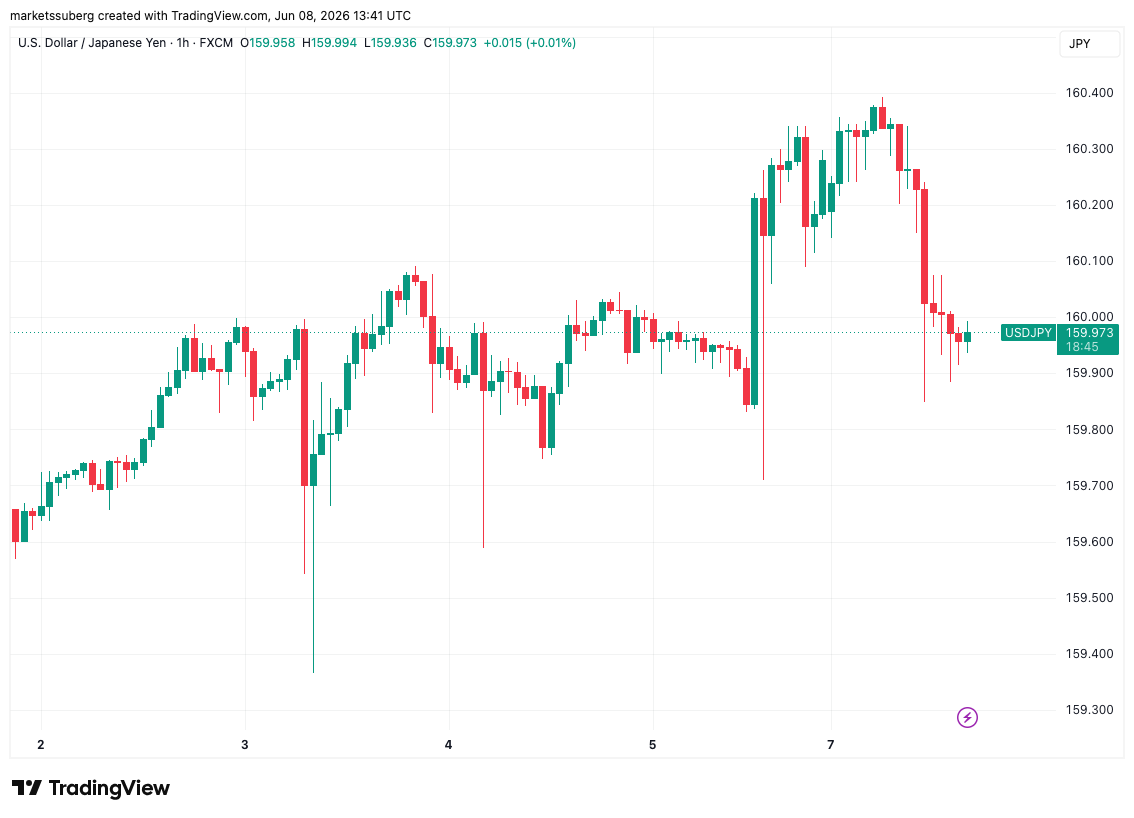
USD/JPY one-hour chart. Source: Cointelegraph/TradingView
QCP argued that given Asia equities weakness on Monday, Bitcoin’s next moves would be telling when it comes to its recent divergence from stocks.
“If crypto can hold while equities digest the AI-led correction, the market may start to rebuild a cleaner standalone narrative. If not, the apparent decoupling may prove to be less independence and more delayed reaction,” it suggested.

TLDR
- Krane Funds Advisors increased its position in AMD by 72.7% during the fourth quarter, now holding 11,306 shares valued at approximately $2.42 million.
- The chipmaker delivered first-quarter earnings of $1.37 per share, surpassing Wall Street expectations by $0.08, while revenue climbed 37.8% year-over-year to $10.25 billion.
- Goldman Sachs shifted its stance on AMD from Neutral to Buy, increasing its price target from $240 to $450; TD Cowen pushed its target even higher to $600.
- Shares opened at $466.38, significantly exceeding the 50-day moving average of $358.36, while the consensus price target stands at $419.86.
- Company insiders offloaded $119.5 million in shares during the last 90 days, while semiconductor stocks faced headwinds following Broadcom’s disappointing AI forecast.
Advanced Micro Devices has emerged as one of the semiconductor industry’s most compelling narratives in recent months. A combination of impressive quarterly results, multiple analyst endorsements, and heightened institutional participation has propelled the stock significantly beyond its recent trading ranges — despite encountering some volatility.
Advanced Micro Devices, Inc., AMD
Shares began trading Monday at $466.38, representing a substantial premium over the 50-day moving average of $358.36 and significantly above the 200-day moving average of $265.16. With a 52-week trading band stretching from $115.06 to $546.44, the stock’s trajectory has been nothing short of dramatic.
The primary driver behind this recent optimism was AMD’s first-quarter financial performance. The semiconductor company reported earnings of $1.37 per share, exceeding the Street’s $1.29 consensus. Revenue reached $10.25 billion, topping expectations of $9.90 billion and marking a 37.8% increase compared to the prior-year period.
Such outperformance typically captures the attention of Wall Street analysts.
Wave of Analyst Endorsements
Goldman Sachs elevated AMD from Neutral to Buy on May 6th, simultaneously raising its price objective from $240 to $450. Sanford C. Bernstein followed suit, upgrading shares from Market Perform to Outperform while boosting its target from $265 to $525.
TD Cowen took the most aggressive stance, elevating its price target to $600 on June 1st while reaffirming a Buy recommendation. JPMorgan maintained its Neutral position but still increased its target from $270 to $385. Barclays established a $665 price objective, citing accelerating CPU demand driven by expanding artificial intelligence workloads.
The prevailing analyst consensus is Moderate Buy, with a mean price target of $419.86. Notably, this figure trails the current trading price, suggesting the recent rally has outpaced Street expectations.
Krane Funds Advisors was among the institutional players expanding their AMD holdings in the fourth quarter, increasing its stake by 72.7% to 11,306 shares worth approximately $2.42 million. Vanguard stands as the largest institutional stakeholder with more than 158 million shares valued at roughly $33.9 billion. Norges Bank established a fresh position worth about $4.9 billion during Q4.
Institutional investors and hedge funds collectively control 71.34% of AMD’s outstanding equity.
Executive Selling and Market Challenges
Not all signals point upward. Company executives have divested $119.5 million worth of AMD shares over the past three months. EVP Paul Darren Grasby disposed of 24,376 shares at $444.39 apiece on May 8th. EVP Mark D. Papermaster sold 31,320 shares at $350.00 on April 24th through a prearranged 10b5-1 plan.
From a broader market perspective, AMD experienced pressure following Broadcom’s quarterly results, which underwhelmed investors expecting more robust AI-related guidance. This development weighed on chip stocks across the board and renewed valuation debates surrounding AMD, particularly given its price-to-earnings multiple of 152.91.
TSMC has indicated that artificial intelligence chip supply constraints will persist for years, supporting demand fundamentals while highlighting ongoing capacity limitations throughout the industry.
Wall Street analysts currently forecast AMD will deliver $6.20 in earnings per share for the complete fiscal year.


The escalating feud between Justin Sun and Donald Trump’s World Liberty Financial has reached a new level as Sun’s HTX has now delisted USD1.
Sun and World Liberty Financial have, for months, been involved in a public dispute that’s spilled over from X and into the courts.
This delisting comes comes after Sun alleged that World Liberty attempted to strong-arm him into becoming a larger minter of the Trump-affiliated stablecoin.
Read more: Trump’s World Liberty Financial sues its advisor Justin Sun
Sun’s lawsuit also claimed that World Liberty had chosen to use undisclosed blacklisting methods to prevent him from participating in governance using the WLFI token and further alleged that World Liberty was using that leverage to extort him to become a larger USD1 minter.
World Liberty’s countersuit against its advisor alleged that Sun had defamed the project in a “coordinated media smear campaign.”
Recently, the United Kingdom Foreign, Commonwealth, and Development Office sanctioned HTX, alleging that it was “providing financial services” to firms that are “carrying on business in a sector of strategic significance to the government of Russia.”
HTX deceptively pretended that these sanctions didn’t apply, despite previous court filings claiming that the sanctioned entity both owned and operated HTX.
Following that, World Liberty made a post on X where it reminded users that “in light of recent sanctions updates, World Liberty Financial maintains risk-based sanctions compliance controls designed to support applicable legal and regulatory obligations across relevant jurisdictions.”
“Transactions involving sanctioned persons, entities, or associated wallet addresses may be subject to enhanced review, rejection, restrictions, or other appropriate compliance actions.”
“Users transferring digital assets should ensure that the source of funds and originating wallet addresses are not associated with sanctioned persons or prohibited activity.”
This led HTX to note on X that “The World Liberty Financial (WLFI) project team recently stated that it has unilaterally imposed a freeze on specific HTX on-chain addresses based on sanctions compliance reviews.
“As a result, the on-chain circulation of certain WLFI assets associated with these addresses has been restricted.”
HTX thus “proactively suspended trading for the WLFI/USDT, USD1/USDT, BTC/USD1, and ETH/USD1 trading pairs as of 13:00 (UTC) on June 5, 2026 to safeguard users’ assets.”
HTX subsequently added that it would be converting USD1 assets left on exchange into USDT.
Got a tip? Send us an email securely via Protos Leaks. For more informed news and investigations, follow us on X, Bluesky, and Google News, or subscribe to our YouTube channel.
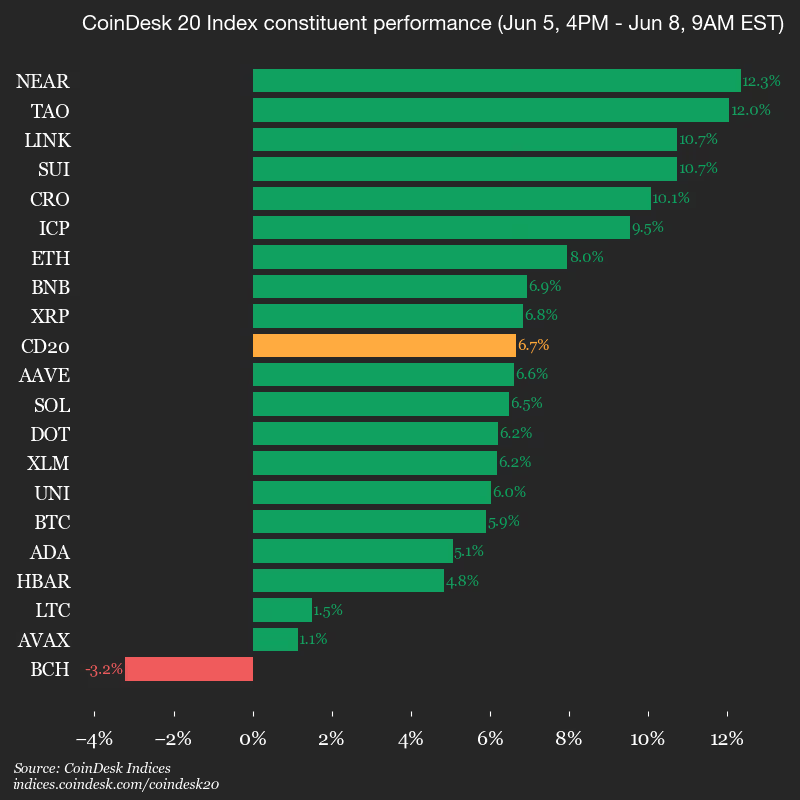
CoinDesk Indices presents its daily market update, highlighting the performance of leaders and laggards in the CoinDesk 20 Index.
The CoinDesk 20 is currently trading at 1715.91, up 6.7% (+107.11) since 4 p.m. ET on Friday.
Nineteen of 20 assets are trading higher.

Leaders: NEAR (+12.3%) and TAO (+12.0%).
Laggards: BCH (-3.2%) and AVAX (+1.1%).
The CoinDesk 20 is a broad-based index traded on multiple platforms in several regions globally.
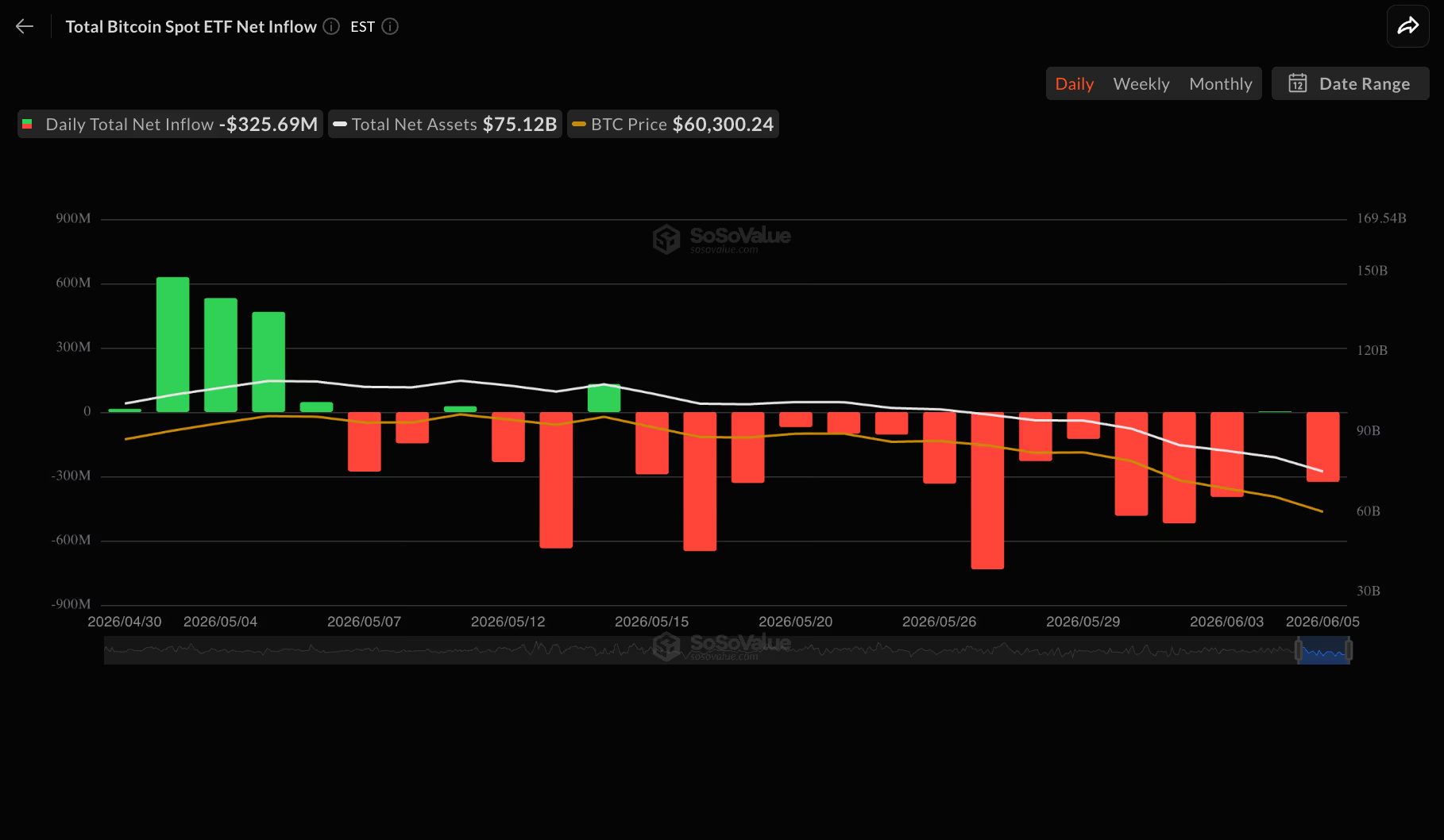
Bitcoin’s slide below $60,000 may have less to do with Michael Saylor’s Strategy (MSTR) and more to do with inflation creeping higher, one analyst argued.
In a Monday report, Markus Thielen, founder of 10x Research, wrote to clients that investors have largely misread the drivers behind crypto’s sharp selloff over the past weeks. While much of the market focused on Strategy’s first bitcoin sale since 2022 and the potential overhang if the largest corporate holder sells more, the bigger story has been a wave of institutional selling through spot bitcoin exchange-traded funds (ETF), he said.
Since the U.S. inflation report for April came in higher than anticipated on May 12, U.S.-listed bitcoin ETFs have seen roughly $5.4 billion in net redemptions, Thielen noted. During the same period, Strategy accumulated about $2 billion worth of bitcoin, making it one of the few significant buyers in the market.
“The market has misdiagnosed this selloff,” Thielen wrote. “Strategy is not the problem.”

Thielen said that attention should turn now to Wednesday’s consumer price index report for May, which could determine whether bitcoin’s recent correction deepens or stabilizes.
10x’s model forecasts annual inflation rising to 4.3%, above both the previous month’s 3.8% reading and Wall Street’s consensus estimate of 4.2%. A reading above 4% could reinforce concerns that the Federal Reserve will need to keep interest rates higher for longer, or potentially even consider additional hikes, the report said.
That would be unwelcome news for risk assets. Markets entered the year expecting multiple rate cuts, but after a string of hotter-than-expected inflation and labor market readings traders are now pricing out easing altogether and increasingly discussing the possibility that the Fed’s next move could be a hike rather than a cut.
While bitcoin appears technically oversold after its recent plunge, Thielen cautioned against treating a short-term bounce as the start of a sustained recovery. The firm expects bitcoin could see a relief rally early in the week, but the move will likely to fade if inflation surprises to the upside.
The broader flow picture has also remained weak, 10x Research said. Stablecoins recorded roughly $1.7 billion of net outflows last week and $5.5 billion over the month, suggesting capital leaving the crypto market. Meanwhile bitcoin futures open interest has fallen sharply as traders reduced exposure.
Thielen said ETF flows remain the key metric to watch to gauge bitcoin’s next move. “Institutional ETF flows are driving price,” he wrote. “Follow the money, not the narrative.”

GOP senators warn FISA program may lapse after intel pick backlash

Jailed crypto founder Sam Bankman-Fried seeks Trump pardon
Cardano Collapses 40% Monthly: 3 AIs Speculate Whether ADA Can Plummet to Zero This Year



-

 Fashion3 days ago
Weekend Open Thread: Evereve – Corporette.com
-

 Business7 days ago
Jade Biosciences, Inc. (JBIO) Discusses Positive Interim Results From JADE101 Phase I Healthy Volunteer Study and Development Plans Transcript
-
 Crypto World3 days ago
Jensen Huang Approves Samsung, SK Hynix, and Micron for NVIDIA (NVDA) HBM4 Memory Supply
-

 Sports6 days ago
French Open 2026 results: Alexander Zverev beats Rafael Jodar and will play Jakub Mensik in semi-finals
-

 Tech6 days ago
CryZENx Releases Fresh Playable Content Deep Inside Jabu-Jabu for His Ocarina of Time Remake
-

 Business6 days ago
Trump Taps Housing Chief Bill Pulte as Acting Intelligence Director After Gabbard Exit
-
 Business2 days ago
The Pain Points Taking a Fragile Tech Rally Down a Notch
-
 NewsBeat6 days ago
Republicans balk at Trump’s attempt to appoint a MAGA enforcer to lead National Intelligence
-
Crypto World3 days ago
LBank Surpasses 25 Million Users Worldwide as AFA Partnership Continues to Drive Global Growth
-

 Tech3 days ago
Microsoft launches MXC, an OS-level sandbox for AI agents, with OpenAI and Nvidia already on board
-

 Tech3 days ago
RCS Messages Between iPhone and Android Get End-to-End Encryption With iOS 26.5
-

 Crypto World1 day ago
Trump’s AI Ownership Plan Could Benefit Anthropic at OpenAI’s Expense
-
 Crypto World6 days ago
Seagate (STX) Stock Surges to Record High on AI Boom and Legal Settlement
-

 Tech3 days ago
Meta steals a tactic from Tesla and builds data centers in tents
-

 Business3 days ago
(VIDEO) Justin Bieber Delivers Surprise Happy Birthday Serenade to Diners at Los Angeles Mexican Restaurant
-

 Entertainment6 days ago
Did The Mandalorian And Grogu Already Ruin The Next Star Wars Movie?
-
 Crypto World6 days ago
EU AI Data Center Project Faces Delays as Funding Gaps Grow
-
Crypto World7 days ago
Tether Brings Google’s TurboQuant to Production, Unlocking Long-Context AI on Everyday Devices
-

 Business6 days ago
Aehr Test Systems Stock Soars 17% Amid Surging AI Demand and Conference Spotlight
-
 Crypto World3 days ago
Merlin (MRLN) Stock Soars 32% on Major USSOCOM Autonomy Milestone
You must be logged in to post a comment Login