

Crypto World
Japan Ruling Party Pushes AI, Blockchain for Financial Infrastructure


According to Cointelegraph, Japan’s ruling Liberal Democratic Party (LDP) has greenlit a policy pathway to accelerate automated financial infrastructure through artificial intelligence and blockchain technology. The policy proposal, issued by the LDP Policy Research Council as part of the “Next Generation AI and Onchain Finance Initiative,” envisions using blockchain to settle payments across retail and wholesale channels, while enabling AI to autonomously execute economic activities. It also calls for clarifying the legality of yen-pegged stablecoins as part of a broader regulatory framework.
In a translated statement accompanying the publication, the council asserted that expanding blockchain adoption will be pivotal to constructing the infrastructure required to keep Japan at the forefront of AI-enabled finance. The document underscored the potential to deepen international cooperation, particularly with Asian economies that maintain strong economic ties with Japan, should Japan lead in creating a secure and trusted on-chain payments infrastructure.
“In Japan, the expanded adoption of blockchain technology will play a crucial role in establishing the necessary infrastructure to ensure that the nation remains ‘chosen by AI’,” the council stated, adding: “If we can take the lead among nations in establishing a secure and trusted payment infrastructure for on-chain transactions, we can anticipate deepening cooperation in various forms — such as by providing expertise and services — particularly with Asian countries that share strong economic ties with Japan.”
On the public record, LDP member Seiji Kihara reflected on the plan via X, describing the release as laying out the “big picture” of the initiative. He emphasized that the critical work now lies in the follow-up steps needed to translate the vision into concrete policy and implementation efforts.
Key takeaways
- The LDP Policy Research Council approved a forward-looking framework to integrate AI and on-chain finance, outlining use cases for autonomous AI-driven economic activity and on-chain payment settlements in Japan’s retail and wholesale sectors.
- The initiative places a spotlight on clarifying the legal status of yen-pegged stablecoins within Japan’s financial infrastructure, signaling a push to define digital currency instruments within existing regulatory boundaries.
- The plan positions Japan to seek regional leadership in secure, trusted on-chain payments, with potential collaboration and service provision to Asian partners that are economically entwined with Japan.
- Regulatory backdrop continues to evolve: Japan’s government earlier amended a law to classify crypto assets as financial instruments, following a period of consideration around guidelines that could enable crypto-backed exchange-traded funds.
- Industry dynamics in the domestic crypto market may be shifting toward consolidation, as evidenced by SBI Holdings’ indication of interest in acquiring a stake in Bitbank, a move with implications for market structure and regulatory oversight.
Policy framework for AI-enabled on-chain finance
The initiative represents a deliberate attempt to map a national blueprint for AI-enabled, blockchain-based financial infrastructure. By envisioning a system in which blockchain settlement mechanisms underwrite retail and wholesale transactions, and AI autonomously executes economic activities, the LDP aims to reduce friction in payments and broaden the scope of programmable finance. The emphasis on on-chain settlement is notable for potential implications across settlement latency, interoperability, and operator liability—areas that typically attract scrutiny from regulators and compliance teams as digital assets gain traction in mainstream finance.
The document also contemplates a clarified legal environment for yen-linked stablecoins. While not a full endorsement of any particular instrument, the emphasis on certainty around legal status is aimed at addressing risk vectors that concern banks, payment providers, and exchanges seeking to participate in a regulated ecosystem. In this context, the plan aligns with broader policy conversations about how digital currencies interface with traditional monetary frameworks and payment rails.
The leadership’s framing of the initiative as a collaborative path to “be chosen by AI” underscores Japan’s intention to position itself as a testing ground for secure, trusted on-chain operations. The aspirational tone reflects a governance approach that seeks to balance innovation with regulatory clarity—an essential consideration for financial institutions, technology providers, and market participants seeking clarity on permissible activities, licensing requirements, and cross-border compliance expectations.
As part of the broader regulatory landscape, observers may note that Japan has been methodically adjusting its stance on digital assets. In April, the government amended a law to classify crypto assets as financial instruments, following earlier signals about potential guideline changes that could enable crypto-linked exchange-traded funds (ETFs) in the near term. While the specific contours of any future ETFs remain under consideration, the trend signals a move toward formal recognition of digital asset instruments within Japan’s financial regulatory framework. For exchanges and asset managers, these developments—together with the LDP plan—could influence licensing trajectories, product approvals, and the scope of permissible client disclosures and risk controls.
Industry consolidation and market structure implications
Concurrent with the policy discourse, corporate activity within Japan’s crypto sector is shifting. On May 1, SBI Holdings disclosed that it was weighing a stake acquisition in Bitbank, one of the country’s digital-asset platforms. If negotiations advance and receive the necessary approvals, the move would constitute a notable consolidation: a major financial services player seeking to acquire or integrate a digital asset exchange. Market participants, incumbents, and regulators alike will be watching how such moves interact with the evolving regulatory regime—particularly regarding licensing, AML/KYC regimes, governance standards, and consumer protections for exchange users.
The consolidation narrative, set against a backdrop of regulatory clarity and a push for more sophisticated financial infrastructure, could influence competitive dynamics, capital allocation, and partner ecosystems for banks, payment processors, and other fintechs operating in Japan. It also raises questions for cross-border firms and foreign participants seeking to operate in Japan’s crypto market, underscoring the importance of aligned compliance programs, transparent governance practices, and robust risk management frameworks to navigate any shifts in market concentration.
Closing perspective
Japan’s LDP policy initiative marks a deliberate step toward integrating AI and blockchain into a formal financial infrastructure plan, with explicit attention to regulatory clarity around stablecoins and on-chain settlement. As the government advances this agenda, market participants should monitor the regulatory dialogue, licensing developments, and potential cross-border cooperation that could reshape the competitive landscape for digital assets and financial technology in Japan and the broader Asia-Pacific region.



21Shares says strong early flows into its new Hyperliquid ETF reflect growing investor demand for around-the-clock access to crypto and traditional assets.
Japan’s Financial Services Agency has finalized rules allowing foreign-issued trust-type stablecoins into its payment system, with the changes published on May 19, 2026, and effective June 1.
The decision reshapes how global stablecoins enter Asia and arrives as Washington advances its own crypto legislation.
What Japan’s New Stablecoin Rules Actually Mean?
A trust-type stablecoin is a digital token fully backed by reserves held in a trust structure, redeemable at par with a fiat currency. Japan’s updated framework now lets qualifying foreign versions act as regulated payment instruments.
Until now, foreign-issued stablecoins faced real regulatory friction inside Japan. Regulators often classified many of them as securities or left them in a gray zone that blocked everyday payment use.
The reform, published under Prime Minister Sanae Takaichi, reclassifies qualifying foreign trust-type stablecoins as Electronic Payment Instruments under the Payment Services Act. That single change integrates them into Japan’s formal financial rails.
Follow us on X to get the latest news as it happens
At its center sits a rigorous equivalence standard. Foreign issuers must prove their home jurisdiction matches Japanese rules on licensing, auditing, anti-money laundering controls, and same-currency reserves to limit exchange-rate risk.
Domestic intermediaries carry the first responsibility for verifying compliance. Major local players are already preparing, with SBI VC Trade exploring licensed services involving global stablecoins such as USDC.
In this way, the June 1 start date will be closely watched. Success could accelerate inflows of global capital and unlock new payment applications, from remittances to tokenized settlement systems.
How the United States CLARITY Act Fits the Scene?
Across the Pacific, the United States is advancing its own crypto framework. The Senate Banking Committee recently moved the CLARITY Act forward with a bipartisan vote of 15 to 9.
The Digital Asset Market Clarity Act seeks to define regulatory jurisdiction between the SEC and the CFTC. It also builds on the earlier GENIUS Act to address stablecoin-related issues directly.
One key compromise involves yield. The bill generally prohibits passive, deposit-like interest on payment stablecoins while still allowing activity-based rewards for users.
“Congress has an opportunity, before this bill advances further, to close the loophole tightly and ensure that any prohibition on stablecoin interest is airtight — applying not just to issuers but to exchanges, affiliates, and any intermediary delivering the same economic return through a different corporate wrapper,” said Jeane Vidoni, CEO of Penn Community Bank.
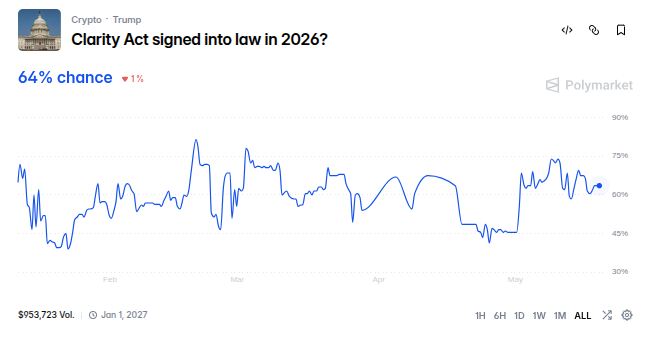
Analysts are cautiously optimistic. Alex Thorn of Galaxy Digital estimates the chance of the CLARITY Act becoming law in 2026 at roughly 65% to 75%, up from earlier near-even odds. Meanwhile, traders on Polymarket assign a 64% probability that the bill will become law in 2026.

Together, both stories point in the same direction. Japan’s regulatory refinement and America’s legislative push highlight a maturing global stablecoin ecosystem moving steadily from early experimentation toward real, structured integration.
For issuers and intermediaries, this dual momentum signals that clarity is finally arriving, one jurisdiction at a time. Regulated frameworks on both sides of the Pacific could unlock cross-border payments, institutional adoption, and more transparent, inclusive financial systems worldwide.
Subscribe to our YouTube channel to watch leaders and journalists provide expert insights
The post Japan is Adopting a Reverse CLARITY Act With Foreign Stablecoins appeared first on BeInCrypto.
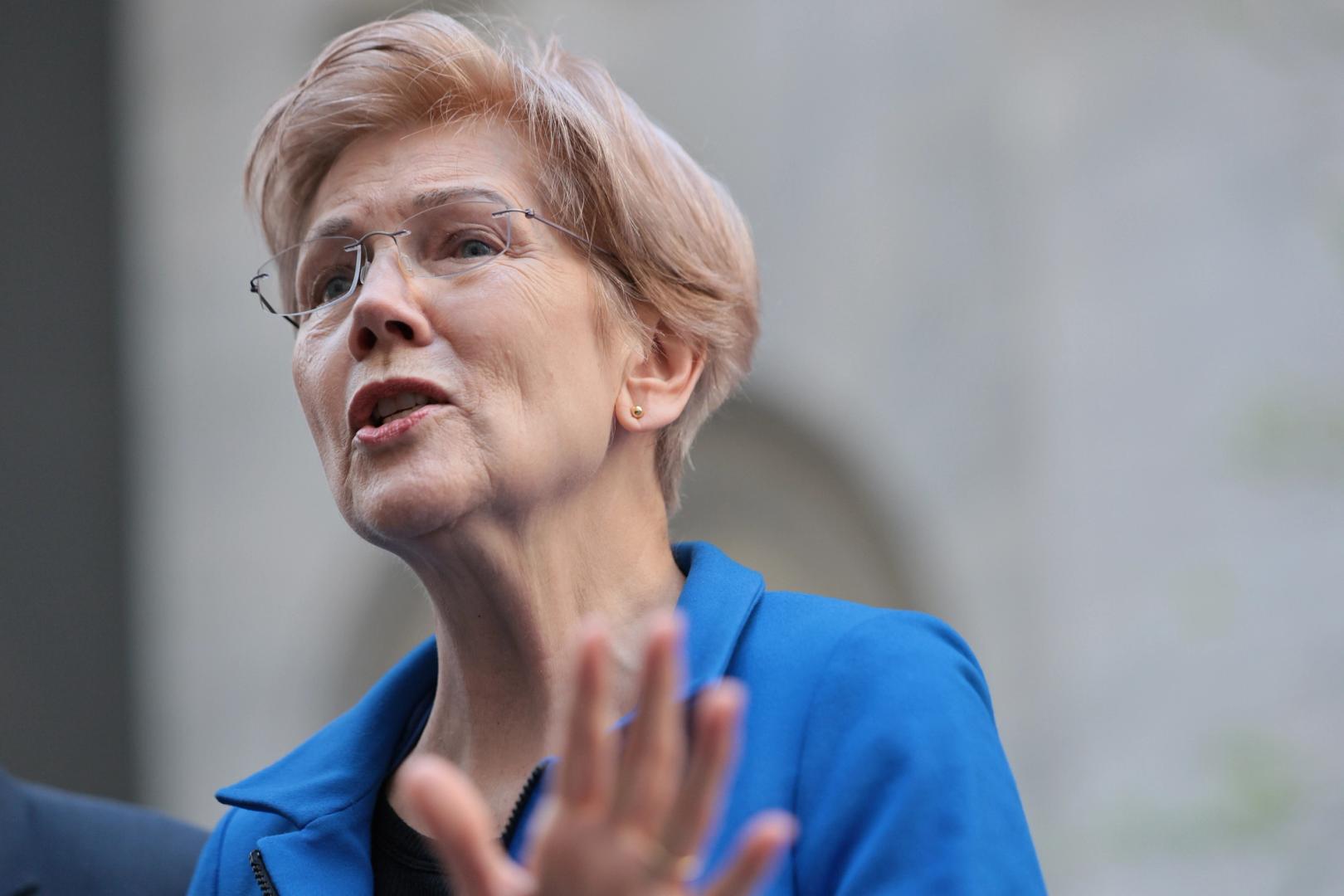
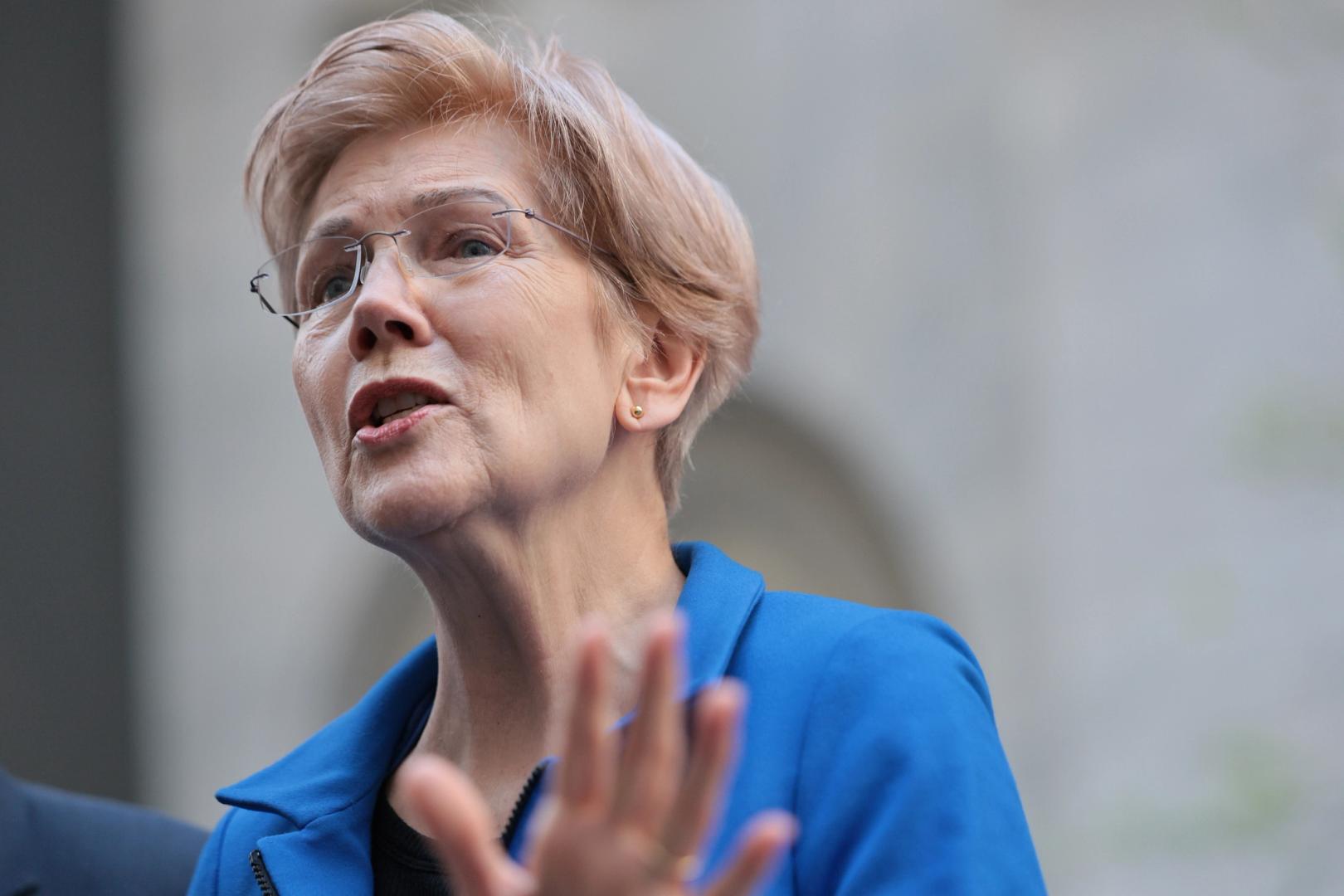
The Senate Banking Committee’s top Democrat sent a letter to the Office of the Comptroller of the Currency questioning the charters of nine crypto firms.

TLDR
- The SEC is preparing a framework to allow tokenized stocks to trade on crypto platforms under lighter regulatory requirements.
- The proposal would let third parties issue tokens that track stock prices without approval from the underlying companies.
- Token holders would not receive shareholder rights such as voting power or dividend payments.
- Tokenized stocks would trade continuously on blockchain networks without traditional market-hour restrictions.
- Market data shows the tokenized equities sector has reached about $1.4 billion in total value.
U.S. regulators are preparing a new framework that could allow blockchain-based stock trading on crypto platforms. The plan focuses on tokenized securities and aims to ease compliance requirements for certain providers. Bloomberg reported that the U.S. Securities and Exchange Commission may release the proposal within days.
SEC Outlines Structure for Tokenized Stocks Framework
The SEC is developing an “innovation exemption” to support tokenized securities trading under lighter rules. The proposal would allow platforms to offer digital stock representations without full registration compliance. Sources familiar with the matter said the agency could introduce the framework as early as next week.
The structure allows third parties to issue tokens that track publicly traded shares without company approval. These tokens would reflect stock prices but would not represent direct ownership in the underlying firms. As a result, holders would not receive voting rights, dividends, or participation in corporate decisions.
The tokens would operate on blockchain networks and trade continuously across global crypto platforms. This system would remove traditional trading hour limits and reduce settlement delays. However, the SEC has not issued an official comment on the reported framework.
Market Activity Grows as Institutions Advance Tokenized Stocks
Market data shows that tokenized equities continue to expand in scale and activity across platforms. Data from RWA.xyz indicates the sector holds about $1.4 billion across more than 2,200 assets. The total value increased by about 30% over the past 30 days, while monthly transfer volume reached $3.24 billion.
The number of token holders also rose by 25% within a month to about 265,000 users. These figures reflect rising participation in blockchain-based financial products. Meanwhile, trading platforms continue to develop infrastructure to support this growth.
The Depository Trust & Clearing Corporation plans to begin limited tokenized asset trades in July. It also aims to expand the program into broader production use by October. The DTCC processes most U.S. securities transactions, and its entry supports operational development in this space.
Exchanges and Regulators Align on Digital Trading Systems
Nasdaq secured SEC approval in March for a rule change supporting tokenized share trading. The framework ensures that investors retain traditional ownership rights through regulated structures. The New York Stock Exchange also received approval in April to build a platform for continuous onchain settlement.
Intercontinental Exchange, which owns the NYSE, partnered with crypto exchange OKX to support this effort. The collaboration focuses on integrating blockchain systems with established trading infrastructure. These developments show coordinated steps between exchanges and regulators.
SEC Chair Paul Atkins has emphasized the need for updated regulatory approaches to digital markets. He stated that existing rules were designed for systems with fixed hours and human intermediaries. He said regulators should “write rules instead of enforcing outdated frameworks” to guide emerging technologies. The Senate Banking Committee recently advanced legislation related to crypto market structure. Lawmakers continue to work on clearer guidelines for digital asset regulation.

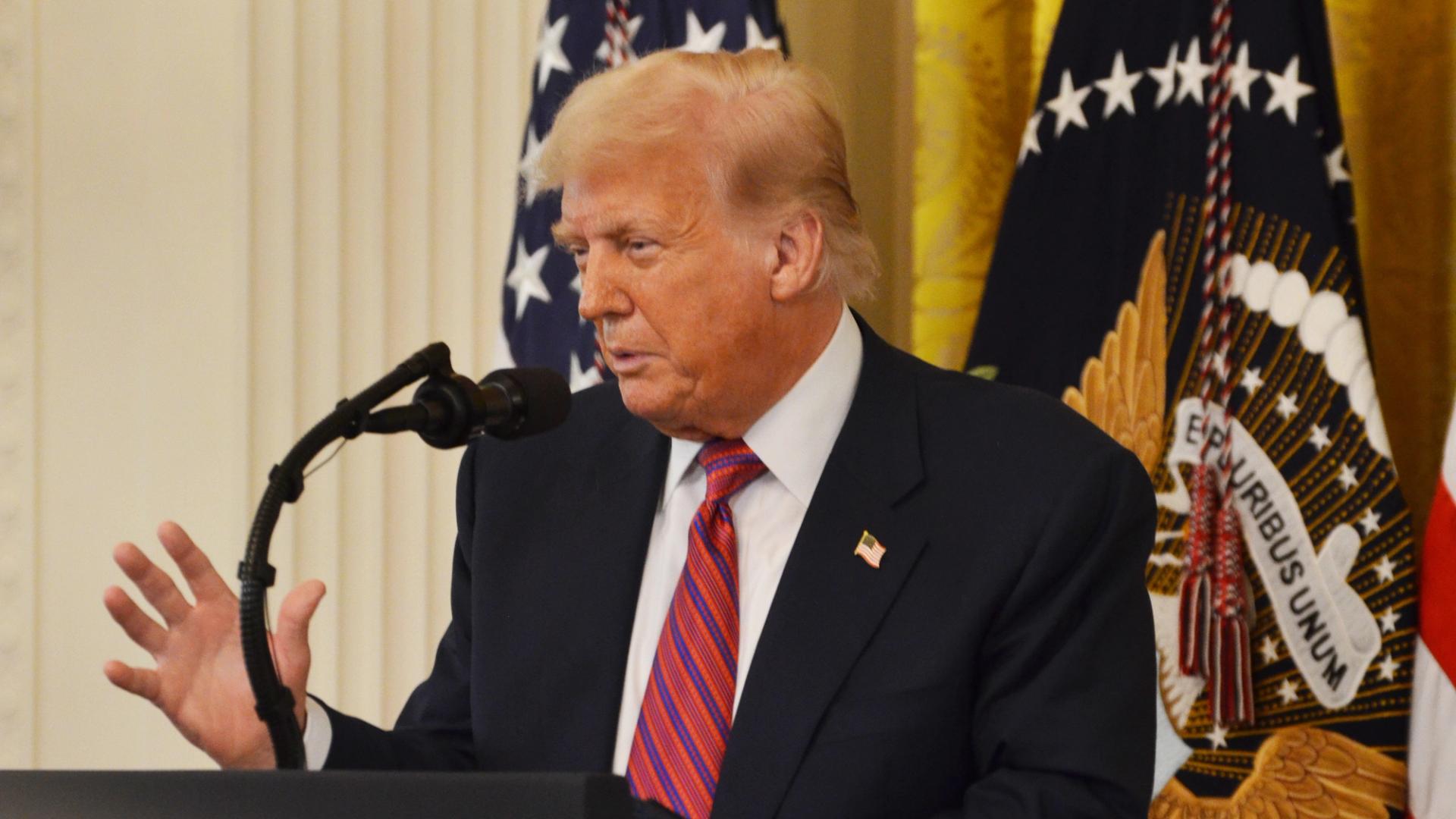
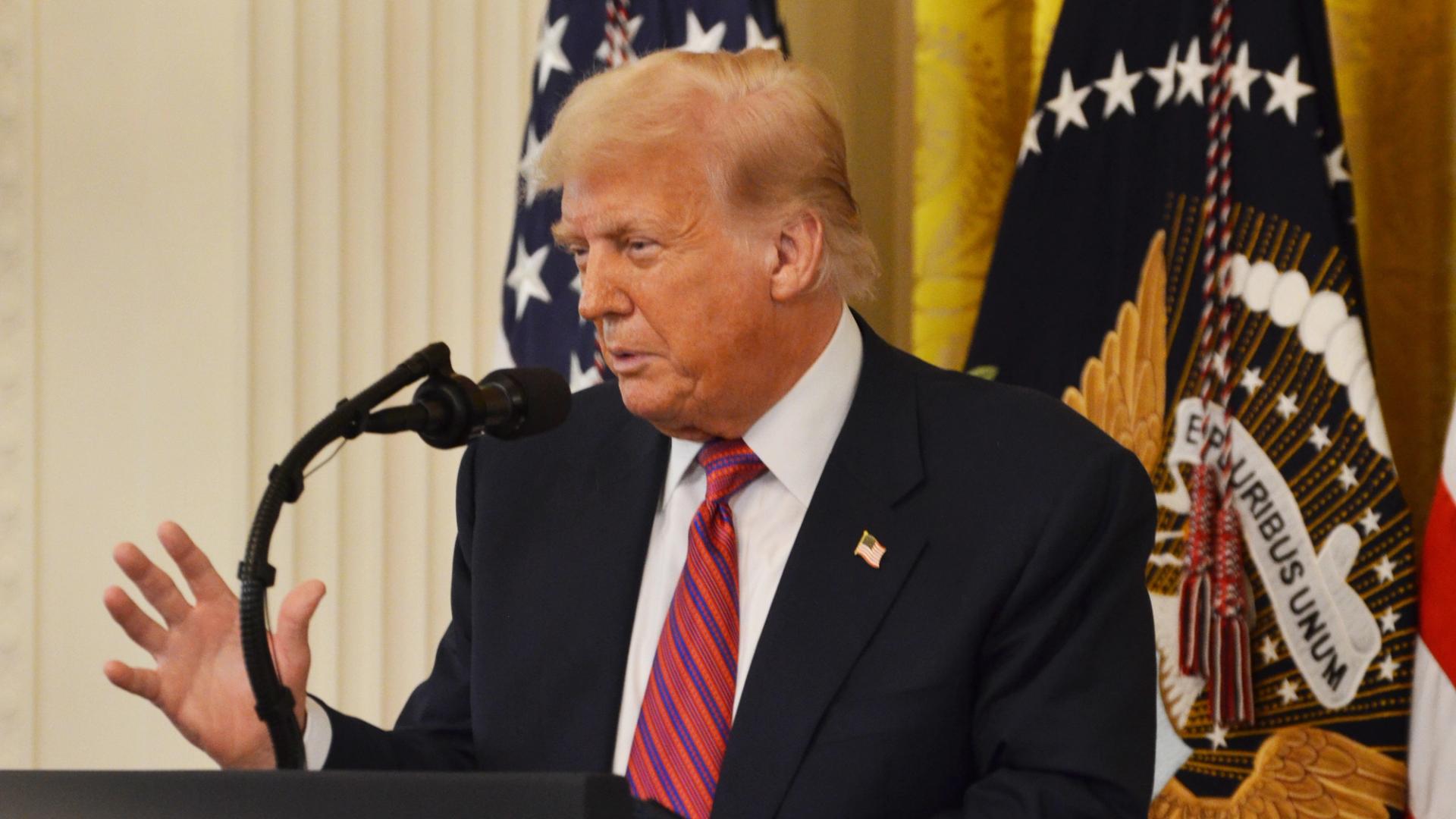
Donald Trump’s executive order asks the Fed to review how depository institutions may be granted access to payment services, an area the crypto industry is deeply involved with.

Wego integrates stablecoin payments through Triple-A partnership
Wego, the travel marketplace that says it is the leading travel app in the Middle East and North Africa, has added support for stablecoin payments via a partnership with payments firm Triple-A. The move lets customers complete bookings with supported stablecoins while Wego receives settlement in local fiat currencies, a setup that aims to bridge consumer demand for crypto payment options with merchant needs for predictable settlement.
The integration reflects growing interest among travel platforms in digital-asset rails for cross-border payments, where card declines, interchange fees, and foreign-exchange frictions can undermine booking completion. Wego said the new option will be available for flight and other travel bookings, with the payments conversion, compliance checks and custody handled by Triple-A.
How the flow works and what it changes
Under the arrangement, a traveler pays in a supported stablecoin at checkout. Triple-A processes the incoming digital-asset payment, runs the necessary anti-money laundering and know-your-customer checks, converts the stablecoins, and settles the merchant in traditional local currencies. From the merchant perspective, the integration preserves Wego’s existing settlement structure while adding an alternative payment rail for customers.
Triple-A positions itself as a licensed global payment institution with registrations and licenses across jurisdictions, including the United States, Singapore, and European oversight, and it says it supports more than 1,000 enterprise customers and reaches roughly 700 million digital currency owners. Those institutional capabilities are central to the value proposition: merchants gain access to crypto-native demand without taking on custody or foreign-exchange exposure.
Market context: why travel is an early use case
Travel is an inherently cross-border industry, making it a natural candidate for alternative payment rails. Card declines are more common for international transactions, and many consumers in regions with limited card penetration prefer nontraditional payment methods. Stablecoins, which are designed to maintain a peg to a fiat reference, reduce the volatility issues that otherwise complicate merchant acceptance of cryptocurrencies.
Payments providers and travel platforms have been experimenting with crypto rails for several years, ranging from direct acceptance to tokenized loyalty and payment orchestration. Wego’s approach follows a broader trend of using intermediaries to convert crypto payments into fiat before settlement, a model that reduces operational complexity for travel sellers while tapping crypto demand.
Implications for bookings, merchants and consumers
One immediate operational aim of the integration is to improve booking completion rates in markets where card acceptance is constrained or where international transactions have elevated decline rates. By offering a native crypto checkout, travel platforms may reduce friction for customers who already hold stablecoins and prefer to use them for everyday purchases.
For merchants, the key advantage is access to new payment demand without assuming custody or FX risk. Third-party processors like Triple-A handle conversion and compliance, which can shorten the path to offering crypto payment options while maintaining existing back-office processes.
However, wider adoption depends on consumer education, merchant economics, and regulatory clarity. Travel platforms will need to assess the incremental cost of accepting crypto-derived payments versus other digital rails and the potential lift in conversions.
Regulatory and compliance considerations
Payments that originate in digital assets remain subject to evolving regulation. Triple-A emphasizes compliance through AML and KYC controls and its cross-jurisdictional registrations. That compliance layer is crucial for travel companies that operate across multiple countries and for regulators scrutinizing stablecoin flows.
Policymakers in several regions are increasingly focused on stablecoins, covering issues such as reserve backing, consumer protections, and cross-border settlement. Travel companies integrating these payment options must monitor regulatory developments and ensure their partners maintain transparent custody and conversion practices.
Outlook
Wego’s partnership with Triple-A illustrates how travel companies are experimenting with crypto payments while limiting exposure to volatility and custody complexity. If the integration improves conversions in target markets, it could encourage other travel platforms to pursue similar arrangements. At the same time, broader merchant acceptance will hinge on clear economics, consumer demand, and a stable regulatory environment for stablecoins.
As the travel sector continues to globalize its payment stack, intermediaries that can combine compliance, liquidity and local settlement may play an increasingly important role in connecting crypto-native customers with traditional merchants.
Disclosure: This article is based on statements and data provided by the companies involved. Quotes attributed to Wego and Triple-A were included in their public announcement.


NUVA launched this week with nearly $19 billion in tokenized real-world assets from Figure Technologies, aiming to bring regulated U.S. yield products into DeFi.
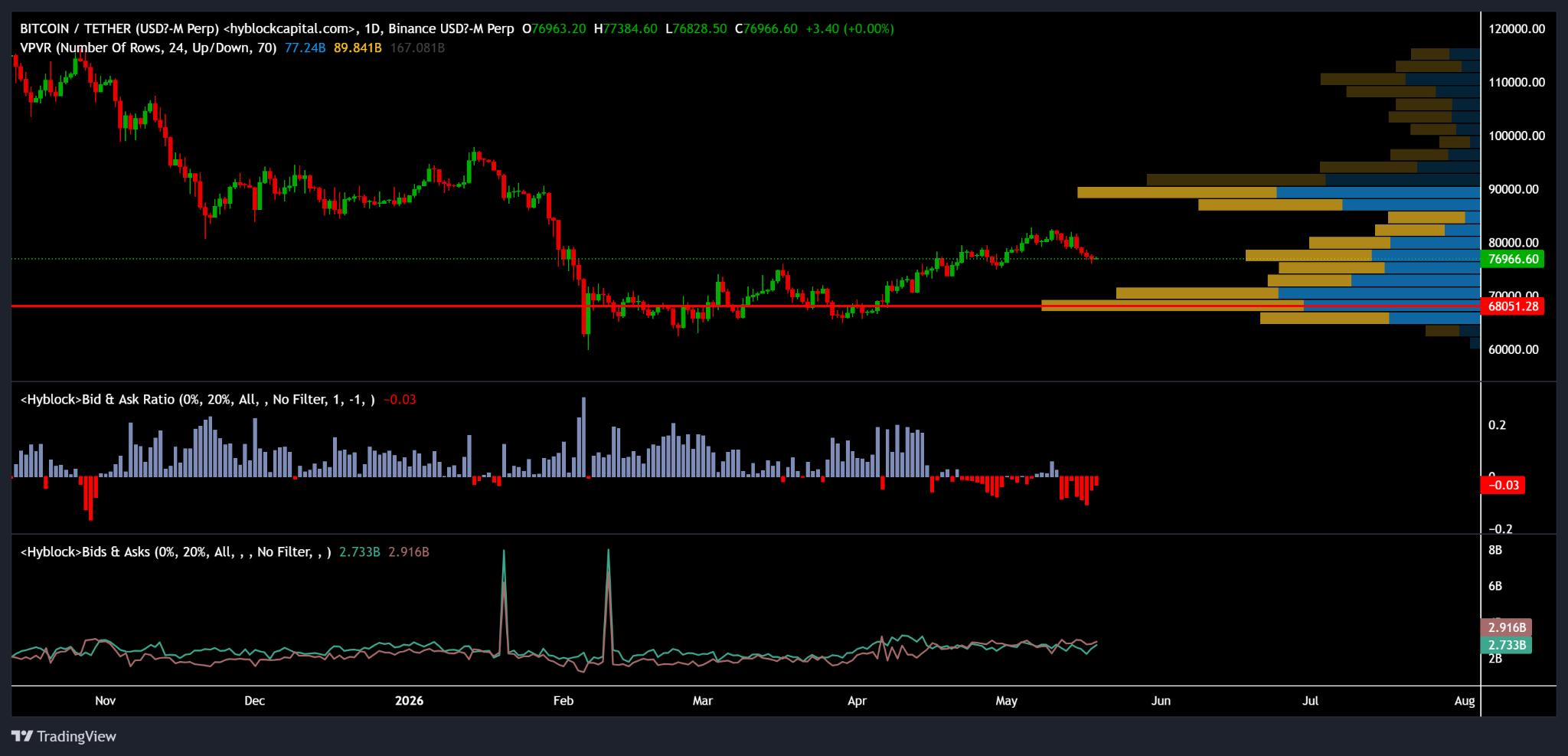
Bitcoin (BTC) traders have shifted their focus lower after futures and order book data point to strong buyer interest in the $68,000-$70,000 zone.
Sell pressure has increased in the derivatives markets and the daily bid-ask ratio fell to -0.03, showing sellers are currently more aggressive than buyers as traders position around liquidation levels.
Bitcoin buyers cluster near $68,000
The visible range volume profile (VRVP) indicator shows the $68,000-$70,000 region as the most densely traded zone on the chart since November 2025. High trading activity in that price range suggests most positions were opened near those levels over the past few months.
The order book data also shows a bid-ask ratio of -0.03, with the metric remaining in negative territory for most of the past month as sell-side activity continued to outweigh aggressive buying pressure.
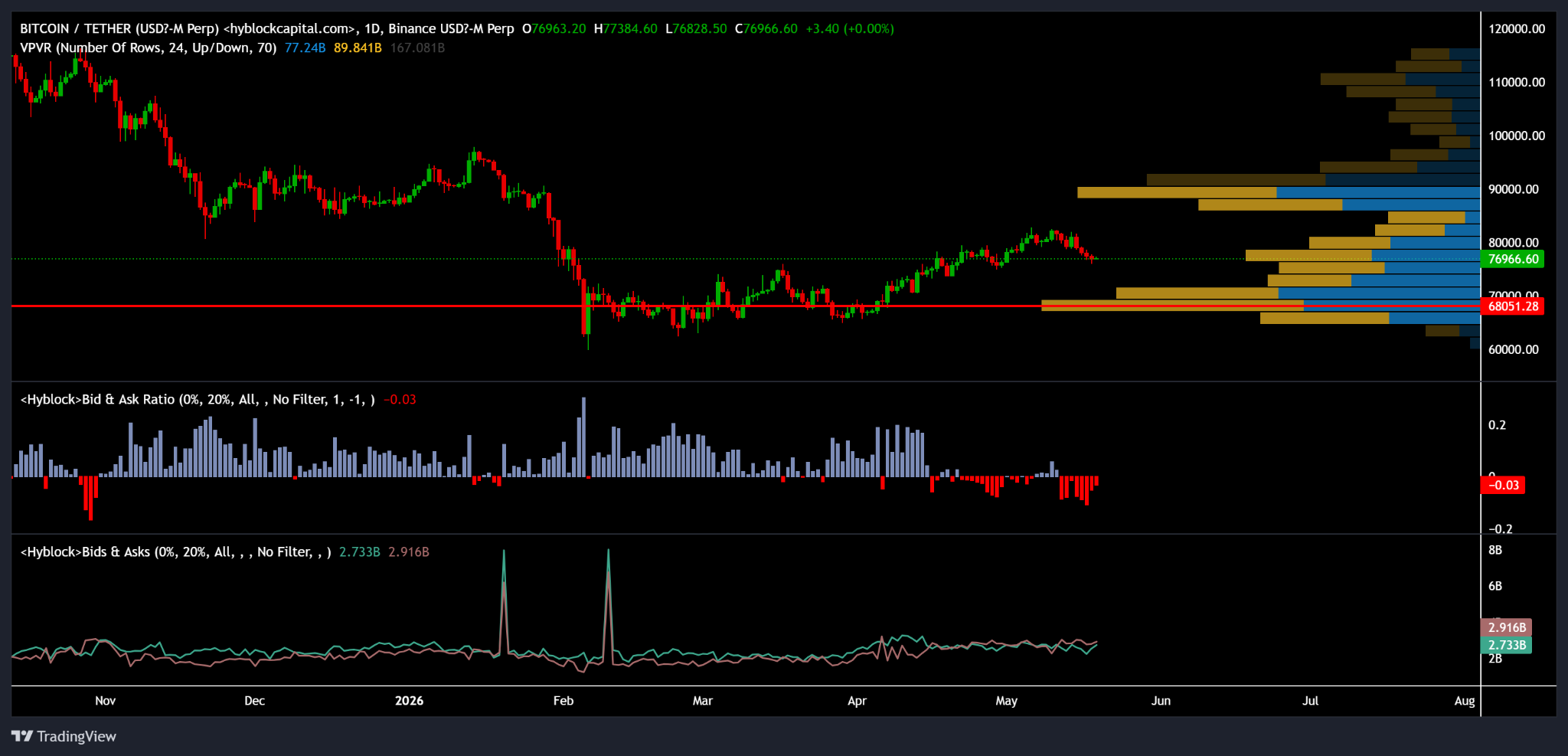
BTC/USDT price, bid-ask ratio and VPVR profile. Source: Hyblock
Liquidation data adds another pressure point. The heatmap shows more than $3.4 billion in cumulative long positions exposed near $74,700. The figure rises toward $11 billion if Bitcoin falls to $70,000 across the 90-day liquidation range.
Taken together, the positioning data suggests traders are prioritizing deeper liquidity pools rather than chasing higher prices above $80,000.
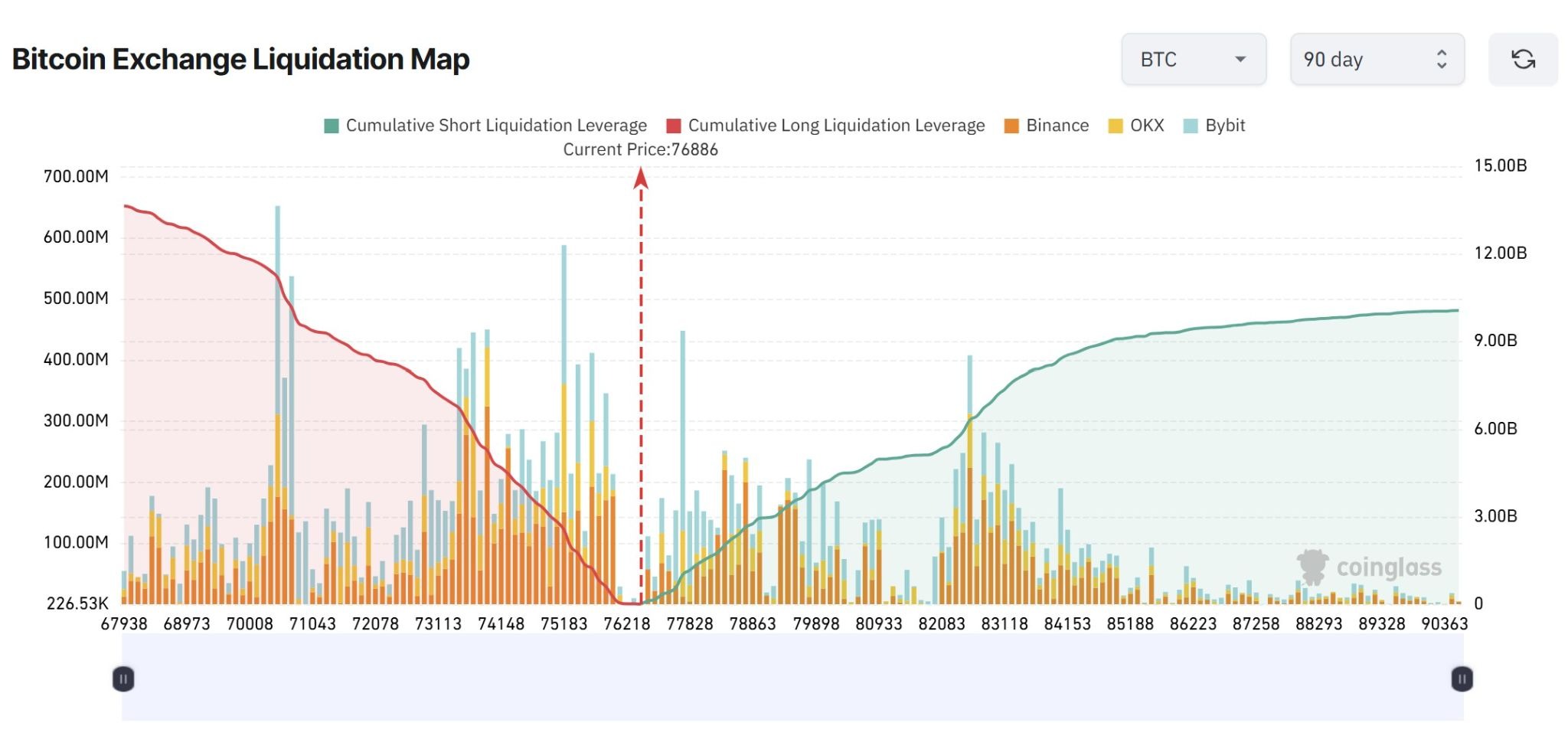
Bitcoin exchange liquidation map. Source: CoinGlass
Related: Bitcoin price stays under $77K as US bond yields near 20-year highs
BTC retail longs are crowded
Crypto analytics platform Hyblock noted Bitcoin retail traders are again leaning heavily bullish as its “True Retail Accounts” long percentage metric climbed above 60%. The indicator tracks the share of retail futures accounts holding long positions.
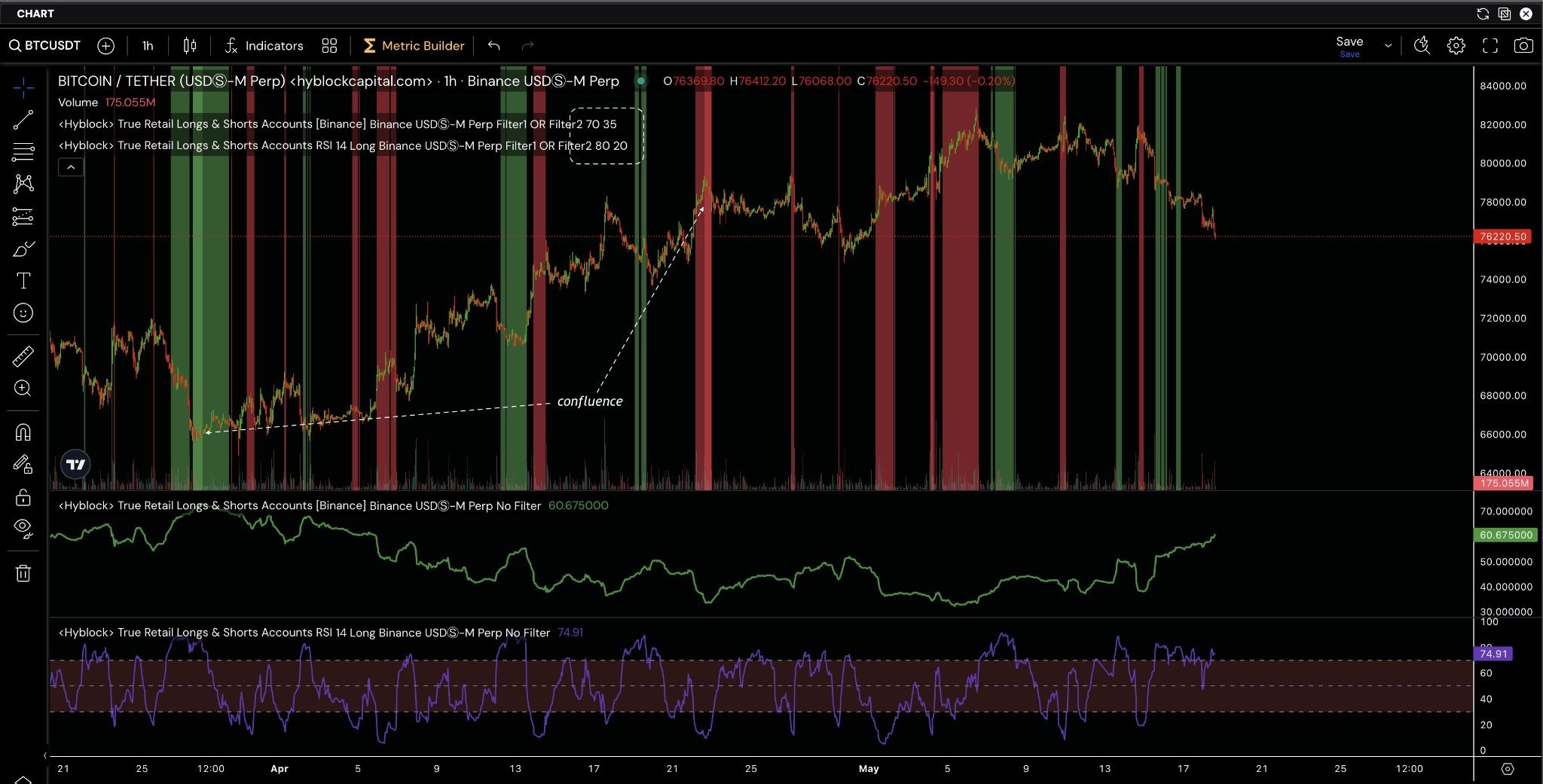
BTC/USDT, one-day chart. Source: Hyblock/X
Previous spikes into the platform’s “extreme long” zone aligned with short-term local tops during rallies toward the $78,000-$82,000 range in early May. The price momentum later cooled after retail positioning became too crowded.
Hyblock explained that the strongest recovery points appeared when retail traders turned aggressively bearish. Several periods when fewer than 35% of retail accounts held long positions emerged near Bitcoin’s lows in March and April, before BTC rebounded from the mid-$60,000 range.
Hyblock combines the retail positioning metric with a 14-period relative strength index (RSI) reading to identify sentiment extremes for BTC.
The latest reading shows the TRA Long (%) near 60.7%, while the RSI stayed elevated at 74.9, suggesting retail traders are still positioned for prices near $76,000. This could lead to deeper correction if BTC follows its previous market behavior.
Related: Bitcoin miner Canaan posts $88.7M net loss in Q1 amid BTC decline
Bitcoin miners are emerging as an important part of the AI infrastructure supply chain because they control large amounts of power capacity and data center real estate that are increasingly difficult to secure, according to a new research note from Bernstein.
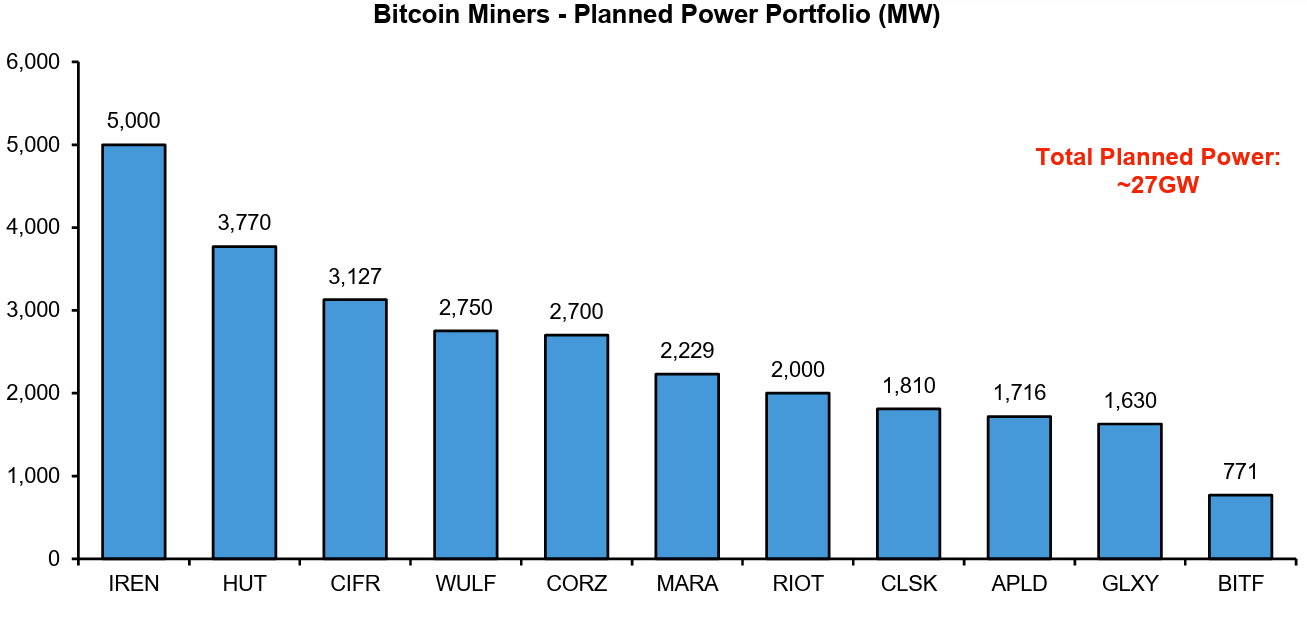
Analysts Gautam Chhugani, Mahika Sapra, Sanskar Chindalia and Harsh Misra estimate that publicly traded Bitcoin miners control more than 27 gigawatts of planned power capacity and have announced more than $90 billion in AI-related agreements covering 3.7 gigawatts with hyperscalers, neocloud providers and chipmakers.
An April 29 research brief from RAND said that it expects the US will add approximately 82 GW of additional net available capacity by 2030.
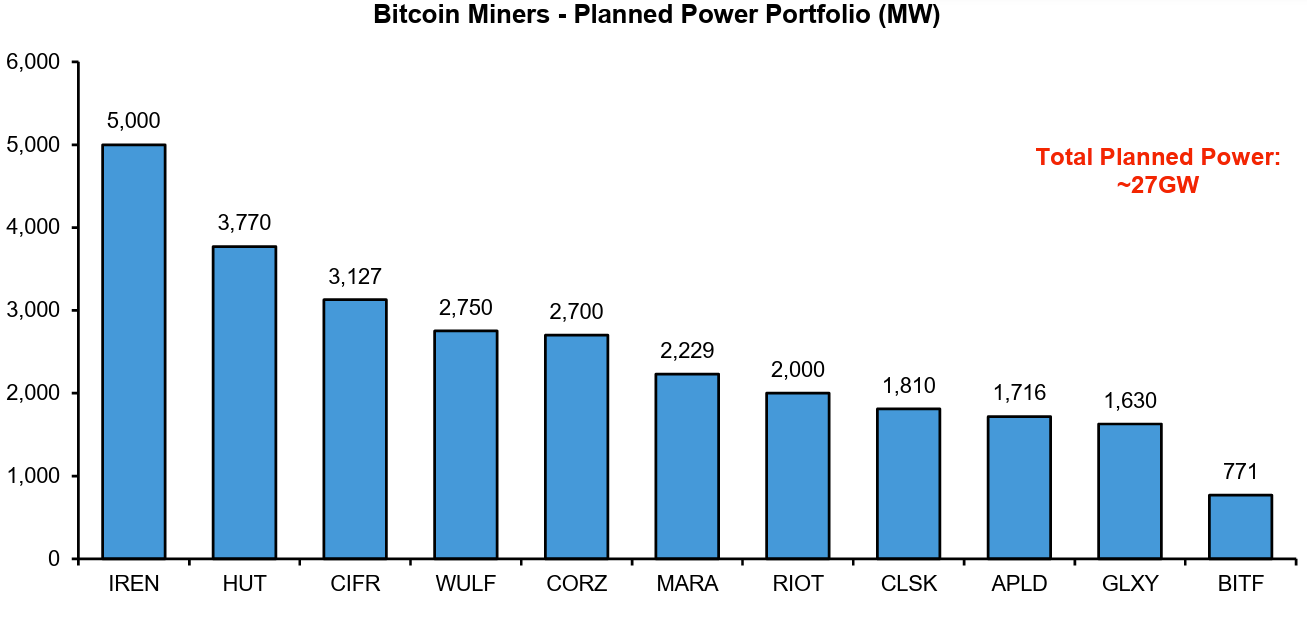
The planned power portfolio of 11 public Bitcoin mining companies. Source: Bernstein
According to Bernstein, access to electricity, rather than chips, has become the primary bottleneck for scaling AI data centers. Utility providers can take more than four years to approve new grid connections, even in data center-friendly states such as Texas.
“The median waiting time to secure a GW of power is nothing less than ~50 months across states, and even in politically friendly states such as Texas, the utility is following a batch review process to navigate the interconnect queue and resource load,” the analysts wrote.
Growing regulatory scrutiny and local opposition to large-scale data centers are adding to those delays, giving Bitcoin miners an advantage because they already operate grid-connected sites and have experience managing high-density computing facilities.
Related: The real ‘supercycle’ isn’t crypto, it’s AI infrastructure: Analyst
A shift in miner economics
Bernstein said Bitcoin miners are increasingly diversifying into AI infrastructure as they look for new revenue streams following the 2024 halving, which reduced mining rewards and put pressure on profit margins.
The report said several miners have moved beyond their traditional focus on Bitcoin production to develop AI data centers and high-performance computing facilities.
One recent example is Soluna Holdings, which reported a 58% increase in first-quarter revenue, driven primarily by its data center hosting business, while crypto mining contributed a smaller share of total sales.
Bernstein has also highlighted IREN as a leading example of the shift. The firm said IREN is well-positioned to transition much of its business toward AI infrastructure following its multibillion-dollar agreements with Microsoft.
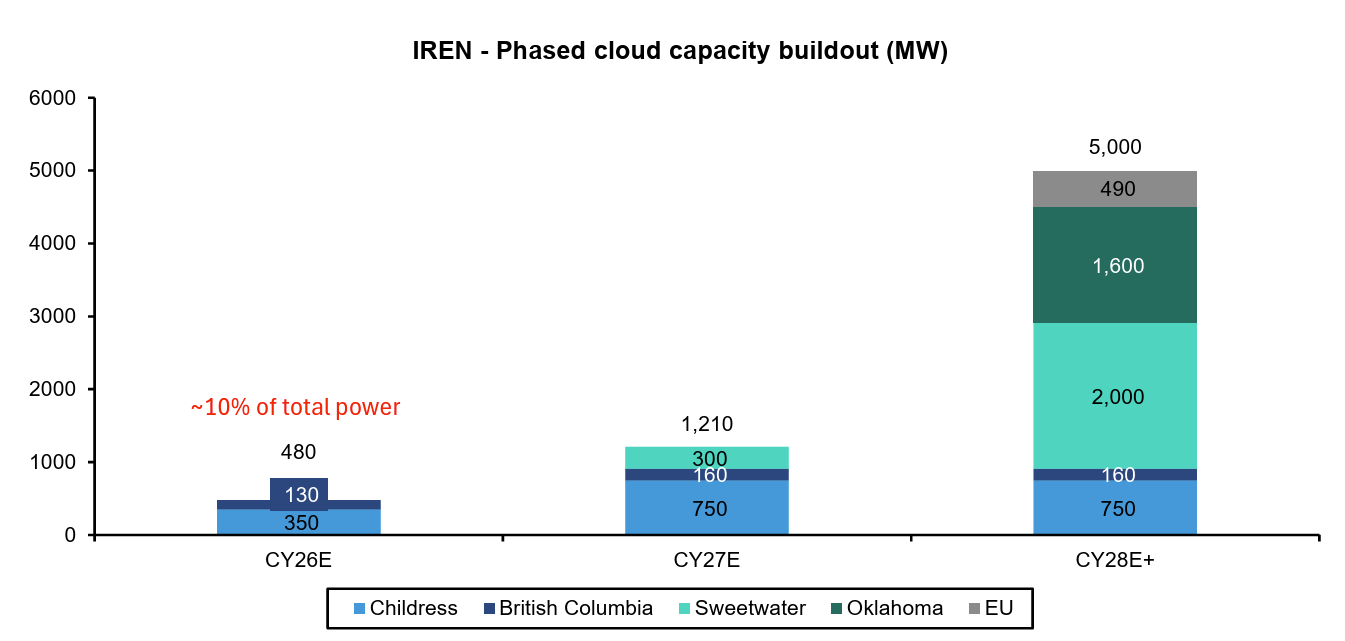
IREN’s partnership with Microsoft could fundamentally change its business model, according to Bernstein. Source: Bernstein
Related: CoreWeave’s $8.5B loan shows how AI is replacing crypto mining finance
Crypto World
‘What's happening at the EF?’ Ethereum community looking for answers after high-profile departures


A wave of recent high-profile departures at the Ethereum Foundation has reignited longstanding questions from community members about what is going on inside the organization.

That’s all that matters #christ #money #motivation #portland #teemchase

Senate advances bill aimed at ending Iran war as GOP’s Cassidy flips

Schlitz beer discontinued after 177 years as Pabst puts iconic brand ‘on hiatus’

Manchester United reach agreement with Casemiro over contract clause amid transfer speculation

US brings back mandatory military draft registration

Steven Gerrard disagrees with Gary Neville over ‘shock’ Chelsea and Arsenal claim | Football


-

 Crypto World4 days ago
BloFin War of Whales 2026 Grand Prix opens registration for $5M trading championship
-

 Fashion4 days ago
Weekend Open Thread: Theory – Corporette.com
-

 Crypto World4 days ago
E-Estate Announces 1 Year Live: Washington DC Summit as Real Estate Tokenization Enters Its Next Phase
-
Crypto World7 days ago
Bitcoin Suisse expands with Digital Asset License and Investment Business Act Registration Approval in Bermuda
-

 Tech5 days ago
Tech Moves: Microsoft AI leader jumps to OpenAI; former AI2 exec joins Meta; and more
-

 Crypto World7 days ago
Bitcoin Suisse expands with Digital Asset License and Investment Business Act Registration Approval in Bermuda
-
 Crypto World5 days ago
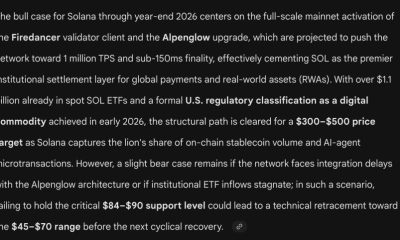
Google’s Gemini AI Predicts Incredible Solana Price by the End of 2026
-

 Tech4 days ago
Google reimburses Register sources who were victims of API fraud
-

 Business4 days ago
H&R Real Estate Investment Trust (HR.UN:CA) Q1 2026 Earnings Call Transcript
-

 Sports4 days ago
Napoleonic enters 2026 Doomben 10,000 field via Abounding withdrawal
-
 Entertainment5 days ago
Zara Larsson Has Blunt Response To Chris Brown Diss
-
 Crypto World6 days ago
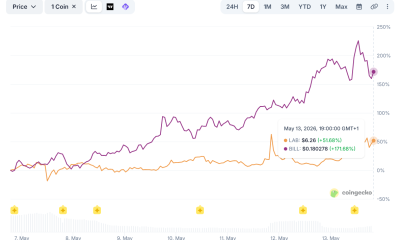
Two AI Tokens Lead May Rally, But Risks Are Rising
-

 Crypto World4 days ago
BeInCrypto 100 Institutional Awards Nomination: KAST for Best Digital Assets Neobank and Best Digital Assets Fintech
-

 Fashion3 days ago
On the Scene at Gucci’s Cruise Show in New York City: Mariah Carey, Kim Kardashian, Lindsay Lohan, Iman, and More!
-
 Tech7 days ago
Why AI is making typography a boardroom conversation
-

 Entertainment7 days ago
The Young and the Restless: Phyllis & Victor Both Crash in Huge Twist!
-
 Crypto World4 days ago
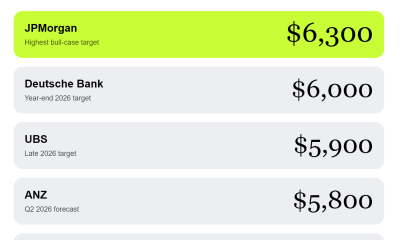
Wall Street’s Boldest Gold Prediction Has Russians Rushing to Buy
-
 Crypto World4 days ago
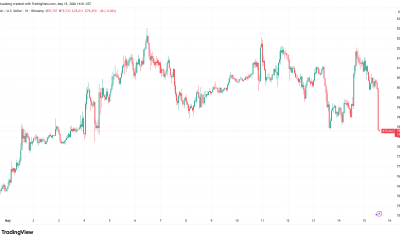
Bitcoin Battles US Bond Nerves With BTC Price Dip Toward New May Lows
-

 Crypto World7 days ago
Franklin Templeton and Kraken’s Payward team up to tokenize Wall Street
-

 Fashion4 days ago
Trending Western Style Vests Perfect for Summer
You must be logged in to post a comment Login