
Crypto World
Why crypto venture capitalists at Consensus Hong Kong are playing a 15-year game

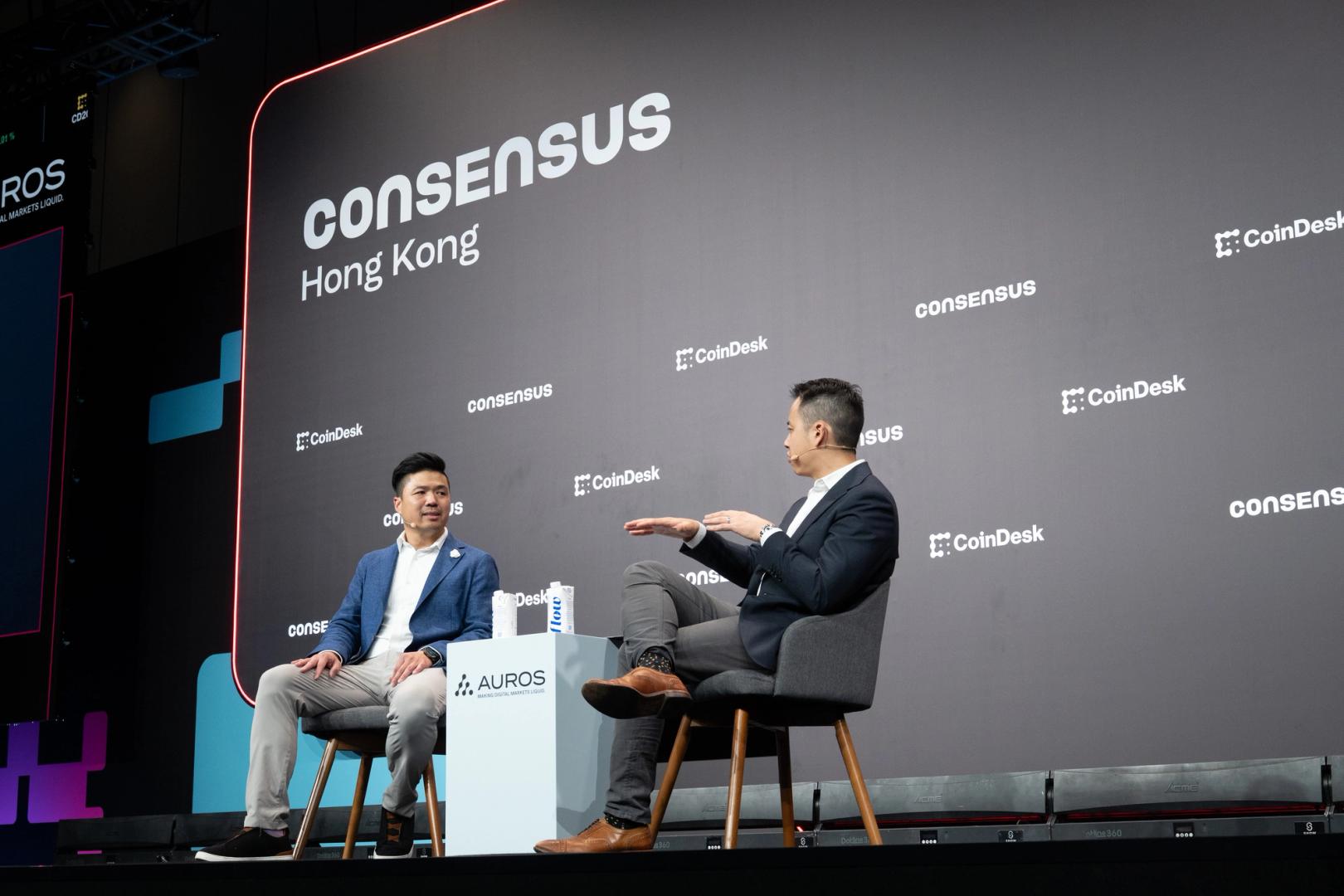
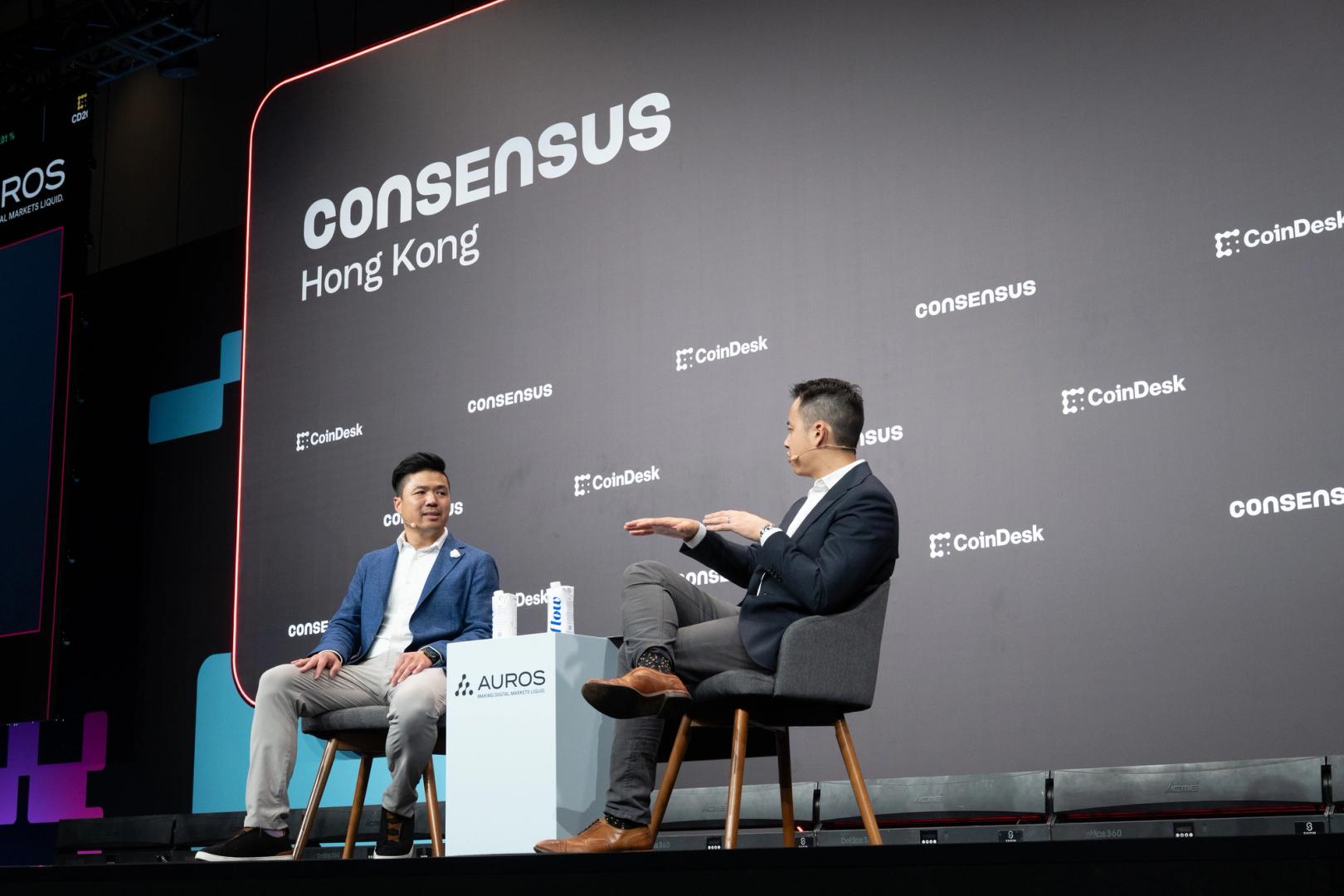
The mood among top venture capitalists at Consensus Hong Kong was not retreat, but recalibration, as the crypto market experienced a prolonged downturn.
Hasseeb Qureshi, managing partner at Dragonfly, described today’s venture market as a “barbell:” On one side, proven verticals compounding at scale; on the other, a narrow set of high-risk, next-generation bets.
“There’s stuff that’s working, and it’s just like, scale it up, go even bigger,” Qureshi said, pointing to “stablecoins, payments and tokenization in particular.” In a market that’s cooled from speculative excess, these are the sectors still demonstrating product-market fit and revenue.
On the other side is crypto’s intersection with artificial intelligence (AI). Qureshi said he is spending time on AI agents capable of transacting onchain, even though if “you give an AI agent some crypto, it’s probably going to lose it within a couple days.” The opportunity is real, but so are the attack vectors and design flaws.
The cautious tone reflects lessons learned. Qureshi said he initially dismissed non-fungible tokens (NFTs) as “definitely a bubble,” only to reverse course months later and back infrastructure plays like Blur. That experience, he said, was a reminder to balance conviction with adaptability in fast-moving cycles.
Dragonfly also famously missed an early opportunity in prediction market Polymarket.
“We were actually his first term sheet,” Qureshi said of founder Shayne Coplan, but passed when a rival fund offered a higher valuation. “Generational miss,” he called it, although Dragonfly later joined a 2024 round before the U.S. election and is now a major shareholder. The takeaway: Thematic conviction, in this case around prediction markets, can take years to pay off.
Maximum Frequency Ventures’ Mo Shaikh argued that venture success in crypto still hinges on long time horizons. His best thesis, he said, wasn’t a trade but a 15-year bet that blockchain could re-architect financial risk systems.
“Have a 15-year timeline,” he advised, urging founders and investors to resist 18-month cycle thinking.
If the venture environment feels tighter, Pantera Capital’s data supports it. Managing partner Paul Veradittakit said crypto VC capital rose 14% year over year, even as deal count fell 42%, evidence, he said, of a “flight to quality.” Investors are concentrating into “accomplished entrepreneurs” and “tangible use cases.”
After more than a decade fundraising in crypto — from $25 million early funds dominated by family offices to today’s $6 billion platform — Veradittakit sees institutions increasingly driving the next leg. But his advice to founders in a softer market was blunt. “Focus on product, market fit … If there is a token, it’ll naturally come.”
In a downshifted cycle, the venture message is clear: scale what works, experiment selectively and don’t confuse narrative with fundamentals.



The SEC on April 14 approved FINRA’s proposal to eliminate the $25,000 minimum equity requirement for pattern day traders. This removed one of the most persistent barriers to retail market participation.
The decision also removes the “pattern day trader” designation, a classification that flagged any customer who executed four or more day trades within five business days.
What the New Rules Replace
The original Pattern Day Trader (PDT) rule dates back to 2001. Regulators introduced the $25,000 threshold in response to heavy retail losses during the dot-com crash. For over two decades, it effectively prevented smaller accounts from participating in active intraday trading.
“Since 2001, if you wanted to make more than 3 day trades in a 5 day period, you needed at least $25,000 sitting in your account at all times. If you dropped below that, your broker would lock you out of day trading completely. This rule blocked millions of retail traders from actively participating in markets simply because they did not have enough capital,” Bull Theory wrote.
Under the approved changes to FINRA Rule 4210, traders will instead need to maintain equity proportional to their actual market exposure at any given point during the trading day. Customers of FINRA member broker-dealers remain subject to existing initial and regular maintenance margin requirements under Rule 4210.
Follow us on X to get the latest news as it happens
The framework also fills a gap in the previous rules by covering zero-days-to-expiration (0DTE) options. Broker-dealers get two paths for implementation. Firms can deploy real-time monitoring systems that block trades before they breach margin limits, or they can run a single end-of-day calculation to assess intraday exposure.
Accounts that repeatedly fail to meet intraday margin deficits within five business days will face a 90-day freeze on creating or increasing short positions or debit balances. Small deficits under the lesser of 5% of account equity or $1,000, and those occurring under extraordinary circumstances, are exempted from triggering the freeze.
“FINRA believes that the proposed rule change will benefit customers and members alike by reducing risks of intraday trading exposures more broadly and giving customers more freedom to participate in the markets, while reducing compliance costs for members,” the notice read.
The new rules take effect 45 days after FINRA publishes its Regulatory Notice. Firms that need additional time to upgrade their systems will have an 18-month phase-in period from the date of the Regulatory Notice.
Subscribe to our YouTube channel to watch leaders and journalists provide expert insights
The post SEC Eliminates $25,000 Pattern Day Trader Rule in Retail Trading Overhaul appeared first on BeInCrypto.


The Goldman Sachs Bitcoin Premium Income ETF primarily will offer exposure to other Bitcoin exchange-traded products, but the fund won’t hold BTC directly.
Goldman Sachs has filed with the U.S. Securities and Exchange Commission (SEC) for the Goldman Sachs Bitcoin Premium Income ETF, marking the Wall Street giant’s first foray into issuing its own crypto fund.
The preliminary prospectus, filed with the SEC today April 14, states that the fund will invest at least 80% of net assets in BTC-exposed instruments, primarily shares of existing spot Bitcoin exchange-traded products, while layering an options strategy on top to generate income.
The “premium” in the name refers to cash collected by selling call options on those spot Bitcoin ETFs. Per the filing, Goldman plans to sell call options covering between 40% and 100% of the fund’s Bitcoin exposure, collecting upfront fees, aka premiums, from buyers.
The move is a notable shift for Goldman, which has spent the past two years buying other firms’ Bitcoin ETFs rather than launching its own. According to Fortune, the bank held about $2.05 billion in Bitcoin and Ethereum ETFs as of end of 2024, with its largest positions in BlackRock’s and Fidelity’s funds — a stake it has continued to build.
The filing comes on the heels of Morgan Stanley’s spot Bitcoin ETF debut, which launched with $30 million in inflows on its first day. If approved, it would mark another major Wall Street bank bringing a crypto-linked fund to market.
A ticker and exchange listing have not yet been finalized, per the SEC filing.
Bitcoin is up 4% on the day, trading near $74,800, per data from The Defiant’s price tracker.
This article was written with the assistance of AI workflows. All our stories are curated, edited and fact-checked by a human.


The stablecoin news out of JPMorgan’s Q1 2026 earnings call Tuesday landed directly in the middle of the CLARITY Act negotiations when CFO Jeremy Barnum warned that yield-bearing stablecoins risk becoming a tool for regulatory arbitrage unless they are held to the same strict oversight and consumer protection standards as traditional bank deposits.
Summary
- Barnum said stablecoins that offer interest-bearing rewards are creating what he described as a “parallel banking system” that replicates the features of traditional deposits without the prudential safeguards developed over centuries of bank regulation.
- The CFO’s remarks land as Senate negotiators are working toward a compromise on stablecoin yield rules in the CLARITY Act, with the Tillis-Alsobrooks framework banning passive yield while permitting activity-based rewards tied to payments and platform use.
- JPMorgan has invested in blockchain technology and launched its own tokenized deposit product, JPMD, meaning Barnum’s criticism is coming from a position of direct competitive interest in how stablecoin yield is regulated.
Fast Company reported in March that JPMorgan has previously warned stablecoins paying interest could put up to $6.6 trillion in bank deposits at risk, a figure Treasury has also cited in its own analysis. Barnum on Tuesday framed the same concern in regulatory terms, calling the gap between what stablecoins offer consumers and what regulations currently require of them the core problem. “How does this actually make the consumer experience better?” he said, arguing that the answer needs to involve equivalent safeguards rather than just technological novelty. His comments add institutional banking weight to the argument that the CLARITY Act’s stablecoin yield provisions, which banks have successfully lobbied to tighten, are necessary rather than anti-competitive.
Barnum’s use of the term “regulatory arbitrage” is precise. When a crypto platform pays 5 percent yield on a stablecoin holding and a bank pays 4.5 percent on a savings account, the difference is not innovation, it is the absence of the capital requirements, deposit insurance, anti-money laundering compliance, and liquidity obligations that the bank must maintain. Consumers see equivalent products. They are not equivalent risks. That gap is what Barnum is calling arbitrage: earning competitive returns on a product that bypasses the costs of the regulatory framework that makes traditional deposits safe.
Why This Matters for the CLARITY Act This Week
The CLARITY Act’s stablecoin yield provision was the central dispute that stalled the bill since January. Coinbase pulled support twice over language that would eliminate its $800 million in estimated annual stablecoin revenue. Banks, led publicly by JPMorgan, have consistently argued that any form of yield on stablecoins requires bank-level oversight. Barnum’s Tuesday remarks reinforce the banking industry’s legislative position at exactly the moment the Senate Banking Committee is deciding whether to schedule a markup. They are a signal that the compromise on yield language needs to close the arbitrage gap rather than just split it.
What the Crypto Industry Says in Response
Coinbase and other crypto firms have argued that the White House’s own CEA report proves the banking industry’s deposit flight fears are overstated, with a full yield ban boosting bank lending by just 0.02 percent. The debate ultimately comes down to whether stablecoin yield is a consumer benefit that regulators should protect or a regulatory gap that they should close. As the markup window opens this week, Barnum’s framing gives Senate Banking Committee members an institutional banking perspective to weigh against the crypto industry’s consumer benefit argument.
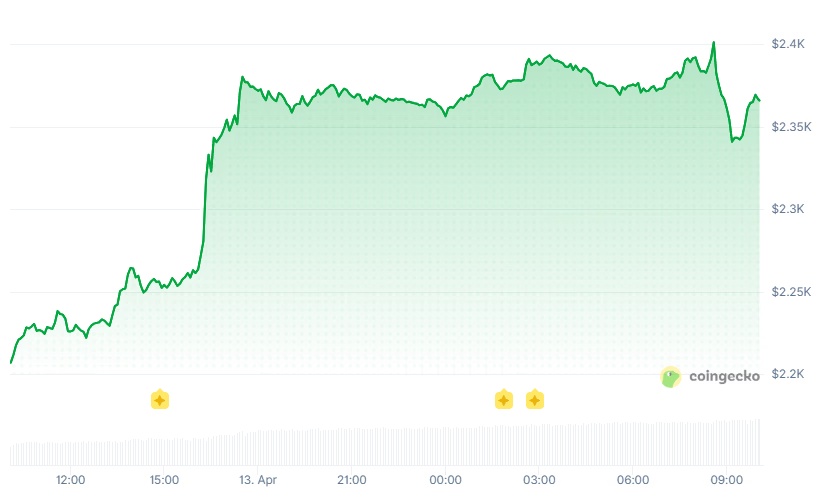
Crypto markets staged a broad Tuesday rally, fueled by over $500M in short liquidations.
Bitcoin pushed to its highest level in a month on Tuesday as risk appetite returned to crypto markets after President Trump signaled his openness to renewed talks with Tehran even as the U.S. blockade of the Strait of Hormuz remains in place.
The largest cryptocurrency by market capitalization is trading at $75,420, up 5% over the past 24 hours and 10.5% on the week. Ethereum (ETH) is the standout among majors, gaining more than 7% to $2,360, up 14% on the week.
Total crypto market capitalization rose to $2.63 trillion, with Bitcoin dominance hovering near 60%.

Shorts Routed
Data from CoinGlass shows that more than $525 million of leveraged short positions were liquidated in the past 24 hours, and roughly $200 million more would be liquidated if BTC pushes above $75,500, a dynamic that could add fuel to the rally.
Bitcoin accounted for $282 million in total liquidations, and Ether followed at $187 million.
Macro Backdrop
The S&P 500 has now erased all losses triggered by the Iran conflict. Brent crude fell below $100 as markets priced in the possibility of fresh talks before the April 7 ceasefire expires next week.
Markets continue to price in a near-certainty that the Federal Reserve will hold rates steady at its April 28-29 meeting. The Fed Funds rate sits at 3.5% to 3.75%, with one quarter-point cut penciled in for 2026.
Altcoin Movers
Solana’s SOL climbed 4% to $86, up 9.3% for the week. BNB gained 3.3% to $625, XRP rose 3.6% to $1.38, and Dogecoin added 5%. Every non-stable asset in the top 10 is green on both the daily and weekly timeframes.
Meanwhile, Bittensor (TAO) is today’s only loser in the Top 100 as it continues to grapple with the exit of one of its most prominent subnet projects.
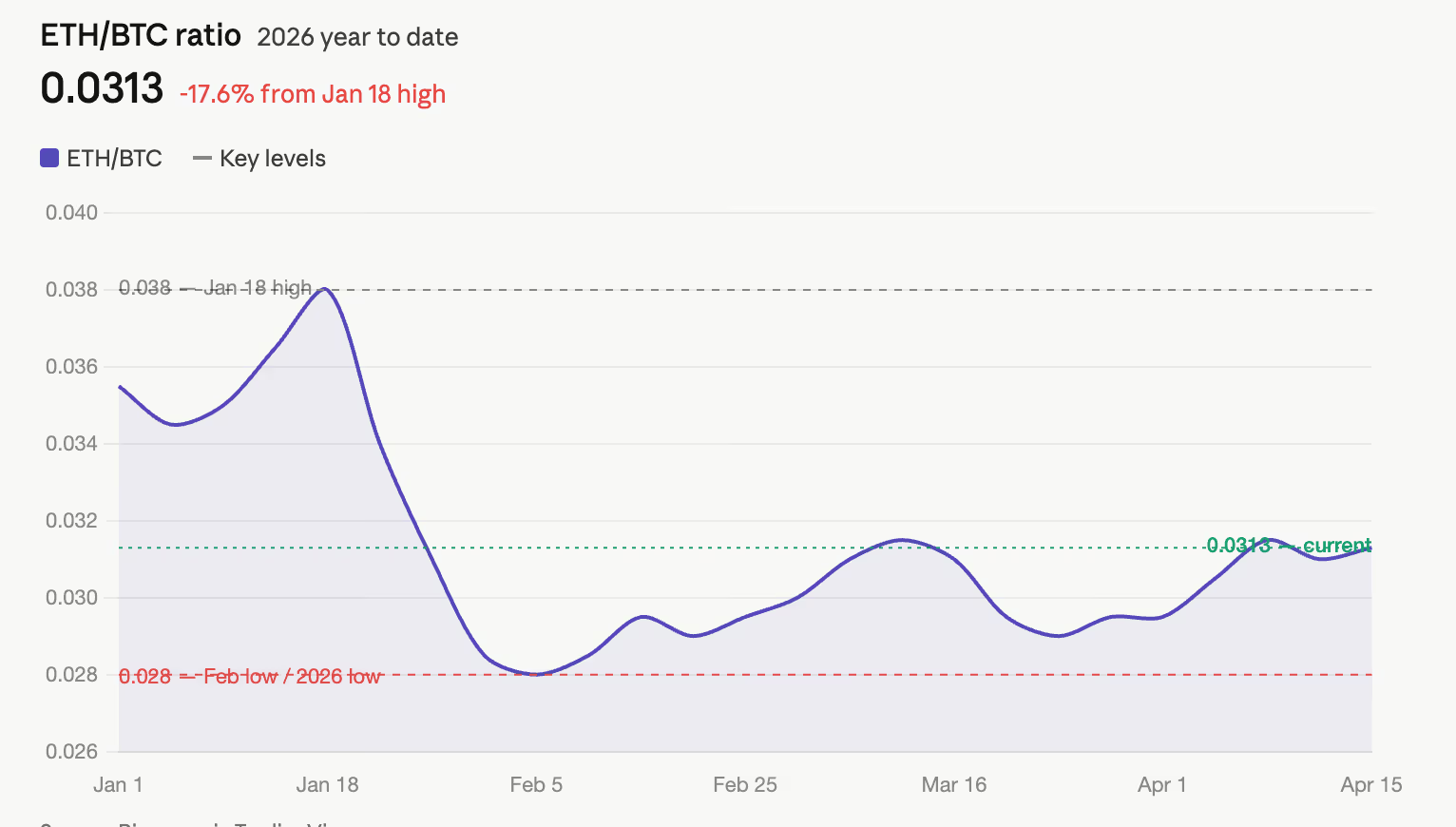
A closely watched gauge of ether’s relative strength against bitcoin has climbed to a three month high, backed by surging network activity and record stablecoin inflows on Ethereum.
The ether-bitcoin ratio traded near 0.0313 on Wednesday, up from a 2026 low around 0.028 in February but still well below the January 18 high near 0.038. Ether gained 4% over the past seven days to trade near $2,325, outpacing bitcoin’s 3.9% move over the same period.

The ETH/BTC ratio tracks the relative price of ether against bitcoin on crypto exchanges and is one of the most widely followed gauges of risk appetite across the digital asset market.
A rising ratio signals that capital is flowing into ether and, by extension, riskier parts of the crypto ecosystem. A falling ratio points to a preference for bitcoin’s relative safety.
The pair peaked above 0.08 in late 2021 before entering a prolonged decline that accelerated through 2024 and into 2025, dragged lower by bitcoin ETF-driven demand, weakened fee revenue on Ethereum’s base layer following the Dencun upgrade, and a broader rotation away from altcoins.
When ether outperforms bitcoin on risk-on days rather than simply tagging along, it historically suggests capital is beginning to rotate rather than chase the same trade. The signal strengthens if ether holds up better than bitcoin during the next pullback.
Part of the case for a sustained move rests on Ethereum’s on-chain fundamentals, which have been diverging from the token’s depressed valuation.
New users on the network surged 82% quarter-over-quarter in Q1 to 284,000, according to data from Artemis, while total transactions hit a record 200.4 million for the quarter, a 43% increase from the prior period.
Stablecoin supply on Ethereum also reached an all-time high of $180 billion, up 150% over the past three years, per Token Terminal. The network holds roughly 60% of the global stablecoin market, reinforcing its dominance as the primary settlement layer for tokenized dollars and suggesting a long-term demand anchor for ETH even as short-term price action lags.
However, ether is still more than 50% below its 52-week high of $4,831, and the ratio would need to reclaim the 0.035 zone on a weekly close to provide evidence that the recovery has legs beyond a short-squeeze bounce.


X has launched Smart Cashtags on iPhone for users in the United States and Canada, bringing real-time financial data for stocks and crypto tokens directly into the app’s timeline.
The feature, first revealed in January 2026, went live on April 15 after months of anticipation around the platform’s finance ambitions.
What X Cashtags Do and How They Work
X Head of Product Nikita Bier announced the rollout in a recent post.
“X has always been the best source of financial news for traders and investors. Billions of dollars are allocated every day based on what people read on Timeline,” he wrote.
Follow us on X to get the latest news as it happens
The feature streamlines how users discover and track financial assets on the platform. When users search for or post a cashtag or contract address, the system now automatically suggests relevant stocks or cryptocurrencies, allowing them to quickly select the intended asset.
Additionally, tapping any cashtag opens a dedicated feed of related posts, along with a live price chart. This enables them to follow market discussions and price movements without leaving the platform.
Alongside Cashtags, X announced a pilot integration with Wealthsimple, one of Canada’s leading brokerages. Canadian users will see a trading button on Cashtag pages.
This will allow them to buy or sell the asset without leaving the app. Bier called the move “just a small preview of what’s to come.”
“Our vision is more than just charts. The content on X is valuable & actionable, so trading should be frictionless,” Bier added.
The current launch is limited to the iPhone. However, Bier confirmed that web, Android, and global availability are “coming very soon.”
The Cashtags rollout coincides with X’s broader push into financial services, aligned with Elon Musk’s ambition to turn the platform into an “everything app.” It also follows a cryptic post from Bier suggesting that X should ship something to help fix crypto’s tough year.
While he did not specify whether this was the launch in question, the executive described cashtags as the platform’s first step toward positioning itself as the “best destination” for the finance and crypto communities.
The post X Rolls Out Cashtags as First Step in Finance and Crypto Push appeared first on BeInCrypto.
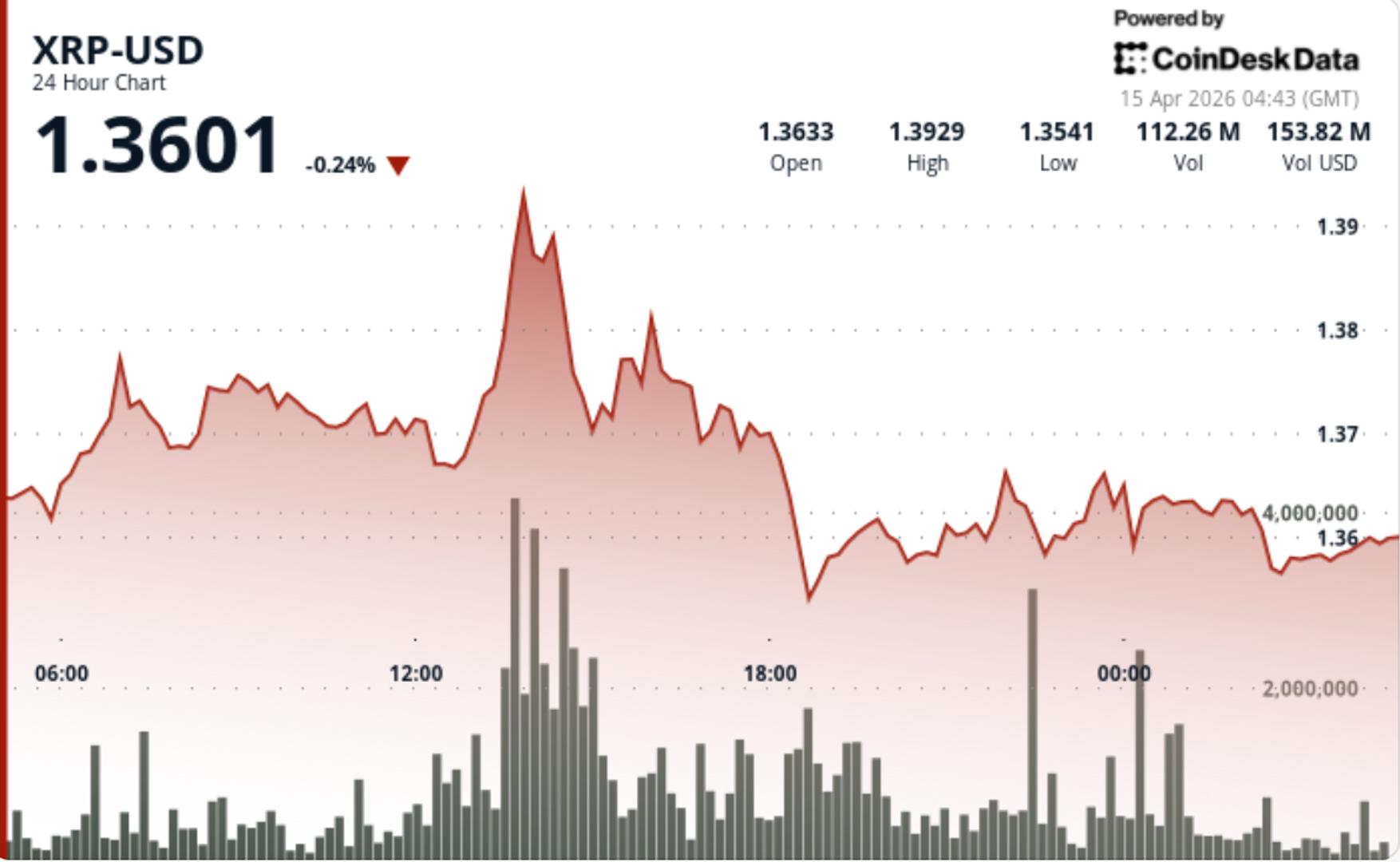
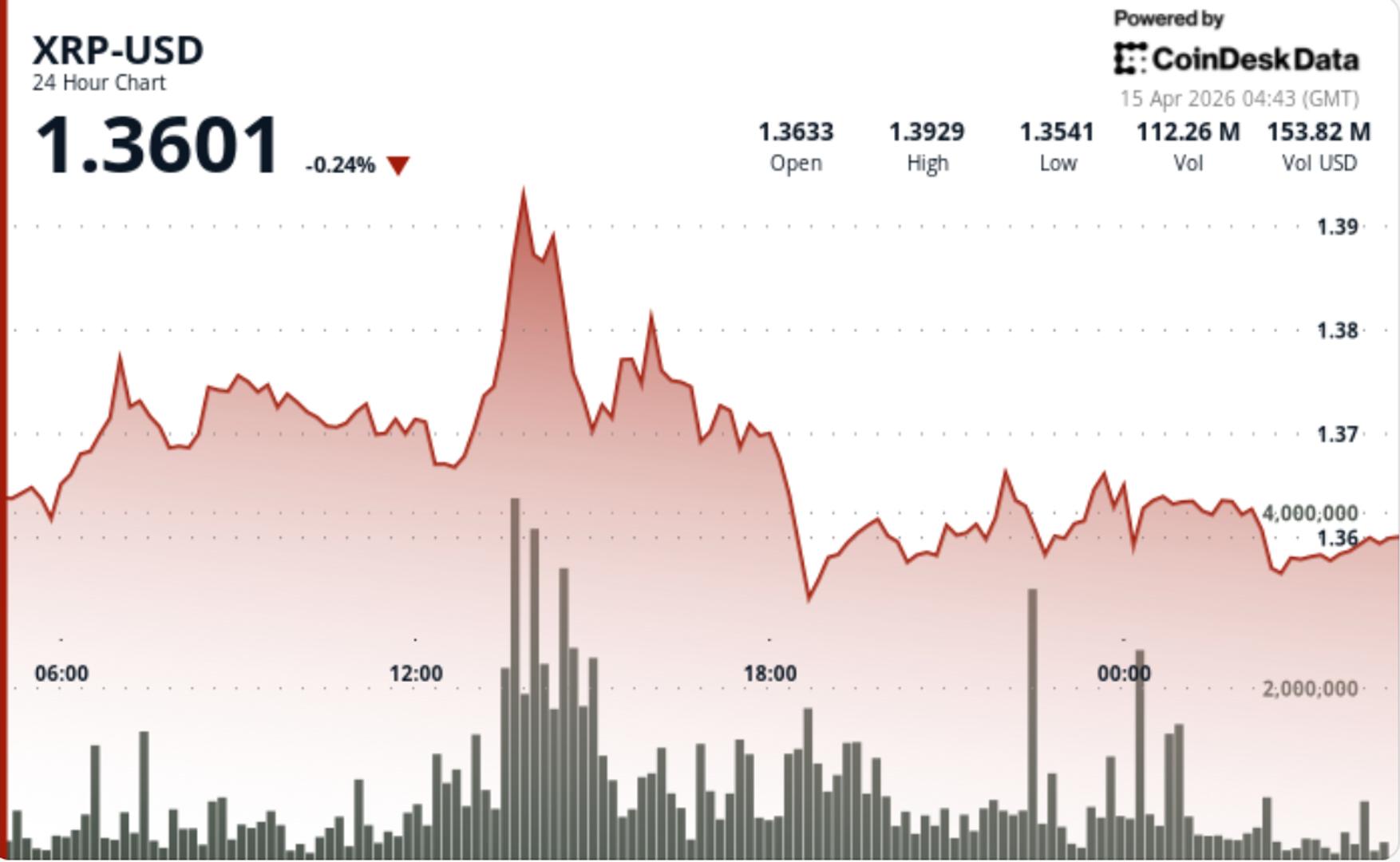
XRP is pushing higher again, with volume confirming the move, but it still has to prove this is more than a short-term breakout. The rally is holding for now, and the addition of real-world usage through Rakuten gives it a stronger narrative than recent moves.
News Background
• Japan’s e-commerce giant Rakuten is integrating XRP into its payments app, allowing 44 million users to spend it across more than 5 million merchants. Users can also buy XRP using loyalty points and hold it within Rakuten Wallet, embedding the token into a major consumer ecosystem.
• The move ties XRP into one of Japan’s largest rewards systems, where over $23 billion worth of points are in circulation. Ripple called it one of the most significant milestones for XRP adoption, reinforcing its push into Asia alongside long-standing partnerships like SBI Ripple Asia.
Price Action Summary
• XRP moved from $1.32 to $1.38, breaking out of the $1.325-$1.33 resistance zone on strong volume.
• The rally built gradually with sustained buying rather than a single spike, indicating accumulation.
• Price is now consolidating just below $1.38, holding gains but not yet extending into a fresh leg higher.
Technical Analysis
• The breakout stands out because of volume. The move was backed by clear participation, not thin liquidity.
• Whale accumulation and rising open interest show positioning is building behind the move.
• Despite this, XRP is still trading within a broader downtrend channel, so the structure has not fully flipped bullish.
• ETF outflows and continued realized losses suggest longer-term conviction remains mixed even as short-term momentum improves.
What traders should watch
• $1.37 is now the key pivot. Holding above it keeps the breakout intact and supports continuation.
• $1.40 to $1.42 remains the real test. A clean break here would shift momentum more meaningfully.
• A move back below $1.32 to $1.30 would invalidate the breakout and return XRP to its prior range.


Crypto exchange Kraken has hinted it is still going ahead with an initial public offering despite reports suggesting the plan was put on hold last month due to market conditions.
Kraken filed for a confidential IPO with the US Securities and Exchange Commission in November, but an unconfirmed report in March suggested that the plan may have been frozen.
Speaking at the Semafor World Economy 2026 conference on Tuesday, Kraken co-CEO Arjun Sethi didn’t address the pause but confirmed the company had “confidentially filed” for an IPO when asked by Semafor reporter Rohan Goswami whether “there are plans to take Kraken public soon.”
“Is that news?” Goswami asked, to which Sethi responded: “I believe that’s news.”
@arjunsethi CEO, @krakenfx reveals that the company has privately filed to become public.
“Are there plans to take Kraken public soon?
Uh, we confidentially filed.
Oh, is that news?
I believe that’s news.” pic.twitter.com/QJRH8YStMA
— Semafor (@semafor) April 14, 2026
Cointelegraph reached out to Kraken to confirm whether Kraken is actively pursuing the IPO or has pushed back the timeline, but did not receive an immediate response.
Sethi’s comments come as German financial markets platform Deutsche Börse Group invested $200 million in Kraken’s parent firm, Payward, in exchange for a 1.5% fully diluted stake on Tuesday.
The deal placed Kraken’s valuation at $13.3 billion, down from $20 billion in November.
Kraken told Cointelegraph that the Deutsche Börse Group investment seeks to bring crypto and TradFi closer together as a “single, cohesive infrastructure for institutional clients” rather than parallel systems.
Kraken’s IPO plans through a long-term lens
Speaking more broadly about going public at the Semafor conference, Sethi dismissed the idea that Kraken’s IPO may have been driven, or stalled by, policy developments in Washington.
Related: Bitget rolls out SpaceX-linked pre-IPO proxy with Republic
“If you live day by day, quarter by quarter, these things are meaningful,” Sethi said. But “if you’re thinking about your company three, five, 10 or 20 years out, none of this is meaningful. It just doesn’t matter.”
Sethi also suggested that Kraken isn’t merely going public to gain more access to capital, stating that it depends on the specific market and how much trust there is with regulators.
Magazine: Singapore is no ‘crypto hub’ — but it is serious about stablecoins: StraitX CEO

Bitcoin’s addressable market has the potential to surpass the $34 trillion gold market if it is eventually widely used as both a currency and a store of value, according to Bitwise’s chief investment officer Matt Hougan.
Hougan said on Tuesday that while Bitcoin (BTC) has been seen as a contender to gold, the war in Iran has shown that Bitcoin can also serve in a “currency-like manner,”, referring to Iran’s proposed plan to charge a toll that can be paid in crypto for ships to navigate the Strait of Hormuz.
“In a world where countries have weaponized their financial rails, Bitcoin is emerging as an apolitical alternative,” Hougan said.
“It tells you that Bitcoin’s total addressable market is probably a lot bigger than the… gold market alone.”
Hougan previously predicted that if Bitcoin captures even 17% of the store-of-value market over the next decade, it could reach $1 million a coin. Taking a role as an international currency would likely see it go much higher.

“If Bitcoin starts to take on a dual role as both a store of value, like gold, and an actual currency, like the dollar, we may need to revise our targets higher.”
Bitcoin is trading around $74,500 with a market capitalization of roughly $1.4 trillion, according to CoinGecko. Gold is trading for $4,854 an ounce, and its market cap is estimated to be more than $33.7 trillion as of Wednesday.
Related: Bitcoin bounces to $72.5K as markets react to US Strait of Hormuz blockade
Bitcoin is already functioning as a store of value for people in high-inflation economies.
Citizens of Argentina, Turkey, and Venezuela have experienced persistent inflation and currency collapses, prompting many to switch to Bitcoin and protect their wealth.
A January Coinbase survey found that 87% of Argentinians flagged crypto and blockchain technology as a way to enhance their financial independence, while nearly three in four respondents saw crypto as a solution to challenges like inflation.
Bitcoin has also seen adoption by corporates looking to bolster their balance sheets.
Private and public companies tracked by BitBo collectively hold more than 1.5 million Bitcoin valued at more than $116 billion.

However, Bitcoin has also grown as a payment method, with academic publishing company Springer Nature identifying about 11,000 merchants globally using BTC Map data that currently accept Bitcoin as a form of payment.
Magazine: Bitcoin quantum-safe without upgrade? CZ’s 2031 crypto vision: Hodler’s Digest
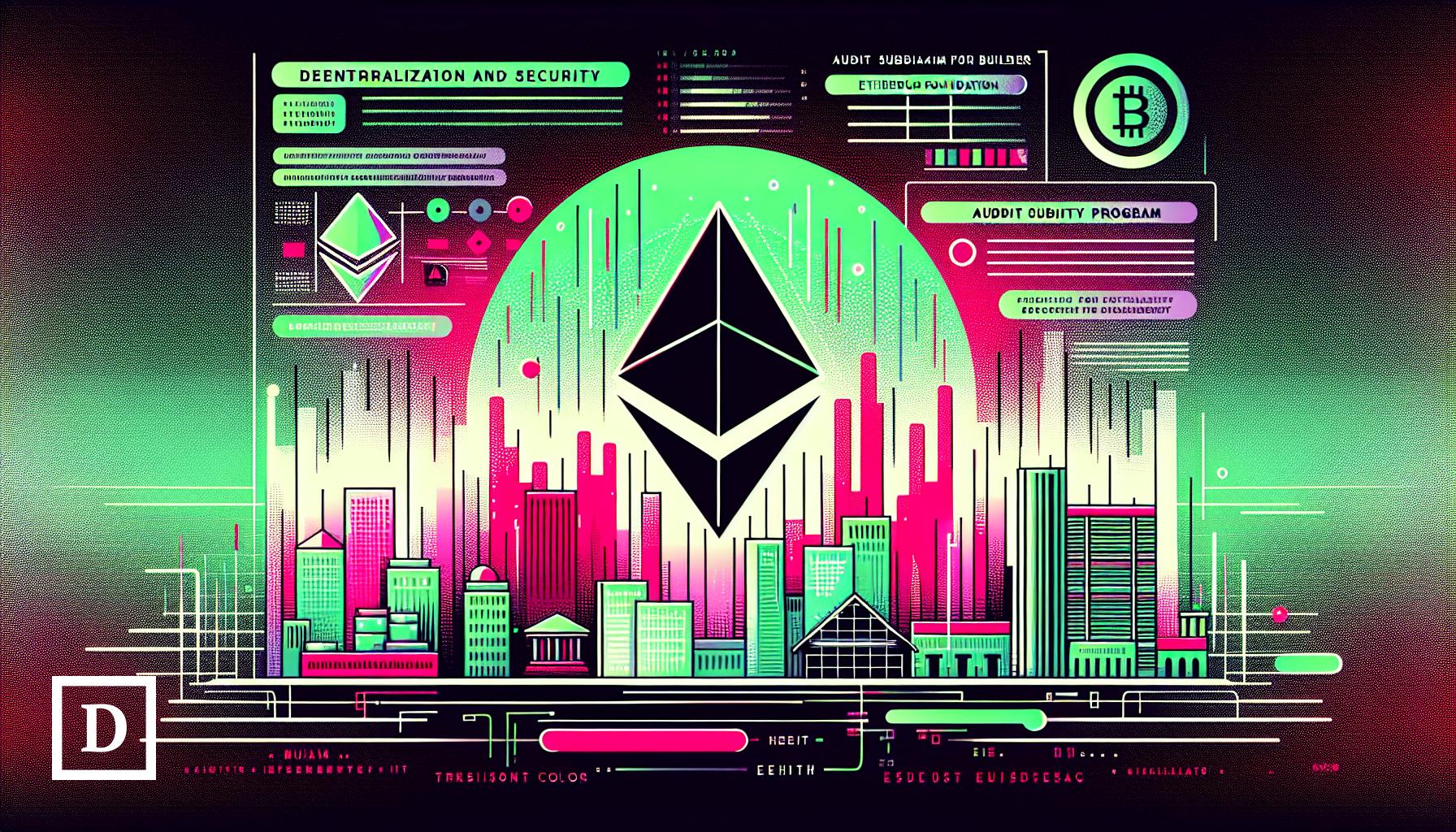
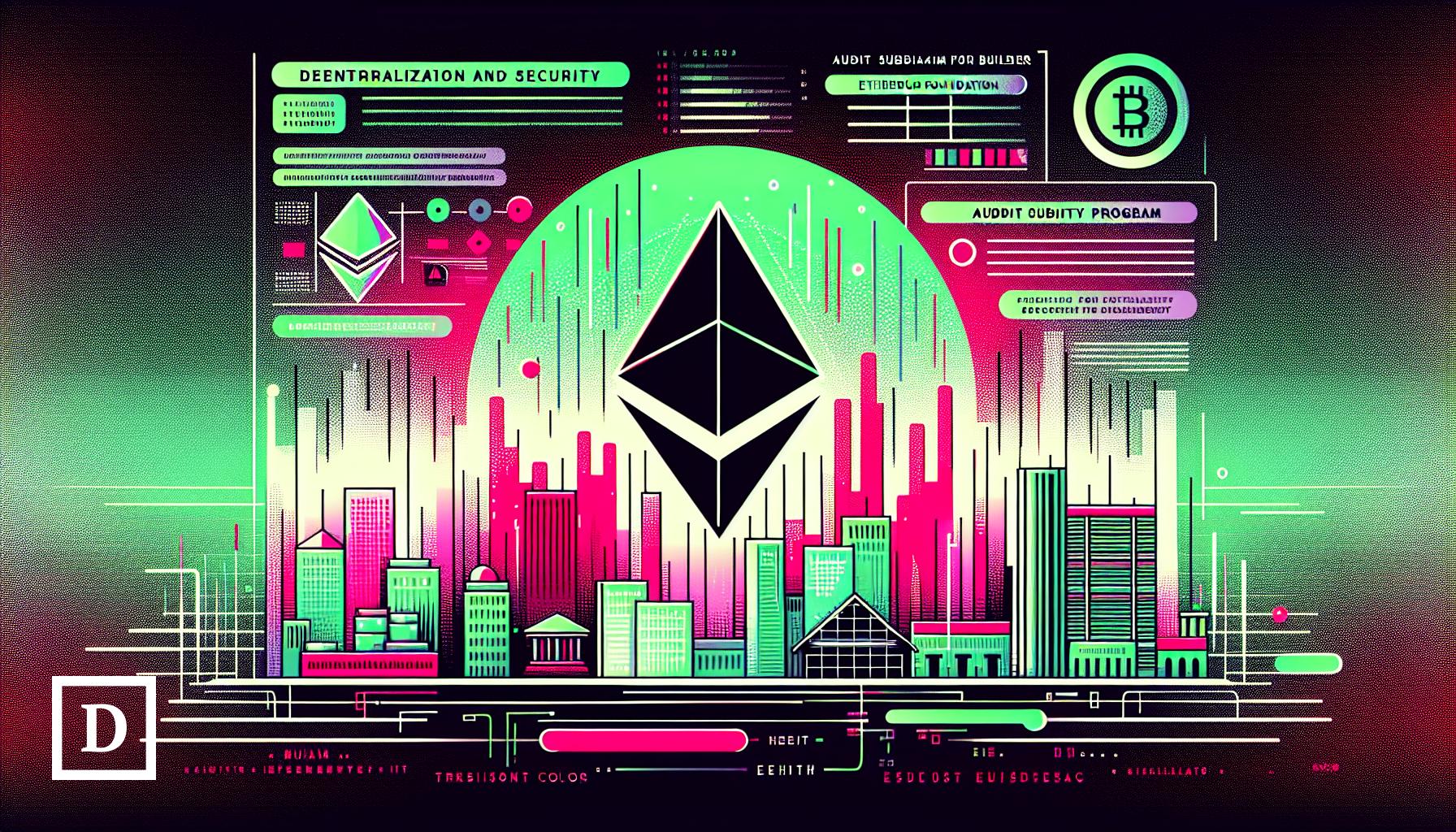
The Ethereum Foundation announced a joint initiative with audit providers to subsidize security audit costs for Ethereum builders.
The Ethereum Foundation announced an audit subsidy program on Tuesday designed to reduce the cost of security audits for Ethereum builders. The joint initiative with audit providers aims to make security audits more accessible to projects within the ecosystem while strengthening overall security standards.
Security audits are considered a best practice in the Ethereum ecosystem but remain expensive, creating a barrier for many builders. The subsidy program directly addresses this friction point by making professional security reviews more affordable for developers building on Ethereum.
Sources: Ethereum Foundation
This article was generated automatically by The Defiant’s AI news system from publicly available sources.

The ‘greatest action movie of all time’ is now streaming on HBO Max

NYC business owner says she moved her company to Florida over regulations

SEC Eliminates $25,000 Pattern Day Trader Rule in Retail Trading Overhaul


-

 Politics4 days ago
US brings back mandatory military draft registration
-
 Sports5 days ago
Man United discover Nico Schlotterbeck transfer fee as defender reaches Dortmund agreement
-

 Fashion4 days ago
Weekend Open Thread: Veronica Beard
-

 Politics5 days ago
Malcolm In The Middle OG Turned Down ‘Buckets Of Money’ To Appear In Reboot
-

 Politics3 days ago
World Cup exit makes Italy enter crisis mode
-

 Crypto World6 days ago
Canary Capital Files SEC Registration for PEPE ETF
-

 Business4 days ago
Tesla Model Y Tops China Auto Sales in March 2026 With 39,827 Registrations, Beating Cheaper EVs and Gas Cars
-

 Crypto World1 day ago
The SEC Conditionalises DeFi Platforms to Be Avoided for Broker Registration
-

 Crypto World1 day ago
SEC Signals Exemption for Crypto Interfaces From Broker Registration
-

 Crypto World7 days ago
Bitcoin recovers as US and Iran Agree a Ceasefire Deal
-
 NewsBeat2 days ago
Pep Guardiola and Gary Neville agree over Arsenal title problem that benefits Man City
-

 Business5 days ago
OpenAI Halts Stargate UK Data Centre Project Over Energy Costs and Copyright Row
-

 Business4 days ago
Ireland Fuel Protests Enter Day 5 as Blockades Spark Shortages and Government Prepares Support Package
-

 Politics5 days ago
LBC Presenter Mocks Trump Over Iran War Failures
-

 Crypto World4 days ago
Federal judge blocks Arizona from bringing criminal charges against Kalshi
-
 NewsBeat3 days ago
JD Vance announces ‘no agreement’ with Iran over nuclear weapons fear
-

 Tech5 days ago
A version of Windows 10 released a decade ago is now eligible for additional security patches
-

 Crypto World1 day ago
SEC Proposes Certain Crypto Interfaces Don’t Need to Register as Brokers
-

 Business4 days ago
IMF retains floor for precautionary balances at SDR 20 billion
-

 NewsBeat20 hours ago
Trump and Pope Leo: Behind their disagreement over Iran war
You must be logged in to post a comment Login