
Politics
Heteroflexible Meaning Explained | HuffPost UK Life


If you asked dating app and content creator Terry Rhea what his sexual orientation is, he’d say he’s “heteroflexible”.
If you responded quizzically – what’s that? – he’d gladly go into detail about what the word means to him.
“To me, heteroflexible means that under the right circumstances – the right place, time, person and environment – I would potentially have fun with someone of the same sex,” Rhea told HuffPost.
“I view sex as something pleasurable, intimate and connecting. It’s supposed to be fun,” he said. “As long as everyone has been tested, boundaries are established, and all parties are consenting adults, I see no issue with that.”
The “mostly straight” messaging of “heteroflexible” works for him in a way that “bisexual” doesn’t.
“Bisexual, to me, means you are romantically attracted to and would date or marry either sex,” he said. “Heteroflexible means you are primarily attracted to the opposite sex, but under the right conditions, you’d be open to same-sex experiences – for me, it’s strictly for fun, nothing more.”
He’s not alone in embracing the label. In its recent annual data deep dive, Feeld – a dating app that brands itself “for open-minded individuals” – found that heteroflexible is the fastest-growing sexuality on the platform. The number of people choosing the label increased by 193% over the past year.
Rhea isn’t the least surprised.
“We have more nuanced terminology to describe the full spectrum of sexual identity these days,” he said. “People aren’t forcing themselves into boxes that don’t quite work anymore.”
But how does “heteroflexible” differ from all the other terms that are already out there: bi-curious, bisexual and pansexual? And is there something a little queerbaiting about hinting at queerness while aligning yourself with heterosexuality, as some critics have claimed? Below, we explore that and more.

FG Trade via Getty Images
Where did the word come from, and how does it differ from bisexual and other labels?
“Heteroflexible” first gained traction in the early 2000s on U.S. college campuses and in online forums. (For those too young to know, this was the “I kissed a girl, and I liked it” era.) People also started using the term “homoflexible”. Its inverse: someone who is mostly gay but open to opposite-sex experiences under the right circumstances.
Is it full-blown orientation? Depends on who you ask.
For some people, heteroflexible feels like that, but for others, it’s more of a descriptive label for behaviour or even just curiosity, explained Jesse Kahn, the director and a sex therapist at the Gender & Sexuality Therapy Center in New York.
“Experiences like this have always existed, and the language continues to evolve as people look for words that feel accurate and affirming,” he said. “The word reflects a broader shift toward understanding sexuality as fluid, contextual, and not always fixed or binary.”
Bisexuality and pansexuality are more fixed, said Alexandra Askenazi Marcus, a therapist and clinical supervisor at the Gender & Sexuality Therapy Center.
“Bisexuality and pansexuality are more established sexual orientations that involve consistent attraction to more than one gender, with pansexuality emphasising attraction regardless of gender,” she said.
“Heteroflexibility differs in that it often maintains heterosexuality as the primary identity while allowing for exceptions,” she said. “It’s less about identity.”

“Queer” meanwhile works as an umbrella term that gives people room to define their sexuality outside rigid or traditional categories.
Jaunté Marquel Reynolds-Villarreal, another therapist and clinical supervisor at the Gender & Sexuality Therapy Center, isn’t surprised the label is catching on. The discourse on love and sexuality is changing, he said, and younger people these days are down with the Kinsey Scale.
“Younger generations have been more open to viewing sexuality and sexual orientation as a spectrum,” he said. “In the past, we tended to use labels as very restrictive constructs, binding people into specific interests or attractions that just don’t really hold true here in 2026.”
There are some queer people who are critical of the label
Mary Hellstrom, a therapist and clinical supervisor at The Expansive Group in Honolulu, Hawaii, thinks that for some heteroflexible people, the label may function similarly to the popular ’90s term “bi-curious”.
As Hellstrom poetically put it, “[It’s] like a beautiful stepping stone along the path, or a set of water wings as one begins wading into the deep waters of queer sexuality for the first time”.
If the sexual orientations of bisexual, pansexual or queer function like houses of self, with permanent walls and art and glass windows, Hellstrom suggested that heteroflexibility functions more like a pop-up camper.
“It’s available for use when needed and easily packed away in storage when it isn’t,” she said. “Pop-up campers are wonderful inventions, perfect for those spontaneous, off-road weekend adventures, but they differ from a house and require much less effort to create and sustain.”
For critics of heteroflexibility – especially queer critics – what feels a little questionable about the label is how closely it sits to heterosexuality. Out of all the labels available, it’s a choice to describe your queer identity using the word hetero.
Given the hostile political climate LGBTQ people are currently facing, there’s safety in being straight adjacent, sex therapists we spoke to said.
“The most obvious difference between pansexual, queer or bisexual and heteroflexible is that those other identities are all subject to marginalisation and a lack of safety within our patriarchal systems,” Hellstrom said.
And as single women joke about frequently on TikTok, most people using the word heteroflexible on Feeld tend to be cis-men. “‘No homo,’ but I do occasionally have sex with men.”
Heteroflexible straight men get to experience the safety and privileges that come with the identity, without fully buying in and having their queerness threaten their masculinity. A full-bodied label, like, queer or gay, comes with a whole lot more stigma.
Rhea, the self-identifying heteroflexible man, agrees that such fears may come into play for some men who pick the label on Feeld.
“Because of how patriarchy functions, straight men who also experience any inkling of a homosexual thought or feeling often experience this as deeply threatening to their sense of self and masculinity,” he said. “The system is designed to evoke this feeling.”

xavierarnau via Getty Images
Rhea understands the criticism, but he views the terms as genuinely distinct. (And for the most part, people have reacted positively when he shares that he’s heteroflexible.)
“To me, bisexual is the umbrella term. Heteroflexible and homoflexible are subsets within it,” he said. “Heteroflexible means you primarily date and partner with the opposite sex but are occasionally open to same-sex play. Bisexual, in my view, sits in the middle: open to dating, partnering with, or marrying either sex. These aren’t the same thing, and the distinctions matter.”
Calling himself “heteroflexible” is an ethical, honest choice, he thinks: As he dates around, he doesn’t want a man to get the wrong impression about his openness to a relationship.
“I’m glad that Feeld offers heteroflexible as an option,” he said. “We’ve been placed into a worn-out box of compulsory heterosexuality. It’s refreshing to see that people are experimenting with little pushes against its walls.”

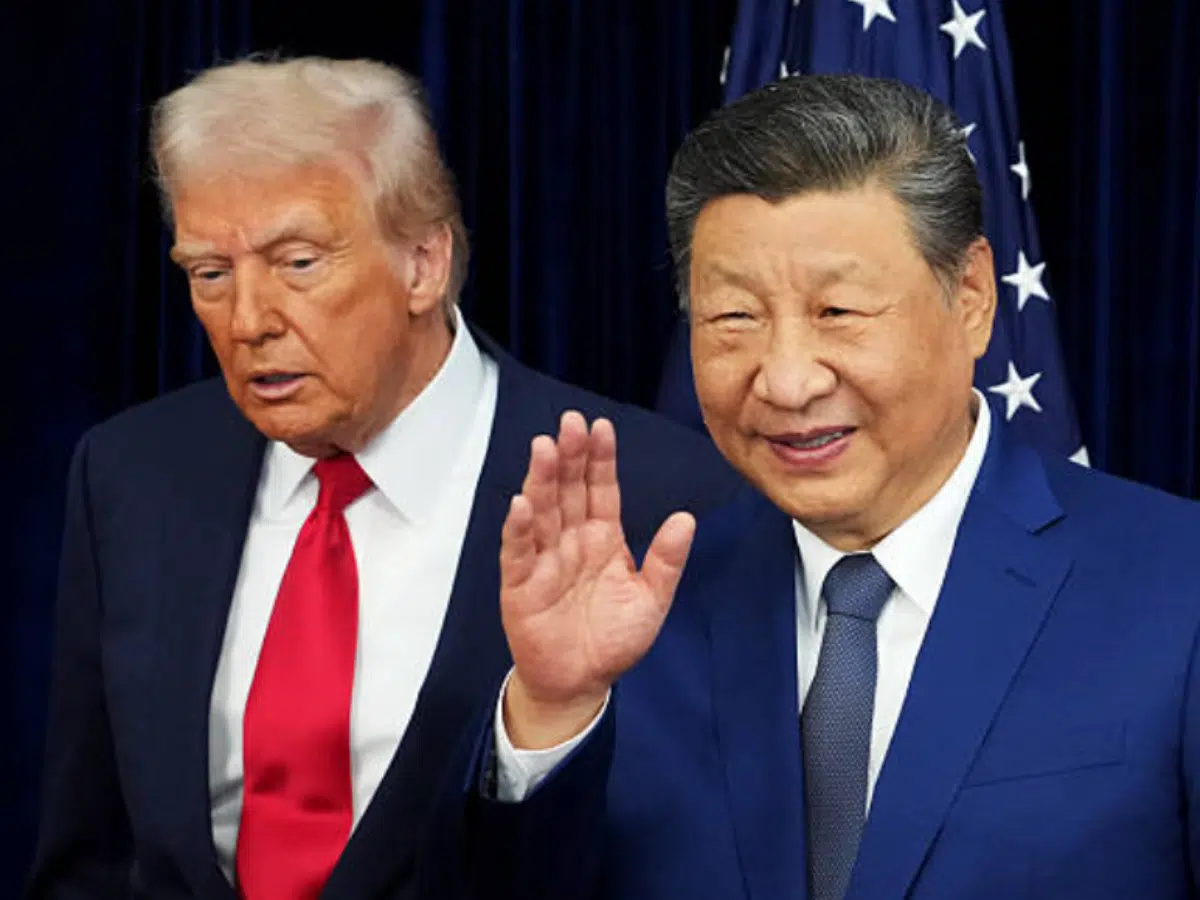
China beat the United States in global approval ratings in 2025, with a median of 36% approving of China’s leadership, compared with 31% for the U.S., according to the latest Gallup polling released last week.
While neither country commands broad support, China surpassed the United States in global approval ratings in 2025, with a median of 36% approving of China’s leadership, compared with 31% for the U.S. pic.twitter.com/7fIXcYzIQc
— Gallup (@Gallup) April 3, 2026
China is letting Trump damage Brand USA
For the last 20 years, Gallup has asked people worldwide to rate the leadership of the U.S., China, Russia, and Germany.
Reactions from X showed many celebrating the US’s fall from grace, especially under Trump.
Arnaud Bertrand joked, sharing the news that Trump is nicknamed “Chuān Jiàn Guó” in China, which means “Trump builds China.”
There’s a reason why Trump is nicknamed 川建国 (Chuān Jiàn Guó) – “Trump build China” – in China. https://t.co/31BSgs1jnl
— Arnaud Bertrand (@RnaudBertrand) April 5, 2026
Make China great again !Trump did it!👏👏👏 https://t.co/qM8egcMZUN
— Rachel(互fo) (@miranda7x07mwq) April 5, 2026
Even the pro-American Economist published a cover of Chinese President Xi overshadowing Trump that read – “Never interrupt your enemy when he is making a mistake.”
We spoke to diplomats, advisers, scholars, experts and current and former officials in China. Almost all of them see the war in Iran as a grave American error. Register for free to read why: https://t.co/0CDHuDCMDW pic.twitter.com/KCTtaPO1Kf
— The Economist (@TheEconomist) April 1, 2026
British ruling class still licking Trump’s arse
Meanwhile, in the American vassal state of the UK, Labour was busy licking Trump’s arse and whitewashing their heinous crimes.
Featured image via the Canary
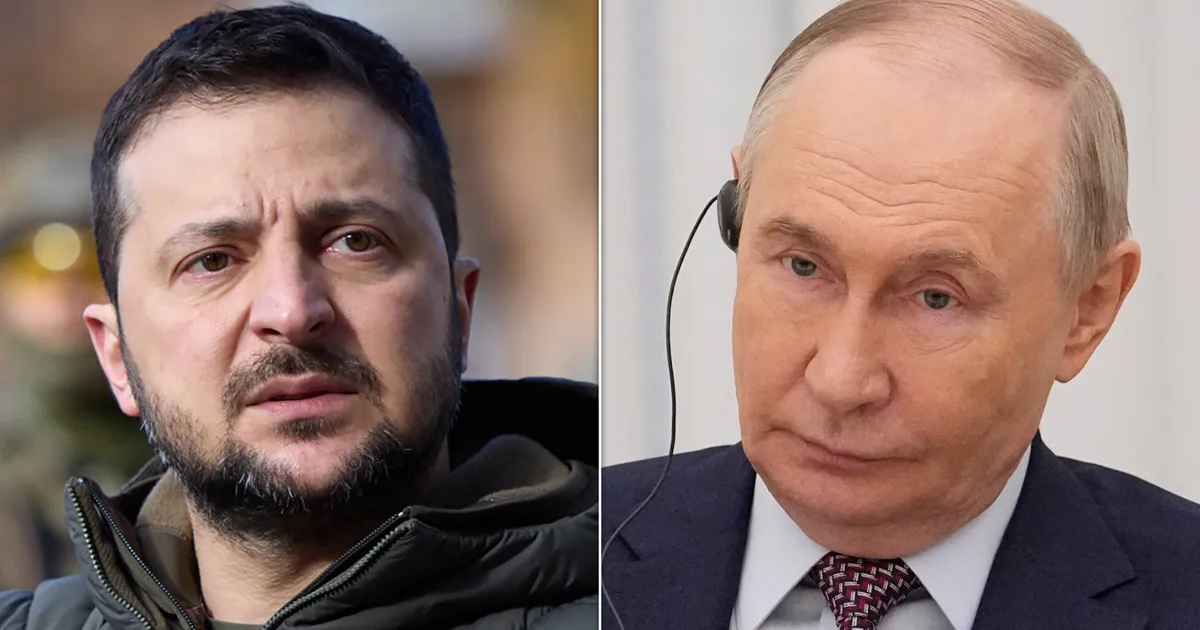
Vladimir Putin has been slammed for ignoring Volodymyr Zelenskyy’s offer of a ceasefire over the Easter weekend.
An overnight attack on the Ukrainian Black Sea port of Odesa killed three people on Monday and injured at least 16 others.
Ukrainian president Zelenskyy hit out at Russia for continuing its attacks over the Christian occasion, saying: “We have repeatedly proposed to Russia a ceasefire at least for Easter. But for them, all times are the same. Nothing is sacred.”
Zelenskyy said last Wednesday he had spoken to US negotiators about a pause in fighting but Russia had sent more than 700 drones in a rare daytime attack in retaliation.
“Russia is responding with Shahed drones and continues its terrorist operations against our energy sector, against our infrastructure,” the Ukrainian leader said.
“A silence over Easter could be exactly the signal that tells everyone that diplomacy can be successful.”
However, Russia’s foreign ministry rejected the idea as a “PR stunt”.
Despite his frustrations, Zelenskyy extended his offer of a mutual ceasefire on strikes against infrastructure after the weekend.
The Ukrainian president said: “If Russia is willing to stop attacking our energy sector, we will refrain from similar attacks.”
There has been some confusion over recent strikes on Russian oil facilities.
The Russian defence ministry claims Ukrainian drones attacked a major oil shipping terminal in southern Russia early on Monday, though Kyiv said it attacked a different terminal.
Meanwhile, the former chief of the CIA told CBS News that Russia “no longer has the upper hand” in the war.
Retired US Army general David Petraeus said: “Over the last two months, the Ukrainians have actually made greater incremental gains than have the Russians.”
He said while Russia has advantages in manpower, firepower and economic scale, Ukraine has offset those with its innovative drone systems.

Media in Israel have claimed that a warship struck by a Hezbollah missile 68 nautical miles (nm) off the Lebanese coast was British, not Israeli. The Lebanese group had announced it struck an Israeli Occupation Force (IOF) ship with a “naval cruise missile” after several hours of monitoring it preparing to attack Lebanon. There appear to be no disputes that a warship was struck, only about whose navy it belonged to.
The UK Ministry of Defence has denied a British warship was hit. The distance at which the ship was hit means the vessel was very likely within Lebanon’s maritime ‘Exclusive Economic Zone‘ or ‘maritime continental margin’, which extends 200nm from its 120nm-long shoreline, though limited by the presence of Cyprus some 93nm away. It also puts the ship many miles from the RAF’s Akrotiri base, which UK and US warplanes are using to defend Israel and/or attack Iran – and half-way or more toward Lebanon.
Israel claims complicate tense situation
Some news outlets have reported that Hezbollah “mistakenly” targeted the vessel, implying it was operating alongside Israeli vessels in the area – particularly as the group claimed it had observed it for hours making offensive manoeuvres and preparations.
Whether an IOF or UK ship was hit, either scenario poses thorny questions for a Starmer government that has claimed it is only carrying out ‘defensive operations’. Either an IOF warship was hit and Israel has thrown the UK under a bus to deflect for propaganda purposes. Or a UK ship was hit, meaning it was very likely operating offensively alongside Israeli warships.
Foul play from a supposed UK ‘ally’ – or the exposure of more lies from ‘Zionist without qualification‘ Starmer and the UK helping aid heinous attacks on Lebanon, just as it aided Israel’s genocide in Gaza?
Featured image via the Canary

You can judge the cultural impact of a TV series by how much it crosses the threshold into everyday life.
In the case of Friends, the show came to define everything from haircuts (“The Rachel”) to romantic idealism (finding “your lobster”) at the peak of its popularity.
And, of course, it also inspired one of the longest-running TV debates – whether or not Ross and Rachel really were “on a break”.
One of the key plot points of the iconic 90s sitcom was an argument about whether or not David Schwimmer and Jennifer Aniston’s on-off characters were “on a break” when Ross slept with another woman (Chloe – “the hot girl from the Xerox place”), leading to an explosive row.
The incident was the tipping point in a storyline that saw Ross grow increasingly jealous of Rachel’s work colleague Mark, as she clocked in hours trying to climb the ladder in her dream fashion job.
In recent years, thanks in part to Friends finding a home on streaming platforms Netflix and, more recently, HBO Max, younger generations have found Friends and fallen in love with it just as millennials did the first time round.
However, some elements of the show, in particular Ross’s “problematic” behaviour have come under the microscope for not having aged as well.

NBCUniversal via Getty Images
One person who’s also had a rethink when it comes to Ross and Rachel’s rocky patch is cast member Lisa Kudrow, who famously played Phoebe Buffay on the show for its run between 1994 and 2004.
In an interview with Irish radio station Beat 102 103, Lisa revealed that she’s changed her opinion on the couple’s relationship, admitting that it reflected attitudes at the time when it came to women.
“I just saw it recently and I hadn’t seen that episode,” she explained, talking about the infamous season three instalment The One Where Ross And Rachel Take A Break.
She continued: “I watched Rachel having a crisis at work so she was working late – not forever – for a limited amount of time.
“Ross just wasn’t having it as if it wasn’t allowed and guess what? Back then it kind of wasn’t allowed. He was a paleontologist, his career was more important and we all bought into that. Not fair.”
Jennifer Aniston has also admitted that some episodes of Friends haven’t aged too well, either.
“There’s a whole generation of people, kids, who are now going back to episodes of Friends and find them offensive,” she said in a 2023 interview.
She continued: “There were things that were never intentional and others… well, we should have thought it through, but I don’t think there was a sensitivity like there is now.”
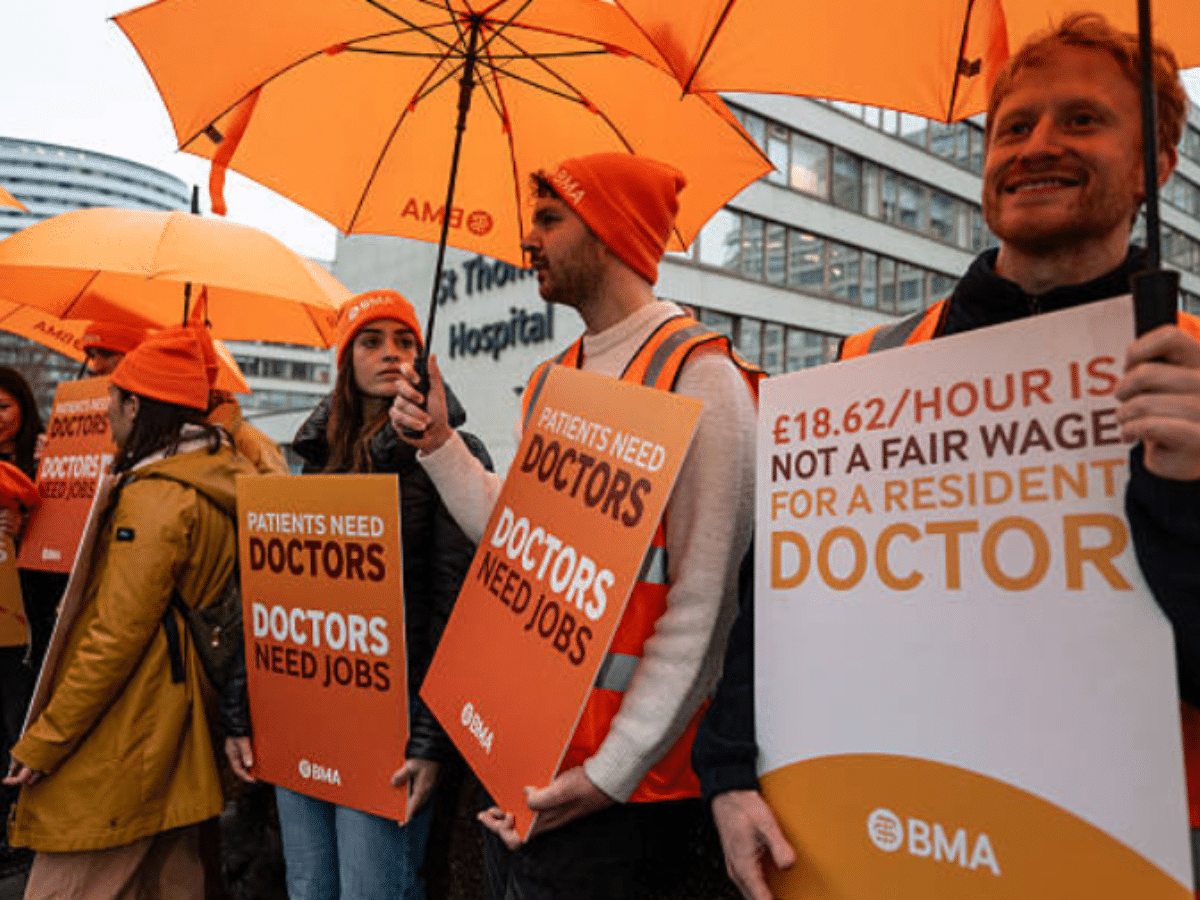
NHS England has warned of disruption to its services as resident doctors begin six days of strike action on 7 April.
The government had previously threatened to withdraw an offer of thousands of new training posts for resident doctors, unless the British Medical Association (BMA) called off its strike within 48 hours.
On 2 April, after the deadline passed without any movement from the BMA or resident doctors, the government cancelled the training positions. The strike is now going ahead as planned.
NHS bosses ‘disappointed’
On 6 April, the night before the strike began, NHS England released a statement warning of disruption, which also criticised the BMA:
Disappointingly, the BMA resident doctors committee (RDC) has announced industrial action from 7am on Tuesday 7 April to 6.59am on Monday 13 April 2026.
The announcement of industrial action follows months of intensive talks between the BMA and Government. This culminated with the BMA’s RDC both rejecting the deal their leadership had worked on with us and refusing to put the deal to their membership.
The statement follows on from NHS England’s previous disregard for striking workers. Last year, the Canary reported that NHS boss James Mackey “is known for having a track record for telling hospitals to disregard union-recommended staff safety levels.”
In light of this most recent industrial action, the advice from NHS England remains the same:
Resident doctors can be redeployed during industrial action if this is necessary to ensure patient safety and no other staff are available to cover.
Wes Streeting criticises strike
Secretary of state for health and social care, Wes Streeting, also remains “eager to paint the resident doctors as the villains in the story and turn the public against them.”
Speaking to the Guardian about the cancelled training posts on the first day of the strike, he said:
We rushed through emergency legislation to prioritise UK graduates for training places, reducing competition from four to one to less than two to one. This deal would have gone further by introducing up to 4,500 additional specialty training posts over three years, including 1,000 this April, alongside support such as reimbursing mandatory exam fees that can cost thousands.
Instead of accepting this offer, the BMA rejected it outright and announced immediate strike action. Not only does this torpedo the pay rises and training posts available to resident doctors, but it also puts at risk the recovery of the NHS.
As ever, Streeting places all the blame on doctors themselves, ignoring his own responsibility for worsening working conditions. As the Canary‘s Skwarkbox argued last year:
Streeting and his boss Keir Starmer are not just scaremongering – like any Tories, they are actively and intentionally pushing the NHS further into collapse.
The latest round of strike action will continue for one week, ending on 13 April.
Politics
The House | The extraordinary story of boxing’s racist ‘colour line’ and the fighters who broke it

4 min read
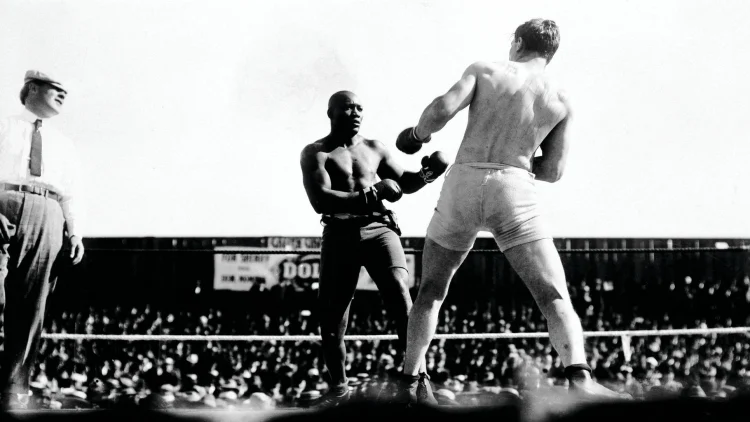
Thankfully the ‘colour line’ is not a phrase often heard today, but the history behind boxing’s racist exclusion of black fighters should not be forgotten.
From the 1870s until the late 1930s, black boxers were forbidden from competing for world titles in a conspiracy maintained by white fighters, administrators and promoters.
This excluded black athletes from a what was one of the great pinnacles of world sport at the time – heavyweight boxing.
There is a long list who should have been given title shots and were not.
Some of them, almost certainly, would have been champions. The most egregious example was Harry Wills, who time and again was prevented from fighting for a world title.
Wills was an exceptional boxer and an unusual character. In an era when boxers, regardless of ethnicity, had a marked tendency to live very fast and die young, Wills lived a very sober life. He invested shrewdly, becoming a successful businessman after his career in the ring was over. He also experimented with diet and different methods of training.
Other black fighters held back by the white establishment included Joe Jeanette, Sam McVey and Sam Langford. Langford in particular was a truly formidable opponent; small for a heavyweight yet often listed among the biggest hitters in boxing history.
The ‘colour line’ effectively broke when Joe Louis became world champion just before the outbreak of the Second World War. But before Louis, another man had overcome the bigotry. Jack Johnson, a black man from Texas, had faced acute racism from birth. He developed into an immensely powerful and skilled fighter who white fighters were keen to avoid.
In 1908, the world heavyweight champion was a Canadian called Tommy Burns. Burns revelled in racism, deploying all the usual vile epithets in his abuse of black fighters. He also clearly underestimated Johnson, who was not a man to be intimidated. Johnson took to following Burns everywhere he went, accusing him of cowardice. He even followed Burns to Australia and turned up every time Burns appeared in public.
This finally got under Burns’ skin. He said he would fight Johnson for the unheard-of fee of £30,000, clearly believing that no promoter would pay such a colossal sum, which just goes to show how wrong you can be. A colourful Australian entrepreneur, Hugh D “Huge Deal” McIntosh, came up with the sum and the fight went ahead. Johnson battered Burns to a standstill over 14 rounds.
The white establishment immediately rounded on Johnson. Distinguished writers such as Jack London and Henry Lawson abused him in the most viscerally racist terms and former champion Jim Jeffries was persuaded to come out of retirement to put the upstart in his place. Fairly predictably, Jeffries also lost.
Back in the US, Johnson was then framed by police officers and the legal establishment and was facing a long prison sentence when he fled to Europe. He was then offered a deal: lose a title fight to white challenger Jess Willard and he would not face prison. Johnson took the deal and Willard became champion. White fighters continued their uninterrupted dominance until the arrival of Louis, who became one of the greatest boxers and athletes of all time.
Jack Johnson was not perhaps an ideal role model. As soon as he had defeated Burns, he made it very clear that he would not face black opponents because boxing white men paid better. Nevertheless, as Ken Burns put it in his great documentary Unforgivable Blackness, “When whites ran everything, Jack Johnson took orders from no one.” That sheer determination and bloody mindedness is at least deserving of respect.
Lord Cryer is a Labour peer, served on the British Boxing Board of Control and is a patron on the East London Boxing Academy
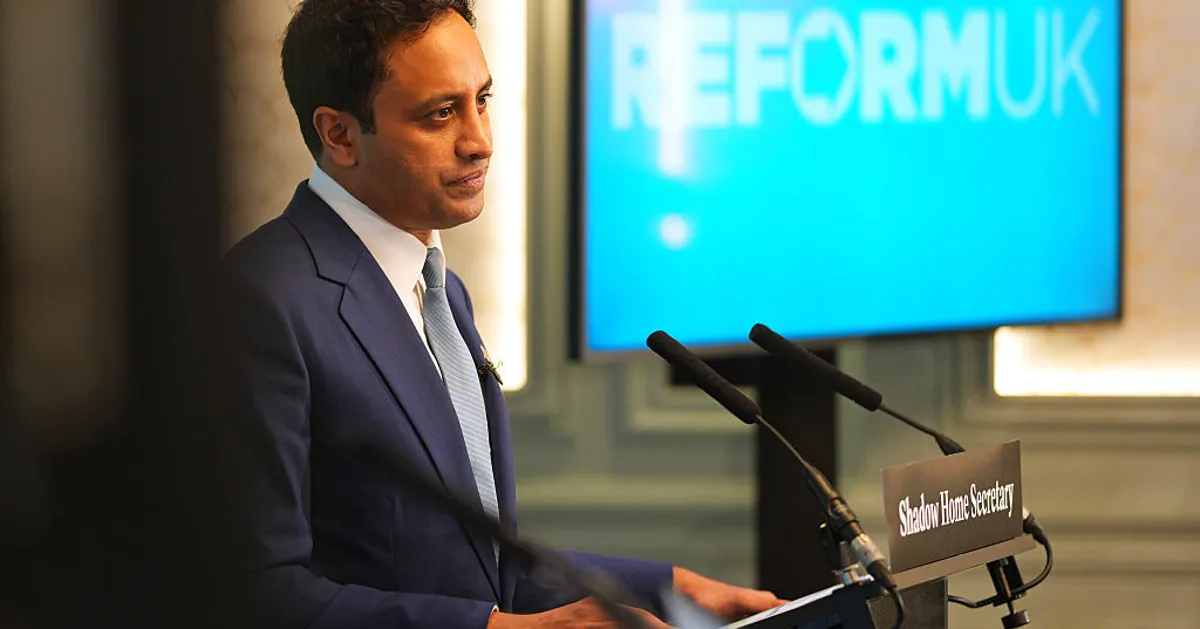
Zia Yusuf has accused Kanye West’s critics of jumping on a “bandwagon” amid mounting anger at the decision to book him to headline the Wireless festival this summer.
Keir Starmer, Wes Streeting and Sadiq Khan are among those who have condemned the move, while home secretary Shabana Mahmood is considering calls for him to be banned from entering the UK.
The Grammy-winning rapper has sparked anger in the past over his anti-semitic remarks, including releasing a song called ‘Heil Hitler’.
Wireless organisers have defended the booking, while West – who now calls himself Ye – has apologised for his previous comments and said he wants to “present a show of change, bringing unity, peace, and love through my music”.
In a statement on Tuesday morning, he said: “I would be grateful for the opportunity to meet with members of the Jewish community in the UK in person, to listen. I know words aren’t enough – I’ll have to show change through my actions. If you’re open, I’m here.”
Asked about the row on Sky News, Yusuf, who is Reform UK’s home affairs spokesman, said: “I think it’s fascinating that you’ve got Tory shadow ministers and the home secretary and the prime minister all weighing in on this particular individual.
“Obviously, he’s got songs that are openly anti-semitic, praising Hitler. It is deeply troubling that those songs would be played at a big auditorium in Britain.
“But what about this Bob Vylan character, who shouts extremely anti-semitic things at concert after concert and broadcast live on the BBC in many cases. Where is the condemnation of that?”
Presenter Kamali Melbourne pointed out to Yusuf that there was widespread condemnation of Bob Vylan following their appearance at Glastonbury last year, and then asked him again if West should be banned rom entering the UK.
He replied: “My view as home secretary would be that would been to have carefully considered in consultation with stakeholders, including the Jewish community.
“But I stand by the argument that it is absolutely a bandwagon that’s being jumped on.”
Subscribe to Commons People, the podcast that makes politics easy. Every week, Kevin Schofield and Kate Nicholson unpack the week’s biggest stories to keep you informed. Join us for straightforward analysis of what’s going on at Westminster.
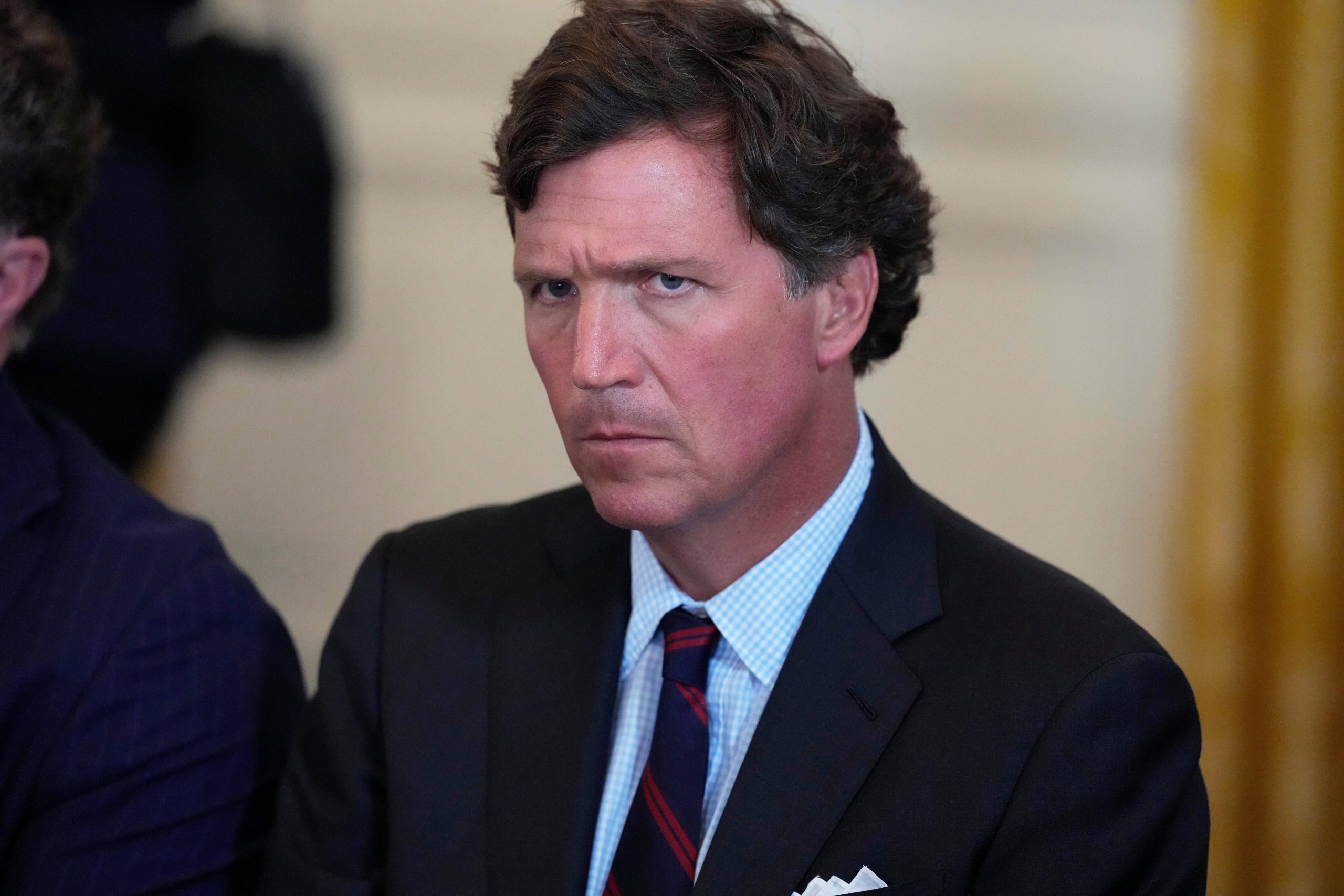

Conservative pundit Tucker Carlson tore into Donald Trump on Monday night, calling an Easter Sunday social media post from the U.S. president “vile on every level” and accusing him of threatening to commit a war crime.
“How dare you speak that way on Easter morning to the country?” Carlson said in a monologue on his podcast. “Who do you think you are? You’re tweeting out the f-word on Easter morning.”
On Sunday, a major Christian holiday, Trump posted a profane message on Truth Social, threatening Iran’s civilian infrastructure.
“Tuesday will be Power Plant Day, and Bridge Day, all wrapped up in one, in Iran. There will be nothing like it!!! Open the Fuckin’ Strait, you crazy bastards, or you’ll be living in Hell – JUST WATCH! Praise be to Allah,” the president wrote on his social media platform.
Carlson’s scathing monologue underscores a widening split inside Trump’s MAGA coalition, pitting foreign policy hawks against isolationists over the Middle East.
Trump returned to power on a promise to put “America first” and pledged an end to endless foreign wars, but his attack on Iran — now into its sixth week — has unsettled some of his previous supporters.
Trump’s post “begins with a promise to use the U.S. military — our military — to destroy civilian infrastructure in another country, which is to say, to commit a war crime, a moral crime, against the people of the country whose welfare, by the way, was one of the reasons we supposedly went into this war in the first place,” Carlson said.
The conservative pundit, a former Fox News host and occasional visitor to the White House who has ramped up his criticism of Trump in recent weeks, also slammed the president for his mention of “Allah.”
“So obviously you’re mocking the religion of Iran,” he said. “OK, if you seek a religious war, that’s a good idea. But by the way, no decent person mocks other people’s religions. You may have a problem with the theology — presumably you do if it’s not your religion — and you can explain what that is. But to mock other people’s faith is to mock the idea of faith itself.”
Carlson wasn’t alone among arch-conservatives in rebuking Trump over the Easter missive.
“Everyone in his administration that claims to be a Christian needs to fall on their knees and beg forgiveness from God and stop worshipping the President and intervene in Trump’s madness,” ex-congresswoman Marjorie Taylor Greene, a former Trump acolyte, said Sunday.
“This is not making America great again, this is evil,” she added.
Milena Wälde contributed to this report.


A new British Safety Council initiative is helping unemployed veterans move into civilian careers in occupational health and safety, turning military experience into a force for safer workplaces across the UK.
It’s easy to understand why moving from military service into civilian employment can feel like a difficult and uncertain step. Many veterans leave the armed forces with valuable professional experience, but translating those skills into a completely different working environment isn’t always straightforward.
Recognising these challenges and the opportunity to make better use of this talent, British Safety Council has launched From Service to Safety, a new charitable initiative designed to support unemployed veterans across the UK. From Service to Safety provides a clear and structured route into the occupational health and safety sector, which matches free training and pastoral support with eligible candidates to bolster the occupational safety and health (OSH) sector, an area experiencing a shortage of skilled workers and one that remains vital to the wellbeing of UK PLC as a whole.
It is entirely fitting and proper to support those who have given so much to their nation and dedicated a large part of their lives to the service of others. This initiative seeks to do good today and have a compounding effect for generations to come, leading to safer and healthier workplaces where workers can thrive.
At the heart of the initiative is a commitment from British Safety Council to support and develop the next generation of health and safety professionals. Throughout 2026, 100 veterans will have the opportunity to complete the NEBOSH National General Certificate in Occupational Health and Safety, free of charge. This qualification gives learners a strong, practical understanding of how to keep people safe at work, including how to identify risks and prevent accidents.
With no cost to eligible applicants, the programme removes financial barriers and opens the door to those who might not otherwise be able to access this training. Delivered through live online sessions by British Safety Council’s industry-leading trainers, the course is accessible to veterans nationwide and will be paired alongside pastoral support from veterans already working for and with British Safety Council.
The initiative is delivered in partnership with NEBOSH, which is supporting the programme by funding examination fees and resits, and eligible candidates are being referred by the Career Transition Partnership (CTP). The CTP is the official provider of resettlement for the Armed Forces and has supported 340,000 service leavers over more than 27 years.
Beyond the direct benefits to those taking part, From Service to Safety seeks to foster the next generation of health and safety leaders, who will work to create the safer workplaces of the future. It also seeks to increase the number of experienced professionals entering the sector, which has long suffered from declining numbers and poor retention. To keep the workers of the future safer, we need bold and experienced professionals who understand risk awareness and risk aversion, and who can communicate this to those they work with.
From Service to Safety builds on the history of British Safety Council, which was founded in 1957 by James Tye. Tye was inspired to dedicate his life to safety following national service during the Second World War and became one of the UK’s leading safety voices. This golden thread between Tye’s own service and the service of others is something that British Safety Council is proud to honour as we approach our 70th anniversary in 2027.
As From Service to Safety moves forward, it represents more than a pathway into employment; it is a commitment to an ideal that safe workplaces and thriving workers are not only possible but deliverable. By investing in those who have already demonstrated commitment, discipline and resilience, we are not only supporting veterans in their next chapter but strengthening the future of workplace safety across the UK. In doing so, British Safety Council continues a long-standing tradition: turning service into lasting impact and ensuring that the experience of the past helps to protect the people of tomorrow.
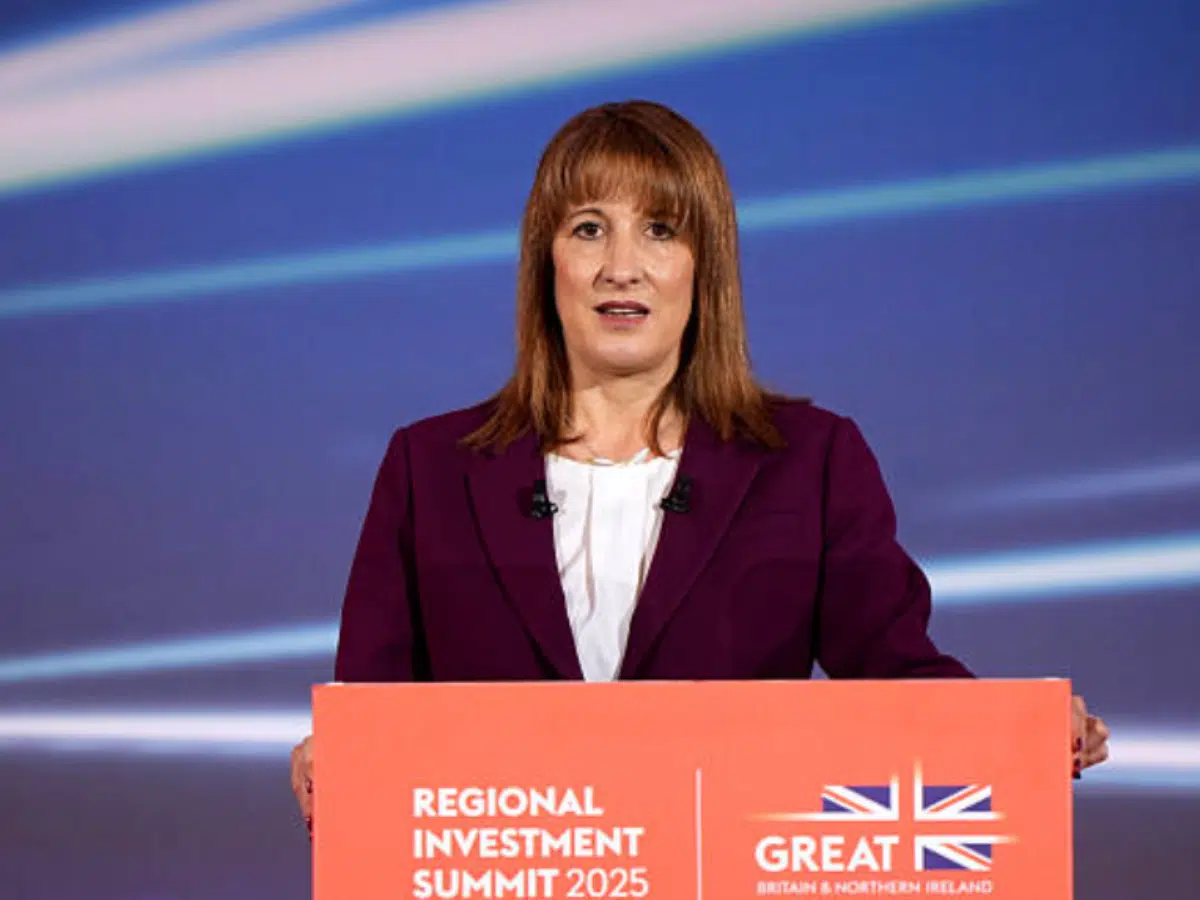
Chancellor Rachel Reeves has taken to social media to celebrate Labour’s so-called achievements.
Rachel Reeves, are these meant to be wins?
Reeves said:
Minimum wage rising.
State pension increasing.
Two child limit abolished.
Child poverty falling.
Rights at work strengthened.
Labour promised change. We are delivering change.
These policies are a shambles and miss the reality of an extremely economically unequal society.
Wages should be progressive
Minimum wage is rising by around 50p compared to last year. Accounting for inflation, it’s a £2 increase on its level a decade ago.
But this is nothing for large corporations, while adding significant costs to small businesses. The issue with across the board minimum wages is they ignore the capabilities of companies. For example, Vodafone makes £154,236 annual profit per employee. They can afford to pay their workers a significant amount more.
Meanwhile, small businesses with 1-9 employees have an average yearly profit of £22,000. Last year, Labour’s increase to the minimum wage added a yearly cost of around £8,000 to a small business with five employees. That’s quite the hit, but also affordable, assuming the person running the business is taking their own salary.
The minimum wage should certainly apply, but it should be progressively implemented. Small businesses pay the minimum while profit-linked wage increases apply for companies like Vodafone.
That said, the reason Vodafone is so profitable is because everyone needs to communicate. In other words, telecommunications is an essential that should be in public ownership, because it’s a risk free venture for the government. Failing that, some form of profit-sharing with workers, mandated cheaper prices and higher taxes could go some way to improve the situation.
State pension increasing? Just a Tory policy
The state pension has increased over the years and will do with Labour continuing the Conservatives’ policy of linking increases to inflation, average earning rises or 2.5% (whatever’s highest).
Nonetheless, it’s not enough for less well off pensioners who do not have the supplementary income of a private pension. 16% of pensioners are in relative poverty.
The universalism of the state pension does contribute to giving everyone a stake in the economy. But it also doesn’t make sense for multi-millionaires to receive it. Re-imagining the system through a mixed economy of common, non-profit, community and private ownership could deliver less economic inequality, while maintaining the universalism of a state pension.
Labour flailing
Labour’s workers’ rights package brings paternity and sick leave rights to day one of employment. Although, minimum sick pay is only £123.25 per week. Again, this should be progressively implemented. Companies that can afford to pay should maintain a workers’ salary. Meanwhile, companies that can’t should be topped up by the state.
Reeves and Labour shouldn’t be celebrating their achievement of very little after almost two years in power. They should actually take the initiative and improve the country.
Featured image via the Canary
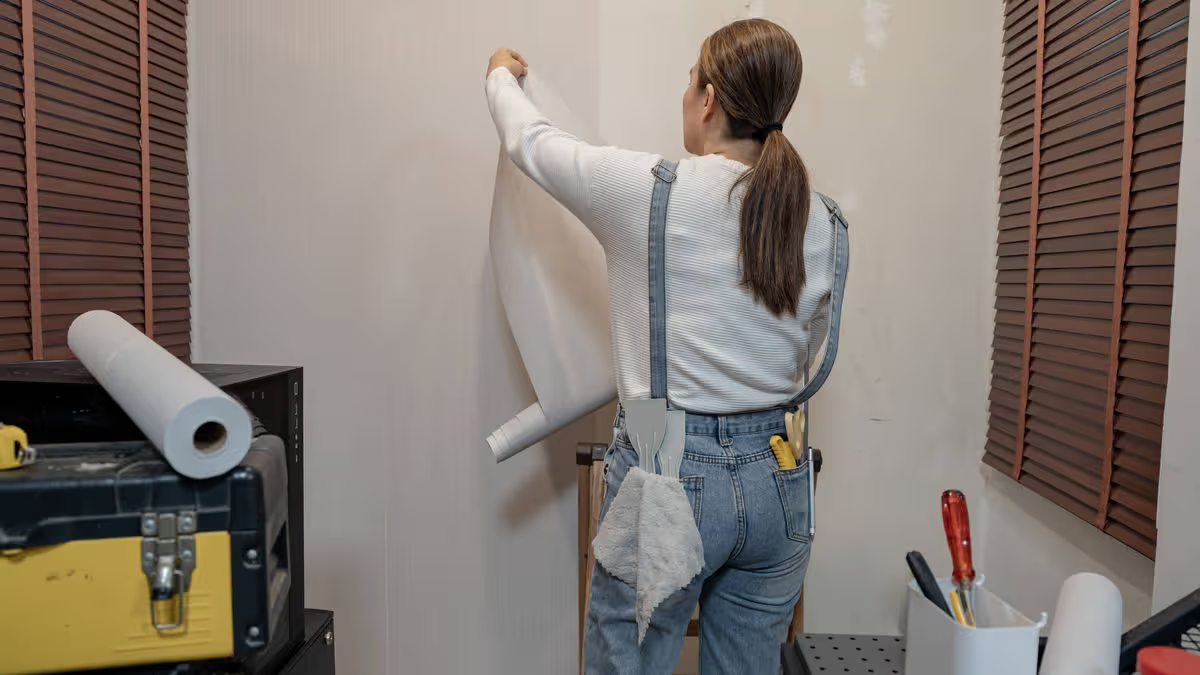
Woman renovates home and makes X-rated find behind old paint work
ReposiTrak adds 18 produce suppliers to traceability network

Senate Has 3 Weeks to Pass the CLARITY Act: Most Important Month in Ripple XRP History?


-

 NewsBeat5 days ago
Steven Gerrard disagrees with Gary Neville over ‘shock’ Chelsea and Arsenal claim | Football
-

 Business4 days ago
No Jackpot Winner and $194 Million Prize Rolls Over
-

 Fashion4 days ago
Weekend Open Thread: Spanx – Corporette.com
-

 Crypto World6 days ago
Gold Price Prediction: Worst Month in 17 Years fo Save Haven Rock
-

 Business2 days ago
Three Gulf funds agree to back Paramount’s $81 billion takeover of Warner, WSJ reports
-
Crypto World7 days ago
Dems press CFTC, ethics board on prediction-market insider trades
-

 Sports3 days ago
India men’s 4x400m and mixed 4x100m relay teams register big progress | Other Sports News
-

 Business3 days ago
Expert Picks for Every Need
-

 Business5 days ago
Login and Checkout Issues Spark Merchant Frustration
-

 Sports7 days ago
Tallest college basketball player ever, standing at 7-foot-9, entering transfer portal
-

 Crypto World7 days ago
Bitcoin enters the public bond market as Moody’s gives a first-of-its-kind crypto deal a rating
-
Crypto World6 days ago
Bitcoin stalls below key resistance as technical signals skew bearish
-

 Tech5 days ago
Commonwealth Fusion Systems leans on magnets for near-term revenue
-
 Politics6 days ago
Starmer’s centre has collapsed, and the left was right all along
-
Business2 days ago
No Jackpot Winner, Prize to Climb to $231 Million
-

 Fashion7 days ago
Tuesday’s Workwear Report: Tavira Sculpt Stretch Crepe Trousers
-
Crypto World7 days ago
AI Memory Rout Wipes 9% Off Nvidia Stock: Chart Says More Pain Ahead
-
 Crypto World6 days ago
Why It’s Partnering, Not Issuing
-

 Crypto World6 days ago
Ripple rolls out enterprise crypto treasury platform for corporates
-
Tech7 days ago
AirPods Max 2 review: Familiar features & design, but needs more
You must be logged in to post a comment Login