Connect with us

Tech

Dual-screen laptops and ROG machines

Published

on

In the world of laptops, there are plenty of established brands that adhere to a certain degree of quality including Apple, Samsung and Acer, but very few of them can boast quite the same range of products as Asus. We’ve tested countless Asus laptops over the years and if you’re tempted to see what all the fuss is about then here are the ones that we recommend above the rest.

It doesn’t matter if you’re a student who needs something portable for university, a professional on a mid-range budget or even a gamer who needs something high-end with plenty of processing power to boot – we can almost guarantee that Asus has a laptop design for your needs, and we should know.

Our team of tech experts haven’t just tested the latest Asus laptops, they’ve tested the best laptops across the board so we know exactly how Asus’ devices compare to the wider market. All of this means that when using our guides, you can shop with confidence, knowing that you’ll be getting an amazing device that suits your needs.

Because there are so many Asus laptops available, we’ve made sure to include a good variety of options here, so don’t just expect to see Asus laptops with flagship GPUs and CPUs. There’s very much something for everyone here – just make sure that you have an idea of which features you prioritise the most to make sure that you don’t overspend.

Advertisement

Given just how many models Asus releases in a single year, if you’re still on the fence or waiting to save up then it’s worth checking back here later down the line in case the rankings have changed. If you’re looking to upgrade your entire desk set-up in one fell swoop then it’s well worth reading our similar guides to the best monitors, best keyboards and the best wireless mice.

Best Asus Laptop – at a glance

Advertisement

SQUIRREL_ANCHOR_LIST

Learn more about how we test laptops

Every laptop we review goes through a series of uniform checks designed to gauge key things including build quality, performance, screen quality and battery life.

Advertisement

These include formal synthetic benchmarks and scripted tests, plus a series of real world checks, such as how well it runs the most frequently used apps.

We also make sure to use every laptop we review as our primary device for at least a week to ensure our review is as accurate as possible.

  • Lightweight and super portable

  • Increased grunt from Snapdragon X2 Elite chip

  • Immense battery life

  • More expensive than its predecessor

  • 1920×1200 resolution feels off for the price

Advertisement

The Zenbook A-range has always been about providing a solid work laptop in a form factor that’s simple to carry around, and no laptop really encapsulates that idea better than the Asus Zenbook A14 (2026). With a 14-inch display, the A14 is one of the most compact Asus laptops around right now, and perfect for those who value portability above all else.

With a chassis that weighs in at less than 1kg, the Zenbook A14 (2026) can easily be carried around one-handed, so if you need to quickly dash between meeting rooms or locations in a building and don’t have a laptop bag to hand, then there isn’t really any friction here. The same goes for when you’re travelling long distances and you need to throw the Zenbook A14 into a backpack as you’ll barely notice its presence.

What’s great is that in spite of the assumptions that might come with such a portable laptop, the Zenbook A14 is still a productivity powerhouse. Our review unit packed the phenomenal Snapdragon X2 Elite chipset inside, which in turn was backed up by 32GB RAM to make short work of everything from filling in spreadsheets to video editing.

Because of the ARM-based horsepower that Snapdragon’s chipset provides, this laptop has access to Microsoft’s Copilot+ suite of AI features. This means that, in a pinch, you can rely on AI tools for photo editing, and to bounce around project ideas with Copilot’s chatbot. This particular model also came with a 1TB SSD so you don’t have to worry too much about relying on cloud storage.

Advertisement

The one key problem working against the Zenbook A14 is its price, with this model going for £1599. At that price, we would have liked to see a better display onboard, rather than one that’s capped at a 1920 x 1200 resolution. Still, for truly high-end power that’s easy to carry around, the Zenbook A14 will be worth the expense for plenty of professionals out there.

SQUIRREL_PLAYLIST_10208535

Advertisement
  • Super light and stylish

  • Beefy performance

  • Excellent endurance

As much as we love the more compact A14, there’s no denying that if you want a robust screen but want to hold on to a similar degree of portability then the Asus Zenbook A16 (2026) is the easy pick to recommend. It packs so much of what makes the A14 great but takes it one step further with a screen that’s simply lovely to use.

It’s a 16-inch panel (as you may have guessed), but it comes with a 3K resolution, a 120Hz refresh rate and, above all, it uses OLED technology for superior contrast. With these elements combined, the Zenbook A16 is exactly the fix we wanted when testing the A14 which, despite being a great laptop, doesn’t have the best display around.

In everyday use, the 120Hz refresh rate is helpful for making web browsing and scrolling through spreadsheets feel buttery smooth, but the whole thing really comes to life when enjoying a bit of entertainment. That higher refresh rate is perfect for more fast-paced games, so if you want to enjoy a bit of Counter-Strike 2 in your downtime then you’ll find an enjoyable experience here, so long as you tweak the settings to find the optimal build.

Advertisement

When kicking back with a bit of Netflix or Disney Plus, the 3K resolution is an absolute treat on the eyes as you can pick up on so much detail, and the OLED panel really lets colours pop onscreen. It just means that when you’re on the road and without a proper TV to lean on, the Asus Zenbook A16 can become a great entertainment centre.

Of course, with the Snapdragon X2 Elite chipset and Copilot+ AI features, the A16 is primarily intended for work, and you’ll be able to blitz through most tasks with ease. Our battery test got the laptop through 19 hours and 17 minutes of use on a single charge, so you won’t have to worry either if you’re typing away in a cafe and there isn’t an available power outlet.

Advertisement
  • Bright and sharp OLED screen

  • Fantastic battery life

  • Sharp looks

  • New processor doesn’t move the needle too much in terms of overall grunt

  • Quite expensive

While the Zenbook A14 is a great laptop in its own right, and arguably the better buy here for anyone who’s solely fixated on having a super portable workstation, the Asus Zenbook S 14 (2026) is really the next step up in the ranks for those who need a more powerful, ultra-book style device for fairly demanding work tasks such as photo and video editing.

Running the show here is the new and improved Intel Core Ultra 9 Panther Lake processor, and it’s an absolute beast in operation. When put through our benchmarking tests, we picked up on improved single and multi-threaded performance compared to laptops using the Intel Core Ultra 9 285H, like the MSI Prestige 16 AI Evo (2025).

Advertisement

The S 14’s ability to carry out complex tasks throughout the working day is seriously impressive, although we had hoped that the gaming performance might be a tad better than it is, given the laptop’s high price point. We only picked up on 27fps when playing Returnal at 1080p, and Cyberpunk 2077 ran slower than that, so we don’t recommend picking up this laptop for gaming unless you want to spend a fair amount of time tinkering with the settings.

Still, for the price you are getting one of Asus’ most well-built laptops as it uses the brand’s ceraluminum material on the lid (which is already known for being durable yet lightweight), and the rest of the chassis is comprised of aluminium. All of this combines to a weight of just 1.2kg which is almost unheard of, even for a smaller 14-inch laptop.

Speaking of that 14-inch panel, you’re treated to a gorgeous 3K OLED experience which is just as potent in offering up essential details during the editing process, as it is with bringing your favourite films and TV shows to life after a long day’s work. There’s even a 120Hz refresh rate to make everything feel buttery smooth. The final cherry on top is the 18-hour and 28-minute battery life we recorded which can safely get you through two working days.

Advertisement
  • Strix Halo makes this very powerful

  • Far-reaching port selection

  • Surprisingly long battery life

  • Hideously expensive

  • Screen is only 60Hz

Of all the tech collaborations we’ve seen over the years, Asus and GoPro might not seem like the most obvious pairing but in the Asus ProArt GoPro Edition PX13, the whole thing turns out to be an excellent partnership. While there’s no denying that the laptop’s £2999.99 price tag will just be too much for some buyers, it is worth every penny if you’re a creator in need of a workstation that can do it all.

Advertisement

If you’re tempted, you might be wondering where GoPro fits into the equation, and there are quite a few ways that the brand has been incorporated, the most obvious of which is in the design. The jet black colourway and ridged lid is taken straight from GoPro’s rugged aesthetic, and the laptop even comes with a rough and ready sleeve that’s designed to keep it protected when you head out into the world.

When you actually dive into the laptop itself, you’ll notice very quickly that there’s a dedicated GoPro hotkey on the function bar which can be used to launch GoPro Player. For those who use a GoPro camera to shoot content on the go, it just makes the process of getting it all edited and pieced together that bit easier.

It doesn’t matter if you’re working with meaty 4K files either as the AMD Strix Halo chipset is a true workhorse that simply doesn’t buckle. If you want to dabble in a bit of gaming after you’re done uploading all your edited footage, then you can do just that. We recorded 66fps in Cyberpunk 2077 when running the game at 1080p, and it still ran at a respectable 31.89fps when cranking up the graphics to 1440p.

Whatever it is you’re using the laptop for, it all looks great thanks to the 13-inch 2880 x 1800 OLED panel. It’s touchscreen too, so if you need to use a stylus for drawing up some digital art or a thumbnail, then you have the freedom to do so. It would have been nice to see the laptop use a refresh rate higher than 60Hz, particularly given how expensive it is, but this is just a minor gripe on what is otherwise an outstanding machine.

Advertisement
  • Brighter and sharper OLED screen

  • Excellent port selection

  • Modern looks

  • Only a modest bump in performance

  • Worse battery life than its predecessor

Advertisement

If you read our review for the Asus Zenbook S 14 and thought that it sounded like a good match, but you would prefer to have just a slightly larger screen for easier multitasking, and a faster processor to boot then fear not, the Asus Zenbook S 16 (2026) is exactly what you’re after.

As you no doubt guessed from its name, the S 16 packs a bigger 16-inch display which is nice and wide – providing just enough room so that you can have two (or even three) apps sat side by side. You don’t need us to tell you how useful that additional space can be when you’re in a flow state, especially as it saves you from having to constantly jump from one app to another.

The screen itself is bright too, reaching a peak brightness of 1000 nits (double that of the 2024 S 16), so if you fancy catching up on some work from a beer garden or on the patio, then you won’t have any issues there. It’s also an OLED panel, so you’re getting deep inky blacks alongside those brighter colours, making for a very visually arresting experience, regardless of whether you’re being productive or kicking back with some entertainment.

The performance level is similarly excellent, thanks to the use of AMD’s Ryzen AI 9 465 chipset which powered our review unit. There are 10 cores and 20 threads to boot, the combination of which led to fairly impressive results in Geekbench 6 and Cinebench R23. Admittedly, the scores we recorded weren’t major leaps forward on what was achievable with the previous S 16, but it’s still enough oomph to get most users through their workload with ease.

Advertisement

We’re always big fans of ports on ultrabook-style laptops, especially as there are too many that follow the Apple style of old and try and get away with including as few ports as possible, but that’s not an issue with the latest Zenbook S 16. You’ve got a full-sized HDMI, an SD card reader, a headphone jack, one USB-A slot and two USB-C slots. For incorporating accessories and other devices, you’ve got a ton of freedom.

  • Fantastic power with the Ryzen AI Max 390

  • Decent port selection

  • Excellent endurance

Advertisement
  • Dimmer keyboard backlighting

  • Keyboard cover is a little flimsy

Asus has no shortage of great gaming laptops under its Republic of Gamers brand, but for those who want something a bit more versatile than the rest of the crowd, the Asus ROG Flow Z13 (2025) is an excellent option to consider. This is a 2-in-1 device, making it far more versatile as you can remove the keyboard attachment whenever you please, and using the built-in kickstand to prop it up on a table. With a controller in tow, you could use the keyboard-free setup to game on a plane or train.

In terms of actual performance, the ROG Flow Z13 is right up there with the best of them. Even our review unit, which came with the slightly lesser powered Ryzen AI Max 390 CPU (you can opt for the more powerful Ryzen AI Max+ 395 build), was able to destroy other gaming laptops like the MSI Prestige 16 AI Evo (2025) in Geekbench, Cinebench and PCMark benchmarking tests.

Despite the fact that the Z13 uses an integrated graphics chip, we were able to get Cyberpunk 2077 to run at 53.94fps with a 1080p resolution, which is astounding. By comparison, the integrated GPU in the Intel Core Ultra 9 285H isn’t capable of half that, so it’s really impressive to see what Ryzen has achieved here.

Advertisement

The whole experience is further bolstered by the lovely 13.4-inch 2560 x 1600 IPS display, which packs a 180Hz refresh rate. Even though it’s not an OLED panel, we found the contrast levels to be sublime, and they’re paired with astounding colour accuracy, with our colorimeter picking up 99% sRGB, 97% DCI-P3 and 88% Adobe RGB colour space coverage.

As a final cherry on top, the battery life of the latest Z13 is much improved over its predecessor, lasting a whopping 11 hours and 38 minutes in our test. That type of longevity is almost unheard of for a 2-in-1 device, and allows the Z13 to outdo quite a few gaming laptops, including Asus’ own ProArt P16 (4K Lumina Pro OLED). We would like to see the keyboard attachment improved upon in a successor as it’s a bit too flimsy for our liking, but it’s not enough to detract from the excellent gaming experiences the Z13 can offer.

Advertisement
  • Innovative form factor

  • Dazzling pair of OLED screens

  • Surprisingly excellent endurance

  • Not quite as powerful as other RTX 5090-powered laptops

  • Horrendously expensive

Asus has fully embraced the double-screen concept now, and while the Asus Zenbook Duo (2026) will be the better option for professionals who value battery life above anything else, it’s the Asus ROG Zephyrus Duo (2026) that’s designed with gamers in mind. Even though there are plenty of great gaming laptops on the market, very few can compete with the full experience being offered here.

Because you have two displays to hand, there are certain use cases that are just so much easier with the ROG Zephyrus Duo. For instance, if you’re stuck on a particular game and need to peruse a walkthrough to get beyond where you’re at, you don’t have to minimise the game to check it as you can simply have the guide open on one of the screens. Similarly, if you’re a Twitch streamer then you can more easily engage with your audience on the screen that isn’t showing the game you’re currently playing.

Advertisement

There are so many more possibilities but regardless of what you have in mind, the experience is fantastic due to the specs onboard. The two 16-inch displays not only carry a 3K resolution and 120Hz refresh rate, they also boast OLED panels for stunning contrast as you game. For horror titles like Resident Evil Requiem, you’ll find yourself drawn into plunging hallways where you’re not quite sure what lurks in the darkness.

In terms of raw performance, because the laptop is powered by an Intel Core Ultra 9 386H processor and an RTX 5090 graphics card, there really isn’t much that it can’t handle. Running Cyberpunk 2077 at 1080p, we saw an average of 110.10fps, which was a wonderful way to explore Night City, and even when upping the resolution to 1440p, the laptop could still maintain an impressive 73.45fps.

Thanks to the massive 90Whr battery crammed inside the unit, the ROG Zephyrus Duo was able to last for 15 hours and four minutes in our battery test, which is quite impressive for a gaming laptop, especially one that needs to power two screens in this case. Admittedly, you do get a longer stint of battery life with the aforementioned Asus Zenbook Duo (2026), but that laptop is designed more for productivity and doesn’t boast the gaming chops found here.

Advertisement
  • Lightweight and stylish

  • Beefy performance from Panther Lake chip

  • Excellent battery life

Whenever the topic of a business-ready laptop comes up, it probably isn’t too uncommon to imagine a bulky and dated-looking device, the kind that you’d rather not be seen with outside of the office. While that might be a fair description of some devices in this area, the Asus ExpertBook Ultra (2026) is anything but, as this is an eye-catching laptop that just happens to have been made with professionals in mind.

In fact, the ExpertBook Ultra is so stylish, with a ceramic coating and a slim build that you’d be forgiven for thinking that it was meant for a different audience altogether. At just 990g, the ExpertBook Ultra is wonderfully lightweight, so if you do need to move between a handful of meeting rooms and maybe even a cafe across the street, you won’t feel bogged down by the tech on hand.

Advertisement

Thinking about the needs of business owners and professionals in 2026, Asus has made sure to include some forward-thinking features in the software, including AI Meeting Minutes and AI Translated Subtitles. These features can be found in Asus’ ExpertPanel which can be called upon quickly. It also helps that with a dedicated button for Microsoft Copilot, you can always bounce around a few ideas with the chatbot before fleshing them out with your team.

Regardless of what your day has in store, the ExpertBook Ultra has enough power to take it all on thanks to the next-level Intel Core Ultra X7 358H Panther Lake processor. With 16 cores and 16 threads, the ExpertBook feels blazingly fast in everyday use. There’s so much power at hand that you can even delve into a bit of gaming after the working day is done, as we saw Cyberpunk 2077 run at 44.94fps at 1080p resolution.

Speaking of entertainment, the tandem OLED display, which stacks layers of OLED panels on top of one another to increase the level of brightness available (something regular OLED panels tend to struggle with) is great for kicking back and enjoying some Netflix. Of course, it works just as well for scrolling through spreadsheets and documents, but you’ll really see the colour come to life when streaming.

Advertisement
  • Innovative redesigned chassis

  • Panther Lake processor provides much stronger performance

  • Fantastic improvement to battery life

  • Significantly more expensive than last year’s model

  • Okay port selection

If you’ve been eyeing up the latest ExpertBook Ultra as your next work laptop but would like the idea of having the same dual-screen set-up as the ROG Zephyrus Duo then it sounds like the Asus Zenbook Duo (2026) is the right upgrade for you. This is a true powerhouse workstation that, admittedly, does cost a small fortune with our testing unit priced at £2299.99/$2299.99, but it leaves you wanting for nothing.

Advertisement

Because of the dual-screen set-up, you don’t have to worry about bringing a separate screen with you on the go, or making sure that you’re at a desk with a dedicated monitor. The two 14-inch 3K OLED displays are nothing short of stunning, and having them available at all times means that tasks such as writing and researching are so much easier, not to mention taking a video call on one screen whilst using the other to look at the document or presentation that’s the focal point of the discussion.

With a bevvy of AI features onboard, the Zenbook Duo can also be called upon to act as your personal assistant on the go. For example, you can use Microsoft Copilot (which has a dedicated summon button on the keyboard) to quickly find the perfect restaurant for a client meeting, or flesh out an idea you have into actionable points that can then be easily delegated.

What powers these AI features, and indeed the fast performance of the Zenbook Duo as a whole, is the phenomenal Core Ultra X9 388H processor, which is from Intel’s state-of-the-art Panther Lake range. You can zip through browser tabs, photo editing software and more without seeing the Duo break a sweat. There’s even capacity for a spot of gaming, with the fast-paced title Returnal clocking an impressive 50fps at 1080p.

Where the Zenbook Duo really comes into its own however is with battery life. Asus has crammed the thing with a massive 99Whr cell which paved the way for a whopping 19 hours and 43 minutes of use in our battery test. That’s great news for those who can be working in a completely different place from one day to the next, as you won’t have to constantly worry about parking yourself in a spot that’s near a charging outlet.

Advertisement

FAQs

Is Asus a good laptop manufacturer?

Judging by the laptops we’ve tested and the high scores that some of them have garnered, Asus has a fantastic reputation in the laptop industry.

Advertisement
Which is better: Acer or Asus?

This is really subjective, as there isn’t a clear winner here. Asus makes top-rated, high-end productivity and gaming laptops, while Acer usually excels with its more affordable hardware, especially with Chromebooks.

Advertisement

Test Data

  Asus Zenbook A14 (2026) Asus Zenbook A16 (2026) Asus Zenbook S 14 (2026) Asus ProArt GoPro Edition PX13 Asus Zenbook S 16 (2026) Asus ROG Flow Z13 (2025) Asus ROG Zephyrus Duo (2026) Asus ExpertBook Ultra (2026) Asus Zenbook Duo (2026)
PCMark 10 9011 9569 8695 -4
Cinebench R23 multi core 12396 14569 12431 12785 12785 21266 20626 18201 16417
Cinebench R23 single core 1593 1579 2003 1819 1819 1980 2005 2043 2165
Geekbench 6 single core 3699 3711 2824 2808 2808 2916 2849 2811 3003
Geekbench 6 multi core 19254 21940 16299 13271 13271 16959 16918 16359 17285
3DMark Time Spy 3965 4317 2913 9569 3513 8532 17355 7586 7189
CrystalDiskMark Read speed 7066.43 MB/s 7101.27 MB/s 7053.97 MB/s 7111.32 MB/s 7111.32 MB/s 6158.08 MB/s 14090.06 MB/s 14076.83 MB/s 7063.95 MB/s
CrystalDiskMark Write Speed 6021.67 MB/s 5739.05 MB/s 5816.75 MB/s 6727.37 MB/s 6727.37 MB/s 5358.81 MB/s 10662.76 MB/s 11052.63 MB/s 5836.55 MB/s
Brightness (SDR) 379.4 nits 467.4 nits 461.7 nits 461.5 nits 434.3 nits 448.8 nits 458.2 nits 596.8 nits 460.5 nits
Brightness (HDR) 600 nits 1000 nits 1100 nits 500 nits 1000 nits 1100 nits 1400 nits 1000 nits
Black level 0.01 nits 0.01 nits 0.01 nits 0.01 nits 0.01 nits 0.11 nits 0.03 nits 0.07 nits 0.01 nits
Contrast ratio 29500:1 34100:1 33700:1 33650:1 31610:1 1070:1 10890 8590:1 33650:1
White Visual Colour Temperature 6600 K 6600 K 6500 K 6800 K 6800 K 7000 K 6500 K 6800 K 6900 K
sRGB 100 % 100 % 100 % 100 % 100 % 99 % 100 % 100 % 100 %
Adobe RGB 95 % 94 % 93 % 95 % 93 % 88 % 92 % 88 % 91 %
DCI-P3 100 % 100 % 100 % 100 % 100 % 97 % 100 % 99 % 100 %
PCMark Battery (office) 22.5 hrs 19.25 hrs 18.5 hrs 11 hrs 10 hrs 11.5 hrs 15 hrs 20.5 hrs 19.75 hrs
Battery discharge after 60 minutes of online Netflix playback -2 % 2 % 8 % 10 % 10 % 7 % 6 % 2 % 4 %
Battery recharge time 68 mins 95 mins 85 mins 70 mins 103 mins 70 mins 65 mins 75 mins 82 mins
Cyberpunk 2077 (Quad HD) 16.69 fps 10.39 fps 31.89 fps 7.71 fps 32.16 fps 73.55 fps 27.83 fps 23.83 fps
Cyberpunk 2077 (Full HD) 23.67 fps 28.24 fps 17.46 fps 66.00 fps 19.82 fps 53.94 fps 110.10 fps 44.94 fps 44.19 fps
Cyberpunk 2077 (Full HD + RT) 4.33 fps 6.77 fps 21.33 fps 4.28 fps 12.55 fps 47.46 fps 18.71 fps 16.59 fps
Cyberpunk 2077 (Full HD + Supersampling) 24.93 fps 78.53 fps 23.97 fps 65.13 fps 121.73 fps 64.98 fps 55.95 fps
Returnal (4K) -2 fps
Returnal (Quad HD) 24 fps 95 fps 39 fps 33 fps
Returnal (Full HD) 23 fps 31 fps 27 fps 70 fps 20 fps 54 fps 124 fps 64 fps 50 fps
Rainbow Six Extraction (Quad HD) 21 fps 66 fps 133 fps 60 fps 48 fps
Rainbow Six Extraction (Full HD) 36 fps 154 fps 42 fps 116 fps 196 fps 90 fps 72 fps

Advertisement

Full Specs

  Asus Zenbook A14 (2026) Review Asus Zenbook A16 (2026) Review Asus Zenbook S 14 (2026) Review Asus ProArt GoPro Edition PX13 Review Asus Zenbook S 16 (2026) Review Asus ROG Flow Z13 (2025) Review Asus ROG Zephyrus Duo (2026) Review Asus ExpertBook Ultra (2026) Review Asus Zenbook Duo (2026) Review
CPU Qualcomm Snapdragon X2 Elite Qualcomm Snapdragon X2 Elite Extreme Intel Core Ultra 9 386H AMD Ryzen AI Max+ 395 AMD Ryzen AI 9 465 AMD Ryzen AI Max 390 Intel Core Ultra 9 386H Intel Core X7 358H Intel Core Ultra X9 388H
Manufacturer Asus Asus Asus Asus Asus Asus Asus Asus
Screen Size 14 inches 16 inches 14 inches 13 inches 16 inches 13.4 inches 16 inches 14 inches 14 inches
Storage Capacity 1TB 1TB 1TB 2TB 2TB 1TB 2TB 1TB 2TB
Front Camera 1080p webcam 1080p webcam 1080p webcam 1080p webcam 1080p webcam 5MP IR webcam 1080p webcam 1080p IR webcam 1080p webcam
Battery 70 Whr 70 Whr 77 Whr 73 Whr 83 Whr 70 Whr 90 Whr 70 Whr 99 Whr
Battery Hours 22 25 19 17 18 28 10 57 10 10 11 38 15 4 20 27 19 43
Size (Dimensions) 310.7 x 213.9 x 13.4 MM 353.5 x 242.4 x 16.5 MM 310.3 x 214.7 x 12.9 MM 298.2 x 209.9 x 15.8 MM 353.6 x 243 x 11 MM 300 x 206 x 12.9 MM 355 x 247 x 24.9 MM 310.9 x 212.8 x 10.9 MM 310.18 x 208.66 x 23.34 MM
Weight 990 G 1.2 KG 1.2 KG 1.39 KG 1.5 KG 1.59 KG 2.82 KG 990 G 1.65 KG
Operating System Windows 11 Windows 11 Windows 11 Windows 11 Windows 11 Windows 11 Windows 11 Windows 11 Windows 11
Release Date 2026 2026 2026 2026 2026 2025 2026 2026 2026
First Reviewed Date 07/04/2026 27/03/2026 18/02/2026 25/02/2026 08/02/2026 18/02/2025 09/07/2026 15/06/2026 25/01/2026
Resolution 1920 x 1200 2880 x 1800 2880 x 1800 2880 x 1800 2880 x 1800 2560 x 1600 2880 x 1800 2880 x 1800 2880 x 1800
HDR Yes Yes Yes Yes Yes Yes Yes Yes Yes
Refresh Rate 60 Hz 120 Hz 120 Hz 60 Hz 120 Hz 180 Hz 120 Hz 120 Hz 144 Hz
Ports 2x USB 4.0 Gen 3 Type-C with support for display / power delivery (data speed up to 40Gbps) 1x USB 3.2 Gen 2 Type-A (data speed up to 10Gbps), 1x 3.5mm Combo Audio Jack 1x HDMI 2.1 TMDS 2x USB-C, 1x HDMI, 1x 3.5mm headphone jack, 1x USB-A 1x USB 3.2 Gen 2 Type-A (data speed up to 10Gbps) 2x Thunderbolt™ 4 with support for display / power delivery (data speed up to 40Gbps) 1x HDMI 2.1 TMDS 1x 3.5mm Combo Audio Jack 1x USB 3.2 Gen 2 Type-A (data speed up to 10Gbps) 2x USB 4.0 Gen 3 Type-C with support for display / power delivery (data speed up to 40Gbps) 1x HDMI 2.1 FRL 1x 3.5mm Combo Audio Jack 1x DC-in Micro SD 4.0 card reader – Support XG MobileGC34 1x USB 3.2 Gen 2 Type-A (data speed up to 10Gbps) 2x USB 4.0 Gen 3 Type-C with support for display / power delivery (data speed up to 40Gbps) 1x HDMI 2.1 TMDS 1x 3.5mm Combo Audio Jack SD 4.0 card reader 1x HDMI 2.1 1x Command Center button 1x USB Type-C (USB4* 40Gbps + DP2.1 + PD3.0) 1x USB Type-C (USB4* 40Gbps + DP2.1 + PD3.0) 1x USB Type-A (USB 3.2 Gen 2 10Gbps) 1x microSD Card Reader (UHS II) 1x 3.5mm Combo Audio Jack 1x DC-in jack (for the included 300W/250W power supply) 1x HDMI 2.1 (supports high-resolution/high-refresh-rate displays)1x USB-C with Thunderbolt 4.0 (supports DisplayPort 2.1 and up to 100W Power Delivery)1x USB-A 3.2 Gen 2 1x 3.5mm combo audio jackRight Side:1x USB-A 3.2 Gen 21x USB-C with Thunderbolt 4.0 (supports DisplayPort 2.1 and up to 100W Power Delivery)1x Full-sized SD Card Reader (UHS-II) 2x Thunderbolt 4 with DisplayPort and Power Delivery, 2x USB-A 3.2 Gen 2, 1x HDMI 2.1, 1x 3.5mm combo audio jack 2 x Thunderbolt™ 4 USB-C (Up to 40 Gbps, PD, DP supported) 1 x USB 3.2 Gen2 Type-A 1 x full-size HDMI® 2.1 (FRL) 1 x 3.5mm audio combo jack
Audio (Power output) 60 W
GPU Qualcomm Adreno Intel Arc Graphics AMD Radeon 880M iGPU AMD Radeon 8050S iGPU Nvidia RTX 5090 Intel Arc B390 iGPU Intel Arc B390 IGPU
RAM 32GB 32GB 32GB 128GB 32GB 32GB 32GB 32GB
Connectivity Wifi 7, Bluetooth 5.4 Wifi 7, Bluetooth 5.4 Wifi 7, Bluetooth 5.4 Wifi 7, Bluetooth 5.4 WiFi 7, Bluetooth 5.4 Wifi 7, Bluetooth 5.4 Wi-Fi 7, Bluetooth 6.0 Wifi 7, Bluetooth 5.4
Colours Beige Sandstone
Display Technology OLED OLED OLED OLED OLED LCD OLED OLED OLED
Screen Technology IPS
Touch Screen Yes No Yes Yes Yes Yes Yes Yes Yes
Convertible? No No No Yes No Yes Yes No Yes
UK RRP £1599 £2099.99 £1599.99 £2999.99 £1699.99 £2199.99 £5799.99 £2299.99
USA RRP $1999.99 $1999.99 $5500 $3599.99

Source link

Advertisement
Continue Reading
Click to comment

You must be logged in to post a comment Login

Leave a Reply

Tech

Pixel Watch 5 vs. Galaxy Watch 9 vs. Apple Watch Series 11: There’s more than one way to take your health seriously

Published

on

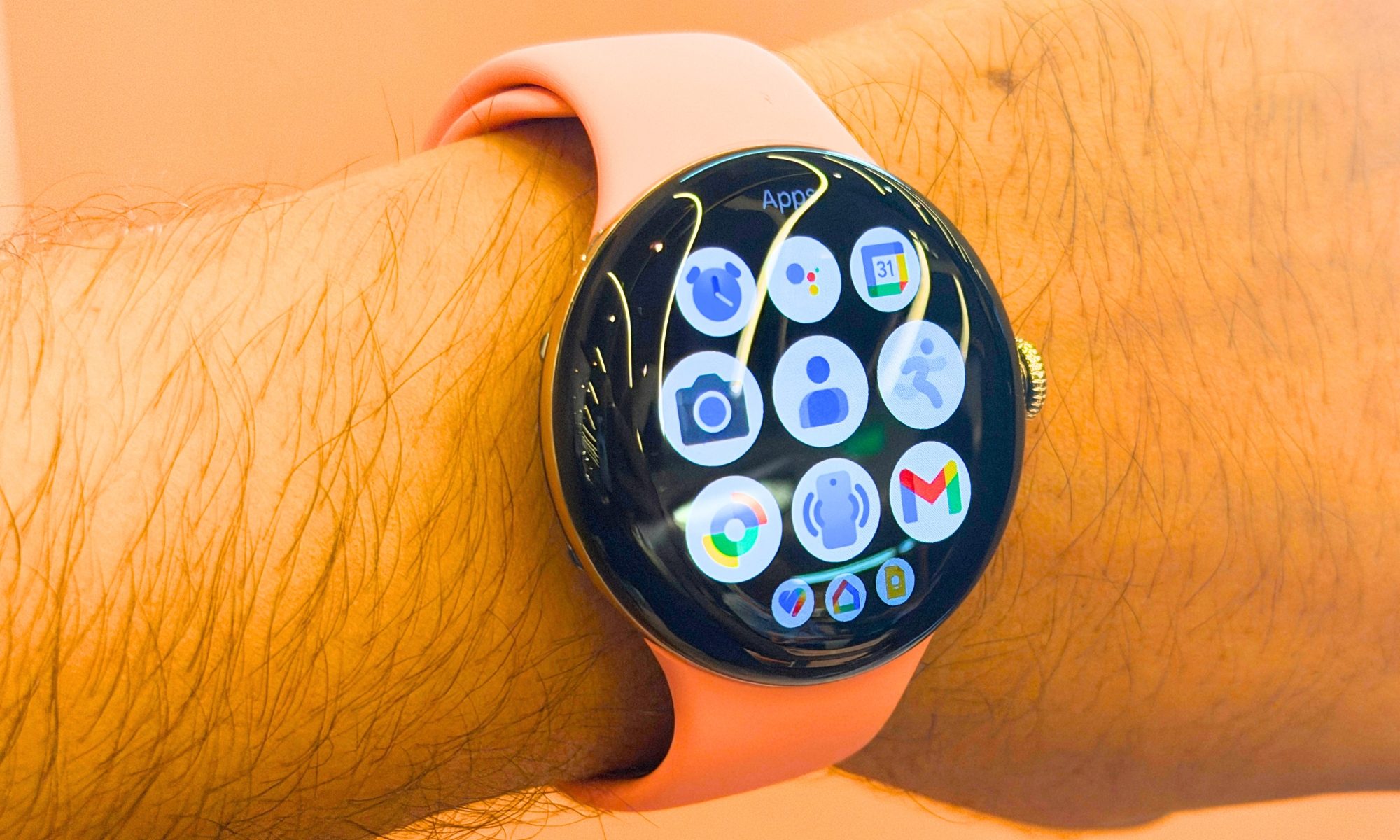
While Google has never quite matched its competitors in the smartwatch market, particularly when it comes to health tracking features, the Pixel Watch 5 feels like its strongest attempt yet to close that gap. With features such as Insulin Resistance Trends and Breathing Emergency Detection, Google is making a serious push in a category where wellness and proactive monitoring are becoming increasingly important.

With the Pixel Watch 5 now going head-to-head with Samsung’s Galaxy Watch 9 and Apple’s Watch Series 11, the differences go well beyond the usual Android vs. iOS divide. The interesting question isn’t which smartwatch has the longest feature list, since all of them are locked to their ecosystem, but which one implements those features better, or rather cooks up something new from the existing sensors.

Pixel Watch 5 vs. Galaxy Watch 9 vs. Watch Series 11: Specs at a glance

Pixel Watch 5 Galaxy Watch 9 Apple Watch Series 11
Starting price $399.99 $379.99 $399.99
Dimensions (smaller / bigger) 41× 41 x 12.3mm / 45 x 45 x 12.3mm 42.7 × 40.4 × 8.6mm / 46.0 × 43.7 × 8.6mm 42 × 36 × 9.7mm / 46 × 39 × 9.7mm
Weight (smaller / bigger) 31.0g /
36.7g
31.5g / 34.0g 30.3g / 37.8g
Case material 100% recycled aluminum Aluminum, Armor Aluminum 2, sapphire crystal Aluminum (Ion-X glass) or Titanium (sapphire crystal)
Display type Actua 360, domed LTPO AMOLED Super AMOLED Always-On Retina LTPO3 OLED
Display size 1.27″ (41mm) / 1.46″ (45mm) 1.34″ (40mm) / 1.47″ (44mm) 1.53″ area (42mm) / 1.72″ area (46mm)
Resolution / PPI 320ppi 438×438 (40mm) / 480×480 (44mm), 327ppi 374×446 (42mm) / 416×496 (46mm), 326ppi
Peak brightness Up to 3,000 nits Up to 3,000 nits Up to 2,000 nits
Cover glass Corning Gorilla Glass 5 Sapphire crystal Ion-X (2x scratch resistant) / Sapphire (titanium)
Chipset Snapdragon W5 Gen 2 + Cortex-M55 co-processor Snapdragon SW6100 Wear Elite (3nm), Penta-core Apple S10, dual-core + 4-core Neural Engine
RAM / Storage 2GB / 64GB 2GB / 32GB 64GB
Battery (smaller / bigger) 332mAh / 465mAh 390mAh / 445mAh Not disclosed by capacity
Battery life (AOD on) Up to 30hrs (41mm) / 40hrs (45mm) Up to 30hrs (both sizes) Up to 24hrs normal use
Charging Quick Charge Dock; ~45min to 100% (41mm) 10W wireless (WPC); ~80min to 100% Magnetic fast charger; 80% in ~30 min
Water/dust resistance 5ATM + IP68 5ATM + IP68, MIL-STD-810H WR50m (swimproof) + IP6X
OS Wear OS 7.0 Wear OS 7 + One UI 9 Watch watchOS 26
Connectivity BT 6.0, Wi-Fi 802.11a/b/g/n/ac/ax, NFC, UWB, dual-freq GPS BT 6.0, Wi-Fi 4, NFC, dual-freq GPS, LTE/eSIM option Wi-Fi 4, BT 5.3, NFC, UWB (gen 2), 5G RedCap (cellular models)
Key sensors ECG-compatible electrical sensor, SpO2, skin conductance, skin temp, barometer BioActive sensor (ECG, BP, SpO2, antioxidant index), skin temp, barometer Electrical + 3rd-gen optical heart sensor, blood oxygen, temperature
Colors Matte Black, Polished Silver, Satin Pyrite (all sizes); Champagne Gold (41mm only) Graphite, Cream (40mm); Graphite, Silver (44mm) Rose Gold, Silver, Space Gray, Jet Black (aluminum); Gold, Natural, Slate (titanium)
Compatibility Android 12.0+ Android 10.0+, Samsung Health app iPhone 11+ with iOS 26+
Warranty 1 year 1 year 1 year limited

Health Guardian gives the Pixel Watch 5 an edge

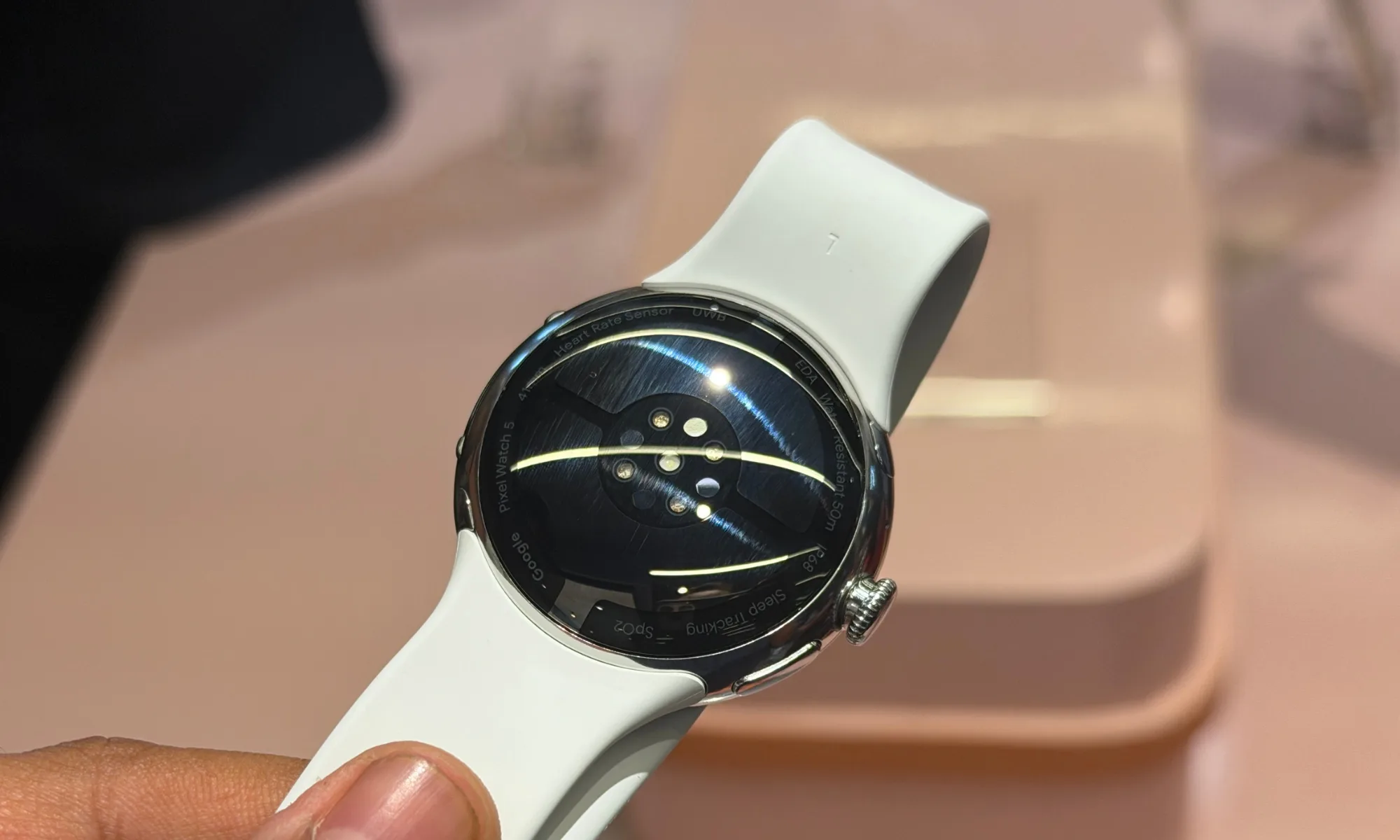
The Pixel Watch 5’s hardware is solid but hardly distinctive next to its rivals. It uses the same 3,000-nit LTPO panel as Samsung, while still beating the Apple Watch for peak brightness, and the Snapdragon W5 Gen 2 keeps things responsive enough for features such as Gemini Proactive Suggestions. It is also the thickest smartwatch of the three, so Google clearly isn’t winning this comparison on hardware alone.

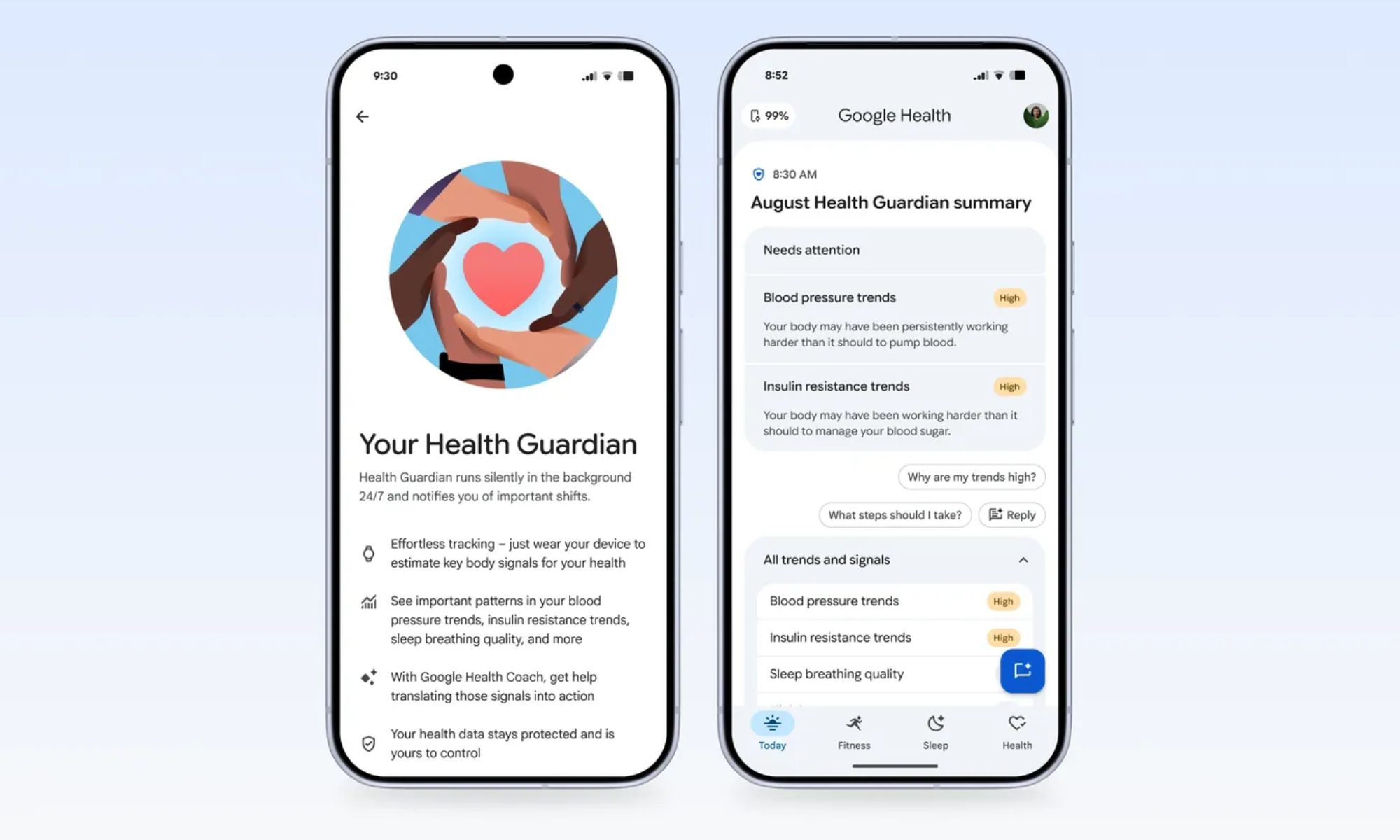
Health Guardian is where the Pixel Watch 5 makes its strongest case this year. Using its existing sensors and a month of passive wear, the watch can estimate Insulin Resistance Trends and generate monthly Blood Pressure Trend reports without requiring a CGM or blood-pressure cuff. Samsung and Apple still don’t offer anything comparable.

Then there’s Breathing Emergency Detection, which monitors for dangerous blood oxygen level drops and can automatically call emergency services if it detects that you’re unresponsive. That gives the Pixel Watch 5 a practical safety advantage I wouldn’t dismiss, particularly for someone dealing with a serious health concern.

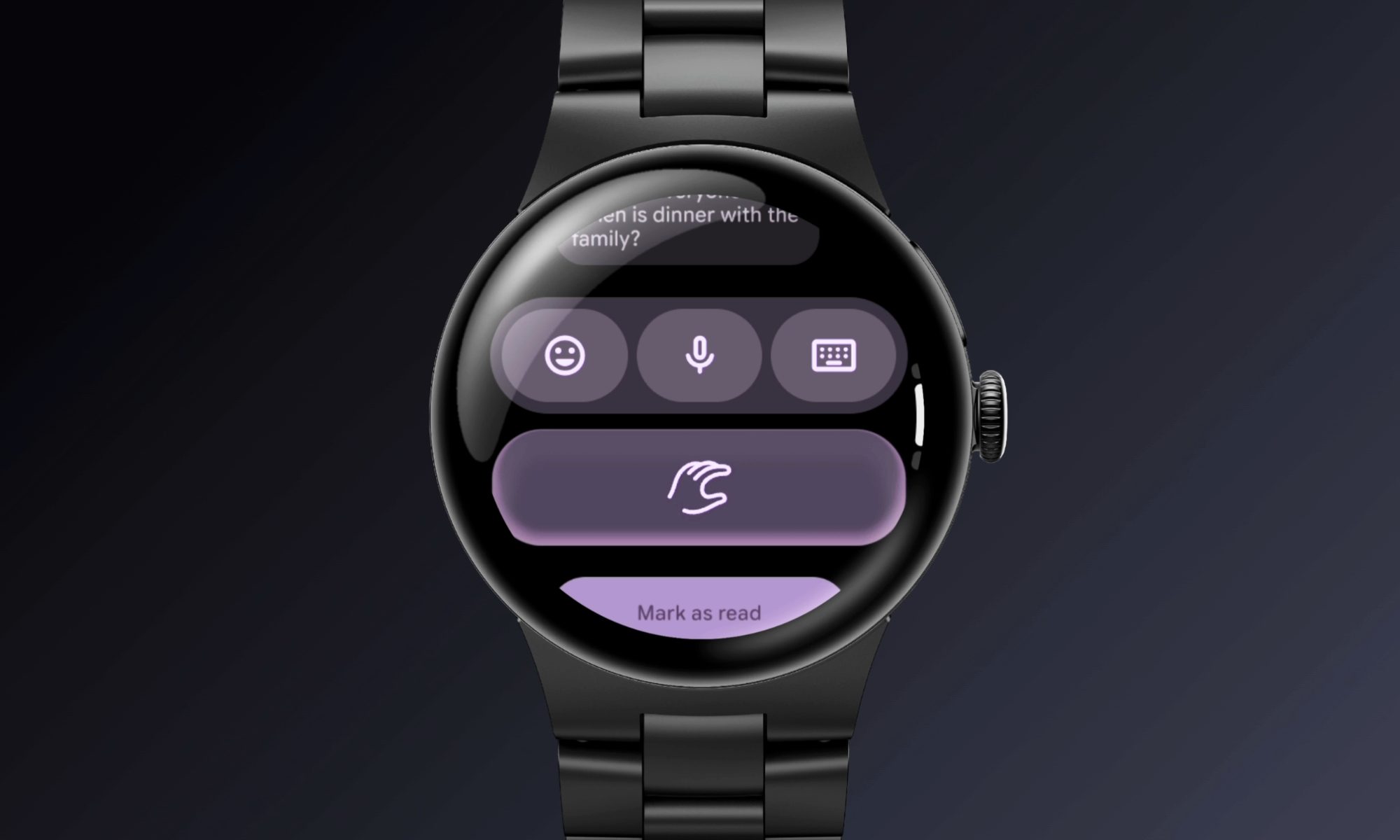
Gemini sits at the center of the software experience. Google’s Proactive Suggestions can surface smart message replies, pull up information from conversations, and handle quick actions such as creating calendar events. Raise to Talk also removes the need for a wake word, making voice interaction more natural.

Advertisement

Google has also put real thought into hands-free navigation. A wrist-turn back gesture and refined double-pinch controls are useful rather than gimmicky, while Smart Wake uses live heart-rate data to wake you during a lighter sleep stage. Atmospheric GPS goes a step further by factoring live weather conditions into route tracking.

Combined, these features make the Pixel Watch 5 feel less like a spec-sheet refresh and more like Google finally connecting its AI, health, and safety features into a coherent smartwatch experience.

Samsung tracks everything from body composition to cardio load

On hardware alone, the Watch 9 is the only one here to meet the MIL-STD-810H durability standards while also being the sleekest smartwatch option. It runs on the most powerful Snapdragon Wear Elite chip currently available for wearables, which should translate to smoother day-to-day performance. However, Samsung has cut corners with the onboard storage. 

Samsung’s strongest bet for your wrist is its BioActive sensor, which can estimate your body fat and muscle percentage, something neither the Pixel Watch nor Apple Watch can do. 

With One UI 9 Watch, you get the new Vitals dashboard. It spends the first week establishing a personal baseline for your SpO2, heart rate variability, respiratory rate, and skin temperature, and then flags subtle deviations that could signal illness or overtraining before you’d notice symptoms yourself. 

Then there are several unique features like Daily Cardio Load and Antioxidant Index, which let you determine whether this should be a push or a recovery day and help you estimate whether your diet meets daily antioxidant requirements, respectively. Pair that with Hearing Protection Alerts, which monitor the ambient noise around you.

For anyone who trains seriously, Ghost Pacing lets cyclists race their own historical routes in real time. The updated Samsung Health app now supports custom GPX routing, which is quite useful for trail runners. On the software side, One UI 9 Watch’s split gesture system, including double pinch for yes, wrist shake for no, is the most intuitive control scheme on a smartwatch, at least for me. 

Add native Gemini integration via Raise to Talk, and Samsung has built the most well-rounded health companion of this group.

Advertisement

Hypertension alerts and Workout Buddy keep the Watch Series 11 relevant

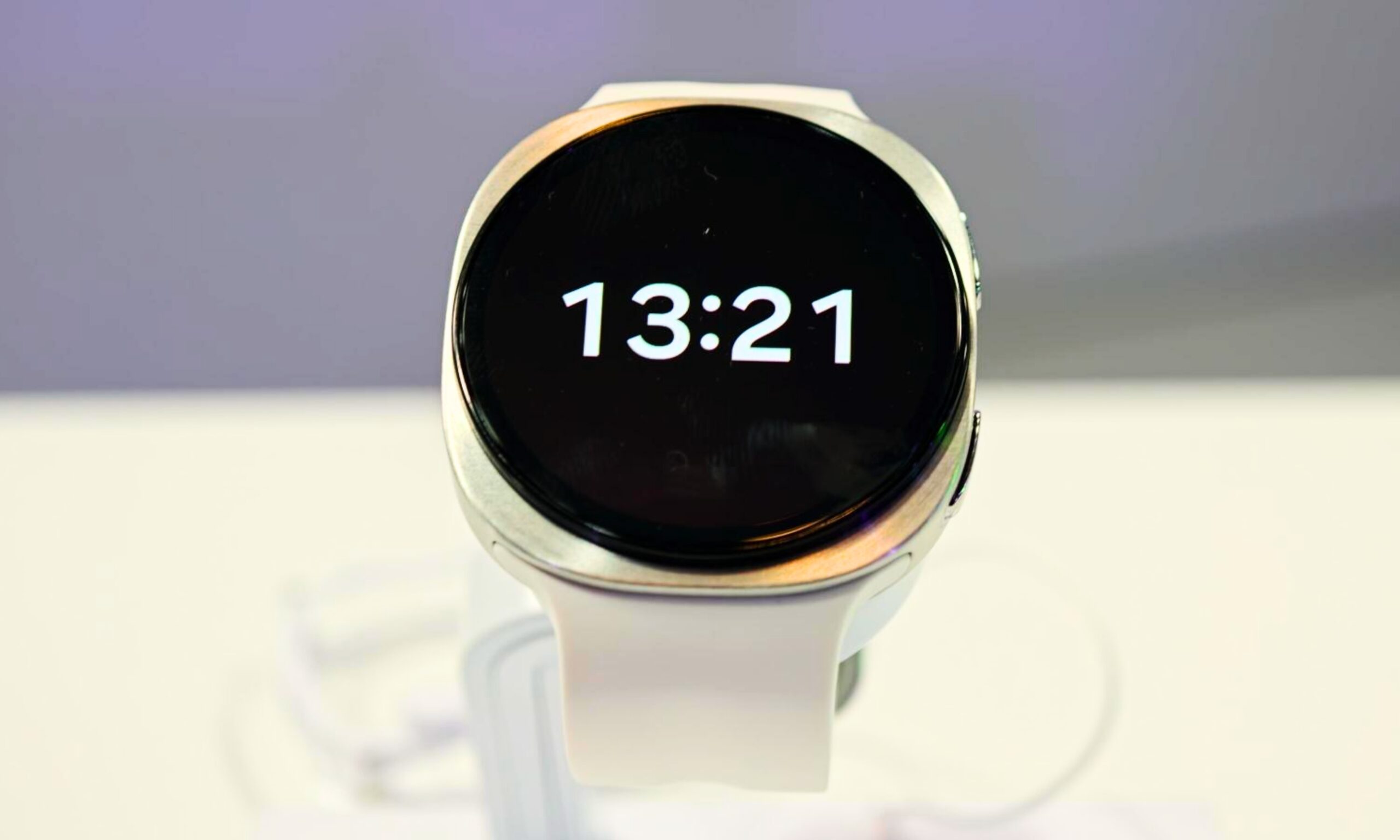
The first and most obvious difference is that the Watch Series 11 is the only rectangular smartwatch here, a form factor I consider better suited for reading notifications, messages, or glancing at data. It’s slimmer than the Pixel Watch, but not the slimmest here. Then there’s the S10 chip and its four-core NPU, which enable the Apple Watch Series 11 to process Siri commands entirely on-device, including the new Siri AI experience

The Watch 11’s most useful and unique feature is Hypertension Notifications. Apple’s optical heart sensor tracks how your blood vessels respond to each heartbeat over a 30-day period, then alerts you if it detects patterns linked to chronic high blood pressure, a condition many people don’t discover until a doctor’s visit.

Like the Galaxy Watch 9, the Watch Series 11 also lets you detect the early signs of Sleep Apnea. Another similarity is the new Vitals app (Apple did it first), which aggregates overnight heart rate, respiratory rate, and wrist temperature into one dashboard so you can see at a glance whether you’re deviating from your own baseline. 

Workout Buddy is Apple’s most interesting new addition for anyone who actually trains, in my opinion. It’s an Apple Intelligence-powered coach that adjusts pacing and offers encouragement mid-workout (that is important), pulling from your paired iPhone. Google’s Gemini Health Coach is mostly passive during workouts, giving Apple an edge here.

Combined with genuinely advanced sport tracking, including SWOLF scoring for swimmers, offline topographic maps for hikers, Stride Length and Ground Contact Time for runners, and the new wrist flick gesture for one-handed control, the Series 11 remains an intuitive smartwatch and a reliable health-monitoring device.

Which one should you get?

Ultimately, there’s no one winner here. Call it a pro or a con, but the decision depends on the phone in your pocket. The Pixel Watch 5, with the new Insulin Resistance and Blood Pressure Trends feature, is the best to pair with the new Pixel 11 series, or any Pixel for that matter. The Galaxy Watch 9, on the other hand, has a hardware advantage in the form of the BioActive Sensor, making it the best smartwatch for Galaxy phones. Finally, the Apple Watch Series 11, while its falling behind when it comes to unique or new health monitoring features, is still the best smartwatch to pair with iPhones.

Advertisement

Source link

Continue Reading

Tech

Samsung thinks Exynos 2700 can beat Qualcomm’s best next-gen chip

Published

on

Samsung may be preparing to make its boldest Exynos claim in years. A new report shared by industry analyst Ice Universe, citing Korean media, suggests that Samsung is highly confident its next-generation Exynos 2700 chipset can outperform Qualcomm’s upcoming Snapdragon 8 Elite Gen 6, including its higher-end Pro variant.

The reported figures are ambitious enough to raise eyebrows. If they hold up in production hardware, the Galaxy S27 could mark a major turnaround for Samsung’s in-house processor business. For now, however, the numbers remain early estimates rather than independently verified benchmark results.

Samsung’s next Exynos could finally challenge Qualcomm

According to the report highlighted by Ice Universe, the Exynos 2700 is targeting a 19% advantage over the standard Snapdragon 8 Elite Gen 6 in Geekbench 6.5 multi-core performance, while reportedly remaining 9.5% ahead of the Snapdragon 8 Elite Gen 6 Pro.

Graphics performance could be even more significant for smartphones. At peak performance, the Exynos 2700 is said to be around 5% faster than Qualcomm’s Pro chip. Under a 2.5W power limit, however, the reported advantage widens considerably, with Samsung’s chip allegedly delivering 24% better GPU performance than the standard model and 22% more than the Pro version.

Advertisement

BREAKING!

Korean media reports that Samsung is highly confident in its next-generation flagship chipset, the Exynos 2700, which is reportedly targeting performance beyond Qualcomm’s upcoming Snapdragon 8 Elite Gen 6, including the higher-end Pro variant.

According to the…

— Ice Universe (@UniverseIce) August 23, 2026

That distinction matters because phones rarely spend long periods running at their absolute performance limits. Gaming, camera processing, and AI workloads can generate heat, forcing chips to reduce performance. A processor that performs better at lower power could potentially offer stronger sustained gaming performance while using less battery.

Advertisement

The report also claims an AI advantage. In Llama 3.1 8B testing, the Exynos 2700 reportedly generated responses 18% faster than the Snapdragon 8 Elite Gen 6 Pro, while prompt processing was said to be roughly 5% quicker.

The bigger prize is Samsung’s independence from Qualcomm

Efficiency may be the most important claim of all. In a test intended to simulate real-world smartphone usage, the Exynos 2700 reportedly consumed 161mA, compared with 185mA for the Snapdragon 8 Elite Gen 6 Pro, representing approximately 12.7% lower power consumption.

Samsung is expected to manufacture the chip using its second-generation 2nm GAA process, known as SF2P. Strong results would therefore benefit not only Samsung’s mobile division but also Samsung Foundry, offering evidence that its latest manufacturing technology can compete at the highest level.

There is also a financial incentive. The report notes that Samsung spent approximately KRW 13.8272 trillion on mobile application processors in 2023. Expanding Exynos use in the Galaxy S27 lineup could reduce the company’s reliance on Qualcomm and lower the cost of sourcing flagship chips.

A winning Exynos chip, however, will need to do more than post impressive benchmark numbers. Samsung will eventually have to prove the reported advantages in shipping phones, where thermals, sustained gaming performance, battery life and camera processing matter far more than a laboratory score.

Advertisement

If Ice Universe’s reported figures are even close to accurate, the Exynos 2700 could be Samsung’s strongest flagship processor in years. The real test will come when production hardware arrives, and Qualcomm gets a chance to answer.

Source link

Advertisement
Continue Reading

Tech

How To Stop Siri From Interrupting While You’re Using CarPlay

Published

on

Don’t let Siri become a hassle instead of an assistant; keep it quiet in the car to reduce distractions.

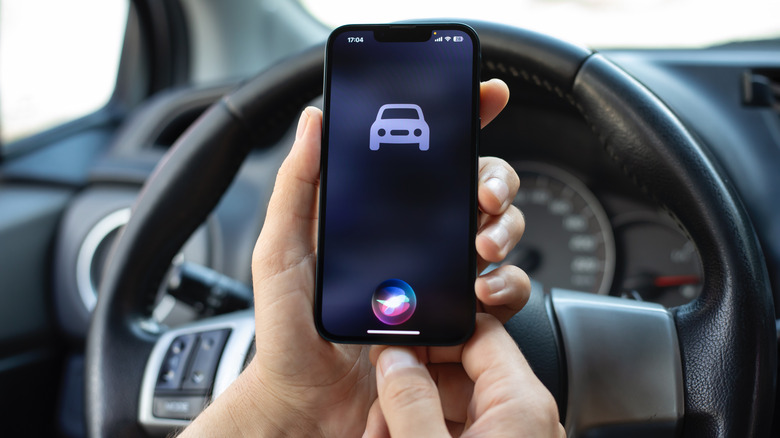
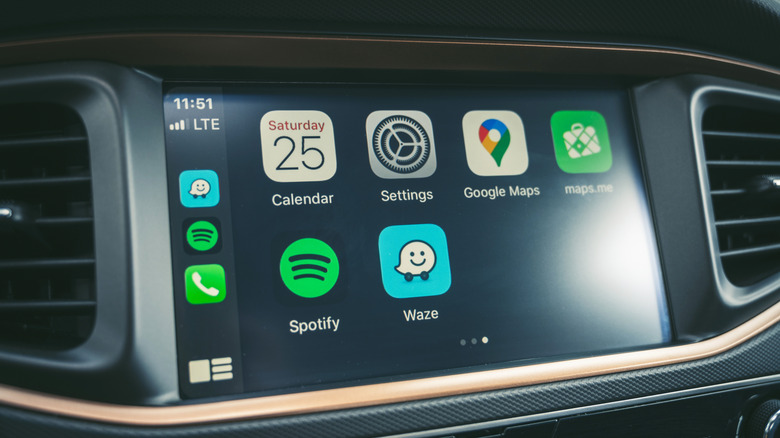
Even though CarPlay makes it safer to use your phone’s features while driving, it can still become distracting, like when group chat messages pop up and grab your attention. One of the worst forms of this is Siri audibly interrupting what you’re doing.

Hearing the assistant constantly talk over your music, podcast, or in-car conversation with announcements is annoying and potentially dangerous. You might also have issues with it not properly hearing you as you’re speaking to it in the car. Thankfully, you can adjust a few settings, particularly how you interact with Siri, in an effort to avoiding wasting time.

You can’t completely disable Siri, since CarPlay won’t work without the feature enabled. However, you can make your CarPlay drives smoother by turning off some of the assistant’s most obnoxious tendencies. When every distracted second on the road could lead to an accident, tweaking Siri to your liking is an overlooked way to stay safe.

Advertisement

The most important toggle: Driving Focus

The best way to hush Siri while you’re driving is to use the applicable Focus mode. Focus modes are an extension of Do Not Disturb that suppress notifications depending on your situation, and the Driving mode has special toggles to enable automatically in the car. With this enabled, you’ll only see alerts from people you choose, cutting down on interruptions.

To set it up, open Settings and go to Focus. If you don’t see Driving, tap the Plus (+) icon at the top-right and add it. Inside the Driving focus, choose People. For driving, it makes more sense to Allow a short list of people to alert you. When they contact you from any app, including Messages and WhatsApp, alerts will show as you drive. The toggles below let you control which phone calls notify you in your vehicle. Contacts Only silences spam calls while driving, or you can limit it to your chosen list with Allowed People Only.

Use the Auto-Reply section to set a short message that goes to the group you select if they text you when you’re using CarPlay. People will know you’re busy without you dictating a message as you drive.

Advertisement

Finally, scroll down to tap While Driving and make sure Activate With CarPlay is on. The options above this are for cars that don’t support CarPlay. Now, while in wired or wireless CarPlay, you’ll see a small car icon underneath the clock, letting you know this Focus is on.

Keep Siri quiet in the car

Siri’s ability to speak notifications is great in the right circumstances, but if it won’t shut up about incoming alerts in the car, you can turn this off. Back in Settings on your phone, choose Notifications > Announce Notifications. If you want to use this feature outside of CarPlay, keep the top toggle on and select the CarPlay menu. There, disable Announce Messages and Siri won’t read anything that comes in during a trip.

Back on the Announce Notifications page, you might also want to turn on Reply Without Confirmation. By default, when you speak a reply, the assistant will read what you said back to you for confirmation before sending. While this helps avoid misspoken messages, it also creates extra steps behind the wheel. Turn this toggle on and sending a reply becomes a single step.

Advertisement

Another way to prevent stoppages with Siri is hidden under Settings > Accessibility > Siri > Require “Siri” for Interruptions on your phone. Normally, Siri will stop what it’s saying when it detects you talking back. If your phone is doing this in error because of road noise or other people in the car, enable this option. Then, Siri won’t stop what it’s saying unless you say “Siri” to prompt it again. Similarly, if it tends to stop listening because you take too long to think, change Siri Pause Time to Longer or Longest to give yourself more time.

Although Siri is required for CarPlay, you can still turn off some forms of its activation. Go to Settings > Apple Intelligence & Siri > Talk to Siri on your phone and choose Off in the top menu. After doing this, you’ll only be able to summon Siri by hitting the voice command button on your steering wheel or holding the Side button on your phone. And in some cars, using the volume knob (or your phone’s volume buttons) when it’s talking will adjust the volume for Siri only, while not affecting music or other playback. This depends on your vehicle, but is another trick worth a try if you want more control.

Advertisement

Disable navigation guidance

Spoken directions in navigation apps help you avoid missing turns but also constantly interrupt what you’re listening to. Thankfully, it’s easy to disable audio guidance in major GPS apps while using CarPlay, letting you customize this per-trip.

Apple Maps and Waze offer this control in the same way. Tap the screen during navigation to show buttons, then hit the speaker icon, which gives the choice between full guidance, alerts only, and complete silence. Hearing alerts only is a good balance, since faster routes or upcoming slowdowns are important and happen far less often than turns.

For Google Maps, you’ll need to open the app on your phone, tap your profile picture at the top-right, and choose Settings > Navigation. Enable Play alerts even while muted. On the same menu, consider adjusting the Guidance volume of alerts if they annoy you. For a similar option in Apple Maps, visit Settings > Apps > Maps > Spoken Directions to soften the Voice Volume. You might also wish to turn off Directions Pause Spoken Audio; this keeps podcasts and audiobooks playing even as directions are read aloud.

Hopefully, Siri’s upcoming AI overhaul makes the assistant smarter so we don’t have to put up with these hassles.

Advertisement

Source link

Continue Reading

Tech

A cracked version of Marvel Tokon: Fighting Souls runs better than the original game, and players are fuming

Published

on

Why it matters: Sony Interactive Entertainment released Marvel Tokon: Fighting Souls earlier this month, and things are not going well. The Marvel-focused fighting game is turning many PC players away, as technical issues are spoiling an otherwise enjoyable fighting game experience.

The DRM Sony uses to lock down Marvel Tokon: Fighting Souls on PC is so aggressive that people with massively capable gaming machines are complaining about performance and network instability. The developers have already released a patch to fix some of the issues, but the number of people playing the game is quickly collapsing anyway.

A few days after the game’s original release, there is now a general consensus about the main culprit behind its performance problems. The “Rune” crew recently released a cracked version of Marvel Tokon: Fighting Souls, stripping away the multiple DRM layers used by the game. Marvel Tokon’s PC version employs both the Easy Anti-Cheat (EAC) middleware and Theia.

Advertisement

The Theia DRM is not disclosed anywhere on the game’s Steam page. Many users have remarked how this particular protection can have a significant impact on how a game runs, calling it even worse than the much-maligned Denuvo DRM in terms of performance hit. The kernel-level EAC protection doesn’t help, either.

Many users have reported the alleged impact of Theia, EAC, and other protections on their systems. On older gaming laptops equipped with weak GPUs and CPUs, the cracked release of Marvel Tokon: Fighting Souls can allegedly run at a steady 60 FPS. On the same systems, the original game can barely reach 45 frames per second.

Judging from the Steam reviews, Marvel Tokon’s technical issues are making the game miserable even on much more powerful systems equipped with high-end AMD CPUs, top-tier Nvidia GPUs, and truly massive amounts of DRAM. Players concur that the game is a “mess,” advising potential buyers to stay away from the store until the developers have fixed the most outstanding performance issues.

Advertisement

Many users took the advice seriously, and Marvel Tokon’s sales are suffering as a consequence. The number of concurrent players is now a fraction of what it used to be just two weeks ago, with Steam reviews repeatedly bashing the product. The game is available on both PC and PlayStation 5, where users have had none of the issues experienced by Windows players.

Console gamers are now disabling cross-platform multiplayer with PC, as a degraded network and performance experience is eventually going to spoil the fun for both parties. Developers at Arc System Works promised to further improve Marvel Tokon’s PC experience, but many users are now just asking the Japanese studio, or publisher Sony, to completely eradicate the Theia DRM from the game.

Meanwhile, pirates playing the cracked release are once again enjoying the “best” version of the game performance-wise. So far, the only downside is that online play is limited to peer-to-peer connections via third-party tools.

Advertisement

Source link

Continue Reading

Tech

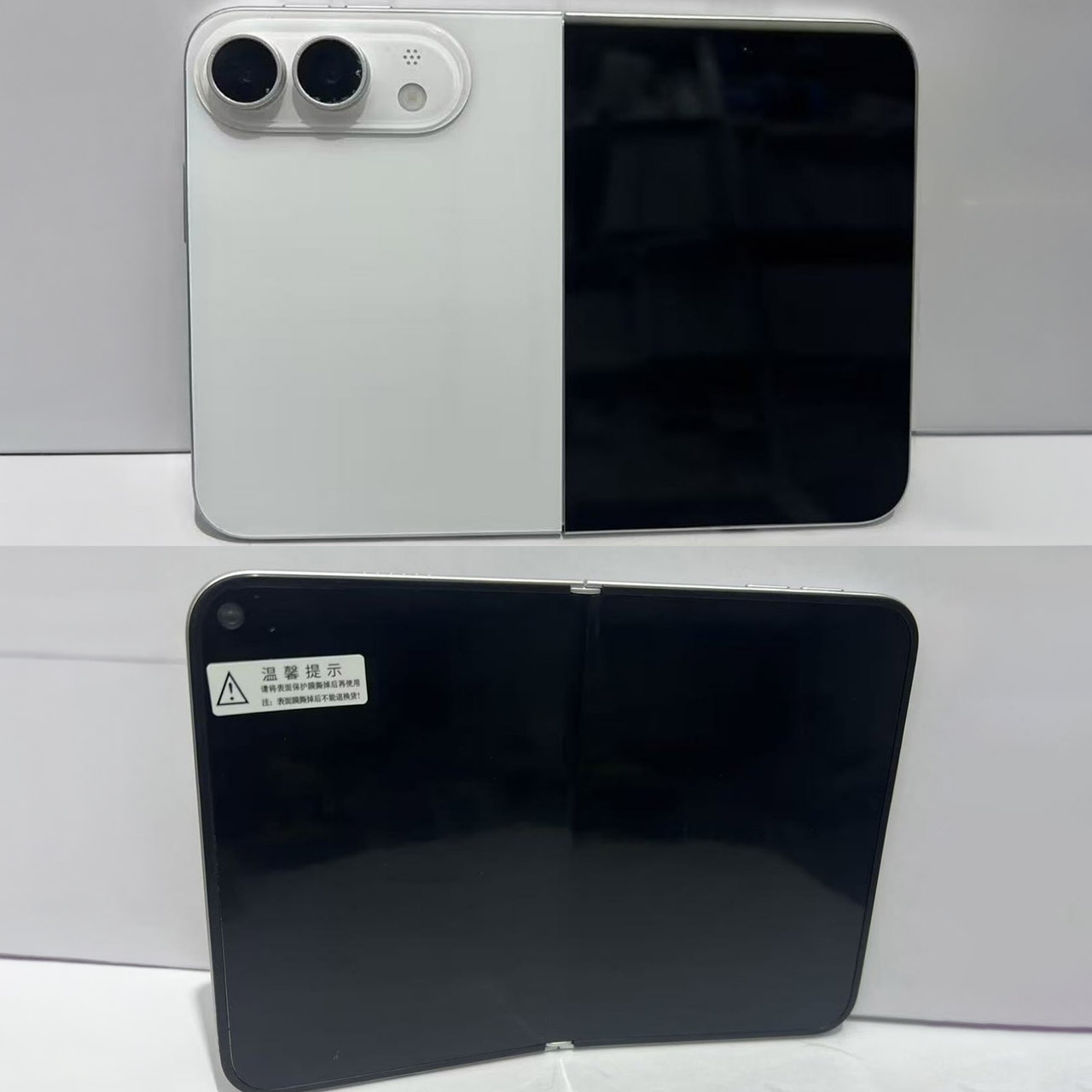
Pocket Perfect and Ready to Unfold, Early Testers Warm to Apple’s iPhone Ultra

Published

on

Apple iPhone Ultra Fold Early Testers
Photo credit: Sonny Dickson
Apple’s long-awaited foldable phone has reached the hands of a small group of early testers, and the feedback arriving through Mark Gurman’s latest Power On newsletter is largely positive. People who have spent time with the prototypes, referred to internally as the iPhone Ultra, keep coming back to how the device feels when closed and how it works once opened.


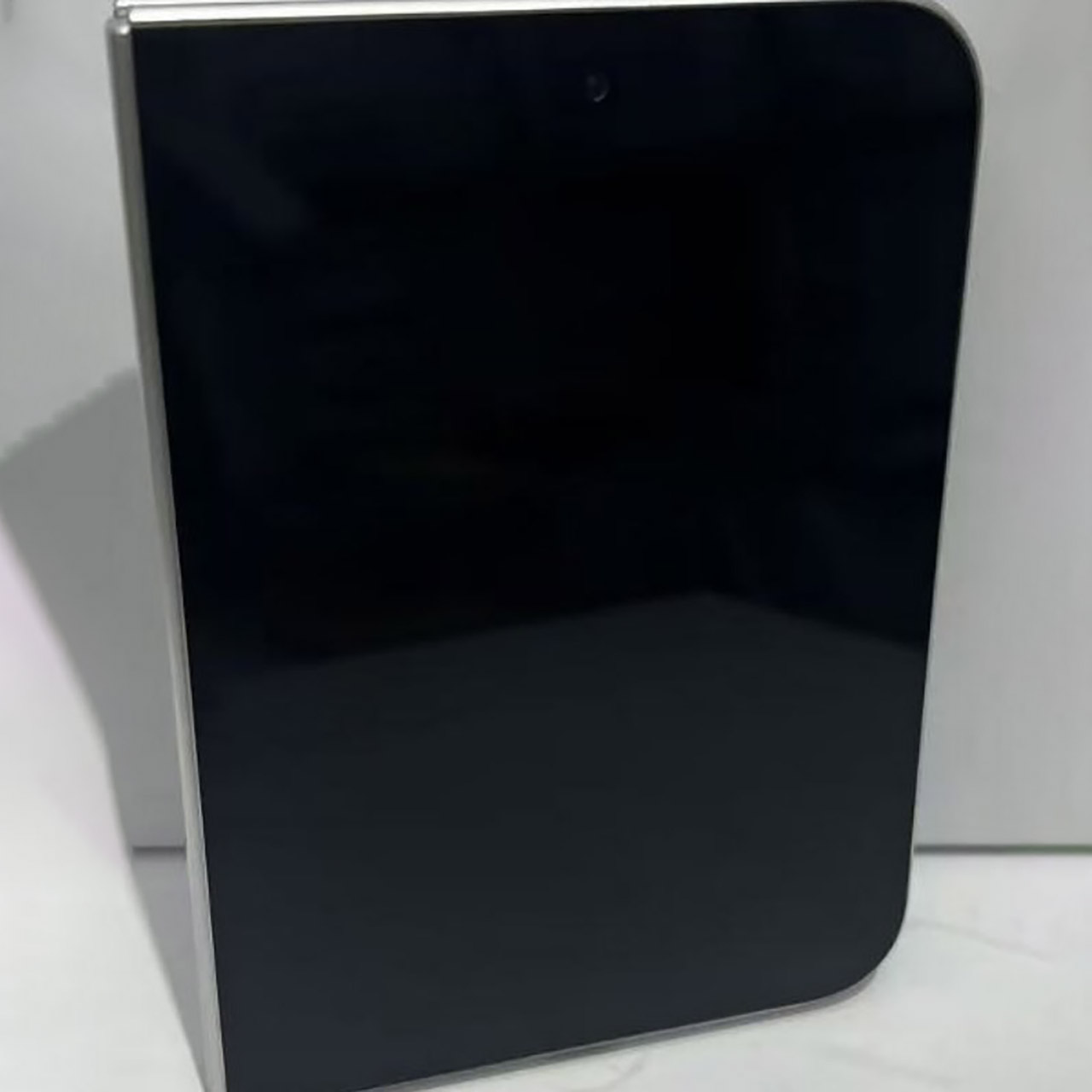
Those testers rave about a phone that fits comfortably in a pocket without adding bulk. The folded form is only 9.4 millimeters thick, and when held, it has the compact shape of a book rather than the tall, slender foldables that came before. They have a 5.5-inch exterior display for regular usage, and when you flip it open, the inside screen measures around 7.8 inches. People quickly realized that the device’s unusually wide aspect ratio makes it feel like a tablet when held, which is a major upgrade over simply juggling windows on your standard iPhone.


Samsung Galaxy Z Fold8 Unlocked Cell Phone + $350 Gift Card, 256GB Graphite
  • SHOP NOW: Get an Amazon gift card when you order Samsung Galaxy Z Fold8. You will receive an email once your gift card is available after the product…
  • CREATED FOR YOUR CONTENT: Any way you turn it, the new Galaxy Z Fold8 gives you a fuller viewing experience. Designed with your content in mind, this…
  • WORLD’S LIGHTEST FOLD¹: Galaxy Z Fold8 is the newest foldable phone for content on the go. Unfolded, it fits movies and books for an immersive…

The hinge has earned high praise, with early reports claiming that it is fairly solid and feels like it was built to last, with no creaks or squeaks while opening and closing it repeatedly. Some of the first people to try it out point to the liquid-metal construction, which is intended to be highly robust without adding any heft, which is exactly what you want when you need to keep that phone as thin as possible. When you open it, it shrinks to 4.5 millimeters, which is so little that Apple had to make some other compromises to reach that aim.


The prototype is beginning to win over folks in the software industry. The larger inner display allows for iPad-style layouts, and juggling windows side by side seems far more natural than using split-screen on your standard iPhone. People are also enjoying the open screen as a camera viewfinder, which is far larger than the tiny little window on your ordinary phone and allows you to take better photos. It all appears to be coming together very well, with individuals reporting that productivity tasks, video consumption, and gaming all benefit significantly from the added storage.

Advertisement

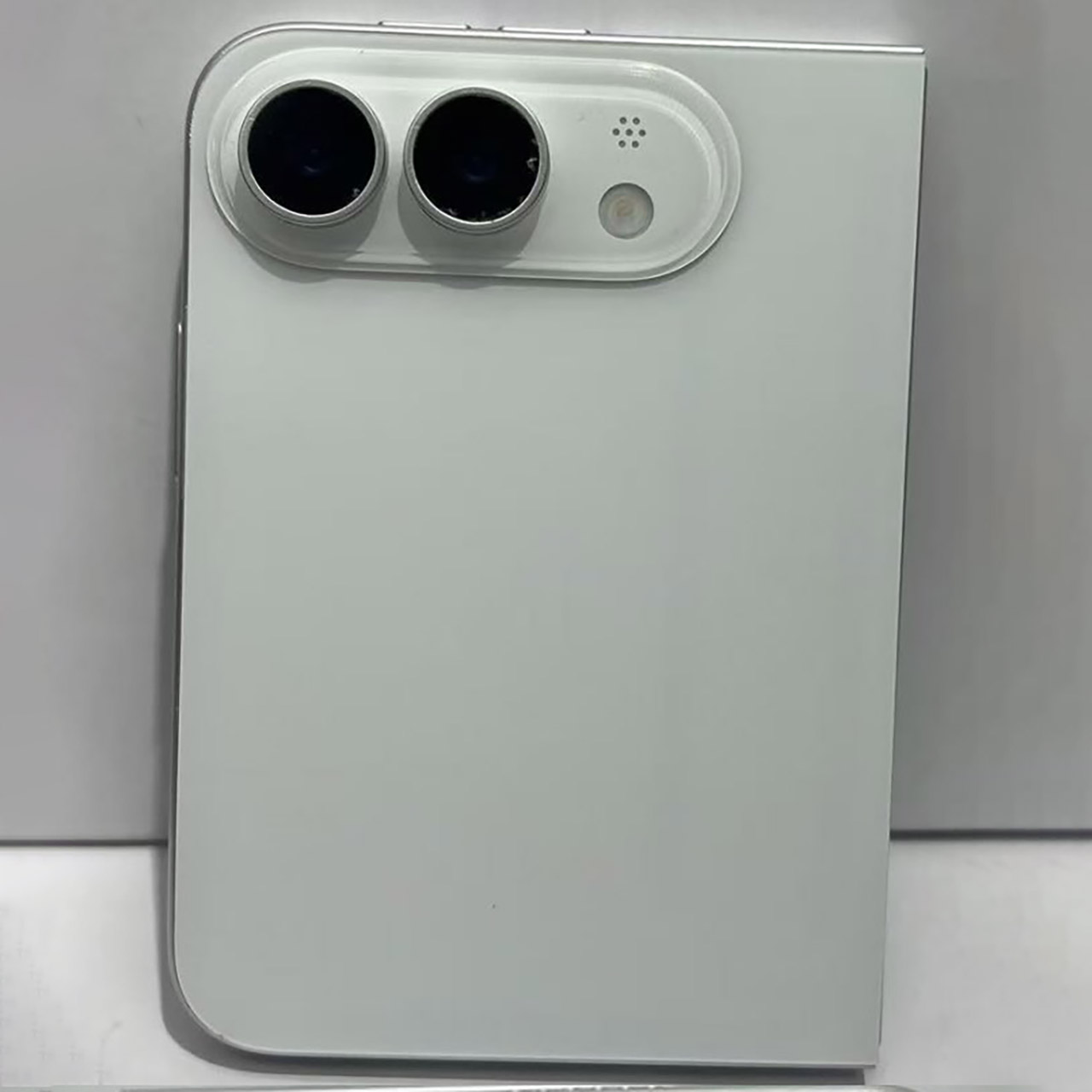
Now onto the camera hardware, where things begin to turn a little less rosy. The rear of the device is simply a pair of 48-megapixel sensors, one standard and one super-wide. There is no telephoto lens, which is a bit of a concern for a phone that will cost at least $2,000, if not more with storage. Many people will be disappointed that the zoom option is not included, especially since the lower-end Pro models already have it. Front-facing cameras have arrived, but only on both screens, and they aren’t saying much about them yet.

Apple iPhone Ultra Fold Early Testers
Biometrics are another example of a compromise. There is no Face ID; instead, a Touch ID sensor is incorporated into the side power button, as seen on previous iPads. It’s a good move in terms of keeping the phone slim, and it works in any orientation, but it appears that many longtime iPhone customers will be disappointed that Face ID and fingerprint recognition are not included.

Apple iPhone Ultra Fold Early Testers
Let’s just say the prices aren’t cheap. Expect to pay at least $2,000, with higher-end models possibly exceeding $2,500. This means that when selecting whether this is the phone for them, consumers must examine a number of things, including the folding design, the wide open display, the revised hinge, and the lack of zoom and Face ID.
[Source]

Source link

Advertisement
Continue Reading

Tech

Windows could soon let you control how your PC splits memory for gaming and AI

Published

on

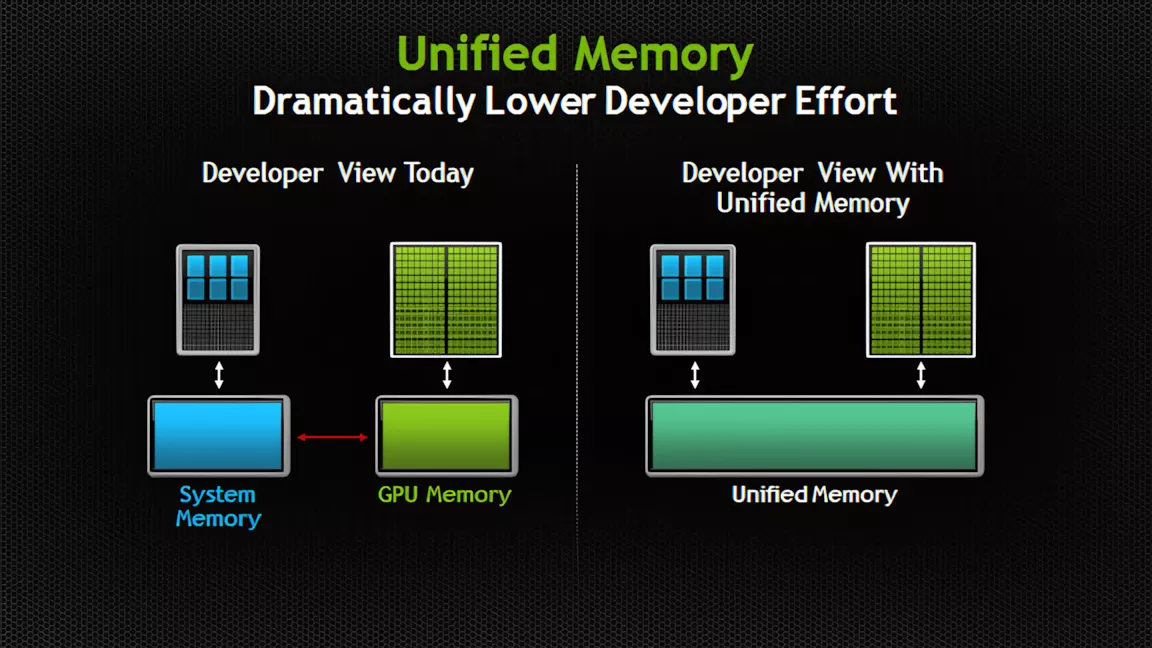
Connecting the dots: PCs without a dedicated GPU already have to share a single memory pool between graphics, AI, and system tasks, and Windows currently makes that split on its own. That arrangement is becoming a much bigger deal as Apple, Qualcomm, Nvidia, and others build AI PCs around unified memory pools that could potentially stretch into the hundreds of gigabytes.

A recent experimental Windows 11 build hides evidence that Microsoft is preparing to let users control the split between system and video memory in unified pools. The feature could give users more flexibility when juggling gaming and AI workloads, especially on upcoming unified-memory devices like Nvidia’s RTX Spark platform.

Windows 11 build 29648.1000, released August 17, carries a new feature called “IntelligentCarveout” that isn’t mentioned anywhere in Microsoft’s patch notes. Windows watcher @phantomofearth confirmed to Windows Latest that the build’s code strings reference reserving memory for accelerators, graphics, and AI.

That would let users manually set aside unified memory for games and AI-heavy applications, with that reserved portion off-limits to everything else.

Advertisement

Similar references previously turned up in Nvidia documentation. If the feature ships publicly, it could fundamentally change how users configure performance on unified-memory chips.

Unified memory has traditionally shown up in Macs, some laptops, handheld gaming PCs, and other systems built around integrated rather than discrete graphics.

Depending on the workload, performance on these systems can vary significantly compared to discrete GPUs with dedicated VRAM, and while GPU-heavy tasks can pull from system memory when they run short, doing so usually comes with a steep performance penalty.

Since running local AI models demands large amounts of fast memory, high-end GPUs once reserved mainly for gaming have become popular tools for AI work. Meanwhile, PCs built from the ground up for local models have featured progressively larger unified memory pools. Macs configured with 24GB of unified RAM or more have faced shortages amid the local AI boom, and Microsoft and Nvidia have answered that shift with RTX Spark devices offering up to 128GB.

Advertisement

Nvidia’s dominance in GPUs owes a lot to software, not just silicon – CUDA programming, DLSS upscaling, Reflex latency reduction, and the broader RTX suite have become real selling points on top of raw hardware. Carrying that same software stack into the integrated-graphics space gives RTX Spark a built-in edge over AMD, Qualcomm, and Intel, none of which can match Nvidia’s software ecosystem on AI or gaming performance yet.

When it unveiled the RTX Spark chip, Nvidia already touted it as carrying more addressable memory than any of its GPUs. Because IntelligentCarveout would let users route a large share of that 128GB pool toward graphics and AI tasks, RTX Spark’s GPU could end up with access to far more memory than even the RTX 5090’s 32GB of dedicated VRAM – though that shared, LPDDR5x-based pool is considerably slower than the RTX 5090’s GDDR7, so it’s a capacity advantage rather than a speed one.

Source link

Advertisement
Continue Reading

Tech

3D Printing A Railway Pump Car

Published

on

It's arguably adult-sized. (Credit: Sam Barker, YouTube)
It’s arguably adult-sized. (Credit: Sam Barker, YouTube)

A staple of old movies featuring railways, many handcars – also called pump trolleys or pump cars – feature the characteristic seesawing beam. Requiring at least two people, the motion of this beam is subsequently converted into the rotating motion of the wheels, propelling it at a leisurely pace across the tracks. As a fun and yet functional mechanical contraption it also makes for an entertaining 3D printable project, which is what [Sam Barker] and [Tom] did.

You can find the entire project over at Printables if you are feeling the itch as well, though as of writing details on the required bolts and shafts are still pending.

Since the entire assembly had to be lugged over to the Open Sauce event in the US, they had to design it to be small enough to fit into check-in luggage and easy enough to reassemble in a hotel room. Naturally this put some constraints on the full size of the contraption, with it omitting compatibility with standard gauge railways and also being decidedly fun-sized.

That said, it seems to have left an impression on the folk over at Open Sauce, and it’s hard to argue with the sheer fun factor of such a co-op mode of transportation. Even if bicycle-style handcars are more popular these days, especially for tourist purposes, the old seesaw-style has that certain charm to it.

Advertisement

Source link

Advertisement
Continue Reading

Tech

I never cared about Mac desktop widgets until I found this app

Published

on

Apple added desktop widgets to Mac with macOS Sonoma back in 2023. I remember dragging a few onto my desktop on day one and moving them right off a few minutes later. The native widgets never fit into how I use my Mac. The look felt off, and honestly, there just weren’t enough of them to bother with.

Ever since, I have been searching for something that does for Mac what the widget apps like Widgetsmith did for iPhone. I wanted more options, and more importantly, I wanted widgets that actually looked like they belonged on a Mac desktop instead of feeling bolted on. 

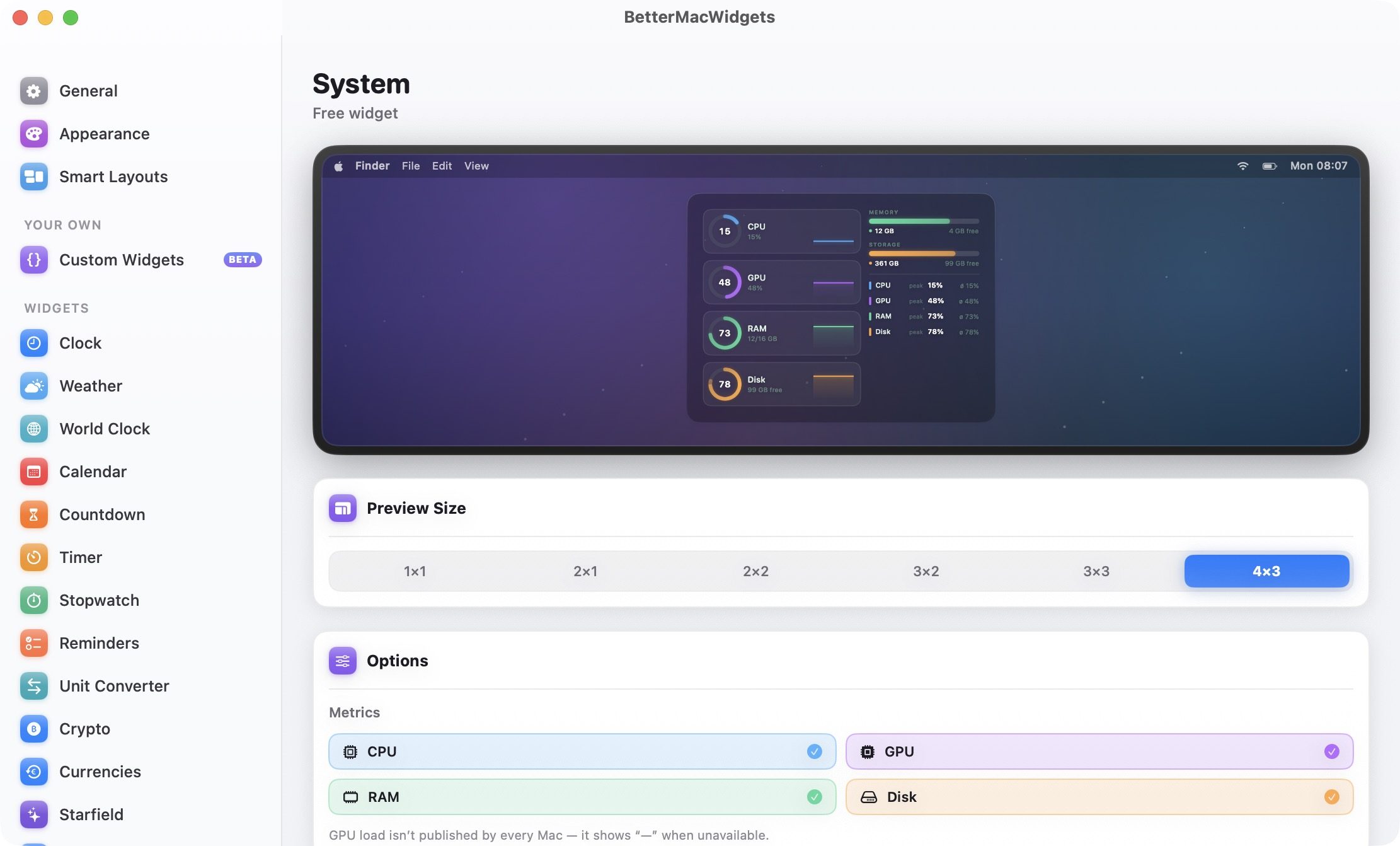
After trying a bunch of apps that promised this, I finally found one that delivers. The app is called BetterMacWidgets, and in this article, I will show you how it finally made me use widgets on my Mac’s desktop.

Widgets that live right on your desktop

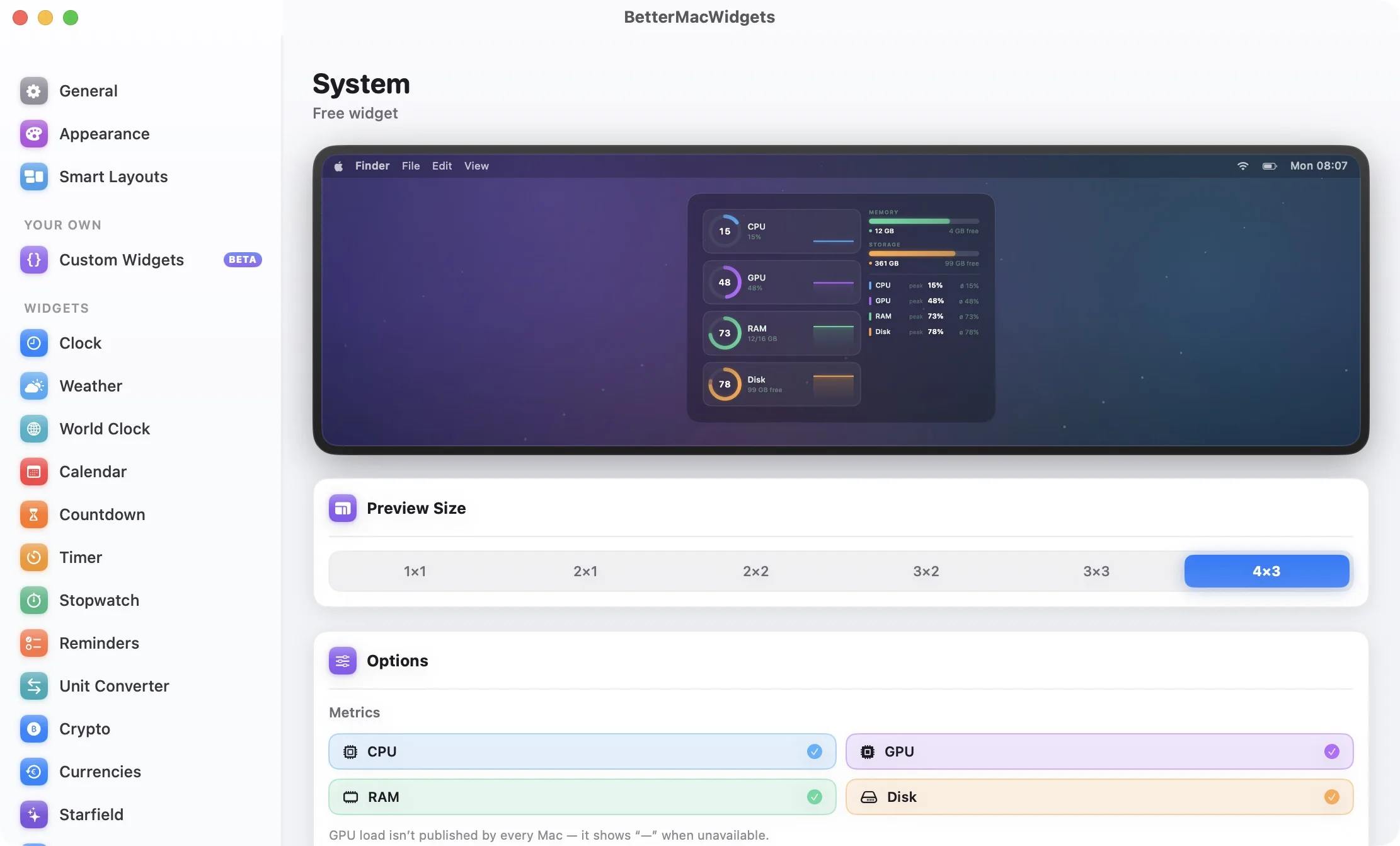
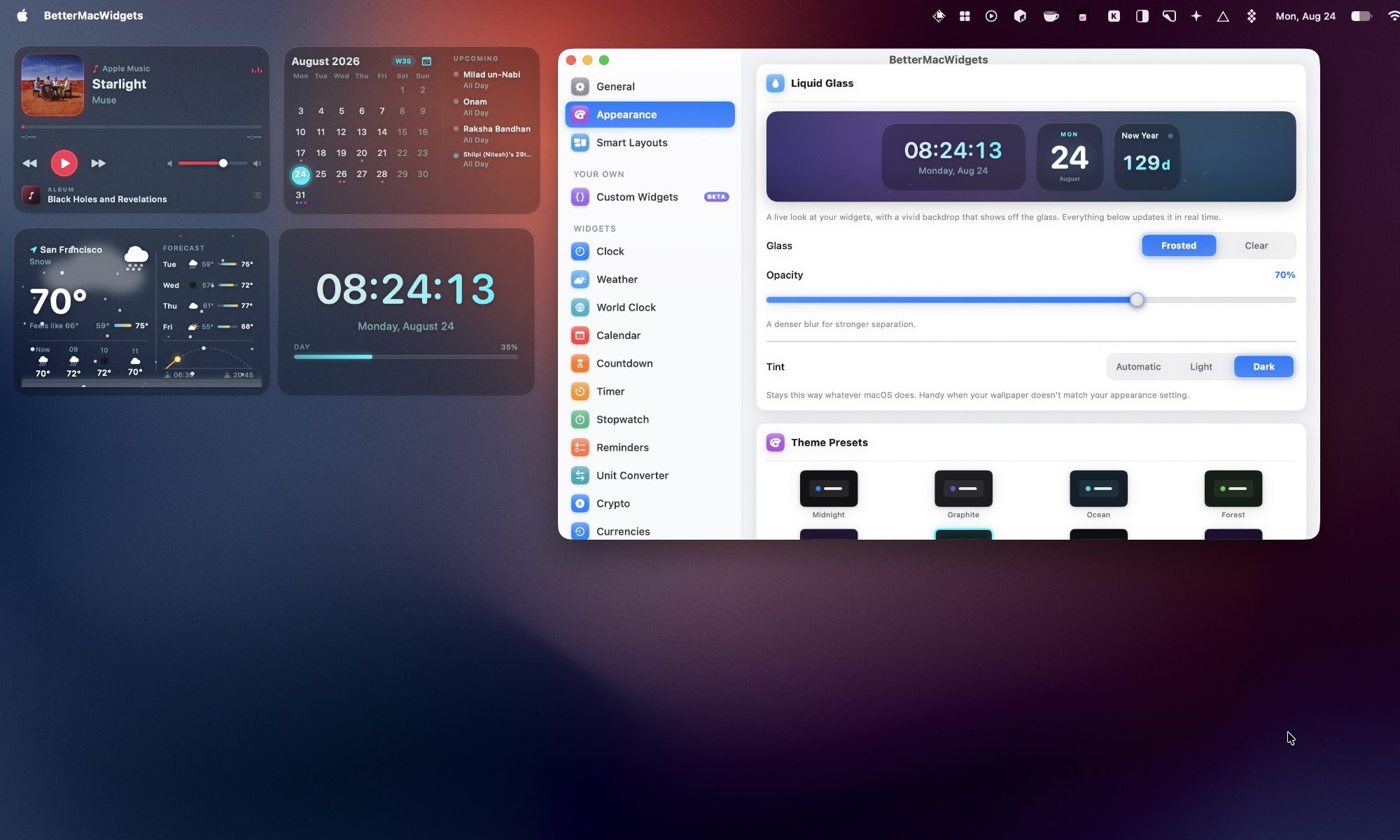
Apple‘s desktop widgets are tied to whatever system apps happen to support them, and third-party options are still thin on the ground. BetterMacWidgets flips that around. It gives you access to more than 20 widgets, and you can drag them anywhere you like, snapping onto an invisible grid so your layout always stays neat. 

Advertisement

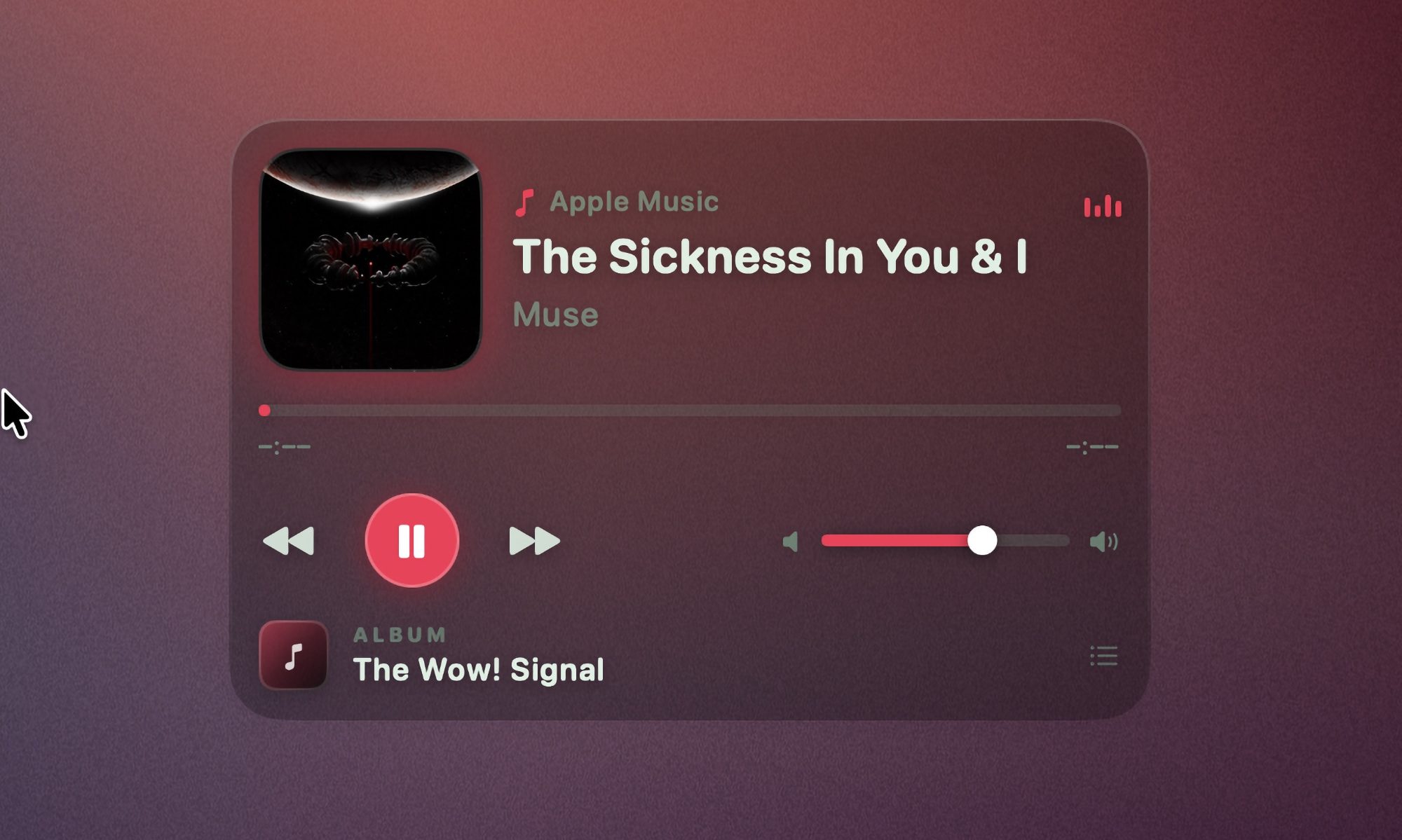
The app also lets you choose from up to six sizes depending on the widget, ranging from a small 1×1 square to a bigger 4×3 tile. I love the Now Playing widget. It shows artwork and title, and lets me play, pause, and skip tracks right from the tile. With this, I don’t ever have to hunt for music controls.

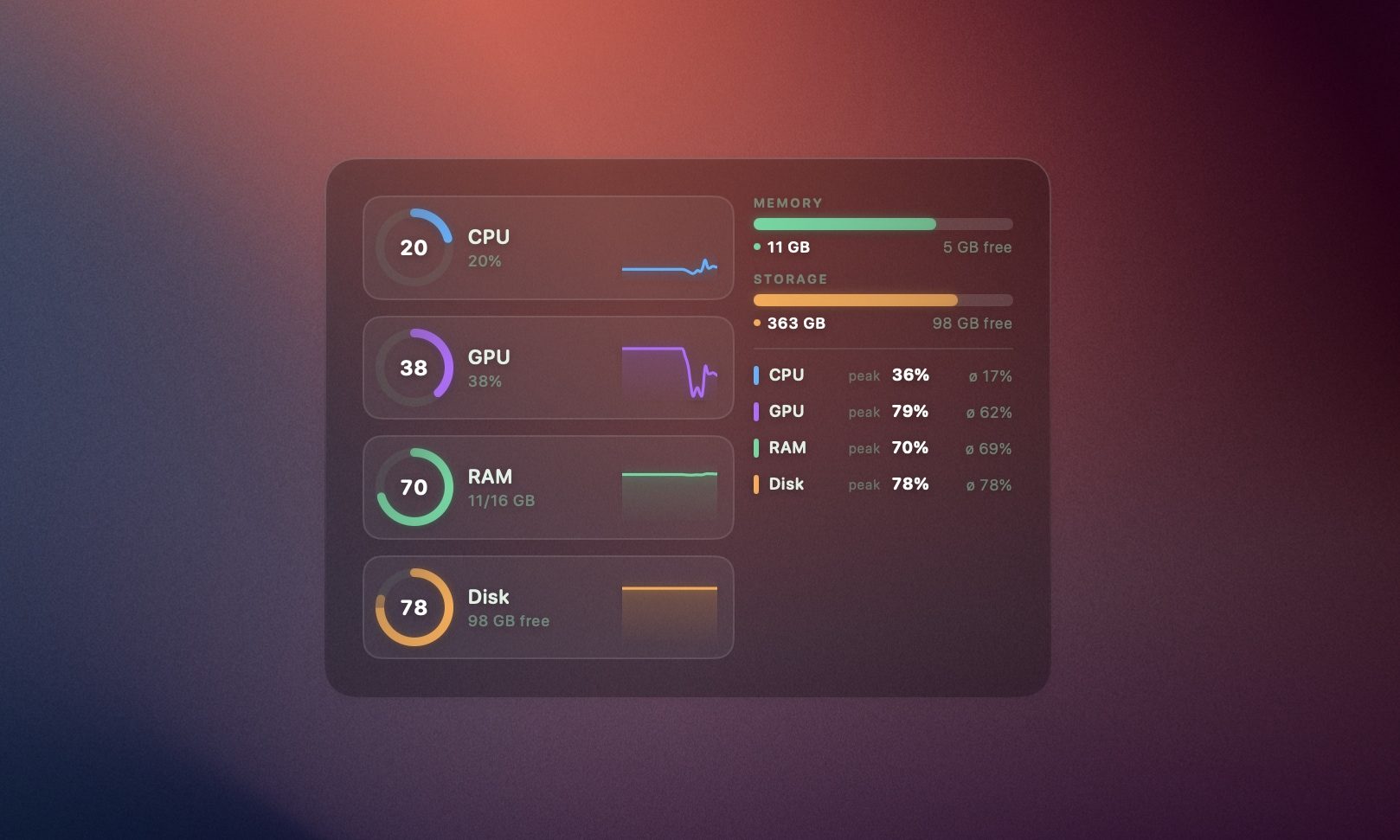
If you like keeping an eye on your Mac’s health, the System Stats widget gives you animated gauges for CPU, GPU, memory, and disk, along with a battery gauge that visibly sloshes while charging. And don’t worry about your Mac slowing down because of all this animation. 

The widgets only animate while they are visible. If they are hidden behind an app’s window, they stop animating. If you still see an effect on the battery, you can turn off the animation all together. 

Weather, Reminders, and more

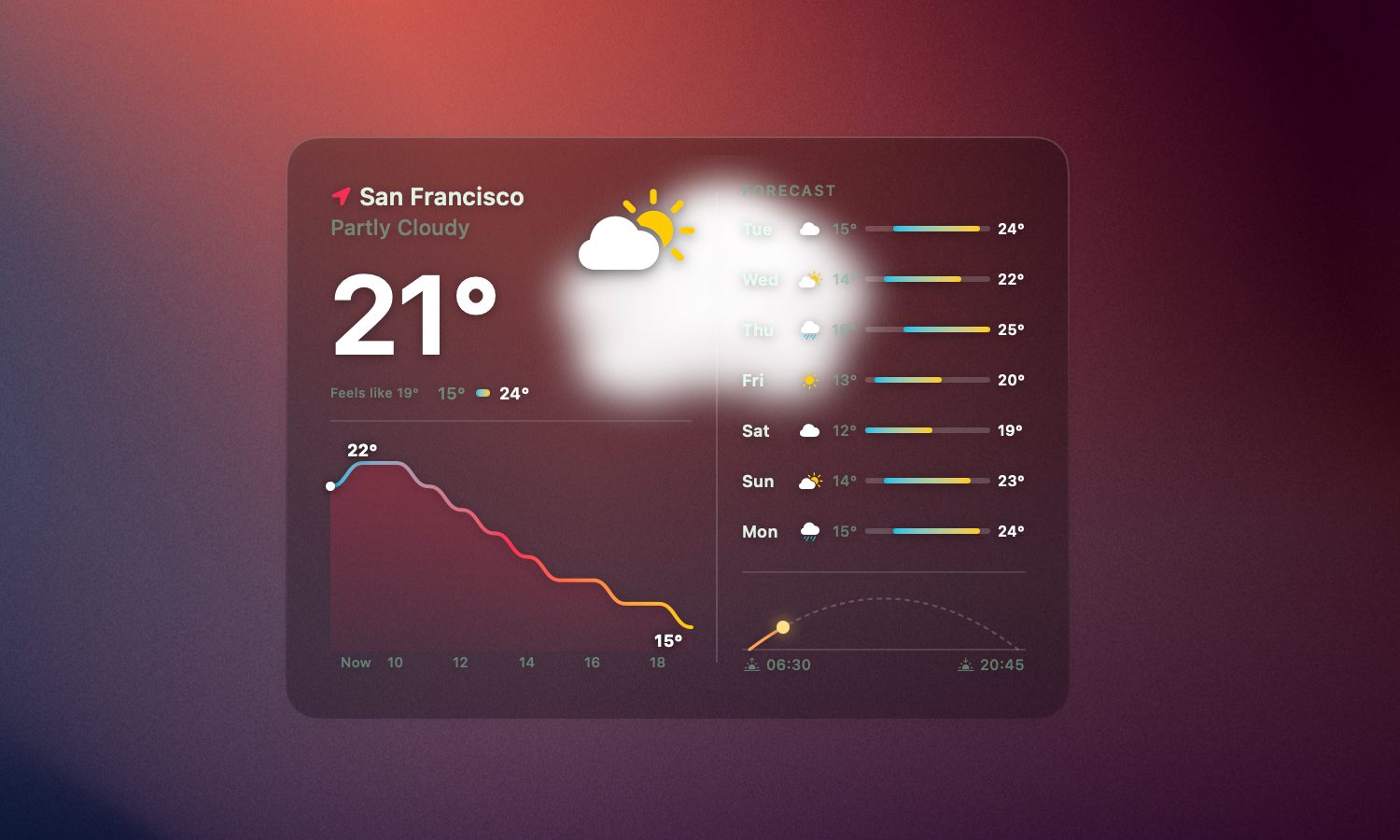
Weather widgets are common, but I appreciate how BetterMacWidgets display it. It pulls real forecast data from Open-Meteo, based on your precise location, your approximate location, or any city you want to type in manually. The best part of the widget is the live animation. Whether it’s sunny, raining, or snowing, the widget animate to reflect the same.

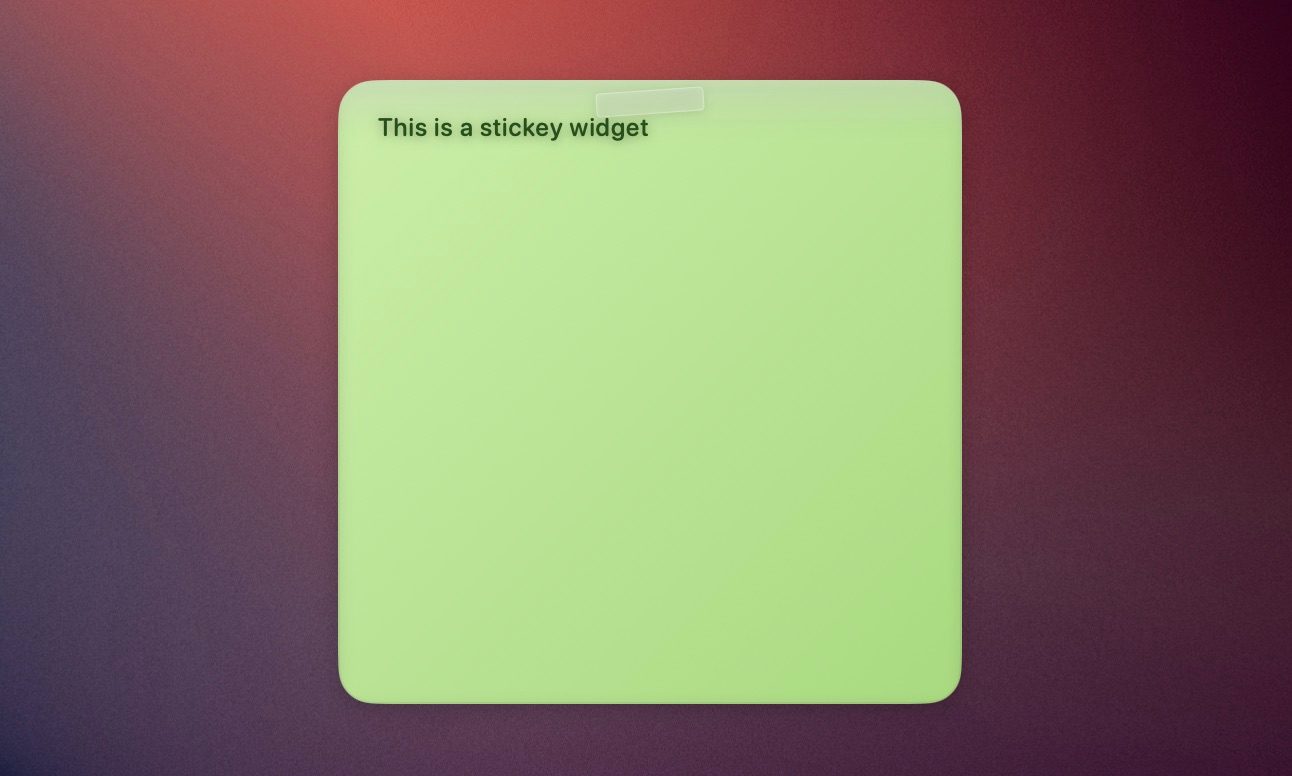
You also get a Reminders widget that syncs directly with Apple Reminders. You can check off a task directly from the widget, and it updates in the Reminders app. I pair it with the Sticky Note widget, and you have a simple productivity corner sitting right on your desktop.

For something more relaxed, there is a Photos widget that runs a slow Ken Burns-style slideshow using photos from any folder you choose. There’s also a Starfield widget that adds a starry sky on your desktop.

Stack widgets to save space

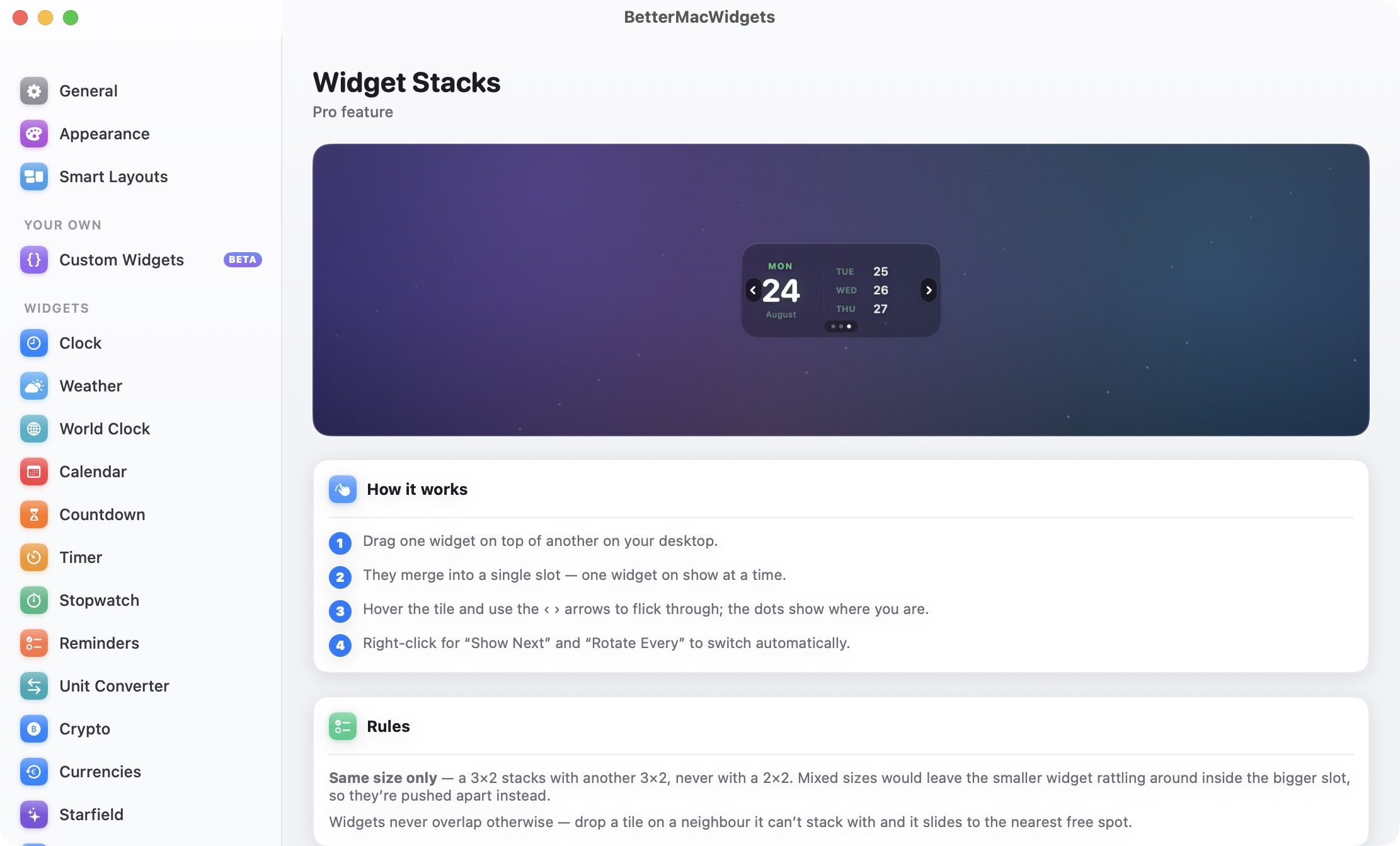
If you end up using too many widgets, Widget Stacks is there to manage your widget mania. Drag one widget on top of another widget of the same size, and they merge into a single slot. You can then flick through them using arrows when you hover over the tile, or set them to rotate automatically. Do note that stacking only works between widgets of the same size. A 3×2 widget will not stack with a 2×2 one. Instead, dropping one on the other will push them apart to the nearest open spot.

Make it look like your Mac

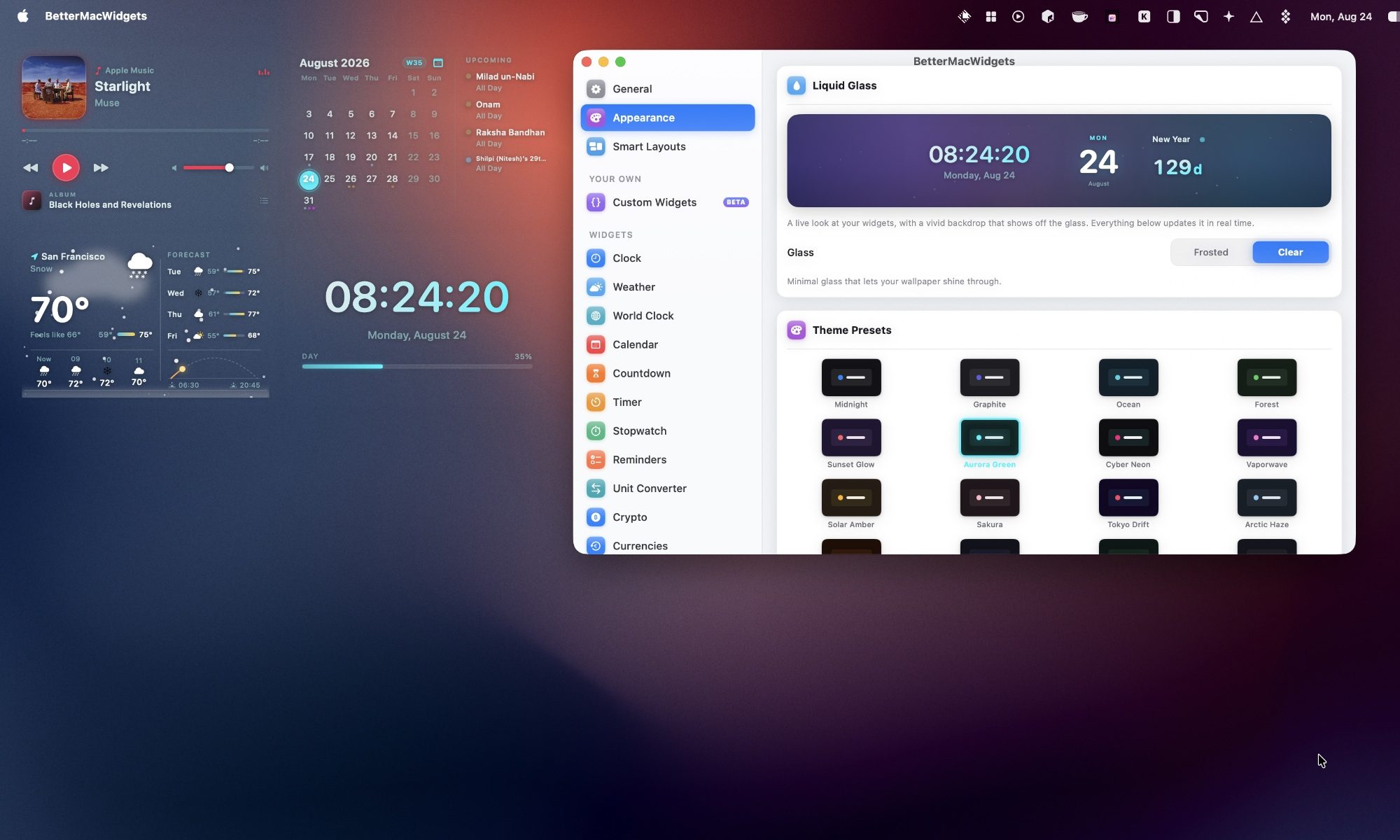
As I mentioned, the best part about BetterMacWidgets is the look of the widgets. It includes 20 built-in themes that change the accent color, glass tint, and font color. Three of them, Midnight, Graphite, and Ocean, are free, and the rest come with Pro.

I can also customize how widgets look. The free Frosted look gives a translucent glass card with an adjustable opacity slider, allowing me to go from a barely there tint to a denser glass pane. 

If you have Pro, the Clear look removes the tile background entirely, so only the widget’s content floats on your wallpaper with a soft shadow for legibility. It is the closest thing to a native Apple look I have seen on a third-party Mac widget.

Set up profiles for your day

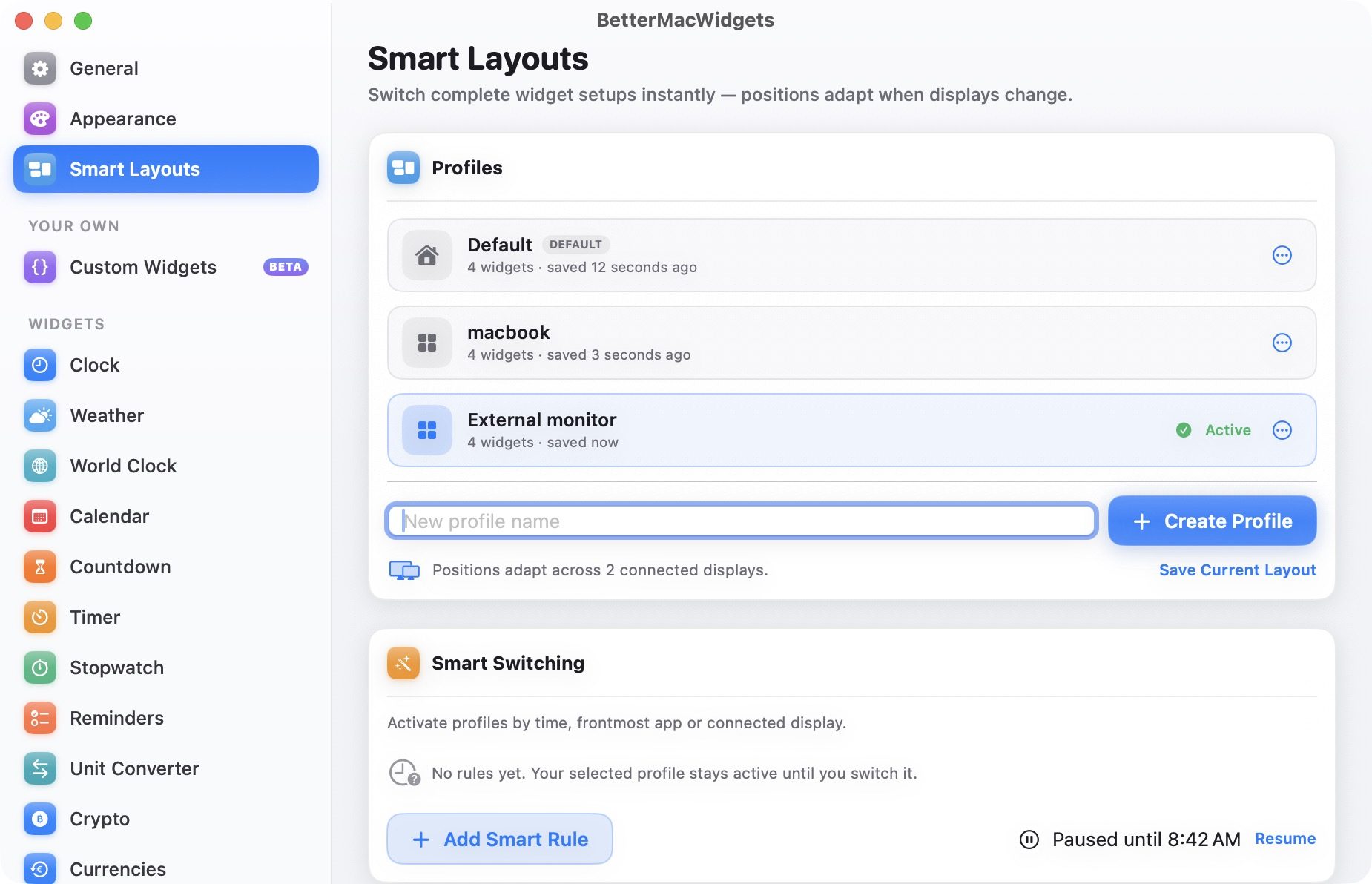
If you use multiple desktop setups, BetterMacWidgets lets you save named widget profiles that remember your widgets and their placement. I can create multiple widget setups, save them as profiles, and switch between them with a single click. There’s also a Smart Switching feature that can activate a profile automatically based on the time of day, the app in the foreground, or the display you are connected to.

Final thoughts

I have used a lot of widget apps on my Mac, and BetterMacWidgets is the first one that made me actually want to keep widgets on my desktop instead of hiding them away. Between the Now Playing widget, the System Stats gauges, and the Clear glass look, my desktop finally looks the way I wanted it to since Sonoma first brought widgets to the desktop two years ago.

Advertisement

Source link

Continue Reading

Tech

AliExpress was silently running audio in your browser to fingerprint and track your device

Published

on

A hot potato: As cookies become a less reliable way to track people online, AliExpress may be showing how far companies will go to fill that gap. Researchers found code on the site’s homepage that ran silent audio processes in the browser. Tied to Alibaba’s security systems, the scripts tap a device’s own audio hardware to generate a signal and measure the tiny, device-specific ways it comes back – producing something close to a fingerprint that doesn’t need a single cookie to work. It’s the kind of tracking a user would likely never notice.

The issue only surfaced after a developer had trouble using multipoint Bluetooth headphones while an AliExpress tab was open: the headphones wouldn’t switch properly from the computer to a phone. Once the tab was closed, the problem disappeared.

Digging into the site’s code, the developer found it was using the Web Audio API to build audio-processing graphs set to zero volume. The process produced no audible sound, but it still connected to the computer’s audio system, keeping the audio path active in the background, which appears to be what interfered with the headphones’ ability to switch devices.

This wasn’t the kind of audio activity tied to a normal media player. Because the processing graph ran at zero gain and connected directly to the system’s audio output, muting the browser tab did nothing to stop it: the browser kept processing the signal even though there was nothing to hear.

Advertisement

The same code can also support browser fingerprinting, a technique that collects device-specific details and combines them to recognize a browser over time. In this case, the scripts measured tiny differences in how a device processed an identical audio signal – those differences are shaped by a computer’s processor, sound hardware, operating system, browser, and drivers.

Audio measurements were only one part of the reported data collection. The scripts also gathered information tied to canvas rendering, WebGL, display settings, hardware configuration, WebRTC behavior and user interactions. Together, those signals can create a more detailed profile of a device than any one signal would provide on its own.

Fingerprinting is often used by large online platforms for fraud prevention, bot detection and risk assessment. It can help companies spot suspicious transactions or automated activity when cookies have been deleted or accounts have changed. But privacy advocates have raised concerns because users may not know the tracking is happening and have limited control over it.

Advertisement

Brave was among the first to call out the behavior. In an August 22 post on X, the company said its browser blocks the AliExpress scripts responsible for the audio-based tracking, noting that it has built in default protections against audio fingerprinting for more than six years. Brave’s approach alters certain browser outputs so that websites receive inconsistent fingerprinting signals rather than a stable, trackable identifier.

The company has since extended similar protections to GPU fingerprinting, a method that uses graphics hardware and driver behavior to identify devices, and says fingerprinting techniques will keep evolving as sites look for new ways to tell users and devices apart.

People using other browsers may be able to block this kind of scripts through content blockers such as uBlock Origin, though doing so could affect parts of AliExpress that rely on the same code for security or fraud prevention.

Advertisement

The episode is a reminder of the trade-off baked into much of online security today. Companies want more ways to identify suspicious activity. Users and browser makers want limits on tools that can track a device without a clear notice or consent.

Source link

Advertisement
Continue Reading

Tech

Ninja Releases ‘Practical Magic’-Inspired Slushie Machine After Original Sold Out in 2 Hours

Published

on

When Ninja first released its hefty Ninja Slushi Twist machine in May, it sold out on the brand’s website in less than two hours. Today, the company is launching the same machine again, but with another twist.

Ahead of the release of Practical Magic 2, Ninja is conjuring the Ninja Slushi Twist in four colors related to the cult-classic franchise: potion purple, midnight margarita, bewitching blue and moon stone.

Unboxing Ninja ‘Practical Magic’-Inspired Slushie Machine

Besides the colors, inspired by the film’s main characters, the Owens sisters, no other changes were made to the popular machine, which is like two Ninja Slushi machines in one.

The Slushi Twist, though, features two separate sides that can each hold 48 ounces of liquid and together make up to 72 ounces of frozen drinks, since the liquid expands as it freezes. A Dual Slush Assist button allows both sides to begin mixing and freezing, but if you only want to use one side of the machine, that’s possible, too. 

a Ninja Slushi Twist box on the floor
Even the box is Practical Magic-themed.Tara Brown/CNET

It also has two levers so you can enjoy both flavors at once or one at a time, depending on your preference. And speaking of levers, Tara Brown, our social media guru, who got her hands on the potion purple color, said, “I know it’s supposed to give Practical Magic, but it’s also giving Yzma from Emperor’s New Groove.” 

The machine excels at slushie-making, as long as sugar or alcohol is added to the mix to help it freeze. Since I first received the device, it has become a staple at birthday parties and other family gatherings. 

Advertisement

The Ninja Slushi Twist sells for $400 and is now available in the four bewitching colors. 

Source link

Continue Reading

Trending

Copyright © 2025