
Business
Henry Chen: From Wall Street to Digital Asset

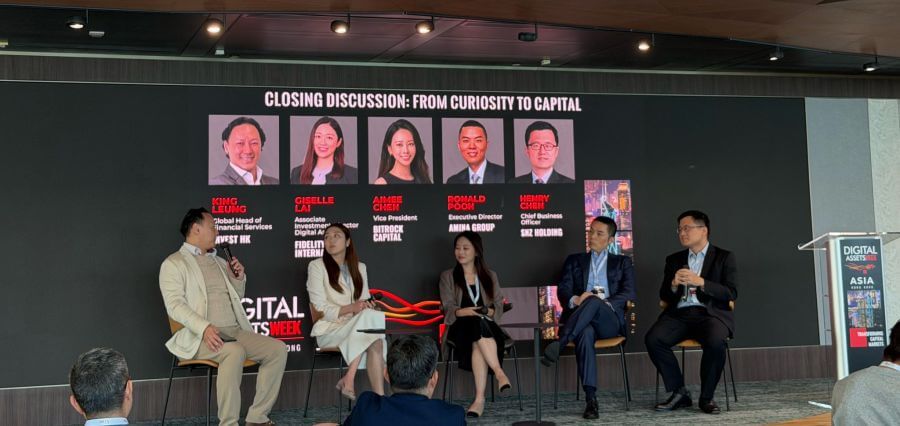
The modern world of business is demanding more of entrepreneurs and leaders than ever before; it’s no longer possible for a professional to lead purely on a technical basis, nor on an operational one. Few business leaders are able to become the hybrid executives that are so necessary to modern growth and transformation initiatives. The ones that rise to the challenge can’t help but stand out.
Henry Chen is one such example. As a seasoned finance professional and entrepreneur in the fintech and blockchain industry, his expertise with the technology that’s driving the modern world has been well-proven. When that is combined with another 15 years of experience across investment banking, private capital management, and digital asset markets, Henry Chen represents a unique bridge between traditional finance and modern digital ecosystems. His professional journey ranges from UBS and Goldman Sachs to KU Holdings (Parent of KuCoin) and Summer Capital, culminating in his current role as Chief Business Officer at SNZ Holding.
Henry Chen’s transition from global banking institutions into senior strategic roles at finance and fintech companies like KU Holdings and Summer Capital is not a common one for a reason. Being able to strike the balance between institutional discipline and digital innovation is a rare skill, but it’s one that’s becoming more important for business leaders every year. Well-rounded and holistic leadership is crucial in a world with increasingly globalized and technology-driven markets.
“The ability to ‘speak both languages’ is crucial,” Henry says. “You need to understand how bankers, regulators and institutional investors think, and at the same time appreciate how developers, founders and crypto‑native communities operate.”
Traditional Finance Vs. Digital Ecosystems
Having served in high-performing leadership roles in both traditional investment banking environments and high-growth digital asset ecosystems, Henry Chen has developed a well-rounded understanding of both fields—and how they intersect. Both environments left him with foundational understanding that could be leveraged elsewhere, and by synthesizing the two he was able to develop a leadership philosophy capable of bridging the gap between them.
“It has given me a 360‑degree view of how capital, technology, and financial markets correspond to each other,” Henry explains. “My philosophy today is about combining these worlds: being entrepreneurial, open to experimentation and caring about individual mentality, while still insisting on governance, operational efficiency, and commercialization models that can stand up to institutional scrutiny. I try to be a bridge between builders and institutions, translating highly technical concepts into clear business and regulatory language, and vice versa.”
So what are the big differences between these two environments? Put simply, the traditional financial institutions are highly structured and value predictability, while the fintech and digital ecosystems are defined by speed, scalability, and open-source collaboration. It’s an old dichotomy: structured, predictable, execution-focused institutions on one side; flexible, fast, disruptive, and innovative startups on the other. Banks and other traditional institutions are built around structured processes, well-defined product lines, and regulated workflows, with innovation following regulator guidance and client demand. In digital fintech and blockchain systems, the constant creation of new primitives, the prediction market, and real-world asset tokenization represent an iterative, experimental, and consensus driven environment.
“At global investment banks, I learned the importance of sustainable business model, market positioning and fundamental valuation methodology, institutional‑grade operational processes, cross-team collaboration, and long‑term client relationships, which has deeply influenced how I make decisions and mobilizes team resource even in fast‑moving crypto markets,” Chen recalls. “On the digital asset side, particularly at SNZ and Summer Capital, I was exposed to founder‑driven innovation, rapid product cycles, and community‑centric ecosystems and focus on humanity, that move at a very different pace from traditional finance.”
The hierarchical institutional stability, precision, and quality of traditional institutions focus on measurable success and maximal profitability. The open-source, freely experimental, and deeply creative blockchain environment focuses on speed and innovation. The two fields seem to have few things in common, but however dichotomous they may seem, the two environments’ strengths and values can in fact be brought together. It just takes someone who understands both sides, and Henry Chen has established himself as precisely that.
“Having operated in both worlds, I see my role as importing institutional discipline into crypto, while preserving the creativity and openness that make this industry so compelling,” he says. “At the end of day, any technology, business model, or project shall be built to serve some real purposes and use cases—which is essentially the human being, and organizations from the real world. It’s just a matter of differentiated or upgraded process, methodology or approach.”
A Strategic Blend Of Expertise
Henry Chen’s unique blend of leadership experience and expertise have made him uniquely valuable in a strategic role as the both traditional and blockchain financial ecosystems evolve. At KU Holdings (parent of KuCoin), Summer Capital, and in his current role with SNZ, his strategic priorities have been focused on branding and networking, with an eye for building long-term business sustainability and the creation of real economic value. Chen’s goal is to position SNZ as a long-term, credible, capable, and resourceful partner to both builders and institutions—whether they’re traditional finance or crypto natives—around the world, but particularly in Asia.
Henry’s rigorous foundation in financial infrastructure across both consumer and institutional markets—courtesy of his career at investment banks like Goldman Sachs and UBS—allows him to identify use cases for blockchain and crypto technologies, while his experience in those digital environments lets him draw clear connections between modern technology projects and cases he’s experienced in the past. The result is that he can identify viable business models, high-potential products, and feasible corporate strategies instead of getting drawn into interminable hype cycles or falling victim to crypto market price volatility and noise.
“Economic value is about making sure we are not only capturing short‑term trading or speculative upside, but also enabling new infrastructure, use cases, and revenue streams that benefit users, communities, and shareholders in a measurable way,” Chen says. “In such fast‑evolving markets, discipline on these three dimensions helps us avoid chasing noise and instead build something compounding and durable.”
It’s a skillset that Henry Chen expects to only grow more valuable in the coming years. He expects to see digital finance move from the periphery to the core of global capital markets over the next five years, driven by tokenization, programmable assets, and more mature regulatory regimes. Additionally, he predicts a convergence between traditional financial infrastructure and blockchain rails, where assets like securities, funds, and collateral are issued and managed on-chain (even if users don’t see the underlying technology).
“Experienced institutional leaders will play a key role in this transition by translating between regulatory expectations, risk frameworks, and the capabilities of decentralized technologies,” Chen explains. “Their job is not to slow innovation, but to shape it in a way that is sustainable, compliant, and accessible to a much broader set of participants.”


TOKYO — Sony is preparing to launch its next flagship smartphone, the Xperia 1 VIII, in May or June 2026, continuing its tradition of spring unveilings while introducing the most significant design overhaul in years for the premium lineup that emphasizes professional-grade camera features, a 4K display and audiophile elements.

The Xperia 1 VIII, along with the more affordable Xperia 10 VIII mid-ranger, has been confirmed in development through IMEI database filings and supply-chain leaks dating back to early February 2026. Model numbers such as PM-152x-BV series point to global availability in Japan, Europe and parts of Asia, though North American release remains unlikely for the third consecutive year.
Sony has not issued an official announcement, but industry patterns and recent leaks strongly suggest an unveiling window in late May, with sales beginning in June — mirroring the Xperia 1 VII timeline from 2025. YouTube channels and tech sites tracking Sony’s mobile division have published multiple “first look” videos in recent weeks, fueling speculation that the company will stick to its annual flagship cadence despite modest sales of the previous model.
The Xperia 1 series has long been Sony’s halo device, targeting photography enthusiasts and content creators with a tall 21:9 aspect ratio, pro-level manual camera controls reminiscent of Alpha mirrorless cameras, and features like a 3.5mm headphone jack and microSD card slot that competitors have abandoned. The upcoming Xperia 1 VIII is rumored to introduce the first major exterior redesign in six years, moving away from the minimalistic rectangular camera bump to a more prominent horizontal island housing triple rear lenses.
Leaked renders shared in early April show a refreshed rear panel with a redesigned camera module, potentially accommodating upgraded sensors including a higher-resolution main shooter. The phone is expected to be powered by Qualcomm’s Snapdragon 8 Elite Gen 5 chipset, promising improved efficiency and AI capabilities for computational photography and video recording. Display upgrades could include brighter peak brightness on the 6.5-inch 4K OLED panel while maintaining the signature tall form factor favored by filmmakers.
Sony’s Xperia phones have struggled with market share in recent years, often criticized for high pricing and limited carrier support outside core markets. The Xperia 1 VII, announced in May 2025 and released in June, faced early software and hardware issues that required fixes, though Sony later addressed them. Despite the challenges, the lineup retains a loyal following among users who value its unique combination of professional tools, clean Android experience and physical features like expandable storage.
The Xperia 10 VIII is expected to follow a similar launch timeline or slightly later, serving as a more accessible option with a Snapdragon 6-series processor. Both models appear destined for broad international distribution except in the United States, where Sony has not launched a flagship since 2023. Fans in North America will likely need to import devices or rely on gray-market sellers, adding cost and warranty complications.
Anticipation has grown steadily since the IMEI leaks surfaced in February. Tech communities on Reddit and Android forums have debated whether Sony will finally increase battery capacity, improve thermal management or add features like wireless charging at higher wattages to better compete with Samsung’s Galaxy S series and Google’s Pixel flagships. Some leaks suggest Sony may enhance its variable aperture camera system and deepen integration with its Alpha camera ecosystem for seamless photo transfer.
Pricing is expected to start around €1,399 to €1,499 in Europe for the Xperia 1 VIII, similar to recent generations, which could translate to roughly $1,500 or more depending on region and configuration. The high entry point has been a persistent hurdle, though Sony positions the device as a premium tool rather than a mass-market phone.
As of mid-April 2026, no official teasers have appeared on Sony’s channels, consistent with the company’s low-key approach to mobile announcements. Insiders predict a formal reveal could coincide with pre-MWC momentum or a dedicated online event in May, followed by hands-on previews for media. Global pre-orders would likely open shortly after announcement, with physical availability in June for early markets.
The 2026 Xperia launch arrives amid intensifying competition in the premium Android segment. Samsung is expected to refresh its Galaxy S26 line, while Chinese brands continue pushing aggressive pricing and innovative features. Sony’s strategy remains focused on differentiation through photography, audio fidelity and a near-stock Android experience with minimal bloatware.
For enthusiasts awaiting the new model, patience is required. Sony rarely rushes announcements, preferring to refine hardware and software internally. Early 2026 filings in certification databases provided the first concrete proof that development is well underway, easing concerns that the company might exit the smartphone business after years of slim profits in the division.
Consumer reaction on social media has been mixed but largely optimistic. Some users express excitement about the rumored redesign and continued commitment to the headphone jack, while others worry that without major breakthroughs in battery life or camera performance, the Xperia 1 VIII may struggle to expand beyond its niche audience.
Sony has emphasized that its mobile business remains committed to innovation, even as the company shifts more resources toward entertainment, gaming and imaging divisions. The Xperia line benefits from shared technology with Sony’s professional camera and sensor units, giving it unique advantages in low-light performance and color science that appeal to serious photographers.
As spring progresses, more concrete details are likely to emerge through additional leaks, regulatory filings and eventual official previews. In the meantime, current Xperia 1 VII owners are receiving software updates, including security patches for early 2026, helping extend the lifespan of the previous generation.
Whether the Xperia 1 VIII can revitalize Sony’s smartphone fortunes will depend on execution, pricing strategy and how well it addresses past criticisms. For now, the timeline points to a May announcement and June availability in key markets, giving prospective buyers a clear window to plan upgrades or imports.
The Xperia 10 VIII should provide a more budget-friendly entry point with many of the lineup’s signature traits scaled down, potentially broadening Sony’s reach in emerging markets.
Tech observers will continue monitoring for any surprise shifts in schedule, but current evidence strongly supports a traditional spring-to-early-summer rollout. Sony fans worldwide are already marking calendars and debating expected improvements in hopes that the 2026 models deliver the refresh the lineup has needed.
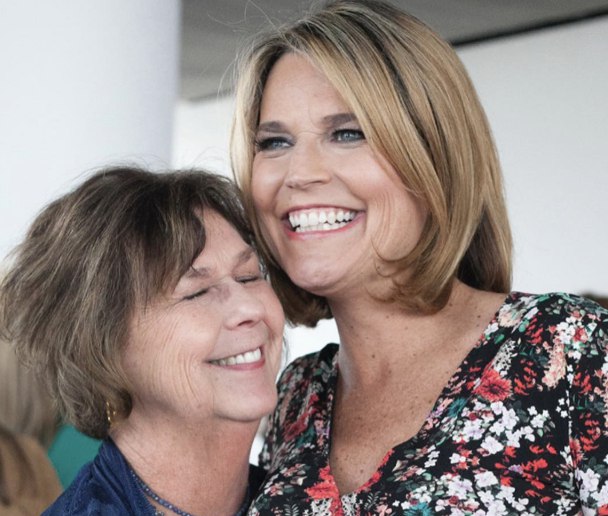
TUCSON, Ariz. — More than 70 days after 84-year-old Nancy Guthrie vanished from her Catalina Foothills home in what authorities believe was a violent abduction, the investigation into the mother of NBC’s “Today” show co-anchor Savannah Guthrie remains active but without arrests, named suspects or confirmed sightings of the missing woman.

Guthrie was last seen on the evening of Jan. 31, 2026. She failed to appear for an online church service the next morning, prompting family members to check on her. Investigators discovered blood near the doorstep and signs of a struggle, leading Pima County Sheriff Chris Nanos to declare the case a suspected kidnapping early on. The FBI quickly joined the probe, citing the suspicious circumstances and Guthrie’s age and health conditions, including a pacemaker.
Security camera footage released by authorities showed a masked individual on the porch around the time her pacemaker lost connection with her phone shortly after 2:30 a.m. on Feb. 1, suggesting she was taken against her will and removed from the area. No clear images of a getaway vehicle or additional perpetrators have been made public.
The case has drawn intense national attention due to Savannah Guthrie’s prominent role on morning television. Savannah returned to the “Today” show anchor desk on April 6 for the first time since the disappearance, offering a brief, emotional message of resilience without directly addressing new developments. She has repeatedly pleaded publicly for information, posting videos urging anyone with knowledge to come forward and emphasizing hope and faith.
Despite extensive searches of the surrounding desert terrain, her home and a second property, no trace of Guthrie has been found. Early leads, including a glove recovered near the scene that matched one worn by the masked figure in doorbell footage, yielded DNA belonging to an unrelated restaurant worker, marking a dead end.
Pima County Sheriff Nanos has cleared all immediate family members, including Savannah and her siblings, as suspects. He has stated publicly that investigators believe they understand a possible motive — potentially financial or retribution-related — but have not identified who carried out the abduction. Forensic experts and criminal profilers, including former FBI behavioral analysts, have speculated the kidnapping could target someone in Guthrie’s orbit rather than the elderly woman herself, with one suggesting “something went very wrong” during the incident.
In recent weeks, the investigation has been complicated by anonymous ransom-style communications sent to media outlets. TMZ reported receiving multiple notes in early April demanding Bitcoin — initially half a Bitcoin (around $34,000 at the time) — in exchange for information about Guthrie’s whereabouts or the identity of those responsible. One note claimed she was dead and offered details on her body and the kidnappers; a follow-up message alleged she had been seen alive in Sonora, Mexico, roughly 70 miles south of Tucson.
Authorities and experts have not confirmed the legitimacy of the notes, with some viewing them as potential hoaxes or opportunistic attempts to exploit the high-profile case. Retired FBI agents and profilers have cautioned against taking them at face value while urging continued scrutiny. Tips to the FBI hotline have slowed significantly, though the agency maintains an active tip line and a reward of up to $100,000 for information leading to Guthrie’s recovery or the arrest of those involved.
The prolonged absence has fueled speculation about Guthrie’s health. At 84 and with medical needs, investigators and outside detectives have expressed concern that her kidnappers may have underestimated her frailty, possibly leading to an unintended fatal outcome if the abduction went awry. No confirmed ransom demand directed at the family has been reported, distinguishing this case from traditional high-profile kidnappings.
Search efforts in the initial weeks involved volunteers scouring rugged desert areas near her home, but focus has since shifted to digital forensics, analysis of potential second locations and review of activity around the residence in the weeks prior. Sheriff’s officials confirmed they are investigating suspicious incidents at Guthrie’s home three weeks before the disappearance.
Savannah Guthrie and her family have maintained a measured public presence, balancing private grief with appeals for help. On Easter, she shared a message emphasizing themes of hope, rebirth and second chances without referencing the case directly. The family has cooperated fully with investigators, according to law enforcement statements.
Criminologists note the case’s unusual elements: an elderly victim taken from a relatively secure suburban home with limited immediate witnesses, minimal public physical evidence beyond the initial scene and the involvement of a celebrity relative that has sustained media interest far longer than many similar disappearances. Experts suggest advancing DNA technology or a breakthrough tip could still resolve it, though the passage of time reduces chances of finding her alive.
As of April 12, 2026 — more than two months since she was last seen — Pima County authorities and the FBI report no major new developments but insist the case remains a top priority. No arrests have been made, and Guthrie’s whereabouts are unknown. Officials continue to ask the public for any information, no matter how small.
The disappearance has highlighted vulnerabilities for elderly residents living alone and the challenges of investigating abductions in expansive desert regions. It has also spotlighted the emotional toll on families of missing persons, with Savannah Guthrie’s visible return to work underscoring both personal strength and the ongoing uncertainty.
Anyone with information is urged to contact the FBI at 1-800-CALL-FBI or submit tips online at tips.fbi.gov. The Pima County Sheriff’s Department can also be reached at 520-351-4900.
The case of Nancy Guthrie continues to baffle investigators and captivate the public, a stark reminder that even in a connected world, some mysteries endure with no resolution in sight after 70 agonizing days.
Luka Doncic’s Grade 2 left hamstring strain, suffered April 2 during the Los Angeles Lakers’ blowout loss to the Oklahoma City Thunder, has sidelined the superstar for the remainder of the 2025-26 regular season and cast doubt on his availability for the playoffs. The injury, confirmed by MRI and announced by the Lakers, has fueled fresh debate about durability in the modern NBA and revived timeless questions about careers derailed by injuries.
Doncic, leading the league in scoring before the setback, will miss critical games and faces an uncertain return timeline despite seeking specialized treatment in Europe. His absence highlights how even elite talents remain vulnerable, echoing the “what if” stories of legends whose primes were cut short or altered by injuries. Here are five of the most compelling NBA players whose trajectories might have changed dramatically — and potentially rewritten history — had injuries not intervened.
1. Bill Walton
Bill Walton stands as the ultimate “what if” in NBA lore. The 1977 NBA champion and MVP with the Portland Trail Blazers was a revolutionary big man: a transcendent passer, elite defender and dominant rebounder whose basketball IQ rivaled any player ever. In his first three healthy seasons, Walton averaged 18.9 points, 13.5 rebounds and 4.0 assists while leading Portland to its only title.
Chronic foot and ankle injuries, including multiple surgeries, limited him severely afterward. He played just 209 games over his final nine seasons, often as a role player with the Boston Celtics. Without the foot issues that plagued him from college onward, Walton could have sustained a 15- to 18-year career at an MVP level, potentially stacking multiple championships and entering the conversation among the greatest centers ever alongside Kareem Abdul-Jabbar and Wilt Chamberlain. His blend of size, skill and vision might have redefined team concepts decades earlier.
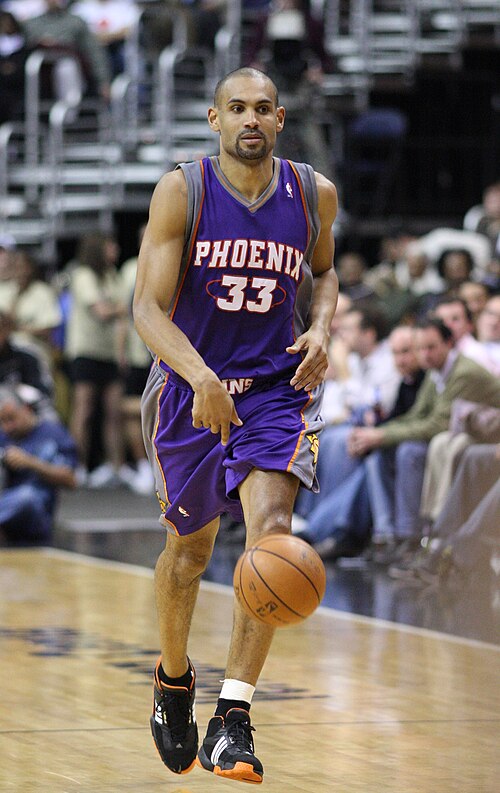
2. Grant Hill
Grant Hill entered the league as a can’t-miss superstar. The 1994 No. 3 pick averaged 21.1 points, 9.8 rebounds and 6.0 assists in his first six seasons with the Detroit Pistons, earning co-Rookie of the Year honors and six straight All-Star selections. His athleticism, scoring versatility and playmaking drew comparisons to a young Michael Jordan.

A devastating ankle injury in 2000 — a compound fracture and subsequent infections — derailed everything. Hill missed most of the next four seasons and never regained his explosive first-step or full athleticism, though he reinvented himself as a solid contributor with the Phoenix Suns. Had the ankle held up, Hill likely would have been a perennial MVP candidate, led the Pistons to deeper playoff runs alongside a healthy roster and possibly challenged for multiple titles. Many analysts believe a healthy Hill would rank among the top 20-25 players all time.
3. Tracy McGrady
Tracy McGrady possessed perhaps the purest scoring talent of his generation. From 2000 to 2004 with the Orlando Magic and Houston Rockets, T-Mac averaged over 25 points per game, won two scoring titles and delivered iconic moments like his 13-point streak in 35 seconds against the San Antonio Spurs. His step-back jumper, handle and elevation made him nearly unguardable in isolation.
Back spasms and knee injuries began eroding his explosiveness by age 26, forcing him into diminished roles later with the Rockets and New York Knicks. A healthy McGrady, paired longer with Yao Ming or in a stronger supporting cast, might have led multiple deep playoff runs and challenged Kobe Bryant and Allen Iverson as the decade’s premier shooting guard. Some projections place a fully healthy T-Mac among the top 15 scorers and most dominant wings in league history, with a realistic shot at multiple All-NBA First Team selections and possibly a championship.
4. Derrick Rose
Derrick Rose’s story remains one of the NBA’s most heartbreaking. The youngest MVP in league history at age 22, Rose led the Chicago Bulls to the 2011 Eastern Conference finals with explosive athleticism, fearless drives and elite court vision. He averaged 25 points and 7.7 assists that season while carrying a young, injury-plagued roster.
Torn ACL and subsequent knee injuries in 2012 and beyond robbed him of his burst and confidence. Rose never again approached his MVP form, though he carved out a respectable veteran career. Without the knee damage, Rose could have anchored the Bulls for a decade, potentially delivering the franchise’s first title since Michael Jordan. Many believe a healthy Rose would have been a lock for multiple MVPs, several championships and a place in the top 50 all-time players, altering the Eastern Conference landscape for years.
5. Penny Hardaway
Anfernee “Penny” Hardaway burst onto the scene as a dynamic 6-foot-7 point guard with Magic Johnson-like vision and unparalleled athleticism. Alongside Shaquille O’Neal, he led the Orlando Magic to the 1995 NBA Finals as a rookie and followed with two more deep playoff runs. Hardaway’s crossover, size and passing made him a nightmare matchup.
Knee and abdominal injuries starting in 1997 curtailed his prime. He never again reached the All-NBA levels of his first four seasons. A fully healthy Penny, remaining the perfect complement to Shaq or leading his own contenders, might have secured multiple titles and entered the Hall of Fame as one of the greatest combo guards ever. Some “what if” lineups pair him with other injury-plagued stars to form dream teams that could have dominated the late 1990s and early 2000s.
These five players — and others like Yao Ming, Brandon Roy and Greg Oden — illustrate how injuries can derail even the most gifted athletes. Walton’s foot problems, Hill’s ankle nightmare, McGrady’s back issues, Rose’s knees and Hardaway’s knees all robbed fans of potential dynasties and individual greatness.
Doncic’s current hamstring strain, while not yet career-altering, serves as a reminder of the fragility that even superstars face. At 27 and already a multiple-time All-NBA selection with MVP-caliber seasons, the Slovenian phenom has shown remarkable durability until now. His recovery and return will be closely watched, especially as the Lakers navigate the postseason without their leading scorer for the regular-season finale.
The NBA has seen medical advances — better load management, regenerative treatments and improved rehabilitation protocols — that might spare modern players the fates of past generations. Yet the physical demands of today’s faster, more physical game keep the risk ever present.
As fans speculate on Doncic’s playoff status and long-term outlook, the “what if” conversations about Walton, Hill, McGrady, Rose and Hardaway endure. Their stories remind us that basketball greatness often hinges on more than talent: it requires the cruel luck of staying healthy. In a league where one wrong step or awkward landing can change everything, these hypothetical careers continue to fascinate, offering a glimpse of alternate NBA histories that might have included more rings, records and legendary moments.
For now, the focus remains on Doncic’s rehabilitation in Europe and whether he can contribute when the Lakers’ playoff journey begins. His situation adds another chapter to the long book of NBA injury what-ifs — one that fans hope ends far more favorably than those of the game’s most tragic near-greats.
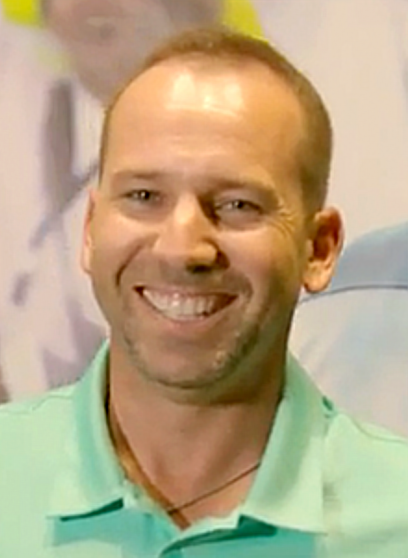
AUGUSTA, Ga. — Sergio Garcia’s fiery temper flared again Sunday during the final round of the 2026 Masters, as the 2017 champion smashed his driver into the turf and then snapped the club head off against a water cooler after a poor tee shot on the par-5 second hole at Augusta National Golf Club.

The outburst, captured on broadcast cameras and quickly going viral, left Garcia without his driver for the remainder of the round and drew a code-of-conduct warning from tournament officials two holes later. Paired with fellow Spaniard and LIV Golf colleague Jon Rahm, Garcia had opened with a bogey on the first hole before the dramatic meltdown unfolded on the second tee.
After hitting his drive into a bunker on the right side, Garcia slammed his driver into the turf multiple times in frustration, carving significant chunks out of the pristine tee box. He then turned and whipped the club at a green water cooler to the right of the tee, causing the shaft to buckle and the head to snap off completely. Garcia reached down, yanked the dangling head free and discarded the broken club.
The incident echoed Garcia’s well-documented history of on-course outbursts, including a similar driver-breaking moment at the 2025 British Open at Royal Portrush. Rules of golf prohibit replacing a club damaged in anger, forcing the 46-year-old to play the final 16 holes with only 13 clubs in his bag.
Despite the early chaos, Garcia managed to make par on the second hole. In a lighter moment later on the same hole, while Rahm’s caddie tended to a bunker, Garcia playfully carried Rahm’s bag for a stretch, drawing smiles from the gallery and his playing partner.
Masters chairman of the competition committee Geoff Yang delivered a formal warning to Garcia on the fourth hole for his actions and damage to the course. No further penalties were immediately announced, though Augusta National is known for its strict enforcement of etiquette and course condition standards.
Garcia, who has long battled a reputation for on-course frustration despite his immense talent, has been playing on the LIV Golf circuit in recent years. His 2017 Masters victory remains one of the most emotional in tournament history, ending years of near-misses and major heartbreak for the Spaniard nicknamed “El Niño.”
Broadcast replays showed the sequence in detail: Garcia’s follow-through barely completed as his ball sailed right, followed by three sharp slams into the turf and the decisive swing at the cooler. The broken driver head flew toward his golf bag as the shaft splintered.
Social media exploded with reactions ranging from amusement to criticism. Clips of the tantrum racked up millions of views within hours, with some fans calling it classic Sergio while others questioned whether such behavior belongs at the game’s most prestigious event. Golf Digest and other outlets highlighted the damage to the historic tee box, noting grounds crews would need to repair the divots before subsequent groups.
Garcia has not yet commented publicly on the incident as the final round continued. His playing partner Rahm, the 2023 Masters champion, appeared unfazed and continued his round without visible reaction to the drama.
The episode adds another chapter to Garcia’s complex legacy. Long admired for his shot-making brilliance and passionate style, the Spaniard has also faced scrutiny for on-course conduct throughout his career. Previous notable incidents include his 2019 disqualification in Saudi Arabia for damaging multiple greens in anger and various disputes during Ryder Cup play.
At Augusta National, where decorum is paramount and the course is treated with near-reverence, Garcia’s actions stood out sharply against the typically serene atmosphere. The second hole, a reachable par-5 for many players, has seen its share of drama over the years, but few as visually striking as Sunday’s outburst.
Despite starting the day presumably chasing a strong finish, Garcia’s early frustration may have stemmed from the pressure of competing at the Masters while balancing LIV Golf commitments. The 46-year-old has remained competitive in majors, but consistency has been elusive in recent seasons.
Rahm, who has spoken openly about his friendship with Garcia, later downplayed the moment in brief comments, calling it “Sergio being Sergio” and noting the pair’s shared Spanish roots and competitive spirit helped keep the round moving forward.
Tournament officials have not released any additional statements regarding potential fines or further sanctions. In past cases involving course damage, the Masters has handled matters discreetly while emphasizing respect for the property.
For Garcia, the broken driver meant adapting his strategy for the remaining holes. Playing without the longest club in the bag forced greater reliance on fairway woods, hybrids and precise iron play — a challenge on Augusta National’s demanding layout, especially with firm conditions and tricky pin placements typical of a final round.
As the round progressed, Garcia appeared to settle somewhat, though his scorecard reflected the difficulties of navigating the back nine without full distance off the tee. The lighter moment carrying Rahm’s bag provided a brief respite and humanized the veteran in the eyes of many watching.
The incident quickly became one of the most talked-about moments of the 2026 Masters, overshadowing some early scoring action and drawing comparisons to other memorable on-course meltdowns in golf history. Fans and analysts debated whether such displays hurt the sport’s image or simply reflect the intense pressure athletes face at the highest level.
Garcia’s history suggests this is unlikely to be his last emotional moment on the course, but it serves as a reminder of the fine line between passion and loss of control in professional golf. As the final round unfolded at Augusta National, all eyes remained on the Spaniard to see how he would finish after such an eventful start.
The 2026 Masters continues with contenders battling for the green jacket, but Garcia’s No. 2 tee box eruption has already secured its place among the tournament’s most memorable — and viral — moments of the week.
Business
(VIDEO) Rory McIlroy Faces Final-Round Pressure in Bid for Historic Back-to-Back Masters Wins
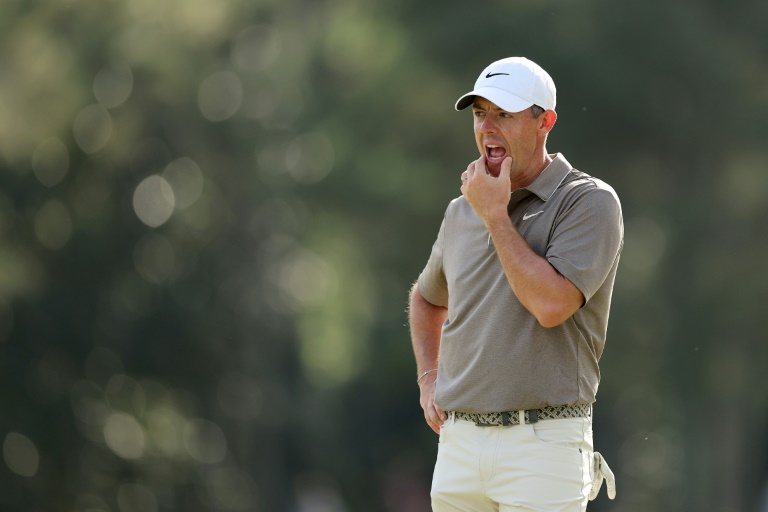
AUGUSTA, Ga. — Rory McIlroy arrived at Augusta National Golf Club this week as the defending Masters champion, a man who had finally completed the career Grand Slam with a dramatic playoff victory over Justin Rose in 2025. Now, the 36-year-old Northern Irish star is fighting to become just the fourth player in tournament history to win consecutive green jackets, joining legends Jack Nicklaus, Nick Faldo and Tiger Woods.
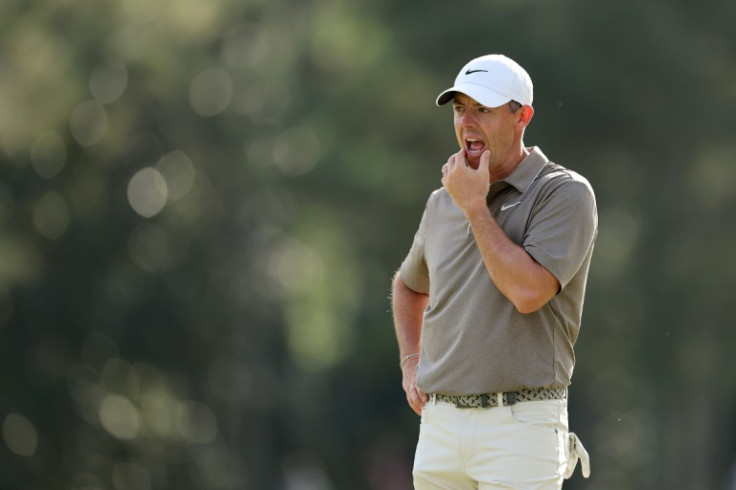
AFP
As the final round of the 2026 Masters unfolds Sunday, McIlroy finds himself in a tense battle atop the leaderboard after surrendering a record six-shot 36-hole lead. Tied for the lead at 11-under par heading into the decisive 18 holes, McIlroy will tee off in the final group alongside surging challengers including Cameron Young and Sam Burns. Scottie Scheffler, the world No. 1 and two-time Masters winner, lurks within striking distance as well.
McIlroy’s path to back-to-back glory hit turbulence on Saturday. After opening with rounds of 67 and 65 — the latter featuring a blistering back-nine charge with four straight birdies — he posted a 1-over 73 in the third round. That scorecard included several uncharacteristic mistakes, allowing Young to shoot a 7-under 65 and erase the deficit. McIlroy later expressed frustration but remained resolute.
“I’m not satisfied,” McIlroy said Friday night when holding the massive lead. “Augusta National can bite you in a heartbeat.” His Saturday comments after the round reflected the shift: the calm confidence of a Grand Slam winner tested by the course’s notorious difficulty.
The stakes could hardly be higher. McIlroy’s 2025 triumph in a sudden-death playoff capped an 11-year wait for the green jacket, making him the sixth player to win all four majors. That victory lifted a decade-plus burden that had defined much of his narrative despite four prior major titles (U.S. Open 2011, PGA Championship 2012 and 2014, British Open 2014). Now, defending as champion for the first time, he seeks to etch his name deeper into Masters lore.
Only three men have successfully defended their title here. Nicklaus did it twice, in 1965-66 and as part of his remarkable run. Faldo won in 1989-90, and Woods achieved the feat in 2001-02 as part of his “Tiger Slam.” McIlroy has spoken openly about how completing the Grand Slam shifted his perspective.
“The career Grand Slam was my destination, and I got there,” he reflected earlier this week. “Then I realized it wasn’t the destination. Now it’s about enjoying the journey and chasing more.” That mindset has fueled a strong 2026 season that included a runner-up finish at the Genesis Invitational and solid play before arriving at Augusta.
McIlroy entered the 2026 Masters as one of the betting favorites, though Scottie Scheffler opened as the top choice in many sportsbooks. McIlroy’s odds shortened dramatically after his record-setting 36-hole performance, reaching as low as -260 to win. Even after Saturday’s setback, he remained the slight favorite at around +148 to +178 entering Sunday, with Young close behind at +255. Burns and Scheffler trailed at longer but still viable odds.
The leaderboard drama intensified throughout moving day. Young, ranked third in the world, capitalized on pristine ball-striking to climb into a share of the lead. Burns stayed steady in contention, while Scheffler mounted a charge with a 7-under third round that reminded everyone of his dominance at Augusta. Other notables like Tommy Fleetwood and Patrick Reed hovered as potential spoilers.
Augusta National played firm and fast early in the week, rewarding precision off the tee and creative short-game recovery — areas where McIlroy has historically excelled when in form. His opening 67 featured five birdies despite missing several fairways, showcasing the scrambling ability that carried him to victory last year. Friday’s 65 was pure McIlroy at his peak: powerful drives paired with clutch putting on the demanding greens.
Yet Saturday exposed vulnerabilities. McIlroy admitted afterward that he lost rhythm on approach shots, leading to bogeys that prevented him from extending his advantage. The six-shot lead after 36 holes was the largest in Masters history, surpassing even some of Woods’ dominant performances. History suggests such cushions often shrink under Sunday pressure at Augusta, where back-nine collapses have defined many tournaments.
For McIlroy, the mental side looms large. He has thrived since last year’s breakthrough, describing a newfound freedom. “The weight is off my shoulders,” he said in pre-tournament interviews. That liberation helped him navigate a competitive 2026 schedule that saw mixed results, including a withdrawal from the Arnold Palmer Invitational and a T46 at The Players Championship before sharpening up for Augusta.
Pundits remain split on his chances. Some models project McIlroy as a 60-70% favorite to close it out, citing his experience and major pedigree. Others point to the tightened odds and Young’s momentum as reasons for caution. CBS Sports and ESPN analysts noted that while McIlroy remains the man to beat, a nervy final round could open the door for a multi-player scramble.
Golf fans worldwide have followed the story with fascination. Social media buzzed with debates over whether “King Rory” could repeat or if Augusta would deliver another twist. Live updates from the final round drew massive audiences, with many recalling McIlroy’s emotional 2025 celebration — collapsing in joy after holing the winning playoff putt.
Beyond the individual achievement, a McIlroy victory would underscore Europe’s continued strength in majors and add another chapter to the Northern Irishman’s legacy. At 36, he sits second in the Official World Golf Ranking behind Scheffler, a position that reflects consistent excellence across 29 PGA Tour wins and multiple DP World Tour titles.
If McIlroy prevails Sunday, he would join an even more exclusive club. No player has won back-to-back Masters since Woods in 2002. The achievement would also cement his status as one of the greatest of his generation, silencing lingering questions about his ability to dominate when it matters most.
Should he fall short, the narrative would pivot to resilience — a champion tested but undeterred, already possessing what many golfers spend lifetimes chasing. McIlroy has emphasized process over outcome in recent years, focusing on preparation and presence.
Whatever the final result, the 2026 Masters has delivered the theater expected of golf’s first major. From McIlroy’s historic lead to the weekend charge by Young and Scheffler, the week showcased why Augusta National remains the ultimate stage.
As the sun sets over the azaleas and the final putts drop, all eyes will be on the 18th green. Can Rory McIlroy summon the magic of 2025 once more? Or will a new name slip on the green jacket? The answer awaits in the shadows of Amen Corner and the pines of Georgia.

OutKick founder Clay Travis joins ‘Varney & Co.’ to comment on sports streaming and a report of Justice Department’s probing the NFL over streaming deals.
StubHub will refund $10 million to consumers and revamp how it displays ticket prices after the Federal Trade Commission accused the company of deceptively advertising live-event tickets without fully disclosing mandatory fees upfront.
“The Commission’s Fees Rule makes it very clear that the total price of live-event tickets must be disclosed up-front to enable consumers to make fully informed purchasing decisions,” FTC’s Bureau of Consumer Protection Director Christopher Mufarrige wrote in a statement. “Price transparency is essential to a free and competitive marketplace. Today’s settlement underscores the Commission’s commitment to ensuring that consumers pay the price they are promised.”
The company had advertised ticket prices on its website during a three-day stretch last May “without clearly and conspicuously disclosing up-front how much consumers actually would pay, including all mandatory fees,” the FTC wrote in a complaint and proposed settlement filed in the U.S. District Court for the Southern District of New York.
NFL FANS CALL THE LEAGUE’S STREAMING STRATEGY A ‘MONEY GRAB’ AS COSTS SPIRAL OUT OF CONTROL

The window of a StubHub office in midtown Manhattan.
A StubHub spokesperson said the company disagreed with the FTC’s view of the case but is refunding a portion of affected buyers’ fees to address the agency’s concerns.
“This settlement covers a limited number of transactions, spanning just three days in May 2025, where some listings on our site may have displayed ticket prices exclusive of fees,” the spokesperson said.
The agency began enforcing its “Fees Rule” in May of 2025, requiring businesses to clearly disclose the total price of live-event tickets.
NFL FACES JUSTICE DEPARTMENT PROBE AFTER FANS EXPRESS FRUSTRATION WITH STREAMING PIVOT: REPORT
The FTC said it had sent a warning letter to the ticketing platform after the rule was formed.
Through this settlement, the company will provide monetary relief to eligible consumers and the order also requires StubHub to disclose the total price more prominently on its platform.
The agency has increased its enforcement efforts following the Trump administration’s executive order on ticketing in March of last year, which directs the FTC to “take appropriate action … to ensure price transparency at all stages of the ticket-purchase process, including the secondary ticketing market.”
NFL FOX analyst Drew Brees and Sports Illustrated Tickets CEO David Lane preview the Super Bowl, discuss ticket prices and more on ‘Varney & Co.’
KID ROCK SLAMS EVENT TICKETING SYSTEM AS A ‘COMPLETE FIASCO’ FOR CONCERT FANS
“My administration is committed to making as accessible as possible the arts and entertainment that enrich Americans’ lives,” Trump’s order said. “The rent-seeking behaviors surrounding the ticketing industry are contrary to this goal. They are detrimental to consumers and capitalize on market distortions that must not be allowed to persist.”
The FTC highlighted sales of high-demand NFL tickets around May 14, 2025, when the league schedule was announced, as an example of the alleged violations.
The settlement would require StubHub to fund a $10 million consumer redress program for eligible buyers who purchased tickets for U.S. live events between May 12 and May 14, 2025. Within 90 days of the order, the company must provide refunds to two groups: consumers whose total ticket price was not disclosed on the initial pricing display, and all other consumers who bought tickets during that period.
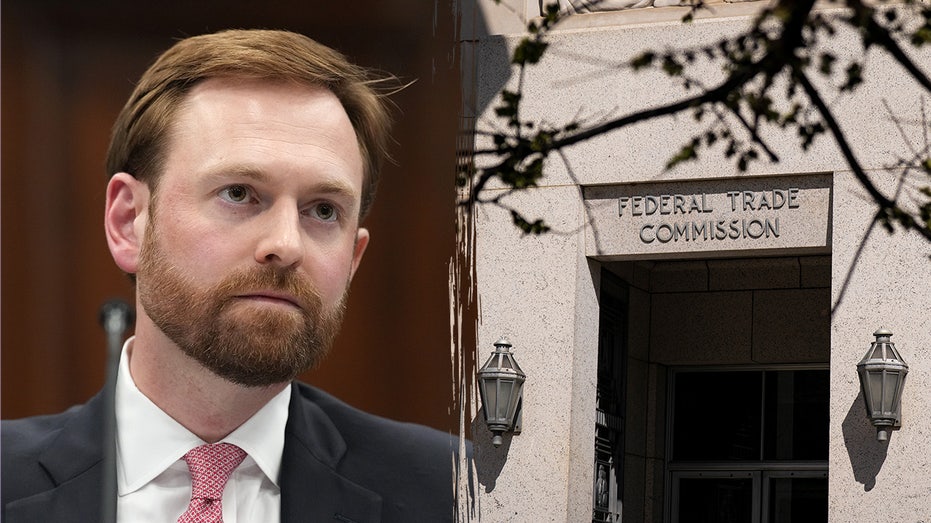
Andrew Ferguson became the FTC chair under President Donald Trump’s administration, putting into action a long-sought attack on junk fees and a lack of transparency from the previous administration of former President Joe Biden. (Kevin Dietsch/Getty Images; Getty / Getty Images)
CLICK HERE TO DOWNLOAD THE FOX NEWS APP
Beyond the monetary relief, the proposed order would bar StubHub from misrepresenting the total price of goods or services, the nature or amount of fees, the final payment amount, and other material facts, including refund and cancellation terms.
The commission voted 2-0 to authorize the complaint and stipulated final order. The case was filed in federal court in the Southern District of New York. The settlement will take effect if approved by a district court judge.

INDIO, Calif. — Sabrina Carpenter turned the Coachella main stage into her own cinematic playground Friday night, delivering a high-concept, star-studded headlining performance that blended old Hollywood glamour, cheeky humor and hit-packed energy into one of the most ambitious festival sets in recent memory.

The 26-year-old pop star made good on her promise of the “most ambitious show I’ve ever done,” transforming the Empire Polo Club into “Sabrinawood” — a playful nod to the Hollywood sign — with elaborate set pieces, multiple costume changes, backing dancers and surprise celebrity cameos. Starting shortly after 9 p.m., her roughly 90-minute set opened with a film noir-style video intro featuring Sam Elliott as a menacing cop pulling her over in a vintage vehicle. Carpenter then emerged onstage to launch into “House Tour,” kicking off a tightly choreographed production that mixed Broadway flair, raunchy wit and pure pop spectacle.
From the outset, Carpenter showcased strong live vocals that sounded pristine even amid constant movement, including a treadmill segment during “My Man on Willpower.” The set drew heavily from her 2025 album “Man’s Best Friend” and earlier hits, opening with a confident run of “House Tour,” “Taste,” “Busy Woman” and “Manchild” — the latter featuring dancers in dog costumes that drew cheers and laughs from the massive crowd.
A towering “Sabrinawood” sign lit up during “When Did You Get Hot?,” serving as both backdrop and prop as Carpenter walked around and over it. The production, designed by Stufish Entertainment Architects, featured modular sets that shifted seamlessly between acts, evoking a young star’s journey through the glittering but chaotic machinery of fame. Costume changes were frequent and thematic, enhancing the theatrical revue feel without disrupting momentum for long.
Celebrity cameos added star power and humor. Susan Sarandon appeared in a pre-recorded interlude as an older version of Carpenter, delivering a monologue that drew mixed reactions — some found it charmingly bizarre, while others noted brief pacing lulls during skits. Will Ferrell popped up as a bumbling electrician, and Carpenter’s “Girl Meets World” co-star Corey Fogelmanis played a waiter. Samuel L. Jackson provided a voice cameo mid-“Juno,” booming, “Now Sabrina, finish the motherfucking song,” which elicited huge cheers.
The setlist balanced deep cuts with crowd-pleasers. Early highlights included live debuts or rare performances of “We Almost Broke Up Again Last Night,” “Such A Funny Way” and “Sugar Talking,” supported by live instrumentation from Jack Antonoff’s band Bleachers that gave songs a warmer, more communal feel. Mid-set transitions featured playful interpolations, such as elements of Barry Manilow’s “Copacabana” woven into “Feather.” The show closed with high-energy anthems “Juno,” “Espresso,” “Goodbye” and “Tears,” the latter featuring an elaborate water effect that capped the night on a visually stunning note.
Critics largely hailed the performance as a career milestone. Billboard called it a “superstar-caliber headline performance,” praising Carpenter’s confidence in burning major hits early while still keeping the energy high through creative arrangements and visuals. Variety described it as “rollicking, raunchy and hit-filled,” noting the successful fusion of sex appeal, silliness and old Hollywood flair. Rolling Stone and The Guardian praised the “madcap maximalism” and how Carpenter “wrapped Coachella around her finger,” with elaborate world-building that stood out even against past ambitious headliners like Lady Gaga.
Social media reactions were overwhelmingly positive, with clips of the “Sabrinawood” reveal, dog dancers and celebrity moments racking up millions of views. Fans celebrated the theatrical ambition and Carpenter’s vocal delivery, many calling it one of the best Coachella headlining sets in years. Some noted minor pacing issues during costume changes or skits, but these were overshadowed by the overall execution and hit density.
The performance came two years after Carpenter’s memorable 2024 Coachella appearance, where she teased bigger things to come. Friday’s set fulfilled that promise, showcasing her growth from breakout star to a pop artist capable of commanding one of music’s biggest stages with a fully realized vision. It also highlighted material from “Man’s Best Friend,” giving deeper cuts new life through lively arrangements and staging.
Carpenter’s ability to blend humor, vulnerability and pure entertainment shone throughout. The set never felt overly serious, leaning into her signature cheeky persona while delivering moments of genuine spectacle. Live instrumentation added warmth, particularly on mid-tempo tracks, helping the desert crowd connect even during more introspective numbers.
As the first headliner of Coachella 2026’s opening night, Carpenter set a high bar for the weekend, which continues with Justin Bieber on Saturday and Karol G on Sunday. Her set quickly became a talking point, with many comparing it favorably to recent ambitious productions and predicting it will be remembered as a defining moment in her rapid rise.
For a festival known for discovery and eclectic lineups, Carpenter’s Hollywood-themed opus brought mainstream pop polish and cinematic ambition that resonated with both longtime fans and newcomers. The production values, choreography and seamless integration of video and live elements demonstrated months of careful planning, as Carpenter had hinted in pre-festival interviews.
While some attendees noted the set felt more like a polished arena or theater show transplanted to the desert, the vast majority left impressed by the scale and creativity. The inclusion of newer material alongside established hits struck an effective balance, introducing fresh songs while satisfying sing-along demands.
As clips and reviews continue circulating, Sabrina Carpenter’s Coachella 2026 headlining debut stands as a confident declaration of her status among pop’s current elite. She didn’t just perform — she built a world, invited guests into it and left the desert buzzing with “Sabrinawood” energy that will likely echo through the rest of the festival and her career.
The 25th edition of Coachella continues through the weekend, but Carpenter’s ambitious opening-night triumph has already secured its place among the event’s most memorable headline moments.

AUGUSTA, Ga. — Golf fans seeking to watch the final round of the 2026 Masters Tournament on Sunday, April 12, have multiple viewing options ranging from free official streams to traditional television broadcasts and premium streaming services, with comprehensive digital coverage available directly from Augusta National Golf Club.

AFP
The 90th Masters reaches its climax today with leaders teeing off in the final groups around 2 p.m. ET. CBS will air the primary broadcast from 2-7 p.m. ET, simulcast on Paramount+ for streaming viewers. Early final-round coverage begins at noon on Paramount+ and Masters.com/Masters App, providing extensive supplemental streams that have become a hallmark of the tournament.
The official Masters.com website and Masters App offer the most extensive free access for U.S. viewers. Full live coverage runs from noon-7 p.m. ET on Sunday, including simulcasts of the main broadcast, featured groups, Amen Corner, Holes 4-5-6, Holes 15-16, and “On the Range” segments. This free digital platform delivers more cameras and angles than traditional TV, allowing fans to customize their viewing experience by following specific players or iconic holes.
For those without cable, Paramount+ serves as the go-to streaming service for the CBS portion of the weekend rounds. Subscribers can access the main broadcast from 2-7 p.m. ET, with early coverage starting at noon. Paramount+ also carries additional Masters Live channels, making it a strong all-in-one option for comprehensive viewing.
Amazon Prime Video handled early-round coverage earlier in the week (1-3 p.m. ET on Thursday and Friday), while ESPN broadcast the bulk of the first two rounds (3-7:30 p.m. ET) and provided app-based access. On Sunday, ESPN’s role is limited to Spanish-language coverage on ESPN Deportes from 5-7 p.m. ET.
Live From the Masters pre- and post-round shows air on Golf Channel throughout the day, offering analysis and behind-the-scenes insights. SiriusXM provides radio coverage from 2-8 p.m. ET for audio-only fans.
International viewers should check the official Masters “Where to Watch” page, which lists local broadcast partners by country. Rights vary widely — Sky Sports in the UK, Fox Sports in Australia, and various providers across Europe, Asia and Latin America. Many international streams are available through local apps or websites, often with their own supplemental coverage.
Cord-cutters have several live TV streaming options that carry the necessary channels. Services like YouTube TV, Hulu + Live TV, Fubo and DirecTV Stream typically include CBS, ESPN and Golf Channel, allowing full access to the broadcast schedule. Many offer free trials, though availability depends on location and current promotions.
The Masters has expanded its digital footprint significantly in recent years. In addition to the main site and app, fans can access featured group streams, hole-specific cameras and player tracking tools. This multi-platform approach gives viewers more control than almost any other major sporting event, letting them switch between Amen Corner drama and individual player pursuits.
Weather and course conditions at Augusta National often add drama to the final round, with fast greens and tricky pin placements testing even the best players. Live streams on Masters.com allow real-time shot tracking and statistics that enhance the viewing experience beyond what linear TV provides.
For mobile users, the Masters App (available on iOS and Android) delivers optimized streams, notifications for key moments and the ability to build custom viewing playlists. CBS Sports Digital platforms, including the CBS Sports app, also carry supplemental coverage.
Blackout restrictions are minimal for the official Masters streams, though some supplemental content may vary by platform. International users outside their home broadcast territories may need a VPN to access geo-restricted free streams on Masters.com, though this depends on local rights agreements.
The tournament’s unique no-commercials-during-play policy on its digital platforms creates a cleaner viewing experience compared to many other sports broadcasts. This commercial-free approach, combined with high production values, has made the Masters one of the most viewer-friendly major championships.
As the final round progresses, expect leaderboards to update in real time across all platforms. Contenders will battle Augusta National’s demanding layout, where past champions and rising stars alike have produced memorable moments under pressure.
Fans planning to watch should ensure their devices and internet connections are ready for high-definition streaming, particularly if following multiple camera feeds simultaneously. Official apps often perform better than browser-based viewing for multi-stream experiences.
The 2026 Masters has drawn strong viewership throughout the week, building anticipation for a dramatic conclusion. Whether tuning in for free on Masters.com, subscribing to Paramount+ for the CBS broadcast, or using a live TV streamer, viewers have more ways than ever to experience golf’s first major of the year.
For the most complete coverage, starting with the official Masters website or app remains the recommended first step. There, fans can explore all available streams and build their ideal viewing setup as the final groups navigate the back nine in pursuit of the green jacket.
Additional resources, including tee times, player pairings and scoring, are also available on Masters.com and major sports sites throughout the day.
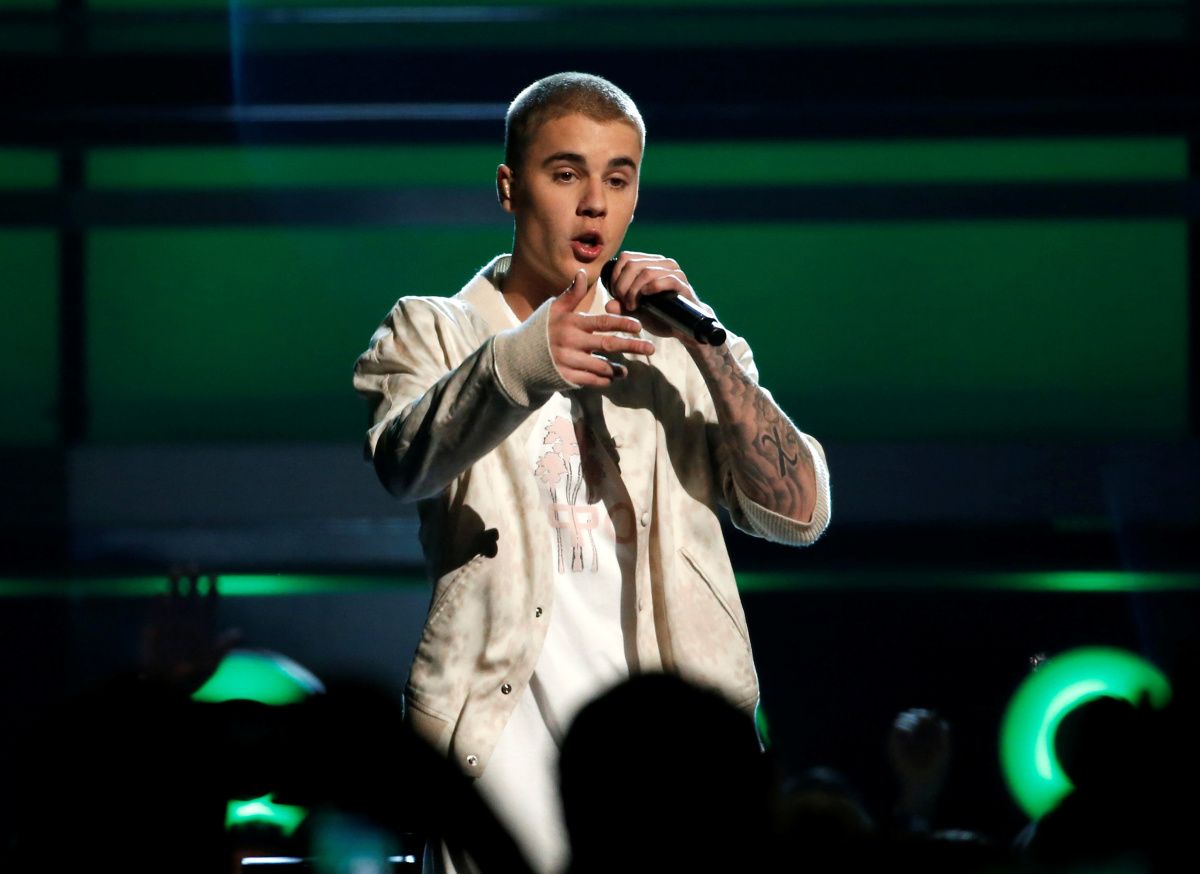
INDIO, Calif. — Justin Bieber made his long-awaited Coachella headlining debut Saturday night with a deliberately low-key, introspective performance that left the massive desert crowd and online viewers sharply divided — thrilling core Beliebers with raw vocal moments and newer material while frustrating many casual fans who expected high-energy hits and festival-scale production.

The 32-year-old pop superstar took the main Coachella Stage at 11:25 p.m. following sets by The Strokes and Giveon, marking his first billed headline appearance at the festival after years of limited live shows due to health issues, including Ramsay Hunt syndrome that sidelined his 2022 Justice World Tour. Billed as a major comeback moment, Bieber’s roughly 90-minute set leaned heavily into mid-tempo tracks and ballads from his recent “Swag” and “Swag II” albums, performed with minimal staging that left him largely alone on the expansive platform for long stretches.
Reviewers described the production as basic and sparse — no elaborate visuals, dancers or pyrotechnics — contrasting sharply with Sabrina Carpenter’s theatrical “Sabrinawood” spectacle the previous night. Bieber opened with a run of newer songs, including “First Place,” “All the Way” and other cuts from the “Swag” projects, showcasing strong vocals but testing the patience of a festival audience primed for sing-alongs and spectacle. A mid-set acoustic segment with guest guitarists led to noticeable crowd movement, with some attendees heading for exits during deeper cuts.
Guest appearances provided highlights: The Kid Laroi joined for an energetic “Stay,” while Dijon, Wizkid and Mk.gee added variety in later segments. These moments injected life into the set, yet many observers noted the overall energy felt subdued for a headlining slot at one of music’s biggest stages. Clips circulating online captured Bieber pulling up his own music videos on a device for throwback segments, singing along to classics like “Baby” in what some called an intimate, nostalgic touch and others labeled “YouTube karaoke” or lazy.
Rolling Stone called the performance a “mixed bag” that satiated dedicated fans but fell short of expectations for a high-impact festival set. The review noted it was far from a disaster like Frank Ocean’s 2023 headline meltdown but felt too basic to justify the hype surrounding Bieber’s return. Social media reactions were equally split: Beliebers praised the authenticity, vocal control and personal vibe after Bieber’s focus on family and mental health in recent years, with some TikTok users describing it as “raw and intimate” and “exactly what I needed.”
Critics and casual attendees were less forgiving. Many pointed to the heavy emphasis on newer, less familiar material and the lack of production as mismatched for Coachella’s party atmosphere. Memes and comments flooded platforms questioning the reported multimillion-dollar booking fee — rumored around $10 million — with some accusing Bieber of minimal effort. One viral post quipped, “Not Justin scamming Coachella out of $10 million to play songs off YouTube.” The audience appeared quieter than expected for a headliner, with energy dipping during slower stretches despite the massive turnout drawn by Bieber’s star power.
The setlist leaned into Bieber’s evolution as an artist, prioritizing mood and introspection over nostalgia. While some throwbacks appeared later, often via video-assisted segments, the balance tilted toward recent releases. This choice aligned with Bieber’s current creative direction but clashed with festival expectations for crowd-pleasing hits. Sound quality drew mixed feedback, with some on-site reports noting it didn’t always translate powerfully in the open desert air.
Despite the criticism, Bieber broke Coachella-related records in pre-show buzz and attendance metrics, underscoring his enduring global draw. Beliebers traveled from around the world, camping early and creating a sea of phones during key moments. The performance capped a day that also featured strong supporting acts, yet comparisons to Carpenter’s ambitious Friday set amplified the divide. Where Carpenter delivered cinematic production and celebrity cameos, Bieber opted for something closer to a stripped-down club or arena show transplanted to the main stage.
Industry analysts noted the high stakes for Bieber, whose last major U.S. headline run was years ago. The Coachella booking was viewed as a statement return, especially after soundcheck leaks and private rehearsals hinted at a blend of old and new. In the end, the executed approach prioritized artistic integrity over spectacle, a gamble that resonated deeply with some while alienating others in the broad festival crowd.
Social media amplified the discourse throughout the night and into Sunday. Hashtags like #Bieberchella trended with a mix of defense and disappointment. Defenders emphasized Bieber’s vocal strength post-health challenges and argued the intimate format reflected growth beyond polished pop routines. Detractors questioned whether it met the standards of a Coachella headliner in the viral era, where production value and memorable moments often define success.
As the first weekend of Coachella 2026 unfolded, Bieber’s set quickly became one of its most discussed elements alongside Carpenter’s triumph and anticipation for Karol G’s historic Sunday close. The contrast highlighted different approaches to festival headlining: one embracing theatrical entertainment, the other leaning into personal authenticity.
Bieber has yet to address the mixed reception publicly as the festival continues with its second weekend April 17-19, where he is scheduled to perform again. Whether adjustments occur remains unclear, but the debut has already sparked broader conversations about expectations for superstar performances, the balance between artistic vision and audience demands, and how social media shapes perceptions in real time.
For many longtime fans, the show delivered nostalgic glimpses and confirmation of Bieber’s talent amid his post-hiatus evolution. The lighter, mood-driven presentation may translate better in replay or smaller venues, even if it felt mismatched for the desert’s grand scale. Yet the vocal disappointment from segments of the crowd underscored the pressure on modern headliners to deliver both substance and spectacle.
Coachella’s 25th edition continues to blend big names with eclectic programming, and Bieber’s polarizing performance has added fuel to ongoing debates about what constitutes a successful headline set under the desert lights. As reviews and clips circulate, the set stands as a testament to Bieber’s willingness to prioritize his current artistic self over easy crowd-pleasers — a choice that may define how his comeback is remembered.
Whether viewed as a bold reclamation or a missed opportunity, Justin Bieber’s Coachella 2026 debut has undeniably left its mark, generating the kind of conversation that festivals thrive on long after the final chords fade.
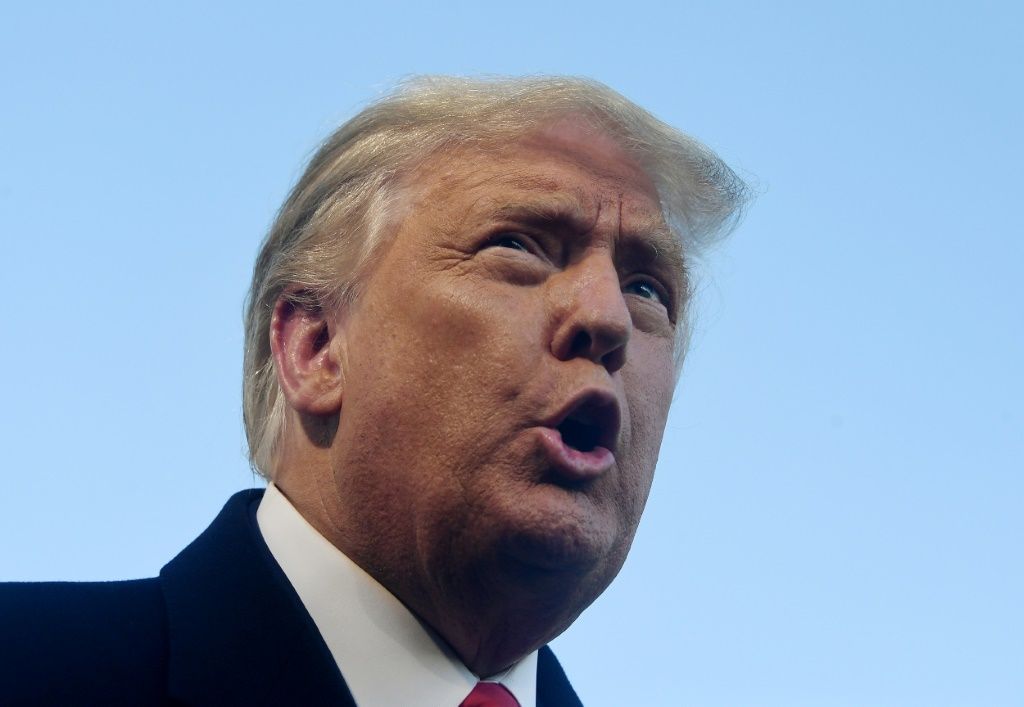
WASHINGTON — President Donald Trump announced Sunday that the U.S. Navy will immediately begin blockading the Strait of Hormuz after marathon peace talks with Iran in Islamabad ended without a deal, escalating tensions in a conflict that has already disrupted nearly one-fifth of global oil supplies for more than six weeks.

In a series of Truth Social posts and a Fox News interview, Trump declared the blockade “effective immediately,” instructing U.S. forces to prevent any ships from entering or leaving the critical waterway and to interdict vessels in international waters that paid tolls to Iran. He accused Tehran of “world extortion” and warned that the U.S. military is “locked and loaded” and prepared to “finish up the little that is left of Iran” at an appropriate moment.
The announcement came hours after Vice President JD Vance, who led the U.S. delegation, confirmed that 21 hours of face-to-face negotiations with Iranian officials produced no agreement and no scheduled follow-up sessions. Pakistani mediators urged both sides to preserve the fragile two-week ceasefire that began April 8, but disagreements over Iran’s nuclear program, regional proxies and control of the strait appear to have deadlocked the talks.
The Strait of Hormuz, a narrow chokepoint between Iran and Oman, normally carries about 20% of the world’s seaborne crude oil and significant liquefied natural gas. Iran effectively restricted most commercial traffic after U.S. and Israeli strikes began in late February, laying naval mines and warning of attacks on unauthorized vessels. Ship-tracking data shows traffic at well below 10% of normal levels, with hundreds of tankers stranded inside the Persian Gulf and only a handful of mostly Iran-linked ships transiting daily.
Trump’s blockade threat adds a new layer of complexity to an already paralyzed waterway. U.S. Central Command reported that two Navy guided-missile destroyers recently transited the strait as part of mine-clearing efforts, though Iran claimed the vessels retreated after warnings. Pentagon officials have said Iran may have lost track of some mines laid haphazardly during the fighting, raising safety risks even for limited traffic.
International reaction was swift and largely critical. Analysts described the move as potentially illegal under international law and warned it could trigger a wider regional war or severe economic shock. Oil prices, which eased slightly on initial ceasefire news, climbed again amid fears of prolonged disruption. Asian importers such as China, Japan and South Korea — heavily dependent on Gulf energy — face higher costs and possible shortages.
Iran responded sharply, with officials calling the crisis a “self-made problem” for the United States and asserting that no one can “close a closed strait.” Tehran has maintained that passage is possible only under its military coordination and, in some reports, with payment of transit fees that Trump labeled extortion. Iranian media suggested any U.S. blockade would worsen global disruptions without resolving underlying issues.
The conflict erupted in late February when U.S. and Israeli forces launched strikes targeting Iranian nuclear sites, missile facilities and military infrastructure. Iran retaliated by restricting the strait and launching attacks on regional targets. A fragile ceasefire took hold earlier this month after Trump set a deadline tied to reopening the waterway, but ongoing Israeli actions in Lebanon and disputes over sanctions relief and nuclear dismantlement have strained the pause.
U.S. officials claim the earlier strikes severely degraded Iran’s capabilities, destroying much of its navy, missile production and air defenses. Iran insists it retains the ability to defend its territorial waters and influence shipping through asymmetric means, including fast boats and coastal defenses.
Global shipping companies remain cautious. Major carriers have rerouted vessels or kept them idling, citing skyrocketing war-risk insurance and unresolved mine threats. Environmental groups raised concerns about potential spills or drifting mines affecting fishing grounds and coastal ecosystems in Oman and the United Arab Emirates.
In Congress, reactions split along partisan lines. Some Republicans supported strong action to counter Iranian aggression, while Democrats questioned whether the president has sufficient authorization for a blockade without congressional approval. Sen. Mark Warner, ranking Democrat on the Senate Intelligence Committee, said he would review any supplemental funding request for the conflict but emphasized the need for clear legal grounding.
Maritime experts note that implementing a full blockade would require significant naval resources and coordination with allies, many of whom have urged de-escalation. Former officials, including some who served in previous administrations, called the move risky but potentially necessary to reassert freedom of navigation if Iran continues restricting traffic.
As of Sunday evening, no immediate naval movements confirming the start of a physical blockade were reported beyond existing U.S. presence in the region. Trump indicated in his Fox interview that full implementation would take “a little while,” suggesting a phased approach focused first on intercepting toll-paying vessels.
The collapse of talks in Islamabad leaves the two-week ceasefire on shaky ground, with its expiration approaching on April 22. Neither side outlined next steps, though Pakistani officials expressed hope that back-channel diplomacy could resume.
For global markets and energy security, the stakes are enormous. A prolonged closure or active blockade of the strait could push oil prices well above $100 per barrel and disrupt fertilizer and chemical shipments critical for agriculture. Alternative routes around Africa add time and cost, straining supply chains already under pressure.
The situation also tests alliances. Gulf states, caught between Iran and the U.S., have called for unconditional reopening to stabilize energy markets. European and Asian governments have quietly urged restraint while preparing contingency plans for energy shortfalls.
Trump’s announcement underscores his administration’s hard-line stance: the strait must open fully and safely without Iran profiting or imposing conditions. Iran, meanwhile, views the waterway as sovereign territory where it can enforce security and seek compensation for damages from the conflict.
As night fell in the region, shipping data showed continued minimal activity. Live trackers indicated sparse movements, mostly outbound Iranian vessels, with commercial operators holding position outside the area.
The coming days will test whether Trump’s blockade threat prompts Iran to ease restrictions or leads to further confrontation. U.S. forces in the Gulf remain on high alert, while diplomatic channels through third parties like Pakistan and Oman may offer the only path back from escalation.
For now, the world’s most vital energy artery remains a flashpoint where military posturing, economic pressure and failed negotiations collide, with global consequences hanging in the balance.

Financial Freedom dari Saham di Umur 29

Man charged with false imprisonment after Westhoughton incident

Flagship Launch Expected in May or June With Bold New Design


-

 Business7 days ago
Three Gulf funds agree to back Paramount’s $81 billion takeover of Warner, WSJ reports
-

 Politics2 days ago
US brings back mandatory military draft registration
-

 Fashion2 days ago
Weekend Open Thread: Veronica Beard
-

 Tech5 days ago
How Long Can You Drive With Expired Registration? What Florida Law Says
-

 Politics3 hours ago
World Cup exit makes Italy enter crisis mode
-

 Fashion6 days ago
Massimo Dutti Offers Inspiration for Your Summer Mood Board
-
 Sports2 days ago
Man United discover Nico Schlotterbeck transfer fee as defender reaches Dortmund agreement
-

 Crypto World3 days ago
Canary Capital Files SEC Registration for PEPE ETF
-

 Fashion5 days ago
Let’s Discuss: DEI in 2026
-

 Business2 days ago
Tesla Model Y Tops China Auto Sales in March 2026 With 39,827 Registrations, Beating Cheaper EVs and Gas Cars
-

 Crypto World4 days ago
Bitcoin recovers as US and Iran Agree a Ceasefire Deal
-

 Politics3 days ago
Malcolm In The Middle OG Turned Down ‘Buckets Of Money’ To Appear In Reboot
-

 Business2 days ago
OpenAI Halts Stargate UK Data Centre Project Over Energy Costs and Copyright Row
-

 Business1 day ago
Ireland Fuel Protests Enter Day 5 as Blockades Spark Shortages and Government Prepares Support Package
-

 Tech6 days ago
Italian court says Netflix must refund customers up to $576 over price hikes
-

 Tech6 days ago
Gamer Restores the Original PlayStation Portal From Two Decades Ago
-

 Tech6 days ago
Haier is betting big that your next TV purchase will be one of these
-

 Tech6 days ago
The Xiaomi 17 Ultra has some impressive add-ons that make snapping photos really fun
-

 Tech6 days ago
Samsung just gave up on its own Messages app
-

 Politics2 days ago
LBC Presenter Mocks Trump Over Iran War Failures
You must be logged in to post a comment Login