

Business
Why Finance Teams Are Quietly Automating the Admin Out of Their Working Week


Ask anyone who runs a finance function in a small or medium-sized business how much of the week is genuinely strategic, and you tend to get a wry answer.
The forecasting, the cash-flow planning, the conversations with the board: that is the work that matters. But it sits behind a wall of admin. There are invoices to raise, statements to reconcile, supplier bills to key in, and month-end reports to assemble by hand.
For years that admin was simply the cost of doing business, and someone usually typed the numbers in. What has changed is not the work itself but the tools available to absorb it. A finance team in 2026 has practical, affordable ways to take the most repetitive tasks off the desk entirely, and a growing number are doing exactly that.
The admin tax that finance teams have stopped accepting
Every finance function pays what you might call an admin tax. It is the slice of each week that goes on tasks that are necessary but add no insight. Re-keying a supplier invoice does not make the business better informed, and matching bank-feed lines against the ledger does not change the cash position. The work has to happen, but it generates no advantage.
The reason teams have started to push back is partly cost and partly risk. Manual processes are slow, but they are also where errors creep in. A transposed figure, a missed invoice or a duplicate payment each costs time to find and credibility to explain. So automating the routine layer is as much about accuracy and control as it is about speed. There is also a quieter motivation, which is retention. Finance staff who spend their days on data entry tend not to stay, but give them genuinely analytical work and the role becomes one people want to keep.
Invoicing and accounts payable: the obvious place to begin
If you are choosing one process to automate first, start where the volume is highest and the rules are clearest. For most SMEs that means invoicing on the way out and accounts payable on the way in. On the sales side, the well-trodden ground includes raising and sending invoices straight from your accounting system, chasing overdue payments with automatic reminders, and reconciling receipts against the bank feed. The software is mature and the payback is immediate.
Accounts payable is the higher-value target. Supplier bills arrive as PDFs and email attachments in no consistent format, so keying them in by hand is slow and error-prone. Modern tools can read an incoming invoice, extract the supplier, amount, date and line items, and post it to the ledger for a human to approve rather than to type. The person stays in the loop where judgement is needed and is removed from the part that is pure transcription.
Reconciliation, the task nobody volunteers for
Bank reconciliation is the work finance teams most want to hand over, and with good reason. It is repetitive, it is unforgiving of small errors, and it expands to fill whatever time month-end allows. Reconciliation is also unusually well suited to automation, because most of it follows consistent patterns. A large share of transactions match cleanly against the ledger and can be cleared automatically, so only the genuine exceptions need a human eye.
A sensible setup does precisely that. It surfaces the handful of items that do not reconcile so the team spends its attention on the discrepancies that actually matter. Done well, the value is twofold. Month-end gets faster, and the numbers become more current. When reconciliation is continuous rather than a monthly scramble, the business is always working from a near-live picture of its cash position.
Reporting that assembles itself
The monthly reporting pack is where a great deal of skilled time quietly disappears. Someone exports figures, pastes them into a spreadsheet, formats the tables, builds the commentary and circulates the result. By the time the board reads it, the data is weeks old.
Automating the assembly of routine reports changes the rhythm. Management accounts, cash-flow summaries and the standard board pack can be generated on a schedule, pulling from live data so the figures are current the moment they land. The finance team’s role shifts from building the report to interpreting it, explaining what the numbers mean and what should happen next.
This is where automation pays its most strategic dividend. The bottleneck in most finance functions is not the analysis; it is getting to the point where analysis can begin. For organisations weighing up where to start, a clear-eyed assessment of AI finance automation and how it fits an existing accounting system is a more useful first step than chasing the longest feature list.
What good automation actually looks like
What separates a sound finance-automation project from an expensive one is worth being precise about, because the difference is not the technology.
It works with your accounting platform, not around it. If you run Xero or a comparable system, automation should connect to it directly rather than bolting on a parallel process people have to remember to maintain.
- It keeps a human at every decision point. Software should handle transcription and matching; people should approve payments. Approval is a control, not a delay to engineer away.
- It leaves a clear audit trail. Every automated action should be logged and reviewable. Your auditors, and your own peace of mind, depend on seeing what happened and why.
- It starts narrow. The most successful projects automate one well-understood process, prove it, then expand. Trying to transform everything at once is how budgets and patience both run out.
- It is honest about exceptions. No process is fully predictable. Good automation handles routine cases confidently and routes the unusual ones to a person, rather than forcing every case through the same template.
A project that meets these tests tends to deliver. One that ignores them tends to become the thing the team works around.
Turning a cost centre into a thinking function
The finance teams getting the most from automation are not the ones with the biggest software budgets. They are the ones who looked honestly at their week, identified the tasks that consumed time without producing insight, and removed those tasks deliberately, one at a time, starting with the highest-volume work. The destination is worth being clear about. It is not a finance function with fewer people, but one where the people spend their hours on the work only they can do: understanding the numbers, spotting the risks, and helping the business decide where to go next. The admin tax was always optional, and more and more finance teams have simply decided to stop paying it.

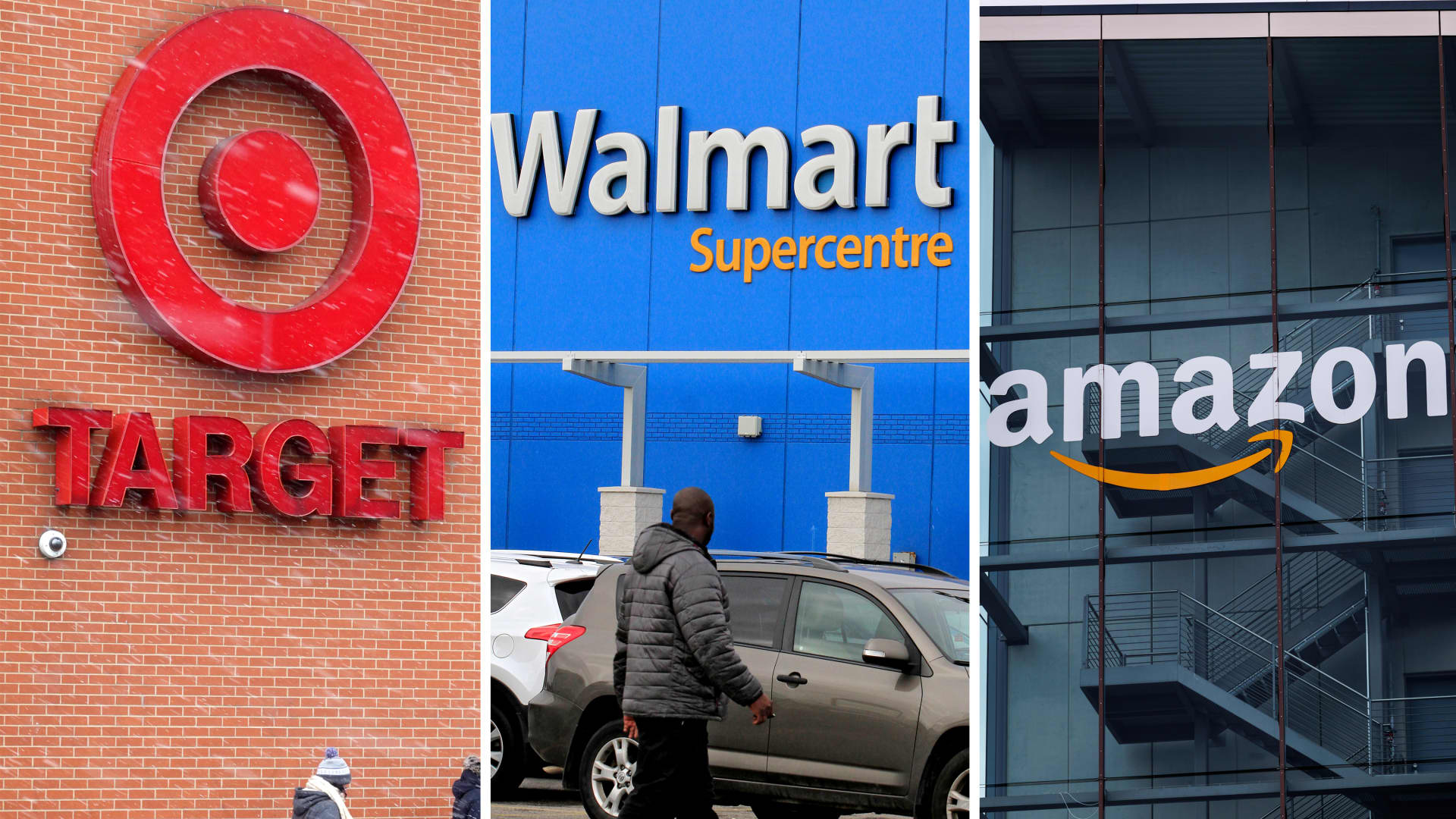
LGBTQ+ consumers are shifting their brand loyalties based on companies’ diversity, equity and inclusion policies, according to new research from the Human Rights Campaign Foundation.
The findings released Wednesday found that nearly 72% of LGBTQ+ consumers say they buy fewer products from companies they perceive as “reducing diversity and inclusion commitments.” Nearly 70% also said they have refused purchases from those businesses at least some of the time.
The five companies those respondents most frequently linked to reduced spending were Target, Walmart, Amazon, Chick-Fil-A and Home Depot.
On the other hand, HRC’s survey found nearly 70% of LGBTQ+ consumers are also rewarding companies they view as supportive of diversity and inclusion. Costco, Apple, Ben & Jerry’s, Delta Air Lines and Kroger were the five companies most frequently cited as recipients of higher spending.
“Consumers aren’t asking the brand to be perfect they’re asking them to be transparent and clear on where they stand,” said Human Rights Campaign spokesman Jonathan Lovitz.
“There is a gap to close between perception and what you’re doing inside,” he added.
HRC’s survey comes as a growing number of companies have scaled back diversity initiatives, modified public-facing DEI programs or ended participation in the organization’s annual Corporate Equality Index. Earlier this year, HRC reported a sharp decline in participation in the index, a benchmark that has long measured workplace policies and benefits for LGBTQ+ employees. Participation among Fortune 500 companies fell 65% from 377 companies in 2025 to 131 in 2026.
The National LGBT Chamber of Commerce estimates LGBTQ+ consumers represent more than $1.7 trillion to the U.S. economy.
In response to the survey, Amazon told CNBC it is fostering opportunities for employees and serving a diverse customer base.
“We’ve continued to support our employees with opportunities that allow them to grow, thrive, and connect internally and in their communities,” said a company spokesperson.
The other companies mentioned in the survey did not immediately comment.
A customer walks by a Pride Month merchandise display at a Target store on May 31, 2023 in San Francisco, California.
Justin Sullivan | Getty Images News | Getty Images
U.S. shoppers have increasingly mobilized for or against companies based on their DEI policies. Target, for instance, has faced consumer backlash from both sides of the political spectrum over its approach and was the most cited company among survey respondents who said they reduced their spending.
Self-identified Republicans reduced spending at Target during the summer of 2023 following controversy surrounding the retailer’s Pride Month merchandise display, according to spending data from Consumer Edge. In early 2025, spending among self-identified Democrats also declined after the company rolled back several DEI initiatives.
In the company’s most recent quarter, however, the retailer reported its first positive same-store sales number in five quarters.
Target also continues to maintain some publicly visible LGBTQ+ partnerships, including serving as a platinum sponsor of NYC Pride’s 2026 celebration.
Costco was the most frequently cited company among consumers who said they increased their spending, according to the HRC survey. The retailer has remained one of the more vocal corporate defenders of diversity initiatives, and earlier this year shareholders overwhelmingly voted against a proposal that would have required the company to evaluate risks associated with its diversity, equity and inclusion programs.
“Companies who have the longest run of trust with customers in the [LGBTQ+] community is they didn’t change anything about what they were doing but remained consistent,” said Lovitz.
Consumer Edge data showed Costco posted the strongest year-over-year spending growth among self-identified Democratic consumers in the months following that vote.
Business
Reddit Theories Proliferate in Nancy Guthrie Disappearance as Search for Savannah’s Mother Enters Fifth Month

TUCSON, Ariz. — Speculation continues to swirl online about the disappearance of Nancy Guthrie, the 84-year-old mother of “Today” show co-host Savannah Guthrie, more than four months after she vanished from her home in the Catalina Foothills area near Tucson.
No arrests have been made and no suspect has been publicly identified in what authorities describe as an active investigation involving possible abduction. Pima County Sheriff Chris Nanos has emphasized the painstaking nature of processing evidence, particularly DNA analysis from the scene.
Guthrie was last seen around 9:45 p.m. on Jan. 31, 2026. She was reported missing the following day. Security footage reportedly captured images of a masked individual approaching the home that night, adding to the mystery surrounding the case.
Online Speculation and Reddit Discussions
As the case has stretched into June, Reddit threads and other social media platforms have become hubs for amateur analysis and unverified theories. A popular discussion titled along the lines of “What do you think happened to Nancy Guthrie?” features users weighing possible motives and perpetrators.
One contributor suggested the incident involved someone familiar with the family, such as “an acquaintance, stalker, or prior employee (housekeeper, gardener, etc.) who got in too deep.” Others pointed to Google search data showing queries for Guthrie’s address and Savannah Guthrie’s salary from an Arizona-based user weeks before the disappearance.
Forensic details shared publicly, including reports of blood spatter at the residence, have fueled additional conjecture. Some posters theorize a botched robbery or ransom attempt that turned fatal, while others speculate on connections to Savannah Guthrie’s professional work, including interviews with Epstein case survivors.
Authorities have not confirmed or commented on these specific online claims. Sheriff Nanos has noted that the investigation relies heavily on laboratory results and digital evidence analysis, processes that follow strict scientific protocols and cannot be rushed.
Recent Search Efforts in Mexico
Volunteers conducted searches in Mexico in June following an anonymous tip that Guthrie’s remains might be located near the Arizona border. The Buscando Corazones collective in Nogales, Sonora, responded to information suggesting a possible burial site in a stream area near the Mariposa Port of Entry.
The group, known for locating unmarked graves in the region, found no evidence linking to Guthrie despite thorough efforts. Pima County Sheriff’s Department officials later stated they had not been contacted by Mexican authorities regarding any developments tied to the case.
The sheriff’s office addressed circulating online information in an official statement: “At this time, we have not been contacted by Mexican authorities. This investigation remains active and ongoing, and we will continue to follow up on any credible information.”
Investigation Challenges and Updates
Sheriff Nanos has described the probe as “tedious” due to the need for thorough lab work. At the 100-day mark in May, officials indicated that scientific evidence processing and digital media analysis were continuing. Family members, including Savannah Guthrie, have offered a substantial reward for information leading to her mother’s recovery.
Savannah Guthrie has spoken publicly about the emotional toll, returning to work while maintaining hope. In early June, she shared messages emphasizing her commitment to never stopping the search. The family was cleared early on of involvement, according to authorities.
Forensic genealogy and other advanced techniques are reportedly underway. Challenges include separating multiple DNA profiles from the home and analyzing surveillance and digital footprints. The case has drawn comparisons to other high-profile missing persons investigations but stands out due to the victim’s connection to a prominent journalist.
Community and Media Attention
The disappearance has captured widespread attention, with yellow flowers and notes accumulating at the family home as a makeshift memorial. Volunteers and online sleuths have inserted themselves into the story, sometimes leading to tensions with law enforcement. Recent arrests of individuals accused of disrupting the neighborhood highlight ongoing sensitivities around the crime scene.
Experts and former investigators have offered public commentary on potential next steps, stressing the importance of following all leads without premature dismissal. The prolonged timeline has tested community patience, yet officials maintain that steady progress is being made behind the scenes.
Nancy Guthrie’s daily medication for a heart condition was reportedly left behind, raising concerns about her well-being if she remains alive. The family has leaned on faith and public appeals to keep attention focused on finding answers.
Broader Context of Missing Persons Cases
Guthrie’s case is one of thousands of missing persons reports in the United States annually. Her situation highlights the unique challenges when the victim is elderly and the circumstances suggest foul play without clear motive or immediate leads.
Pima County authorities continue coordinating with federal partners, though decisions on the extent of involvement rest with local leadership. FBI Director Kash Patel noted in interviews that assistance was offered early but uptake depends on local protocols.
As summer progresses, the investigation enters a phase where digital analysis, witness statements and potential new tips become critical. The $1 million family reward remains active, underscoring the urgency for resolution.
Public interest shows no signs of waning, with true crime enthusiasts and concerned citizens monitoring developments closely. Reddit and other forums serve as outlets for discussion, though officials caution against misinformation that could hinder the official probe.
The emotional weight on the Guthrie family remains profound. Savannah Guthrie’s return to broadcasting while advocating for her mother’s case has drawn admiration from viewers and colleagues. Her messages emphasize resilience and the power of community support in the face of uncertainty.
Law enforcement urges anyone with credible information to contact the Pima County Sheriff’s Department directly. As the search crosses the five-month threshold, hope persists alongside the grim reality that many such cases evolve slowly toward answers.
The community in Tucson and beyond continues to hold vigils and share information in the hope of bringing Nancy Guthrie home or achieving closure. The case serves as a stark reminder of vulnerabilities even in seemingly secure neighborhoods and the far-reaching impact of high-profile disappearances.


BeniCaros, made from upcycled carrot pomace, stimulates beneficial bacteria.


Luigi Mangione seeks ‘extreme emotional disturbance’ defense in CEO killing case


Sandisk: Easy Money Has Been Made, Can't Go Broke Taking Some Profits (Rating Downgrade)

TORONTO — Ghana and Panama meet for the first time when they open Group L play at the 2026 World Cup on Wednesday at BMO Field, with both sides seeking a positive start in a tough pool featuring England and Croatia.
The Black Stars, making their fifth World Cup appearance, arrive with questions after a turbulent buildup. Panama, in just its second finals, brings stability and ambition to claim its first-ever World Cup victory.
Ghana sits 73rd in the FIFA rankings, down from higher placements in recent cycles. The West Africans cruised through qualifying but failed to reach the last Africa Cup of Nations. Coach Otto Addo departed in April, paving the way for veteran Portuguese tactician Carlos Queiroz, who becomes only the third manager to lead a team at five World Cups.
Injuries have hampered preparations. Key absences include midfielder Mohammed Kudus due to a quad injury and defender Alexander Djiku. Thomas Partey faces visa issues for Canada and is unavailable. The squad relies on experience from players like Jordan Ayew and emerging talents such as Antoine Semenyo of Bournemouth.
Recent form offers little encouragement. Ghana has lost six of its last seven matches heading into the tournament, conceding heavily in several outings. World Cup history since the 2010 quarterfinal run remains modest, with just one win in the last seven finals games.
Queiroz aims for defensive solidity and organized attacking transitions. Predicted lineup in a 4-2-3-1: Lawrence Ati-Zigi in goal; Marvin Senaya, Jonas Adjetey, Jerome Opoku and Gideon Mensah across the back; Elisha Owusu and Caleb Yirenkyi in central midfield; with Antoine Semenyo, Inaki Williams, Abdul Fatawu Issahaku supporting Jordan Ayew up front.
Panama, ranked 34th, enters with greater cohesion under Danish-born coach Thomas Christiansen, who has led the team for nearly six years. The Canaleros qualified as the sole Concacaf representative outside the co-hosts and showed marked improvement from their goalless 2018 debut.
Christiansen’s side emphasizes high pressing and tactical discipline. Veterans like Anibal Godoy and Amir Murillo provide leadership, while dynamic attackers including Ismael Diaz and Jose Luis Rodriguez offer threat. Adalberto Carrasquilla remains a creative hub when fit.
Panama has scored consistently in buildup matches and kept clean sheets in stretches of qualifying. The team failed to score in just one of its last 12 games and netted multiple times in three of the previous five.
Predicted Panama lineup (3-4-3): Orlando Mosquera; Andres Andrade, Jiovany Ramos, Carlos Harvey; Amir Murillo, Anibal Godoy, Cristian Martinez, Eric Davis; Jose Luis Rodriguez, Cecilio Waterman or Jose Fajardo, Ismael Diaz.
This marks the nations’ first senior meeting. Ghana holds a slight historical edge against Concacaf sides in World Cups but enters as modest favorites despite the ranking gap and form woes. Betting markets list Ghana around +105 to +120, with the draw near +245 and Panama at +240 to +300.
Tactical Outlook and Key Matchups
Queiroz’s Ghana will likely prioritize compactness to blunt Panama’s press. The Black Stars possess individual quality in attack through Semenyo’s pace and Ayew’s movement, but defensive injuries create vulnerabilities. Set pieces and transitions could prove decisive.
Panama thrives in organized disruption. Christiansen’s pressing system targets transitions, and the side’s defensive structure has improved significantly. Midfield control via Godoy and potential Carrasquilla involvement will be crucial against Ghana’s central pairing.
Both coaches stressed preparation challenges. Panama views this as an opportunity to make history, while Ghana must stabilize quickly against stronger opponents later in the group.
Group Context and Broader Implications
Group L presents steep challenges. A result here could provide crucial momentum or early pressure. England and Croatia are expected to battle for top spot, leaving Ghana and Panama to fight for third or advancement surprises.
Ghana’s proud football heritage includes that near-semifinal in 2010. Supporters back home and in the diaspora hope Queiroz can instill belief. Political figures and musicians have rallied around the team, reflecting national unity around the Black Stars.
For Panama, reaching the knockout stage would represent enormous progress. Christiansen has transformed the program’s mentality from participation to competitiveness. “We’re no longer being outplayed, we can beat them,” he noted earlier in the cycle regarding stronger foes.
Betting Angles and Predictions
Analysts split on the outcome. Some favor Ghana narrowly due to attacking talent, while others see value in Panama’s form and Ghana’s disarray. A 1-1 draw appears frequently in previews, reflecting cautious openers. Over 2.5 goals carries moderate appeal given both sides’ recent scoring patterns.
Key player to watch: Antoine Semenyo. His Premier League experience and direct style could exploit any Panama gaps. For the visitors, Ismael Diaz offers creativity on the flank.
The match kicks off at 8 p.m. local time in Toronto. Neutral venue dynamics and tournament atmosphere add layers, as both teams adjust to the World Cup stage pressure.
Ghana needs to reverse poor momentum swiftly. Panama arrives confident and organized, eager to spring an upset. Expect a tense, tactical affair with limited early openings as both sides gauge each other in this historic first encounter.
A positive result for either could reshape Group L dynamics and boost confidence for tougher tests ahead. Football fans worldwide will watch to see which underdog narrative gains traction on opening night.


Uttam is a growth-oriented investment analyst whose equity research primarily focuses on the technology sector. Semiconductors, Artificial Intelligence and Cloud software are some of the key sectors that are regularly researched and published by him. His research also focuses on other areas such as MedTech, Defense Tech, and Renewable Energy. In addition, Uttam also authors The Pragmatic Optimist Newsletter along with his wife, Amrita Roy, who is also an author on the newsletter as well as on this platform. Their newsletter gets regularly cited by leading publications such as the Wall Street Journal, Forbes, etc. Prior to publishing his research, Uttam worked in Silicon Valley, leading teams for some of the largest technology firms in the world, including Apple and Google.
Analyst’s Disclosure: I/we have a beneficial long position in the shares of CORZ either through stock ownership, options, or other derivatives. I wrote this article myself, and it expresses my own opinions. I am not receiving compensation for it (other than from Seeking Alpha). I have no business relationship with any company whose stock is mentioned in this article.
Seeking Alpha’s Disclosure: Past performance is no guarantee of future results. No recommendation or advice is being given as to whether any investment is suitable for a particular investor. Any views or opinions expressed above may not reflect those of Seeking Alpha as a whole. Seeking Alpha is not a licensed securities dealer, broker or US investment adviser or investment bank. Our analysts are third party authors that include both professional investors and individual investors who may not be licensed or certified by any institute or regulatory body.

ARLINGTON, Texas — England and Croatia renew their rivalry on Wednesday in the opening match of Group L at the 2026 FIFA World Cup, with fans across North America and worldwide seeking clear viewing details for the highly anticipated clash at AT&T Stadium.
The Three Lions, chasing their first title since 1966, face a resilient Croatia side eager to build on past deep tournament runs. Broadcast coverage is widely available, ensuring global audiences can follow the action live as both teams aim for a strong start in the expanded 48-team competition.
How to Watch in the United States
The match airs live on FOX in English, with Spanish-language coverage on Telemundo. Streaming options include the FOX Sports app and website, as well as fubo for those without traditional cable. New fubo subscribers can access a free trial to stream the game and other tournament matches.
Additional platforms such as Hulu + Live TV and YouTube TV often carry FOX channels, depending on local availability. Viewers should confirm with their provider for the latest access details.
Kickoff Time and Venue Details
The game kicks off at 3 p.m. local time (Central Time) on Wednesday, June 17, at AT&T Stadium in Arlington, Texas. This translates to 4 p.m. Eastern, 2 p.m. Mountain and 1 p.m. Pacific.
AT&T Stadium, home to the NFL’s Dallas Cowboys, provides a massive capacity and modern facilities suitable for the World Cup’s scale. Gates typically open several hours before kickoff, with fans advised to plan for heavy traffic in the Dallas-Fort Worth area.
International Broadcast Information
In the United Kingdom, the match broadcasts free-to-air on ITV1, with streaming available via ITVX. Coverage begins around 8 p.m. BST ahead of the 9 p.m. kickoff. BBC and ITV share duties across the tournament, making many games accessible without subscription.
Other regions feature dedicated partners. Fans in India can tune into specific networks, while Australian viewers access coverage through SBS. Check local listings for exact channels and streaming services in your country, as rights vary.
Today’s Full World Cup Schedule
Wednesday’s Group L and other action includes:
Thursday brings additional group stage matches, including Czechia vs. South Africa and others. The full tournament runs through July 19, with 104 total games across 16 host cities in the United States, Canada and Mexico.
Group L Context and Team Backgrounds
England enters as one of the favorites, boasting a perfect qualifying record with eight wins, 22 goals scored and none conceded. Manager Thomas Tuchel has assembled a squad featuring Harry Kane, Jude Bellingham and Declan Rice, blending youth and experience.
Croatia, runners-up in 2018 and third place in 2022, relies on veterans like Luka Modric despite questions about aging legs. The team qualified strongly and brings tournament pedigree that could challenge England’s ambitions.
The sides share history, including Croatia’s 2018 semifinal victory over England. Recent encounters have favored the Three Lions, adding narrative weight to this opener.
Broader Tournament Overview
The 2026 World Cup marks the first hosted by three nations, with 48 teams competing in an expanded format. Host cities span the U.S., Canada and Mexico, from Atlanta to Vancouver. The final takes place July 19 at MetLife Stadium in New York/New Jersey.
Qualification produced compelling storylines. Automatic berths for hosts Canada, Mexico and the United States joined powerhouses like Argentina, Brazil, France and Germany. Debutants such as Uzbekistan add fresh intrigue.
Streaming has become central to the viewing experience. Peacock offers Spanish-language options alongside Telemundo, while English broadcasts dominate on FOX networks. International viewers may use official FIFA platforms or regional rights holders.
Practical Viewing Tips
Cord-cutters benefit from services like fubo, which carries major sports channels and supports multiple devices. Ensure a stable internet connection for live streams, especially during peak viewing hours. Apps often provide replays, highlights and multi-angle views post-match.
Time zone differences affect global fans. European audiences watch late evening, while Asian viewers tune in early morning. Official FIFA and broadcaster apps deliver schedules, notifications and team news.
Weather in Arlington on match day should be typical for mid-June Texas, with potential heat requiring fans at the stadium to stay hydrated. Neutral venue dynamics may influence atmosphere, as both English and Croatian supporters travel in numbers.
Match Significance
A strong result here sets the tone for Group L, which also includes Ghana and Panama. England seeks momentum toward ending its long title drought, while Croatia aims to defy expectations once more.
Analysts highlight key battles: Kane’s finishing against Croatia’s experienced defense, and midfield control involving Bellingham and Modric. Tactical adjustments under Tuchel and his Croatian counterpart will shape the contest.
Pre-match buzz includes fan gatherings in Dallas area venues. The game represents more than three points — it carries historical weight and shapes knockout path prospects in a competitive group.
Additional Resources
Fans can follow live updates through official tournament sites, broadcaster portals and sports apps. Post-match analysis, highlights and player interviews will be widely available shortly after full time.
For those unable to watch live, on-demand replays and condensed versions appear on streaming platforms within hours. Social media channels from FIFA, national teams and media outlets provide real-time updates and behind-the-scenes content.
The 2026 edition promises record viewership, leveraging digital innovation alongside traditional broadcasts. Whether at home, in a pub or at the stadium, supporters worldwide prepare for what could be a memorable opener.
England’s depth and home-continent advantage as a European side in North America contrast with Croatia’s resilience and counter-attacking threat. The outcome remains uncertain, but broadcast accessibility ensures no one misses the drama.
As the tournament unfolds, this Group L battle could prove pivotal. Tune in via FOX, fubo or regional partners to witness two storied programs begin their quests for glory.

NEW YORK — Shares of Space Exploration Technologies Corp., known as SpaceX, fell more than 2 percent Wednesday morning, reflecting typical post-IPO volatility for the newly public space and satellite giant less than a week after its record-breaking debut on the Nasdaq.
The stock, trading under the ticker SPCX, was down around 2.3 percent to approximately 197.13 in mid-morning trading on June 17. The move comes after a strong post-listing rally that saw the company briefly overtake Amazon in market capitalization amid retail investor enthusiasm.
SpaceX completed its initial public offering on June 12 at $135 per share, raising a historic $75 billion in what became the largest IPO ever. The offering valued the company at about $1.77 trillion at pricing, but shares surged on debut and in subsequent sessions, pushing the market cap well above $2.5 trillion at peaks.
Analysts attribute the early gains to excitement around SpaceX’s leadership in reusable rockets, the expanding Starlink satellite broadband network and synergies with Elon Musk’s other ventures, including xAI. However, some market watchers caution that the rapid run-up has left the stock vulnerable to pullbacks as investors digest fundamentals.
Recent Performance and Market Context
Wednesday’s decline erased some of the previous session’s gains but kept the stock well above its IPO price. Intraday trading showed a range between roughly 196 and 214 in recent sessions, with high volume reflecting strong interest from both institutional and retail participants.
The company has seen its valuation soar since going public, briefly becoming one of the world’s most valuable publicly traded firms. This momentum followed a 49 percent post-IPO rally in the first few trading days, fueled by optimism over Starlink’s global connectivity growth and upcoming Starship developments.
SpaceX reported substantial revenue growth in recent years, driven primarily by launch services and Starlink subscriptions. The Starlink constellation, with thousands of satellites in low-Earth orbit, now serves customers in over 100 countries, providing broadband in remote and underserved areas.
Yet the company has also posted operating losses, a common trait among high-growth tech and infrastructure firms investing heavily in future capabilities. Critics point to elevated valuation multiples compared to traditional aerospace peers, while supporters highlight long-term potential in commercial spaceflight, government contracts and orbital data infrastructure.
IPO Details and Strategic Outlook
The IPO process was atypical in several respects. SpaceX opted for a fixed $135 pricing rather than a traditional range, aiming for efficiency and broad retail participation. The company targeted a significant portion of shares for individual investors, diverging from norms where institutions dominate allocations.
Proceeds from the offering are expected to fund ambitious projects, including expanded Starship production, Starlink capacity increases and potential artificial intelligence initiatives. Musk has emphasized reusable rocket technology as key to reducing costs for Mars ambitions and Earth-orbit operations.
Recent corporate activity underscores the company’s growth mindset. Reports indicate SpaceX pursued a major all-stock acquisition of an AI firm, leveraging its elevated share price to fund expansion without cash outlay. Such moves highlight how public status provides new financial flexibility.
Challenges and Regulatory Landscape
As a public company, SpaceX now faces heightened scrutiny from investors, regulators and competitors. Quarterly reporting requirements will shed more light on Starlink subscriber metrics, launch cadence and profitability timelines. The Federal Aviation Administration and other agencies continue to oversee launch activities, which can influence operational timelines.
Competition in the space sector is intensifying, with players like Blue Origin, Rocket Lab and international entrants vying for contracts. Starlink also navigates regulatory hurdles in various markets regarding spectrum use and service approvals.
Investor sentiment remains mixed. Optimists cite Musk’s track record with Tesla and the transformative potential of Starlink for global internet access. Skeptics warn of execution risks, high capital expenditures and dependence on key personnel. Short interest and options activity suggest active trading around volatility.
Broader Industry Implications
SpaceX’s public listing marks a milestone for the commercial space industry, potentially opening doors for further investment and innovation. The company’s success could validate valuations for other private space firms considering exits. ETFs and index inclusion discussions have already emerged, with some products designed to provide exposure to SPCX.
Wall Street analysts have issued varied price targets, with some forecasting further upside based on revenue projections while others recommend caution given current multiples. Consensus estimates place average targets below recent highs, indicating room for normalization.
For retail investors who secured allocations or bought on the open market, the early trading period has delivered gains but also illustrated the risks of momentum-driven stocks. Trading volumes have been exceptionally high, sometimes exceeding hundreds of millions of shares daily.
Looking Ahead
SpaceX continues to execute on multiple fronts. Upcoming Starship test flights, Starlink deployments and potential new contracts with NASA and the Department of Defense will likely influence near-term sentiment. The company maintains a robust backlog of launches and satellite internet orders.
As one of the most-watched stocks globally, SPCX movements are closely tracked by market participants. Wednesday’s dip may represent healthy consolidation after the initial surge, or signal broader market caution amid macroeconomic factors like interest rates and tech sector rotations.
Elon Musk, who retains significant ownership and voting control, has signaled continued focus on long-term missions. Public company status brings new stakeholders, but the core vision of advancing human spaceflight remains central.
Investors will monitor upcoming earnings for insights into financial health and growth metrics. In the meantime, the stock’s performance underscores the market’s appetite for disruptive technology stories even as it navigates the transition from private to public ownership.
SpaceX’s debut has already reshaped perceptions of the space economy’s potential. Whether the current valuation sustains or adjusts will depend on execution in the quarters ahead. For now, volatility appears likely to persist as the market digests this historic listing.

Target, Walmart and Amazon losing LGBTQ+ consumer spending

Nvidia Stock’s Biggest Threat Now Costs $1,499 and Fits on a Desk?

Mike Myers Just Gave A One-Word Update On Austin Powers 4


-

 Business3 days ago
No Jackpot Winner as $257 Million Prize Rolls Over to $269 Million Monday Draw
-

 Crypto World6 days ago
Oppenheimer backs SpaceX as $70 billion retail frenzy builds
-

 Fashion5 days ago
Weekend Open Thread: Tuckernuck – Corporette.com
-

 Crypto World6 days ago
Markets Rally as SpaceX IPO Looms Amid Iran Tensions and Inflation Surge
-
 Crypto World3 days ago
Zimbabwe Requires Crypto Businesses to Register Annually Under New FIU Regulations
-

 Tech5 days ago
NanoClaw integrates JFrog registries to secure AI agent downloads
-

 Tech5 days ago
This Week In Security: Microsoft On Microsoft, Register Your Domains, Linux On ARM, And FreeBSD Joins The File Cache Club
-

 Crypto World4 days ago
Bitget enters Argentina’s regulated crypto market through PSAV registration
-
 Tech6 days ago
Dutton Ranch star claims they ‘didn’t see any disruption’ on set following Chad Feehan’s exit from Yellowstone spinoff fueled by Taylor Sheridan clash rumors
-

 NewsBeat6 days ago
El Nino has formed in the Pacific and could set records, forecasters say
-

 Politics6 days ago
Politics Home | Healey Resignation Is “Colossal Failure Of Government”, Says Former Labour Defence Secretary
-
 Entertainment6 days ago
Donnie Wahlberg & More Heat Up Las Vegas at Circa’s Barry’s Downtown Prime
-
 Tech6 days ago
Opendoor Ends India Operations, Fueling a Bigger Conversation About AI and Outsourcing
-

 Politics6 days ago
Belfast burns, while Met chief points finger at Iran and Russia
-

 Sports6 days ago
First Time Since 1971: Australia Register Historic Low In ODI Cricket
-

 Business6 days ago
AT&T: Verizon's 27% Outperformance Sets Up A Solid Entry Point
-

 NewsBeat5 days ago
FBI searches office of Ohio voter registration group
-
 Tech6 days ago
Anthropic is spending $150M to embed 1,000 AI fellows inside nonprofits. No degree required.
-

 Politics6 days ago
Modi thanks Trump for wishes as US attacks Indian seafarers
-
 Entertainment6 days ago
‘The Pitt’s Fan-Favorite Doctor Confirms Noah Wyle Gave His Blessing to Return [Exclusive]
You must be logged in to post a comment Login