Older homes possess a distinctive charm that continues to captivate buyers across the property market. Character features, architectural individuality, and historical ambience often create a sense of warmth and authenticity that modern developments struggle to replicate.
However, purchasing an older property also introduces significant responsibilities. Restoration projects require careful planning, financial discipline, and realistic expectations. Property professionals, including experienced local agents such as Hunters ashford estate agents, frequently advise buyers that successful restoration begins long before renovation work actually starts. Thorough preparation is often the difference between a rewarding transformation and an overwhelming financial burden.
Understanding the Condition of an Older Property
One of the first priorities when purchasing an older home is obtaining a comprehensive understanding of its condition. Superficial appearance alone rarely reveals the full extent of potential issues hidden beneath floors, behind walls, or within structural elements.
Detailed building surveys are therefore essential. Older properties may contain problems such as subsidence, timber decay, roof deterioration, damp penetration, or outdated construction methods that require specialist attention.
A professional survey provides clarity regarding both immediate repair requirements and future maintenance considerations. This information is invaluable when assessing whether the restoration project remains financially and practically viable.
Setting a Realistic Restoration Budget
Restoration projects frequently cost more than buyers initially anticipate. While cosmetic improvements are relatively straightforward to estimate, structural repairs and hidden defects can significantly increase expenditure.
Creating a detailed and realistic budget is therefore crucial from the outset. Buyers should account not only for renovation costs but also professional fees, permits, temporary accommodation, contingency reserves, and rising material prices.
Including a contingency fund is particularly important. Unexpected discoveries during restoration are extremely common in older homes, and financial flexibility helps prevent delays or compromised workmanship later in the project.
Prioritising Structural Repairs First
Structural integrity should always take precedence over cosmetic improvements. While decorative upgrades may feel more immediately rewarding, unresolved structural issues can undermine the entire property if neglected.
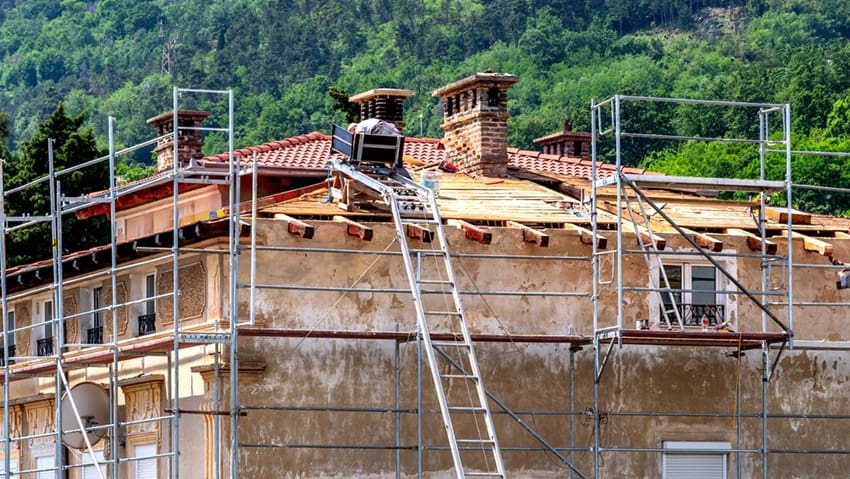
Roof repairs, foundation stabilisation, damp treatment, and drainage improvements should therefore be addressed early within the restoration process. These elements protect the building itself and create a stable foundation for all subsequent renovation work.
Attempting aesthetic improvements before resolving structural concerns often leads to duplicated costs and unnecessary disruption later.
Researching Planning Permission and Regulations
Older homes, particularly listed buildings or properties within conservation areas, may be subject to strict planning regulations. These restrictions often exist to preserve architectural heritage and maintain historical integrity.
Before beginning restoration work, buyers should thoroughly investigate local planning requirements and obtain any necessary permissions. Certain modifications, including window replacements, extensions, or structural alterations, may require specialist approval.
Failure to comply with planning regulations can result in enforcement action, financial penalties, or costly remedial work. Understanding these obligations early prevents complications during the restoration process.
Preserving Original Character Features
One of the greatest appeals of older homes lies in their original architectural features. Fireplaces, exposed beams, sash windows, decorative cornicing, and traditional flooring contribute significantly to character and value.
Whenever possible, restoration should aim to preserve these elements rather than replace them entirely. Authentic restoration often enhances both aesthetic appeal and long term market desirability.
Balancing preservation with practicality is important, however. Some original features may require discreet modernisation to meet contemporary living standards while retaining historical authenticity.
Upgrading Essential Systems
Older properties frequently contain outdated infrastructure that requires substantial modernisation. Plumbing systems, electrical wiring, heating installations, and insulation standards may no longer meet modern safety or efficiency expectations.
Upgrading these systems is essential for both comfort and regulatory compliance. Modern electrical systems improve safety, while efficient heating and insulation significantly reduce long term running costs.
Careful planning ensures that these upgrades integrate sympathetically within the property’s original design rather than compromising its historical character.
Finding the Right Contractors and Specialists
Restoration work requires specialised expertise. Builders experienced primarily in modern construction may lack the technical understanding necessary for heritage properties and traditional building methods.
Selecting contractors with proven restoration experience is therefore critical. Buyers should review previous projects, request references, and verify relevant qualifications before appointing specialists.
Communication is equally important. Restoration projects often evolve as hidden issues emerge, making transparency and adaptability essential qualities within the contractor relationship.
Managing Restoration Timelines Effectively
Restoration projects frequently take longer than initially expected. Delays may arise from material shortages, weather conditions, planning approvals, or unforeseen structural discoveries.
Creating a phased renovation schedule helps maintain organisation and prioritise essential work logically. Structural repairs, infrastructure upgrades, and weatherproofing should generally occur before cosmetic improvements begin.
Realistic timelines reduce frustration and allow for more controlled financial management throughout the project.
Combining Modern Living with Historic Charm
Many successful restorations achieve a balance between traditional character and modern functionality. Buyers increasingly seek homes that retain period charm while accommodating contemporary lifestyles.
Open-plan kitchen extensions, discreet smart-home technology, and energy-efficient improvements can coexist harmoniously within older properties when designed thoughtfully.
The key lies in respecting the architectural identity of the home while enhancing usability. Poorly integrated modernisation can diminish both aesthetic coherence and long term value.
Understanding Long Term Maintenance Requirements
Older homes generally require more ongoing maintenance than newer properties. Traditional materials and ageing structures demand regular attention to prevent deterioration.
Routine inspections, preventative repairs, and careful upkeep are therefore essential aspects of ownership. Maintaining roofs, gutters, timber elements, and ventilation systems helps preserve structural integrity and reduce larger repair costs later.
Prospective buyers should approach restoration not as a one-time project but as an ongoing stewardship responsibility.
Restoration as a Long Term Investment
Restoring an older home can provide both emotional satisfaction and long term financial benefits. Well-executed restorations often enhance market value significantly, particularly where original character has been preserved successfully.
However, the rewards extend beyond financial return alone. Many homeowners value the opportunity to preserve architectural heritage and create uniquely personal living spaces.
Patience, planning, and attention to detail are central to successful restoration. Buyers who approach the process strategically are often rewarded with homes that combine historical richness, modern comfort, and enduring market appeal.
Buying and restoring an older home is both a challenge and an opportunity. While restoration projects require careful financial planning, specialist expertise, and ongoing commitment, they also offer the chance to preserve architectural character and create highly distinctive living environments. By prioritising structural integrity, respecting original features, and planning renovations strategically, buyers can transform ageing properties into valuable and deeply rewarding long term homes.





















































You must be logged in to post a comment Login